

Have you ever looked at your beautiful Arrowhead Plant and wished you could create more of them to fill your home with lush, tropical vibes — without spending a fortune at the nursery? Arrowhead plant propagation is the simple, rewarding solution that lets you multiply your favorite Syngonium podophyllum effortlessly. Whether you’re a beginner houseplant parent or a seasoned collector, mastering this skill transforms one leggy vine into a thriving collection of vibrant, air-purifying plants. ✨
In my decade-plus experience growing and propagating hundreds of aroids, including many varieties of Arrowhead Vine (also known as Goosefoot Plant), I’ve refined techniques that deliver consistently high success rates. This comprehensive guide covers every method — water, soil, moss, and division — with detailed steps, troubleshooting, aftercare, and expert tips you won’t find in shorter articles. By the end, you’ll confidently propagate arrowhead plants and watch them flourish. Let’s turn your single plant into a jungle! 🪴
Arrowhead plants are beloved for their arrow-shaped leaves, easy-care nature, and ability to thrive in medium to low light. Propagating them not only saves money but also rejuvenates older plants, creates thoughtful gifts, and expands your indoor garden. Ready to get started?
What Is the Arrowhead Plant? Understanding Syngonium podophyllum
The Arrowhead Plant, botanically known as Syngonium podophyllum, is a versatile member of the Araceae family. Native to tropical rainforests of Central and South America, it has become a staple in homes worldwide thanks to its forgiving temperament and striking foliage. 🌿
Common names include Arrowhead Vine, Goosefoot Plant, and Nephthytis. Its leaves change shape as the plant matures — starting heart-shaped in juvenile form and developing the signature arrow or lobed appearance in adulthood. This transformation adds ongoing visual interest to your space.
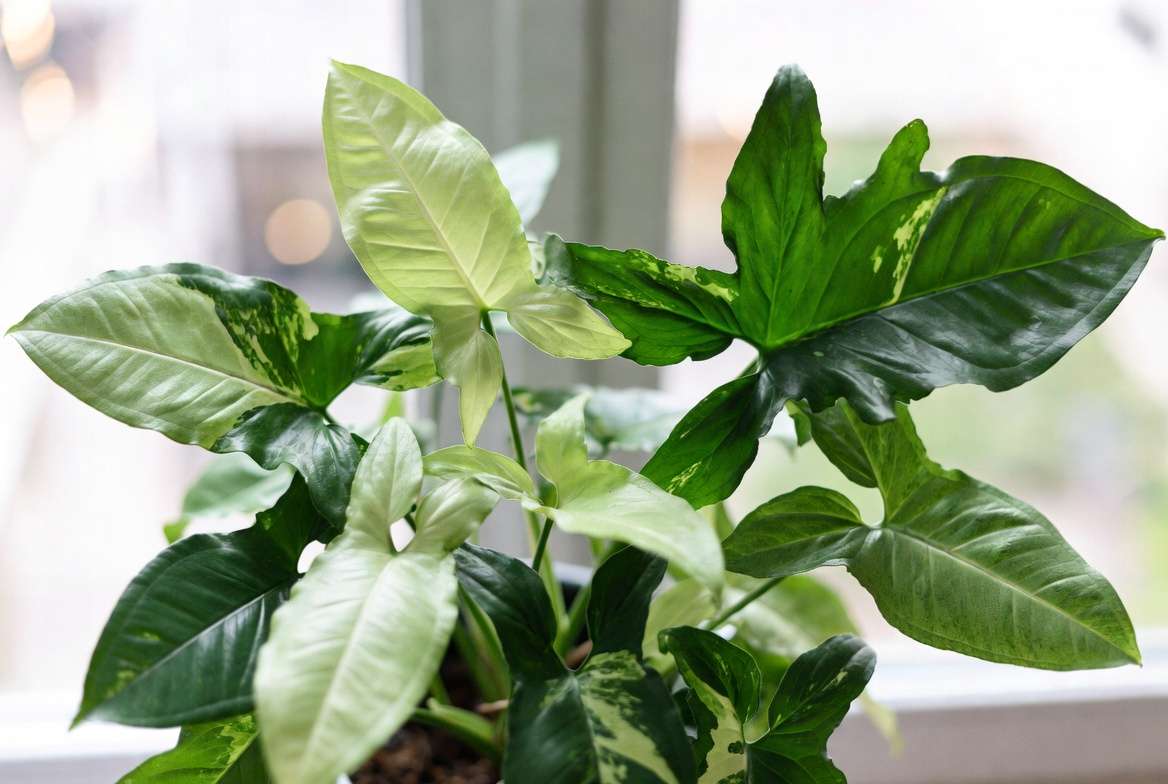
Popular Varieties 🎨
- ‘White Butterfly’: Classic green and white variegation, highly adaptable.
- Pink Syngonium: Stunning pink-tinged new leaves that fade to cream and green.
- ‘Neon Robusta’ and other pink cultivars: Bold color for modern interiors.
- Dark green and fully variegated types: Perfect for adding contrast in plant groupings.
Beyond aesthetics, Arrowhead plants excel at air purification by filtering toxins like formaldehyde and benzene. They’re ideal for bedrooms, offices, and living rooms, and they’re relatively beginner-friendly once you understand their humidity and light preferences.
Why Propagate Your Arrowhead Plant? Benefits and Best Timing
Propagation is one of the most satisfying aspects of plant care. Here’s why you should propagate your Arrowhead Plant:
💝 Cost Savings: Instead of buying new plants, create dozens from one healthy specimen. Rejuvenation: Pruning and propagating leggy or overgrown plants encourages bushier, fuller growth. Sharing Joy: Gift rooted cuttings to friends and family — the ultimate plant-lover present. Experimentation: Try different methods and varieties to build confidence.
Best Time for Propagation 📅 Spring and early summer are ideal when the plant is in active growth. Warmer temperatures (70–85°F / 21–29°C) and increasing daylight boost rooting success. You can propagate year-round indoors with proper care, but expect slower results in winter.
Propagate when your plant becomes too large for its space, shows aerial roots, or needs pruning to maintain shape. Healthy, vigorous stems with several nodes offer the highest success rates.
Essential Tools and Materials for Successful Propagation
Preparation is key to arrowhead plant propagation success. Gather these items beforehand: 🛠️
- Sharp, sterilized pruning shears or scissors (sterilize with rubbing alcohol to prevent disease).
- Clear glass jars or vases for water propagation.
- Well-draining potting mix (aroid mix, or DIY: equal parts perlite, coco coir, and orchid bark).
- Sphagnum moss (for moss propagation).
- Small nursery pots with drainage holes.
- Rooting hormonehttps://en.wikipedia.org/wiki/Hormone powder or gel (optional but helpful for stubborn cuttings).
- Plastic bags or mini greenhouses for humidity.
- Spray bottle for misting.
- Thermometer and humidity meter (optional but insightful).
Recommended Soil Mix: A light, airy blend prevents root rot — the most common issue with Syngonium. Add activated charcoal for extra protection against bacteria. Always use fresh, sterile materials for best results.
Hygiene Tip: Clean all tools and containers to minimize fungal or bacterial risks. This small step dramatically increases your success rate.
Method 1: Water Propagation – Easiest for Beginners
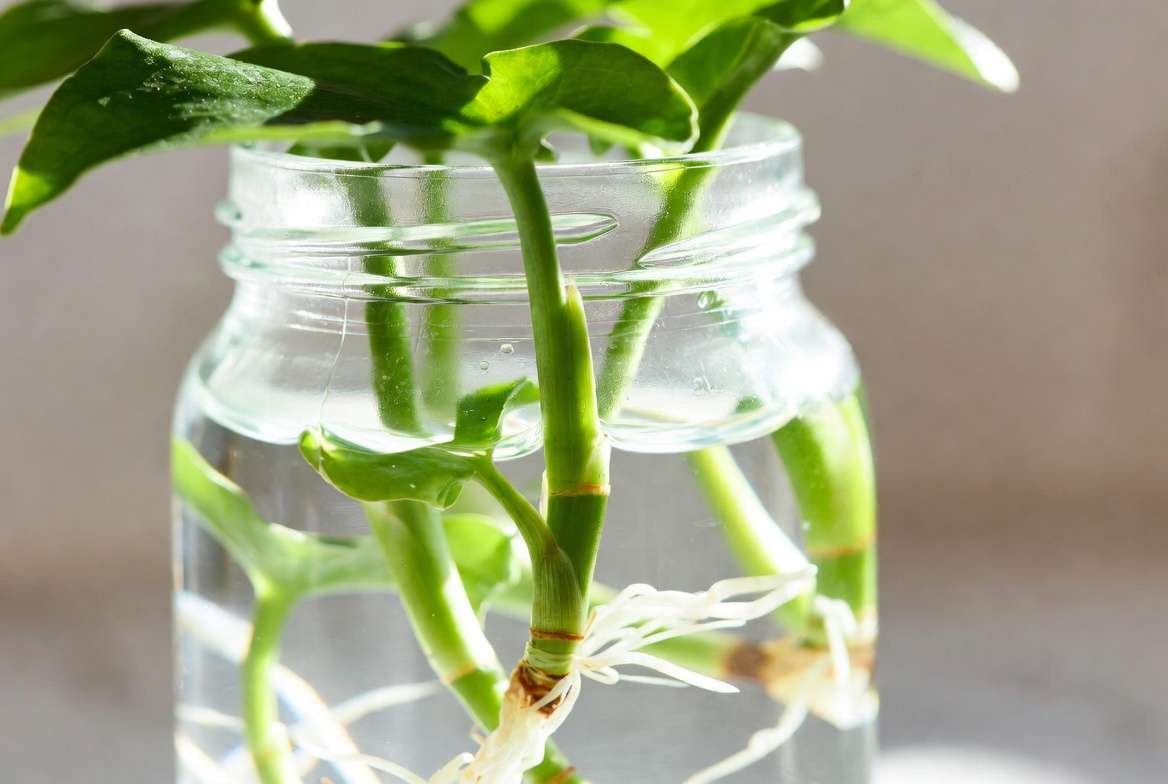
Water propagation is the most beginner-friendly way to root Arrowhead cuttings. Many enthusiasts love watching roots develop in real time!
H3: Selecting and Taking Healthy Stem Cuttings ✂️ Choose a healthy stem with at least 2–3 nodes (the bumps where leaves emerge). Aim for 4–6 inch cuttings. Cut just below a node at a 45-degree angle using sterilized tools. Remove lower leaves to prevent rot, leaving 2–3 top leaves.
H3: Preparing Cuttings for Water Dip the cut end in rooting hormone if desired. Place in a clean jar filled with room-temperature, filtered or distilled water. Ensure nodes are submerged but leaves stay above water.
H3: Care During Rooting Position in bright, indirect light. Change water every 3–5 days to keep it fresh and oxygenated. Maintain temperatures around 70–80°F. You should see tiny white roots in 7–14 days, with substantial roots (1–2 inches) ready for potting in 3–4 weeks.
H3: Transplanting to Soil Once roots are well-developed, gently plant in moist potting mix. Keep soil consistently damp for the first 1–2 weeks while the plant acclimates. Use a humidity dome for the first week to reduce transplant shock.
Pro Tip: Multiple cuttings in one jar create a fuller plant faster. In my experience, water-propagated Arrowheads adapt beautifully and often grow faster initially.
Method 2: Soil or Sphagnum Moss Propagation – For Stronger Root Systems
For stronger, more resilient roots from the start, try soil or moss propagation. These methods reduce transplant stress compared to water. 🌱
Advantages: Direct rooting in medium mimics natural conditions, leading to robust plants less prone to shock. Ideal if you prefer not to deal with water changes.
Step-by-Step Soil Propagation:
- Prepare cuttings as in the water method.
- Dip in rooting hormone.
- Plant in moist, well-aerated mix, burying at least one node.
- Water lightly and cover with a plastic bag for high humidity.
- Place in bright indirect light and maintain even moisture.
H3: Using Sphagnum Moss for Higher Success Rates Sphagnum moss holds moisture perfectly while allowing airflow. Soak moss in water, wring it out, and wrap around the nodes of your cuttings. Place in a clear container or propagation box. Mist as needed to keep moist but not soggy. Roots often form faster and healthier in moss.
H3: Direct Soil Planting Tips Avoid overwatering — let the top inch dry slightly between waterings. A heat mat can speed rooting in cooler rooms. This method shines for variegated cultivars that can be more sensitive.
Method 3: Plant Division for Mature Specimens
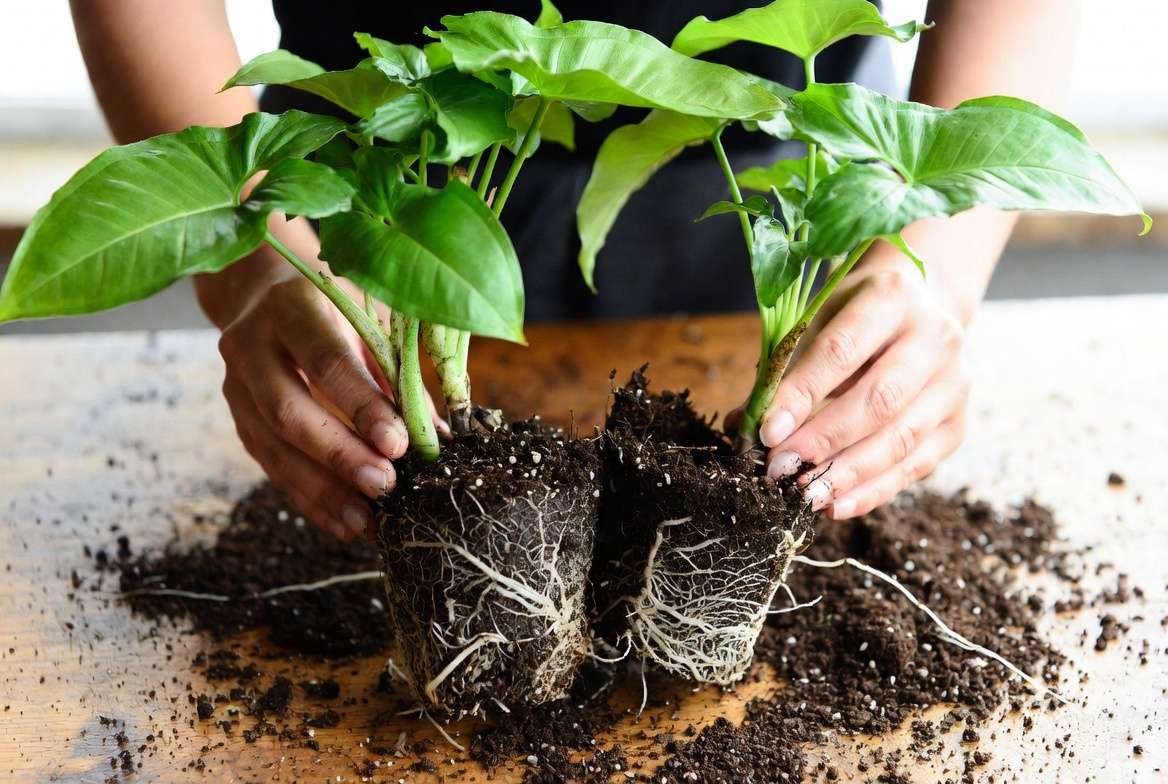
When your Arrowhead has multiple stems and a full root ball, division is the quickest way to get instant new plants.
Ideal for bushy, established plants during repotting time.
Step-by-Step Process:
- Gently remove the plant from its pot.
- Tease apart the root ball, ensuring each division has healthy roots and at least 2–3 stems.
- Trim damaged roots or leaves.
- Repot each section in fresh mix at the same depth as before.
- Water thoroughly and place in a shaded, humid spot for recovery.
Post-Division Care: Expect some temporary drooping. Maintain high humidity and avoid direct sun for 1–2 weeks. Divided plants often recover quickly and resume vigorous growth. 🌿
Aftercare: Helping Your New Arrowhead Cuttings Thrive
Successful propagation doesn’t end at rooting. Proper aftercare ensures your new plants become strong, beautiful specimens.
H3: Ideal Light, Watering, and Humidity Requirements ☀️💧 Arrowhead plants prefer bright, indirect light. Too little light causes legginess; direct sun scorches leaves. Water when the top 1–2 inches of soil feel dry. They love 60–80% humidity — use a pebble tray, group plants together, or run a humidifier.
H3: Temperature, Fertilizing, and Repotting Schedule Keep temperatures above 60°F (15°C), ideally 70–85°F during growth. Fertilize every 4–6 weeks in spring/summer with a balanced, diluted houseplant fertilizer. Repot every 1–2 years or when roots fill the pot.
Pruning and Training: Pinch growing tips for bushier growth or let vines trail or climb a moss pole for dramatic effect. Regular pruning promotes fuller plants.
Common Signs: Healthy new leaves are vibrant; yellowing or browning indicates issues like overwatering or low humidity.
Common Propagation Problems and Troubleshooting ⚠️
Even experts face challenges. Here’s how to solve the most frequent issues:
- Rotting Cuttings: Caused by dirty water/tools or over-moisture. Solution: Sterilize everything, improve airflow, and use fresh water.
- No Roots After Weeks: Increase warmth and humidity. Try rooting hormone.
- Yellow Leaves: Usually overwatering or poor drainage. Adjust watering and check roots.
- Leggy Growth: Insufficient light — move closer to a window.
- Pests (aphids, spider mites, fungus gnats): Isolate and treat with neem oil or insecticidal soap early.
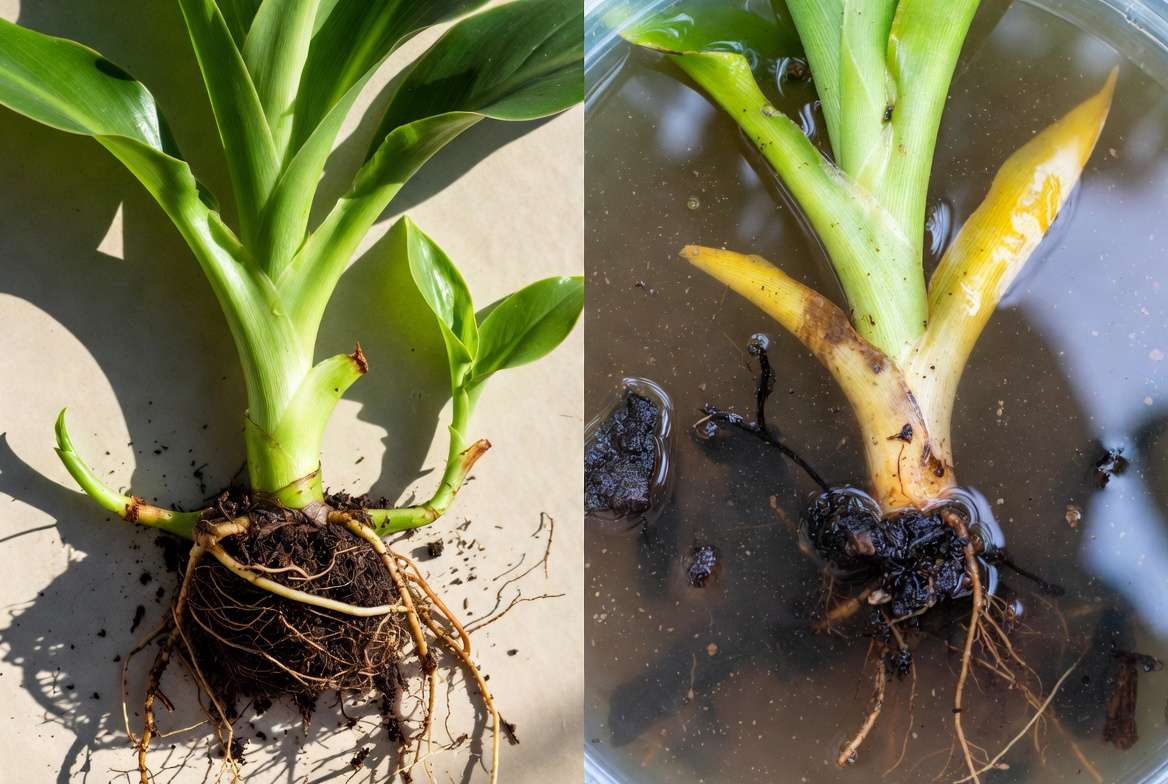
In my experience, maintaining consistent warmth and humidity prevents 90% of problems during arrowhead plant propagation.
Advanced Prevention: Use beneficial microbes or cinnamon on cuts as a natural antifungal.
Advanced Tips and Expert Insights for Pro-Level Results 🧪
Over the years of propagating thousands of Syngonium cuttings, I’ve discovered several advanced techniques that dramatically improve outcomes, especially for rarer variegated or pink cultivars. These insights go beyond basic methods and help you achieve professional greenhouse-level results at home.
Using Rooting Hormones Effectively vs. Natural Methods Rooting hormone (IBA-based powder or gel) can speed up root formation by 30–50% in cooler conditions or with finicky varieties. Apply lightly to the cut node — excess can cause burning. For a natural alternative, try willow water (soak fresh willow branches in water for 24 hours) or honey diluted as a mild antifungal. In my experience, hormones shine for soil/moss methods, while natural options work beautifully in clean water propagation.
Special Considerations for Variegated and Rare Cultivars 🎨 Variegated Arrowhead plants (like ‘White Butterfly’ or pink Syngonium) have less chlorophyll, making them slower to root and more sensitive to stress. Always take cuttings with strong variegation but some green sections for better energy production. Provide slightly higher light and consistent warmth. I recommend moss propagation for these — it maintains stable moisture without drowning delicate tissues.
Creative Propagation Station Ideas 🪴 Set up a dedicated propagation station near an east-facing window or under grow lights. Use a clear acrylic shelf with humidity trays or a mini greenhouse. Grouping cuttings together naturally raises local humidity. For hydroponic enthusiasts, transition rooted cuttings into LECA (clay pebbles) or semi-hydro setups after initial rooting — Arrowhead Vine adapts exceptionally well to this long-term.
Seasonal Adjustments and Long-Term Success In winter, supplement with grow lights (12–14 hours) and a heat mat set to 75°F. Summer propagation benefits from outdoor shaded spots if temperatures stay below 90°F. After 2–3 months, acclimate new plants gradually to normal room conditions. Fertilize lightly once new growth appears, using a seaweed or fish emulsion for gentle nutrients.
Eco-Friendly and Sustainable Practices Reuse clear plastic containers from groceries as propagation domes. Collect rainwater for watering to avoid chemical buildup. Compost any failed cuttings. These small habits make arrowhead plant propagation more sustainable while reducing costs.
Training for Beautiful Growth Habits Encourage bushiness by regularly pinching the top growth tips. For stunning displays, train vines up a moss pole or let them cascade from shelves. Propagated plants often respond with vigorous new shoots within weeks of establishment.
Frequently Asked Questions (FAQs) ❓
Can I propagate Arrowhead Plant in winter? Yes, but results are slower. Provide extra warmth, humidity, and bright indirect light or grow lights. Success rates improve with rooting hormone and moss methods.
How long does it take for Arrowhead cuttings to root? In water: 1–4 weeks for initial roots, 3–6 weeks for transplant-ready roots. Soil/moss can take 2–8 weeks depending on conditions. Consistent 75°F+ temperatures speed everything up.
Water vs. Soil Propagation: Which is better? Water is easiest for beginners and great for monitoring. Soil or sphagnum moss produces stronger root systems with less transplant shock. Many growers start in water then move to soil, or go straight to moss for best of both worlds.
Why are my Arrowhead cuttings rotting? Common causes include non-sterilized tools, dirty water, too much direct sun, or overly wet conditions. Always change water frequently, ensure good airflow, and avoid submerging leaves.
Is the Arrowhead Plant toxic to pets? Yes, like most aroids, Syngonium podophyllum contains calcium oxalates that can cause mouth irritation, drooling, or vomiting in cats and dogs. Keep out of reach or opt for pet-safe alternatives if needed.
How do I make my propagated Arrowhead bushier? Pinch growing tips regularly and provide bright indirect light. Consistent humidity and proper fertilization encourage branching.
Can I propagate from a single leaf? Not reliably. Stem cuttings with nodes are essential for root and shoot development. Leaf-only attempts usually fail.
What’s the best soil mix for Arrowhead after propagation? A chunky aroid mix: 40% coco coir or peat, 30% perlite, 20% orchid bark, and 10% charcoal or worm castings. This ensures excellent drainage and aeration.
Do propagated Arrowhead plants grow faster than store-bought? Often yes! Home-propagated plants adapt quickly to your specific environment and frequently show stronger initial growth once established.
How do I prevent pests during propagation? Start with healthy parent plants, maintain good airflow, and inspect regularly. Neem oil spray is effective and gentle for early infestations.
Conclusion: Grow Your Arrowhead Collection with Confidence 🌟
Mastering arrowhead plant propagation opens up a world of possibilities for any houseplant enthusiast. From simple water cuttings to advanced moss techniques and division, you now have all the tools, steps, and troubleshooting knowledge to succeed consistently.
Remember: patience, cleanliness, warmth, and humidity are your greatest allies. In my years working with these delightful Syngonium podophyllum plants, I’ve seen even complete beginners turn a single vine into a lush indoor jungle filled with personal satisfaction and beautiful foliage.
Start today with one healthy cutting — you’ll be amazed at how quickly your collection grows. Share your propagation success stories or photos in the comments below. Which method will you try first?
For more expert houseplant guidance, explore our complete Arrowhead Plant Care Guide, troubleshooting common issues, or propagation articles for other popular aroids like Philodendron and Pothos.
Happy planting! Your thriving Arrowhead family awaits. 🪴💚











