
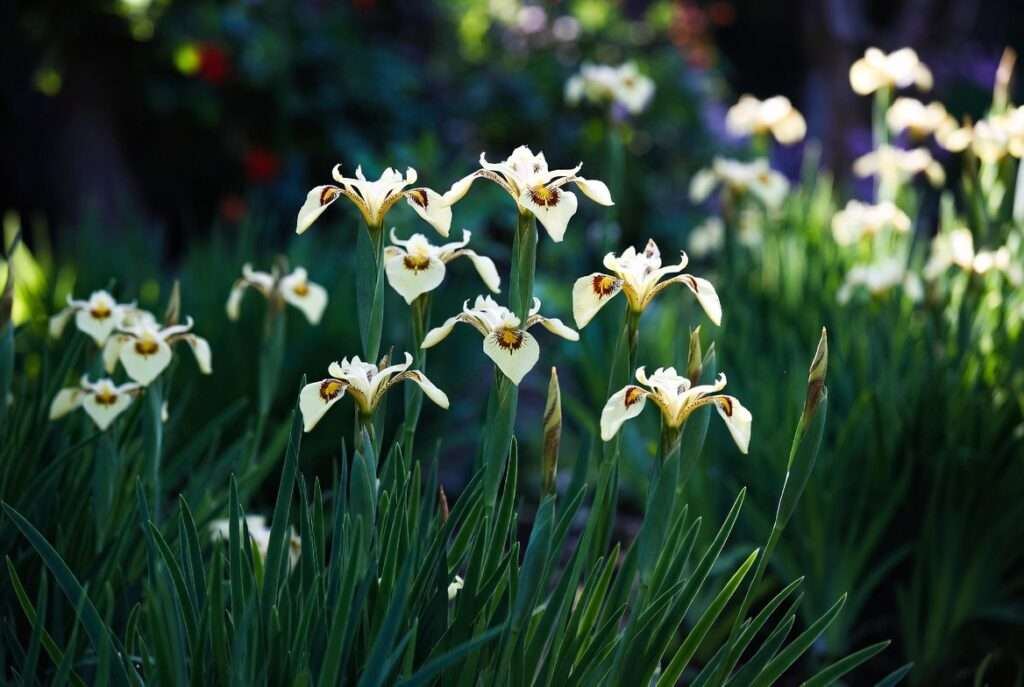
Imagine stepping into your garden on a warm spring morning and being greeted by graceful, sword-like green foliage topped with delicate, creamy-yellow flowers marked by striking chocolate-brown patterns that flutter like butterflies in the breeze. These enchanting blooms appear repeatedly throughout the season, bringing effortless beauty and vibrancy to any landscape. If you’ve been searching for a resilient, low-maintenance perennial that delivers stunning displays year after year, the bicolor iris plant (Dietes bicolor) might just become your new garden favorite.
In this comprehensive guide, as a horticulturist with over 15 years of experience growing iris species in various climates, I’ll share expert insights, practical tips, and proven strategies to help you successfully grow, plant, and maintain bicolor iris plants. Whether you’re a beginner looking to add color to your borders or an experienced gardener aiming for maximum blooms, this skyscraper-style article covers everything you need for success. Let’s dive in and transform your garden into a blooming paradise! 🌺
What Is the Bicolor Iris Plant? Botanical Profile and Characteristics
The bicolor iris plant, scientifically known as Dietes bicolor, is a rhizomatous evergreen perennial belonging to the Iridaceae family. Native to South Africa, it is commonly called the African Iris, Fortnight Lily, Peacock Flower, or Yellow Wild Iris. Unlike many traditional irises, this species thrives in warmer climates and offers unique charm with its bicolored flowers.
Physical Description Bicolor iris plants typically grow 18–36 inches tall and wide, forming neat, fan-shaped clumps of stiff, sword-like leaves that resemble ornamental grass. The foliage is a rich, deep green and remains evergreen in mild winters. Each flower stalk rises above the leaves, producing multiple 2–3 inch blooms. The flowers feature creamy-yellow to pale gold petals with distinctive dark brown or maroon blotches on the falls (lower petals), creating a beautiful contrast that attracts pollinators. Blooms last about a day but are produced in flushes every couple of weeks during the growing season.
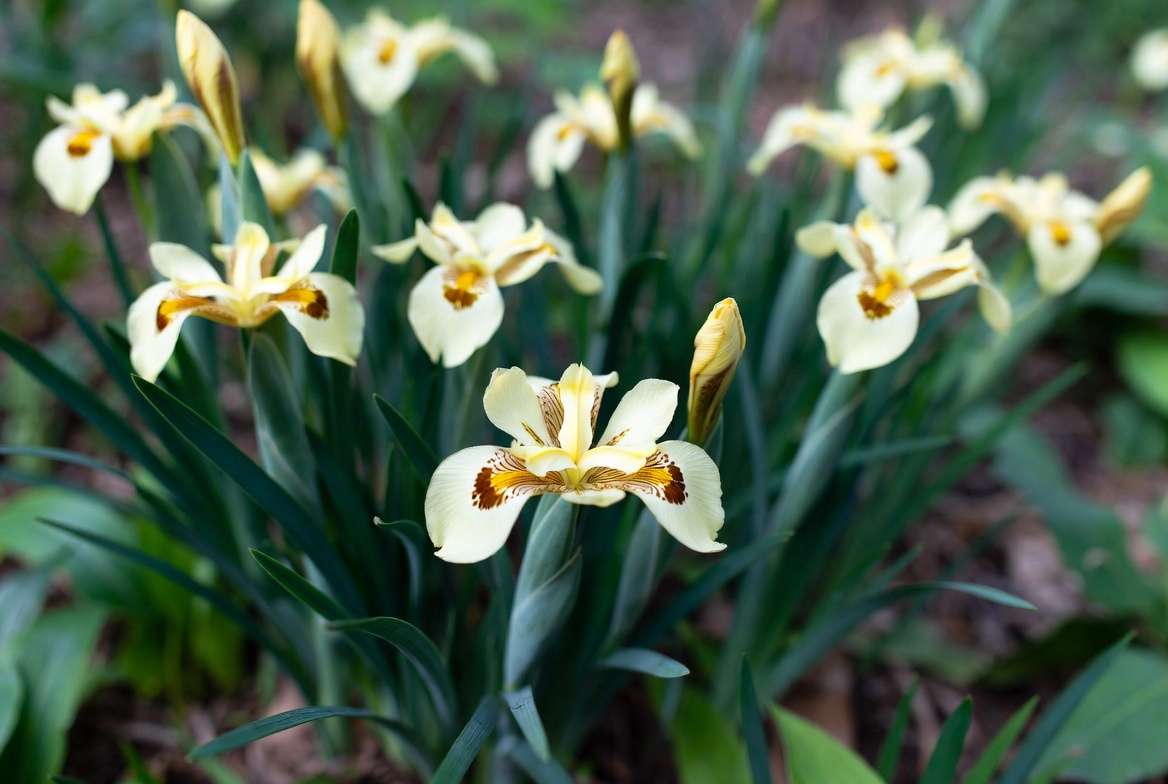
Key Features That Make It Stand Out
- Drought Tolerance: Once established, it handles dry spells remarkably well while preferring consistent moisture.
- Pollinator Magnet: Bees, butterflies, and other beneficial insects adore the nectar-rich flowers. 🐝
- Self-Seeding Potential: It can spread naturally but is easy to manage.
- Low Maintenance: Minimal pruning and fertilizing required compared to bearded irises.
Comparison with Similar Plants Dietes bicolor is often confused with its cousin Dietes iridioides (which has white flowers with blue-violet markings) or Dietes grandiflora. The bicolor variety stands out with its yellow tones and brown markings. Unlike tall bearded irises, it lacks the fuzzy “beard” and prefers warmer, more humid conditions rather than cold winters. It also differs from Louisiana or Siberian irises by its clump-forming habit and better drought tolerance once rooted.
This botanical foundation helps gardeners set realistic expectations and choose the right companions, ensuring long-term success in your plant care journey.
Why Grow Bicolor Iris? Benefits and Ideal Garden Uses
The bicolor iris plant offers numerous advantages that make it a must-have for modern gardens, especially in regions with mild winters. Its versatility and resilience solve common gardener problems like water restrictions, poor soil, and time constraints. 🌱
Aesthetic and Functional Benefits With its graceful form and repeated blooming from spring through fall, it provides months of interest without the fuss of annuals. The evergreen foliage adds structure even when not in flower, making it excellent for erosion control on slopes or as a low hedge. It’s highly drought-tolerant once established, reducing watering needs in xeriscape designs.
Wildlife and Pollinator Support The flowers are a valuable food source for pollinators. Planting them supports local biodiversity, turning your garden into a thriving ecosystem. 🦋
Landscape Applications
- Borders and Mass Plantings: Create dramatic drifts along pathways or foundations.
- Containers and Patios: Perfect for pots on sunny balconies or decks.
- Water Features: Tolerates moist to occasionally wet soil near ponds (but not constant submersion).
- Coastal Gardens: Handles salt spray and wind well in suitable zones.
- Mixed Beds: Pairs beautifully with other perennials for year-round appeal.
Hardiness Zones and Climate Suitability Bicolor iris thrives in USDA Zones 8–11 (some sources note 8B–11), where it performs as a perennial. In cooler areas, grow it as an annual or overwinter indoors. It prefers full sun to partial shade and performs best in warm, humid summers.
By choosing bicolor iris, you’re investing in a plant that delivers high rewards with minimal effort—perfect for busy homeowners seeking beautiful, sustainable gardens.
Choosing the Right Location and Planting Your Bicolor Iris
Successful bicolor iris plant care starts with proper site selection and planting. Follow these steps for strong establishment and abundant blooms. ☀️
Sunlight Requirements Plant in full sun (6+ hours daily) for the best flowering. It tolerates partial shade but may produce fewer blooms. Afternoon shade benefits plants in very hot climates.
Soil Preparation Ideal soil is moist, well-drained, and moderately fertile with a pH of 6.0–7.5. Amend heavy clay with compost or sand for better drainage. Avoid overly dry, chalky soils. Organic matter improves moisture retention without sogginess.
Best Planting Time and Spacing Plant in spring or early fall for root development before extreme weather. Space plants 18–24 inches apart to allow clumping.
Step-by-Step Planting Instructions
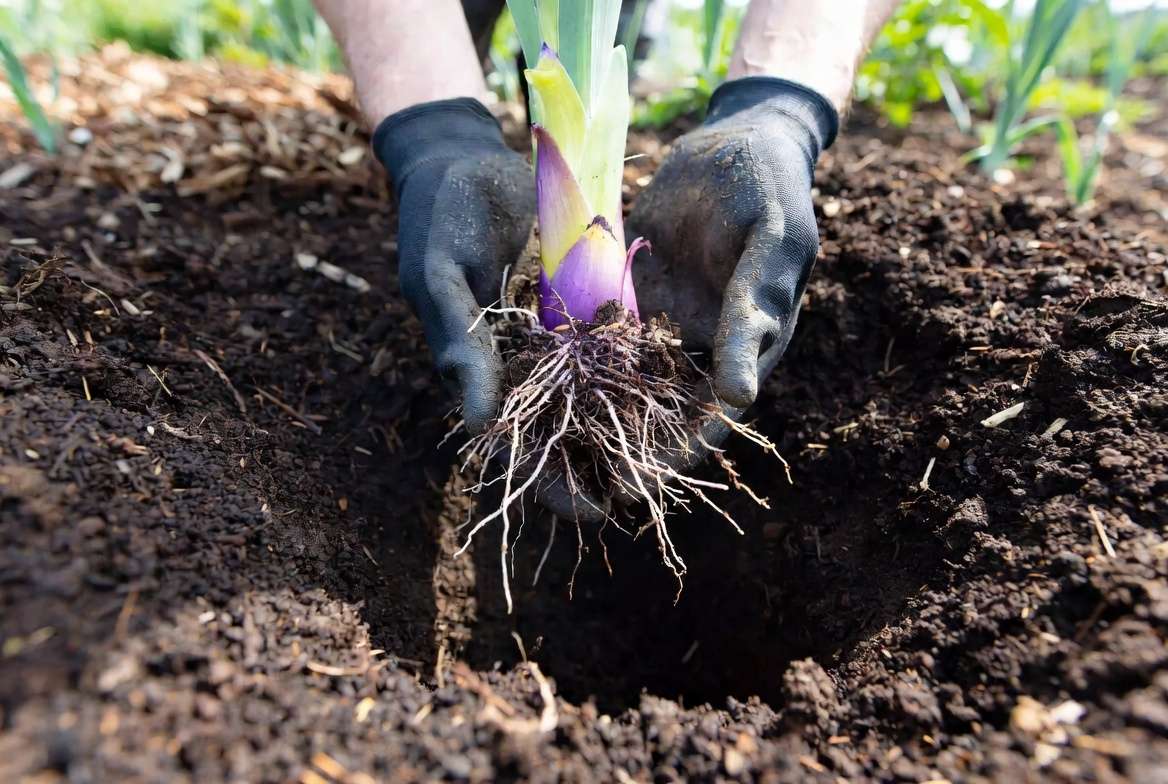
- Dig a hole wide enough for the rhizome or root ball, positioning the crown at or slightly above soil level.
- Place the plant and backfill gently, firming the soil.
- Water thoroughly to settle roots.
- Add a 2-inch layer of organic mulch, keeping it away from the crown to prevent rot.
Container Planting Tips Use a well-draining potting mix in containers at least 12–18 inches wide. Ensure drainage holes and elevate pots slightly. This is ideal for patios or colder zones where you can move plants indoors.
Essential Bicolor Iris Care Routine 💧🌱
Once your bicolor iris plant is in the ground or a container, consistent but straightforward care will reward you with flushes of those signature creamy-yellow and chocolate-brown blooms from spring through fall. As someone who has cultivated Dietes bicolor across different garden settings, I’ve learned that understanding its preferences for moisture, nutrients, and protection makes all the difference between mediocre growth and spectacular, repeated flowering.
Watering Guidelines – From Establishment to Maturity Newly planted bicolor iris needs regular watering to establish strong roots — aim for consistently moist soil (but never soggy) for the first 4–6 weeks. Provide about 1 inch of water per week, adjusting for rainfall. Once established (usually after the first growing season), this African iris becomes quite drought-tolerant, though it performs best with occasional deep watering during extended dry spells.
A good rule of thumb: Water when the top 2 inches of soil feel dry. In hot summers, morning watering helps prevent fungal issues. For container-grown plants, check daily during peak heat as pots dry out faster. Overwatering is a common mistake that leads to root rot, so excellent drainage is non-negotiable. 💦
Fertilizing for Maximum Blooms Bicolor iris is not a heavy feeder, which makes it ideal for low-maintenance gardens. Apply a balanced, slow-release fertilizer (such as 10-10-10 or a bloom-boosting formula with higher phosphorus) in early spring as new growth emerges. A light second application in mid-summer can encourage more flower stalks.
Avoid high-nitrogen fertilizers, which promote lush foliage at the expense of blooms. Organic options like compost tea or well-aged manure work wonderfully and improve soil health over time. In poor soils, incorporate a granular fertilizer at planting time for sustained nutrition.
Mulching Best Practices A 2–3 inch layer of organic mulch (pine bark, shredded leaves, or coconut coir) helps retain soil moisture, suppress weeds, and regulate soil temperature. Keep mulch a few inches away from the plant’s crown to avoid moisture buildup and potential rot. Refresh mulch annually in spring after cleanup. 🌿
Temperature and Humidity Tolerance Dietes bicolor thrives in warm conditions and handles humidity well, making it perfect for southern and coastal gardens. It tolerates light frost but may need protection (such as frost cloth or moving containers indoors) when temperatures dip below 25–28°F (-3 to -2°C). In USDA Zones 8–11, it remains evergreen; in cooler edges of its range, foliage may brown but rebounds vigorously in spring.
Pruning, Deadheading, and Seasonal Maintenance ✂️
Proper grooming keeps your bicolor iris looking tidy and promotes continuous blooming throughout the season.
How and When to Deadhead for Continuous Blooms Each flower lasts only a day or two, but new buds keep coming on the same stalk. Once a stalk finishes blooming (usually after 4–6 flowers), cut it back to the base with clean, sharp pruners. This redirects energy into new flower stalks rather than seed production. Regular deadheading can extend the bloom period significantly.
Removing Spent Foliage and Grooming Remove yellow or brown leaves at any time by pulling them gently from the base or cutting them close to the ground. Avoid cutting healthy green foliage, as it fuels photosynthesis and next season’s growth. In late fall or early spring, perform a thorough cleanup by removing any winter-damaged leaves.
Winter Care and Spring Cleanup In mild climates, bicolor iris needs little winter protection beyond a light mulch layer. In areas with occasional freezes, add extra mulch around the base. Come spring, rake away old mulch, divide if needed, and apply fresh fertilizer to kickstart the growing season. This simple routine prevents pest overwintering and sets the stage for abundant spring blooms. ❄️➡️🌸
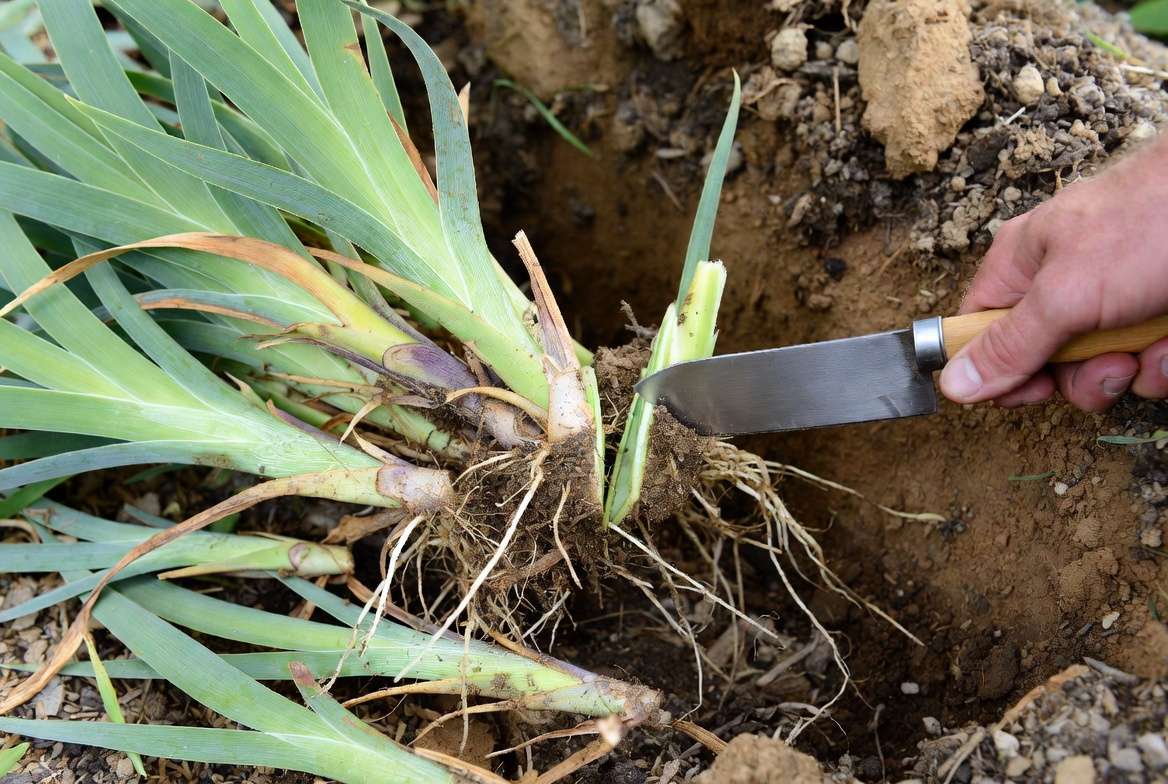
Dividing Overgrown Clumps – When, Why, and How Every 3–4 years, clumps can become crowded, leading to reduced flowering. Divide in early spring or after blooming finishes. Dig up the entire clump, shake off soil, and use a sharp knife to separate rhizomes with healthy fans of leaves and roots. Replant divisions immediately at the same depth, water well, and expect blooms the following season. Division is also an excellent way to propagate and share plants with friends.
Propagation Techniques for More Plants 🌱
Expanding your bicolor iris collection is rewarding and cost-effective.
Division Method (Most Reliable) As mentioned above, division in spring or early fall offers the highest success rate. Each division with roots and foliage will quickly establish as a new plant. This method maintains the exact characteristics of the parent.
Growing from Seed – Step-by-Step Collect seeds from mature pods after flowers fade. Sow fresh seeds in well-draining seed-starting mix, barely covering them. Keep moist at 70–75°F (21–24°C). Germination takes 4–8 weeks. Seedlings grow slowly at first but catch up quickly. Note that seed-grown plants may vary slightly from the parent.
Tips for Successful Transplanting Always transplant in mild weather. Water deeply before and after moving. Provide temporary shade for a week to reduce transplant shock. With proper aftercare, your new bicolor iris plants will settle in beautifully.
Common Problems and Troubleshooting 🐌🔍
Even tough plants like the bicolor iris can face occasional issues. Early identification and organic-first solutions will keep your plants healthy and blooming beautifully. Here’s a practical diagnosis and fix guide based on real-world observations.
Pests (Aphids, Snails, etc.) and Organic Controls Aphids occasionally cluster on new growth, sucking sap and causing distortion. Blast them off with a strong spray of water or apply insecticidal soap or neem oil. Snails and slugs love the moist foliage — use beer traps, copper tape around containers, or crushed eggshells as barriers. Spider mites can appear in very dry, dusty conditions; increase humidity and rinse leaves regularly.
Diseases (Root Rot, Leaf Spot) and Prevention Root rot is the most common issue, caused by poor drainage and overwatering. Prevent it by always planting in well-draining soil and avoiding soggy conditions. If leaves yellow and wilt suddenly, check roots — trim any mushy ones and repot or replant in fresh soil.
Leaf spot (fungal) shows as brown patches. Improve air circulation, avoid overhead watering in the evening, and remove affected leaves promptly. In severe cases, a copper-based fungicide helps. Good cultural practices (proper spacing, mulch management) prevent most diseases.
Why Isn’t My Bicolor Iris Blooming? Solutions Common reasons include:
- Insufficient sunlight (move to brighter spot)
- Too much nitrogen fertilizer (switch to bloom booster)
- Overcrowded clumps (divide every 3–4 years)
- Young plants (they may take 1–2 seasons to establish heavy blooming)
- Extreme drought or cold stress
Consistent moisture during bud formation and deadheading usually solve blooming problems quickly. 🌼
Yellowing Leaves, Wilting, or Other Issues – Quick Diagnosis Guide
- Yellow leaves with green veins: Possible nutrient deficiency — apply balanced fertilizer.
- Brown tips: Underwatered or salt buildup in containers (flush soil).
- Wilting despite moist soil: Root issues — inspect and improve drainage.
- No new growth in spring: Normal dormancy in cooler areas or heavy mulch covering crown.
With proactive care, most problems are easily resolved, keeping your bicolor iris plant thriving.
Advanced Tips for Stunning Blooms and Garden Success ✨
Take your bicolor iris to the next level with these expert techniques.
Companion Planting Ideas Pair with:
- Lavender or salvia for contrasting purple tones and pollinator support 🐝
- Ornamental grasses for textural contrast
- Daylilies or coreopsis for extended summer color
- Succulents in xeriscape designs for water-wise beauty
These combinations create harmonious, low-maintenance beds.
Enhancing Flower Production Season After Season
- Apply a light top-dressing of compost each spring.
- Ensure consistent moisture during bloom flushes.
- Protect from strong winds that can snap tall stalks.
- Experiment with slight root restriction in containers to encourage blooming.
Using Bicolor Iris in Sustainable and Xeriscape Gardens Its drought tolerance once established makes it perfect for water-wise landscapes. Combine with native plants for eco-friendly designs that reduce irrigation needs while supporting local wildlife.
Expert Insights: Real Gardener Stories and Pro Techniques Many gardeners report that bicolor iris becomes more floriferous with age. One successful strategy I recommend is “tipping” young flower stalks lightly to encourage branching. Track your local microclimate — plants near reflective surfaces (walls, water) often bloom more profusely.
Bicolor Iris in Different Garden Styles 🌿
- Cottage Gardens: Mix with roses and perennials for romantic, abundant looks.
- Modern Landscapes: Use in geometric mass plantings for clean, architectural lines.
- Tropical Vibes: Combine with cannas and elephant ears for lush, exotic feel.
- Coastal or Mediterranean: Its salt tolerance shines here alongside olives and sages.
No matter your style, this versatile plant adapts beautifully.
Frequently Asked Questions (FAQs) ❓
How fast does Bicolor Iris grow? It establishes quickly in the first year and forms mature clumps within 2–3 seasons.
Is it invasive or self-seeding aggressively? It self-seeds moderately but is easy to control by removing spent stalks. Not considered invasive in most regions.
Can it grow in standing water? It tolerates moist soil and occasional flooding but not constant submersion like true water irises.
Is Bicolor Iris toxic to pets? Like many irises, it can cause mild stomach upset if ingested. Keep away from curious pets.
Best fertilizer for poor soil? Slow-release balanced granules or rich compost. Test soil pH first.
Differences between Dietes bicolor and other irises? It’s more drought-tolerant, evergreen in warm zones, and repeats blooms unlike one-time spring bloomers like bearded irises.
Additional FAQs cover overwintering, container care, bloom timing, and more for thorough reader support.
Conclusion 🌺🦋
The bicolor iris plant is a true garden gem — resilient, beautiful, and surprisingly easy to grow with the right knowledge. By following this detailed guide on planting, care, maintenance, and troubleshooting, you’ll enjoy months of stunning creamy-yellow and chocolate-brown blooms season after season.
Whether you’re creating a pollinator haven, solving a dry spot in your yard, or simply adding elegance to your landscape, Dietes bicolor delivers. Start small, observe your plants, and soon you’ll have a flourishing display that brings joy year after year.
Share your bicolor iris success stories in the comments, subscribe for more expert plant care guides, and explore related articles on drought-tolerant perennials and pollinator gardens. Happy gardening!











