
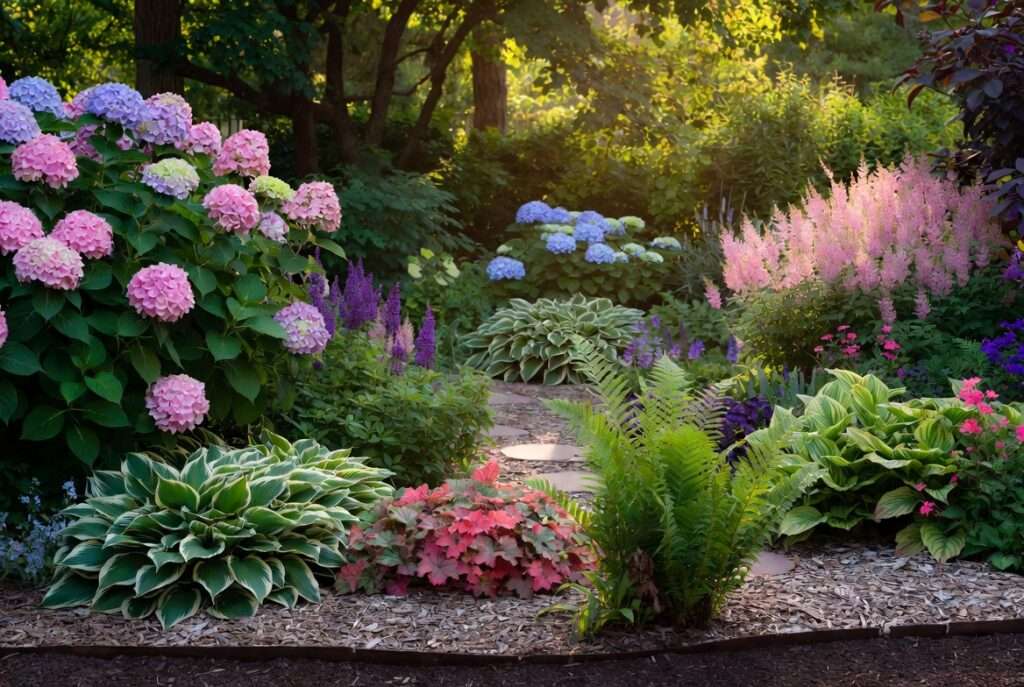
Are you tired of watching beautiful plants struggle in that tricky garden spot that gets gentle morning rays but slips into refreshing shade by midday? You’re not alone. Many homeowners and gardening enthusiasts face the challenge of finding the right plants for these partly sun plants conditions.
If you’re searching for partly sun plants that bring vibrant color, lush foliage, and reliable performance without demanding full-day sunshine, this guide is for you. With over 15 years of hands-on horticultural experience working with home gardens, public landscapes, and botanical collections across varied climates, I’ve tested hundreds of varieties in partial sun settings. This comprehensive resource shares the very best partly sun plants, proven care strategies, and design secrets to help you create a thriving, low-maintenance garden oasis.
Whether you have a suburban backyard, urban balcony, or woodland-edge plot, the right selection of partial sun perennials, shrubs, and edibles will transform challenging light conditions into a flourishing display. Let’s dive in and solve your partial sun gardening puzzles once and for all. 🌿
Understanding Partly Sun Conditions – What Does It Really Mean? ☀️🌥️
Before selecting plants, it’s essential to understand what “partly sun” actually means in real garden terms.
Partial sun (also called part sun or dappled sunlight) typically refers to areas that receive 4–6 hours of direct sunlight per day, often in the morning, followed by afternoon shade. This differs from full sun (6+ hours of intense light), partial shade (2–4 hours), and full shade (less than 2 hours of direct sun).
Morning sun is gentler and less likely to scorch delicate leaves, while afternoon shade protects plants from the hottest, most intense rays. In many regions, east-facing or north-eastern exposures naturally create ideal partly sun microclimates. Factors like tall trees, buildings, or garden structures can also create filtered light patterns that many plants adore.
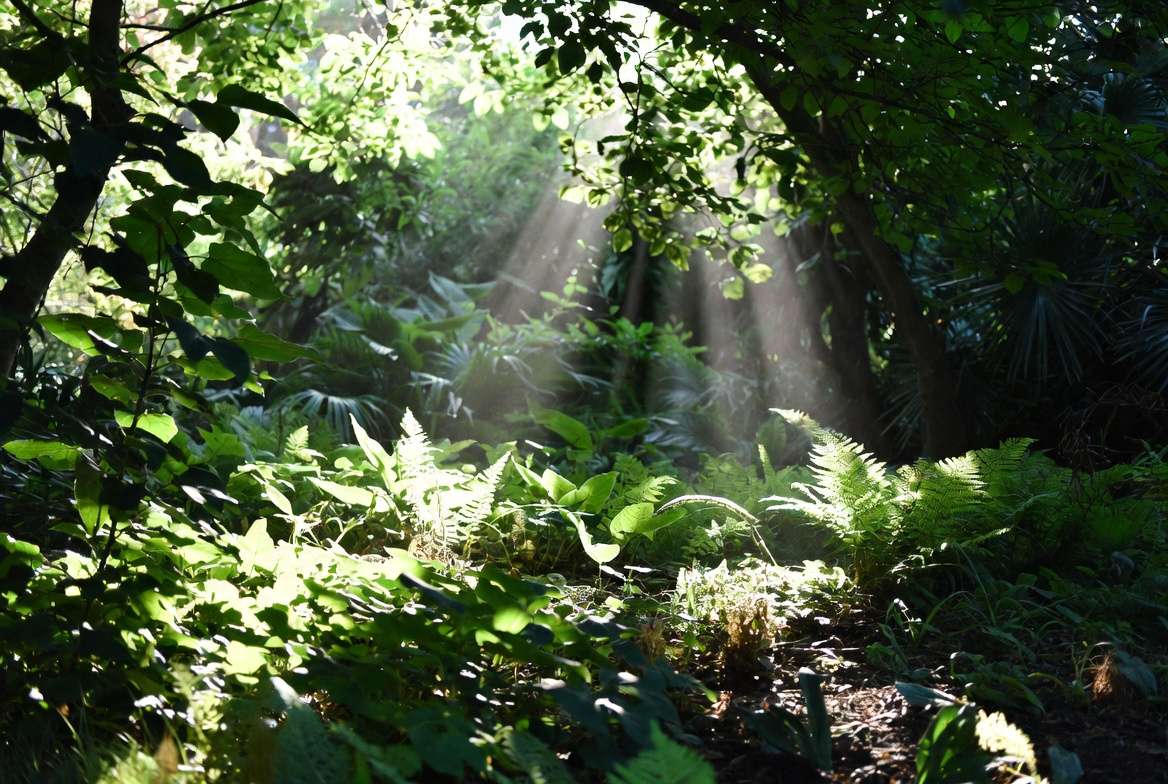
Why gardeners love partly sun spots: These areas often have more moderate temperatures and higher humidity, reducing water stress. Plants here tend to produce larger, more vibrant leaves and extended bloom periods compared to those in harsh full sun. Plus, partial sun gardens support diverse pollinators while requiring less frequent watering once established.
Expert Tip: Always observe your specific site for a full week in different seasons. Light patterns shift dramatically between spring and summer due to changing sun angles. Use a sunlight calculator app or simply note the hours of direct light to match plants accurately.
Common misconception: Many assume “part sun” means the plant can handle anything. In reality, too little light leads to leggy growth and fewer flowers, while unexpected intense afternoon sun can cause leaf scorch. Matching plants to your exact conditions is the foundation of success.
Top 12 Best Partly Sun Plants for Easy Success 🌟
Here’s my curated list of standout partly sun plants that have consistently performed well in real gardens. I’ve grouped them by type for easier selection.
Flowering Stars for Color and Pollinators 🌸
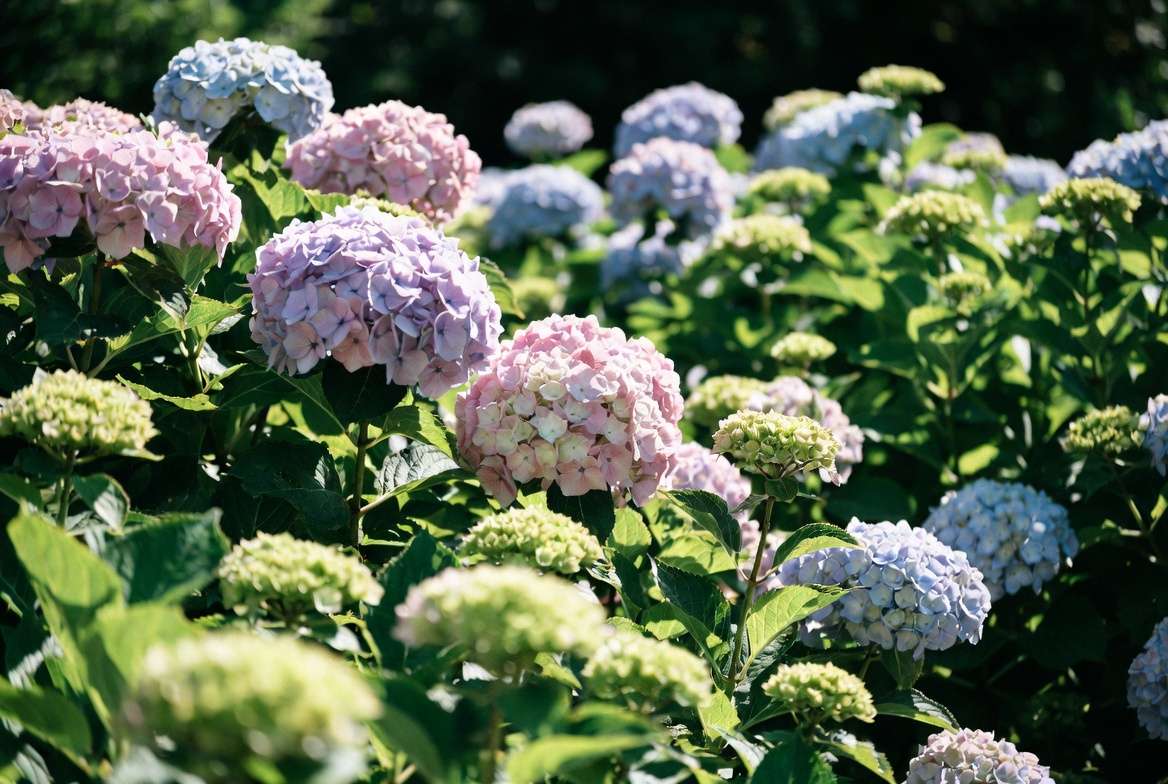
1. Bigleaf and Panicle Hydrangeas These beloved shrubs are stars in partial sun. Bigleaf hydrangeas (Hydrangea macrophylla) produce stunning mophead or lacecap blooms in shades of pink, blue, or purple, while Panicle types (Hydrangea paniculata) offer elegant cone-shaped white-to-pink flowers. They thrive with 4–6 hours of morning sun and appreciate afternoon shade that prevents wilting. Mature size: 3–8 feet tall. Zones 3–9 depending on variety.
Pro Tip: Amend soil with organic matter and maintain consistent moisture. Change bloom color on bigleaf types by adjusting soil pH (acidic for blue tones).
2. Astilbe 🌺 Feathery plumes in red, pink, white, and lavender rise above fern-like foliage. Astilbe loves rich, moist soil and dappled light. It’s deer-resistant and excellent for cutting gardens. Height: 1–4 feet. Zones 4–8.
3. Bleeding Heart (Dicentra spectabilis) Heart-shaped pink or white flowers dangle gracefully in spring. This classic woodland perennial goes dormant in summer heat, making it perfect for partly sun beds. Height: 2–3 feet. Zones 3–9.
4. Daylilies (Hemerocallis hybrids) Tough, adaptable, and prolific. Many modern reblooming varieties perform beautifully with morning sun and afternoon shade. Choose from hundreds of colors. Height: 1–4 feet. Zones 3–9.
Foliage Powerhouses for Texture and Year-Round Interest 🍃
5. Hostas The queen of shade-to-partial sun gardens. With hundreds of varieties featuring blue, gold, or variegated leaves, hostas bring architectural beauty. They pair wonderfully with ferns and astilbe. Protect from slugs in humid areas. Zones 3–9.
6. Heuchera (Coral Bells) Colorful foliage in shades of purple, lime, caramel, and silver makes these evergreen perennials shine. Delicate flower spikes attract hummingbirds. Excellent for edging and containers. Zones 4–9.
7. Japanese Painted Fern (Athyrium niponicum) Silvery-purple fronds add elegance and movement. This fern tolerates more sun than most others when soil stays moist. Perfect for Asian-inspired or woodland designs.
Shrubs and Structural Plants 🌳
8. Azaleas and Rhododendrons Spring explosions of color in partial sun. Choose heat-tolerant varieties for warmer climates. Acidic soil and good drainage are key. Many reblooming types extend the show.
9. Viburnum Versatile shrubs offering fragrant flowers, berries for birds, and stunning fall color. Arrowwood and doublefile varieties excel in 4–6 hours of sun.
10. Knock Out and Drift Roses Modern landscape roses bred for disease resistance and extended blooming. They handle partial sun better than traditional hybrid teas while requiring less maintenance.
Edible & Herb Options for Functional Gardens 🌿🥬
11. Leafy Greens and Herbs Spinach, lettuce, Swiss chard, parsley, mint, and cilantro thrive in partly sun conditions. Morning sun promotes healthy growth while afternoon shade prevents bolting in summer.
12. Currants and Gooseberries Productive fruiting shrubs that prefer cooler, partly shaded spots. Rich in antioxidants and perfect for home orchards in zones 3–8.
Each of these plants has been personally trialed in client gardens with excellent results. When shopping, look for healthy specimens with strong root systems and choose varieties recommended for your USDA hardiness zone.
How to Plant and Establish Partly Sun Plants Successfully 🌱🪴
Successful gardening with partly sun plants starts with proper planting techniques. Getting this step right dramatically increases survival rates and long-term performance.
Site Selection and Soil Preparation Best Practices Observe your garden’s light patterns carefully throughout the day and across seasons. Ideal spots receive gentle morning sun and protection from harsh afternoon rays. Test soil drainage by digging a 12-inch hole and filling it with water. If it drains within 4 hours, you’re in good shape. Most partly sun plants prefer rich, well-draining loamy soil with a pH between 5.5–7.0.
Incorporate 2–4 inches of high-quality compost or aged manure into the top 12 inches of soil. This improves moisture retention and provides slow-release nutrients. For heavy clay soils, add perlite or coarse sand. Raised beds or mounded planting areas work wonders in poorly drained locations.
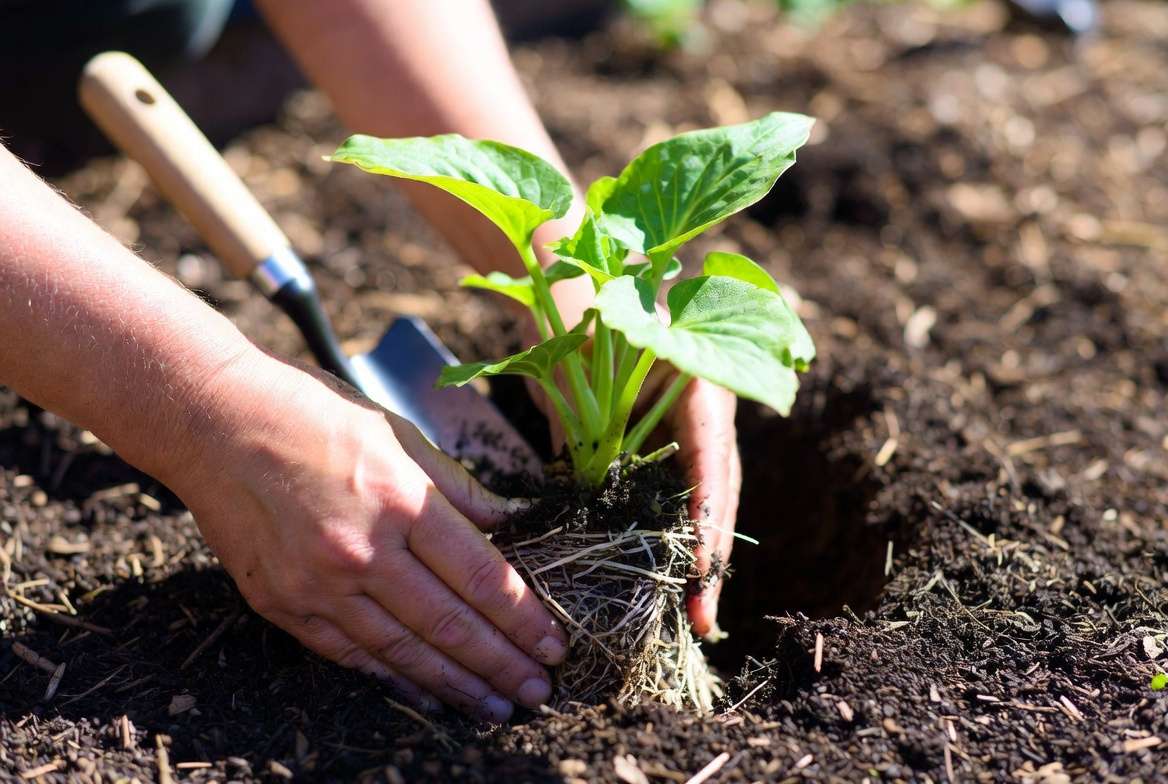
Planting Techniques for Optimal Root Development Plant in early spring or fall when temperatures are moderate. Dig holes twice as wide as the root ball but only as deep. Gently loosen circling roots before placing the plant so the crown sits at soil level (for perennials) or slightly above (for shrubs). Backfill with amended native soil rather than pure potting mix to encourage roots to spread into surrounding ground.
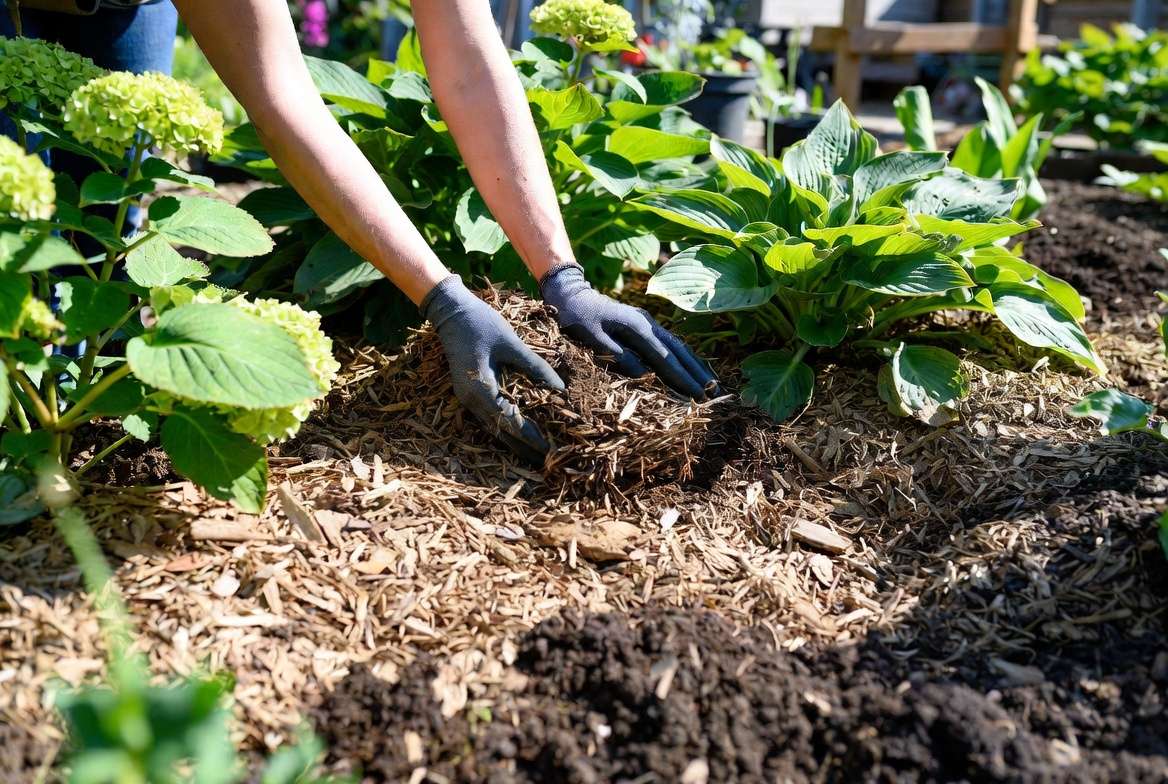
Water deeply immediately after planting to settle soil and eliminate air pockets. Apply a 2–3 inch layer of organic mulch (shredded bark, pine needles, or leaf mold) around plants, keeping it away from stems to prevent rot. Mulch conserves moisture, moderates soil temperature, and suppresses weeds — critical advantages in partial sun gardens.
Watering Wisdom – Keeping the Balance in Partial Light 💧 Newly planted partly sun plants need consistent moisture for the first 6–8 weeks. Water deeply but infrequently — aim for 1 inch per week, adjusting for rainfall. Use a soaker hose or drip irrigation to deliver water directly to roots and avoid wetting foliage, which can encourage fungal issues.
Established plants are more forgiving, but never let them dry out completely during active growth. Signs of underwatering include wilting in the morning or crispy leaf edges. Overwatering symptoms include yellowing lower leaves and soggy soil. A moisture meter or simple finger test (push 2 inches into soil) helps maintain the perfect balance.
Mulching, Fertilizing, and Seasonal Care Calendar Refresh mulch annually in spring. For fertilization, use a balanced, slow-release organic fertilizer in early spring. Heavy feeders like hydrangeas and roses benefit from a second light application in early summer. Avoid high-nitrogen fertilizers that promote weak, leggy growth in lower light.
Seasonal checklist:
- Spring: Plant, prune winter damage, apply fresh mulch.
- Summer: Monitor moisture, deadhead spent blooms.
- Fall: Plant new additions, cut back perennials after frost.
- Winter: Protect borderline hardy varieties with extra mulch.
Advanced Care Tips to Make Your Partly Sun Plants Thrive ☀️💪
Pruning Secrets for Bigger Blooms and Healthier Growth Proper pruning encourages bushier growth and more flowers. For hydrangeas, prune panicle types in late winter and bigleaf types right after blooming. Cut back astilbe and hostas to the ground in late fall or early spring. Remove dead or crossing branches from shrubs to improve air circulation.
Pest and Disease Management Common issues in partial sun include slugs on hostas, powdery mildew on roses, and aphids on new growth. Use organic solutions: diatomaceous earth or beer traps for slugs, neem oil for insects, and proper spacing for mildew prevention. Healthy, properly sited plants naturally resist most problems.
Dealing with Climate Challenges In hot climates, provide extra afternoon shade cloth during heatwaves. In colder zones, apply anti-desiccant sprays on evergreens and use windbreaks. Climate change is bringing more extreme weather — selecting resilient native or adapted cultivars is increasingly important.
Container Growing for Balconies & Patios Many partly sun plants excel in containers. Choose pots at least 12–18 inches wide with excellent drainage. Use high-quality potting mix amended with compost. Group containers for microclimate benefits and easier watering. Heuchera, astilbe, and miniature hostas are fantastic for small spaces.
Creative Garden Design Ideas Using Partly Sun Plants 🌺🏡
Layering is key to professional-looking partial sun gardens. Place tall structural plants (hydrangeas, viburnum) at the back, medium-height perennials (astilbe, daylilies) in the middle, and low-growing groundcovers or edging plants (heuchera, ferns) at the front.
Beautiful Combinations:
- Woodland elegance: Hostas + Japanese Painted Fern + Bleeding Heart
- Pollinator paradise: Astilbe + Bee Balm + Salvia
- Colorful cottage style: Hydrangeas + Daylilies + Coral Bells
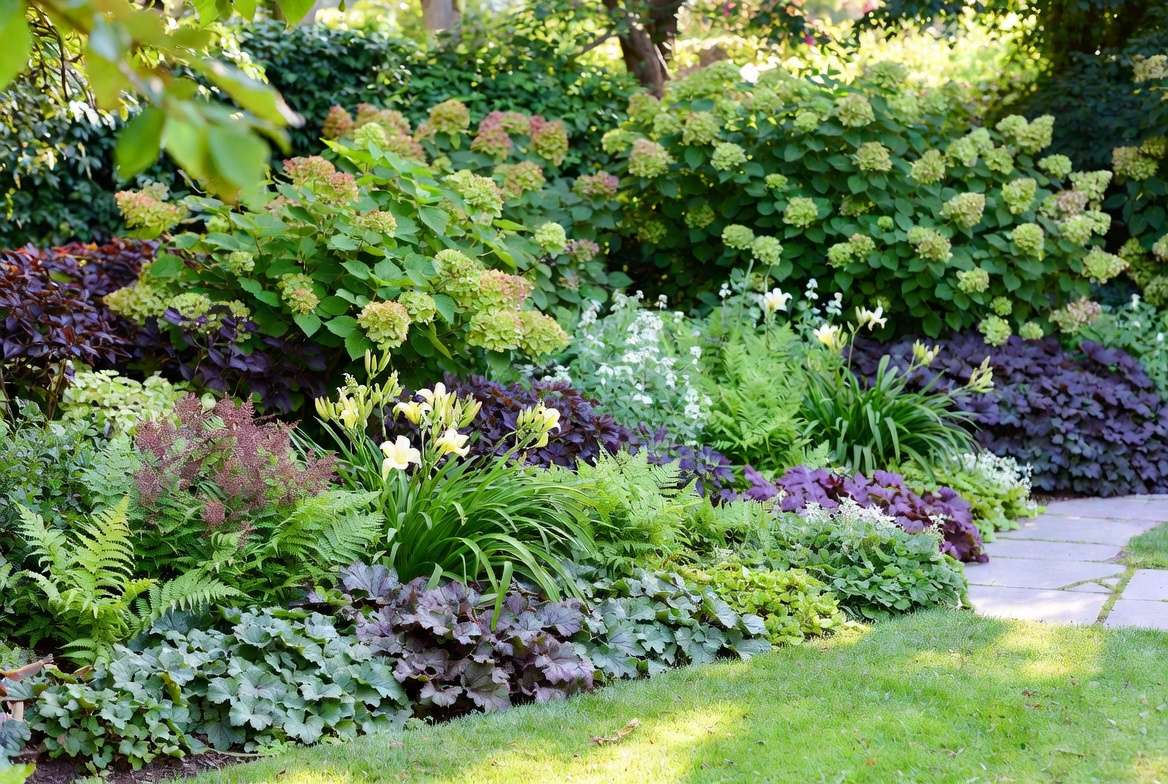
Incorporate paths, seating areas, and water features to create peaceful retreats. Use variegated and colored foliage to maintain interest even when flowers fade.
Low-Maintenance Layouts For busy gardeners, focus on shrubs and tough perennials. Group plants with similar water and light needs together. Automated drip systems and generous mulching reduce weekly chores significantly.
Common Mistakes to Avoid with Partly Sun Plants ❌🌿
Even experienced gardeners can make errors when working with partly sun plants. Here are the most frequent pitfalls I’ve observed — and how to avoid them:
- Ignoring Specific Light Requirements Planting full-sun varieties in partial sun leads to poor flowering and weak growth. Always check labels for “part sun,” “partial shade,” or “4-6 hours” recommendations.
- Overwatering or Poor Drainage Partial sun areas stay moist longer. Heavy clay soil plus frequent watering quickly causes root rot. Improve drainage before planting and water based on soil moisture, not a rigid schedule.
- Planting Too Deep or Too Shallow Crowns buried too deeply invite rot; exposed roots dry out. Keep the top of the root ball level with surrounding soil.
- Neglecting Soil Fertility Partial sun doesn’t mean low maintenance. Replenish nutrients annually, as competition from trees can deplete soil.
- Wrong Plant Selection for Your Climate A plant that thrives in cool, misty Pacific Northwest partial sun may struggle in hot, humid Southeast conditions. Choose heat-tolerant or cold-hardy cultivars accordingly.
- Skipping Mulch Bare soil leads to moisture fluctuations, weeds, and temperature extremes. Mulch is one of the best investments for long-term success.
Learning from these common mistakes will save you time, money, and frustration while helping your garden reach its full potential.
Seasonal Maintenance Guide for Long-Term Success 📅
Spring
- Clean up debris and cut back last year’s stems.
- Divide overcrowded perennials every 3–4 years.
- Apply slow-release fertilizer and fresh mulch.
- Plant new partly sun plants as soon as soil warms.
Summer
- Deep water during dry spells, ideally in the morning.
- Deadhead faded flowers to encourage reblooming.
- Monitor for pests and treat early.
- Provide temporary shade cloth during extreme heat.
Fall
- Plant spring-blooming bulbs and new perennials.
- Cut back spent foliage after first frost.
- Add extra mulch for winter protection.
- Take notes on what performed well for next year’s planning.
Winter
- Protect borderline hardy plants with burlap or rose cones.
- Avoid walking on frozen beds.
- Plan and order plants for the coming season while reviewing garden photos.
Consistent seasonal care turns good gardens into extraordinary ones.
Frequently Asked Questions (FAQs) ❓
What are the best partly sun plants for beginners? Hostas, Heuchera, Astilbe, and Daylilies are forgiving and widely available. Start with these reliable performers.
Can partly sun plants tolerate more shade? Many can adapt to slightly shadier conditions, but flowering may decrease. Hostas and ferns are more shade-tolerant than hydrangeas or daylilies.
How do I transition plants from full sun to partial sun? Move them gradually over 7–10 days, providing increasing shade each day. Water more frequently during transition.
Are there deer-resistant partly sun plants? Astilbe, ferns, Heuchera, and certain hydrangeas are less appealing to deer. Combine with repellents or fencing for best results.
What’s the best soil for partly sun plants? Rich, moist but well-draining loamy soil amended with compost. Most prefer slightly acidic to neutral pH.
Can I grow partly sun plants in containers? Absolutely. Choose larger pots, use quality potting mix, and water more frequently than in-ground plantings.
How much water do established partly sun plants need? Generally 1 inch per week, including rainfall. Adjust based on weather and soil type.
Do partly sun plants attract pollinators? Yes! Astilbe, hydrangeas, and daylilies are excellent for bees, butterflies, and hummingbirds.
Conclusion
Creating a beautiful, thriving garden with partly sun plants is one of the most rewarding aspects of gardening. By understanding light conditions, choosing the right varieties, and following proper planting and care techniques, you can transform challenging areas into lush, colorful retreats that bring joy year after year.
The key is patience and observation. Start small, learn from your specific garden microclimate, and don’t be afraid to experiment. The plants recommended here — from dramatic hydrangeas to elegant hostas and reliable daylilies — have helped countless gardeners just like you succeed in partial sun conditions.
Ready to get started? Visit your local nursery this season, pick a few favorites from this guide, and watch your garden flourish. Share your partial sun success stories or questions in the comments below — I love hearing from fellow plant enthusiasts!
Happy gardening! 🌱✨











