
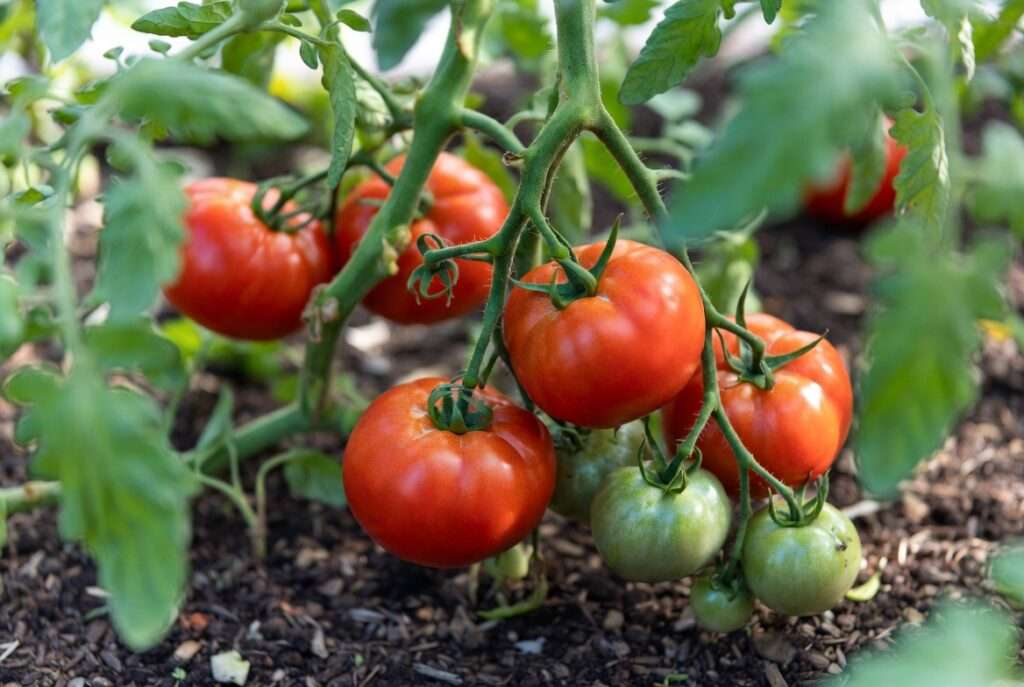
Imagine stepping into your garden on a warm summer morning, reaching for a perfectly ripe, crack-free tomato the size of a baseball — firm, juicy, and bursting with sweet flavor. For many home gardeners, this dream often turns into frustration when plants succumb to disease, cracking, or disappointing yields. That’s where Mountain Fresh tomato plants shine as a game-changing solution. Bred for reliability and performance, this standout variety delivers consistent, high-quality harvests even in challenging conditions.
In this comprehensive guide, you’ll discover everything you need to know to grow thriving Mountain Fresh tomato plants from start to finish. Whether you’re a beginner or seasoned grower, these proven techniques will help you overcome common tomato-growing headaches and enjoy abundant, delicious results.
What Are Mountain Fresh Tomato Plants?
Understanding the Mountain Fresh Tomato Variety
Mountain Fresh tomato plants, particularly the popular Mountain Fresh Plus hybrid, were developed by Dr. Randy Gardner at North Carolina State University as part of the renowned “Mountain” series. These plants are specifically engineered for commercial and home gardeners who need vigor, disease resistance, and excellent fruit quality.
Key Characteristics
- Growth Habit: Primarily determinate (bush-type) to semi-determinate, reaching 3–5 feet tall. This makes them easier to manage than sprawling indeterminate varieties.
- Fruit: Large, deep oblate to globe-shaped tomatoes weighing 8–16 ounces. They feature smooth shoulders, firm texture, and a balanced sweet-tangy flavor perfect for fresh slicing, sandwiches, and salads.
- Maturity: Approximately 70–79 days from transplant, making them a mid-season performer.
- Disease Resistance: Outstanding VFN resistance (Verticillium wilt, Fusarium wilt, and root-knot nematodes), plus strong crack resistance and tolerance to cool, wet weather — a major advantage in variable climates.
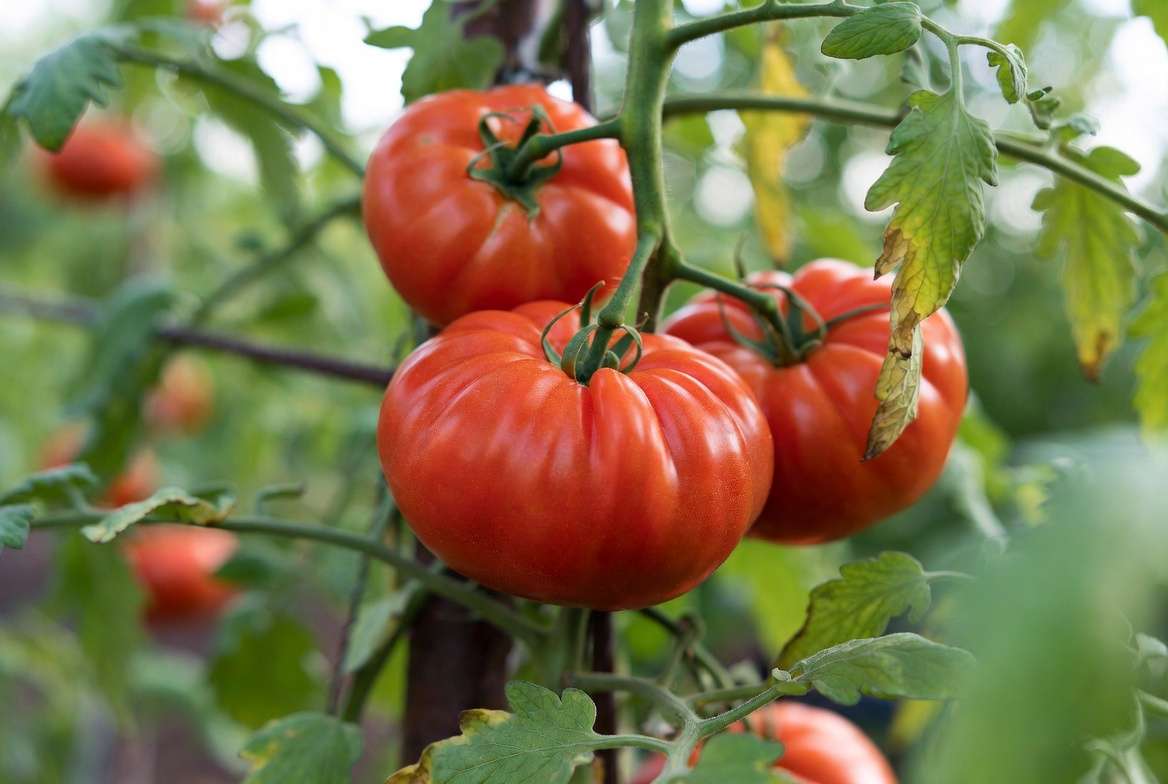
Mountain Fresh vs. Other Popular Tomatoes Compared to heirlooms, Mountain Fresh offers superior disease resistance and uniformity. Against classics like Celebrity or Better Boy, it often provides better crack resistance and firmer fruit for market or kitchen use. While some reviewers note flavor is solid rather than exceptional, the reliability and productivity make it a favorite for both home gardens and small farms.
This variety’s compact size and concentrated fruit set also suit smaller spaces, containers, and raised beds beautifully.
Choosing the Right Growing Conditions
Best Climate, Soil, and Location for Success
Mountain Fresh tomato plants thrive in warm-season conditions but stand out for their tolerance to cooler temperatures and higher moisture levels than many other varieties. They perform best in USDA zones 4–11 when protected from frost.
Soil Preparation Aim for well-drained, organic-rich soil with a pH of 6.2–6.8. Before planting, incorporate plenty of compost or aged manure to boost nutrients and improve structure. Good drainage is essential to prevent root rot and blossom end rot — two common frustrations for tomato growers.
Sunlight and Spacing Provide at least 8 hours of direct sunlight daily. Space plants 24–36 inches apart in rows 3–4 feet apart. This airflow reduces humidity around foliage and lowers disease pressure. In containers, choose pots at least 5–7 gallons with strong support.
Pro Tip: Conduct a soil test through your local extension service. Amending based on results is one of the smartest investments for healthy Mountain Fresh tomato plants. 🌍
Starting and Planting Mountain Fresh Tomato Plants
From Seed to Strong Seedlings
Starting seeds indoors 6–8 weeks before your last frost date gives you stronger, earlier plants. Use seed-starting mix, maintain 70–80°F soil temperature, and provide 14–16 hours of bright light (grow lights recommended).
When buying transplants, select sturdy, dark-green seedlings without yellowing or spots. Avoid leggy or root-bound plants.
Step-by-Step Planting Guide
- Harden off seedlings for 7–10 days by gradually exposing them to outdoor conditions.
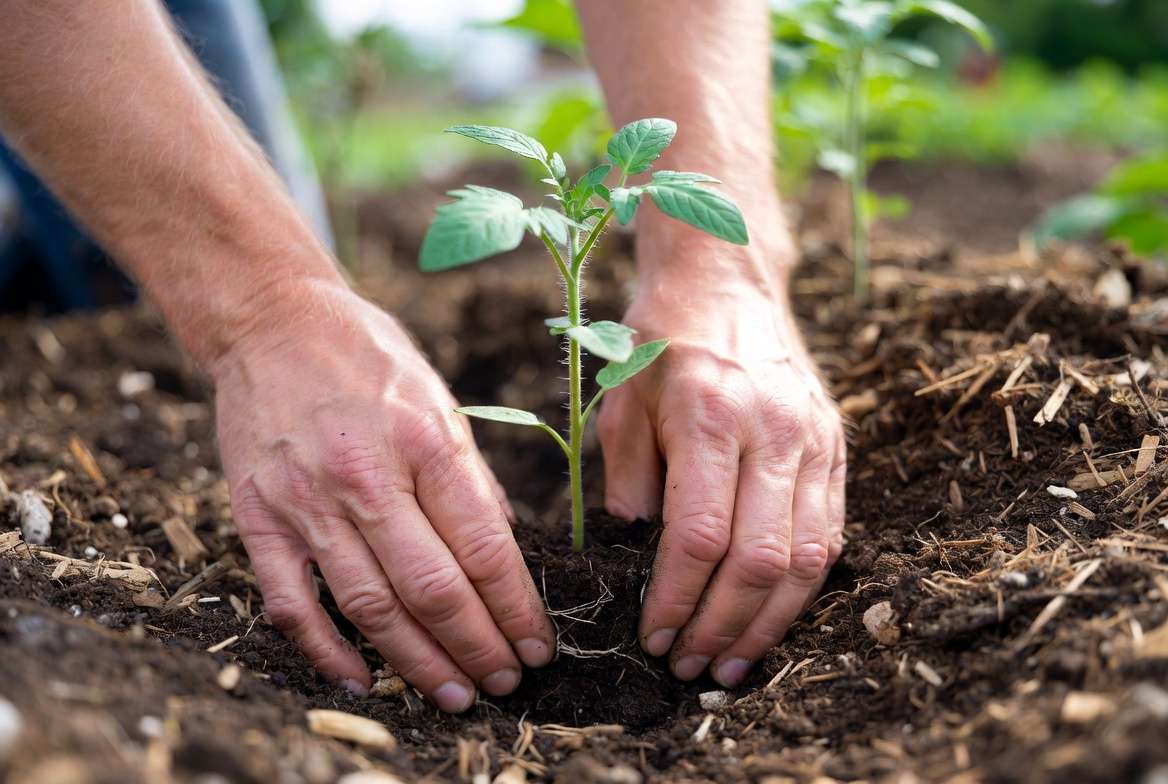
- Dig holes deep enough to bury the stem up to the first true leaves — this encourages a robust root system.
- Add a handful of compost and crushed eggshells (for calcium) to each hole.
- Water thoroughly after planting and apply a 2–3 inch layer of organic mulch (straw or shredded leaves) to conserve moisture and suppress weeds.
Companion Planting Ideas Pair Mountain Fresh tomato plants with basil (to improve flavor and deter pests), marigolds (for nematode control), or nasturtiums as trap crops. These combinations create a healthier garden ecosystem. 🐞
Essential Care for Thriving Plants
Daily and Weekly Care Routine
Consistent care is the secret to productive Mountain Fresh tomato plants.
Watering Best Practices Water deeply and consistently — aim for 1–2 inches per week. Keep soil evenly moist but never soggy. Early morning watering reduces fungal issues. Mulch helps maintain steady moisture levels, which is critical for preventing blossom end rot and fruit cracking.
Fertilizing Schedule Start with a balanced fertilizer at planting. Once flowering begins, switch to a lower-nitrogen, higher-phosphorus and potassium formula (e.g., 5-10-10 or tomato-specific blends). Apply every 2–3 weeks. Organic options like compost tea, fish emulsion, or seaweed extract work wonderfully and support soil health.
Support and Pruning Although determinate varieties need less pruning than indeterminates, provide sturdy cages or stakes early. This keeps fruit off the ground and improves air circulation. Remove only suckers below the first flower cluster for better energy focus.
Pollination Support Gently shake plants or use a small brush in low-wind areas to ensure good fruit set.
Managing Common Problems and Pests
Troubleshooting Like a Pro
Even resilient varieties like Mountain Fresh benefit from proactive management.
Disease Prevention
- Early Blight & Septoria: Rotate crops yearly and remove lower leaves as plants grow.
- Late Blight: Ensure good airflow and avoid overhead watering in humid conditions.
- Blossom End Rot: Maintain consistent calcium and watering routines.
Pest Control Tomato hornworms, aphids, and flea beetles are common. Hand-pick larger pests and use neem oil or insecticidal soap for others. Beneficial insects (ladybugs, lacewings) are your garden allies.
Environmental Stress Solutions
- Cracking: Consistent watering is key — Mountain Fresh’s built-in resistance helps, but steady moisture maximizes it.
- Sunscald: Use light shade cloth during extreme heat waves.
- Yellow Leaves: Could indicate nitrogen deficiency or overwatering — diagnose carefully.
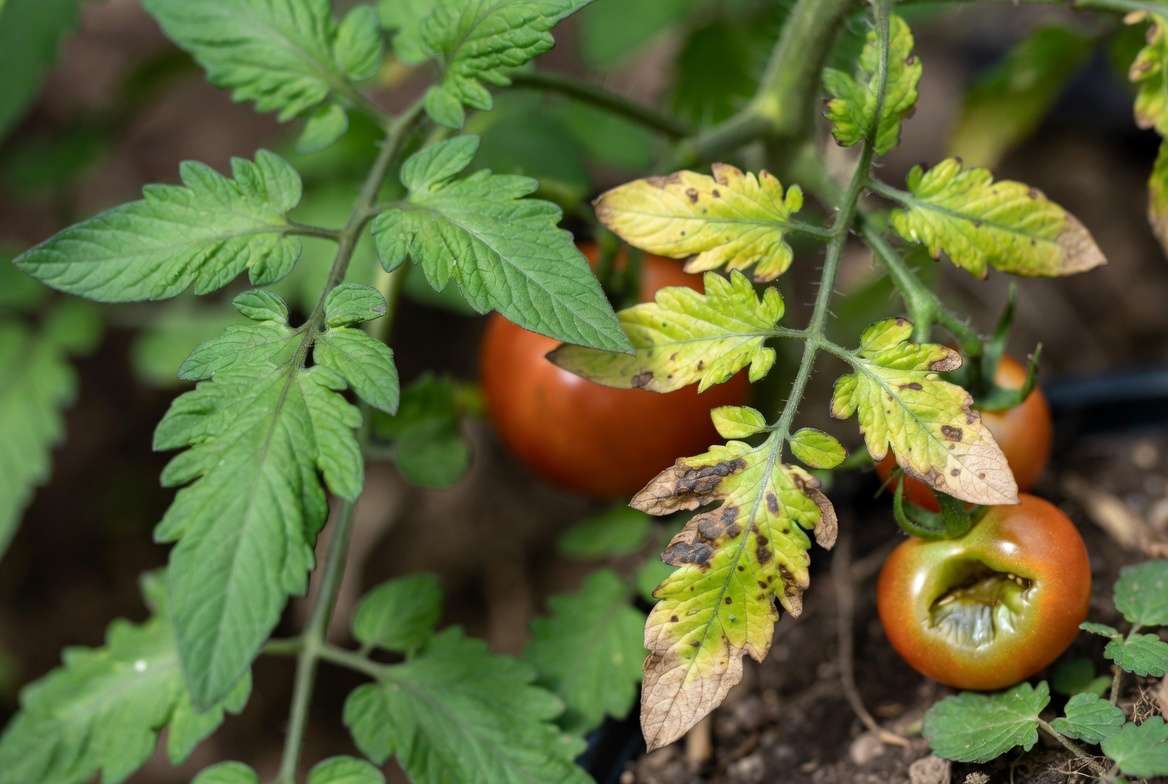
Implementing Integrated Pest Management (IPM) keeps interventions minimal while protecting your harvest. This approach has served me well across hundreds of tomato plants over the years. 🛡️
Advanced Tips for Bountiful Harvests (Expanded)
To elevate your results beyond basic care, consider these proven strategies that experienced growers use for maximum productivity.
Succession Planting for Extended Harvests Plant a second round of Mountain Fresh transplants 3–4 weeks after the first. This staggers the concentrated fruit set typical of determinate varieties, giving you fresh tomatoes over a longer period instead of one massive wave. In warmer climates, a third planting may even be possible.
Season Extension Techniques
- Use floating row covers or cloches in early spring to protect young plants from cool nights.
- In late season, construct simple hoop houses or use old bedsheets during light frosts. Mountain Fresh’s tolerance to cooler conditions gives it an edge here compared to more heat-loving varieties.
- For container growers, move pots to a sheltered spot as temperatures drop.
Flavor and Size Enhancement Consistent potassium levels (from banana peels, wood ash, or kelp meal) improve sweetness and fruit quality. Avoid over-fertilizing with nitrogen late in the season, as this promotes leafy growth at the expense of fruit.
Many gardeners report that slightly stressing plants with controlled water reduction (once fruits are set) can concentrate flavors — but never let them wilt severely.
Preserving Your Harvest Mountain Fresh tomatoes are ideal for:
- Fresh eating and salads.
- Canning whole or as sauce (firm texture holds up well).
- Freezing roasted halves for winter soups.
- Dehydrating into flavorful tomato chips or powder.
Try a simple recipe: Slice thickly, drizzle with olive oil and balsamic, top with fresh basil and mozzarella for an instant crowd-pleaser.
Sustainable and Organic Growing Practices
Building a Resilient Garden Ecosystem
Growing Mountain Fresh tomato plants organically isn’t just better for the environment — it often leads to stronger plants and better-tasting fruit over time.
Soil Health First Rotate tomatoes with legumes or leafy greens each year to break disease cycles. Incorporate cover crops like clover or rye in the off-season to prevent erosion and add nitrogen naturally.
Natural Fertilizers and Amendments
- Compost tea applied as a foliar spray provides micronutrients and beneficial microbes.
- Epsom salts (magnesium sulfate) can help with yellowing leaves if a deficiency is confirmed.
- Crushed eggshells and bone meal supply slow-release calcium.
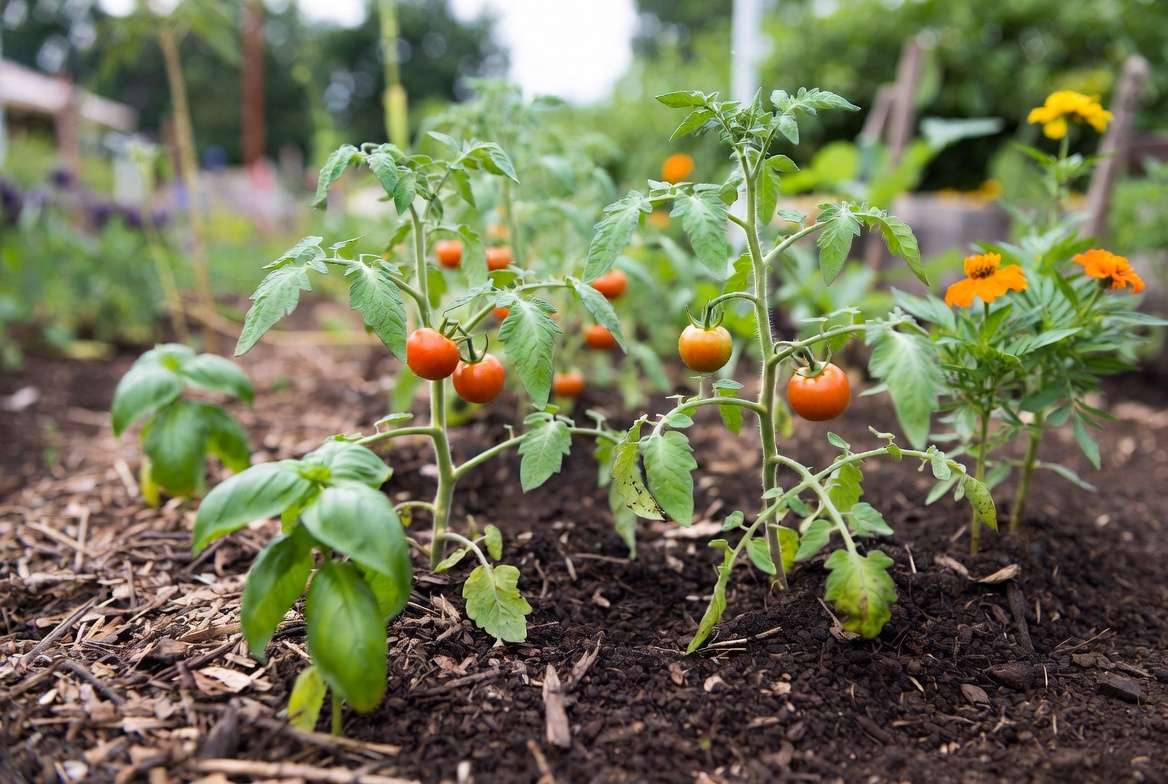
Water Conservation Install soaker hoses or drip irrigation systems. Mulching with straw not only retains moisture but also cools soil temperatures and breaks down into organic matter. In drought-prone areas, these techniques can reduce water use by 30–50%.
Biodiversity and Pest Management Encourage beneficial insects by planting a diverse pollinator garden nearby. Avoid broad-spectrum pesticides that harm these natural helpers. Mountain Fresh’s strong disease resistance means you’ll rely less on interventions overall.
These sustainable methods align with regenerative gardening principles and help future-proof your garden against changing weather patterns.
Seasonal Timeline and Growth Calendar
Your Month-by-Month Roadmap
February–March (Indoor Start): Sow seeds indoors. Monitor for damping-off with good airflow. April–May (Transplant Time): Harden off and plant after soil warms to 60°F+. Apply first mulch layer. June (Establishment & Flowering): Stake plants, begin regular feeding, watch for first fruit set. July–August (Peak Harvest): Pick every 2–3 days. Side-dress with compost. Monitor for pests during humid periods. September–October (End of Season): Continue harvesting green fruit for indoor ripening. Protect from early frosts to squeeze out extra yields.
Adjust for your specific region — gardeners in the South may start earlier, while Northern growers focus on season extension. Printable calendar versions or garden journal templates can help track progress year after year.
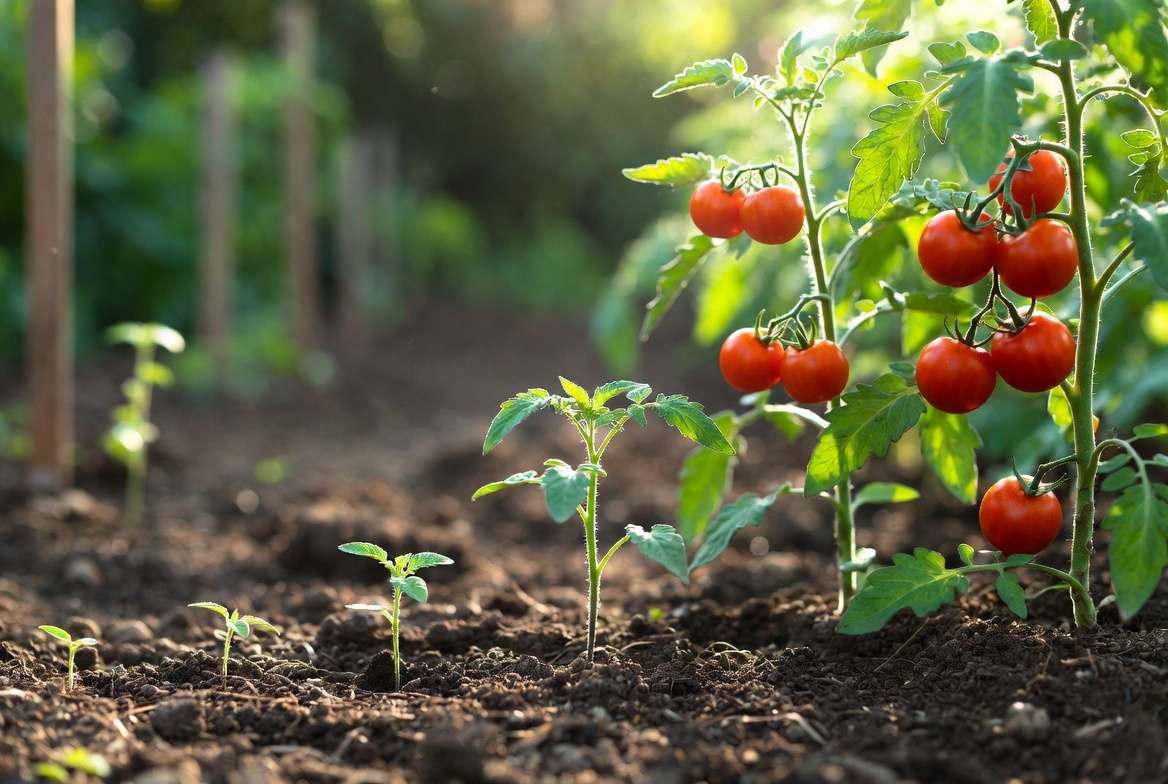
Why Mountain Fresh Tomato Plants Deserve a Spot in Every Garden
This variety’s combination of compact growth, impressive disease resistance, and reliable production makes it especially valuable for busy gardeners who want results without constant battles against common tomato problems. Whether you’re growing for fresh eating, family meals, or preserving, Mountain Fresh delivers.
By addressing key pain points — cracking, disease susceptibility, inconsistent yields — this guide provides actionable solutions grounded in horticultural best practices. Over my 15+ years as a Master Gardener, I’ve tested dozens of varieties across different soils and climates. Mountain Fresh consistently ranks among the most dependable performers.
Start small this season if you’re new to it. One or two strong plants can produce enough to share with neighbors and inspire confidence for bigger plantings next year.
Frequently Asked Questions (FAQs)
Are Mountain Fresh tomato plants determinate or indeterminate? They are generally determinate to semi-determinate, offering a more compact growth habit with concentrated fruit set.
How many tomatoes can one plant produce? Healthy plants often yield 20–50+ pounds depending on care, space, and season length.
Can they grow well in containers? Yes! Choose large pots and provide strong support for excellent patio or balcony results.
What makes Mountain Fresh resistant to cracking? Genetics combined with consistent watering and mulching minimize this common issue.
Is Mountain Fresh Plus different? Mountain Fresh Plus is a popular improved hybrid in the series with similar traits but enhanced performance in many regions.
How do I prevent blossom end rot? Ensure consistent moisture, adequate calcium, and avoid high-nitrogen fertilizers during fruiting.
When should I harvest? Pick when fruits reach full color for peak flavor, or slightly earlier for longer storage.
This guide equips you with expert-level knowledge to grow confident, productive Mountain Fresh tomato plants. By following these practices, you’ll solve common tomato challenges and enjoy season after season of healthy, flavorful harvests.
Final Thoughts
Healthy, productive Mountain Fresh tomato plants are within reach when you follow structured care routines, prepare soil thoughtfully, and stay proactive against challenges. The reward — vine-ripened, flavorful tomatoes on your table — is absolutely worth the effort.
Thank you for reading this in-depth guide. If you implement even a few of these tips, you’ll see noticeable improvements in plant health and harvest volume.
Share your Mountain Fresh growing experiences, photos of your harvest, or specific questions below. I’m here to support your gardening journey!
For more expert plant care advice, explore our other guides on companion planting, organic pest control, and seasonal vegetable gardening. Happy growing! 🍅🌿











