
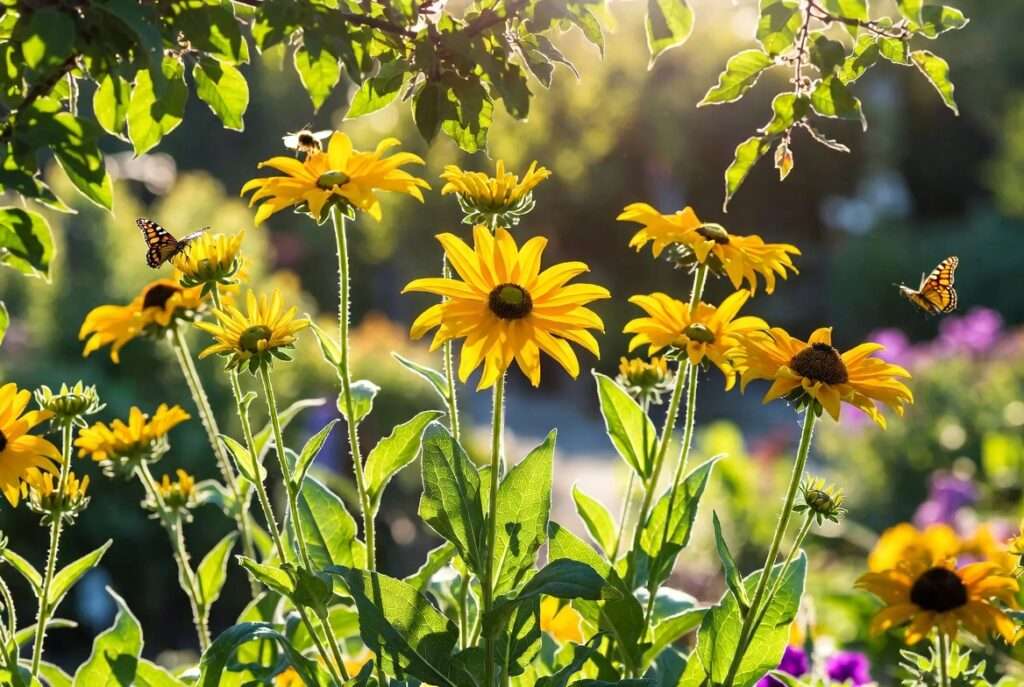
Imagine stepping into your garden on a warm summer morning and being greeted by enormous, golden daisy-like flowers the size of dinner plates, each with a rich chocolate-brown center that practically glows in the sunlight. These vibrant blooms dance on sturdy stems, attracting clouds of butterflies and bees while bringing cheerful color that lasts from midsummer well into fall. If this sounds like the garden of your dreams, the rudbeckia indian summer plant is exactly what you need. 🌻
As a passionate horticulturist with over 15 years of experience growing and trialing flowering perennials and annuals in various climates, I’ve come to love this standout variety of Black-Eyed Susan. In this comprehensive guide, you’ll discover everything required to successfully plant, grow, and care for the Rudbeckia Indian Summer plant — from seed starting secrets to troubleshooting common issues. Whether you’re a beginner gardener or a seasoned enthusiast looking to create a pollinator paradise, this article will equip you with expert insights for spectacular results.
What Is the Rudbeckia Indian Summer Plant? (Understanding the Variety) 🌿
The Rudbeckia Indian Summer plant, botanically known as Rudbeckia hirta ‘Indian Summer’, is a magnificent cultivar of the classic Black-Eyed Susan. Unlike smaller-flowered wild varieties, this selection produces gigantic blooms measuring 4 to 9 inches across, making it a true showstopper in any landscape.
These plants typically grow 2 to 4 feet tall with a spread of 1 to 2 feet, forming upright, branching clumps. The flowers feature bright golden-yellow to orange-yellow rays surrounding a prominent dark, domed center. Foliage is coarse and hairy, turning attractive mahogany tones in autumn for extended seasonal interest.
Originally developed for its impressive flower size and vigor, ‘Indian Summer’ can behave as an annual, biennial, or short-lived perennial depending on your climate and growing conditions. It thrives in USDA Hardiness Zones 3–9, offering remarkable adaptability for gardeners across much of North America.
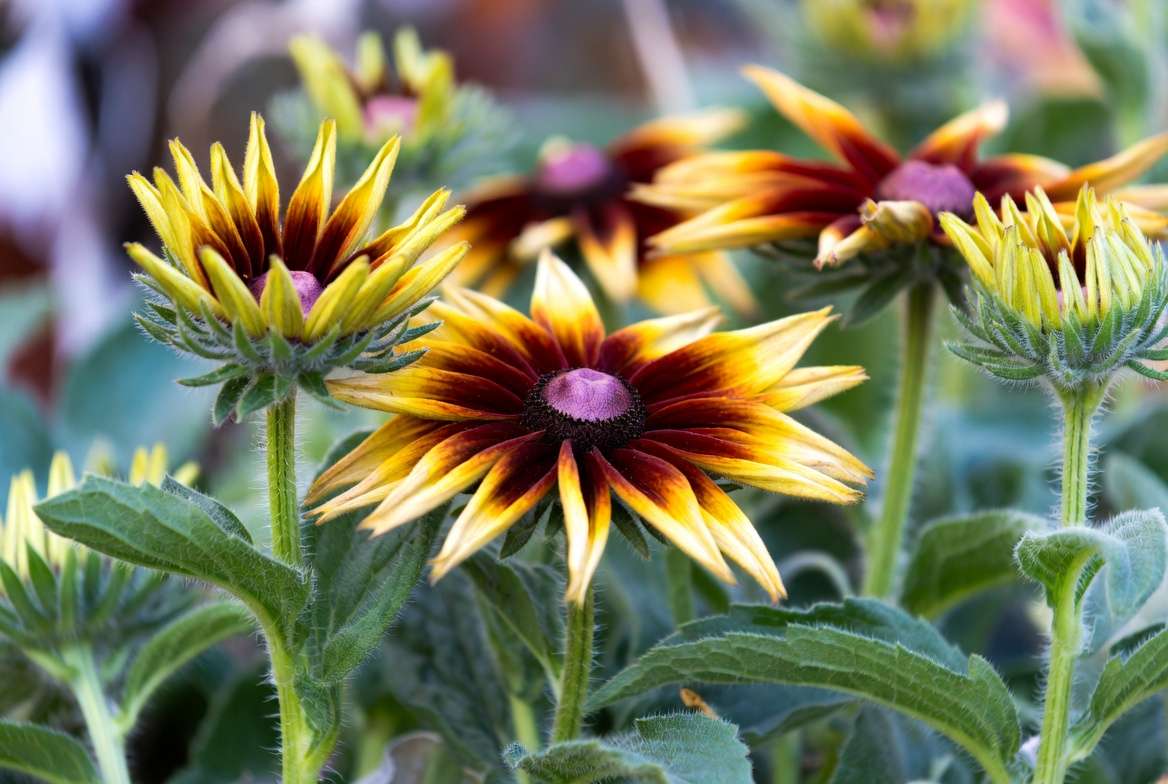
Key distinguishing features compared to other Rudbeckia:
- Significantly larger flowers than standard Rudbeckia hirta
- Stronger stems that rarely need staking
- Extended bloom period from early summer through frost
- Excellent branching habit for fuller displays
This variety has earned praise from gardeners and professionals alike for its reliability and visual impact, making it a favorite for both home borders and professional landscaping. 🏆
Benefits of Growing Rudbeckia Indian Summer 🌟
Choosing the Rudbeckia Indian Summer plant brings numerous rewards beyond its stunning appearance:
- Pollinator Powerhouse: Its nectar-rich blooms are irresistible to bees, butterflies, hoverflies, and even hummingbirds. Plant it and watch your garden come alive with beneficial insects.
- Drought Tolerance: Once established, these plants handle dry spells beautifully, making them ideal for water-wise gardens and regions with hot, unpredictable summers. 💧
- Low Maintenance: Minimal pest and disease issues when properly sited, plus natural deer resistance thanks to the slightly fuzzy foliage.
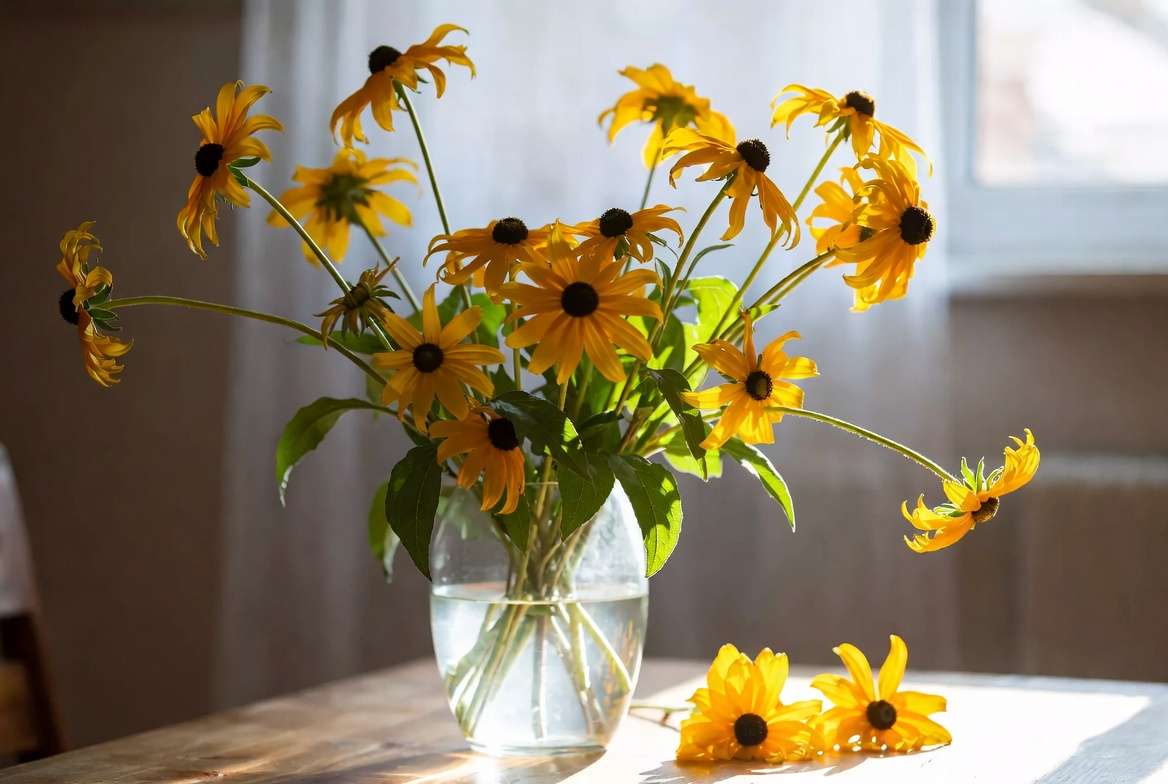
- Cut Flower Excellence: Long-lasting stems (up to 7–10 days in a vase) with bold colors that complement both modern and cottage-style arrangements. ✂️
- Seasonal Versatility: Use in mass plantings, mixed borders, containers, or wildflower meadows. They also provide wonderful late-season interest as seed heads attract goldfinches.
- Easy Propagation: Self-seeds moderately, allowing you to expand your display year after year without much effort.
Gardeners often struggle with short bloom times or underwhelming flower size in other Black-Eyed Susans. The Indian Summer variety directly solves these problems with its oversized blooms and extended performance.
Planting Rudbeckia Indian Summer: Step-by-Step Guide
Successful establishment starts with proper planting. Here’s how to set your Rudbeckia Indian Summer plants up for success.
Choosing the Right Location and Timing
The Rudbeckia Indian Summer plant demands full sun (at least 6–8 hours daily) for the biggest, brightest blooms. While it tolerates light afternoon shade in very hot climates, too much shade leads to leggy growth and fewer flowers.
Soil should be average to fertile, well-drained, and with a pH between 6.0–7.5. Avoid heavy clay that stays constantly soggy, as root rot can develop.
Best planting windows:
- Spring: After the last frost when soil warms to 60°F+
- Fall: 6–8 weeks before first frost for root establishment before winter
Starting from Seed vs. Buying Transplants
Many gardeners prefer starting Rudbeckia Indian Summer from seed because it’s economical and rewarding.
Seed Starting Instructions:
- Sow seeds indoors 6–8 weeks before last frost.
- Use seed-starting mix and press seeds lightly onto the surface — do not cover them as they need light to germinate. 🌱
- Keep at 70–75°F with consistent moisture. Germination typically occurs in 7–14 days.
- Harden off seedlings before transplanting outdoors.
Direct sowing in the garden after frost danger has passed also works well. For transplants from nurseries, choose sturdy plants with healthy green foliage and no signs of stress.
How to Plant Rudbeckia Indian Summer
- Dig holes twice as wide as the root ball but no deeper.
- Space plants 12–18 inches apart for good air circulation.
- Backfill with amended native soil and water thoroughly.
- Apply a 2–3 inch layer of organic mulch (bark, straw, or compost) to retain moisture and suppress weeds, keeping it away from stems.
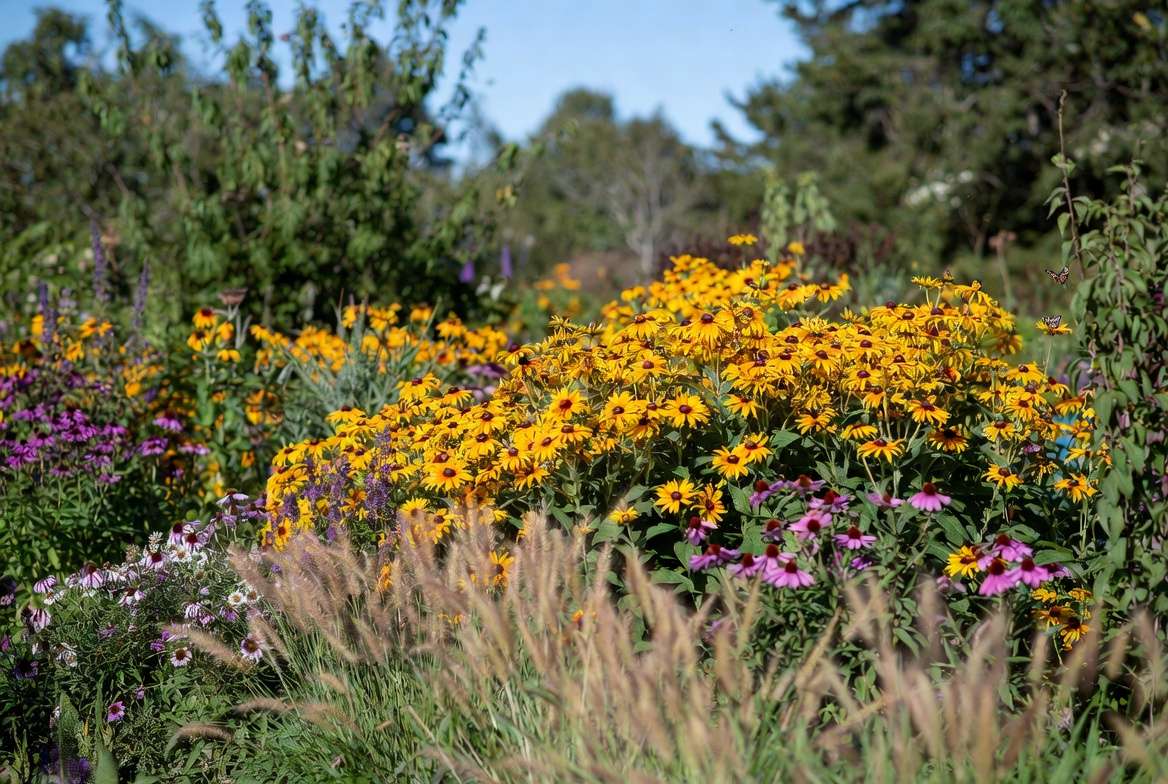
Companion Planting Ideas: Pair with purple coneflowers (Echinacea), salvias, ornamental grasses, or coreopsis for beautiful contrast and extended bloom seasons.
Soil, Sun, and Site Preparation for Optimal Growth
Proper site preparation is one of the most overlooked yet critical steps for growing robust Rudbeckia Indian Summer plants.
Test your soil before planting. If drainage is poor, incorporate generous amounts of compost or coarse sand. For nutrient-poor soils, mix in a slow-release organic fertilizer or well-rotted manure at planting time.
Raised beds or mounded planting areas are excellent solutions in regions with heavy rainfall or clay soils. Full sun exposure not only maximizes flower production but also helps keep foliage drier, reducing disease risk.
In my experience trialing dozens of Rudbeckia cultivars, those grown in less-than-ideal light or compacted soil consistently underperform compared to plants in sunny, well-prepared sites.
Watering and Fertilizing Needs 💧
One of the biggest advantages of the Rudbeckia Indian Summer plant is its forgiving nature once established, but consistent care during the first season makes all the difference.
Watering Guidelines:
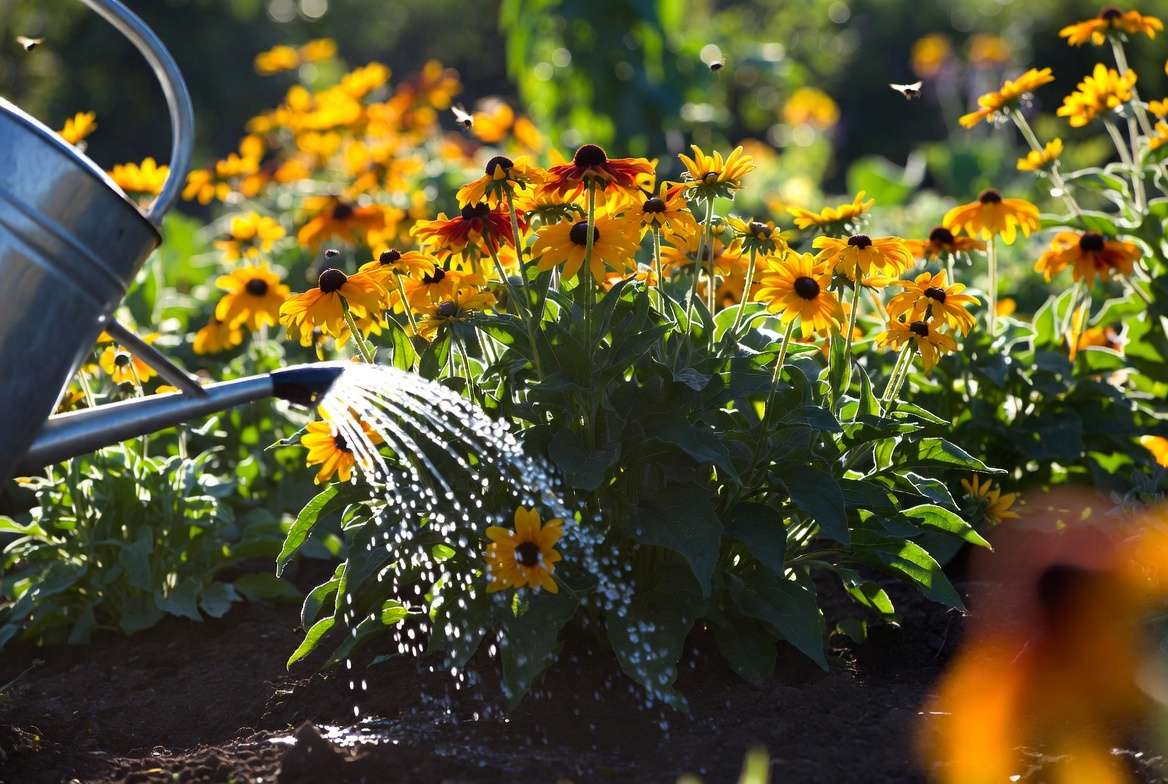
- Establishment phase (first 4–6 weeks): Water deeply 2–3 times per week, providing about 1 inch of water total. This encourages strong root development.
- Mature plants: These become quite drought-tolerant. Water when the top 2 inches of soil feel dry. Deep, infrequent watering is far better than daily shallow sprinkles.
- Morning watering is ideal to allow foliage to dry before evening, minimizing fungal issues.
Signs of underwatering include wilting leaves and smaller flowers, while overwatering often shows as yellowing lower leaves or stunted growth.
Fertilizing Strategy: The Rudbeckia Indian Summer plant is not a heavy feeder. In fact, too much nitrogen can produce lush foliage at the expense of flowers.
Apply a balanced, slow-release organic fertilizer (such as 10-10-10) at planting time and again in early summer. Compost tea or fish emulsion every 4–6 weeks during the growing season provides gentle nutrition. In rich garden soils, supplemental feeding may not be necessary at all after the first year.
Seasonal Care Throughout the Year
Caring for your Rudbeckia Indian Summer plant changes with the seasons. Following this calendar approach ensures healthy plants and maximum blooms.
Spring: Establishment and Early Growth 🌱
Focus on planting or transplanting as soon as conditions allow. Pinch back young plants when they reach 6–8 inches tall to encourage bushier growth and more flowering stems. Monitor for slugs and snails that may target tender new growth.
Summer: Bloom Support and Maintenance ☀️
This is peak season! Deadhead spent flowers regularly by cutting stems back to a healthy leaf node. This not only keeps the plant tidy but redirects energy into producing new buds, often extending the bloom period by several weeks.
Provide support with grow-through hoops if plants become tall and heavy with blooms after rain. Water consistently during dry spells and watch for pest activity.
Fall: Enjoying Late Color and Seed Collection 🍂
As temperatures cool, flowers continue to appear until frost. Allow some spent blooms to go to seed if you want volunteers next year. The foliage turns beautiful reddish-bronze tones, adding interest to the autumn garden. Cut back spent stems after hard frost or leave them for winter interest and wildlife.
Winter Care and Overwintering ❄️
In colder zones (3–5), apply a thick layer of mulch after the ground freezes to protect roots. In milder areas, plants may remain semi-evergreen. Potted specimens should be moved to a sheltered location or overwintered in a cool garage.
Common Problems and Troubleshooting 🛠️
Even tough plants like Rudbeckia Indian Summer can face occasional challenges. Here’s how to identify and fix them:
Pests:
- Aphids: Blast with water or use insecticidal soap.
- Japanese beetles: Hand-pick in the morning or use neem oil.
- Four-lined plant bugs: Monitor and treat early with organic sprays.
Diseases:
- Powdery mildew: Improve air circulation, avoid overhead watering, and apply baking soda spray preventatively.
- Leaf spot: Remove affected foliage and ensure good drainage.
Other Issues:
- Poor blooming: Usually caused by insufficient sun, over-fertilization, or drought stress during bud formation.
- Leggy growth: Pinch early in the season and provide full sun.
- Self-seeding too aggressively: Deadhead most flowers but leave a few for controlled propagation.
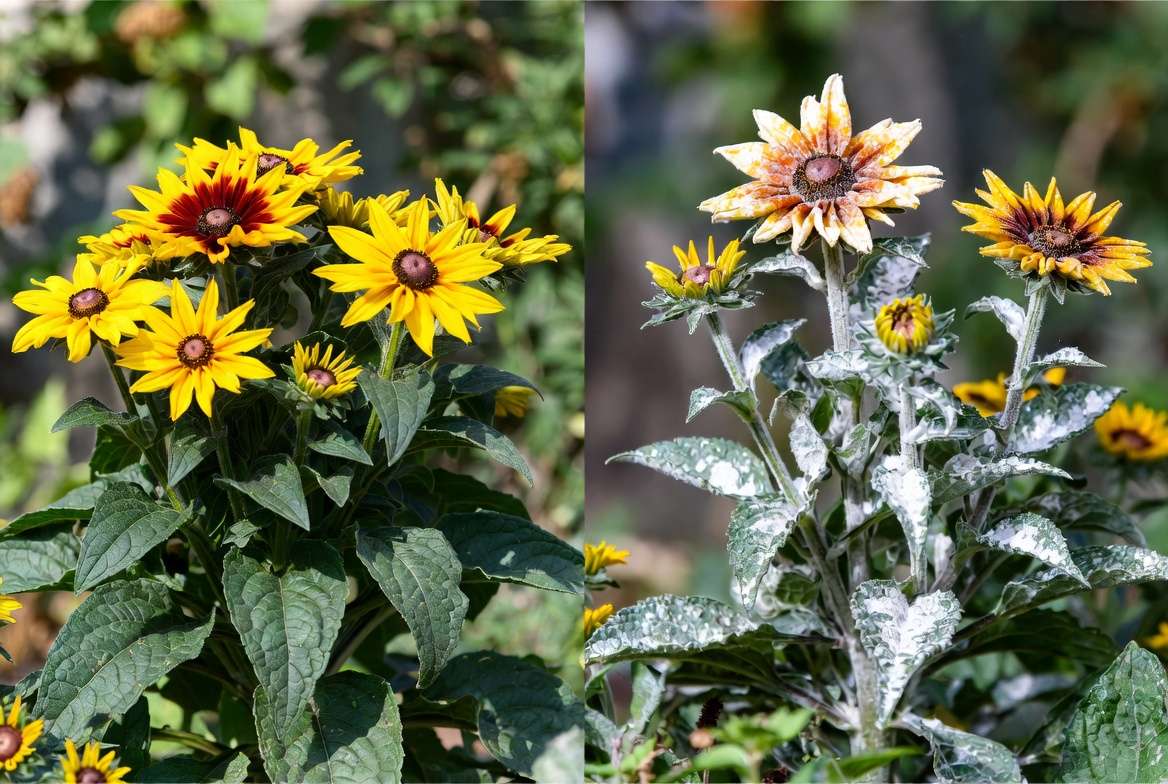
In my years of growing this variety across different garden settings, the most common “failure” stems from planting in too much shade or failing to amend heavy soils. Addressing these site conditions early prevents most headaches.
Propagation Methods
The Rudbeckia Indian Summer plant offers several easy ways to multiply your stock:
- Seeds: Collect mature, dark seeds from dried flower heads in late fall. Store in a cool, dry place and sow the following spring.
- Division: Mature clumps can be divided in early spring or fall. This is especially useful for maintaining vigor in short-lived perennials.
- Self-Seeding: Allow some flowers to mature. Seedlings often appear the next spring and can be transplanted to desired locations.
Pro Tip: Label your seed collections clearly, as Rudbeckia can hybridize with nearby varieties, potentially leading to interesting new flower forms!
Design Ideas and Landscape Uses
The bold presence of the Rudbeckia Indian Summer plant makes it incredibly versatile:
- Pollinator Gardens: Combine with native plants for an ecological powerhouse.
- Cottage Gardens: Mix with hollyhocks, foxgloves, and delphiniums for classic charm.
- Container Displays: Use as a thriller in large pots paired with trailing plants like sweet potato vine.
- Cut Flower Gardens: Dedicate a row for harvesting — the more you cut, the more it blooms!
- Mass Plantings: Create dramatic drifts of gold that shimmer from a distance.
Consider height variations by combining with shorter annual Rudbeckia or taller perennials for layered interest.
Expert Tips for Maximum Blooms and Longevity 💡
Here are my top professional recommendations after growing hundreds of these plants:
- Pinch stems at 8–10 inches for 30–50% more flowers.
- Mulch generously but keep it off crowns.
- Water at the base to keep foliage dry.
- Succession plant every 2–3 weeks for continuous blooms.
- Avoid rich soils — leaner conditions often produce more prolific flowering.
- Deadhead religiously until late summer if you want maximum display.
- Collect and share seeds with fellow gardeners — it’s a wonderful way to preserve this variety.
- Observe your local microclimate and adjust timing accordingly.
- Integrate beneficial insects by avoiding broad-spectrum pesticides.
- Take notes each season — Rudbeckia Indian Summer performs differently based on regional weather patterns.
Harvesting and Using Rudbeckia Indian Summer as Cut Flowers ✂️
For the longest vase life:
- Cut stems early in the morning when flowers are just opening.
- Choose stems with buds showing color but not fully open.
- Remove lower leaves and place immediately in warm water with floral preservative.
- Change vase water every 2 days.
These giant blooms make stunning focal points in arrangements and pair beautifully with purple, white, or blue flowers.
FAQs About the Rudbeckia Indian Summer Plant
Is Rudbeckia Indian Summer a perennial? It’s often grown as an annual or biennial but can act as a short-lived perennial in favorable conditions (Zones 5–7).
How tall does Rudbeckia Indian Summer grow? Typically 2–4 feet, occasionally reaching 4+ feet in ideal conditions.
Can it grow in partial shade? It tolerates some shade but blooms best in full sun. Expect fewer and smaller flowers in lower light.
Is it toxic to pets? Rudbeckia is generally considered non-toxic to dogs and cats, though ingestion of any plant material can cause mild stomach upset.
How long do the blooms last? Individual flowers last 7–14 days on the plant; deadheading extends the overall display from June/July through frost.
Will it come back every year? It self-seeds reliably in many gardens. Treat as an annual in very hot or cold extremes and replant as needed.
Differences from other Black-Eyed Susans? Larger flowers, stronger stems, and more vigorous branching set ‘Indian Summer’ apart.
Best fertilizer for Rudbeckia Indian Summer? Balanced organic options applied sparingly. Compost is often sufficient.
Conclusion: Bring Joy to Your Garden with Rudbeckia Indian Summer 🌸
The Rudbeckia Indian Summer plant stands out as one of the most rewarding and visually striking choices for summer gardens. With its enormous golden blooms, pollinator-friendly nature, and adaptable growing habits, it delivers beauty with relatively little effort when you follow these proven care techniques.
Whether you’re transforming a new garden bed, enhancing your cutting garden, or simply adding reliable color to your landscape, this comprehensive guide gives you the knowledge and confidence to succeed. Start with good site preparation, provide consistent early care, and enjoy the spectacular results season after season.
I’d love to hear about your experiences growing the Rudbeckia Indian Summer plant! Share your photos, tips, or questions in the comments below. For more expert plant care advice, explore our guides on other Black-Eyed Susan varieties, companion planting strategies, and creating pollinator-friendly gardens.
Happy gardening! 🌻✨











