
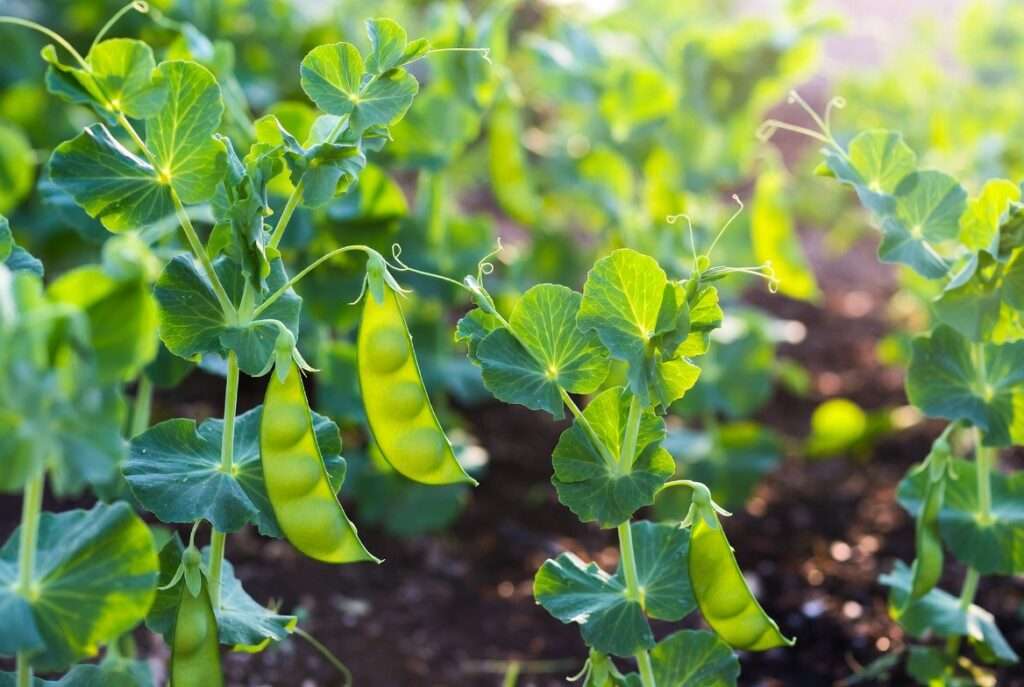
Imagine biting into a crisp, sweet snap pea pod right from your backyard vine—tender, stringless, and bursting with natural sugar that beats anything from the grocery store. If you’ve struggled with leggy vines, disease-prone plants, or disappointing harvests in the past, Sugar Daddy pea plants are about to become your new garden favorite. These compact, high-yielding snap peas deliver reliable results even for beginners, thriving in small spaces with minimal support.
In this comprehensive guide, you’ll discover everything needed to successfully grow, care for, and harvest abundant Sugar Daddy pea plants. Whether you’re a container gardener on a balcony or tending a backyard plot, these expert tips will help you enjoy fresh, homegrown snap peas all season long. Let’s dig in! 🥳
Why Choose Sugar Daddy Pea Plants? Benefits and Characteristics 🌟
Sugar Daddy snap peas (Pisum sativum var. macrocarpon) stand out as one of the best edible-podded pea varieties for modern home gardeners. Introduced as the first truly stringless snap pea, this cultivar produces thick, crunchy 3-inch pods filled with sweet, plump peas. The plants stay relatively compact at 24-30 inches tall, making them ideal for small gardens, raised beds, or pots where taller climbing varieties like traditional Sugar Snap would overwhelm the space.
Key advantages include:
- Stringless pods — No tough fibrous strings to remove before eating.
- Disease resistance — Strong tolerance to powdery mildew and pea leaf roll virus.
- High productivity — Double pods at many nodes for generous harvests.
- Early maturity — Ready in about 60-65 days from planting.
- Versatile use — Perfect for fresh snacking, stir-fries, salads, or freezing. 🍲
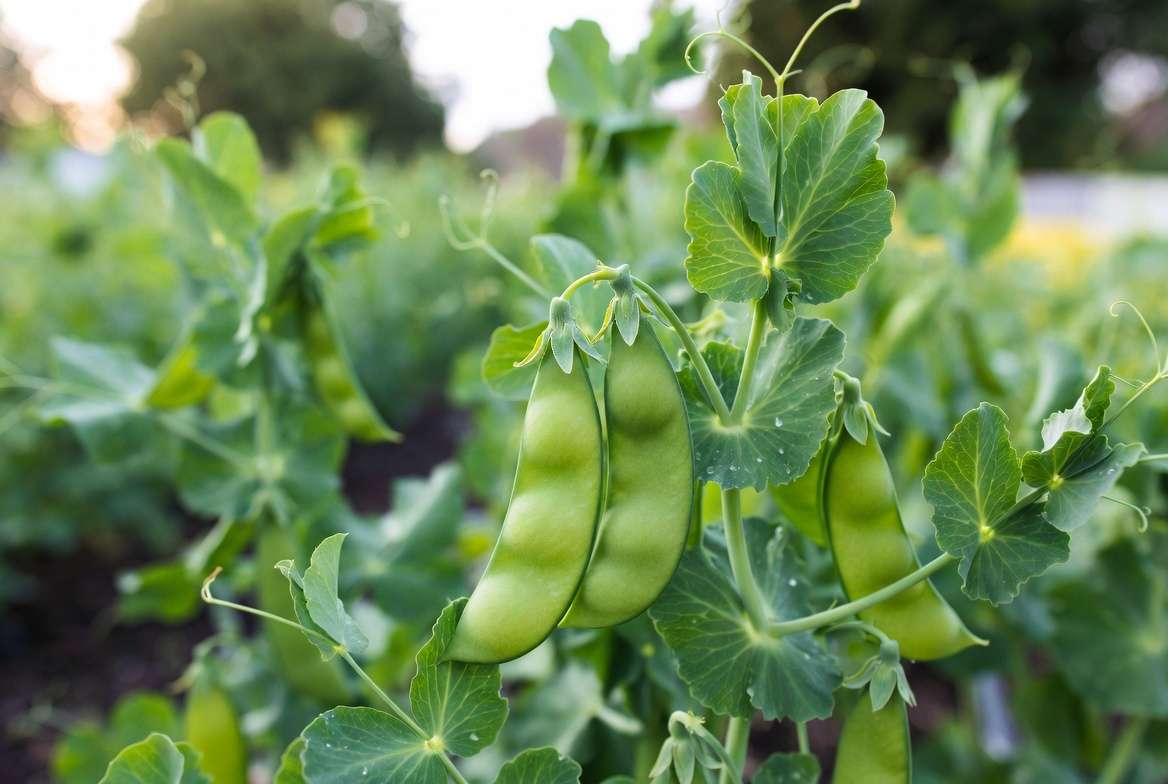
Compared to other popular snap peas, Sugar Daddy offers better disease resistance and a more manageable growth habit than vigorous climbers. While some heirlooms may boast slightly sweeter flavor in ideal conditions, Sugar Daddy’s reliability and ease of care make it a top performer for consistent results across varying climates. As a horticulturist who has trialed dozens of pea varieties over the years, I consistently recommend Sugar Daddy to clients seeking low-maintenance, high-reward crops.
Nutritionally, these peas pack a punch: rich in vitamins A and C, fiber, protein, and antioxidants. Growing your own means maximum freshness and flavor while reducing your carbon footprint.
Understanding Sugar Daddy Pea Growing Conditions 🌡️
Success with Sugar Daddy pea plants starts with matching their cool-season preferences. These edible podded peas thrive when daytime temperatures stay between 55-75°F (13-24°C). They tolerate light frost down to about 28°F but stop producing and may suffer pod quality issues above 80°F. In hot-summer regions, focus on early spring and fall crops for best results.
Sunlight requirements: Full sun with at least 6-8 hours of direct light daily. In very hot climates, afternoon shade can help extend the productive season.
Soil: Well-drained, fertile loam enriched with organic matter. Aim for a soil pH of 6.0-7.5. Heavy clay soils should be amended with compost and raised beds to prevent waterlogging, which leads to root rot.
Water needs: Consistent moisture is crucial, especially during flowering and pod development—about 1 inch per week. Inconsistent watering causes split pods or reduced yields.
Preparing Your Garden for Sugar Daddy Peas 🛠️
Proper site preparation sets the foundation for healthy plants. Choose a location with good air circulation to reduce fungal issues. Avoid planting in areas where peas or beans grew in the last 3-4 years to minimize soil-borne diseases (crop rotation is key for long-term garden health).
Soil preparation steps:
- Remove weeds and debris.
- Till or loosen soil to 8-12 inches deep.
- Mix in 2-4 inches of aged compost or well-rotted manure.
- Test soil pH and nutrients if possible—peas fix their own nitrogen but benefit from phosphorus and potassium for strong roots and pods.
Container growing: Sugar Daddy’s compact size makes it excellent for pots. Use containers at least 12-18 inches deep and wide with quality potting mix. Add perlite for drainage and a slow-release organic fertilizer. This approach works beautifully for urban gardeners or those with limited space. 🪴
How to Plant Sugar Daddy Pea Seeds Step-by-Step 🌱
Direct sowing is the simplest and most reliable method for Sugar Daddy peas. Plant seeds as soon as soil reaches 45°F in spring, typically 2-4 weeks before your last frost date. For fall crops, sow about 60 days before first expected frost.
Planting guidelines:
- Depth: 1 inch (2.5 cm)
- Spacing: 3 inches apart in rows 2 feet apart
- Soak seeds overnight in water for faster germination (usually 7-10 days)
Press seeds firmly into soil and water gently. If starting indoors, use seed trays 4-6 weeks before outdoor transplanting, but peas generally dislike root disturbance—direct sowing is preferred.
Succession planting: Sow every 10-14 days for continuous harvests. In mild climates, you can enjoy multiple rounds from spring through fall.
Companion planting tips: Pair with carrots, radishes, or aromatic herbs like dill to deter pests. Avoid onions and garlic, which may inhibit growth.
Pro Tip: Install supports or a short trellis at planting time. Even though Sugar Daddy is semi-dwarf and often self-supporting, a little help keeps pods clean and easier to harvest. 🌿
Essential Care Tips for Thriving Sugar Daddy Pea Plants 💧
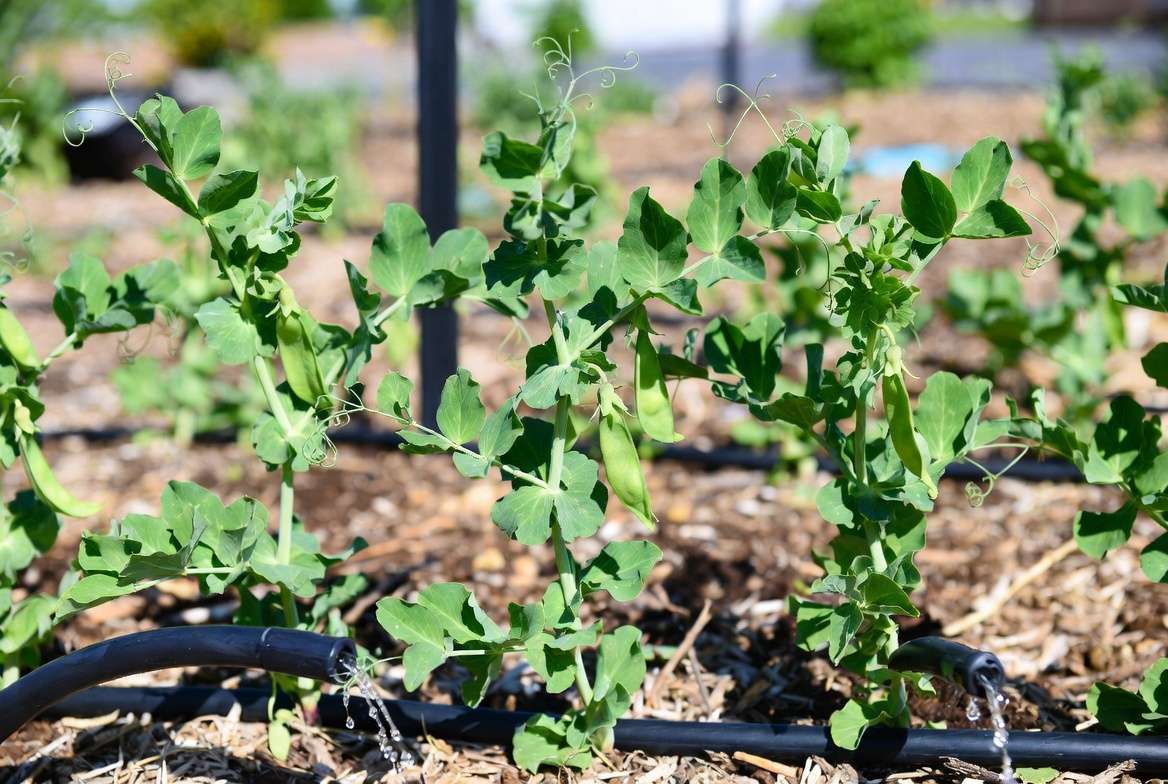
Consistent care transforms good plants into exceptional producers. Water at the base of plants in the morning to keep foliage dry and reduce disease risk. Mulch with straw or shredded leaves after seedlings emerge to retain soil moisture, suppress weeds, and regulate temperature.
Fertilize sparingly—peas are light feeders. A side dressing of compost tea or diluted fish emulsion during flowering boosts pod production without excess nitrogen, which encourages leaves over pods.
Monitor for weeds regularly but cultivate shallowly to avoid damaging shallow pea roots.
Temperature management: Use floating row covers during unexpected cold snaps or to extend the season. In heat waves, provide temporary shade cloth and increase watering frequency.
Common Pests and Diseases + Organic Solutions 🛡️
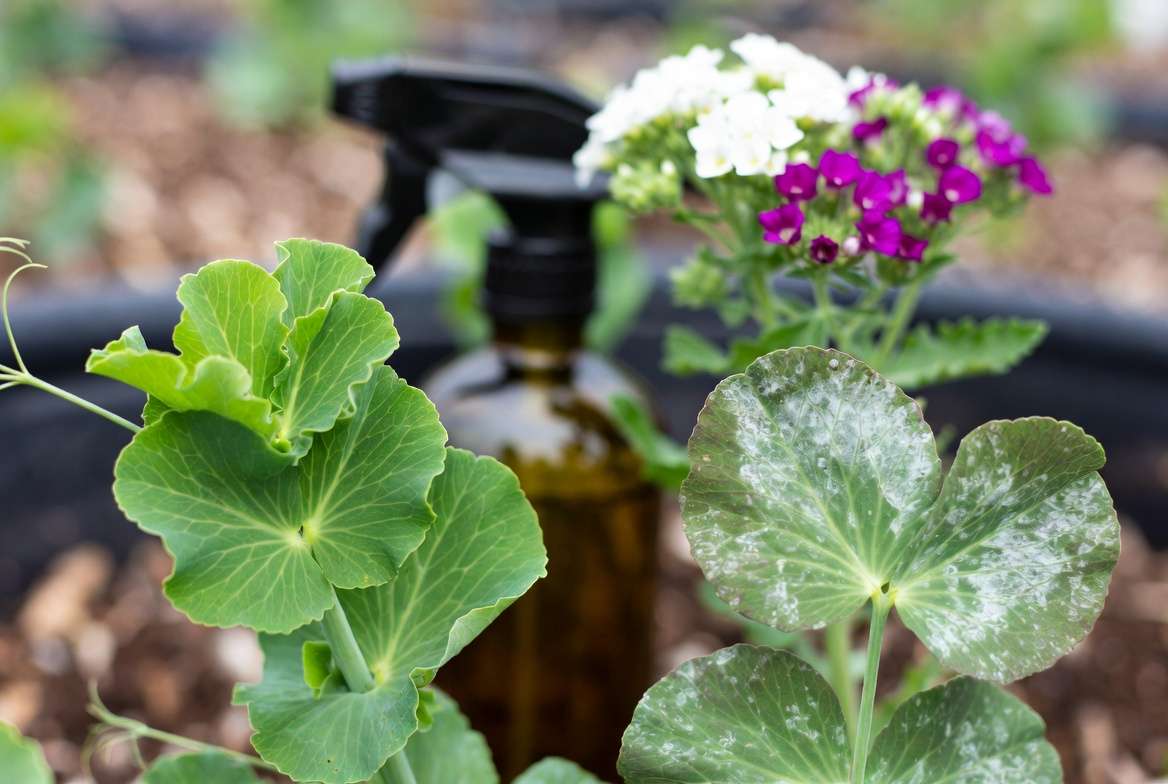
Even resilient varieties like Sugar Daddy face challenges. Powdery mildew appears as white powder on leaves—prevent with good spacing and airflow. Neem oil or baking soda sprays offer effective organic control if needed.
Aphids and pea weevils are common visitors. Blast aphids with a strong water spray or introduce beneficial insects like ladybugs. Row covers provide excellent physical protection against many pests while allowing light and air.
Birds love young peas too—use netting or reflective tape for deterrence. Healthy, well-cared-for plants naturally resist most issues, demonstrating the importance of preventive cultural practices.
Pollination, Flowering, and Monitoring Plant Health 🌸
Sugar Daddy peas are self-pollinating, but bees and other pollinators often visit the attractive white flowers, boosting overall garden biodiversity. Flowers typically appear 4-6 weeks after planting, followed quickly by pod development.
Check plants weekly for yellowing leaves (possible nitrogen deficiency or overwatering) or stunted growth. Healthy Sugar Daddy pea plants display vibrant green foliage, sturdy stems, and abundant flowering.
When and How to Harvest Sugar Daddy Peas for Best Flavor ⏰
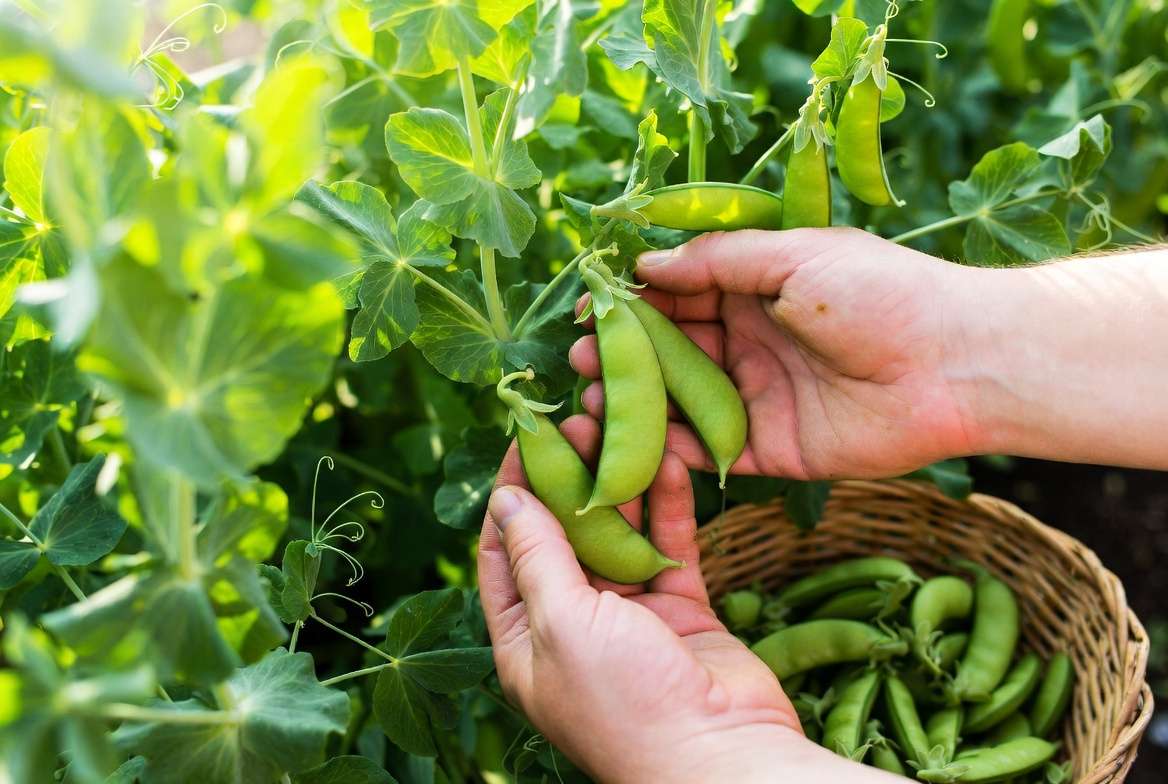
Harvest when pods are plump, bright green, and 2.5-3 inches long—usually 60-65 days from sowing. Pick in the morning for peak sweetness. Regular harvesting encourages the plant to produce more flowers and pods, potentially doubling your yield.
Use scissors or pinch pods gently to avoid damaging vines. Enjoy immediately for the best crunch, or store in the refrigerator for up to a week. For longer storage, blanch and freeze—Sugar Daddy peas retain excellent texture and flavor after freezing.
Advanced harvesting tip: Pick outer pods first to allow inner ones more time to develop. This staggered approach maximizes production from each plant. 😋
Troubleshooting Common Problems with Sugar Daddy Pea Plants 🔧
- No pods forming: Often due to temperatures too high or inconsistent watering. Provide shade and mulch.
- Yellow leaves: Check drainage and avoid over-fertilizing with nitrogen.
- Poor germination: Old seeds or soil too cold/wet—test seed viability and wait for proper soil temperature.
- Leggy plants: Insufficient sunlight—relocate if possible or add reflective mulch.
With experience, you’ll quickly recognize and correct issues before they impact your harvest significantly.
Advanced Tips for Bigger Harvests and Season Extension 🌾
Taking your Sugar Daddy pea plants to the next level involves strategic techniques that experienced gardeners use to maximize yields and extend the growing season. Succession planting remains one of the most effective methods—sowing small batches every 10-14 days ensures a steady supply rather than one overwhelming harvest. In regions with mild winters, you can even experiment with overwintering in protected spots or high tunnels.
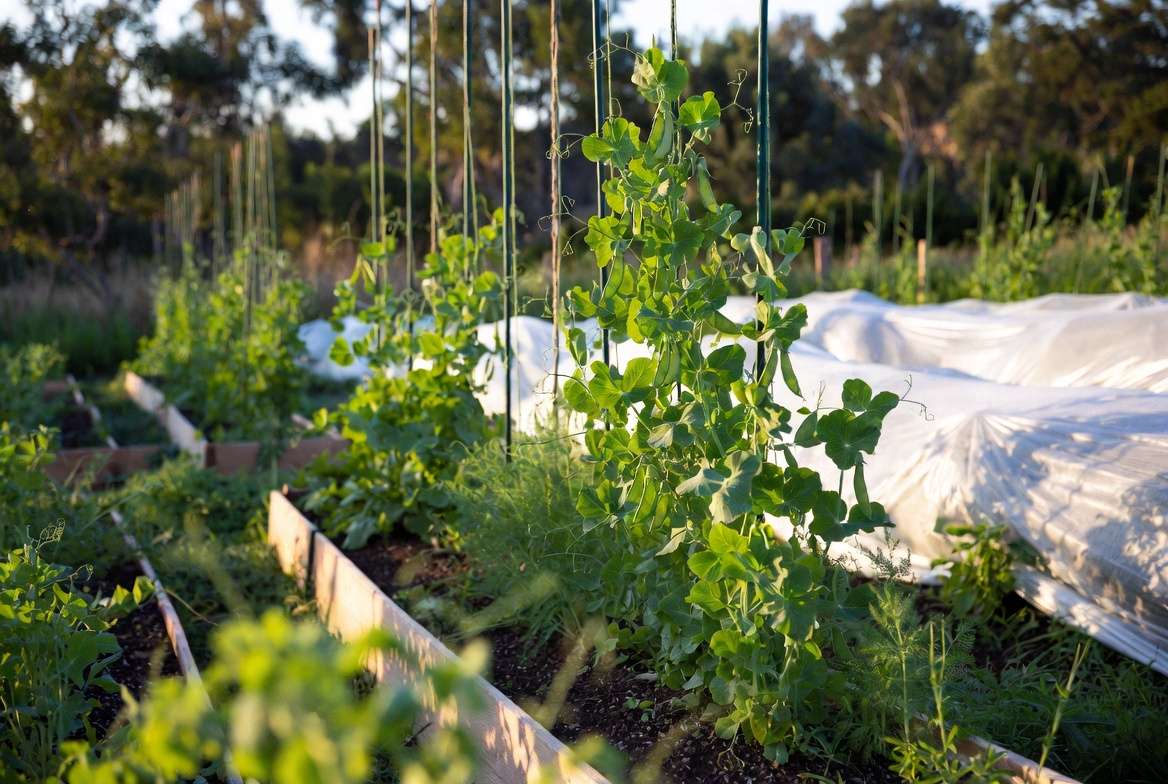
Vertical and intensive gardening: Although Sugar Daddy is compact, adding a simple tomato cage or short pea trellis improves airflow and makes harvesting more enjoyable. For balcony gardeners, stacking containers or using hanging systems can multiply your growing space dramatically. Combine with companion plants like lettuce or spinach that shade the soil and mature before peas need full sun.
Season extension hacks:
- Floating row covers or cloches for early spring protection.
- Planting in raised beds that warm faster in spring.
- Applying compost tea every 2-3 weeks during active growth for a gentle nutrient boost.
- Pruning lower leaves if airflow becomes an issue in dense plantings.
Seed saving is another rewarding advanced practice. Allow a few healthy pods to fully mature and dry on the vine. Harvest brown, brittle pods, shell the seeds, and store in a cool, dry place. Home-saved Sugar Daddy seeds often perform exceptionally well in your specific microclimate after the first generation.
Many gardeners report 20-50% higher yields when combining these techniques with soil health practices like cover cropping in off-seasons. As someone who has helped dozens of community gardens implement these methods, I can attest that patience and observation are your greatest tools—peas respond beautifully to attentive care.
Frequently Asked Questions (FAQs) ❓
Can Sugar Daddy pea plants grow well in containers? Yes! Their compact 24-30 inch height makes them perfect for pots. Choose containers with excellent drainage, use high-quality potting mix amended with compost, and ensure they receive full sun. Water more frequently than in-ground plants as containers dry out faster. Many urban gardeners successfully harvest pounds of pods from just a few large pots. 🪴
Why aren’t my Sugar Daddy pea plants producing many pods? Common causes include temperatures above 80°F, inconsistent watering, nutrient imbalance (too much nitrogen), or poor pollination. Provide afternoon shade in hot weather, maintain even soil moisture, and avoid high-nitrogen fertilizers. Adding beneficial pollinator plants nearby often helps too.
How much water do Sugar Daddy snap peas need? Aim for about 1 inch of water per week, keeping soil consistently moist but not soggy. During flowering and pod-filling stages, slight dryness can stress plants and reduce quality. Morning watering at the base helps prevent fungal diseases.
Are Sugar Daddy peas resistant to common diseases? They offer excellent resistance to powdery mildew and pea leaf roll virus compared to many older varieties. However, good cultural practices—proper spacing, airflow, and crop rotation—remain essential for best results.
When is the best time to plant Sugar Daddy pea seeds in my area? Plant in early spring as soon as soil is workable (around 45°F) or in mid-summer for a fall crop. Check your local frost dates and extension service recommendations for precise timing.
Can I grow Sugar Daddy peas indoors or in a greenhouse? Yes, with sufficient light (grow lights recommended for 12-14 hours daily) and good air circulation. They perform best in cool indoor spots. This is a great option for year-round fresh peas in controlled environments.
How do I store harvested Sugar Daddy snap peas? Refrigerate in a perforated bag for up to one week. For longer storage, blanch for 2-3 minutes, cool quickly in ice water, and freeze. They maintain excellent texture and sweetness when properly preserved.
Do Sugar Daddy peas need inoculant? While not always necessary in rich soil, using a pea/bean inoculant at planting can improve nitrogen fixation and overall vigor, especially in new or poor soils.
What are the most common mistakes beginners make with snap peas? Planting too late in warm weather, overwatering or underwatering, skipping supports, and poor spacing leading to disease. Starting early in cool conditions usually solves most issues.
Are Sugar Daddy pea plants good for beginners? Absolutely. Their forgiving nature, compact size, and disease resistance make them one of the best choices for new vegetable gardeners seeking quick, tasty results.
Conclusion: Enjoy Your Bountiful Sugar Daddy Pea Harvest! 🎉
Growing Sugar Daddy pea plants offers one of the most rewarding experiences in home vegetable gardening. From their sweet, stringless pods to their manageable growth habit and strong disease resistance, these snap peas deliver exceptional value with relatively little effort. By following this complete care guide—focusing on proper timing, soil health, consistent moisture, and preventive pest management—you’ll enjoy abundant harvests that far surpass store-bought options in both flavor and freshness.
Remember, gardening is a journey of learning and joy. Start small, observe your plants closely, and don’t be afraid to experiment. Whether you’re filling lunchboxes with crunchy snacks, preparing gourmet stir-fries, or preserving for winter, your homegrown Sugar Daddy peas will bring smiles to your table and pride to your garden.
Ready to get planting? Share your Sugar Daddy pea success stories, challenges overcome, or favorite recipes in the comments below. For more expert plant care guides on cool-season vegetables, companion planting, and sustainable gardening practices, explore our other articles and subscribe to stay updated. Happy gardening! 🌿🥕











