
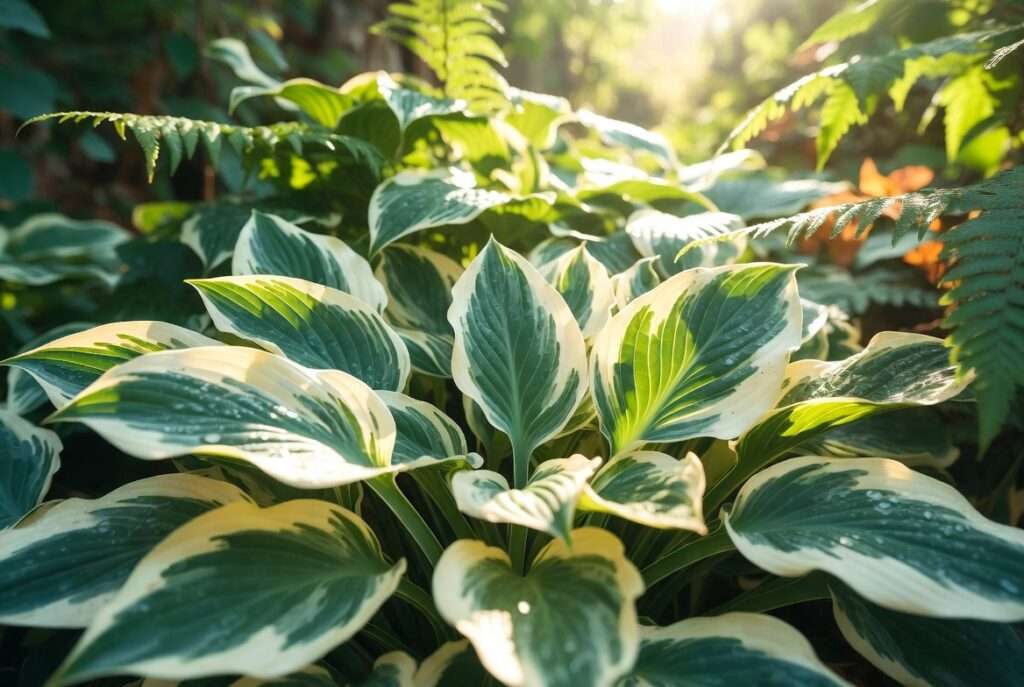
Imagine stepping into your backyard on a warm summer morning and being greeted by lush, heart-shaped leaves painted with elegant splashes of cream, gold, and deep green. That’s the magic variegated hosta plants bring to any shade garden. If you’ve ever struggled to add color and texture to those tricky low-light spots, these resilient perennials are your answer.
As a horticulturist with over 15 years of hands-on experience growing hostas in diverse climates, I’ve seen firsthand how the right care transforms ordinary shade gardens into breathtaking retreats. In this comprehensive guide, you’ll discover everything needed to select, plant, nurture, and troubleshoot variegated hosta plants so they thrive year after year. Whether you’re a beginner or seasoned gardener, this resource will help you solve common challenges like leaf scorch, slug damage, and fading variegation while creating a stunning, low-maintenance landscape. 🌱
What Are Variegated Hosta Plants? Understanding the Basics 🧐
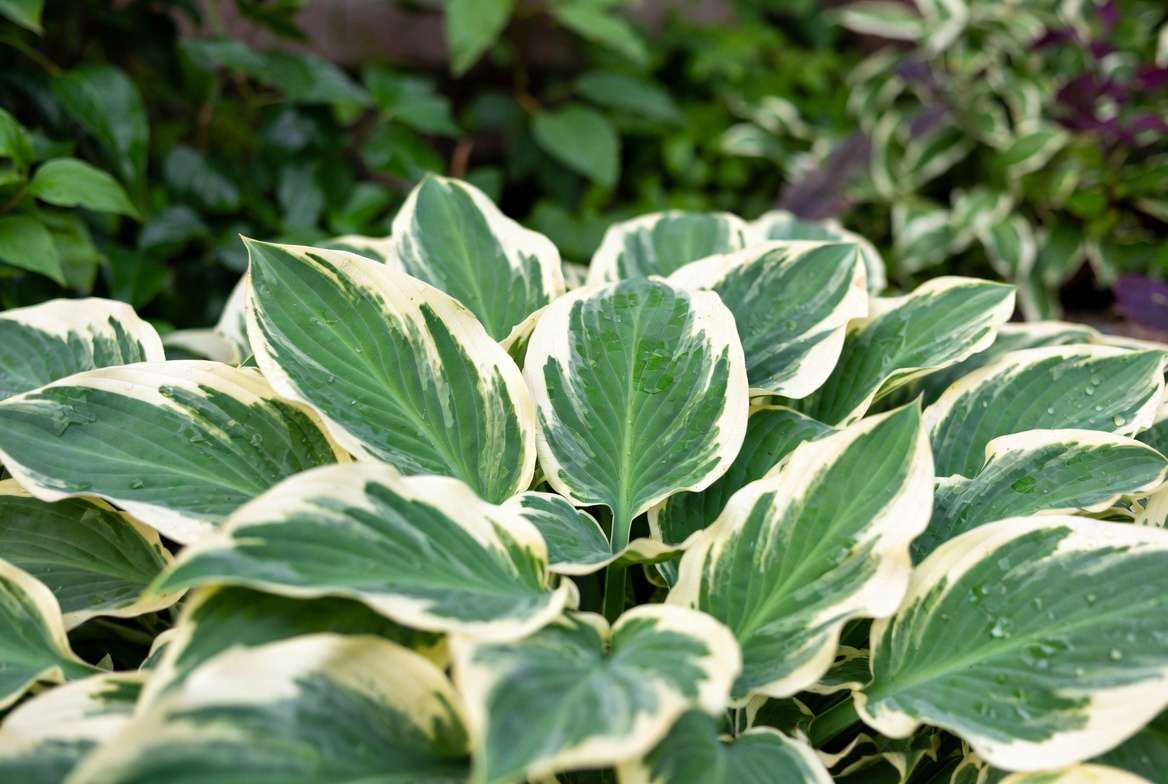
Variegated hosta plants (Hosta spp.) are beloved shade-loving perennials prized for their striking foliage rather than flowers. Variegation refers to the genetic mutation that produces leaves with multiple colors — typically a green center with white, cream, or yellow margins, or vice versa. This natural “painting” makes them stand out dramatically in darker garden corners.
Unlike solid green varieties, variegated types often grow slightly slower because the lighter portions contain less chlorophyll. However, this trade-off rewards gardeners with unique visual interest that lasts from spring emergence through fall. Most variegated hostas are hardy in USDA Zones 3–9, making them incredibly versatile across North America.
Key Characteristics:
- Leaf Shapes: Heart-shaped, lance-shaped, or nearly round
- Textures: Smooth, corrugated, or wavy edges
- Sizes: From tiny minis under 6 inches to giants over 4 feet wide
- Flowers: Bell-shaped lavender or white blooms on tall scapes in mid-to-late summer (bonus pollinator attraction!)
These plants are perfect for solving the common problem of “boring shade gardens.” Their ability to form dense clumps naturally suppresses weeds while adding sophisticated layers of color and texture.
Top Variegated Hosta Varieties for Every Garden 🌟
Choosing the right variety is the foundation of success. Here’s a curated selection based on real-world performance:
Best for Beginners:
- ‘Francee’ — Classic green leaves with crisp white margins. Reliable, vigorous, and slug-resistant compared to others.
- ‘Undulata’ (Albo-marginata) — Wavy leaves with bold white edges. Great for quick coverage. 🪴
Bold Statement Varieties:
- ‘Sum and Substance’ (and its variegated sports) — Massive chartreuse-to-gold leaves that brighten deep shade.
- ‘Blue Angel’ — Huge blue-green leaves with creamy accents — excellent substance and pest resistance.
Miniature & Container-Friendly:
- ‘Baby Booties’ or ‘Mighty Mouse’ — Adorable small-scale options perfect for pots and rock gardens.
- ‘Kiwi Full Monty’ — Striking blue-green center with yellow margins.
Rare & Collector Favorites:
- ‘Eternal Flame’, ‘Liberty’, and ‘June’ (one of the most stable gold-centered varieties).
Quick Comparison Table (imagine this as a clean visual in the final post):
| Variety | Mature Size | Variegation Type | Sun Tolerance | Slug Resistance |
|---|---|---|---|---|
| Francee | 18–24″ | White margins | Medium | Good |
| Sum and Substance | 3–4 ft | Chartreuse | Higher | Excellent |
| June | 12–18″ | Gold center | Low-Medium | Very Good |
How to Choose the Right Variegated Hosta Plants for Your Space 🛒
Success starts with matching the plant to your conditions. Assess these factors:
- Light Levels — Most variegated hostas prefer morning sun and afternoon shade. Too much direct sun causes scorching; too little deep shade can reduce variegation intensity.
- Soil Type — Rich, well-draining loamy soil with pH 6.0–7.5 is ideal.
- Climate Considerations — In hotter zones (8+), choose thicker-leaved varieties with more substance.
- Garden Style — Mix sizes and colors for dynamic contrast.
Pro Tip: When buying, inspect leaves for signs of pests and ensure the crown is firm. Online nurseries often provide better variety selection with detailed photos. 🌿
Planting Variegated Hosta Plants Successfully 🌱
Best Planting Times: Early spring after last frost or early fall (6–8 weeks before first frost).
Step-by-Step Planting Guide:
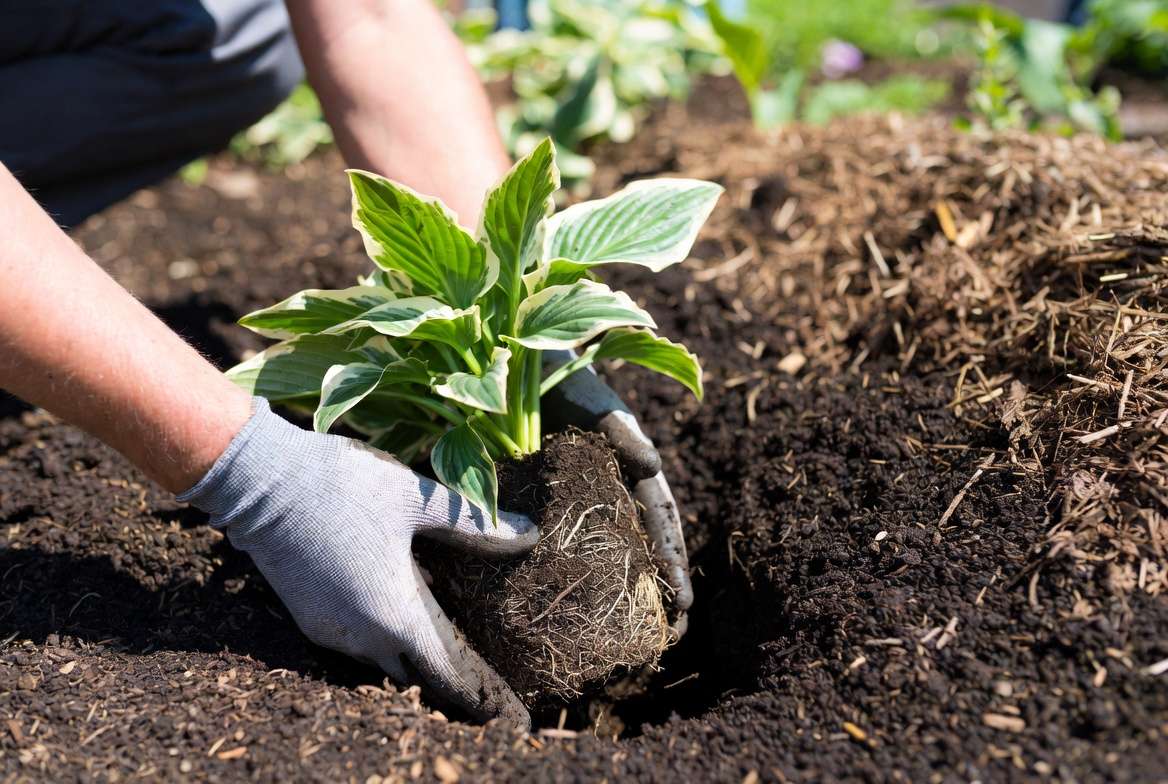
- Prepare the soil by incorporating 2–3 inches of compost or aged manure.
- Dig a hole twice as wide as the root ball but only as deep.
- Place the plant so the crown sits slightly above soil level.
- Backfill gently, water thoroughly, and apply 2–3 inches of organic mulch (avoid piling against stems to prevent rot).
- Space plants according to mature size — 12–36 inches apart depending on variety.
Proper planting eliminates many future problems and gives your variegated hosta plants the strong start they need for years of beauty.
Essential Care Guide for Thriving Variegated Hostas 🌿💧
Caring for variegated hosta plants is rewarding because they are relatively low-maintenance once established. However, consistent attention to a few key factors makes the difference between average and show-stopping specimens.
Light Requirements Variegated hostas thrive in dappled or partial shade. Morning sun is beneficial for color intensity, but protect them from harsh afternoon rays. In hotter climates, provide extra shade cloth during peak summer. Signs of too much sun include browning edges (scorch) and faded variegation.
Watering Best Practices Consistent moisture is crucial, especially during the first growing season. Aim for 1 inch of water per week, adjusting for rainfall. Water at the base to keep leaves dry and reduce disease risk.
- Overwatering signs: Yellowing lower leaves, soft crowns.
- Underwatering signs: Wilting, crispy leaf margins.
Mulch heavily to retain soil moisture and regulate temperature — shredded bark or leaf mold works beautifully. 🪴
Soil and Fertilizing Schedule Hostas are heavy feeders but sensitive to over-fertilization. Work a balanced, slow-release organic fertilizer into the soil in early spring. A second light application in early summer supports strong foliage. Avoid high-nitrogen fertilizers that can cause overly lush growth prone to pests. Compost tea or fish emulsion are excellent natural options that improve soil biology.
Mulching for Moisture and Weed Control A 2–3 inch layer of organic mulch not only conserves water but also adds nutrients as it breaks down. Refresh annually in spring. This simple step dramatically reduces maintenance time.
Pruning, Deadheading & Winter Preparation Remove spent flower scapes after blooming to redirect energy to foliage. In late fall, let leaves die back naturally, then cut them to the ground once fully brown. This helps prevent overwintering pests and diseases. Apply a fresh layer of mulch for winter protection in colder zones.
Advanced Maintenance Tips for Spectacular Results ✨
Seasonal Care Calendar 📅
- Spring: Divide overcrowded clumps, apply fertilizer, and watch for emerging slugs.
- Summer: Monitor for scorch and maintain consistent moisture during heat waves.
- Fall: Plant new additions and clean up debris.
- Winter: Minimal care — just ensure good drainage to prevent crown rot.
Pest and Disease Management Slugs and snails are the biggest threat to variegated hosta plants. Organic Solutions:
- Hand-picking at dusk
- Beer traps
- Diatomaceous earth or crushed eggshells
- Copper tape around containers
For diseases like petiole rot or viral infections, prevention through good air circulation and clean tools is most effective. Remove and dispose of affected leaves immediately.
Deer and Rabbit Protection While hostas are somewhat deer-resistant due to their texture, hungry deer may still nibble. Use repellents, fencing, or interplant with strongly scented companions like lavender or alliums.
Common Problems with Variegated Hosta Plants & How to Fix Them 🔧
Even experienced gardeners encounter issues. Here’s how to diagnose and correct the most frequent ones:
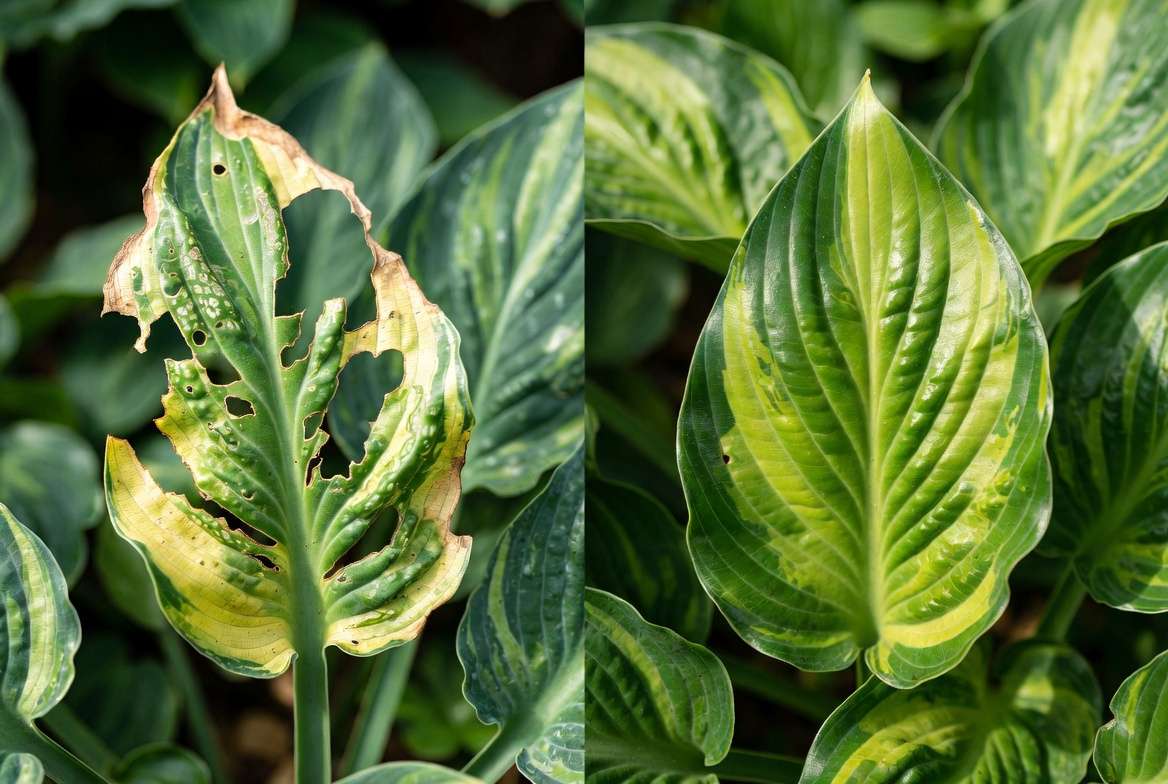
Leaf Scorch Cause: Too much direct sun or drought stress. Solution: Relocate to shadier spot and increase watering/mulching. Cut back damaged leaves.
Slug Damage (Holes in Leaves) Most common complaint. Use the organic methods above consistently from early spring.
Fading or Reverting Variegation Some varieties revert to solid green over time. Solution: Dig up and remove all-green shoots at the crown to preserve the variegated portions. Divide and replant every 3–5 years for vigor.
Crown Rot Caused by overly wet soil or mulch piled too high. Improve drainage and avoid overwatering in cool weather.
Hosta Virus X (HVX) Serious but increasingly common. Symptoms include mottled, distorted leaves. Solution: Remove and destroy infected plants. Buy from reputable sources to minimize risk.
This troubleshooting section alone can save gardeners countless hours and dollars by preventing small issues from becoming major headaches.
Propagating Variegated Hosta Plants 🌱
Propagation is an excellent way to expand your collection or share with friends.
Division Method (Most Reliable) Best done in early spring or fall:
- Dig up the entire clump.
- Use a sharp knife or spade to separate into sections with healthy roots and buds.
- Replant immediately at the same depth.
- Water well and shade for a few days.
Divisions usually establish quickly and maintain the parent plant’s variegation.
Seed Propagation Possible but not recommended for variegated types, as seedlings rarely come true to the parent’s coloring. Use this mainly for species hostas.
Tissue Culture Used by commercial growers for rare varieties to ensure genetic stability.
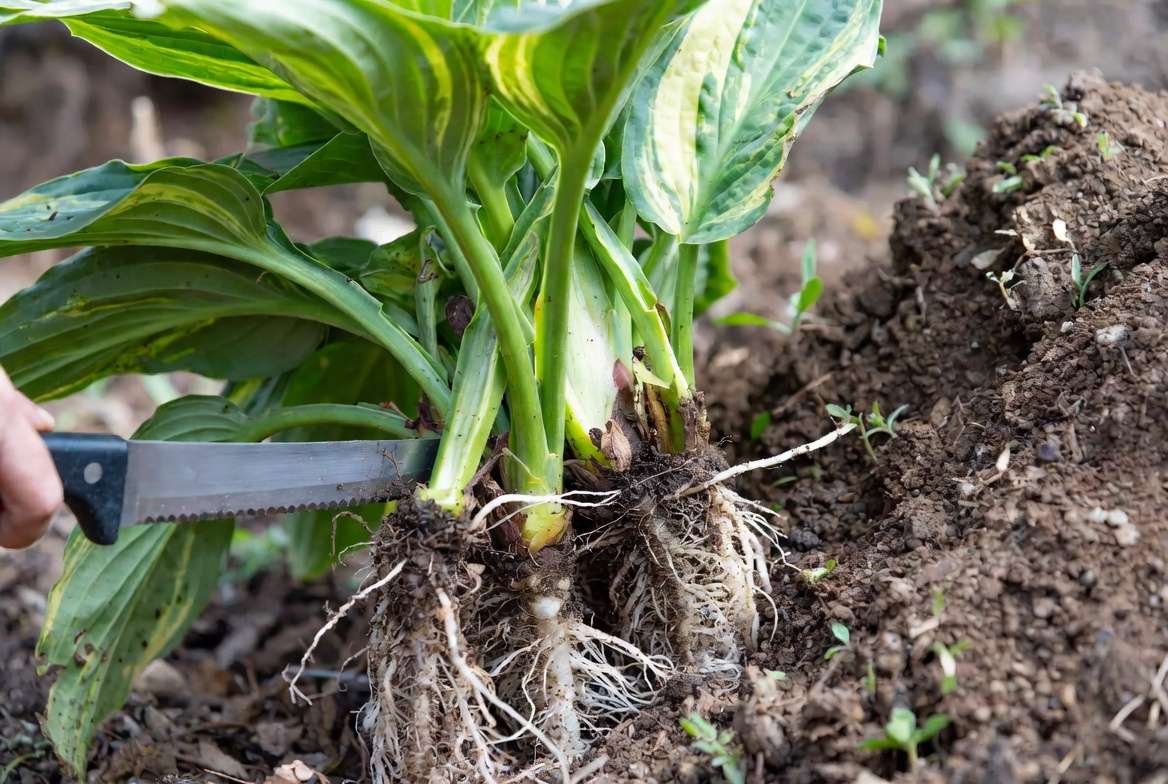
With proper technique, you can multiply your favorite variegated hosta plants exponentially over just a few seasons.
Creative Garden Design Ideas with Variegated Hostas 🌸
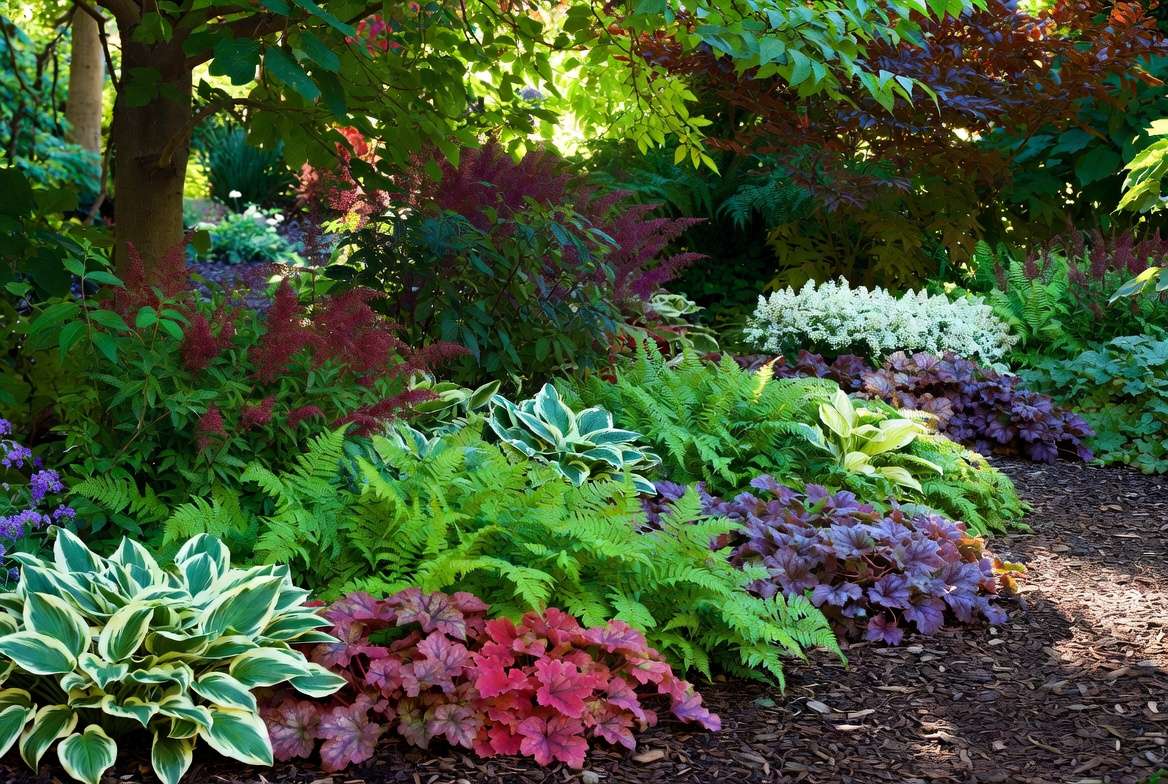
Variegated hostas shine in layered plantings. Pair them with:
- Ferns for feathery contrast
- Heuchera (coral bells) for complementary colors
- Astilbe for summer flowers
- Japanese painted ferns for silvery tones
Design Styles:
- Classic border with tall hostas at the back
- Container groupings on patios
- Woodland garden paths edged with miniature varieties
- Mass plantings for dramatic ground cover under trees
The bold foliage creates focal points while the varying textures add depth and interest even when not in bloom.
Eco-Friendly & Sustainable Growing Practices ♻️
Growing variegated hosta plants sustainably enhances your garden’s ecosystem:
- Use rain barrels for watering
- Build healthy soil with compost to reduce fertilizer needs
- Encourage natural predators (toads, birds, ground beetles) for pest control
- Choose native companion plants to support local pollinators
These practices not only benefit your hostas but contribute to a healthier backyard habitat.
Frequently Asked Questions (FAQs) ❓
Q: How much sun can variegated hosta plants tolerate? A: Most prefer 4–6 hours of filtered light. Too much direct sun burns the delicate variegated portions.
Q: Do hostas spread quickly? A: They form expanding clumps over time but are not aggressive invaders. Division every few years controls size.
Q: Why are my hosta leaves turning brown? A: Common causes include scorch, underwatering, or fungal issues. Check light and moisture first.
Q: Can variegated hostas grow in pots? A: Absolutely! Choose larger containers with good drainage and use high-quality potting mix. They make excellent patio accents.
Q: How do I protect hostas from slugs naturally? A: Consistent use of beer traps, copper barriers, and manual removal works wonders.
Q: When should I fertilize my hostas? A: Early spring and a light summer feeding. Over-fertilizing can reduce variegation quality.
Q: Are variegated hostas deer resistant? A: Generally yes, but not foolproof. Use additional deterrents in high-pressure areas.
Conclusion
Variegated hosta plants are truly garden treasures that bring elegance, texture, and ease to shade landscapes. By following this detailed guide — from selecting the perfect variety to advanced troubleshooting — you’ll be well-equipped to create a flourishing, low-maintenance garden that brings joy for decades.
The key to success lies in matching plants to your conditions, providing consistent care, and addressing small problems early. Start with just a few specimens this season and watch your shade garden transform into a lush oasis.
Have you grown variegated hostas before? Share your favorite varieties or challenges in the comments — I’d love to help refine your approach! For more expert plant care guides, explore our articles on shade perennials, companion planting, and organic gardening techniques.
Happy gardening! 🌿✨











