
Imagine watching heavy rains wash away precious topsoil from your garden slope or hillside, leaving behind gullies and weakened plants. Now picture the opposite: a lush, dense green hedge of vetiver grass standing strong, anchoring the soil with roots deeper than most trees, turning potential erosion disasters into fertile, stable land. This is the power of vetiver grass planting — a simple yet transformative technique used by permaculture experts, conservationists, and home gardeners worldwide. 🌍
As a plant care specialist with years of hands-on experience in sustainable landscaping and soil regeneration, I’ve seen vetiver grass (Chrysopogon zizanioides) work miracles in challenging environments. In this comprehensive guide, you’ll learn everything needed for successful vetiver grass planting — from choosing the right site to long-term maintenance and harvesting. Whether you’re battling erosion, building a resilient garden, or exploring regenerative practices, this article equips you with expert insights to achieve thriving results. Let’s dig in! 🛠️
What Is Vetiver Grass and Why Plant It? 🌿
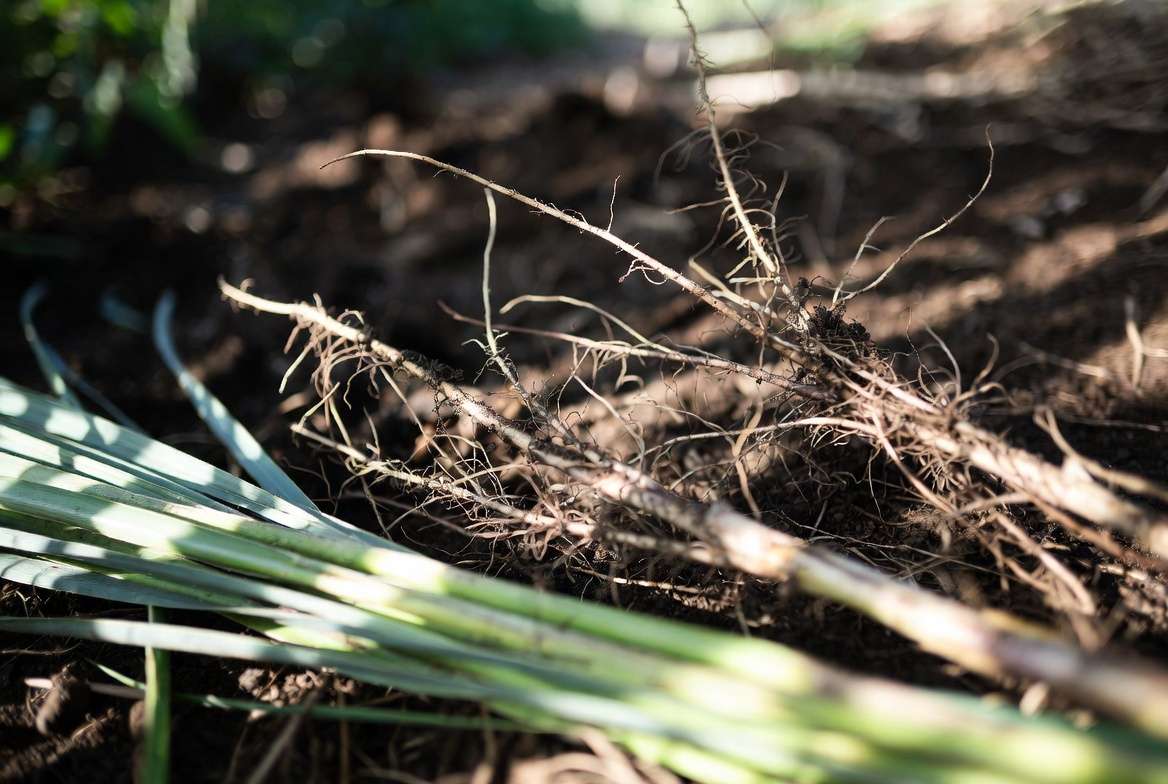
Vetiver grass, often called the “miracle grass” or “khus,” is a clumping perennial grass native to India but now valued globally for its remarkable versatility. Unlike spreading grasses, vetiver grows in tight, non-invasive clumps with a massive root system that can reach depths of 10 feet (3+ meters) or more. This makes it an exceptional tool for soil stabilization, water management, and environmental restoration.
The Remarkable Benefits of Vetiver Grass Vetiver grass planting offers multifaceted advantages that address real problems like soil loss, water runoff, and climate challenges:
- Superior Erosion Control: Its dense hedges slow water flow, trap sediment, and build natural terraces over time. Farmers and landowners use it to protect slopes, riverbanks, and roadsides.
- Soil Building and Fertility: By reducing runoff, vetiver helps retain nutrients and organic matter, gradually improving poor or degraded soils.
- Drought and Flood Resilience: Once established, its deep roots make it highly drought-tolerant while also absorbing excess water during floods.
- Phytoremediation: Vetiver filters heavy metals, toxins, and pollutants from soil and water — ideal for contaminated sites.
- Aesthetic and Practical Uses: Fragrant roots are used in perfumes and crafts; leaves provide mulch, thatch, or animal fodder. It doubles as a beautiful ornamental border in home gardens.
- Low Maintenance and Cost-Effective: Sterile varieties (like ‘Sunshine’) won’t spread uncontrollably, making it safe and sustainable.
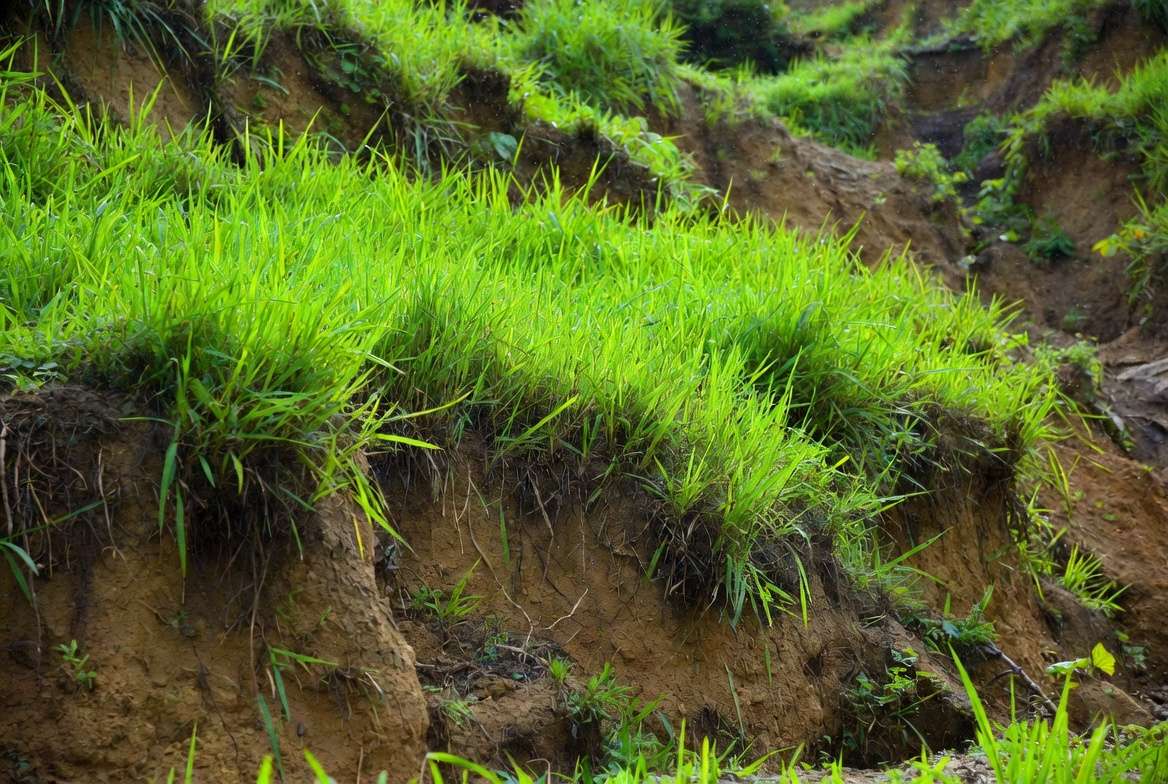
In my experience working with clients facing erosion issues, vetiver often outperforms traditional methods like retaining walls — at a fraction of the cost and with far greater ecological benefits.
Is Vetiver Right for Your Garden or Land? Vetiver thrives in USDA zones 8–11 but can adapt to cooler climates with protection. It tolerates a wide pH range (4–7.5), sandy to clay soils, and even saline conditions. However, it prefers full sun and well-drained sites. Young plants need consistent moisture until established.
If you’re dealing with sloping terrain, degraded soil, or want a resilient addition to your plant care routine, vetiver grass planting is an excellent choice. Always opt for sterile cultivars in regions concerned about invasiveness.
Preparing for Successful Vetiver Grass Planting 🛠️
Success starts with preparation. Rushing this stage is one of the most common reasons for poor establishment.
Choosing the Right Vetiver Variety The ‘Sunshine’ variety is widely recommended for its sterility and vigor, especially in places like Hawaii or similar climates. Source slips from reputable nurseries or the Vetiver Network to ensure healthy, disease-free material. Avoid wild or seeded types unless you’re in a controlled environment.
Site Selection and Soil Preparation
- Location: Full sun (at least 6–8 hours daily). Plant along contours on slopes using a simple A-frame level for accuracy.
- Soil: Test your soil. Vetiver adapts well but benefits from initial amendments like compost or farmyard manure.
- Tools Checklist: Shovel, A-frame level, watering can/hose, mulch, organic fertilizer (e.g., slow-release NPK or compost).
When to Plant Vetiver Grass The best time is at the start of the rainy season or when you can provide consistent irrigation. In temperate areas, plant in late spring to early summer. Avoid extreme heat or cold for initial planting.
Step-by-Step Vetiver Grass Planting Guide 📋
This is the heart of the guide — clear, actionable steps refined through practical experience.
Propagation Methods Vetiver is easily propagated by division:
- Dig up a mature clump.
- Separate into slips (3–5 tillers each) with healthy roots.
- Trim leaves to 15–20 cm and roots to about 10 cm for easier planting.
- Soak slips in water for a few days to encourage new roots if needed.
You can also start in nursery bags with a mix of soil, sand, and compost (1:2:1 ratio) for higher success rates in challenging conditions.
How to Plant Vetiver Grass – Detailed Instructions
- Mark Contours: Use an A-frame to identify level lines on slopes. Space rows 1–2 meters apart vertically depending on slope steepness.
- Spacing: Plant slips 10–15 cm apart in a row for a dense hedge. Use double staggered rows (6 inches between rows) on steep or highly erodible sites.
- Planting Technique: Dig holes or trenches about 15–20 cm deep. Place slips upright, firm soil around roots, and water thoroughly.
- Initial Care: Apply mulch (vetiver leaves or straw) behind the new hedge to catch immediate runoff. Keep soil moist for the first 4–6 weeks.
For flat areas like garden borders, wider spacing (15–20 cm) works well for aesthetics. On riverbanks or embankments, plant multiple dense rows.
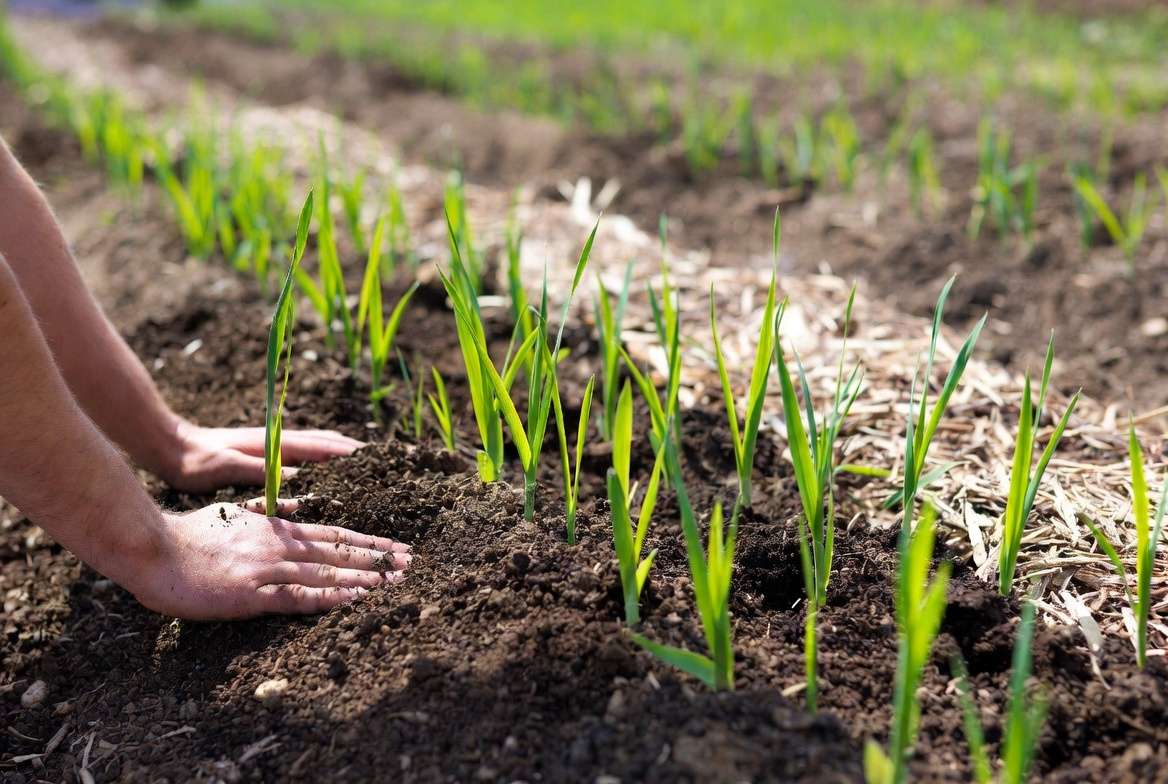
Creating Effective Vetiver Hedges and Barriers Planting along contours allows sediment to build up behind the hedge, naturally forming terraces. In one project I advised, a steep backyard slope stabilized within one growing season, preventing further soil loss and creating new planting beds. This contour hedging is a cornerstone of the Vetiver System for erosion control.
Caring for Your Vetiver Grass 🌞
Watering, Fertilizing, and Maintenance During establishment, water deeply 2–3 times per week. Once roots deepen (usually 3–6 months), vetiver becomes remarkably drought-tolerant.
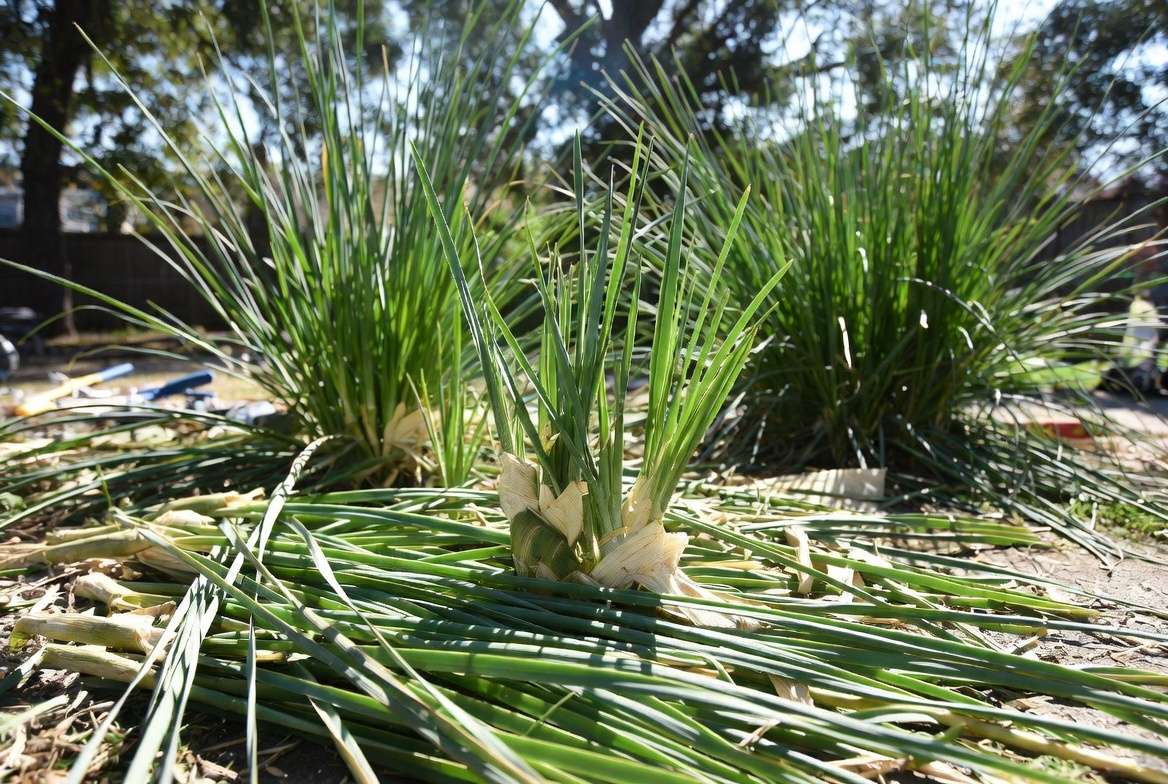
Fertilize lightly at planting with compost or manure. Mature hedges need little supplemental feeding. Prune periodically to 30–50 cm height — use clippings as mulch to recycle nutrients and suppress weeds.
Companion Planting and Integration Vetiver pairs beautifully with fruit trees (planted slightly uphill to capture runoff) or in food forests. It acts as a living mulch and windbreak while improving microclimates for nearby plants. In permaculture designs, it excels at stabilizing swales and terrace edges.
Common Problems and Troubleshooting 🛡️
Even tough plants like vetiver face challenges. Here’s how to overcome them:
Pests, Diseases, and Challenges
- Stem borers: Monitor and use neem-based solutions or encourage natural predators.
- Die-off: Usually due to shade, poor drainage, or drought during establishment. Ensure full sun and consistent moisture initially.
- Weeds: Mulch heavily in the first year.
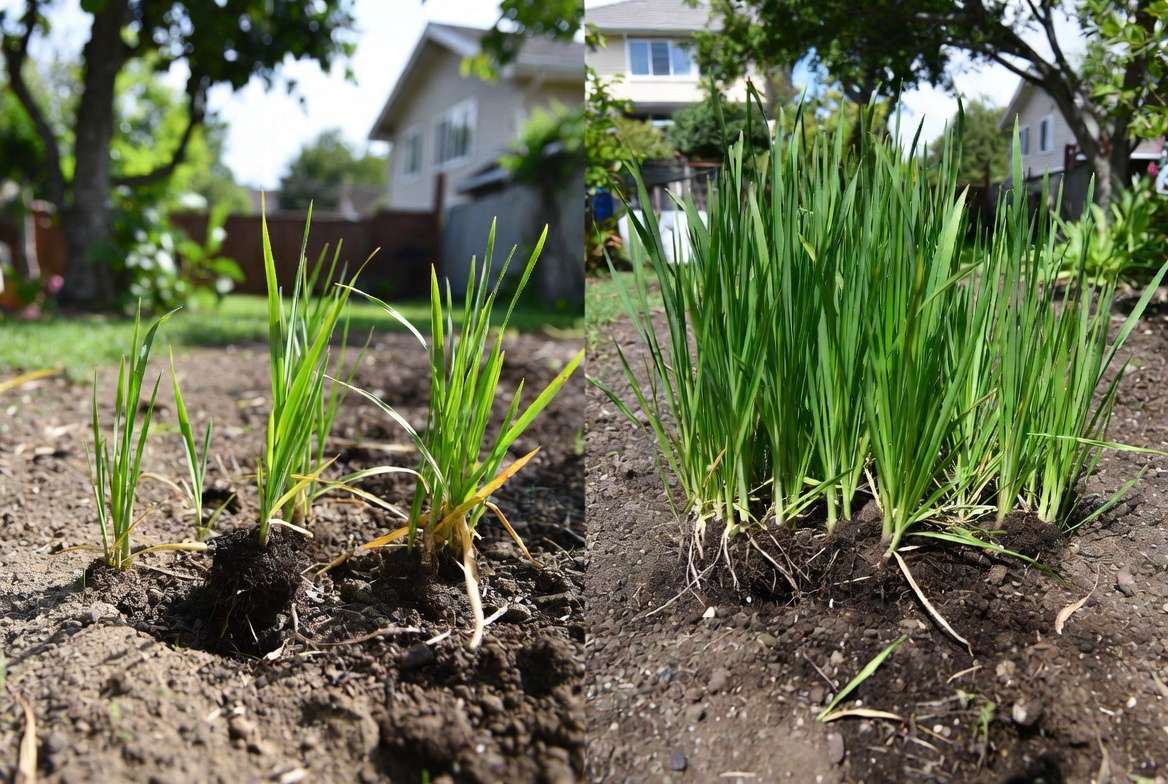
Environmental Stress Solutions In very poor soils, add organic matter generously. For cold snaps, protect young plants with mulch or temporary covers. Most issues stem from inadequate initial care — follow the steps above for 80–90%+ survival rates.
Advanced Applications and Long-Term Benefits 🌍
Vetiver for Large-Scale Projects Beyond home gardens, vetiver grass planting is used in watershed management, mine reclamation, and highway stabilization. Its ability to grow in contaminated soils makes it a leader in phytoremediation projects.
Harvesting and Utilizing Vetiver Harvest leaves regularly for mulch. Roots can be dug after 12–18 months for essential oil distillation or aromatic sachets. Sustainable harvesting ensures the plant continues protecting your soil.
Expert Insights and Real-World Tips 💡
From my fieldwork and collaboration with conservation networks, the key to success is close initial spacing and contour alignment. One common mistake is planting too far apart or in shade — avoid these for robust hedges.
Vetiver’s deep roots not only prevent erosion but also improve soil structure by creating channels for water and air. Over years, it can transform barren slopes into productive land.
Frequently Asked Questions (FAQs) ❓
How fast does vetiver grass grow? It establishes quickly, forming a functional hedge in 3–6 months under good conditions.
Can vetiver survive winter? In zones 8+, it often regrows from roots. Protect in colder areas.
How much vetiver to plant? For a 10-meter hedge, you’ll need roughly 70–100 slips at 10–15 cm spacing. Scale based on your site.
Is vetiver safe for pets? Yes, it’s generally non-toxic and sturdy.
How deep do vetiver roots grow? Up to 10–15 feet, providing unmatched soil anchoring.
Other common questions cover propagation timing, fertilizer needs, and differences from native grasses.
Conclusion: Transform Your Land with Vetiver Grass Planting
Vetiver grass planting offers a practical, powerful solution for erosion control, soil health, and resilient gardening. By following this guide, you can create stable, beautiful landscapes that benefit both your property and the environment.
Start small — perhaps with a test hedge — and watch the transformation. Share your vetiver success stories in the comments! For more plant care guides, explore our articles on native hedging and regenerative gardening.
Happy planting! 🌱✨











