
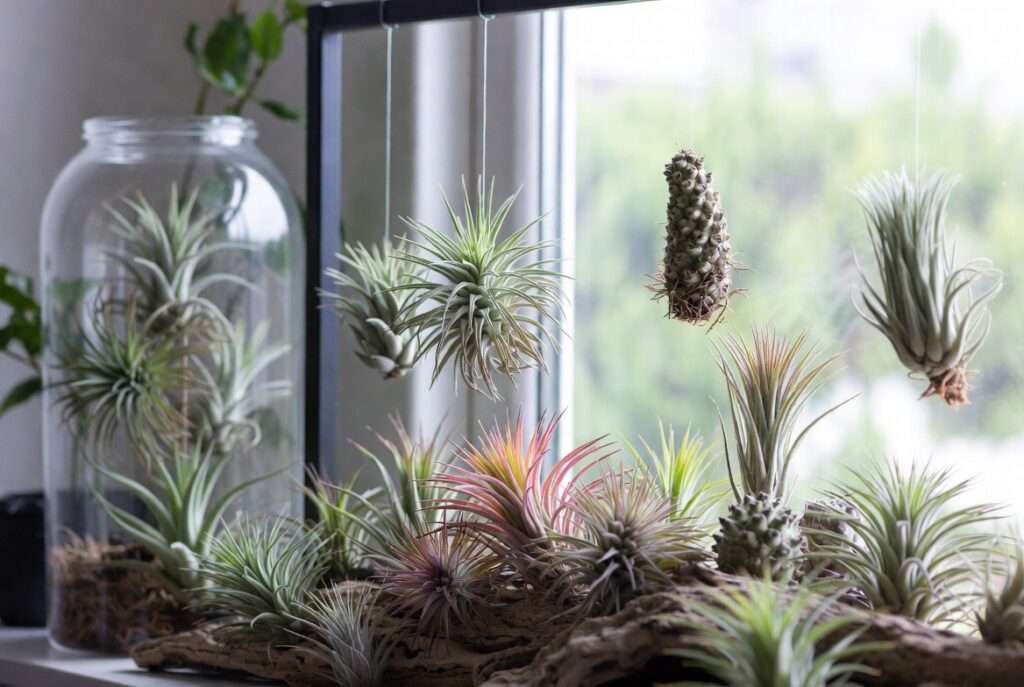
Imagine walking into your living room and spotting delicate, silvery-green plants floating gracefully on a shelf, hanging from the ceiling, or nestled in a glass terrarium — with no soil in sight. These enchanting plants are air plants, or Tillandsias, and they’re taking the indoor gardening world by storm. If you’ve searched for air plant varieties, you’re likely looking for more than just names. You want to know which ones will thrive in your home, how to care for them, and how to create stunning displays that bring life to any space. 🌿
In this ultimate guide, I draw from over a decade of hands-on experience growing, propagating, and rescuing hundreds of Tillandsias to share everything you need to confidently choose and nurture these unique plants. Whether you’re a complete beginner or a budding collector, you’ll discover the most beautiful air plant varieties, expert care secrets, common pitfalls to avoid, and creative ways to showcase them. Let’s dive in and transform your space into a thriving air plant oasis! 🪴
What Are Air Plants? Understanding These Fascinating Tillandsias
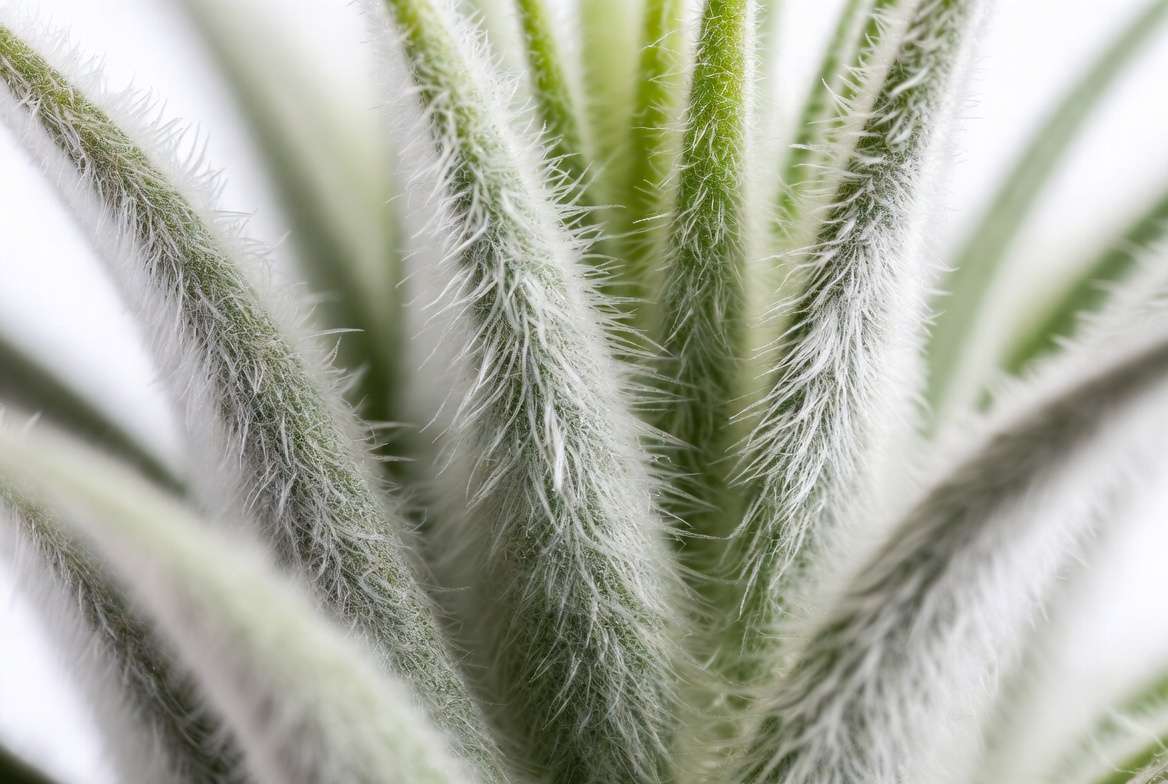
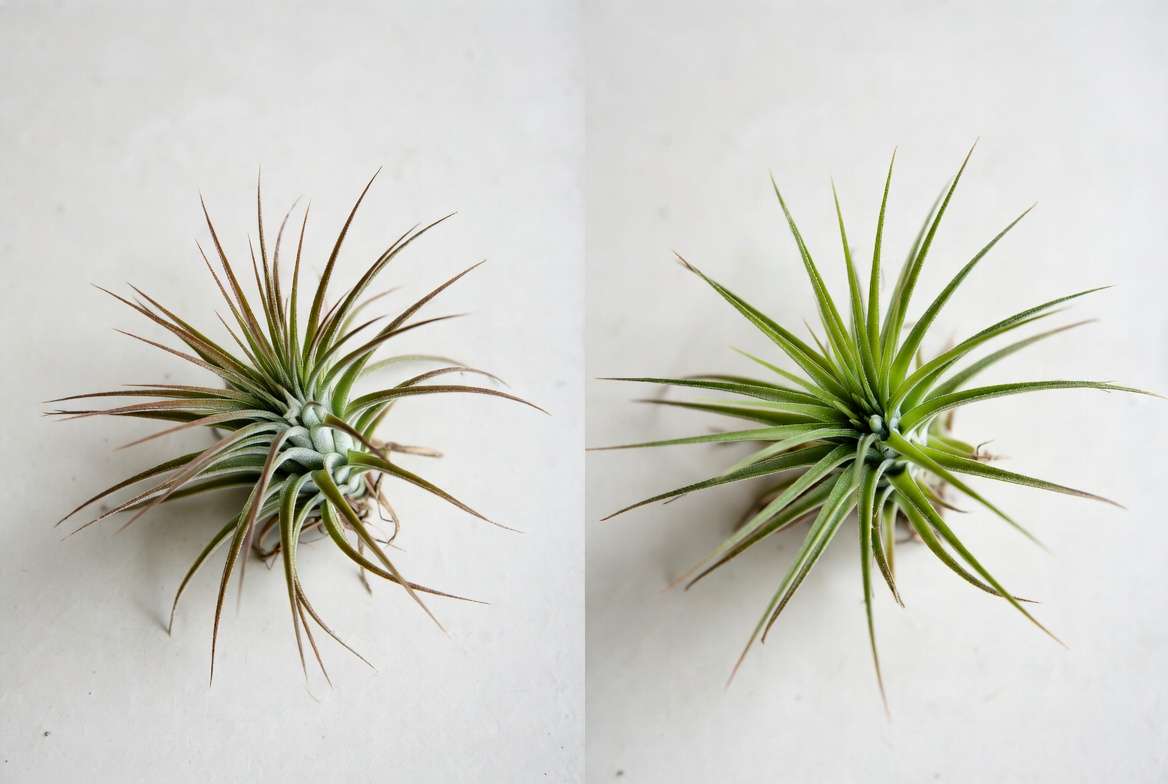
Air plants belong to the genus Tillandsia within the Bromeliaceae family. Unlike most houseplants, they are epiphytes — meaning they grow on other surfaces (like tree branches in the wild) without drawing nutrients from soil. Instead, they absorb moisture and nutrients directly from the air through specialized structures called trichomes, which give many varieties their signature silvery, fuzzy appearance. 🌫️
This unique adaptation makes them incredibly versatile for modern homes. They require no pots or traditional soil, making them perfect for small apartments, minimalist décor, and creative displays. There are over 600 recognized species in the wild, primarily native to the forests, mountains, and deserts of Central and South America, with some extending into the southern United States.
Key Differences from Traditional Houseplants While monstera or fiddle leaf figs need rich soil and consistent watering schedules, air plants are far more forgiving once you understand their needs. They prefer good air circulation and bright, indirect light. Many varieties produce stunning, colorful blooms before forming “pups” (baby plants), allowing you to expand your collection naturally.
Common Myths Debunked
- “Air plants need no water at all.” False — they require regular hydration, usually through soaking or misting.
- “They’re impossible to kill.” While hardy, they can suffer from overwatering or poor air flow.
- “All air plants look the same.” As you’ll see in the varieties section, they come in an astonishing range of shapes, sizes, and colors.
Understanding these basics builds a strong foundation for successfully growing any air plant varieties you choose.
Top Air Plant Varieties – A Comprehensive Visual Guide ✨
This is the heart of the guide. Below, I’ve organized the most popular and rewarding air plant varieties by skill level, with detailed descriptions, care notes, and display ideas based on real-world performance in home environments.
Beginner-Friendly Air Plant Varieties
Tillandsia Ionantha 🌟 Often called the “go-to” beginner air plant, Ionantha is compact (2–4 inches), turns vibrant red or pink before blooming with tiny purple flowers, and is very forgiving. It clumps beautifully and produces pups readily. Ideal for terrariums or small displays. Watering: Soak 20–30 minutes weekly. Light: Bright indirect.
Tillandsia Harrisii With its soft, silvery leaves and elegant curved shape, Harrisii looks almost like a sea creature. It stays relatively small and thrives in medium light. Excellent for mounting on driftwood.
Tillandsia Capitata This variety offers beautiful peach-to-red hues as it matures. The leaves form a pleasing rosette. It’s drought-tolerant once established and perfect for those who travel occasionally.
Tillandsia Velutina Velvety soft leaves and a gentle pink blush make this one a tactile favorite. It’s fast-growing and adapts well to various indoor conditions.
Medium-Difficulty Air Plant Varieties
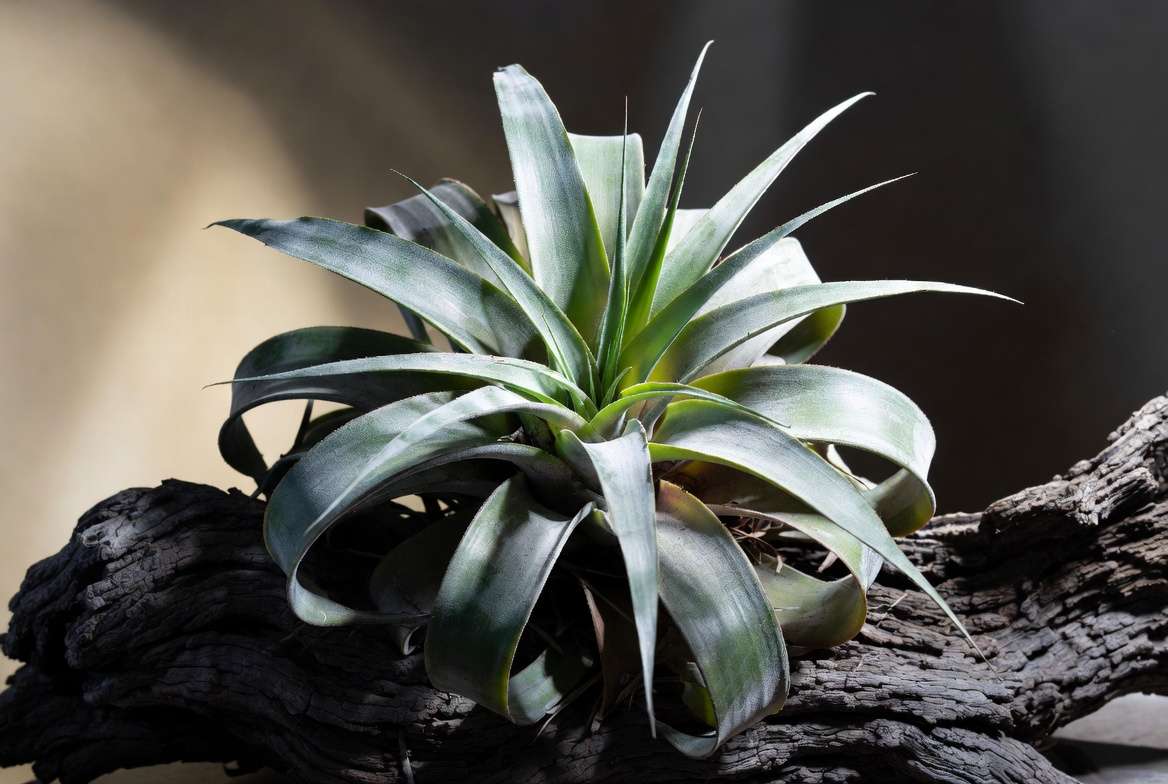
Tillandsia Xerographica 👑 Known as the “Queen of Air Plants,” Xerographica features wide, silvery, curling leaves that create a dramatic sculptural form. It can grow quite large (up to 12+ inches) and prefers more humidity and bright light. A statement piece for any collection, but avoid over-misting to prevent rot.
Tillandsia Brachycaulos This variety blushes a deep red when blooming and has a more upright growth habit. It’s a great transitional plant for those moving beyond basic varieties.
Tillandsia Butzii Distinctive dark banding on the leaves gives it a striking, almost reptilian look. It’s more sensitive to water quality — use rainwater or distilled when possible.
Rare and Show-Stopping Air Plant Varieties
Tillandsia Maxima Large, impressive specimen with broad leaves and bold presence. It rewards patient growers with spectacular inflorescences.
Tillandsia Fasciculata Often called the “Giant Air Plant,” this variety can become quite substantial and produces vivid flower spikes.
Tillandsia Juncea Grass-like, slender leaves create a fountain-like effect. Great for hanging displays.
Tillandsia Stricta Known for its vibrant pink bracts and purple flowers, Stricta is a reliable bloomer that adds color to collections.
Small & Mini Varieties For terrariums and tiny spaces, look for Tillandsia Andreana (firecracker shape) or miniature Ionantha clones. These are perfect for creating miniature ecosystems. 🧚
Blooming Air Plant Varieties Many Tillandsias bloom once in their lifetime (monocarpic), but they leave behind pups. Favorites for flowers include Ionantha, Stricta, and Capitata. The blooms are often short-lived but breathtaking. 💐
Quick Comparison Table (Visualize in final article with images):
- Size: Mini (under 3”) to Large (12”+)
- Color: Green, Silver, Red Blush, Peach
- Care Difficulty: Easy / Medium / Advanced
- Best Use: Terrarium, Mounted, Hanging
This diverse selection ensures there’s an air plant variety for every home and skill level.
How to Choose the Right Air Plant Varieties for Your Home
Choosing the perfect Tillandsia goes beyond aesthetics. Consider these key factors:
Light Conditions
- Low Light: Ionantha, Butzii
- Bright Indirect (Ideal for most): Harrisii, Velutina, Xerographica
- Some Direct Sun: Capitata, Juncea (with caution)
Lifestyle Match Busy professionals? Choose drought-tolerant varieties like Xerographica or Harrisii. Families with pets? Most Tillandsias are non-toxic, but always confirm with specific varieties. 🐱
Space and Décor Style Small apartments love mini varieties and hanging displays. Larger homes can feature dramatic Xerographica on shelves or in large terrariums.
My Top Recommendations by Scenario
- First-time buyer: Start with 2–3 Ionantha.
- Office desk: Harrisii or Velutina.
- Bathroom (higher humidity): Stricta or Brachycaulos.
- Statement piece: Xerographica.
Complete Air Plant Care Guide – Keep Your Tillandsias Thriving 🌬️
Proper care is the secret to long-lived, happy air plants. Here’s the proven system I’ve refined over years of growing them.
Watering Techniques The golden rule: Soak your plants in room-temperature water for 20–60 minutes (depending on variety and size) once a week. Shake off excess water and place upside down on a towel to dry completely within 4 hours to prevent rot. In drier climates, supplement with misting 2–3 times per week. Use rainwater, pond water, or filtered water — avoid softened or heavily chlorinated water.
Light Requirements Bright, indirect light is best for most air plant varieties. East or west-facing windows are ideal. Supplement with grow lights during winter months.
Temperature & Humidity Ideal range: 60–80°F (15–27°C). They appreciate 50–70% humidity but need excellent air circulation. Bathrooms and kitchens often provide natural humidity boosts.
Fertilizing Use a bromeliad or air plant-specific fertilizer (diluted to ¼ strength) every 2–4 weeks during growing season (spring/summer). This promotes better color and pup production.
Mounting and Displaying Creatively
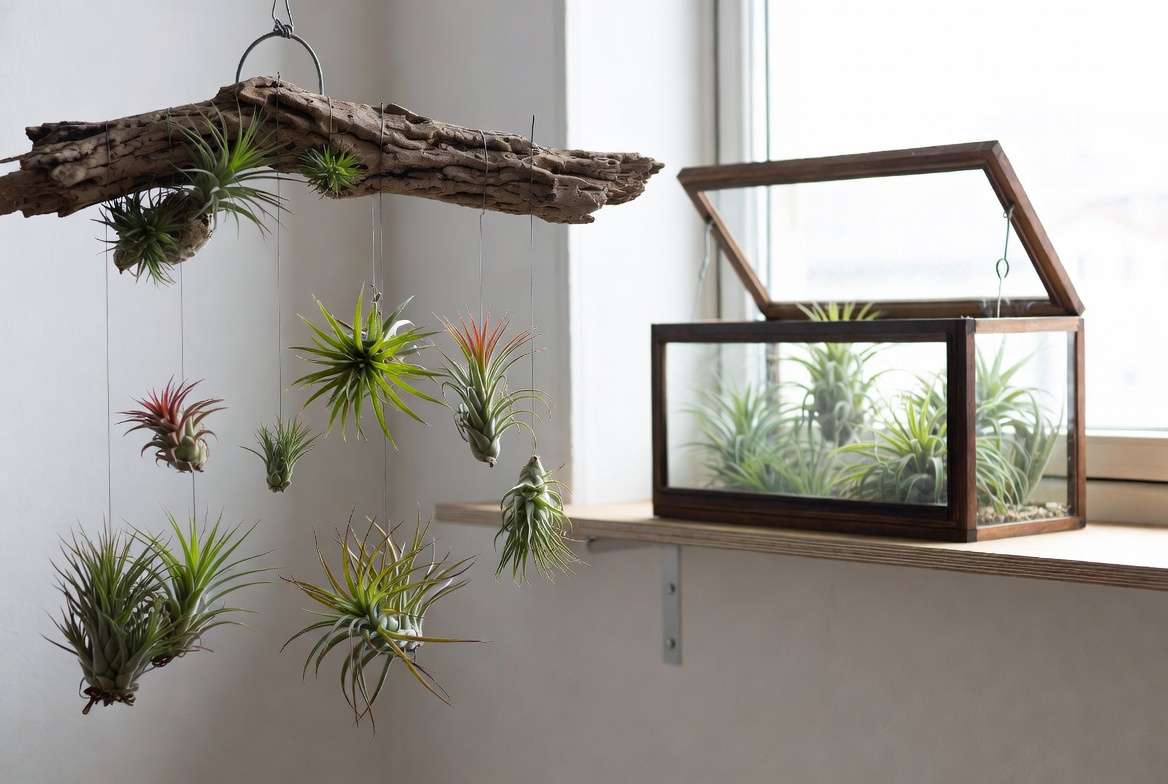
- Wire wrapping or fishing line for hanging
- Driftwood, rocks, or seashells with non-toxic glue (E6000)
- Open glass terrariums (never fully closed)
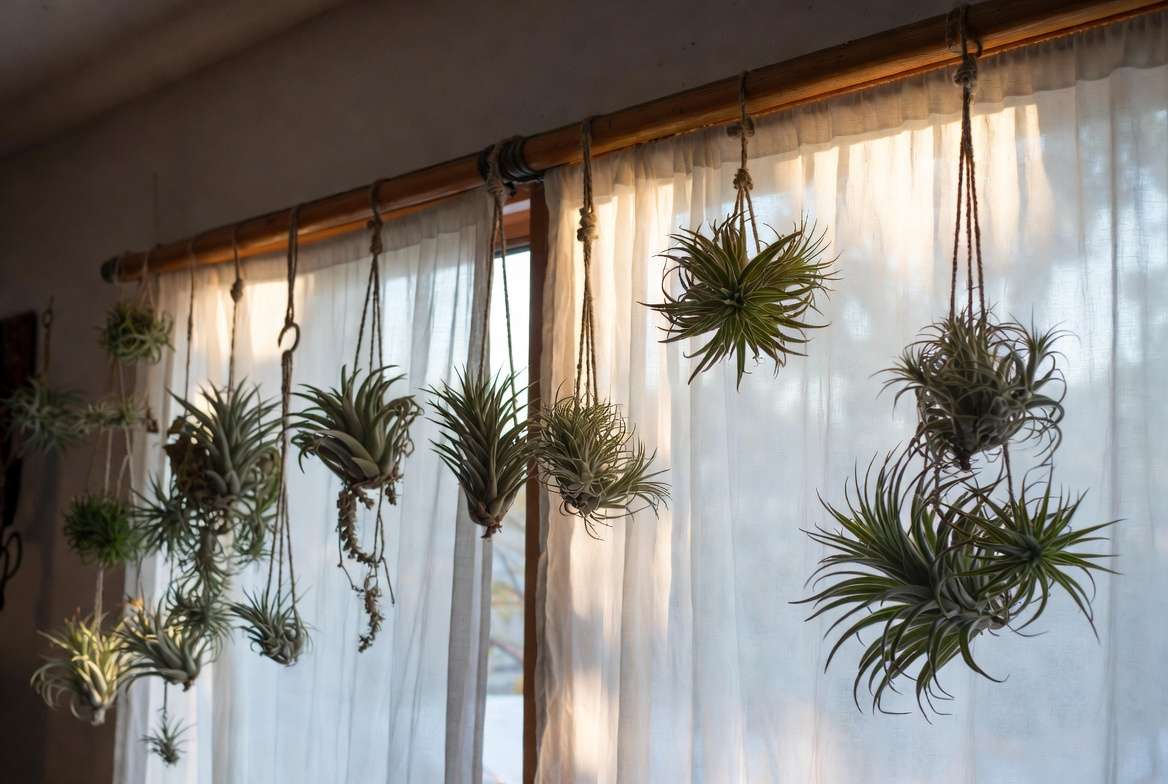
- Wall-mounted planters or macramé hangers
Seasonal adjustments: Reduce watering slightly in winter and protect from cold drafts.
Propagation Secrets – Multiply Your Air Plant Collection
One of the most rewarding aspects of growing Tillandsias is propagation. After blooming, healthy plants produce “pups” — genetically identical offsets.
Step-by-Step Guide:
- Wait until the pup is at least ⅓ the size of the parent.
- Gently twist or cut it away with sterile scissors.
- Care for the pup as you would a mature plant.
- The parent plant may continue producing more pups or slowly decline after its final bloom.
With patience, one plant can become an entire collection within 1–2 years! 🌱
Troubleshooting Common Air Plant Problems & Solutions
Even experienced growers face challenges. Here’s how to diagnose and fix issues:
- Brown Tips: Usually underwatering or low humidity. Increase misting and soaking.
- Rot/Base Softness: Overwatering or poor drying. Trim affected areas and improve air flow.
- Pests (mealybugs, scale): Isolate the plant and treat with neem oil or insecticidal soap.
- No Color Change/Bloom: Insufficient light or nutrients.
Preventive checklist: Good circulation, proper watering, quality water, and regular inspection.
Creative Display Ideas and Styling Tips for Every Space
Air plants shine in creative setups:
- Minimalist shelves with mixed varieties
- Hanging mobiles or chandeliers
- Boho terrariums with moss and stones
- Office desk accents that improve air quality
Experiment and have fun — the possibilities are endless! 🖼️
Expert Insights and Pro Tips from a Tillandsia Enthusiast
After years of trial and error, my biggest advice is consistency and observation. Each variety has its personality. Source plants from reputable growers to avoid stressed specimens. Consider ethical wild-collected vs. nursery-grown options for sustainability.
Frequently Asked Questions (FAQs) ❓
Do air plants need soil? No — they absorb everything through their leaves.
How long do air plants live? With good care, 5–10+ years, producing pups along the way.
Can air plants be kept in closed terrariums? No. They need air flow to prevent rot. Use open containers only.
Are air plants toxic to pets? Generally considered non-toxic, but it’s best to keep them out of reach.
Where to buy rare air plant varieties? Look for specialized nurseries, Etsy sellers with good reviews, or local plant shops.
Conclusion
Air plant varieties offer incredible diversity, beauty, and ease for modern plant lovers. From the beginner-friendly Ionantha to the majestic Xerographica, there’s a Tillandsia for every space and skill level. By following this comprehensive guide, you’ll be well-equipped to choose, care for, and enjoy these living works of art for years to come.
Start small, observe your plants, and watch your collection (and confidence) grow. Share your favorite air plant variety or display ideas in the comments — I’d love to hear from you!
For more plant care guides, check out our articles on [related topics]. Happy growing! 🌿🪴











