
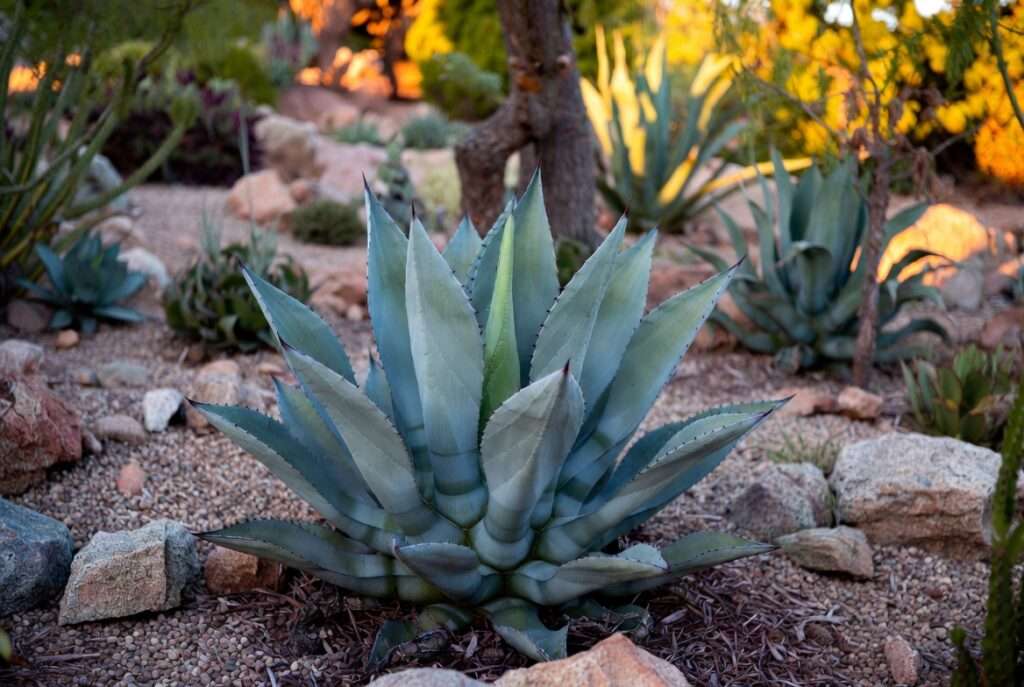
Picture this: a majestic, blue-gray rosette standing tall like a living sculpture, thriving under the harshest sun with almost no attention required. If you’ve ever struggled with finicky houseplants that wilt at the slightest neglect, the blue agave plant might just become your new favorite. This striking succulent, famous for its role in tequila production, offers dramatic architectural beauty and incredible resilience for both indoor and outdoor spaces.
In my 15+ years as a horticulturist specializing in succulents and arid-climate plants, I’ve helped countless gardeners successfully grow blue agave plants — from beginners on sunny balconies to seasoned landscapers designing drought-tolerant gardens. Whether you’re searching for reliable blue agave plant care tips or wondering how to keep those sharp, sculptural leaves looking vibrant, this comprehensive guide has you covered.
You’ll discover everything from ideal planting techniques and watering schedules to troubleshooting common issues and propagation secrets. By the end, you’ll have the confidence and knowledge to grow a thriving blue agave plant that becomes the centerpiece of your plant collection. Let’s dive in! 💚
What Is the Blue Agave Plant? 🌿
The blue agave plant, scientifically known as Agave tequilana, is a iconic succulent native to the arid regions of Mexico, particularly the state of Jalisco. Often called the “blue agave” due to its distinctive bluish-green hue, this plant belongs to the Asparagaceae family and is prized worldwide for both ornamental and commercial value.
Botanical Profile and Origin
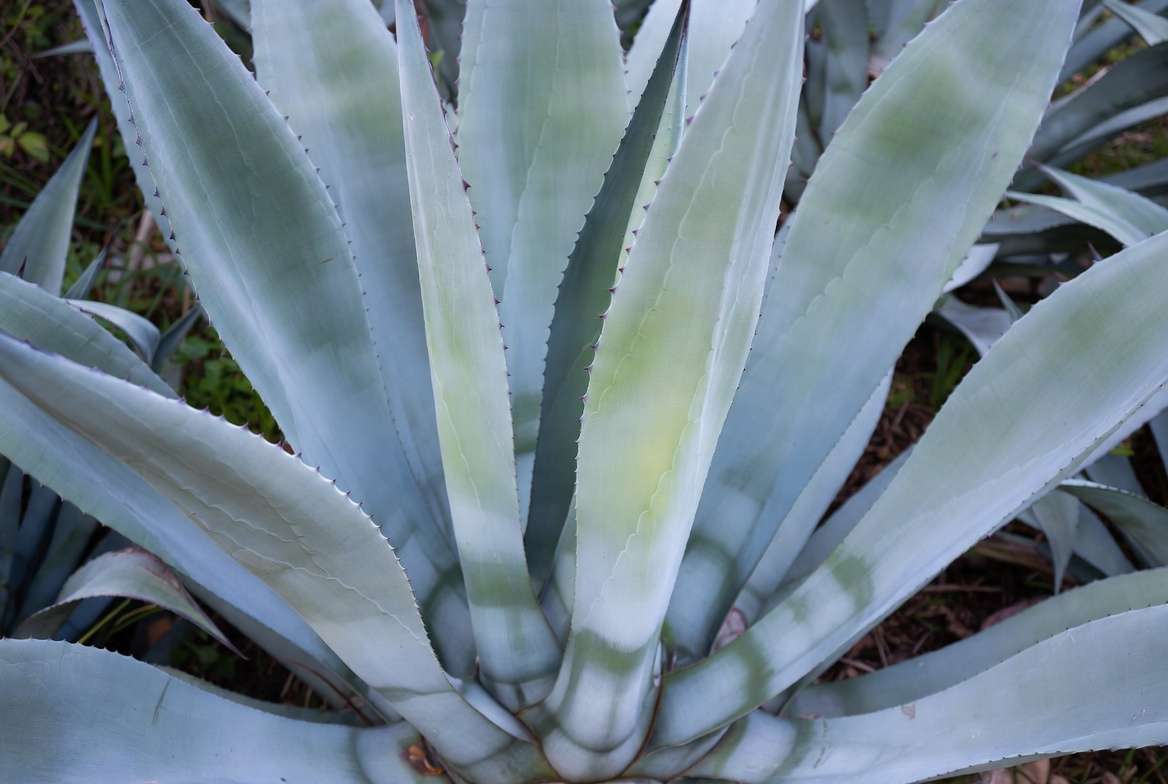
Blue agaves are monocarpic perennials, meaning they grow for many years before flowering once and then typically dying — though they leave behind offsets (pups) for the next generation. Mature specimens can reach 5–7 feet tall and wide, forming a symmetrical rosette of thick, fleshy leaves tipped with sharp spines.
These plants evolved in harsh desert environments, developing thick cuticles and efficient water storage systems that make them exceptionally drought-tolerant. This adaptation is what makes blue agave plant care relatively straightforward compared to more delicate tropical species.
Blue Agave vs. Other Agave Species
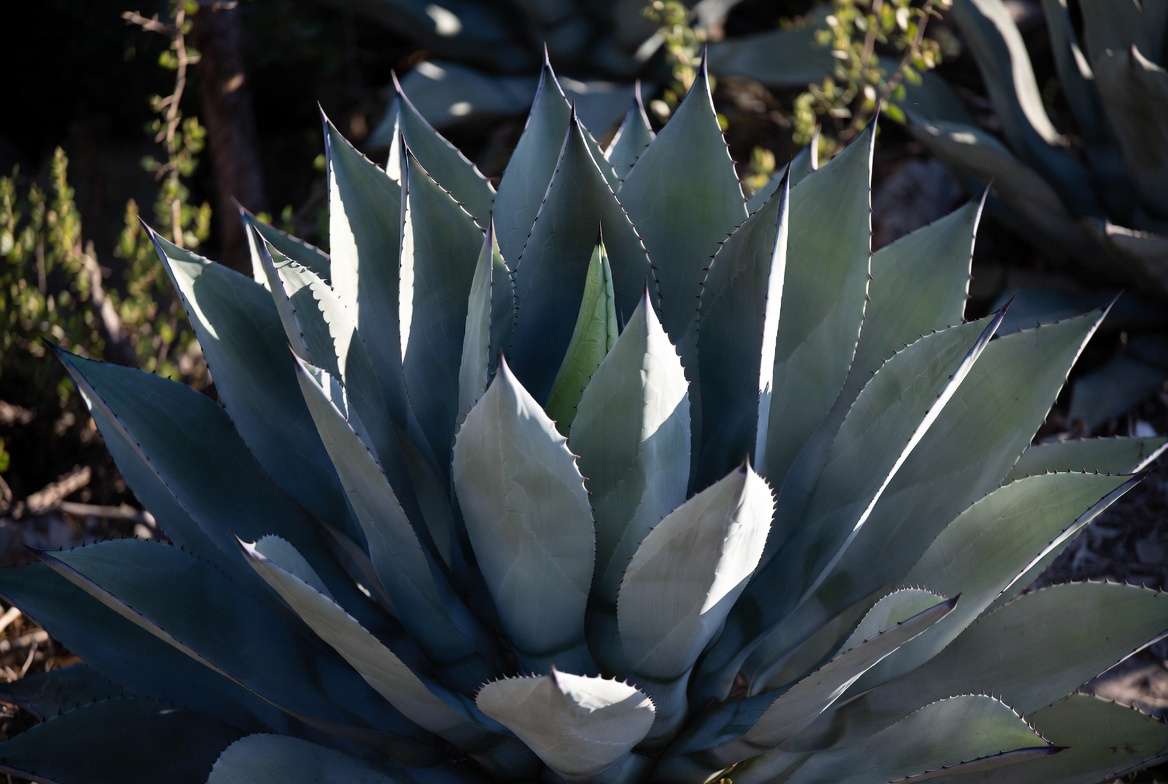
While there are over 200 agave species, the blue agave stands out for its striking color and commercial importance.
| Feature | Blue Agave (A. tequilana) | Century Plant (A. americana) | Parry’s Agave |
|---|---|---|---|
| Leaf Color | Blue-gray | Gray-green | Silvery-blue |
| Mature Size | 5–7 ft | Up to 6–8 ft | 2–3 ft |
| Growth Rate | Moderate | Fast | Slow |
| Best Use | Ornamental + Tequila | Landscape | Containers |
Understanding these differences helps you select the right variety for your space and avoid common mix-ups that lead to care mistakes.
Why It’s Called “Blue” Agave
The waxy coating on the leaves gives the plant its signature silvery-blue appearance, which helps reflect intense sunlight and reduce water loss. This beautiful hue pairs wonderfully with modern and desert-inspired landscapes. 🌵
Why Grow a Blue Agave Plant? Top Benefits for Modern Gardens and Homes ✨
The blue agave plant isn’t just beautiful — it’s an incredibly practical choice for today’s gardeners facing water restrictions, busy schedules, and the desire for low-effort beauty.
Low-Maintenance Beauty for Busy Plant Lovers Once established, a blue agave plant requires minimal intervention. Perfect for those who travel frequently or simply want plants that forgive occasional neglect. Many of my clients report their blue agaves thriving for years with little more than occasional watering.
Drought Tolerance and Water Conservation In an era of climate awareness, the blue agave’s ability to survive on very little water makes it a hero for xeriscaping and sustainable gardening. Its deep root system and efficient storage tissues allow it to endure extended dry periods that would kill most other plants.
Architectural Appeal and Landscape Versatility The bold, symmetrical form creates instant visual interest. Use it as a focal point in rock gardens, along pathways, or in large statement containers on patios. Indoors, smaller specimens add a modern desert vibe to bright rooms.
Ecological and Wildlife Benefits Blue agave flowers (when they eventually appear) attract hummingbirds, bees, and other pollinators. The plant also provides shelter for small desert creatures, supporting local biodiversity.
Real example: One client transformed a barren, sunny backyard into a stunning low-water oasis using blue agaves paired with complementary succulents — reducing their irrigation needs by over 70%.
Choosing the Right Blue Agave Plant for Your Space
Success starts with the right specimen. Look for plants with firm, uniformly colored leaves and no signs of rot at the base. Avoid those with soft, blackish spots or excessive wrinkling.
Popular Varieties and Cultivars
- Standard Blue Agave: Classic choice for large landscapes.
- Variegated forms: Cream-striped leaves for extra visual pop (slightly more sensitive to intense sun).
Sizing Guide
- Small pups (under 12 inches): Ideal for beginners and containers.
- Medium (1–3 feet): Great for patios.
- Mature (4+ feet): Statement pieces for established gardens.
Where to Buy Healthy Blue Agave Plants
Purchase from reputable nurseries, succulent specialists, or online sources known for healthy stock. Check reviews and ask about growing conditions. Red flags include mushy leaves, pests, or plants shipped in overly wet soil.
Planting Your Blue Agave Plant – Step-by-Step Instructions 🛠️
Proper planting is crucial for long-term success and helps prevent the most common killer of succulents: root rot.
Best Soil Mix for Optimal Drainage
Use a fast-draining cactus or succulent mix. My recommended recipe:
- 50% coarse potting soil or cactus mix
- 30% perlite or pumice
- 20% coarse sand or gravel
This ensures excellent aeration and prevents water from lingering around the roots.
Container vs. In-Ground Planting
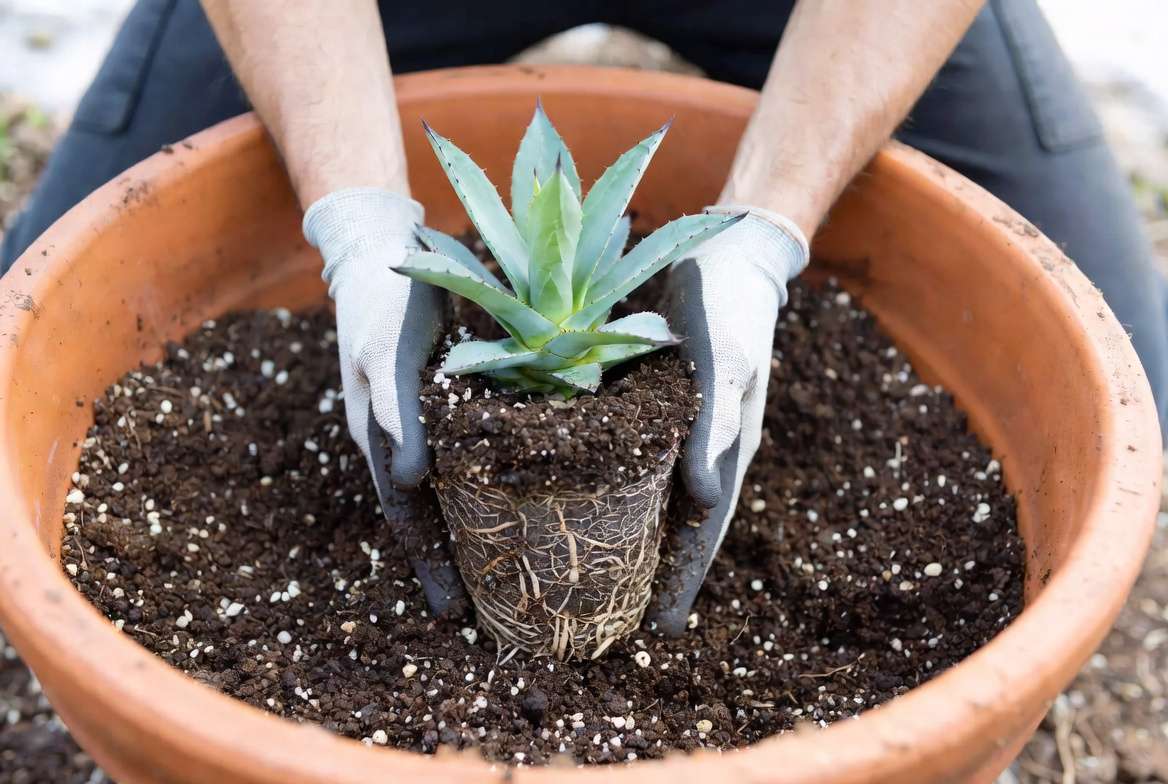
Containers: Choose terracotta or unglazed ceramic pots with multiple drainage holes. Excellent for colder climates where you can move plants indoors. In-Ground: Best in USDA zones 8–11 with well-draining soil. Amend heavy clay soils heavily with gravel.
Ideal Planting Time and Location
Plant in spring or early summer when temperatures are consistently warm. Choose a spot with full sun (6+ hours daily). In very hot regions, provide light afternoon shade to prevent scorching.
Transplanting Tips to Minimize Shock
- Water lightly a few days before transplanting.
- Handle carefully — the terminal spines are very sharp! Use gloves and newspaper for protection.
- Firm the soil gently and avoid watering heavily for the first 7–10 days.
Essential Blue Agave Plant Care Routine 💧☀️
Mastering daily and seasonal care is the key to a long-lived, spectacular blue agave plant. Unlike many houseplants that demand constant attention, this succulent rewards consistency with dramatic growth and resilience.
Sunlight Requirements – How Much Light Is Enough?
Blue agave plants are sun lovers. They thrive in full sun (6–8 hours of direct sunlight daily), which promotes tight rosettes and intense blue coloration. Insufficient light causes etiolation — stretched, pale leaves that weaken the plant’s structure.
Indoor Growing Tip: Place near south- or west-facing windows. Supplement with full-spectrum grow lights during winter months in northern climates. Rotate the pot every few weeks for even growth. In my experience, indoor specimens grown under proper lighting can match outdoor vigor with minimal legginess.
Watering Schedule That Prevents Common Mistakes
This is where most beginners go wrong. Overwatering is the #1 cause of blue agave failure.
- Established Plants: Water deeply but infrequently — every 2–3 weeks in summer, once a month or less in winter.
- Newly Planted: Light watering every 7–10 days for the first month, then taper off.
- Rule of Thumb: Let the soil dry out completely 2–3 inches down before watering again. Use the “lift test” for pots — light weight means it’s time to water.
Always water at the base, avoiding the crown to prevent rot. Early morning watering is best so excess moisture evaporates quickly.
Fertilizing for Healthy Growth Without Overfeeding
Blue agaves are light feeders. Use a balanced, low-nitrogen succulent fertilizer (diluted to half strength) once in spring and optionally mid-summer. Over-fertilizing leads to weak, leggy growth and increased pest susceptibility.
Organic options like compost tea or worm castings work wonderfully for long-term soil health.
Temperature, Humidity, and Winter Protection ❄️
Ideal daytime temperatures: 70–90°F (21–32°C). They tolerate brief dips to 20°F (-6°C) when mature and dry, but young plants need protection.
In colder zones, grow in containers and bring indoors, or use frost cloth and mulch heavily. Low humidity is preferred — these desert natives dislike muggy conditions.
Pruning, Cleaning, and Maintaining Those Sharp Leaves
Remove dead or damaged lower leaves by cutting close to the trunk with sterilized shears. Wipe dusty leaves gently with a damp cloth to maintain photosynthesis efficiency.
Safety First: The terminal spines are needle-sharp and can cause injury. Consider tipping them with cork or garden tape if you have children or pets.
Advanced Growing Techniques for Thriving Blue Agave Plants 🌟
Once you’ve mastered the basics, these pro techniques will take your blue agave plant to the next level.
Companion Planting Ideas
Pair with other drought-tolerant beauties:
- Sedum and Sempervivum for ground cover
- Yucca and desert spoon for vertical contrast
- Lavender or rosemary for fragrance and pollinator support
These combinations create stunning xeriscape designs while sharing similar care needs.
Container Gardening on Balconies and Patios
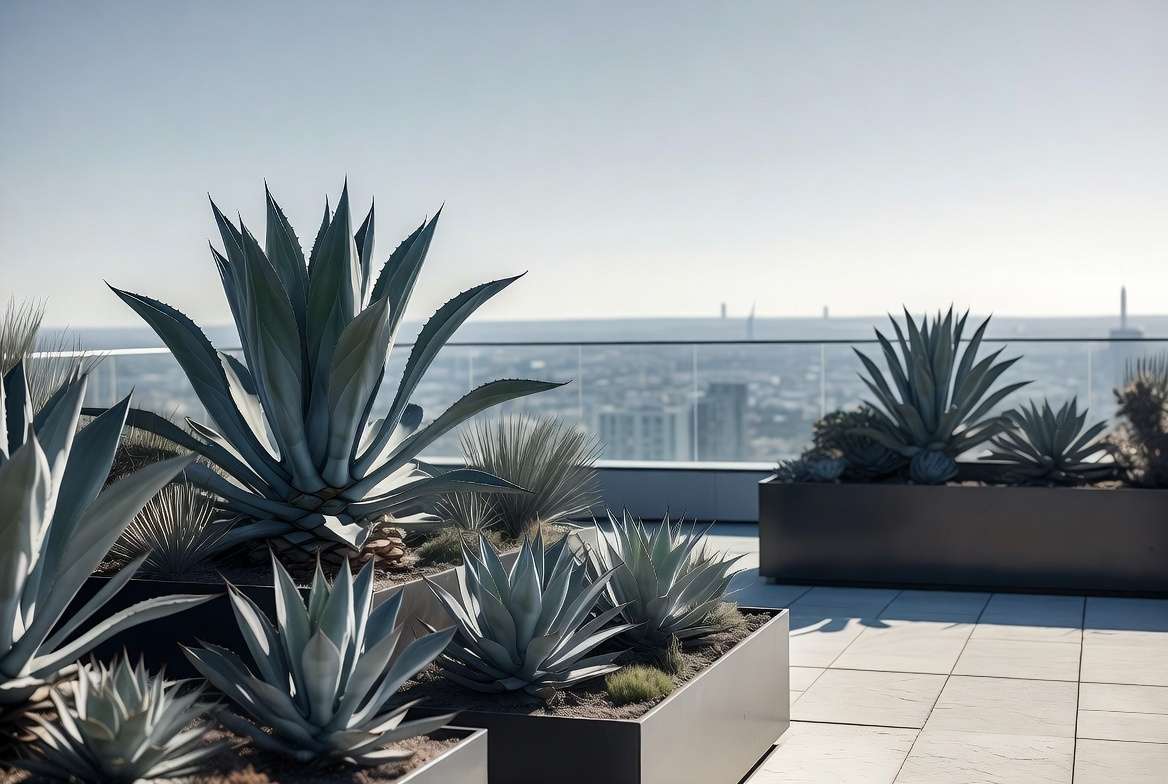
Choose oversized pots to accommodate the expanding root system. Elevate containers slightly to improve airflow. In my consultations, clients with small urban spaces often create stunning “desert vignette” displays using multiple blue agaves of varying sizes.
Indoor Growing Success Secrets 🪟
Beyond lighting, ensure excellent air circulation. Use fans during humid months. Group with other succulents to create microclimates, but avoid crowding that traps moisture.
Scaling Up: From Pup to Mature Specimen
Be patient — blue agaves grow steadily rather than rapidly. With optimal care, you can expect 6–12 inches of new leaf growth per year once established.
Common Problems and Solutions for Blue Agave Plants 🛡️
Even tough plants face challenges. Here’s how to diagnose and fix them quickly.
Overwatering and Root Rot – Identification & Rescue
Symptoms: Yellowing lower leaves, soft base, foul smell. Solution: Immediately stop watering, remove from soil, trim rotten roots, and replant in fresh dry mix. Allow to recover in bright indirect light for weeks before resuming normal care. Prevention is easier than cure — always prioritize drainage.
Pests (Mealybugs, Scale, Agave Snout Weevil) and Organic Treatments
- Mealybugs: White cottony spots. Treat with neem oil or insecticidal soap.
- Agave Snout Weevil: Serious pest that bores into the crown. Inspect regularly and use beneficial nematodes as prevention.
- Scale: Hard bumps on leaves. Rub off manually and apply horticultural oil.
Early detection is key. I recommend weekly visual checks, especially in spring and summer.
Leaf Discoloration, Sunburn, and Other Issues
- Sunburn: Brown crispy patches on new growth — gradually acclimate plants to stronger sun.
- Nutrient Deficiency: Pale leaves — balanced feeding usually resolves this.
- Cold Damage: Blackened tips — protect before frost.
Prevention Checklist:
- ✅ Excellent drainage
- ✅ Proper watering habits
- ✅ Adequate sunlight
- ✅ Regular inspection
- ✅ Sharp, clean tools
How to Propagate Blue Agave Plant Successfully 🌱
Propagation is rewarding and the best way to expand your collection or share with friends.
Offsets (Pups) – The Easiest Method
Most mature blue agave plants produce pups around the base after a few years.
- Wait until pups are 6–12 inches tall with their own roots.
- Use a sharp, sterilized knife to separate from the mother plant.
- Allow the cut to callous for 3–7 days.
- Plant in well-draining mix and water sparingly.
Success rate with this method is typically over 90% when done correctly.
Seed Propagation and Tissue Culture Overview
Seeds are slower but fun for patient growers. Sow in spring on moist (not wet) cactus mix and keep warm. Germination can take weeks to months. Tissue culture is mainly used commercially for uniform stock.
Timing and Success Rate Tips from Experience
Best time: Warm months. Always use fresh, sterile tools. Provide bright indirect light during rooting. With proper technique, you can turn one beautiful plant into many.
Seasonal Care Calendar for Blue Agave Plants 📅
Spring: Active growth — increase watering slightly, fertilize, repot if needed. Summer: Peak season — full sun, monitor for pests, water deeply but infrequently. Fall: Reduce watering as temperatures drop, clean leaves. Winter: Minimal water (once every 4–6 weeks), protect from frost, provide maximum light.
Expert Tips and Pro Secrets for Stunning Results 🌟
- Spine Management: Blunt sharp tips on high-traffic plants for safety.
- Mulching: Use gravel or lava rock mulch to suppress weeds and retain soil temperature.
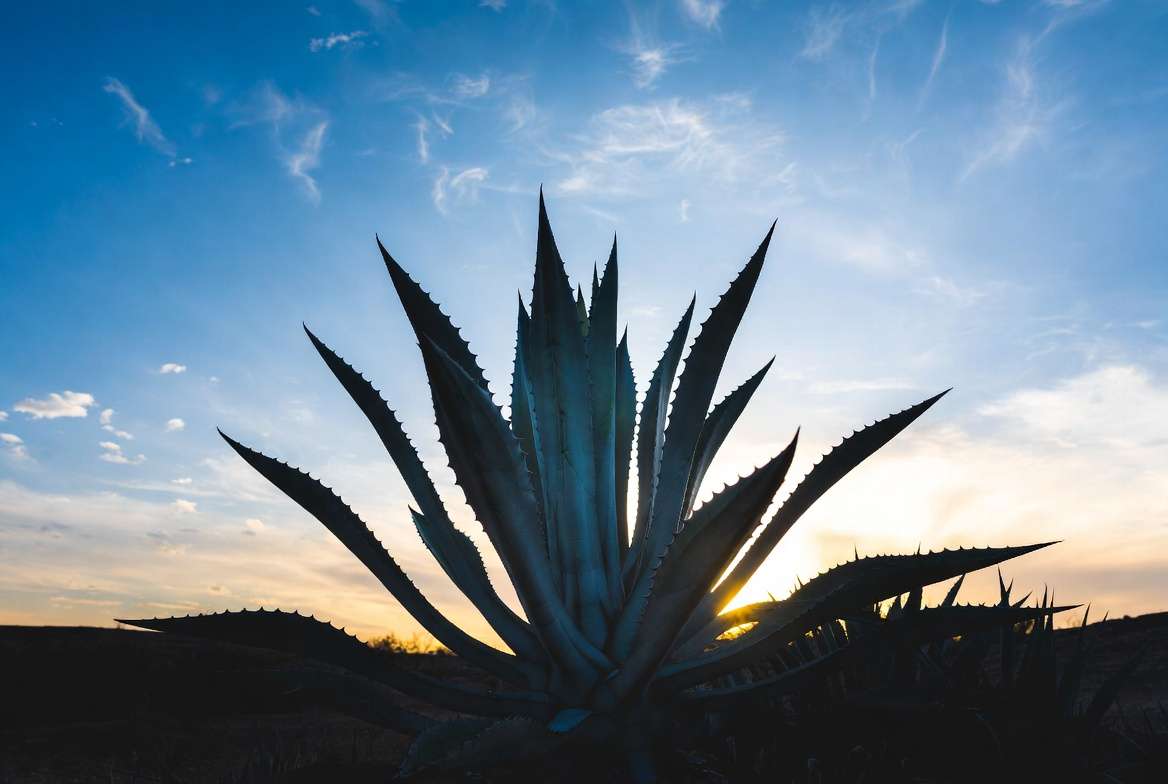
- Photographic Timing: Best light for photos is golden hour — the blue hues pop beautifully.
- Longevity Mindset: Plan for the plant’s eventual flowering (10–30+ years) and enjoy the pups it leaves behind.
- Soil Refresh: Top-dress with fresh grit annually instead of full repotting for large specimens.
- Watering Innovation: Consider drip irrigation or ollas for larger landscape plantings.
- Companion Microclimates: Use larger rocks to create warmer pockets for faster growth.
- Observation Journal: Track your plant’s progress — patterns help refine care over years.
These insights come from hands-on experience across hundreds of blue agave specimens in varied climates.
Frequently Asked Questions (FAQs) ❓
How fast does a Blue Agave Plant grow? Moderate growth — expect 6–12 inches of new leaves annually under ideal conditions.
Is the Blue Agave Plant toxic to pets? The sap can cause skin irritation, and spines pose physical risk. Keep out of reach of curious pets. Not considered highly toxic if ingested in small amounts, but consult a vet if concerned.
Can you grow Blue Agave indoors year-round? Yes, with sufficient bright light (supplemental grow lights recommended) and excellent drainage.
How often should you repot a Blue Agave Plant? Every 2–4 years or when roots fill the container and drainage slows.
What’s the difference between Blue Agave and Century Plant? Blue agave has the signature bluish tint and is slower-growing; Century Plant is larger and more common in general landscaping.
Additional FAQs (for depth):
- Dealing with flowering?
- Best fertilizer brands?
- Cold hardiness limits?
Conclusion
Growing a blue agave plant is more than a hobby — it’s an investment in a resilient, breathtaking living sculpture that connects you to desert beauty and sustainable gardening principles. By following this detailed guide, you’ll avoid common pitfalls and enjoy years of success with this remarkable succulent.
Remember: patience, proper drainage, and ample sunlight are your best allies. Start small if you’re new to succulents, and watch your confidence (and your plant) grow together.
Have questions about your specific blue agave plant situation? Drop them in the comments below — I personally review and respond to help fellow plant lovers. For more expert succulent and tree care guides, explore our other articles on drought-tolerant landscaping and indoor plant care.
Happy growing! 🌵🪴💚











