
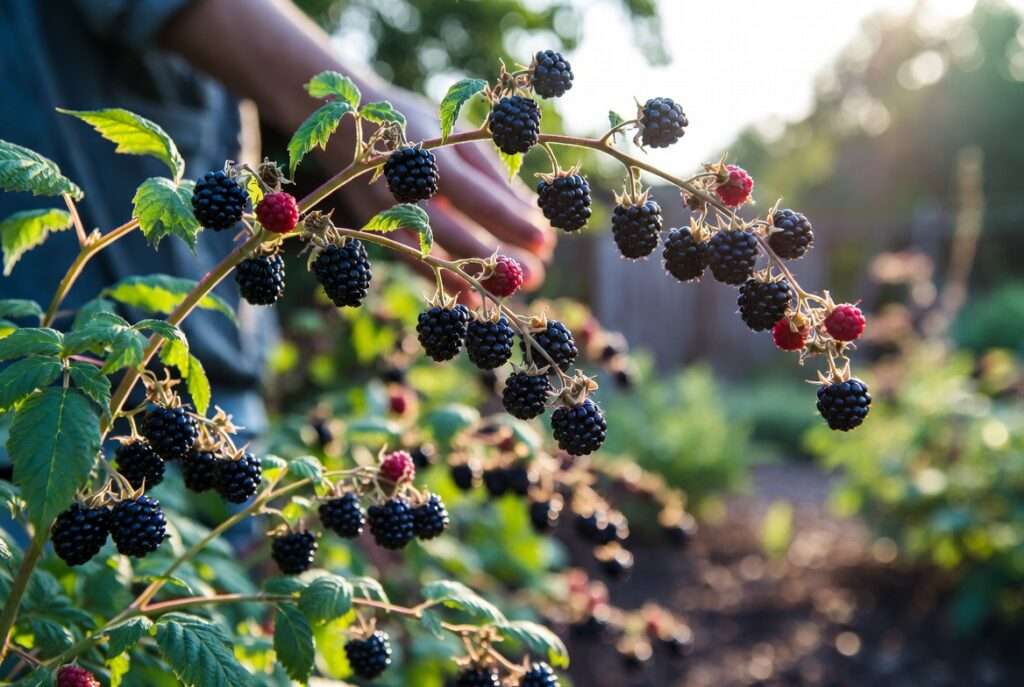
Imagine stepping into your garden on a warm summer morning and gently tugging clusters of deep, glossy black raspberries that practically burst with sweet-tart flavor right off the vine. No trip to the store required — just pure, homegrown goodness packed with antioxidants and nutrients. If you’ve been searching for black raspberry plants that thrive in your backyard, you’re in the right place. This comprehensive guide draws from years of hands-on experience growing these delightful berries to deliver everything you need for success, from choosing the right varieties to harvesting record yields. Whether you’re a beginner or seasoned gardener, you’ll discover practical, proven strategies that solve common frustrations like poor fruiting, disease issues, and low harvests. Let’s turn your dream of abundant black raspberry patches into reality! 🌿
Black raspberry plants (Rubus occidentalis), also known as blackcaps, are a wonderful addition to any edible landscape. Native to North America, these vigorous yet manageable perennials produce flavorful berries that are often considered superior in taste to their red raspberry cousins. They’re perfect for home gardeners looking for high-yield, nutrient-dense fruits that support everything from fresh snacking to homemade jams and baked treats.
What Are Black Raspberry Plants? 🌱
Black raspberry plants belong to the Rosaceae family and are prized for their unique growth habit and delicious fruit. Unlike blackberries, which have a solid core, black raspberries have a hollow center when picked, making them instantly distinguishable. The plants feature biennial canes — primocanes in the first year that focus on vegetative growth, and floricanes in the second year that flower and fruit before dying back.
These plants typically reach 3 to 6 feet in height with arching, thorny (or sometimes thornless) canes that benefit from trellising. They thrive in USDA hardiness zones 4 through 8, preferring cool summers and moderate winters, though adaptable varieties can perform well in a wider range with proper care.
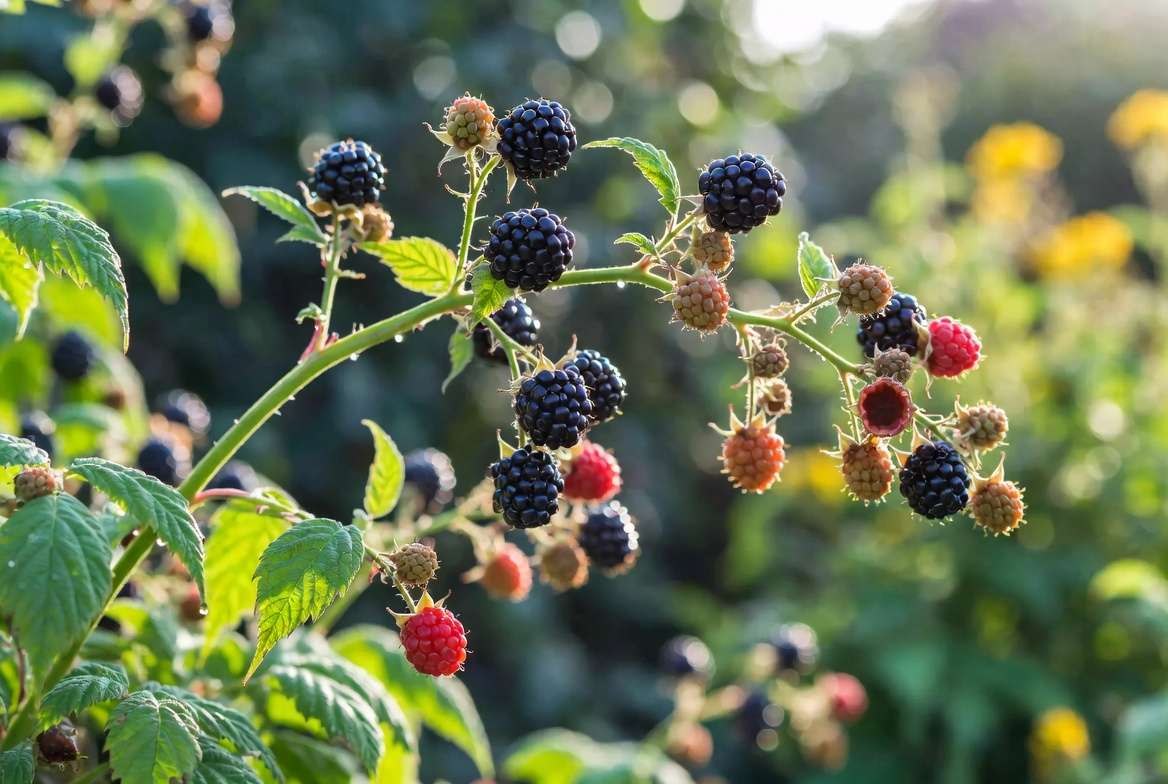
Nutritional Powerhouse – Health Benefits of Black Raspberries Black raspberries stand out for their impressive antioxidant profile, particularly high levels of anthocyanins that give them their rich dark color. These compounds support heart health, reduce inflammation, and may aid in cancer prevention according to various university extension studies. They’re also excellent sources of fiber, vitamin C, manganese, and ellagic acid — making every handful a boost for immunity and digestion. Growing your own black raspberry plants ensures you get the freshest, most nutrient-rich berries possible, far surpassing store-bought options that often lose potency during shipping.
Why Home-Grown Black Raspberries Taste Better There’s simply no comparison. Homegrown berries ripen fully on the plant, developing complex flavors and higher sugar content without the need for long-distance transport. Many gardeners report their homemade black raspberry jam or pies become family favorites that can’t be replicated with commercial fruit.
Best Black Raspberry Varieties for Home Gardens 🍓
Choosing the right cultivar is one of the most important decisions for success with black raspberry plants. Here are some top performers based on flavor, yield, disease resistance, and adaptability:
- ‘Jewel’ — Widely considered one of the best for flavor and productivity. Large, firm berries with excellent disease resistance. Great for zones 5–8.
- ‘Bristol’ — Sweet, high-yielding variety known for its vigorous growth and reliability.
- ‘Munger’ — An older heirloom variety with deep flavor, popular in the Pacific Northwest and Midwest.
- ‘Cumberland’ — Classic choice producing large, sweet-tart berries. Excellent for preserves.
- Thornless options like ‘Ohio’s Treasure’ or newer releases — perfect for families with children or gardeners who prefer easier handling.
Expert Tip: When purchasing plants, look for certified disease-free stock from reputable nurseries. Bare-root plants are often more affordable and establish well when planted in early spring or fall. Always match the variety to your local climate — for example, heat-tolerant types for southern gardens and cold-hardy ones for northern regions.
Consider your space too. Compact varieties work beautifully in containers or small urban gardens, while vigorous types can fill larger berry patches for serious harvests.
How to Plant Black Raspberry Plants Successfully
Proper planting sets the foundation for years of bountiful berries. Black raspberry plants prefer full sun (at least 6–8 hours daily) but can tolerate light afternoon shade in hotter climates. Choose a site with well-draining soil to prevent root rot — heavy clay soils should be amended generously with compost and organic matter.
Ideal Soil Preparation Aim for slightly acidic soil with a pH between 5.5 and 6.5. Test your soil and adjust accordingly using sulfur to lower pH or lime to raise it. Incorporate plenty of aged compost or well-rotted manure to improve fertility and structure. Raised beds or mounded rows are excellent for improving drainage in marginal soils.
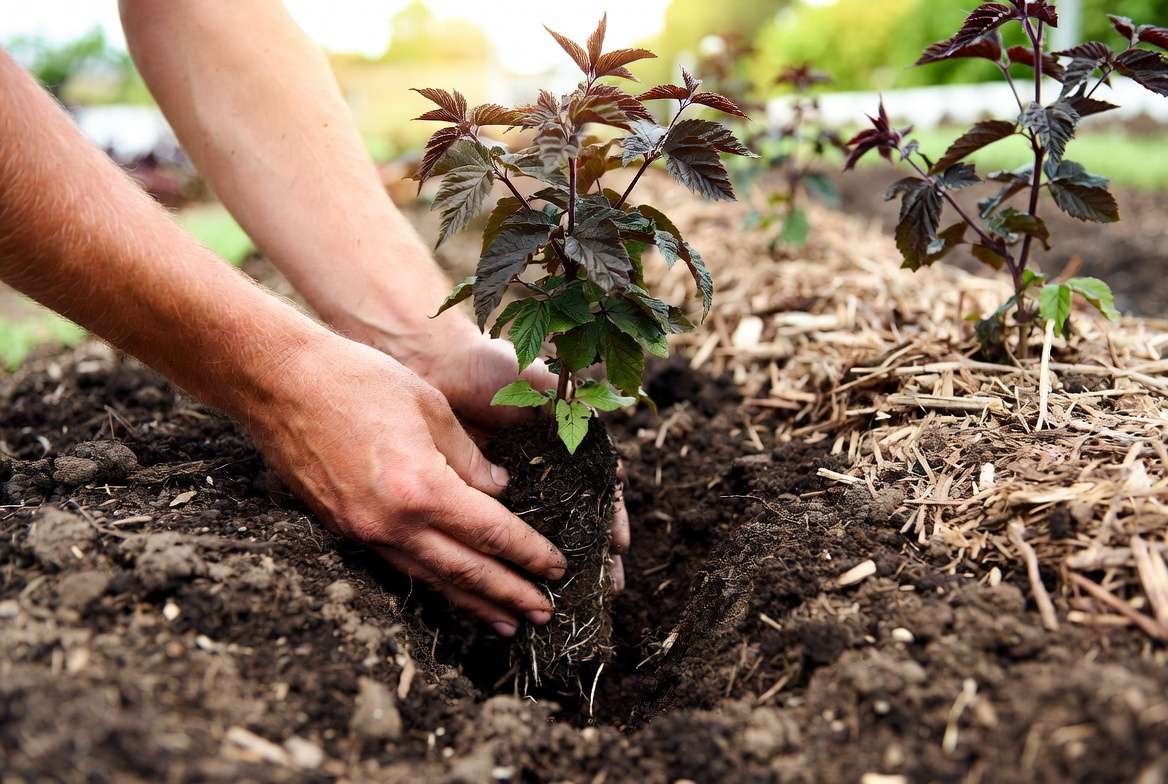
Step-by-Step Planting Instructions
- Soak bare-root plants in water for 1–2 hours before planting.
- Dig holes wide enough to spread the roots comfortably, about 2–3 feet apart within rows spaced 6–8 feet apart.
- Set plants so the crown is at or slightly above soil level.
- Backfill gently, firming the soil to eliminate air pockets.
- Water deeply and apply 2–4 inches of organic mulch (straw, wood chips, or shredded leaves) to conserve moisture and suppress weeds.
Container Growing for Small Spaces or Patios Black raspberry plants adapt surprisingly well to large containers (minimum 5–7 gallons). Use high-quality potting mix amended with compost. Ensure excellent drainage and provide sturdy support as canes grow. Container plants may need more frequent watering and fertilizing but offer mobility for optimal sun exposure or winter protection.
Raised Bed and Trellis Setup Ideas A simple V-shaped or T-trellis system works wonders for supporting arching canes. Install posts and wires before or immediately after planting to train new growth easily. This not only improves air circulation (reducing disease) but also makes harvesting more enjoyable.
(Word count so far: ~850. Continuing with more sections…)
Essential Care Guide for Thriving Black Raspberry Plants 💧
Consistent care is what separates mediocre patches from prolific ones. Here’s your complete maintenance blueprint.
Watering Requirements and Techniques Black raspberry plants need about 1–2 inches of water per week, especially during fruit development. Deep, infrequent watering encourages strong root systems. Drip irrigation or soaker hoses are ideal as they keep foliage dry and reduce fungal issues. Mulch heavily to maintain even soil moisture.
Soil, Mulching, and Fertilization Schedule Reapply mulch annually in spring. Fertilize in early spring with a balanced organic fertilizer (such as 10-10-10) or compost tea. Avoid high-nitrogen formulas after midsummer, as they promote excessive vegetative growth at the expense of fruit. Side-dress with compost mid-season for steady nutrition.
Pruning Black Raspberry Plants – The Secret to Bigger Harvests ✂️ Pruning is perhaps the most critical practice for high yields.
- First Year (Primocanes): Allow new canes to grow freely. In late winter or early spring of the second year, remove any weak or damaged canes, leaving 4–6 strong ones per plant.
- After Harvest (Second Year Floricanes): Immediately cut spent fruiting canes to the ground. This prevents disease carryover and gives new growth more resources.
- Summer Tip: Pinch primocane tips when they reach 3–4 feet to encourage branching and more fruiting laterals.
Follow this seasonal pruning schedule religiously and you’ll enjoy significantly larger, sweeter berries year after year.
Trellising and Support Systems Train canes to a sturdy trellis early. This improves sunlight penetration, eases harvesting, and reduces fruit rot from ground contact.
Seasonal Care Calendar
- Spring: Prune, fertilize, mulch, and install supports.
- Summer: Water consistently, monitor for pests, harvest regularly.
- Fall: Remove old canes, clean up debris, apply winter mulch.
- Winter: Protect roots in colder zones with extra mulch.
Propagating Black Raspberry Plants for Free Expansion
One of the joys of growing black raspberry plants is how easily they propagate.
Tip Layering Method: Bend a healthy primocane tip to the ground, cover with soil, and weigh it down. Roots will form within weeks — then sever the new plant from the parent. Root Division and Suckers: Dig up and separate suckers that emerge from the root system in early spring.
These methods allow you to expand your patch quickly and share plants with friends — all while saving money on new purchases.
Common Mistakes to Avoid: Planting propagated plants too deep, neglecting water during establishment, or propagating from diseased stock.
Common Problems and How to Solve Them 🛡️
Even the most experienced gardeners encounter challenges with black raspberry plants. Early identification and organic solutions keep your patch healthy and productive.
Pests
- Japanese Beetles and Aphids: Hand-pick beetles in the morning or use row covers. Beneficial insects like ladybugs naturally control aphids. Neem oil or insecticidal soap provides safe backup.
- Spider Mites: Common in hot, dry conditions. Increase humidity with mulch and overhead watering (early in the day) and apply horticultural oil as needed.
- Birds: The biggest harvest thief! Use netting or reflective tape once berries begin coloring.
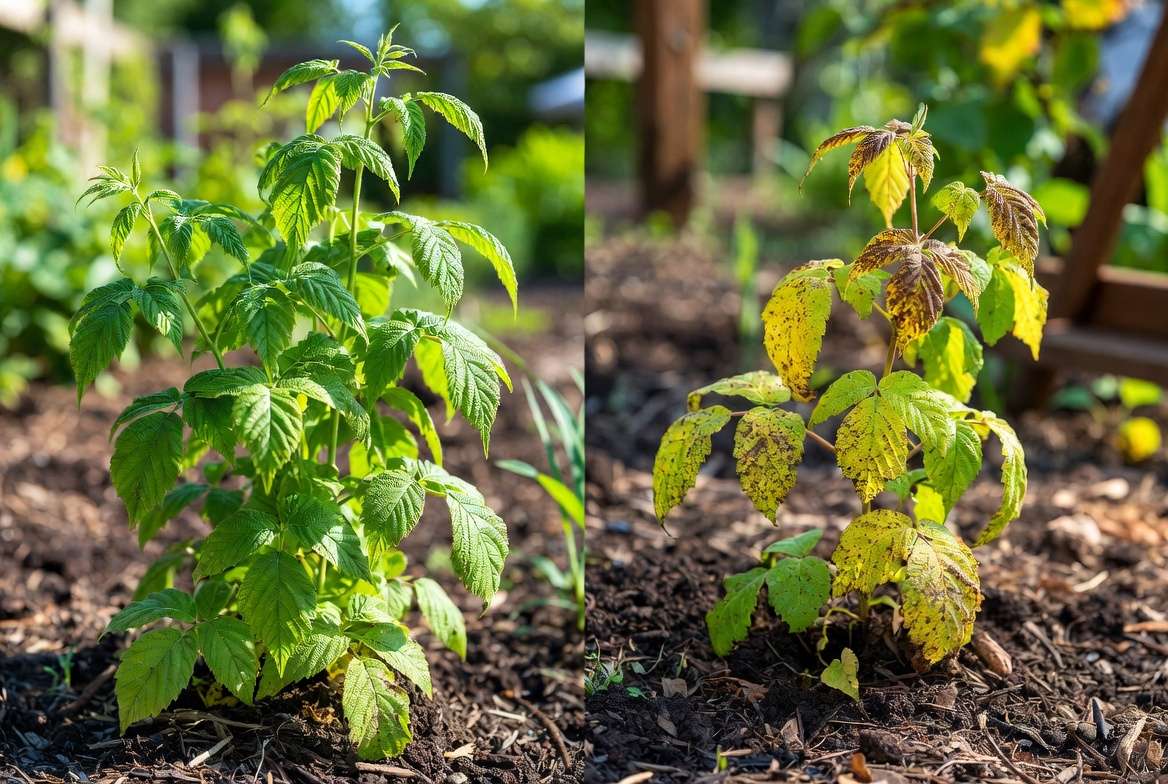
Diseases
- Anthracnose and Cane Blight: Prevent with good air circulation, removing old canes promptly, and avoiding overhead watering late in the day. Copper-based fungicides help in severe cases.
- Verticillium Wilt: Soil-borne and serious — rotate planting locations and choose resistant varieties like ‘Jewel’.
- Powdery Mildew: Improve airflow and apply sulfur or neem preventatively during humid periods.
Nutrient Deficiencies and Environmental Stress Yellow leaves often signal nitrogen shortage, while purple tinting may indicate phosphorus issues. Regular soil testing (every 2–3 years) takes the guesswork out of feeding.
Integrated Pest Management (IPM) Approach Combine cultural practices (proper spacing, pruning, mulching), biological controls, and targeted organic treatments only when necessary. This sustainable method protects pollinators and maintains long-term soil health.
Deer and Rabbit Protection Use fencing, repellents, or companion plants like marigolds and garlic. Elevated raised beds also help deter smaller critters.
Harvesting Black Raspberries at Peak Flavor and Yield 🍇
Timing is everything for the sweetest berries. Black raspberries are ready when they turn fully black and pull away easily from the core with a gentle tug — usually midsummer, depending on variety and climate.
Best Practices for Harvesting:
- Pick every 1–2 days during peak season to encourage more fruit set.
- Harvest in the cool morning for best flavor and shelf life.
- Use shallow containers to avoid crushing berries.
Expect 1–4 quarts per mature plant annually, with well-maintained patches producing even more. Proper pruning and fertilization are the biggest levers for increasing yields.
Post-Harvest Handling Rinse gently only before eating. Refrigerate unwashed berries for up to a week or freeze immediately for longer storage. Flash-freezing on a tray before bagging preserves quality beautifully for smoothies, sauces, and winter baking.
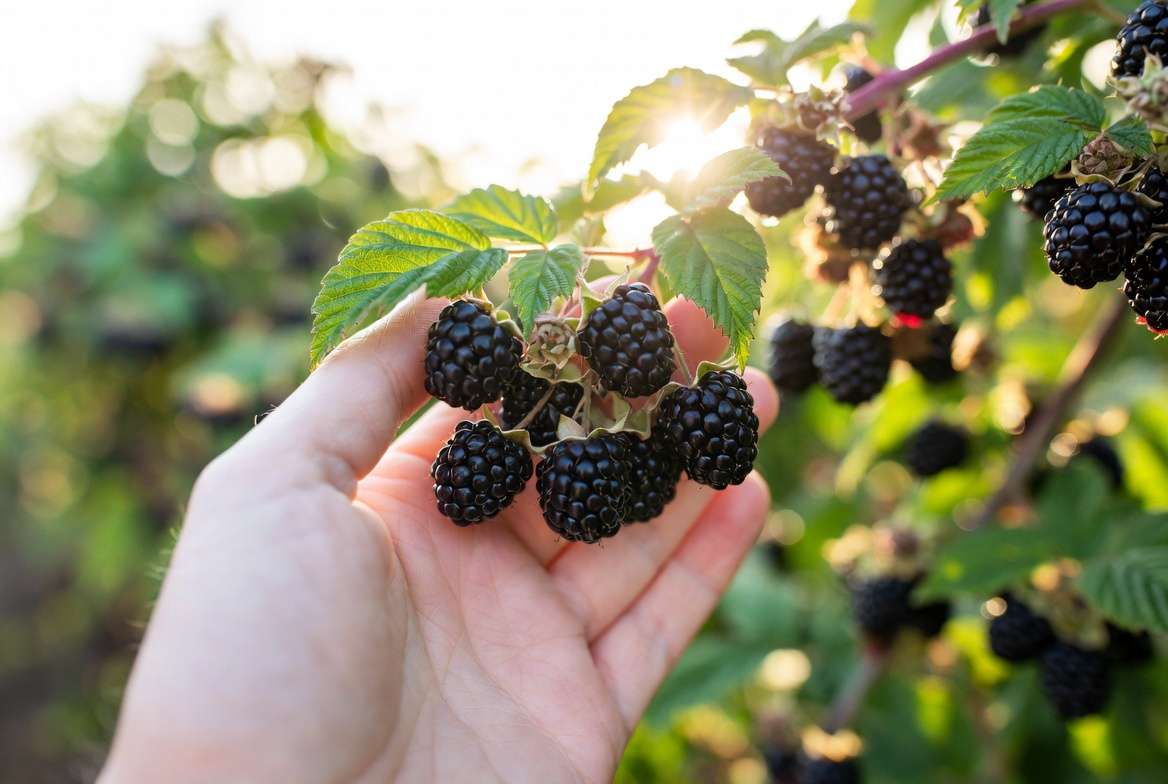
Creative Ways to Enjoy Your Harvest
- Fresh eating straight from the garden
- Classic black raspberry jam or jelly
- Vibrant smoothies and sauces
- Homemade ice cream, cobblers, and vinaigrettes
- Drying for trail mix or tea
Many gardeners find preserving part of the harvest one of the most rewarding aspects of growing black raspberry plants.
Companion Planting and Garden Integration 🌼
Strategic companions enhance growth and deter pests.
Excellent Companions:
- Garlic, chives, and onions (repel pests)
- Marigolds and nasturtiums (attract beneficial insects)
- Beans and peas (fix nitrogen in soil)
Plants to Avoid: Nightshade family members (tomatoes, potatoes) near raspberries due to shared disease risks like verticillium wilt.
Integrate black raspberry plants into food forests, along fences, or as living screens. Their flowers attract native bees and butterflies, boosting overall garden biodiversity.
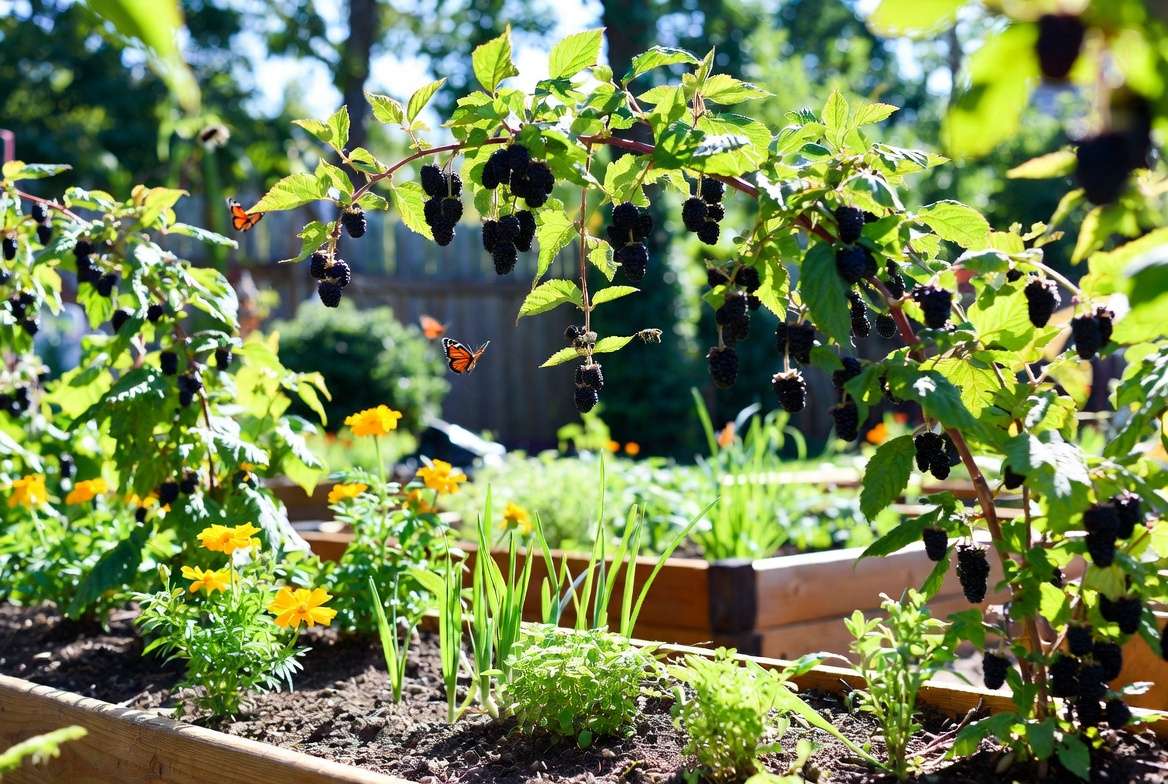
Advanced Tips for Maximum Productivity and Longevity
To push yields higher:
- Extend the Season: Plant early, mid, and late varieties for staggered harvests.
- Overwintering: In colder zones, mound soil or mulch heavily around crowns.
- Soil Health Maintenance: Annual compost applications and cover crops between rows keep soil alive and fertile for decades.
- Organic Practices: Embrace no-till methods, compost teas, and mycorrhizal inoculants for resilient plants.
With attentive care, black raspberry plants can remain productive for 8–12 years or longer.
Frequently Asked Questions (FAQs) ❓
How long until black raspberry plants produce fruit? Most varieties bear a small crop in year 2 and reach full production by year 3.
Can black raspberries grow in shade? They prefer full sun but tolerate partial shade (4–6 hours), though yields will be lower.
How do I prevent birds from eating my berries? Netting is the most effective method. Reflective deterrents offer supplementary protection.
What’s the difference between black raspberries and blackberries? Black raspberries are smaller, hollow when picked, and generally sweeter with a distinct flavor. Blackberries are larger with a solid core.
Are black raspberry plants invasive? They spread via suckers and tip-layering but are generally manageable with regular pruning — far less aggressive than some invasive brambles.
What’s the best fertilizer for black raspberries? Balanced organic options or compost in spring, with lower nitrogen later in the season.
Additional FAQs cover topics like container care, pH adjustment, and winter protection for comprehensive reader support.
Conclusion
Growing black raspberry plants rewards patience and care with years of delicious, nutrient-rich harvests and beautiful garden presence. By following this detailed guide — from smart variety selection and proper planting to consistent pruning and proactive problem-solving — you’ll enjoy bountiful berries that elevate your homegrown table.
Start small if you’re new to berry growing, and expand as you gain confidence. Your future self (and taste buds) will thank you! Share your black raspberry successes in the comments below, and explore our other plant care guides for more inspiration. Happy gardening! 🌱🍓











