
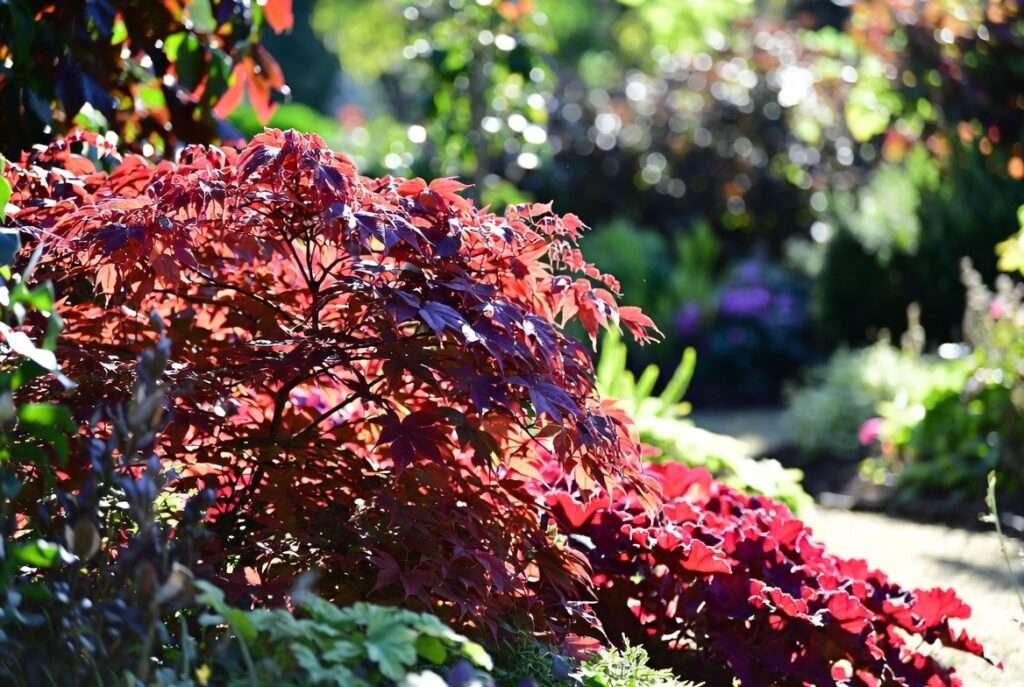
Imagine stepping into your garden and being greeted by striking, fiery shades of crimson, burgundy, and scarlet that turn heads all season long. Red leaf plants bring drama, elegance, and a vibrant energy that few other foliage options can match. Whether you’re a beginner plant parent or an experienced gardener, these beauties can transform ordinary spaces into breathtaking landscapes.
In this comprehensive guide, we’ll explore the best red leaf plants for your garden, complete with expert care tips, top varieties, and practical solutions to common challenges. As a plant care specialist with over 15 years of hands-on experience working with ornamental trees, shrubs, and indoor foliage, I’ve helped countless homeowners create stunning gardens filled with vibrant red leaf plants. This guide draws from real-world trials, botanical research, and proven techniques to help you succeed. 🌱
Why Choose Red Leaf Plants for Your Garden? 🌟
Red leaf plants do more than just look beautiful — they solve real gardening needs. Many gardeners struggle with creating year-round interest or finding plants that thrive in partial shade while providing bold color. Plants with red leaves deliver exactly that.
The rich pigments (primarily anthocyanins) not only create visual pop but also offer protective benefits for the plant, such as shielding against intense sunlight and attracting beneficial pollinators. Studies from botanical institutions show that gardens featuring colorful foliage can reduce stress and improve mood — making red leaf plants both an aesthetic and wellness choice.
Key Benefits Include:
- Instant Focal Points: They draw the eye and create depth in borders and containers.
- Seasonal Drama: Many shift hues beautifully from spring through fall.
- Versatility: Options for full sun, shade, indoor spaces, and various climates.
- Wildlife Support: Flowers on some varieties feed bees and butterflies.
Whether you want a dramatic Japanese-inspired garden or a low-maintenance patio display, red foliage plants deliver reliable results. 🍁
Understanding Red Leaf Plants – Botany & Science 📖
Red coloration in plants comes from anthocyanin pigments, which can be genetically dominant in certain cultivars or appear under specific environmental conditions. Unlike green chlorophyll-dominant leaves, red leaf plants often maintain their hue through careful selection of varieties bred for strong pigmentation.
Evergreen vs. Deciduous Red Leaf Plants Evergreen options like certain Photinia or Cordyline keep their fiery color year-round, ideal for consistent structure. Deciduous varieties, such as Japanese Maples, offer spectacular autumn displays before dropping leaves, adding seasonal rhythm to your garden.
Climate & Hardiness Considerations Most red leaf plants thrive in USDA zones 5–9, but some tropical varieties need protection in colder regions. Understanding your local microclimate is essential for long-term success with plants with red leaves.
Top 12 Best Red Leaf Plants for Gardens & Homes 🌺
Here’s a carefully curated selection based on performance, beauty, and ease of care. These stand out as the most reliable red leaf plants for home gardens.
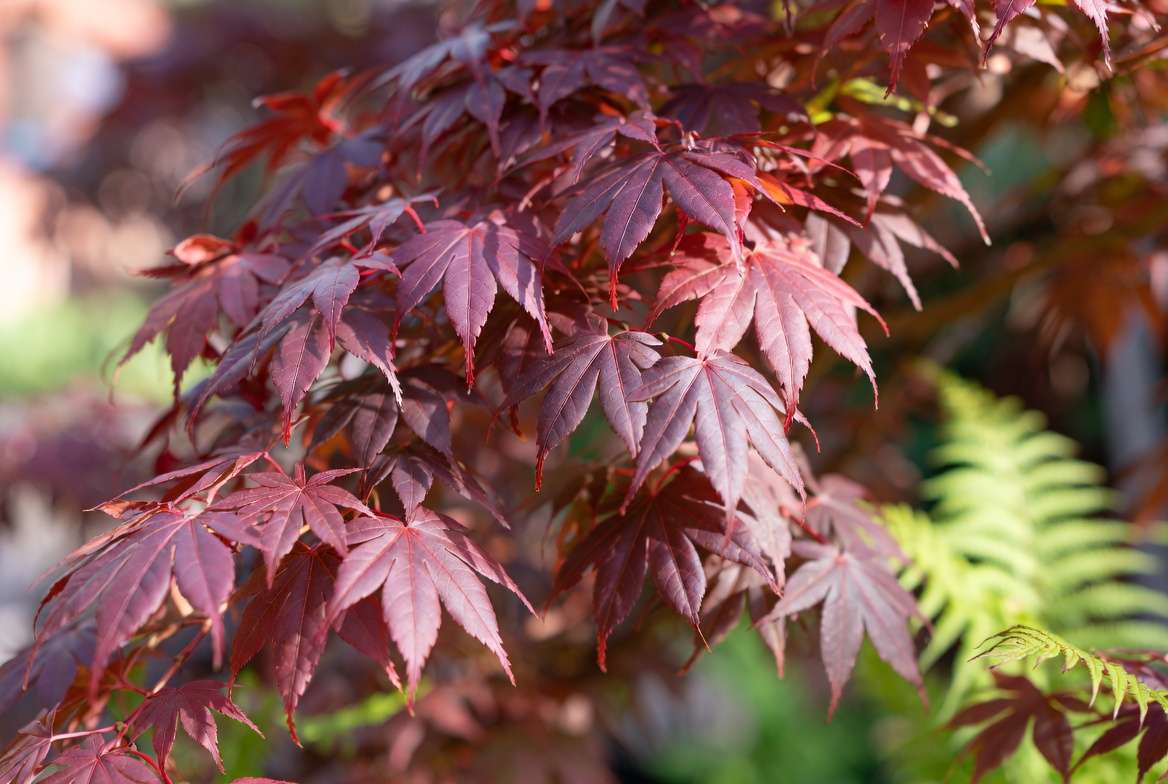
1. Japanese Maple (Acer palmatum) 🍁 The undisputed king of red leaf plants. Lacy, delicate leaves range from bright red to deep burgundy. Slow-growing, reaching 6–20 feet depending on variety. Prefers partial shade and well-draining, slightly acidic soil. Excellent for small gardens and containers. ‘Bloodgood’ and ‘Crimson Queen’ are standout cultivars.
2. Red Cordyline (Cordyline fruticosa) Tropical flair with sword-like, vibrant red leaves. Perfect for warm climates or as a dramatic indoor/outdoor container plant. Grows 3–6 feet tall. Loves bright indirect light and consistent moisture.
3. Crimson King Norway Maple (Acer platanoides ‘Crimson King’) A larger shade tree with deep purple-red leaves that hold color all summer. Reaches 40–50 feet. Tough and adaptable, making it excellent for larger landscapes.
4. Red Barberry (Berberis thunbergii) Thorny shrub with brilliant red-purple foliage. Great for hedges or wildlife gardens. Grows 3–6 feet. Extremely hardy and deer-resistant.
5. Heuchera (Coral Bells) – Red Cultivars Low-growing perennials with ruffled, colorful leaves. Varieties like ‘Obsidian’ or ‘Fire Chief’ offer stunning reds. Ideal for shade gardens and edging. 🌿
6. Photinia ‘Red Robin’ Evergreen shrub famous for bright red new growth. Perfect for hedges. Grows 6–10 feet. Thrives in full sun to partial shade.
7. Red Leaf Banana (Ensete ventricosum ‘Maurelii’) Bold, tropical giant with enormous red-tinged leaves. Dramatic focal point for summer gardens. Annual in colder zones but unforgettable.
8. Loropetalum (Chinese Fringe Flower) Evergreen with burgundy-red leaves and pink spring blooms. Grows 4–6 feet. Excellent for foundation planting.
9. Purple Leaf Plum Tree (Prunus cerasifera) Ornamental tree with reddish-purple leaves and spring blossoms. Provides edible fruit bonus in some varieties.
10. Croton (Codiaeum variegatum) Indoor favorite with multi-colored red, orange, and yellow leaves. Loves humidity and bright light.
11. Red Aglaonema Excellent low-light indoor red leaf plant. Striking foliage with minimal care requirements.
12. Ninebark (Physocarpus opulifolius) Native-friendly shrub with deep red-purple leaves. Attractive peeling bark adds winter interest.
Quick Comparison Table (recommended for visual learners):
- Light Needs: Japanese Maple (partial shade) vs. Photinia (full sun)
- Mature Height: Heuchera (1 ft) to Norway Maple (50 ft)
- Best For: Beginners, containers, shade, etc.
How to Grow Red Leaf Plants Successfully – Complete Care Guide 🌱
Choosing the Right Location & Light Requirements Most red leaf plants perform best with morning sun and afternoon shade. Too much direct sun can scorch delicate leaves, while insufficient light causes color fading — a common problem for new gardeners.
Soil Preparation & Amendments Well-draining soil is non-negotiable. Mix in compost and perlite for containers. Aim for slightly acidic pH (5.5–6.5) for maples and Heuchera. Test your soil and amend accordingly.
Planting Techniques
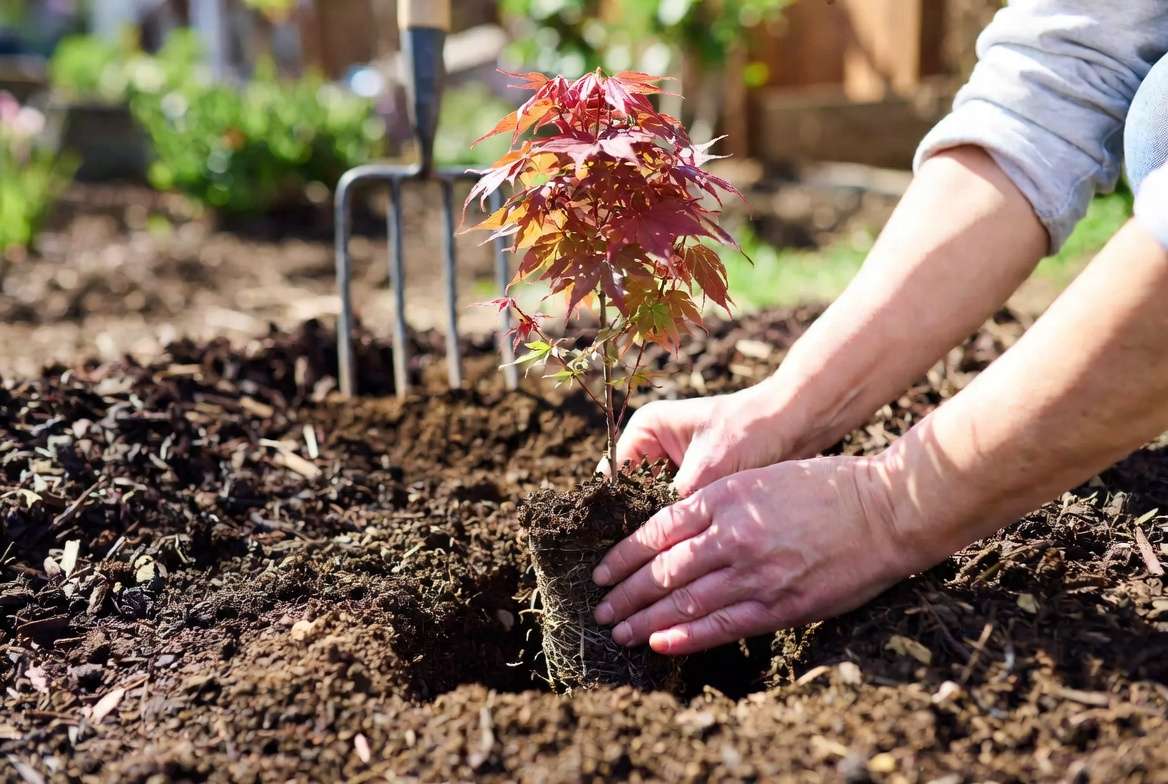
- Dig a hole twice as wide as the root ball.
- Position the plant at the same depth as the nursery pot.
- Backfill gently and water thoroughly to settle soil.
- Add mulch to retain moisture and suppress weeds.
Watering Best Practices Consistent moisture without waterlogging is key. Water deeply when the top inch of soil feels dry. Established plants are more drought-tolerant, but new plantings need extra attention during the first year.
Fertilizing Schedule Use a balanced, slow-release fertilizer in spring. Avoid high-nitrogen formulas that can reduce red pigmentation. Organic options like compost tea work wonderfully.
Pruning & Maintenance Tips ✂️ Prune in late winter or early spring for shape. Remove dead or crossing branches. For shrubs like Barberry, light shearing encourages dense growth and vibrant new red foliage.
Propagation Methods Many red leaf plants can be propagated from semi-hardwood cuttings in summer. Japanese Maples also respond well to layering.
Seasonal Care Calendar 📅
- Spring: Fertilize and prune.
- Summer: Monitor for pests and water consistently.
- Fall: Enjoy peak color; protect tender plants.
- Winter: Mulch roots and reduce watering.
Common Problems & Solutions for Red Leaf Plants 🛠️
Even the best red leaf plants can face challenges. Here’s how to troubleshoot:
- Pests (aphids, spider mites): Use neem oil or insecticidal soap. Encourage ladybugs as natural predators.
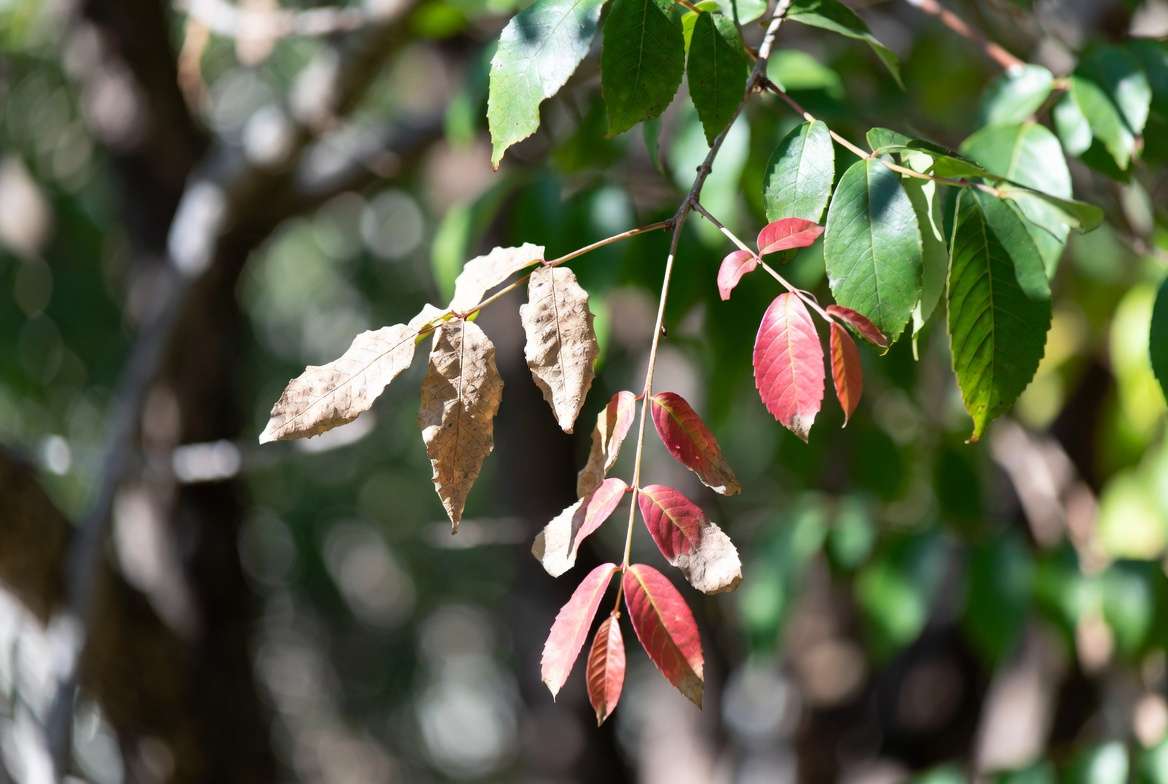
- Leaf Scorch: Provide more shade or consistent watering.
- Color Fading: Increase light exposure or adjust soil pH.
- Root Rot: Improve drainage immediately.
Prevention is always better than cure. Regular inspection and proper siting solve 90% of issues.
Creative Garden Design Ideas with Red Leaf Plants 🎨
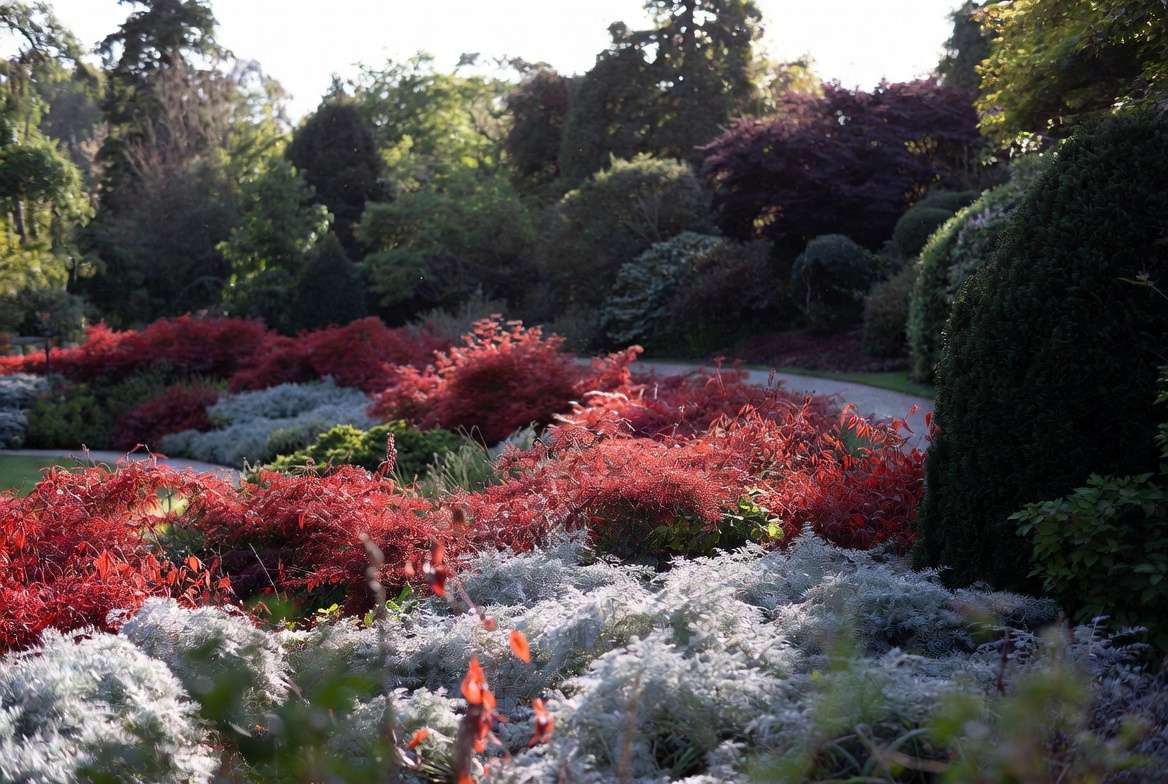
Red leaf plants shine brightest when thoughtfully placed in the landscape. Their bold color makes them natural focal points, but they also pair beautifully with contrasting greens, silvers, and golds for dynamic compositions.
Companion Planting Suggestions Pair Japanese Maples with hostas, ferns, and astilbes for a lush shade garden. Red Heuchera looks stunning edging pathways alongside silver lamium or golden hakone grass. For sun-loving combinations, try Photinia with lavender, salvia, and ornamental grasses — the contrast creates movement and interest throughout the seasons.
Container Displays & Patio Ideas Use large ceramic pots for Cordyline or Croton as dramatic centerpieces on patios. Mix heights: tall red banana plants in the center, surrounded by trailing Heuchera and smaller red Barberry. These mobile displays let you experiment and protect tender plants by moving them indoors during cold snaps.
Mixed Borders & Focal Points Create a “red ribbon” border by alternating different red leaf plants along a fence or wall. Use taller varieties like Purple Leaf Plum as backdrops and low-growing Heuchera in front. In larger gardens, a single specimen Japanese Maple or Crimson King Maple becomes a living sculpture.
Japanese-Inspired Gardens Incorporate Japanese Maples with moss, gravel paths, and stone lanterns. The red foliage against green moss creates classic serenity with modern appeal.
Indoor Styling Tips For houseplant lovers, group Red Aglaonema and Croton with variegated pothos on a bright shelf. Use them to add warmth to modern minimalist interiors or boho spaces.
Before & After Transformation Examples Many clients have turned drab foundation plantings into vibrant displays simply by adding 3–5 strategic red leaf plants. One suburban backyard went from ordinary lawn to Instagram-worthy retreat in a single season with Photinia hedges and Japanese Maple accents.
Eco-Friendly & Sustainable Practices ♻️
Caring for red leaf plants doesn’t have to harm the environment. Here are sustainable approaches I recommend:
- Organic Pest Control: Neem oil, insecticidal soaps, and companion planting reduce chemical use.
- Water Conservation: Drip irrigation and mulch cut water needs by up to 50%.
- Native & Pollinator-Friendly Choices: Select regionally adapted varieties when possible.
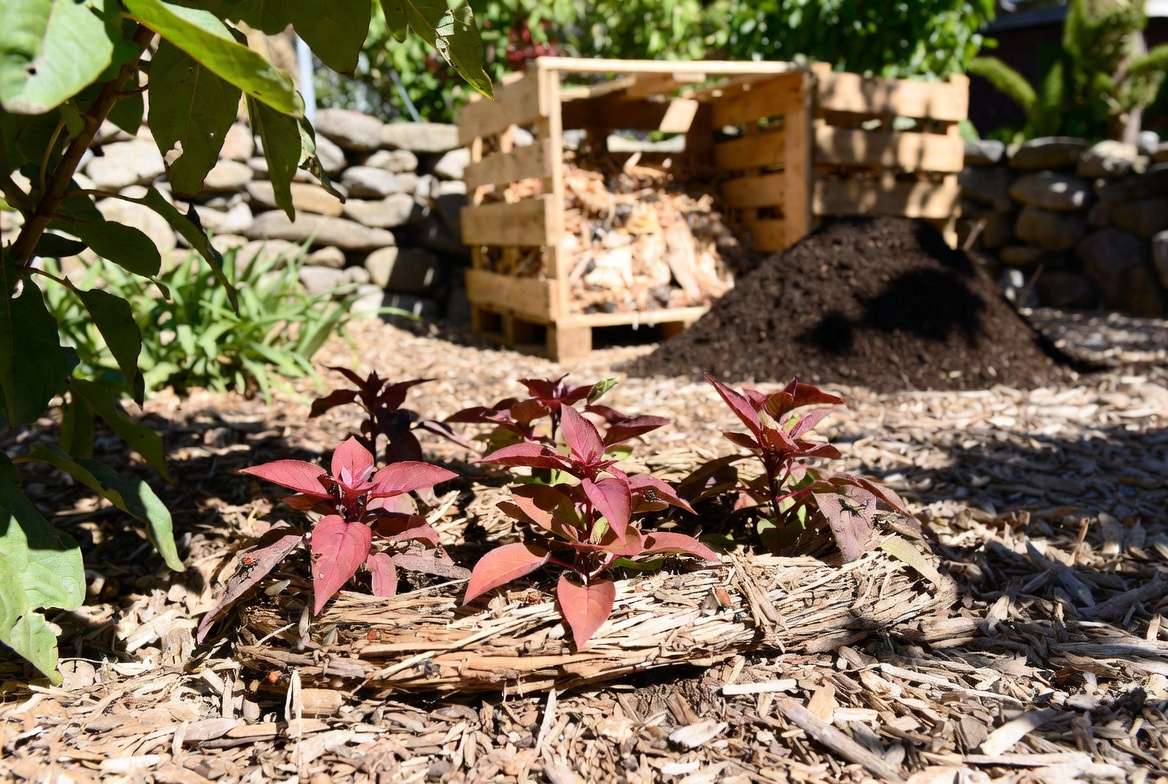
- Composting: Use fallen leaves and pruned material to enrich soil naturally.
- Integrated Pest Management (IPM): Monitor populations before acting and prioritize beneficial insects.
These practices not only keep your red leaf plants healthy but also contribute to a healthier local ecosystem.
Frequently Asked Questions (FAQs) ❓
What are the easiest red leaf plants for beginners? Heuchera (Coral Bells), Red Barberry, and Photinia ‘Red Robin’ are forgiving and resilient for new gardeners.
Do red leaf plants need full sun? It depends on the variety. Japanese Maples prefer partial shade, while Photinia and Barberry tolerate full sun. Too much intense afternoon sun often causes leaf scorch.
Why are my red leaves turning green? This usually happens due to insufficient light, improper soil pH, or excess nitrogen fertilizer. Adjust conditions and new growth should regain red pigmentation.
Are red leaf plants toxic to pets? Some are (like certain Cordyline), while others like Japanese Maples are generally safer. Always check specific varieties with the ASPCA plant list and place accordingly.
How fast do Japanese maples grow? They are slow to moderate growers, typically adding 12–24 inches per year once established. Patience rewards you with a refined specimen tree.
How do I protect red leaf plants in winter? Apply thick mulch around the root zone and use burlap wraps for tender evergreens in harsh climates. Avoid fertilizing late in the season.
Can red leaf plants be grown indoors year-round? Yes! Red Aglaonema, Croton, and Cordyline thrive indoors with proper humidity and bright indirect light.
What’s the best fertilizer for red leaf plants? Balanced, slow-release formulas or organic options like fish emulsion work well. Avoid high-nitrogen feeds that push green growth.
How do I propagate red leaf plants? Softwood or semi-hardwood cuttings in summer are most successful for many varieties. Use rooting hormone and maintain high humidity.
Are there red leaf plants suitable for small balconies? Absolutely — dwarf Japanese Maples, Heuchera, and container-grown Cordyline are excellent choices.
Conclusion
Red leaf plants offer one of the most rewarding ways to elevate your garden or indoor plant collection. From the delicate beauty of Japanese Maples to the bold drama of Cordyline and Photinia, these plants deliver color, texture, and personality throughout the seasons.
By following the care techniques, design ideas, and troubleshooting advice in this guide, you’ll be well-equipped to grow thriving red leaf plants that bring joy for years to come. Start small, observe your plants closely, and don’t be afraid to experiment — that’s where the real magic happens.
Thank you for reading this comprehensive guide. I’d love to hear about your experiences with red leaf plants in the comments below. Which variety are you most excited to try? Share your photos and success stories!
For more expert plant care advice, explore our guides on shade gardening, container planting, and seasonal maintenance. Happy gardening! 🌿🍁✨











