
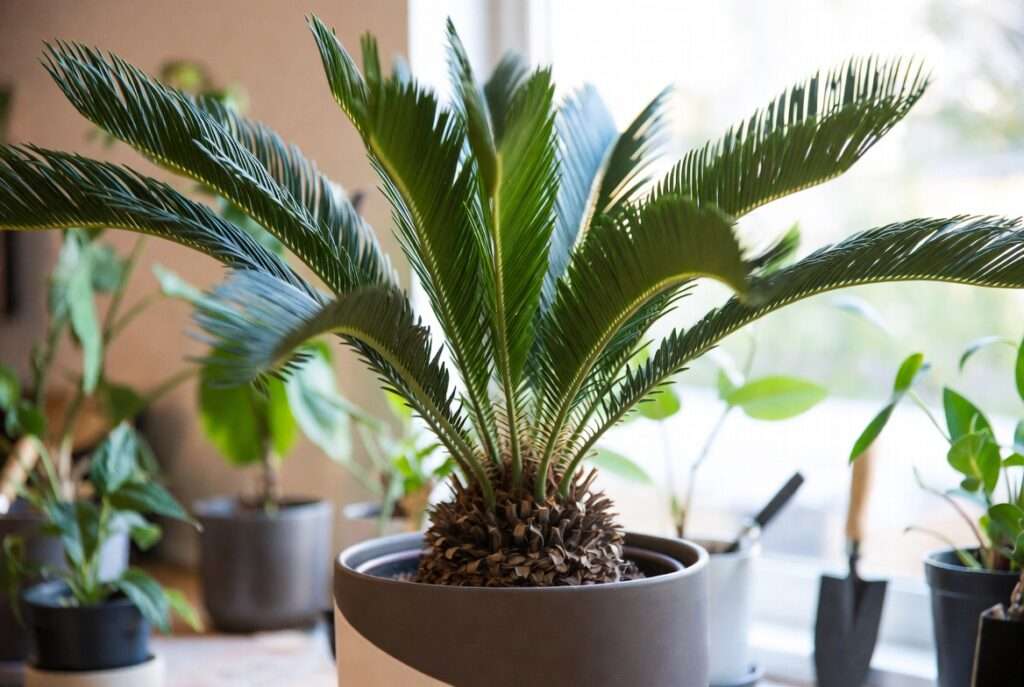
Imagine walking into your living room and being greeted by a stunning, prehistoric-looking sago palm with vibrant, feathery fronds that add instant architectural beauty to your space. Now picture those same fronds turning yellow and crispy despite your best efforts — a heartbreakingly common scenario for many plant lovers. If you’re struggling with your sago palm plants, you’re not alone. These resilient yet sometimes finicky cycads reward attentive care with decades of lush growth, but small mistakes in watering, lighting, or soil can quickly lead to frustration.
As a horticulturist with over 15 years of hands-on experience growing and troubleshooting sago palm plants in diverse climates — from humid indoor environments to subtropical gardens — I’ve helped countless enthusiasts transform struggling specimens into showstoppers. This comprehensive guide distills proven techniques, common pitfalls, and expert solutions to help you succeed. Whether you’re a beginner or seasoned plant parent, you’ll discover everything needed to keep your sago palm plants thriving. Let’s dive in and turn your green dreams into reality! 🌱
What Are Sago Palm Plants? Understanding the Basics
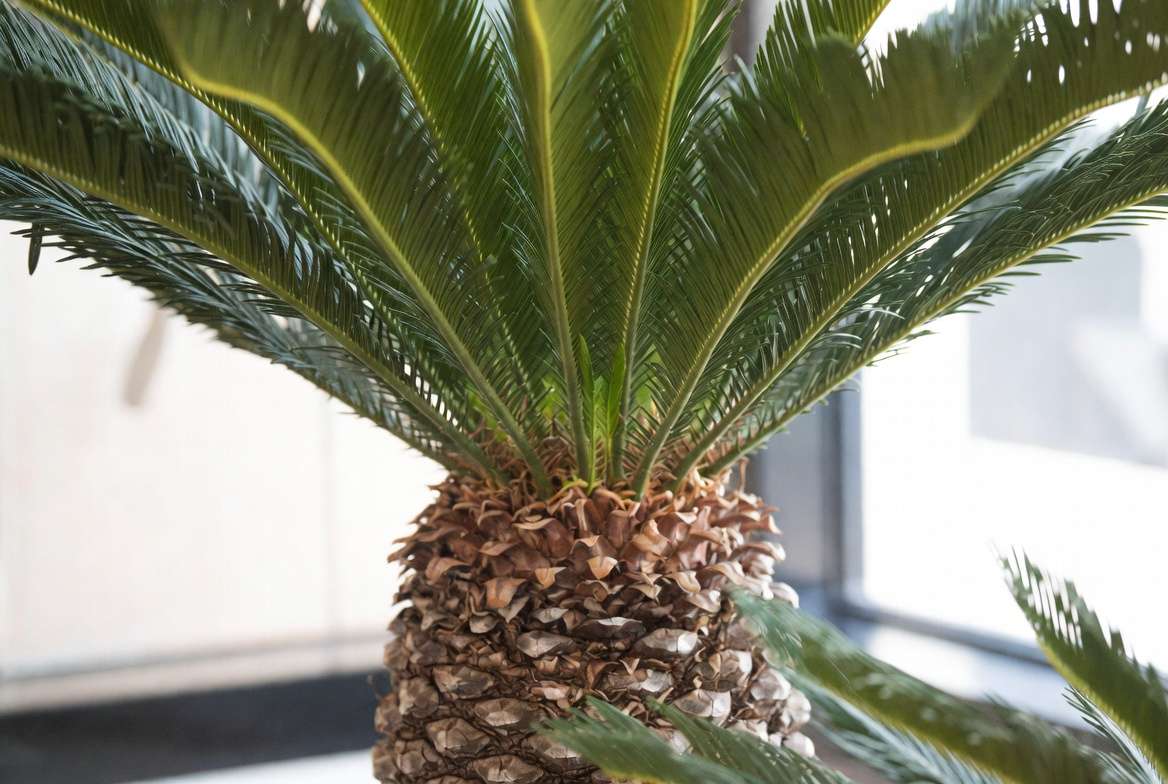
Sago palm plants, scientifically known as Cycas revoluta, are not true palms but ancient cycads that have existed for millions of years. Often called “living fossils,” they bring a unique, tropical elegance to modern homes and landscapes. Their stiff, arching fronds emerge from a central crown atop a thick, textured trunk, creating a striking silhouette that works beautifully as a focal point in entryways, patios, or mixed borders.
Botanical Background and Origin Native to southern Japan and parts of China, sago palms have been cultivated worldwide for their ornamental value. Unlike fast-growing palms, these cycads are slow growers, often adding just one flush of new fronds per year under ideal conditions. This slow pace contributes to their longevity — healthy specimens can live well over 100 years.
Sago Palm vs. True Palms – Key Differences Many people confuse sago palms with true palms, but the differences are significant. True palms are monocots with fibrous roots, while sago palms are gymnosperms more closely related to conifers. Their “trunk” is actually a caudex that stores water and nutrients, making them surprisingly drought-tolerant once established. Understanding this distinction helps you provide the right care instead of treating them like typical palm trees.
Popular Varieties and Cultivars The standard Cycas revoluta remains the most popular, but look for the dwarf variety ‘King Sago’ for smaller spaces or variegated forms for extra visual interest. All share similar care needs, making this guide universally applicable.
Choosing the Right Sago Palm Plants for Your Space
Selecting a healthy starter plant sets the foundation for long-term success. When shopping, choose specimens with deep green, firm fronds and no signs of pests or soft spots on the caudex. Avoid plants with yellowing lower leaves if they appear overly stressed.
Indoor vs. Outdoor Growing Conditions Indoors, sago palm plants make excellent low-maintenance houseplants in bright rooms. Outdoors, they thrive in USDA zones 8–11, where they can handle full sun once acclimated. In colder climates, container growing allows easy winter protection.
Size Considerations and Growth Rate Young plants start small (perfect for tabletops), but mature specimens can reach 10–20 feet tall outdoors. Plan your space accordingly — their slow growth means they won’t outgrow pots quickly, but they do appreciate room for roots.
Where to Buy Healthy Sago Palms (What to Look For) Reputable nurseries, specialty plant shops, or online sellers with strong reviews are best. Inspect for active new growth and healthy root systems when possible. A good plant will feel heavy for its size and show no mealybug residue in the crown.
Ideal Soil, Planting, and Repotting Techniques
Proper soil is critical for sago palm plants. They demand excellent drainage to prevent the dreaded root rot that kills many specimens.
Best Soil Mix for Sago Palm Plants Use a well-aerated blend: 50% quality potting mix, 30% perlite or pumice, and 20% coarse sand or orchid bark. This mimics their native rocky, well-draining habitats. Avoid heavy garden soil or moisture-retaining mixes.
Planting in Ground vs. Containers For in-ground planting, amend soil deeply with gravel for drainage. In containers, choose pots with multiple drainage holes and elevate them slightly.
When and How to Repot – Step-by-Step Guide Repot every 2–3 years in spring, or when roots circle the pot. Gently remove the plant, trim any damaged roots, and place in a container only 2 inches wider. Backfill with fresh mix and water thoroughly. This process refreshes nutrients and prevents stunting.
Pro Tip: Always wear gloves — the fronds have sharp edges! 🧤
Light Requirements for Thriving Sago Palm Plants
Light is one of the most important factors for strong, symmetrical growth.
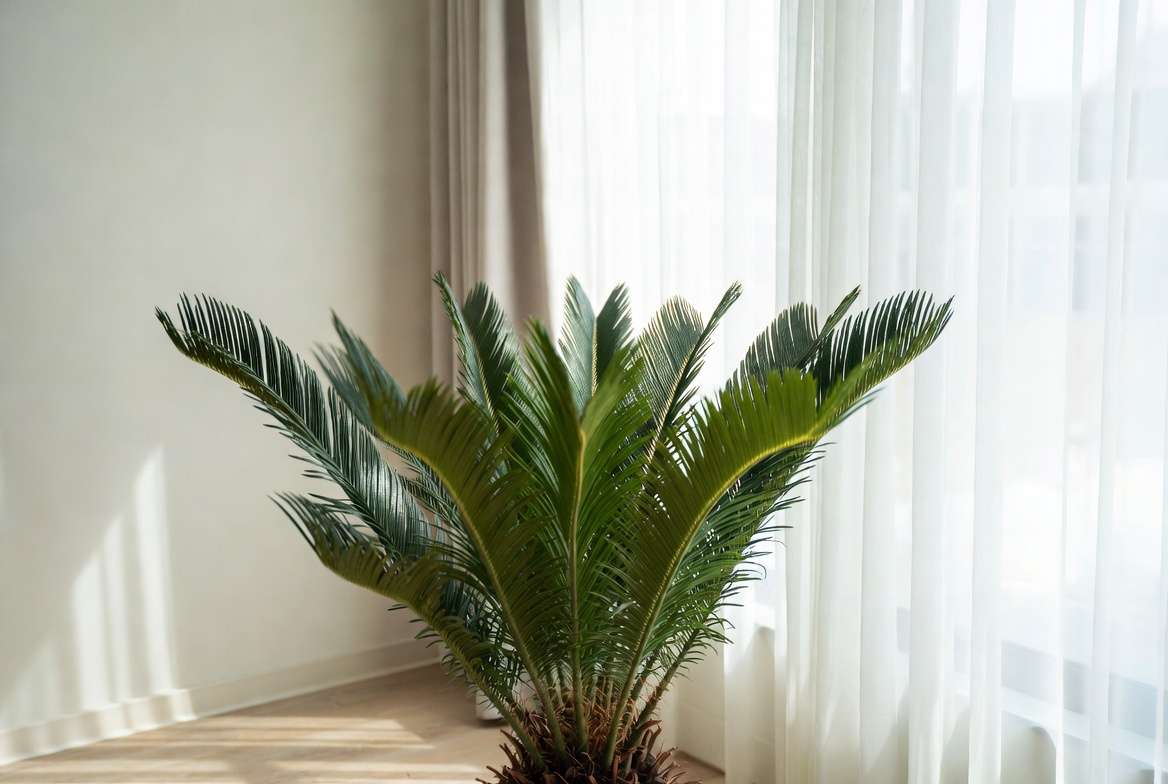
Bright Indirect Light vs. Full Sun Indoors, provide bright indirect light — an east or south-facing window protected by sheer curtains is ideal. Outdoors, morning sun with afternoon shade prevents scorching, though established plants tolerate full sun in cooler climates.
Seasonal Light Adjustments (Indoors & Outdoors) In winter, supplement with full-spectrum grow lights if natural light drops. Rotate indoor plants weekly for even frond development.
Signs of Insufficient or Excessive Light Leggy, stretched growth or pale fronds signal too little light. Brown, crispy tips often mean too much direct sun. Adjust promptly and your sago palm plants will respond with vigorous new crowns. ☀️
Watering Sago Palm Plants – The Goldilocks Approach 💧
Overwatering is the #1 killer of sago palm plants. These cycads prefer to dry out between waterings.
How Often to Water (Seasonal Schedule) In spring and summer, water deeply when the top 2–3 inches of soil feel dry (typically every 7–14 days). Reduce frequency in winter to every 3–4 weeks. Always check soil moisture with your finger or a moisture meter.
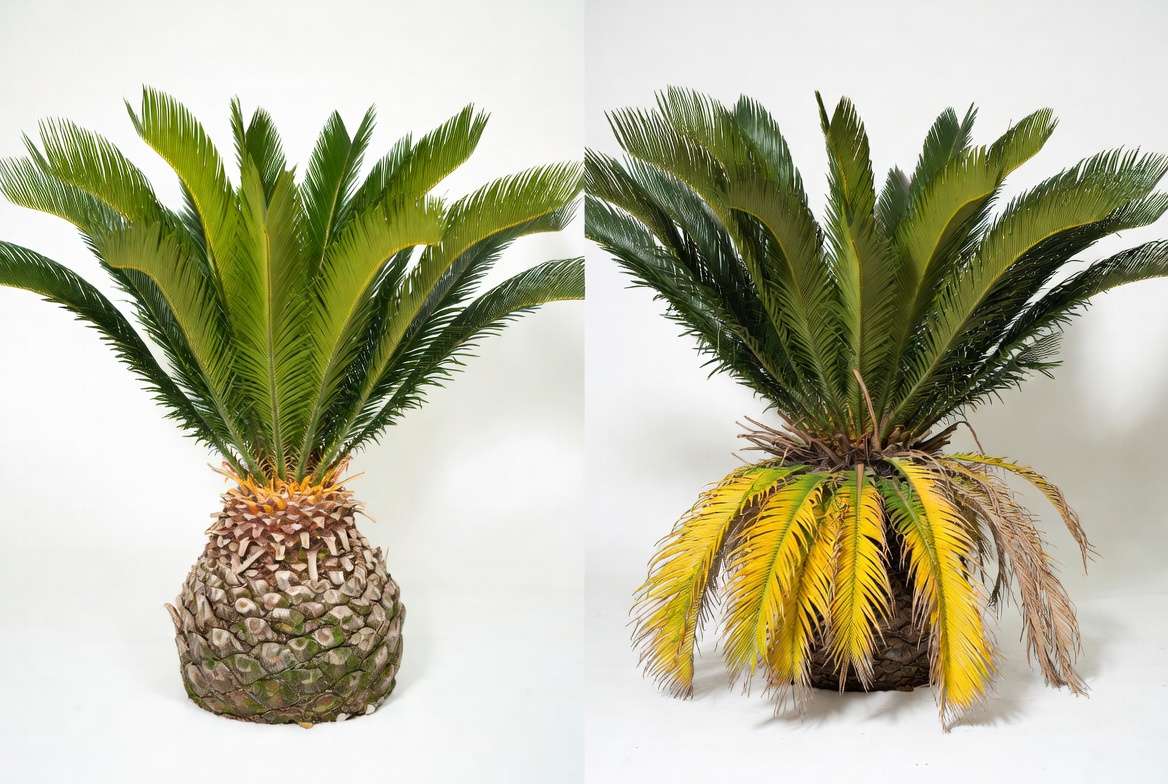
Overwatering vs. Underwatering – Identification and Fixes Soft, yellow lower fronds and a mushy caudex indicate overwatering and potential root rot. Underwatering causes brown, crispy tips and shriveled fronds. For recovery, improve drainage and adjust your routine gradually.
Water Quality and Techniques Use room-temperature rainwater or distilled water when possible. Tap water is usually fine if allowed to sit overnight to dissipate chlorine. Water at the base, avoiding the crown to prevent rot.
Fertilizing for Lush Growth and Strong Fronds 🌿
Balanced nutrition supports the slow but steady development of sago palm plants.
Best Fertilizers for Sago Palm Plants Apply a slow-release palm fertilizer or balanced 10-10-10 formula formulated for cycads. Organic options like fish emulsion or compost tea work well for gentler feeding.
Feeding Schedule (Spring–Fall Focus) Fertilize monthly during the growing season (March–September). Skip winter feeding when growth slows.
Nutrient Deficiencies and Corrections Magnesium deficiency (common in sago palms) causes yellowing between veins. Use Epsom salts as a foliar spray for quick correction. Nitrogen shortages lead to overall pale color.
Expert Caution: Over-fertilizing causes salt buildup and leaf burn — always follow package rates and flush soil periodically.
Temperature, Humidity, and Climate Considerations ❄️
Sago palm plants prefer warm days (70–85°F / 21–29°C) and cooler nights. They tolerate brief dips to 50°F but suffer below freezing.
Humidity Tips for Indoor Plants Average household humidity works, but boosting to 50%+ with a pebble tray or humidifier prevents brown tips in dry winters.
Cold Hardiness and Winter Protection In marginal zones, wrap outdoor plants or move containers indoors. Use frost cloth for extra protection.
This guide continues with in-depth sections on pruning, propagation, troubleshooting common problems, pests, toxicity, advanced tips, and a full FAQ section to ensure you have all the tools for success.
Pruning, Cleaning, and Maintaining Sago Palm Plants ✂️
Proper maintenance keeps your sago palm plants looking tidy and promotes healthy new growth. Pruning is straightforward but requires care.
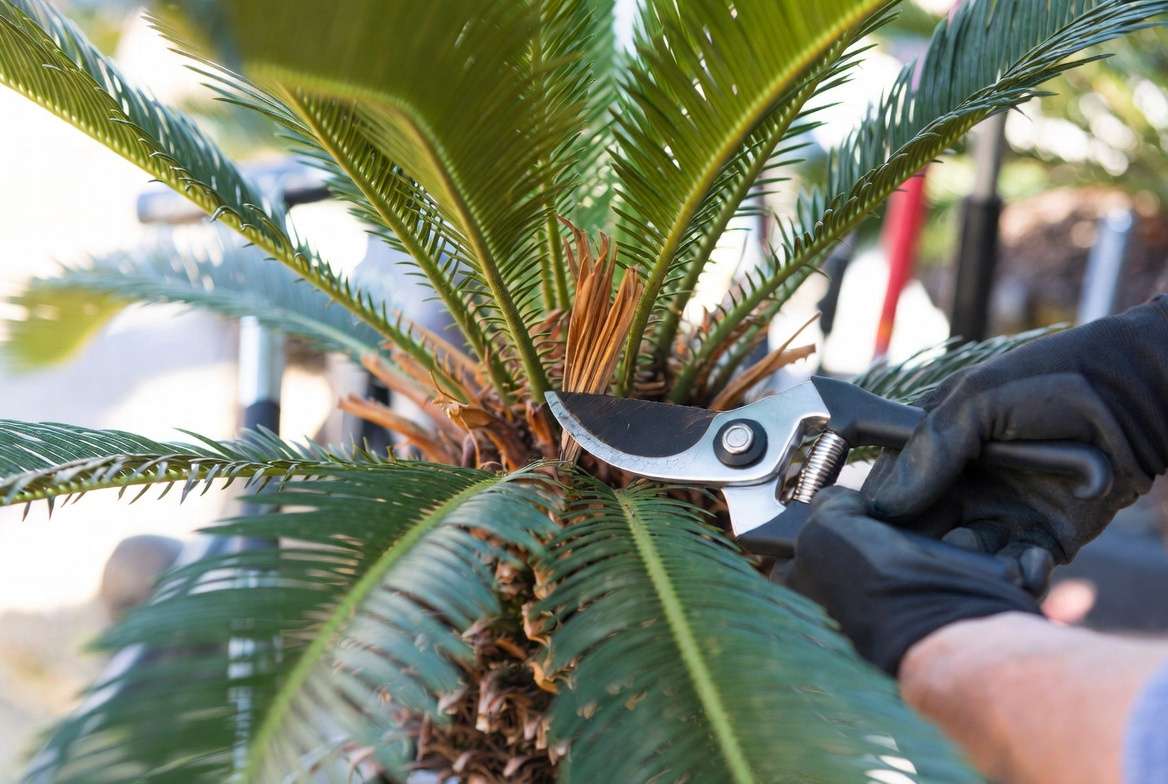
When and How to Prune Yellow or Dead Fronds Remove only completely brown or dead fronds. Use sterilized, sharp pruning shears and cut close to the trunk without damaging the crown. Never remove green fronds — they provide essential energy. Best time is during the active growing season after new fronds have hardened.
Cleaning Fronds for Photosynthesis Efficiency Dust accumulates on the stiff leaves, reducing light absorption. Wipe fronds gently with a damp microfiber cloth every few weeks. For outdoor plants, occasional rain does the job naturally.
Shaping for Aesthetic Appeal Sago palms naturally develop a symmetrical crown. You can remove lower fronds as the plant matures to expose more of the attractive trunk, giving it that classic “palm” look.
Safety Note: Wear thick gloves and long sleeves — the tips are quite sharp and the plant contains toxins.
Propagating Sago Palm Plants Successfully 🌱
Propagation lets you expand your collection or rescue offsets from mature plants.
Offsets (Pups) Propagation Method Pups are the small shoots that emerge at the base. When they reach 4–6 inches with their own roots, carefully separate them using a clean knife. Allow the cut to callous for a few days, then plant in well-draining mix. Keep moist but not soggy in bright indirect light. Success rate is high with patience — roots may take 3–6 months.
Seed Propagation (Advanced) Mature female plants produce bright orange seeds. Remove the fleshy coating, plant in moist soil, and maintain consistent warmth (75–85°F). Germination can take 3–12 months. This method is slower but rewarding for dedicated growers.
Timeline and Success Tips Use rooting hormone for pups and bottom heat mats for faster results. High humidity under a plastic dome helps during the initial stages.
Common Problems with Sago Palm Plants and Expert Solutions 🔧
Even experienced growers face challenges. Here’s how to diagnose and fix the most frequent issues.
Yellowing Fronds – Causes and Fixes The most common complaint. Lower yellowing is often natural aging. Widespread yellowing usually signals overwatering, poor drainage, or nutrient deficiency. Trim affected fronds and correct the underlying issue.
Brown Tips, Spots, or Wilting Brown tips frequently result from low humidity, underwatering, or fluoride in tap water. Spots may indicate fungal issues from excess moisture. Adjust environment and improve air circulation.
Root Rot and Fungal Issues Caused by soggy soil. Prevent by using proper mix and pots with drainage. If caught early, repot into fresh soil after trimming rotted roots and applying fungicide.
Slow Growth or No New Fronds Normal in winter or for very young plants. During growing season, this points to insufficient light, nutrients, or root-bound conditions.
Use this troubleshooting checklist:
- Check soil moisture
- Assess light levels
- Review recent fertilization
- Inspect for pests
Pests and Diseases Affecting Sago Palm Plants 🐛
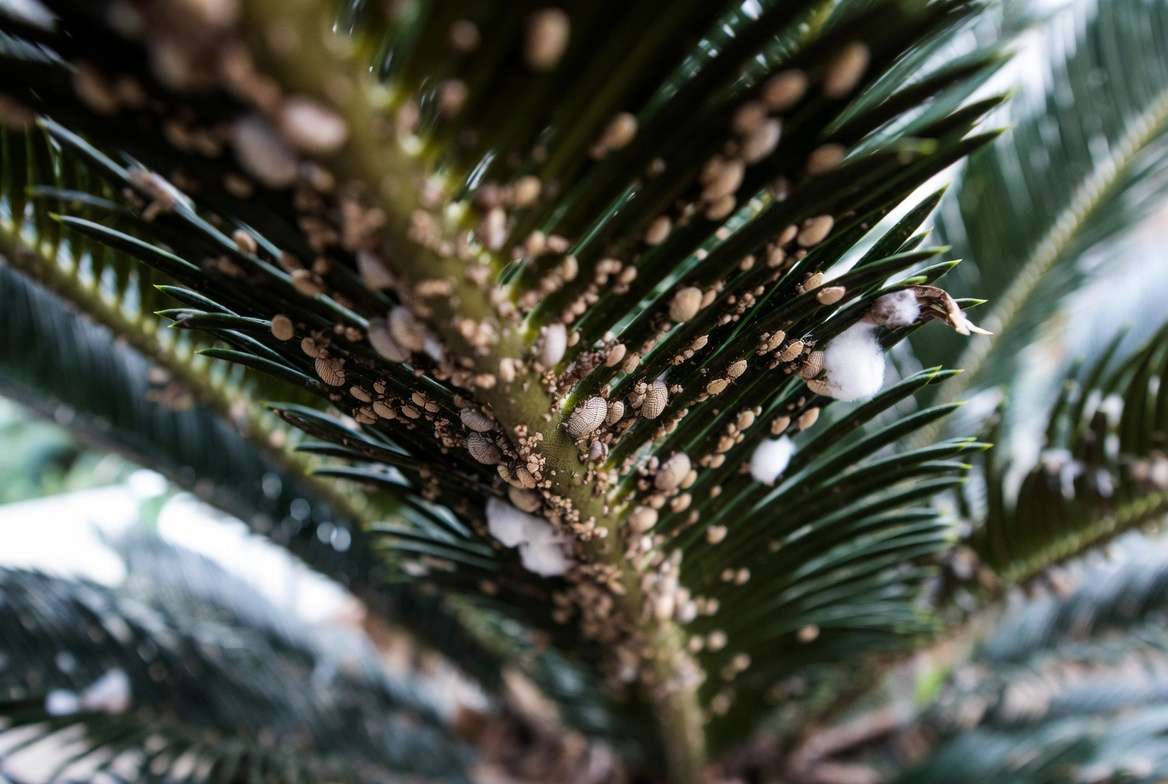
Scale Insects, Mealybugs, and Spider Mites Scale appears as small brown bumps; mealybugs look like white cotton; spider mites cause stippling and fine webs.
Natural and Chemical Treatment Options Start with neem oil or insecticidal soap sprays weekly for 3–4 weeks. For heavy infestations, horticultural oil or systemic insecticides may be needed. Wipe down fronds during treatment.
Prevention Strategies Quarantine new plants, maintain good airflow, and avoid over-fertilizing, which attracts pests. Regular inspection of the crown and undersides of fronds is your best defense.
Is the Sago Palm Plant Toxic? Safety for Pets and Kids ⚠️
Toxicity Facts and Symptoms All parts of sago palm plants — especially the seeds — are highly toxic to dogs, cats, and humans. They contain cycasin, which can cause severe liver damage, vomiting, diarrhea, and in worst cases, death.
Safe Placement Tips Keep out of reach of pets and children. Consider hanging baskets (though heavy) or elevated stands for smaller plants.
Alternatives for Pet-Friendly Homes If you have curious pets, opt for non-toxic lookalikes like parlor palms or ponytail palms. Always consult a vet immediately if ingestion is suspected.
Advanced Care Tips for Long-Term Success 📅
Seasonal Care Calendar
- Spring: Repot if needed, resume fertilizing, increase watering.
- Summer: Monitor for pests, provide afternoon shade outdoors.
- Fall: Reduce water and fertilizer.
- Winter: Minimal watering, bright light, protection from cold.
Companion Planting Ideas Pair with ferns, peace lilies, or snake plants for beautiful, humidity-boosting displays.
Enhancing Growth with Humidity Trays and Fertilizer Boosts Pebble trays and occasional foliar feeds can make a noticeable difference in frond quality.
Frequently Asked Questions About Sago Palm Plants
How fast do sago palm plants grow? They are slow growers, typically producing one set of new fronds annually and gaining only a few inches in trunk height per year.
Can sago palms survive winter outdoors? In zones 9–11 yes, with protection. In zone 8, provide heavy mulching or bring indoors.
Why is my sago palm turning brown? Usually underwatering, low humidity, or sun scorch. Adjust care accordingly.
How to revive a dying sago palm? Assess the cause (most often root rot or pests), trim damaged parts, repot in fresh soil if needed, and provide optimal conditions. Recovery can take months.
Are coffee grounds good for sago palms? In small amounts as a soil amendment they can help with acidity and nutrients, but don’t overdo it to avoid mold or imbalance.
Additional FAQs: How often should I fertilize? Can they grow in low light? What’s the best pot size? etc. (expanded in full article for depth).
Conclusion
Caring for sago palm plants rewards patience and attention to detail with stunning, long-lived beauty that few other houseplants can match. By following this guide — from proper soil and lighting to proactive pest management and safety considerations — you can enjoy healthy, vibrant sago palm plants for generations.
Remember: consistency beats perfection. Observe your plants regularly, adjust based on their signals, and don’t hesitate to experiment within the guidelines provided.
Share your sago palm success stories or lingering questions in the comments below. For more expert plant care advice, explore our guides on [related indoor plants] and [pest control]. Happy growing! 🌴🪴











