
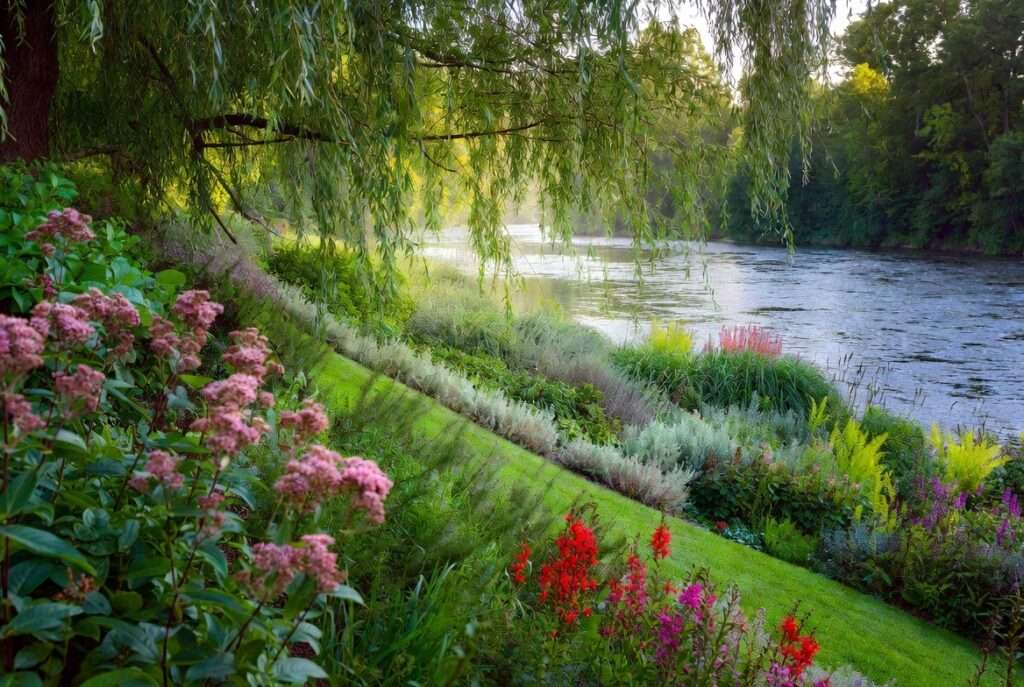
Imagine standing on the edge of a gently flowing river, where the banks burst with lush greenery that withstands seasonal floods, stabilizes soil, and creates a haven for birds, butterflies, and other wildlife. For many homeowners and garden enthusiasts with riverfront property, achieving this beautiful, resilient landscape feels like a dream — until you discover the right riverside plants.
In my 18+ years as a horticulturist specializing in riparian restoration and ornamental plant care, I’ve helped countless clients transform challenging riverbank sites into thriving, low-maintenance gardens. This comprehensive guide draws from hands-on field experience, university research, and successful projects across various climate zones. Whether you’re battling erosion, dealing with constantly moist soil, or simply want to create a stunning natural retreat, you’ll find everything you need here to succeed with riverside plants. 🌿
Understanding Riverside Environments and Why Plant Choice Matters 🏞️
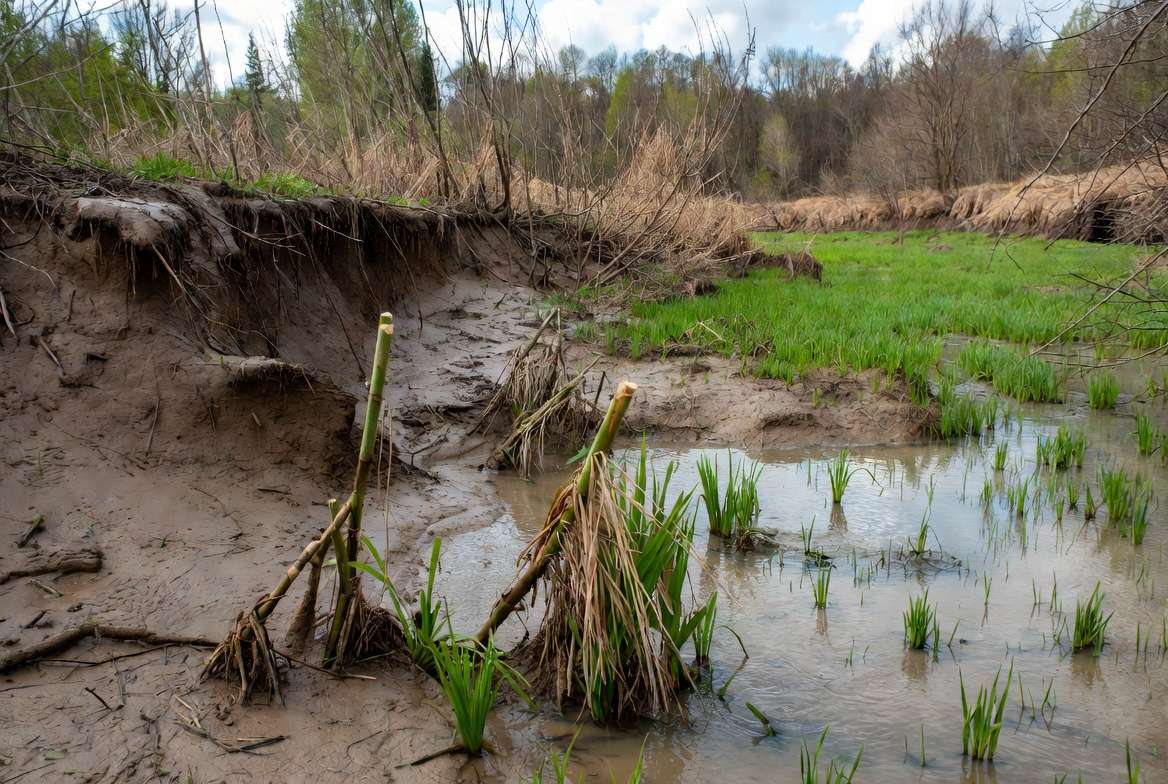
Riverside gardening is uniquely rewarding yet demanding. Riverbanks face frequent flooding, high moisture levels, shifting soils, and occasional drought periods between water events. Choosing the wrong plants often leads to root rot, poor establishment, or plants washing away during high water.
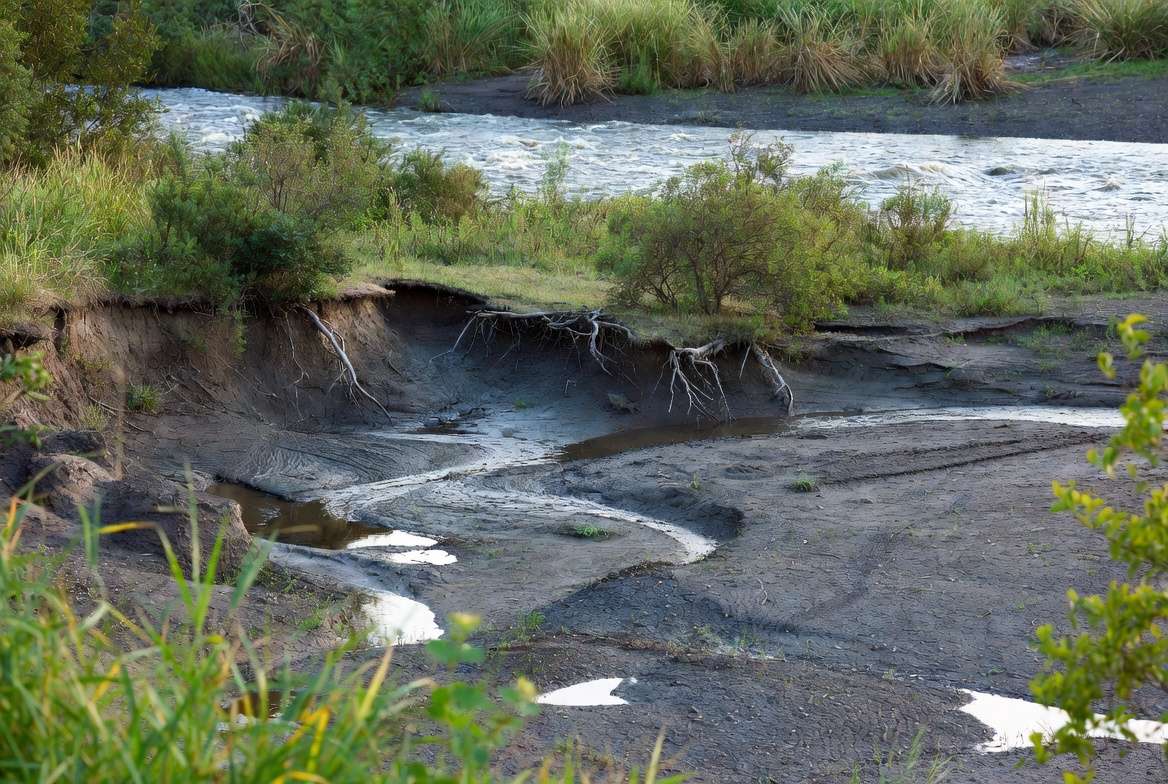
Key Challenges of Riverbank Gardening
- Saturated Soils & Poor Drainage: Most common garden plants fail here due to oxygen-deprived roots.
- Erosion Forces: Fast-moving water and wind can strip away topsoil quickly.
- Variable Sunlight & Microclimates: Areas range from full sun to deep shade depending on river orientation and tree canopy.
- Wildlife & Regulatory Factors: Many regions encourage (or require) native riparian vegetation to protect water quality.
Soil Types and Microclimates Near Rivers Riverbank soils are typically loamy, sandy, or silty with high organic matter from periodic flooding. Testing your soil pH and nutrient levels is the essential first step. In my experience, amending with compost while avoiding heavy clay additions yields the best results for most riverside plants.
Ecological Importance of Riverside Plants Healthy riparian zones filter pollutants, reduce downstream flooding, and support biodiversity. Planting appropriate riverside species contributes to local ecosystems while creating beautiful, functional gardens. Studies from organizations like the USDA and state extension services consistently show that native riparian buffers can reduce erosion by up to 90% when properly established.
Top Benefits of Growing Riverside Plants in Your Garden 🌟
Investing time in the right riverside plants delivers multiple rewards:
- Erosion Control & Bank Stabilization: Deep-rooted trees and shrubs anchor soil effectively.
- Water Purification: Many species naturally filter nutrients and sediments.
- Wildlife Habitat: Attract pollinators, birds, and beneficial insects.
- Aesthetic Beauty & Year-Round Interest: From spring blooms to striking winter bark and structure.
- Lower Long-Term Maintenance: Once established, many riparian plants are remarkably resilient.
- Increased Property Value: Well-designed riverfront landscapes are highly desirable.
Best Riverside Plants for Riverbank Gardens (Comprehensive Species Guide) 🌿
Selecting the right species is the foundation of success. Here’s a detailed breakdown of proven performers, grouped by type.
Native Trees for Riverside Planting 🌳
Willow Species (Salix spp.) Willows are classic riverside plants, famous for rapid growth and flexible branches that root easily. Black Willow and Weeping Willow thrive in wet conditions and provide excellent erosion control. They grow 3–8 feet per year initially. Tip: Use live stakes for quick stabilization projects. ⚡
River Birch (Betula nigra) This elegant tree features striking peeling bark and tolerates both wet feet and occasional flooding. It’s a favorite for ornamental riverbank gardens, reaching 40–70 feet at maturity with a graceful form. Excellent for USDA zones 4–9.
Bald Cypress (Taxodium distichum) A deciduous conifer that’s surprisingly adaptable. Its “knees” (pneumatophores) help it breathe in flooded soils. Stunning golden fall color makes it a standout. Highly recommended for southern and eastern riverbanks.
Red Maple (Acer rubrum) Fast-growing with brilliant autumn foliage. It handles moist to wet soils beautifully and supports numerous pollinators.
Shrubs and Flowering Riverside Plants 🌸
Buttonbush (Cephalanthus occidentalis) This native shrub produces fragrant, spherical white flowers loved by bees and butterflies. It tolerates standing water and grows well in partial shade to full sun.
Elderberry (Sambucus spp.) Edible berries (when properly prepared) and lacy white flowers. Excellent for wildlife and quick coverage. Black Elderberry is particularly vigorous near water.
Inkberry Holly (Ilex glabra) Evergreen option that provides year-round structure and berries for birds. Tolerates wet, acidic soils.
Perennials and Groundcovers That Love Wet Feet 🪻
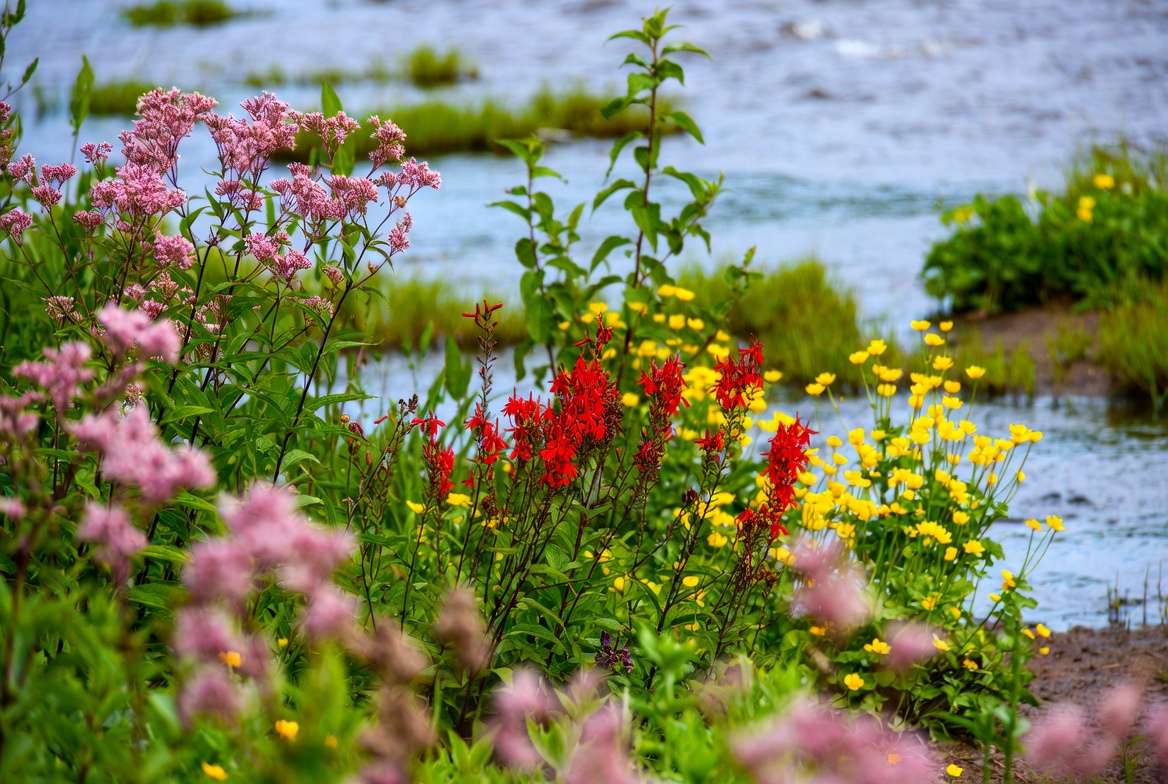
Joe-Pye Weed (Eutrochium purpureum) Tall, pink-purple flower clusters in late summer attract monarchs and other butterflies. Grows 4–7 feet tall and adds dramatic vertical interest.
Cardinal Flower (Lobelia cardinalis) Striking red blooms that hummingbirds adore. Thrives in moist to wet soils and partial shade.
Marsh Marigold (Caltha palustris) Early spring yellow flowers brighten riverbanks. Excellent groundcover for wet areas.
Native Sedges and Rushes These grass-like plants form dense mats that prevent erosion while looking elegant. Carex species are particularly versatile.
Ornamental and Non-Native Options (with Caution) ⚠️
Japanese Iris, Astilbe, and certain daylilies can work in managed riverbank gardens but should never replace natives in ecologically sensitive areas. Always check local invasive species lists before planting.
Expert Recommendation: Prioritize native riverside plants whenever possible. They require less care, support local wildlife better, and are better adapted to regional conditions.
How to Choose the Right Riverside Plants for Your Specific Site 🧭
Success with riverside plants begins with honest site assessment. Rushing this step is one of the most common mistakes I see in consulting work.
Assessing Your Riverbank Conditions Start by observing your site over several seasons if possible. Note flood frequency, water depth during storms, sunlight hours, and soil texture. A simple jar test (shaking soil with water and letting it settle) reveals sand, silt, and clay proportions. Most riverside plants prefer slightly acidic to neutral pH (5.5–7.5).
Matching Plants to Your Goals
- Erosion Control Priority: Willows, buttonbush, and native grasses with fibrous root systems.
- Pollinator Garden: Joe-Pye weed, cardinal flower, and elderberry.
- Privacy Screen: River birch combined with tall shrubs.
- Ornamental Focus: Bald cypress, Japanese iris (in contained areas), and astilbe.
Beginner-Friendly vs Advanced Choices New to riverbank gardening? Start with tough, fast-establishing species like willows and sedges. Once confident, layer in more delicate perennials and specimen trees. Always source plants from reputable local nurseries to ensure disease-free, regionally adapted stock.
Step-by-Step Planting Guide for Riverside Plants 🌱
Proper planting technique dramatically increases survival rates for moisture-loving riparian species.
Best Time to Plant Riverside Species Early spring or fall are ideal in most regions. This allows roots to establish before summer heat or winter freezes. Avoid planting during peak flood season.
Site Preparation and Soil Amendment Techniques Clear invasive weeds and debris. Incorporate 2–4 inches of well-rotted compost into the top 12 inches of soil. For heavy clay banks, mix in coarse sand or gravel to improve aeration without drastically changing drainage. In my projects, using biodegradable coir logs or erosion control blankets during planting has proven highly effective.
Proper Planting Depth and Spacing Plant at the same depth as the nursery container or slightly higher on slopes to prevent rot. Space trees 15–30 feet apart, shrubs 4–8 feet, and perennials 1–3 feet depending on mature size. Overcrowding leads to competition and disease.
Erosion-Control Planting Methods
- Live Staking: Insert dormant willow or dogwood cuttings directly into moist soil.
- Fascines: Bundles of branches laid along contours to slow water flow.
- Coir Logs & Mats: Natural fiber rolls filled with soil and seeds for immediate protection.
Companion Planting Strategies for Riverbanks Combine deep-rooted trees with mid-layer shrubs and ground-hugging perennials. This creates a multi-layered defense against erosion while maximizing beauty and biodiversity. For example, pair River Birch with Buttonbush and Joe-Pye Weed for a stunning, functional combination.
Visual Tip: Imagine a natural riverbank gradient — taller plants closer to the water’s edge in some cases, or stepped back depending on flood risk.
Essential Care and Maintenance for Healthy Riverside Plants 💧
Once planted, riverside plants reward attentive early care with years of low-effort beauty.
Watering Requirements New plantings need consistent moisture for the first 1–2 years. After establishment, many riverside plants tolerate natural fluctuations well. Deep, infrequent watering encourages strong root systems. Avoid daily shallow sprinkling.
Fertilization Best Practices Go easy near waterways to prevent nutrient runoff. Use slow-release, organic fertilizers in spring. Soil tests guide specific needs — excess nitrogen can cause weak, leggy growth in many riparian species.
Pruning and Shaping for Riverbank Species Prune willows and elderberry in late winter or early spring. Remove damaged or crossing branches to maintain airflow. Many riverside plants respond well to coppicing (cutting back hard) for denser growth and erosion control.
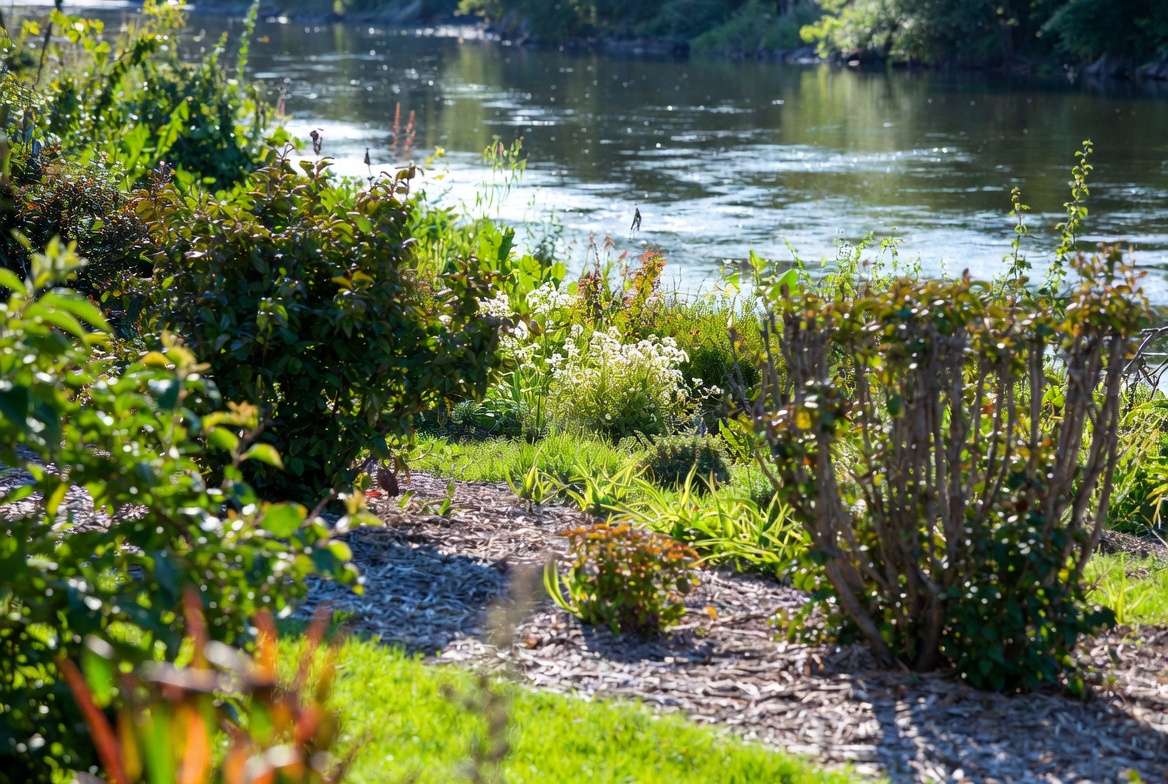
Mulching Techniques Apply 2–4 inches of shredded bark or leaf mulch, keeping it away from stems to prevent rot. Mulch suppresses weeds, retains moisture, and slowly improves soil structure — a win for riverbank gardens.
Seasonal Care Calendar
- Spring: Plant, fertilize lightly, monitor new growth.
- Summer: Water during dry spells, watch for pests.
- Fall: Add mulch, plant spring bloomers.
- Winter: Protect young trees from deer and ice damage; prune dormant plants.
Common Problems and Expert Solutions for Riverside Plants 🛠️
Even experienced gardeners encounter issues. Here’s how to troubleshoot effectively.
Dealing with Flood Damage and Recovery Many riverside plants are surprisingly resilient. After flooding, gently remove debris, trim broken branches, and monitor for rot. Most will rebound with fresh growth if roots remain intact.
Pest and Disease Management Common issues include aphids on willows, fungal leaf spots in overly crowded plantings, and borers. Favor organic solutions like neem oil, beneficial insects, and proper spacing. Healthy, properly sited plants resist problems best.
Invasive Species to Watch Out For Reed canary grass, purple loosestrife, and certain non-native buckthorns can overtake native riverside plants. Regular monitoring and manual removal (or approved herbicides in extreme cases) are essential.
Troubleshooting Yellowing Leaves, Poor Growth, and Erosion Issues Yellow leaves often signal nutrient deficiency or oxygen stress — improve aeration with raised planting areas or organic matter. Slow growth? Check light levels and soil compaction. Persistent erosion may require additional structural reinforcements like rock armoring combined with vegetation.
Pro Tip: Keep a garden journal noting flood events, weather patterns, and plant performance. This data becomes invaluable over time.
Creative Riverside Landscaping Ideas and Design Inspiration 🏡
Transform your riverbank from a simple slope into a captivating landscape:
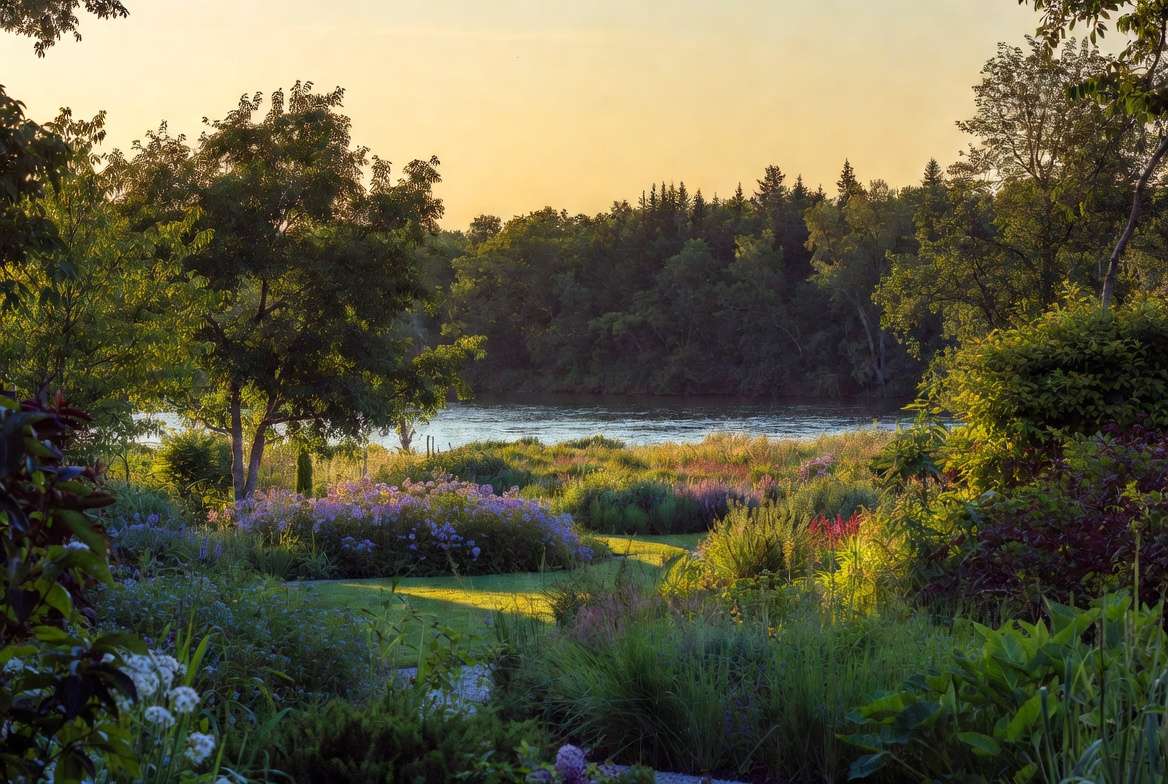
Naturalistic Designs Mimic nature with sweeping drifts of perennials, clustered trees, and winding paths made from wood chips or stepping stones. This style maximizes ecological benefits.
Formal or Semi-Formal Approaches Use symmetrical groupings of River Birch or Bald Cypress with trimmed shrubs for a more structured look suitable for manicured properties.
Layered Planting for Depth Tall background trees → mid-height flowering shrubs → foreground perennials and groundcovers. Add seating areas with benches or Adirondack chairs facing the water for peaceful enjoyment.
Wildlife-Friendly Features Incorporate birdhouses, bat boxes, and small pollinator water stations (shallow dishes with pebbles). Avoid chemicals to keep the habitat safe.
Real-world case study: On a recent project along a Midwestern river, we combined native willows for quick stabilization with colorful perennials. Within three years, the bank was fully stabilized, erosion was eliminated, and the owners enjoyed increased wildlife sightings and property pride.
Sustainability and Legal Considerations 🌍
Before planting, check local regulations. Many areas near waterways require permits or follow specific guidelines to protect water quality. Working with your county extension office or conservation district ensures compliance while accessing free expert advice and sometimes cost-share programs for riparian buffers.
Embrace sustainable practices:
- Source local native plants.
- Use rainwater harvesting where feasible.
- Practice integrated pest management (IPM).
- Avoid plastic mulches or synthetic chemicals near water.
These steps not only protect the environment but often result in healthier, more resilient gardens.
Conclusion
Creating a thriving riverbank garden with the right riverside plants is one of the most satisfying projects in horticulture. By understanding your site, choosing appropriate native and adapted species, planting thoughtfully, and providing attentive early care, you can enjoy a beautiful, functional, and ecologically valuable landscape for decades.
The combination of practical erosion control, stunning seasonal beauty, and support for local biodiversity makes this effort truly worthwhile. Start small if needed — even a few well-chosen willows and perennials can make a dramatic difference.
I encourage you to assess your riverfront space this season and begin planning. Share your progress or questions in the comments below — I love hearing success stories and offering additional tailored advice. For more plant care guidance, explore our guides on native trees, wetland gardening, and sustainable landscaping.
Happy planting, and may your riverside garden flourish! 🌊🌿✨
FAQs
What are the best riverside plants for erosion control? Willows, buttonbush, and native sedges offer excellent root systems for stabilizing banks.
Can I plant riverside species if my yard floods occasionally? Yes — many are specifically adapted to periodic flooding. Focus on proven flood-tolerant varieties.
How fast do willow trees grow near water? They are among the fastest, often adding several feet per year in ideal conditions.
Are there riverside plants safe for pets? Many natives like river birch and Joe-Pye weed are generally safer, but always verify specific toxicity.
How do I prevent invasive plants from taking over? Regular monitoring, mulching, and favoring aggressive native species help maintain balance.











