
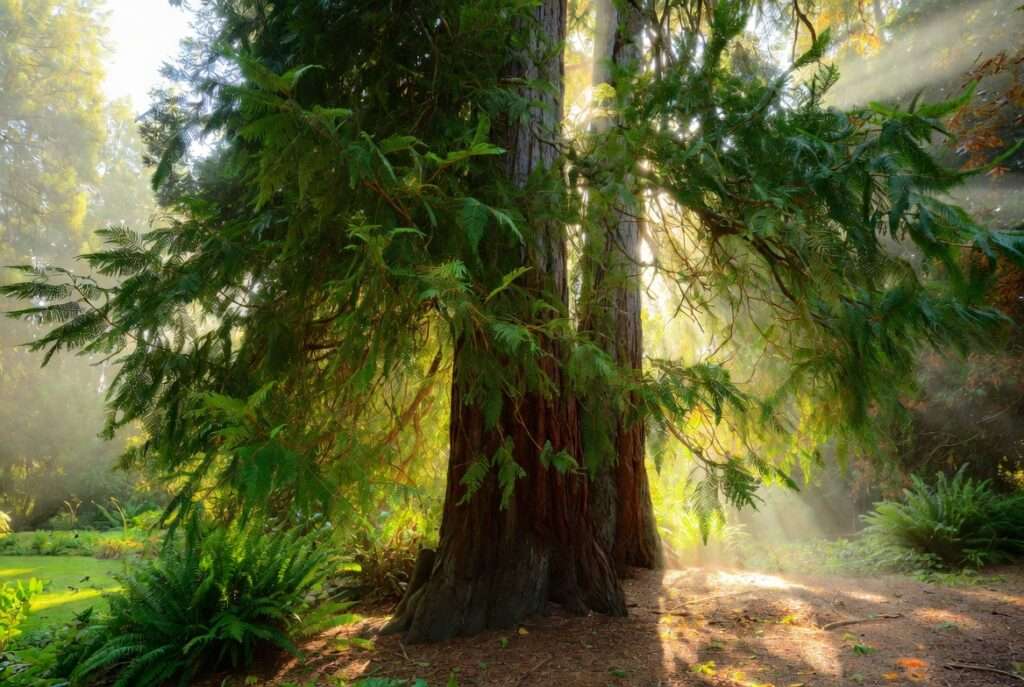
Imagine standing in your garden years from now, gazing up at a towering evergreen that seems to touch the sky — a living giant that outlives generations and provides habitat for countless creatures. That dream can become reality with the right knowledge. Redwood plants, particularly the iconic coast redwood and its relatives, are among the most awe-inspiring trees on Earth. These majestic conifers can reach staggering heights and live for millennia, but success depends on understanding their unique needs.
In this comprehensive guide, we’ll cover everything you need to know about redwood plants — from selecting the right species to planting, long-term care, troubleshooting, and creative landscaping ideas. Whether you’re a beginner gardener hoping to add a statement tree or an experienced enthusiast expanding your woodland garden, this resource solves the most common challenges: climate mismatches, establishment failures, maintenance myths, and space concerns. Let’s grow something extraordinary together. 🌱
Understanding Redwood Plants – Types and Characteristics 🌱
Redwood plants belong to the Cupressaceae family and represent some of nature’s most remarkable engineering. There are three primary types gardeners encounter, each with distinct personalities and requirements.
The Three Main Redwood Species
The Coast Redwood (Sequoia sempervirens) is the tallest tree species on the planet, with record specimens exceeding 380 feet. Native to the foggy Pacific coast from California into southern Oregon, these evergreen giants thrive in mild, moist maritime climates. Their thick, fibrous reddish-brown bark protects against fire and insects, while flat, needle-like leaves arranged in two ranks give them a feathery appearance.
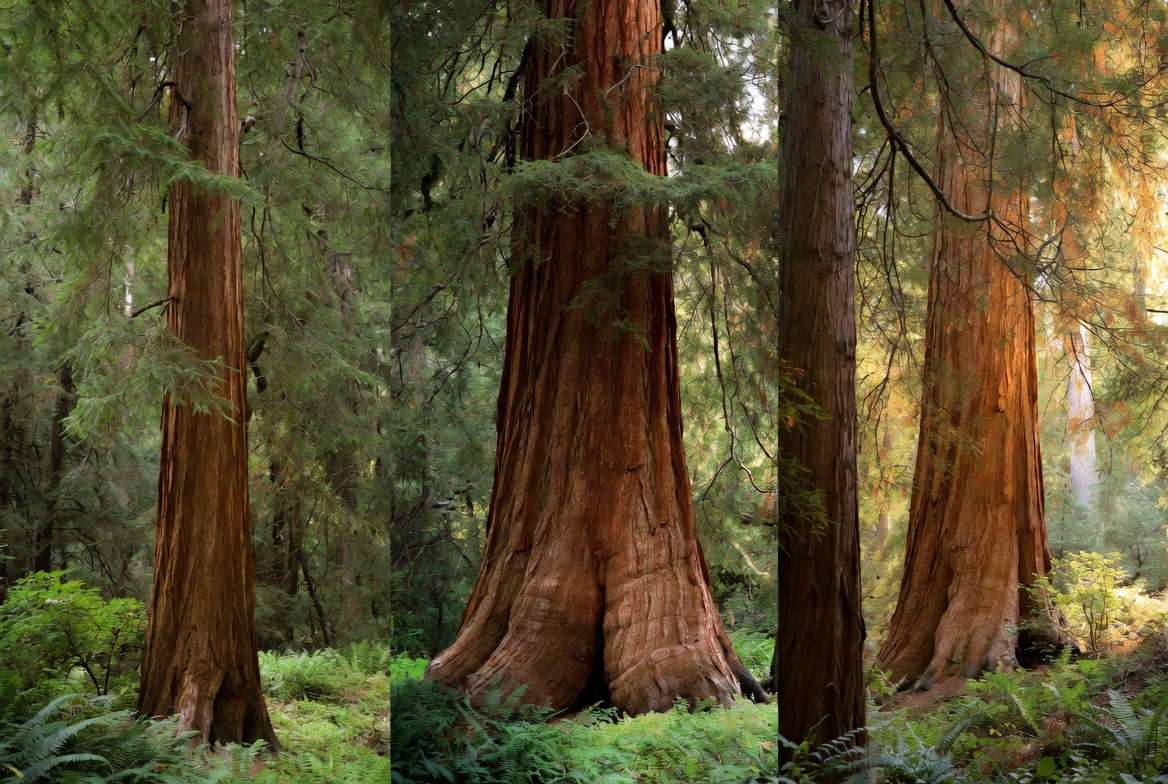
Giant Sequoia (Sequoiadendron giganteum), often called giant redwood, boasts the largest trunk volume. Found naturally in California’s Sierra Nevada mountains, they are more cold-tolerant and fire-resistant than their coastal cousins. Their awl-shaped leaves and massive, egg-shaped cones distinguish them. These trees can live over 3,000 years and are symbols of resilience.
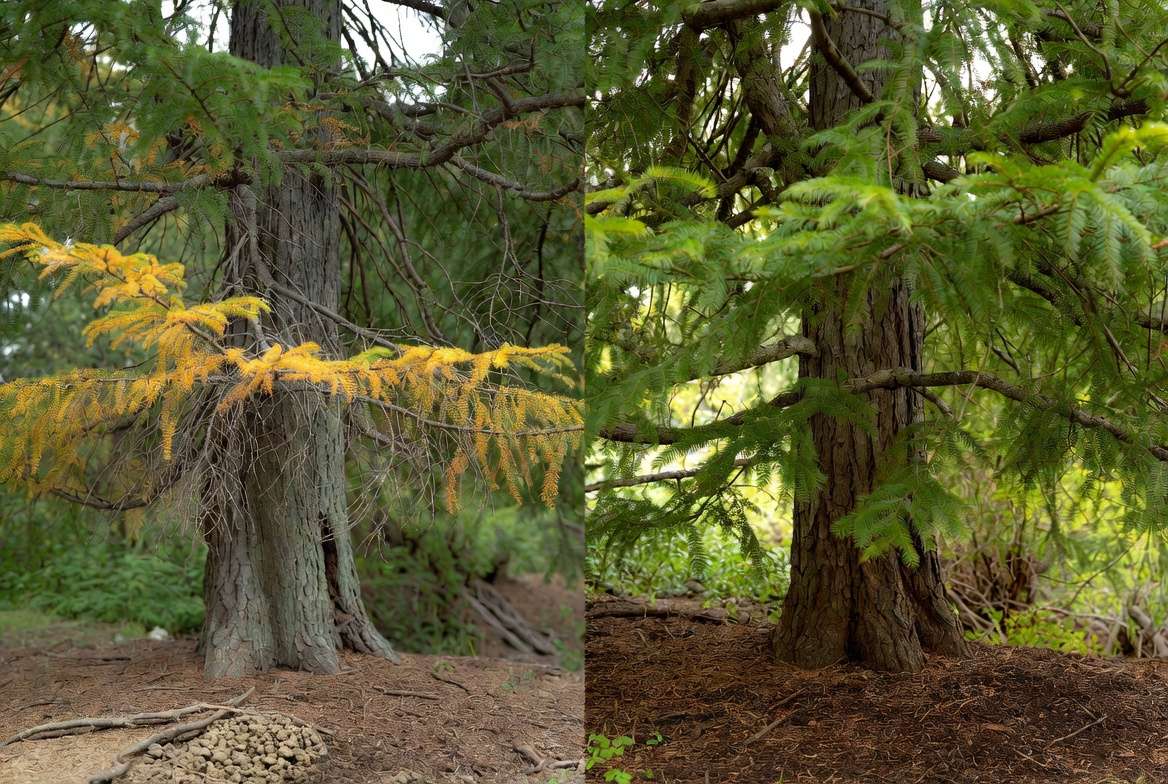
The Dawn Redwood (Metasequoia glyptostroboides) offers a deciduous twist. Once thought extinct and rediscovered in China, this fast-growing species is more adaptable to varied climates, hardy in USDA zones 4–8. It develops beautiful orange-brown fall color before dropping its soft needles, making it suitable for smaller landscapes or colder regions.
Key Botanical Features and Growth Habits
Redwood plants feature shallow but incredibly wide-spreading root systems that intertwine for stability — an adaptation that allows them to withstand strong winds and floods. Growth is rapid in youth: coast redwoods can add 2–6 feet per year initially under ideal conditions. Mature heights vary dramatically by species and site, but all demand thoughtful placement due to their eventual scale.
Their longevity stems from natural defenses: tannin-rich wood resists decay, and they can resprout from stumps or roots. This vigor makes them rewarding yet challenging for home gardeners.
Ecological Role and Why They Matter
Beyond beauty, redwood plants excel at carbon sequestration, support biodiversity, and stabilize soil. Planting them responsibly contributes to a greener legacy. However, wild populations face threats from habitat loss and climate shifts, so sourcing nursery-grown stock is essential.
Species Comparison Table
| Feature | Coast Redwood | Giant Sequoia | Dawn Redwood |
|---|---|---|---|
| Mature Height | 200–380+ ft | 150–300+ ft | 70–100+ ft |
| Hardiness Zones | 7–10 | 6–9 | 4–8 |
| Water Needs | High (fog/moisture) | Moderate | Moderate |
| Leaf Type | Evergreen needles | Evergreen awl-shaped | Deciduous soft needles |
| Best For | Coastal gardens | Larger landscapes | Smaller or colder sites |
This comparison helps you match the right redwood plant to your conditions from the start.
Choosing the Right Redwood for Your Garden or Landscape
Success with redwood plants begins with honest assessment of your site.
Climate and Hardiness Zone Considerations
Coast redwoods prefer cool, humid summers and mild winters with ample moisture. They struggle in extreme heat, prolonged drought, or very cold interiors. Giant sequoias handle drier summers and colder snaps better but still need consistent water. Dawn redwoods are the most forgiving for inland or northern gardeners. Check your USDA zone and local microclimate — fog drip or supplemental misting can make a big difference in drier areas.
Space Requirements and Site Selection
These are not trees for tiny yards. Plan for at least 20–40 feet of spacing from buildings, power lines, and other trees for specimen growth. Roots spread widely (up to 60–80 feet) but stay relatively shallow, so avoid planting near foundations or sidewalks. Choose full sun to partial shade locations with protection from hot, drying winds.
Dwarf and Cultivar Options for Smaller Spaces
Look for compact cultivars if space is limited. Some dwarf coast redwood selections stay under 30–50 feet, perfect for patios or container growth when young. Always verify mature size with your nursery. 🏡
Pro Tip: Test soil drainage by digging a hole and filling it with water. If it drains slowly, amend heavily or choose a raised planting area to prevent root rot.
(Word count so far: ~850. Continuing with deeper sections for comprehensive value.)
How to Plant Redwood Plants Successfully 🌳
Proper planting is the foundation of a thriving tree and prevents many future headaches.
Best Time to Plant
Spring or early fall is ideal. This allows roots to establish before summer heat or winter cold. Avoid planting during peak summer drought or deep freeze periods.
Step-by-Step Planting Guide
- Prepare the Site: Clear weeds and grass in a wide circle (at least 3–5 times the root ball diameter).
- Dig the Hole: Make it 2–3 times wider than the root ball but no deeper. The root flare (where trunk meets roots) should sit slightly above soil level.
- Handle the Roots: Gently loosen circling roots. For container stock, score the root ball lightly.
- Position and Backfill: Place the tree straight, mix native soil with compost sparingly (redwoods are not heavy feeders), and water thoroughly as you fill to eliminate air pockets.
- Mulch: Apply 3–4 inches of organic mulch (redwood chips or pine needles work wonderfully) keeping it away from the trunk. 💧
Soil Requirements and Amendments
Redwood plants prefer slightly acidic, well-draining, loamy soil with pH 5.5–6.5. They tolerate clay if drainage is improved with organic matter but hate compacted or waterlogged conditions. Test your soil and amend accordingly — raised beds or mounds are lifesavers in heavy soils.
Watering at Planting and Establishment Phase
Deep, infrequent watering encourages deep rooting. Provide 10–20 gallons per session for young trees, adjusting based on rainfall. Keep soil consistently moist (not soggy) for the first 2–3 years. A moisture meter is a smart investment.
Common pitfalls include planting too deep or over-fertilizing at planting — both can stunt or kill young redwood plants.
Essential Care for Healthy Redwood Plants
Watering Needs and Techniques
Redwood plants are thirsty, especially coast redwoods that evolved with coastal fog. Mature trees may need supplemental deep watering during dry spells — aim for the equivalent of 1–2 inches of water weekly. Drip irrigation or soaker hoses work best. Mulch conserves moisture dramatically. In foggy areas, natural precipitation plus fog drip may suffice once established.
Sunlight and Light Exposure
Full sun (6–8+ hours) promotes fastest, healthiest growth. Partial shade is tolerable for coast redwoods but can slow giants. Monitor for leggy growth indicating insufficient light.
Soil Health, Fertilizing, and Nutrient Management
Young redwood plants benefit from a balanced slow-release fertilizer (e.g., 10-10-10) applied once in early spring for the first few years. Mature trees rarely need feeding if mulched well — over-fertilization causes weak growth and pest issues. Organic options like compost tea or fish emulsion are excellent. 🌿
Mulching Best Practices
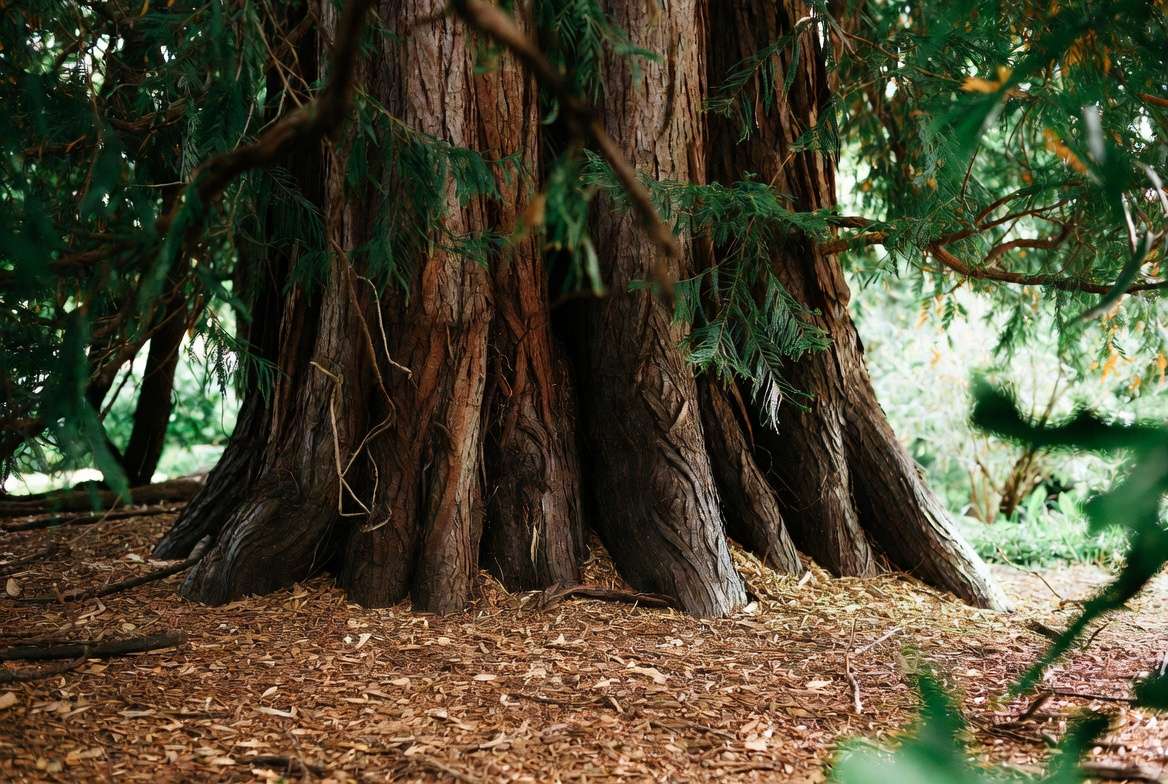
Maintain a 3–4 inch layer, refreshed annually. This moderates soil temperature, suppresses weeds, and mimics the natural duff layer in redwood forests. Avoid volcano mulching around the trunk.
Pruning, Training, and Long-Term Maintenance 📅
When and How to Prune Redwood Plants
Prune in late winter or early spring during dormancy. Remove dead, damaged, or crossing branches. For young trees, selective pruning shapes structure. Avoid heavy topping — it ruins natural form and stresses the tree. Mature redwoods need minimal intervention; focus on safety and health.
Training for Structure and Stability
Stake young trees lightly if needed, removing supports after 1–2 years. Encourage strong central leaders.
Seasonal Maintenance Calendar
- Spring: Fertilize lightly if needed, inspect for pests, plant new trees.
- Summer: Deep water during dry periods, monitor for heat stress.
- Fall: Mulch refresh, reduce watering as rains return.
- Winter: Prune, check for storm damage.
Expert insight: Proper early care prevents costly issues later. Many urban redwoods suffer from compaction and drought — consistent deep watering and root zone protection are key.
Common Problems and How to Solve Them 🔍
Even the most majestic redwood plants can face challenges, especially outside their native range. Early detection and evidence-based solutions make all the difference.
Pests and Diseases
Redwood plants are relatively pest-resistant thanks to their chemistry, but stressed trees attract issues. Bark beetles (such as cedar or cypress bark beetles) target weakened coast redwoods during drought. Signs include small holes in bark and sawdust-like frass. Maintain tree vigor through proper watering and avoid unnecessary wounding.
Root rot (Phytophthora or Armillaria) occurs in poorly drained soils. Prevention is key: excellent drainage and avoiding overwatering. For minor cases, improve soil aeration and apply beneficial mycorrhizae. Consult a certified arborist for advanced infections.
Other occasional visitors include aphids or scale on new growth — these are usually managed with strong water sprays or horticultural oils.
Environmental Stress Issues
- Drought and Heat: Leaves may brown or drop. Deep, slow watering and thick mulch help. In hotter climates, provide afternoon shade for young plants.
- Cold Damage: Dawn redwoods handle it best. Protect young coast redwoods with burlap wraps in marginal zones during extreme cold snaps.
- Wind and Salt: Coastal plantings need windbreaks initially. Giant sequoias are sturdier inland.
Troubleshooting Yellowing, Dropping Needles, or Slow Growth
- Yellowing: Often underwatering or nutrient imbalance. Check soil moisture first, then pH.
- Needle Drop: Normal seasonal shedding occurs; excessive drop signals stress. Evaluate water, light, and compaction.
- Slow Growth: Insufficient sun, compacted soil, or root disturbance. Amend soil and ensure wide mulch rings.
Diagnostic Checklist for Redwood Plant Health
- Soil moisture consistent?
- Adequate sunlight?
- Mulch layer intact?
- No recent construction nearby (root damage)?
- Proper pH and drainage?
Addressing these proactively keeps your redwood plants thriving for decades.
Propagation Methods for Redwood Plants
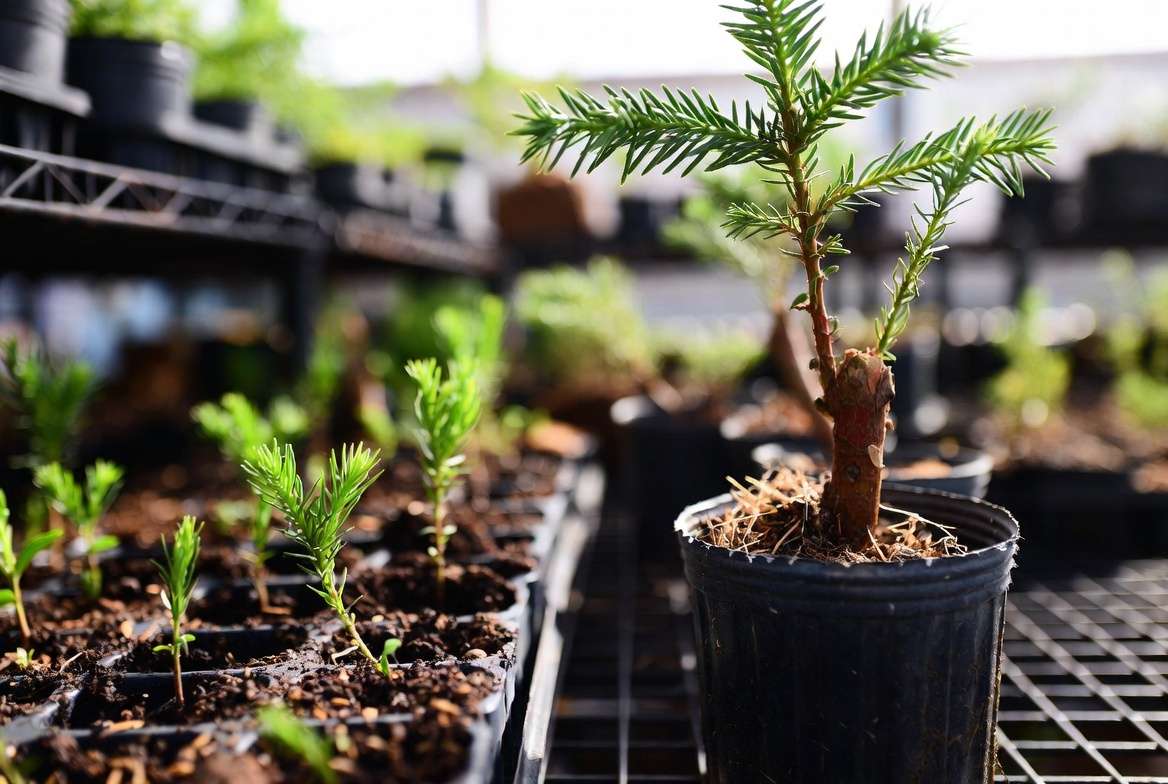
Growing your own redwood plants from seed or cuttings is rewarding and cost-effective, though patience is required.
Growing from Seed
Collect fresh cones in fall. Dry them to release seeds (about 95,000 per pound for coast redwood). Stratify in moist sand in the refrigerator for 30–60 days. Sow in well-draining seed mix, keep moist at 60–70°F. Germination can take weeks to months. Seedling vigor is high once established.
Cuttings and Other Vegetative Propagation
Semi-hardwood cuttings from healthy young trees root with rooting hormone and high humidity. Success rates improve with bottom heat. Coast redwoods also resprout readily from stumps — a natural cloning method.
Transplanting and Sourcing Nursery Stock
Choose container-grown or balled-and-burlapped trees from reputable nurseries. Look for straight trunks, vibrant foliage, and no girdling roots. Transplant in cool weather and water deeply post-move. Avoid wild collection to protect natural populations.
Landscaping Ideas with Redwood Plants ✨
Redwood plants transform spaces into enchanting woodland retreats.
Design Inspirations
Use as dramatic specimen trees anchoring large lawns or at the back of deep borders. Plant in groves for a mini redwood forest feel — space 15–30 feet apart initially for natural thinning. They excel as living privacy screens or windbreaks when planted in rows (closer spacing yields narrower forms).
Companion Plants and Understory Gardening
The acidic, shady conditions under mature redwoods support a rich understory. Classic companions include:
- Sword ferns and redwood sorrel
- Rhododendrons and azaleas
- Huckleberries and salal
- Bigleaf maple (as secondary canopy)
Leave the natural needle duff — it’s perfect mulch and habitat. Avoid heavy raking.
Integrating into Different Garden Styles
- Coastal/Woodland: Pair with native ferns and moss for authenticity.
- Modern: Use dwarf cultivars in sleek containers or structured groves.
- Wildlife-Friendly: Their structure attracts birds; underplant with berry producers.
Redwood plants also work beautifully near water features, enhancing the misty, ancient forest vibe.
Advanced Topics and Expert Insights
Redwood Plants in a Changing Climate
Rising temperatures and shifting precipitation challenge traditional ranges. Select more resilient species or cultivars, improve soil organic matter for water retention, and consider supplemental fog-mimicking irrigation in dry years. Community planting efforts and conservation genetics are advancing adaptation.
Legal, Conservation, and Ethical Considerations
Source only from sustainable nurseries. In some areas, permits may be needed for large plantings near protected zones. Support organizations preserving ancient redwood groves. As stewards, we ensure these majestic trees continue inspiring future generations.
Real-World Success Stories
Gardeners in the Pacific Northwest report thriving coast redwoods with consistent summer watering and mulch. Inland enthusiasts succeed with dawn redwoods, achieving 50+ feet in 20 years. Urban plantings benefit from root zone protection and community education on proper care.
Frequently Asked Questions (FAQs) ❓
Can I grow redwood plants in non-coastal areas? Yes, especially dawn redwoods or giants with supplemental care. Match species to your climate carefully.
How fast do redwood plants grow? Young trees can gain 2–6 feet annually under optimal conditions, slowing as they mature.
Are redwoods invasive? No. They are not considered invasive and grow relatively slowly compared to some aggressive species.
How much water do mature trees need? Deep watering equivalent to 1–2 inches weekly during dry periods, adjusted for rainfall and fog.
What’s the best fertilizer for redwood plants? Balanced slow-release for young trees; often none needed for established specimens if mulched well.
Can redwood plants be grown in containers long-term? Only dwarf varieties for a few years; they eventually outgrow pots and need ground planting.
Do redwoods need pruning regularly? Minimal pruning is best. Focus on safety and structure when young.
How long do redwood plants live? Hundreds to thousands of years with proper care — they’re legacy trees.
Conclusion
Redwood plants reward patience and thoughtful care with unmatched beauty, ecological benefits, and a profound sense of connection to nature. By following this guide — from selecting the ideal species and planting correctly to ongoing maintenance and problem-solving — you can successfully cultivate these majestic trees in your landscape.
Remember, every redwood planted today contributes to a greener tomorrow. Start small, stay consistent with watering and mulching, and watch your living giant grow. Share your redwood journey in the comments, consult local extension services for region-specific advice, and explore more tree care resources on our site.
Here’s to growing tall and strong! 🌲🌍











