
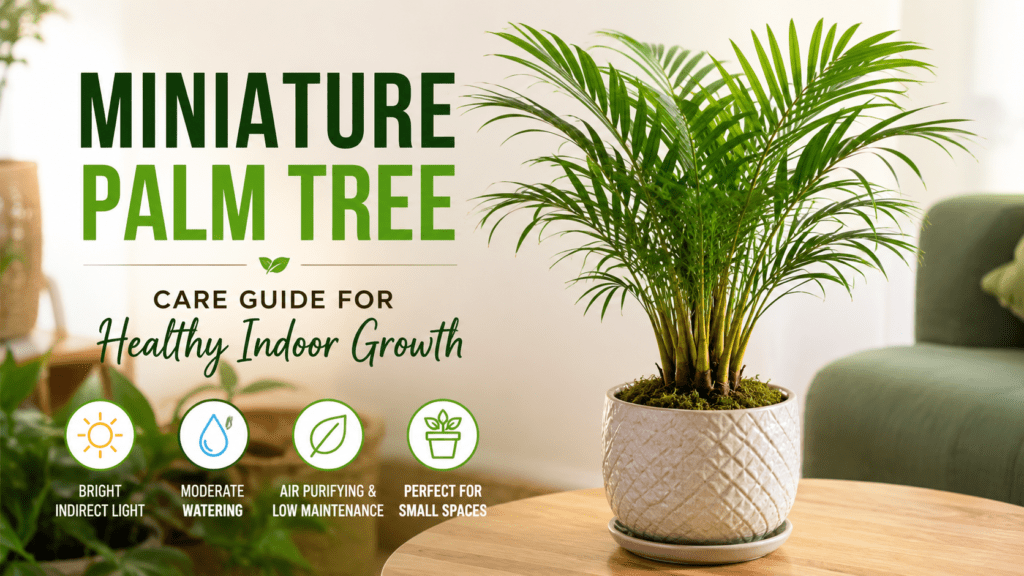
Imagine stepping into your living room and being greeted by the gentle sway of lush green fronds, instantly transporting you to a peaceful tropical paradise — all without leaving home. A thriving miniature palm tree can make this dream a reality, adding elegance, freshness, and vibrant life to even the smallest spaces. Yet many plant lovers bring home these charming palms only to watch them struggle with yellowing leaves or stunted growth.
As a horticulturist with over 18 years of hands-on experience cultivating tropical plants in diverse climates, I’ve helped thousands of enthusiasts successfully nurture miniature palm trees. This comprehensive guide distills everything you need to know — from choosing the right variety to mastering advanced care techniques — so you can enjoy a healthy, long-lived miniature palm tree that becomes the centerpiece of your home or garden. Whether you’re a beginner or an experienced green thumb, you’ll find practical, proven solutions here. 🌿
What Is a Miniature Palm Tree? Understanding These Tropical Beauties 🪴
Miniature palm trees are compact varieties of palms that typically stay under 6–10 feet tall even at maturity, making them ideal for indoor environments, balconies, and small patios. Unlike their towering outdoor cousins that can reach 50 feet or more, these smaller palms deliver the same graceful architecture and tropical charm in a manageable package.
Key Characteristics That Make Them “Miniature” These plants feature slender trunks (often called canes), feathery or fan-shaped fronds, and a relatively slow growth rate. Most thrive in USDA zones 9–11 but adapt beautifully as houseplants in cooler regions. Their compact root systems allow them to flourish in containers, and many varieties are surprisingly forgiving once you understand their basic needs.
Difference Between Miniature Palms and Full-Sized Palm Trees Full-sized palms demand vast space and deep soil, while miniature palms are bred or naturally selected for smaller stature. This makes them far more suitable for modern living spaces where ceiling height and square footage are limited. They also tend to have lower water and nutrient demands once established.
Ideal Growing Zones and Climate Preferences Miniature palms love warm, humid conditions with bright indirect light. In my experience working with clients across different regions, varieties like the Parlor Palm perform exceptionally well even in low-light city apartments, while others prefer brighter outdoor spots in frost-free areas.
Understanding these fundamentals is the first step toward preventing common mistakes and setting your miniature palm tree up for years of success. 🌱
Top Benefits of Growing Miniature Palm Trees
Beyond their stunning visual appeal, miniature palm trees offer numerous practical advantages that make them a smart choice for plant enthusiasts:
- Natural Air Purifiers: Like many tropical houseplants, they filter toxins such as formaldehyde and benzene from indoor air, contributing to healthier living spaces.
- Stress-Reducing Beauty: The soft rustling of fronds and tropical aesthetic have been shown to lower stress and boost mood — perfect for home offices or bedrooms.
- Space Efficiency: They fit beautifully in corners, near windows, or on patios without overwhelming the area.
- Longevity: With proper care, many miniature palms can live 20–50 years, becoming cherished family heirlooms.
Homeowners and renters alike appreciate how these plants elevate interior design while requiring less maintenance than flowering plants that need frequent deadheading. 🏡
Best Miniature Palm Tree Varieties for Home Growers 🌴
Selecting the right variety is crucial for long-term success. Here are the most popular and reliable options:
Parlor Palm (Chamaedorea elegans) – The Classic Choice This is the go-to miniature palm for beginners. It tolerates low light exceptionally well, grows slowly (reaching 3–6 feet indoors), and has elegant, arching fronds. Its pet-friendly nature makes it safe for households with curious cats and dogs.
Pygmy Date Palm (Phoenix roebelenii) A bit more dramatic with its spiky trunk and feathery leaves, the Pygmy Date Palm can reach 6–10 feet. It prefers brighter light and makes a bold statement in well-lit rooms or protected outdoor areas.
Lady Palm (Rhapis excelsa) Known for its fan-shaped leaves and clumping growth habit, the Lady Palm is incredibly hardy and tolerant of lower light and varying humidity. It’s an excellent choice for offices and north-facing windows.
Cat Palm and Other Noteworthy Options The Cat Palm offers a bushier appearance, while some rarer varieties like the Bamboo Palm provide a sleek, modern look.
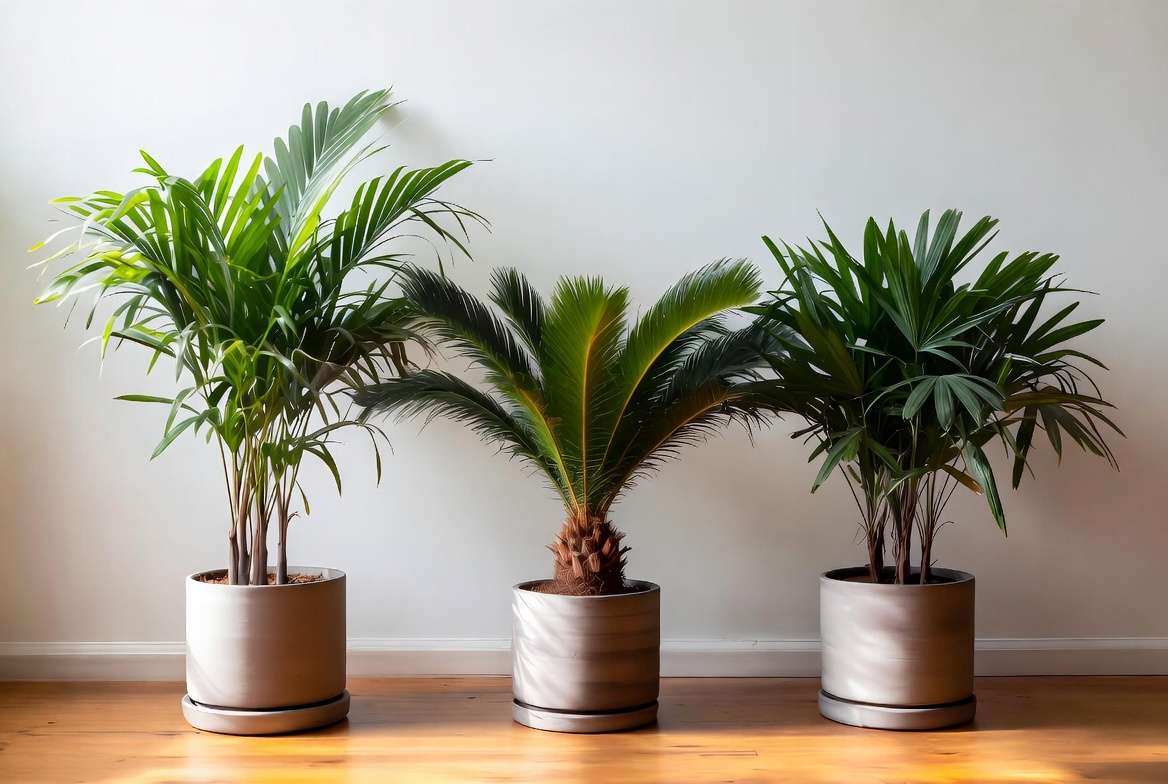
Quick Comparison Table (visualize as a clean table in the final published version):
| Variety | Light Needs | Max Indoor Height | Maintenance Level | Pet Safe? |
|---|---|---|---|---|
| Parlor Palm | Low to Medium | 3–6 ft | Low | Yes |
| Pygmy Date Palm | Bright Indirect | 6–10 ft | Medium | Yes |
| Lady Palm | Low to Bright | 5–8 ft | Low | Yes |
Choose based on your lighting conditions and available space for the best results. In my years of consulting, matching the variety to the environment prevents 80% of common care issues.
Choosing and Planting Your Miniature Palm Tree
How to Select a Healthy Plant When shopping, look for deep green fronds without brown tips, firm trunks, and no signs of pests. Avoid plants sitting in waterlogged soil or those with damaged roots visible at the drainage holes.
Best Potting Mix and Containers Use a well-draining mix: 50% peat or coco coir, 30% perlite, and 20% pine bark. Terracotta or ceramic pots with multiple drainage holes work best to prevent root rot — the top killer of miniature palm trees.
Planting Steps
- Gently remove the plant from its nursery pot.
- Loosen circling roots.
- Place in a new pot 1–2 inches larger, filling with fresh mix.
- Water thoroughly and allow to drain.
Repotting Guide Repot every 2–3 years in spring. Signs it’s time include roots emerging from drainage holes or slowed growth despite proper care.
Light Requirements – Helping Your Palm Thrive Without Burning 🌞
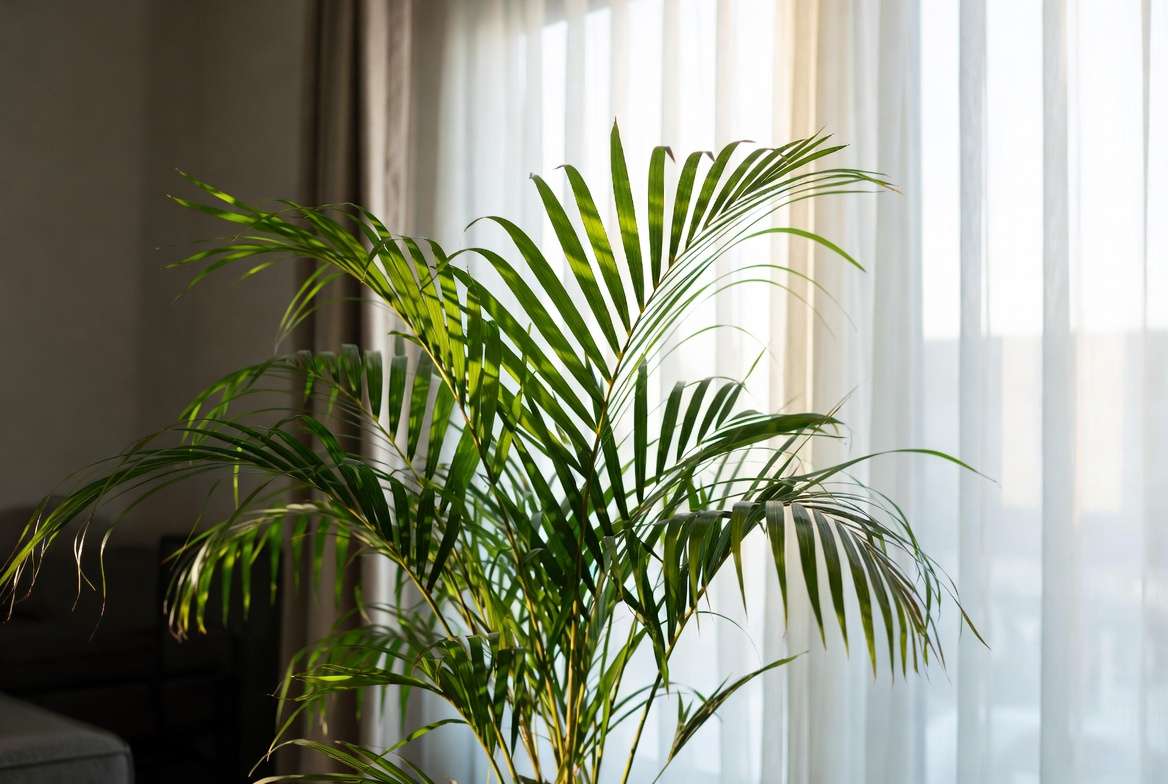
Proper lighting is essential for photosynthesis and vibrant green color. Most miniature palm trees prefer bright, indirect light — think east or west-facing windows with sheer curtains.
Signs of Light Problems
- Too little light: Leggy growth, pale leaves, slow development.
- Too much direct sun: Scorched brown patches on fronds.
Practical Solutions
- Use grow lights with full-spectrum bulbs during winter months.
- Rotate your plant weekly for even growth.
- For outdoor placements, provide morning sun and afternoon shade in hotter climates.
Seasonal adjustments are key. In summer, protect from intense midday rays; in winter, move closer to windows to compensate for shorter days. Many of my clients have successfully maintained lush miniature palms in low-light conditions by supplementing with affordable LED grow lights.
Watering Mastery – The #1 Reason Miniature Palms Struggle 💧
Overwatering and underwatering are the most frequent issues I encounter when troubleshooting miniature palm trees. These tropical beauties prefer consistently moist but never soggy soil.
Seasonal Watering Schedule
- Spring/Summer: Water when the top 1–2 inches of soil feel dry (usually every 7–10 days).
- Fall/Winter: Reduce to every 10–14 days or more, as growth slows.
The Finger Test Technique Insert your finger into the soil up to the second knuckle. If it feels dry, it’s time to water. Always water at the base until it drains out the bottom — never let the pot sit in a saucer full of water.
Humidity Tips Miniature palms love 50–60% humidity. Use a pebble tray with water, group plants together, or run a cool-mist humidifier. Misting the fronds occasionally helps replicate their natural rainforest habitat.
Overwatering vs Underwatering Symptoms
- Yellow lower leaves + soft stems: Usually overwatering/root rot.
- Brown crispy tips + dry soil: Underwatering.
Fix root rot by removing affected roots, repotting in fresh soil, and holding off on water until recovery begins. Consistent, mindful watering will transform struggling palms into show-stoppers.
Soil, Fertilizer, and Nutrition for Vibrant Growth 🧪
The right soil foundation supports strong root development and prevents many problems. A lightweight, aerated mix prevents compaction while retaining necessary moisture.
Recommended Fertilizing Schedule Fertilize during the growing season (spring through early fall) every 4–6 weeks with a balanced, diluted liquid fertilizer (e.g., 10-10-10) or a palm-specific formula. Reduce or stop in winter when the plant rests.
Identifying Deficiencies
- Yellowing between veins: Magnesium or iron deficiency (common in alkaline soils).
- Brown tips: Potassium shortage or salt buildup from over-fertilizing.
Flush the soil periodically with plain water to remove mineral buildup. Organic options like compost tea or worm castings provide gentle, sustained nutrition that I’ve seen produce superior long-term health in client gardens.
Temperature, Humidity & Seasonal Care 🌡️
Miniature palm trees generally prefer daytime temperatures between 65–80°F (18–27°C) and nighttime temperatures above 55°F (13°C). They are sensitive to cold drafts from windows or doors, as well as sudden temperature fluctuations from heating vents or air conditioning.
Winter Protection Strategies In cooler climates, move outdoor or patio palms indoors before temperatures drop below 50°F. Use frost cloth for brief cold snaps if they must stay outside. Indoors, avoid placing them directly next to heaters, which can dry out the air and cause brown leaf tips.
Summer Care Outdoor miniature palms benefit from a sheltered spot with dappled sunlight. Bring them inside during extreme heat waves if humidity drops significantly. Consistent humidity and stable temperatures are the secret to lush, vibrant fronds year-round.
Pro Tip from Experience: I recommend using a digital thermometer/hygrometer combo near your plants. Tracking conditions helps you catch issues early and adjust care proactively.
Pruning, Propagation & Maintenance Tips ✂️
Regular maintenance keeps your miniature palm tree looking tidy and promotes healthy new growth.
When and How to Prune Remove only completely brown or dead fronds using sterilized pruning shears. Never cut green leaves — this can stress the plant and slow growth. Trim brown tips on otherwise healthy fronds with sharp scissors for a cleaner appearance.
Easy Propagation Methods
- From Seeds: Possible but slow. Soak seeds in warm water for 24 hours before planting in moist, warm soil. Germination can take 1–3 months.
- Division: For clumping varieties like Lady Palm, carefully separate offsets during repotting. This is the fastest way to create new plants.
Cleaning Leaves Wipe fronds gently with a damp cloth every few weeks to remove dust. This improves photosynthesis and keeps your palm looking glossy and vibrant. Avoid leaf shine products, which can clog pores.
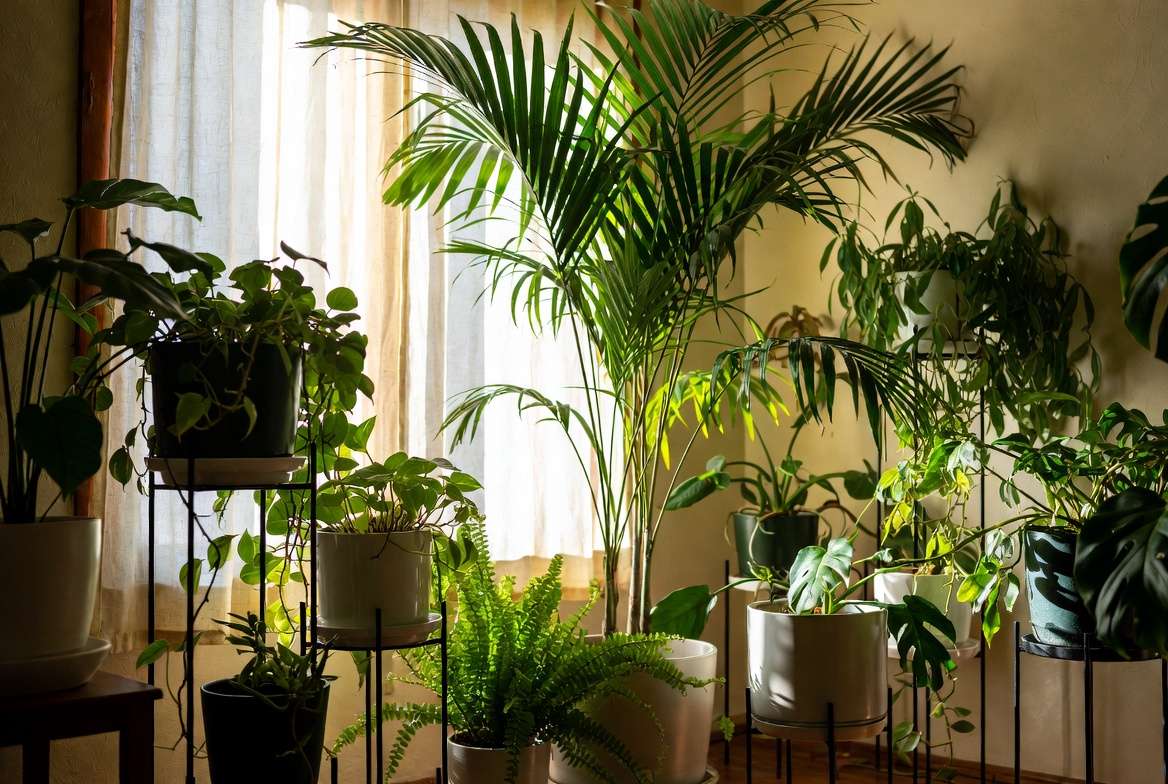
Styling Ideas Group your miniature palm with ferns, snake plants, or peace lilies for a stunning indoor jungle effect. Use decorative pots that complement your home decor — macramé hangers or elevated stands work beautifully for smaller specimens.
Common Problems and How to Fix Them (Troubleshooting Guide) ⚠️
Even the best-cared-for miniature palm trees can face challenges. Here’s how to diagnose and resolve the most common issues:
Yellow Leaves, Brown Tips, and Pests
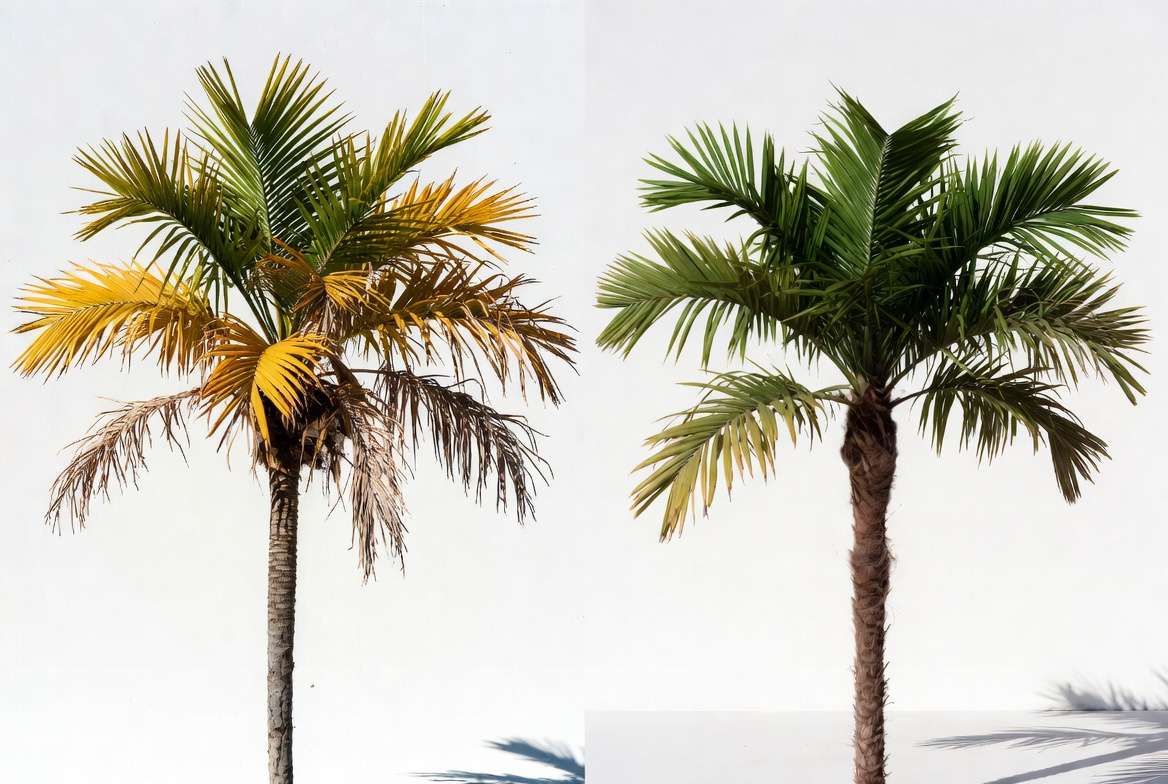
- Yellowing: Often due to overwatering or nutrient deficiency. Adjust watering and apply a balanced fertilizer.
- Brown Tips: Typically caused by low humidity, fluoride in tap water, or underwatering. Switch to distilled or rainwater when possible.
- Common Pests (Spider Mites, Mealybugs, Scale): Inspect regularly. Treat early with neem oil or insecticidal soap. Increase humidity to discourage spider mites.
Root Rot and Fungal Issues The number one killer. Prevent by ensuring excellent drainage and avoiding overwatering. If rot occurs, trim damaged roots, treat with fungicide if needed, and repot in fresh sterile mix.
Stunted Growth and Leggy Palms Usually indicates insufficient light. Relocate to a brighter spot or add supplemental lighting. Consistent feeding during the growing season also encourages stronger, faster growth.
Prevention Checklist
- Water only when needed
- Provide proper drainage
- Maintain humidity
- Fertilize appropriately
- Monitor for pests weekly
Following this checklist has helped my clients keep their miniature palms thriving for decades.
Advanced Growing Techniques for Palm Enthusiasts 🌟
Once you’ve mastered the basics, take your miniature palm tree care to the next level:
- Create a Mini Indoor Tropical Garden: Combine multiple palms with humidity-loving plants like calatheas and philodendrons under a grow light setup.
- Companion Planting: Pair with trailing pothos or air plants for layered visual interest.
- Terrarium and Fairy Garden Ideas: Smaller varieties work wonderfully in large open terrariums with proper drainage layers.
- Sustainable Practices: Collect rainwater, make your own compost, and choose organic pest control methods to create an eco-friendly indoor oasis.
These techniques not only enhance beauty but also create a self-sustaining micro-ecosystem that’s easier to maintain long-term.
Safety and Pet Considerations 🐾
Most popular miniature palm varieties (especially Parlor Palm and Lady Palm) are non-toxic to cats and dogs according to ASPCA guidelines. Still, it’s wise to place taller palms out of reach of playful pets to avoid accidental damage or ingestion of soil. Use organic fertilizers and pest treatments to keep your home safe for both plants and furry family members.
Frequently Asked Questions (FAQs) ❓
Can miniature palm trees live outdoors year-round? Yes, in USDA zones 9–11 with protection from strong winds and frost. In colder areas, treat them as seasonal patio plants or bring indoors for winter.
How fast do miniature palms grow? Most grow slowly — about 6–12 inches per year indoors under optimal conditions. Patience is key!
Why are the tips of my palm turning brown? Low humidity, tap water chemicals, or inconsistent watering are the usual culprits. Increase humidity and switch to filtered water for best results.
Are miniature palms good for beginners? Absolutely. Varieties like the Parlor Palm are forgiving and reward consistent basic care with beautiful growth.
How do I know if my miniature palm tree is getting enough light? Healthy new growth that matches the color of existing fronds is a good sign. Leggy or pale new leaves indicate more light is needed.
Can I use regular potting soil? It’s better to use a well-draining palm or cactus mix. Regular soil can become too compact and lead to root issues.
What’s the best fertilizer for miniature palm trees? A slow-release palm fertilizer or balanced liquid houseplant fertilizer diluted to half strength works excellently.
Do miniature palms need direct sunlight? No — bright indirect light is ideal for most varieties. Direct sun can scorch delicate fronds.
Conclusion: Create Your Own Tropical Sanctuary 🌴
Growing a healthy miniature palm tree is one of the most rewarding experiences for plant lovers. By following the detailed care strategies in this guide — from proper watering and lighting to troubleshooting common issues — you can enjoy lush, vibrant palms that bring tropical beauty and cleaner air into your home for years to come.
Remember, every plant has its own personality. Observe yours closely, adjust care as needed, and don’t be afraid to experiment within the guidelines provided. Your miniature palm tree will respond with graceful new growth and enduring charm.
Ready to transform your space? Start with one healthy specimen and watch your indoor jungle dreams come to life. Share your miniature palm journey in the comments below — I’d love to see your success stories and answer any additional questions!
For more expert plant care advice, explore our guides on [indoor tropical plants], [humidity-loving houseplants], and [beginner-friendly palms]. Happy growing! 🪴🌿











