
There is nothing quite like the taste of a sun-warmed, perfectly ripe fig plucked straight from your own backyard. The rich, jammy sweetness is completely unmatched by anything you will find on a grocery store shelf. Yet, many gardeners struggle with dropped fruit, overgrown and tangled branches, or frustratingly lackluster harvests. If you want to transform your yard into a productive oasis, mastering the care of the Mission fig tree is your golden ticket.
Fig trees are vigorous, resilient growers, but without the right foundation—specifically concerning proactive soil health management and proper pruning techniques—they will produce an abundance of leaves and very little fruit.
Whether you are planting your very first sapling or trying to revive an older, neglected tree, this comprehensive guide will walk you through exactly how to care for your tree. Drawing on extensive experience in plant diagnostics and soil ecology, we are going to dive deep into the essential steps for ensuring a heavy, jam-packed harvest year after year.
What Makes the Mission Fig Tree (Ficus carica) So Special? 🖤
Before you dig your first hole, it helps to understand exactly what kind of tree you are welcoming into your garden. The Mission fig, officially known as the Black Mission fig, is a standout variety in the Ficus carica family, prized for its reliability and exceptional fruit quality.
A Brief History and Origin 📜
The Mission fig traces its roots back to the Mediterranean, but it earned its common name in the late 18th century when Franciscan missionaries brought it to the California missions. They quickly realized that this specific cultivar was incredibly well-suited to the warm, arid summers and mild winters of the region. Today, it remains one of the most popular and commercially successful fig varieties grown in North America.
Flavor Profile and Culinary Uses 🍽️
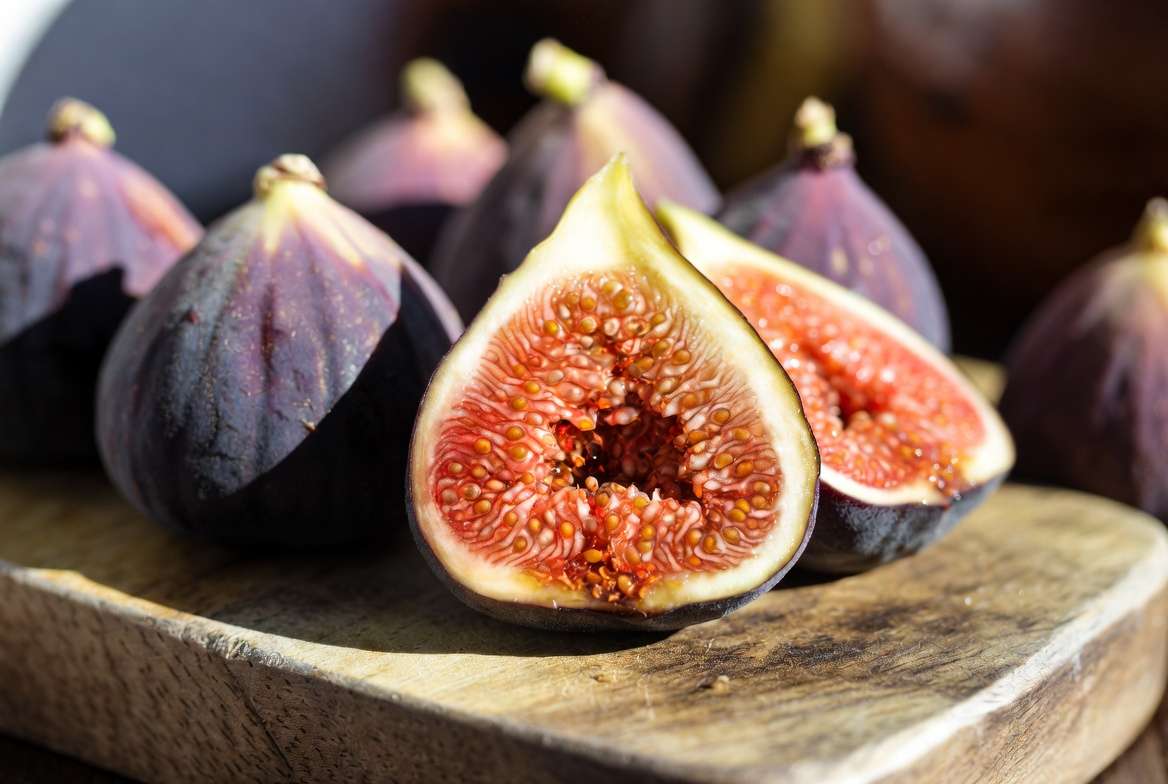
You can easily identify a Mission fig by its distinct, dark purplish-black skin and vibrant, strawberry-colored flesh. The flavor is incredibly rich, earthy, and syrupy-sweet, often described as having hints of melon and berry. Because of their high sugar content, they are incredibly versatile. They are a chef’s favorite for fresh eating, pairing with savory cheeses and prosciutto, roasting, or reducing into thick, sweet preserves.
💡 Expert Insight: Understanding the Double Harvest
One of the greatest benefits of the Mission fig is that it is highly productive, often rewarding you with two distinct harvests in a single growing season:
-
The Breba Crop: This is an early summer harvest that develops on the previous year’s old wood. While the yield is usually smaller, the individual figs are often quite large.
-
The Main Crop: This arrives in late summer or early fall and develops on the new, current season’s growth. This is where you will see your heaviest, most abundant harvest.
Creating the Perfect Growing Environment: Sun, Climate, and Soil ☀️
To get that heavy harvest, you need to mimic the Mission fig’s native Mediterranean environment as closely as possible. Setting up the right growing conditions from day one is the most critical step in plant care.
Climate Zones and Sunlight Requirements 🌡️
Mission figs thrive best in USDA Hardiness Zones 7 through 10. They crave heat and absolutely require full sun to produce and ripen their fruit.
-
The Sun Rule: Your tree needs a minimum of 8 hours of direct, unfiltered sunlight per day. If it is planted in heavy shade, the tree will stretch toward the light, resulting in leggy, weak branches and zero fruit.
-
Micro-Climates for Colder Zones: If you live in Zone 7 (or are pushing the boundaries in Zone 6), plant your tree near a south-facing brick or stone wall. The masonry will absorb the sun’s heat during the day and radiate it back to the tree at night, creating a cozy micro-climate that protects the tree from sudden late frosts.
Deep Dive: Soil Health & Preparation 🌱
As any experienced grower knows, a thriving plant starts from the ground up. Mission figs are highly adaptable, but they have one strict rule: they cannot tolerate wet feet.
-
Drainage is Non-Negotiable: Heavy, compacted clay soil that holds onto water will quickly lead to root rot, suffocating the tree. Your soil must be well-draining.
-
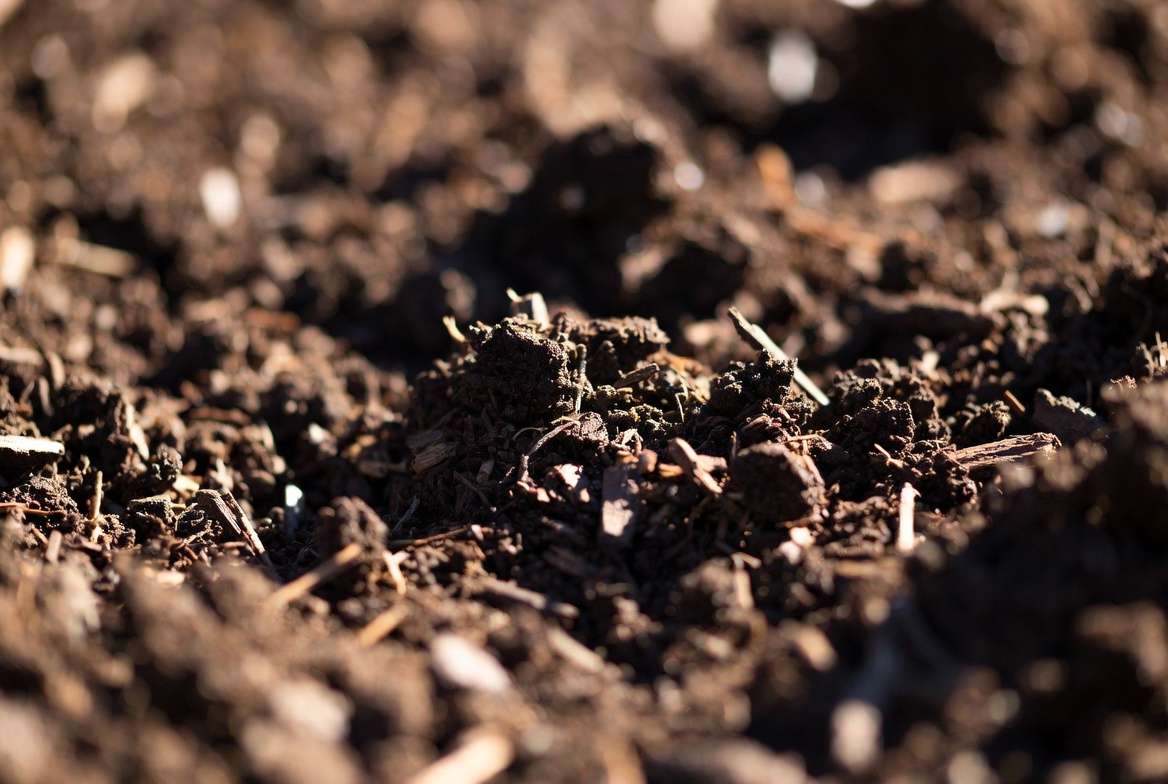
The Soil Blueprint: The ideal soil pH for a fig tree sits comfortably between 6.0 and 6.5. However, rather than just focusing on pH, prioritize building an active, living soil web. When preparing your planting site, amend the native soil generously with high-quality, rich organic compost and worm castings.
-
Biological Boost: Introducing beneficial microbes, such as mycorrhizal fungi, at the time of planting will drastically improve the tree’s root establishment. These fungi form a symbiotic relationship with the fig’s root system, acting as a microscopic extension that helps the tree uptake water and crucial nutrients like phosphorus, which is essential for fruit development. By focusing on soil health management from the start, you naturally boost the tree’s immune system against future pests and diseases.
How to Plant Your Mission Fig Tree for Long-Term Success 🪴
With your location scouted and your soil perfectly prepped, it is time to get your tree into its permanent home.
Choosing the Right Location (In-Ground vs. Containers) 🏡
-
In-Ground Spacing: Fig trees have expansive, vigorous root systems. Always plant your tree at least 15 to 20 feet away from your home’s foundation, underground pipes, or septic lines to prevent structural damage.
-
Container Growing: Don’t have a large yard? No problem! Mission figs adapt beautifully to container life, which naturally restricts their root growth and keeps the tree at a manageable, dwarf size. Opt for a large fabric grow bag (which allows for air-pruning of the roots) or a hefty half-whiskey barrel. Just remember that container-grown trees will require more frequent watering and feeding than their in-ground counterparts.
Step-by-Step Planting Guide 🛠️
-
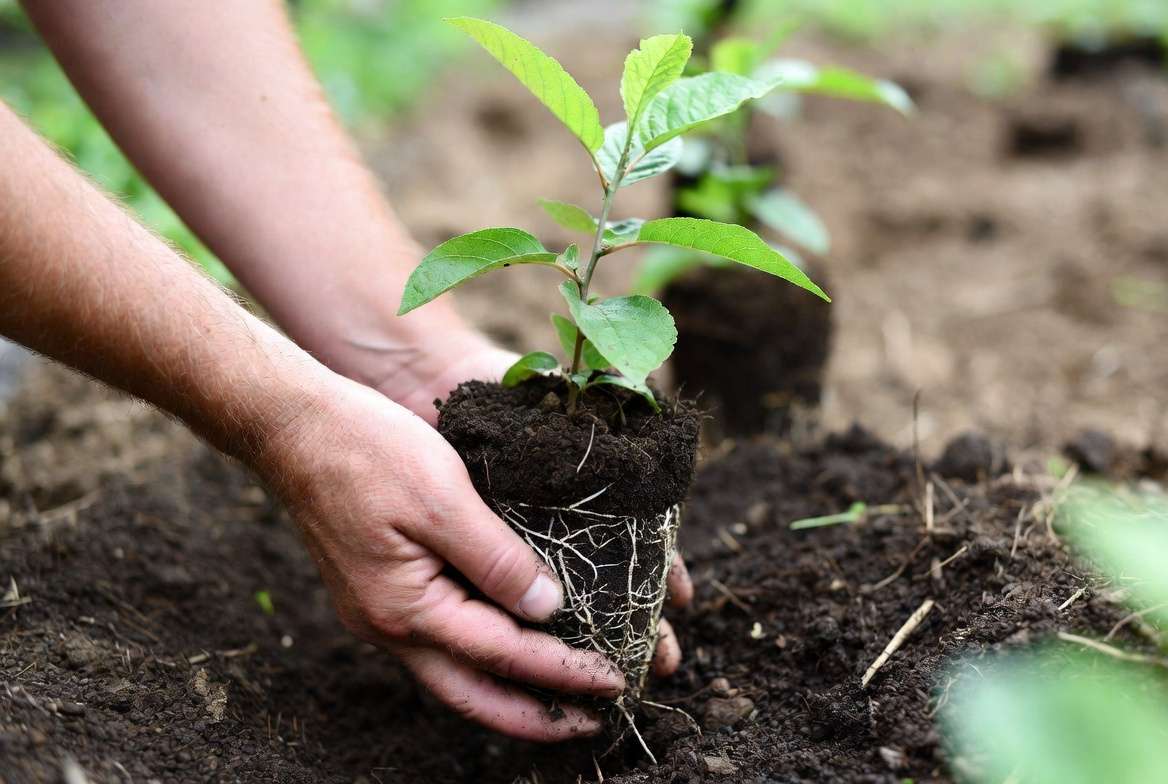
Digging the Hole: Dig a hole that is twice as wide as the nursery pot, but exactly the same depth. Planting too deep can cause the trunk to rot.
-
Teasing the Roots: Carefully remove the tree from its pot. If the roots are circling the bottom (root-bound), gently tease them apart with your fingers. This prevents the roots from girdling and choking the tree as it grows.
-
Positioning and Backfilling: Place the tree in the center of the hole. Backfill with your blend of native soil and organic compost. Tamp the soil down gently to remove large air pockets, but do not pack it so tightly that you compact the earth.
-
Watering and Mulching: Give the tree a deep, thorough watering immediately after planting to settle the soil. Finally, apply a thick, 3-to-4-inch layer of organic mulch (like wood chips or straw) around the base of the tree. Crucial Tip: Keep the mulch pulled back a few inches from the actual trunk to prevent bark rot.
Essential Care: Mastering the Art of Watering and Feeding 💧
Once your Mission fig tree is planted, the next hurdle is establishing a consistent care routine. Many home gardeners make the mistake of either loving their tree to death with too much water or starving it of the nutrients it needs to push out a heavy harvest.
The Ideal Watering Schedule 🚿
Fig trees are notoriously drought-tolerant once established, but getting them to that point requires careful attention during their youth.
-
The Establishment Phase (First 1 to 2 Years): Young trees need consistent moisture to develop a deep, robust root system. Water your newly planted fig deeply once or twice a week, depending on the heat. You want the water to penetrate deep into the soil profile, encouraging the roots to reach downward rather than staying near the surface.
-
Mature Tree Watering: Once mature, your Mission fig will only need supplemental watering during prolonged dry spells or intense summer heatwaves.
-
Reading the Leaves: Your tree will actually communicate its water needs to you! If the leaves are drooping heavily during the day but don’t recover by morning, or if the edges are getting brown and crispy, the tree is thirsty. Conversely, if the leaves are turning yellow and dropping, or if immature figs are falling off the branches, you are likely overwatering and risking root rot. Always check the soil moisture with your finger before turning on the hose.
Fertilizer Strategy for Maximum Fruit Production 🍌
When it comes to feeding a Mission fig, more is not always better. In fact, improper fertilization is the number one reason a fig tree refuses to fruit.
-
The Nitrogen Trap: Nitrogen is essential for leafy, green growth. If you apply a high-nitrogen fertilizer (like standard lawn food) near your fig tree, the tree will happily explode with gorgeous, massive leaves—at the absolute expense of your fruit harvest.
-
The Winning Formula: If your soil health is already strong (thanks to that organic compost you added at planting), your tree may not need heavy fertilization at all. However, to support a heavy harvest, apply a balanced, organic fruit tree fertilizer (something with a higher potassium and phosphorus ratio) once in early spring as the tree wakes from dormancy. Alternatively, top-dressing the root zone with a fresh layer of rich compost and worm castings every spring is a fantastic, slow-release way to feed the active soil biology and, in turn, the tree.
Pruning Your Mission Fig Tree: A Step-by-Step Visual Guide ✂️
If there is one secret weapon for maximizing your Mission fig harvest, it is pruning. Fig trees are vigorous, and left to their own devices, they will turn into a tangled, unmanageable thicket where sunlight cannot penetrate.
📌 Pro Tip: Because pruning is such a visual process, keeping a handy reference guide makes all the difference. Consider saving a clear, step-by-step infographic to your favorite gardening Pinterest board, or keep an easy-to-follow YouTube video tutorial queued up on your phone while you head out to the orchard with your shears! 📹
Why Pruning is Crucial for a Heavy Harvest 🍎
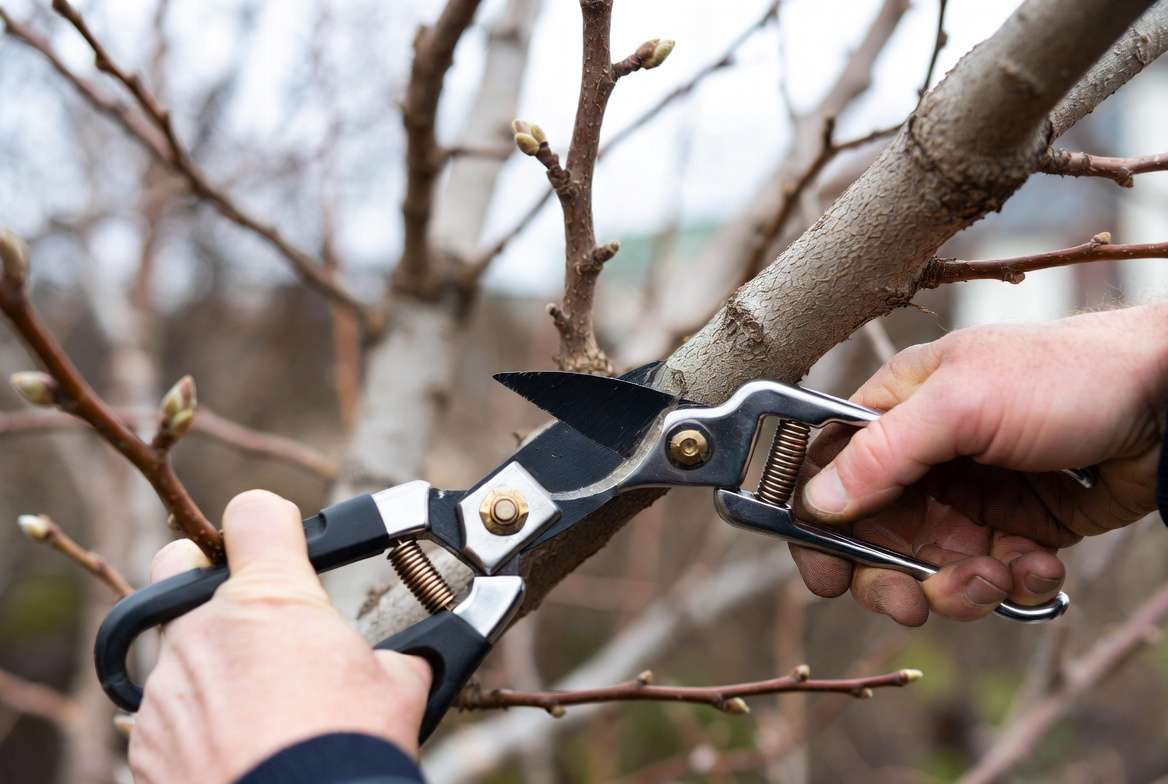
Figs need sunlight to ripen. If the canopy of your tree is too dense, the fruit growing on the interior branches will stay green and hard. Strategic pruning opens up the canopy, improving vital airflow (which prevents fungal diseases) and allowing the sun to hit every developing fig.
When to Prune Your Fig Tree ❄️
Timing is everything. You must wait until the tree is in deep winter dormancy. In most climate zones, this means late January or February, well after the leaves have fallen but before the spring buds begin to swell. Pruning an actively growing fig tree can cause it to bleed a milky, sticky sap, stressing the plant and inviting pests.
First-Year Shaping vs. Mature Maintenance 🌳
-
Establishing the Shape (Years 1-3): Your goal is to establish an “open-center” or “goblet” shape. Select 3 to 4 strong, outward-facing scaffold branches and remove the central leader. This keeps the tree at a manageable height for harvesting and ensures sunlight reaches the center.
-
Mature Maintenance: Every winter, inspect your tree and remove the “Four D’s”: Dead, Damaged, Diseased, and Deranged (crossing) branches. Remove any water sprouts (vigorous vertical shoots growing straight up) and suckers growing from the base of the trunk.
-
Pruning for the Harvest: Remember that the Breba crop grows on last year’s wood, while the main crop grows on new wood. If you want a massive main crop, you can prune back the previous year’s growth quite hard (leaving just 2-3 nodes). If you prefer a larger Breba crop, you will need to leave more of that old wood intact.
Plant Diagnostics: Troubleshooting Pests, Diseases, and Dropped Fruit 🐛
Even with the best soil health management, occasional issues arise. The key to plant diagnostics is early identification and swift, organic intervention.
Identifying and Treating Common Diseases 🍂
-
Fig Rust: This is the most common fungal issue, particularly in humid climates. It manifests as small, rusty-orange spots on the underside of the leaves, eventually causing the leaves to yellow and drop prematurely. To prevent rust, ensure adequate spacing and airflow through pruning. If it appears, treat it promptly with an organic copper fungicide spray and always rake up and destroy fallen, infected leaves.
-
Root Knot Nematodes: These microscopic soil pests attack the root system, causing the tree to become stunted and yellow. The absolute best defense against nematodes is aggressive soil health management. Heavy applications of rich organic compost suppress nematode populations by encouraging a massive bloom of beneficial, predatory soil microbes.
Defending Your Harvest from Wildlife 🐦
You are not the only one who thinks Mission figs are delicious. As the fruit ripens, birds, squirrels, and ants will aggressively try to claim your harvest.
-
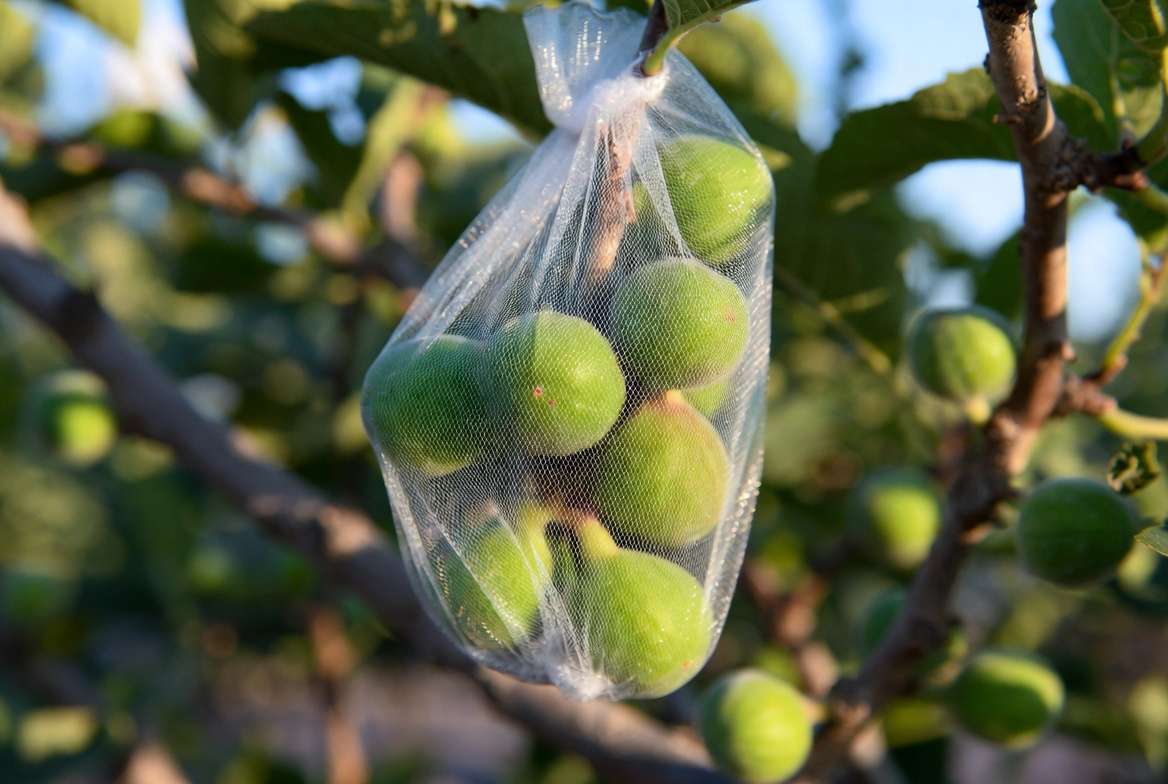
Birds and Squirrels: Toss a high-quality bird netting over the canopy just as the figs begin to change color, or slip individual organza bags over the ripening fruit clusters.
-
Ants: Ants love the sugary nectar that develops at the “eye” of the fig. Wrap a band of masking tape around the trunk and coat it with a sticky barrier like Tanglefoot to stop ants from marching up the tree.
Why Are My Figs Dropping Before They Ripen? 📉
Experiencing premature fruit drop is incredibly frustrating. This is almost always a stress response triggered by one of three things:
-
Erratic Watering: Letting the tree bone-dry and then flooding it.
-
Extreme Heat Stress: During sudden, brutal heatwaves, a young tree may drop fruit to conserve energy and survive.
-
Nutrient Imbalance: Usually a lack of potassium or an overload of nitrogen.
The Reward: Harvesting, Storing, and Enjoying Your Figs 🧺
After months of careful soil health management, strategic watering, and defending your tree from pests, you have finally reached the finish line. Harvesting Mission figs is a highly rewarding experience, but timing is absolutely critical to ensure you get that iconic, syrupy-sweet flavor.
How to Tell When a Mission Fig is Perfectly Ripe 🎯
Unlike tomatoes or avocados, figs do not continue to ripen once they are picked. If you pull a fig off the branch while it is still hard and unripe, it will stay hard and unripe on your kitchen counter. You must leave them on the tree until they reach peak perfection.
Look for these three definitive signs that your Mission fig is ready to harvest:
-
The “Droop” Test: A ripe fig will become heavy with sugary juices and begin to droop or hang down heavily from the stem, rather than sticking straight out.
-
Color Transformation: The skin should transition from a tight, bright green to a deep, dusty purplish-black. The skin will also begin to look slightly wrinkled or soft.
-
The Teardrop of Nectar: Look closely at the “eye” (the small opening at the bottom of the fruit). When a fig is perfectly ripe, a tiny, sticky teardrop of sugary nectar will often form right at the opening.
Proper Harvesting Technique 🧤
Mission figs have incredibly delicate skin that tears easily, which can lead to rapid spoilage. When you find a perfectly ripe fig, do not just yank it off the branch.
-
Gently cup the fruit in your hand.
-
Grip the stem just above the fig.
-
Give it a gentle twist and pull upward at the same time. The stem should snap cleanly away from the branch without tearing the skin of the fruit.
-
Safety Tip: Fig tree sap can cause skin irritation (phytophotodermatitis) for some people. If you are sensitive, it is always a good idea to wear long sleeves and gardening gloves when harvesting or pruning!
Storage and Preservation Ideas 🍯
Because they are so soft and sugary, fresh figs have a famously short shelf life.
-
Short-Term Storage: Place freshly picked figs in a shallow, paper-towel-lined container in the refrigerator. Do not wash them until you are ready to eat them, and try to consume them within 2 to 3 days.
-
Long-Term Preservation: If you are blessed with a heavy harvest that you cannot possibly eat fresh, Mission figs are widely considered one of the best varieties for drying. You can dry them in a dehydrator or freeze them whole in airtight bags for smoothies and baking. They also reduce beautifully into rich, dark fig preserves or jams that can be canned and enjoyed all winter long.
Frequently Asked Questions (FAQs) 🤔
To help you troubleshoot any lingering doubts, here are the most common questions growers ask about cultivating the Black Mission fig:
Can I grow a Mission Fig tree indoors?
While it is technically possible, it is incredibly challenging to get an indoor fig tree to produce fruit. Mission figs require massive amounts of direct sunlight (8+ hours) and need a period of winter dormancy (cold temperatures) to rest and reset for the next fruiting season. If you want an indoor houseplant, a Ficus lyrata (Fiddle Leaf Fig) is a better choice, but if you want fruit, your Mission fig needs to be outside.
How many years does it take for a Mission Fig to produce fruit?
Mission figs are famously precocious! If you purchase a healthy 1- or 2-year-old sapling from a nursery and provide excellent care, you can often see a small harvest within your very first year of planting. However, expect the tree to reach its full, heavy-harvesting potential around year 3 to 5.
Are fig tree roots invasive?
Yes, fig tree roots are incredibly vigorous and seek out water aggressively. In-ground trees should never be planted near house foundations, swimming pools, sidewalks, or underground plumbing and septic systems. Give them plenty of space to stretch out safely!
Does a Mission Fig tree need a pollinator?
No! The Mission fig is a parthenocarpic variety, which means it is completely self-fruitful. It does not require pollination from the specialized fig wasp to set and ripen its fruit. A single tree planted all by itself will still reward you with a heavy harvest.
Conclusion: Ready to Grow Your Own? 🌟
Growing a thriving Mission fig tree is one of the most rewarding endeavors a home gardener can undertake. By providing abundant sunlight, establishing a well-draining environment rich in active soil biology, and taking the time to master annual winter pruning, you will set your tree up for decades of health.
Remember, patience and observation are your best tools. Watch how your tree responds to your watering schedule, protect it from eager wildlife, and wait for that perfect, nectar-filled “droop” before harvesting.











