Picture this: you step out onto your west-facing patio at 4 PM, expecting to enjoy a peaceful afternoon, only to be greeted by a collection of crisp, wilted foliage that used to be your favorite container garden. If your outdoor space turns into a glaring, heat-trapping oven during the second half of the day, you’re not alone. Finding the right vegetation for this harsh environment is a common struggle, which is why we’ve tracked down the best 10 potted plants for afternoon sun to save your container garden from frying.
Direct afternoon sun—especially that brutal window between 2 PM and 6 PM—is highly destructive to container plants. Unlike plants in the ground, potted plants don’t have the luxury of sending their roots deep into the cool earth to escape the heat. Instead, the intense UV rays beating down on the side of the container create an “oven effect.” The potting soil superheats, actively baking the root systems and causing even self-proclaimed “sun-loving” varieties to wither and struggle.
The secret to a lush, vibrant patio isn’t dragging a watering can outside three times a day; it’s choosing heat-resilient, drought-hardy survivors built for the blaze. These heat-tolerant varieties don’t just survive; they provide the perfect vibrant colors and lush textures that look incredible on camera, making them highly photogenic if you love sharing your patio makeover or gardening journeys online. We have cross-referenced horticultural data with thousands of real-world Amazon buyer reviews to bring you a carefully curated, scorch-proof list. Keep reading to discover the best 10 potted plants for afternoon sun that will confidently survive the heat and transform your baking deck into a thriving oasis all summer long.
Quick Comparison: Top Afternoon Sun Survivors
(Swipe or scroll right to view the full table on mobile)
Buying Guide: How to Make an Informed Decision
Before you add any of these sun-worshippers to your cart, it’s critical to understand the environmental factors at play on your patio. A successful container garden in direct afternoon sun requires a holistic approach.
-
Assess the True Light Intensity: The sun is only half the battle; reflected heat is the silent killer. Take a look at your patio surfaces. White stucco walls and light concrete reflect up to 80% of UV rays back onto your plants, doubling the light exposure. Conversely, dark brick and black asphalt absorb the sun’s energy and radiate it back as heat long after the sun goes down.
-
Prioritize Soil Health: A robust root system is a plant’s best defense against extreme heat, and that relies entirely on excellent soil health. Skip the cheap, peat-heavy dirt. When potting plants for harsh sun, use a premium potting mix amended with organic matter like compost, worm castings, and biochar. A living, healthy soil matrix retains moisture longer without suffocating the roots.
-
Container Material Matters: Avoid unglazed terracotta for afternoon sun. While beautiful, terracotta is highly porous and wicks moisture away from the soil, causing it to evaporate rapidly in the heat. Instead, opt for thick, UV-stabilized resin, double-walled plastics, or glazed ceramics, which help insulate the root ball from extreme temperature spikes.
-
Drought Tolerance vs. Heat Tolerance: Understand the distinction. A plant can be heat-tolerant (able to withstand 95°F+ air temperatures) but still require consistently moist soil to survive. Conversely, drought-tolerant plants (like succulents) can go days without water. Always match the plant’s water needs to your personal watering habits.
Detailed Product Reviews: The Best 10 Potted Plants for Afternoon Sun
1. Lantana (Lantana camara) – Live Starter Plants
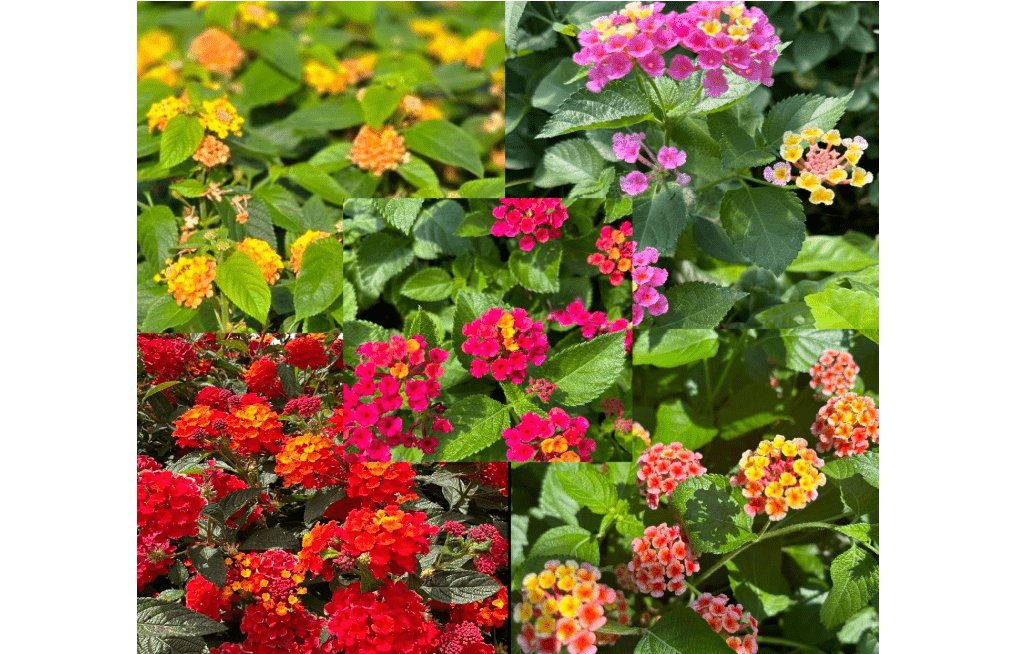
Product Description: Lantana is the undisputed heavyweight champion of the summer heat. This vibrant, continuous bloomer features dense clusters of tiny, tubular flowers that naturally shift hues as they age, creating a dazzling multi-colored effect of yellow, orange, and hot pink on a single plant. The foliage is slightly textured and highly deer-resistant.
Price: $18.99
Key Features & Benefits:
-
Extreme drought and heat tolerance once established.
-
Natural pollinator magnet, drawing in butterflies and hummingbirds.
-
Continuous, non-stop blooming cycle until the first hard frost.
Pros & Cons:
-
Pros: Thrives in intense heat; incredibly low maintenance; self-cleaning blooms (no deadheading required).
-
Cons: Can be toxic to dogs and cats if ingested; aggressive root system requires a moderately large pot.
Amazon Ratings & Reviews: 4.4/5 Stars. Reviewers consistently praise its arrival condition and unyielding flower production. Many buyers living in Texas and Arizona note it is one of the only plants that doesn’t crisp up during August heatwaves.
Why It’s a Good Choice: Lantana’s metabolism actually kicks into high gear when temperatures soar, making it the ultimate biological survivor for western exposures. It doesn’t just survive the heat; it demands it.
Ideal Use Case or Who Should Buy It: Perfect for large patio planters and hanging baskets where it can cascade over the edge. Ideal for busy homeowners who want maximum color with minimal daily watering.
2. Portulaca (Moss Rose) – Live Hanging Basket
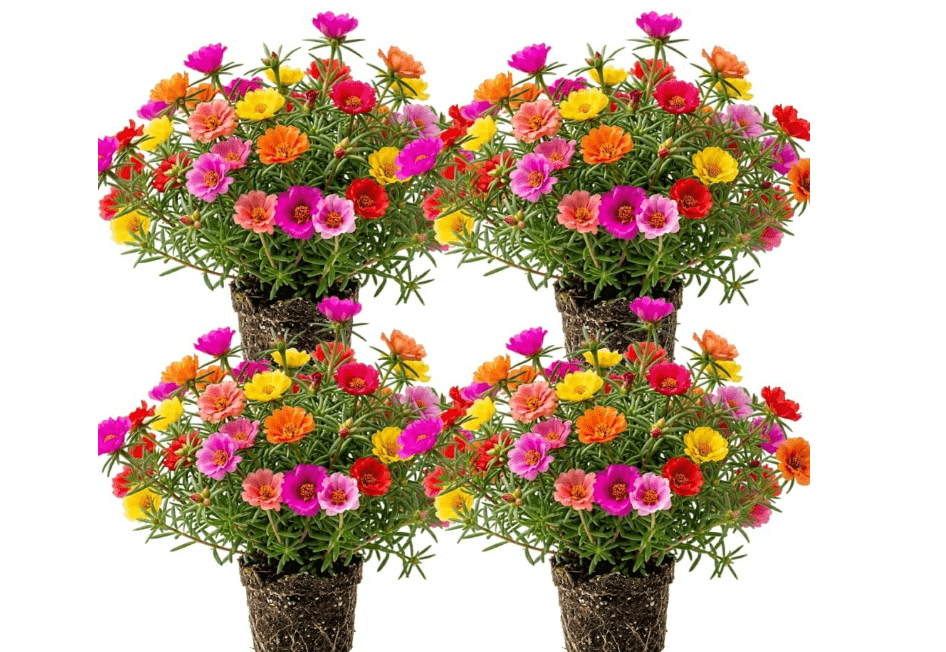
Product Description: Portulaca, commonly known as Moss Rose, is a stunning, low-growing succulent that produces brilliant, ruffled, rose-like flowers in neon shades of fuchsia, yellow, and tangerine. Its thick, fleshy, needle-like leaves give it a unique texture and serve a highly functional purpose in the heat.
Price: $25.99
Key Features & Benefits:
-
Built-in water storage within its fleshy leaves and stems.
-
Trailing growth habit covers the soil surface, acting as a living mulch.
-
Highly forgiving if you forget a watering cycle.
Pros & Cons:
-
Pros: Thrives in shallow containers; virtually immune to dry, baking heat; requires very little fertilizer.
-
Cons: Blooms temporarily close on cloudy days or in the late evening; highly susceptible to root rot if overwatered.
Amazon Ratings & Reviews: 4.6/5 Stars. Customers love the eye-popping, vibrant colors. Many reviews highlight that Portulaca is nearly impossible to kill with heat, often bouncing back immediately even if the soil dries out completely.
Why It’s a Good Choice: The fleshy leaves hoard water, acting as an internal reservoir. When the afternoon sun hits its peak, Portulaca draws on these internal reserves rather than relying solely on the heated container soil.
Ideal Use Case or Who Should Buy It: Perfect for shallow bowls, strawberry pots, hanging baskets, and forgetful gardeners who struggle to maintain a strict watering schedule.
3. Rosemary (Rosmarinus officinalis) – Live Herb Plant
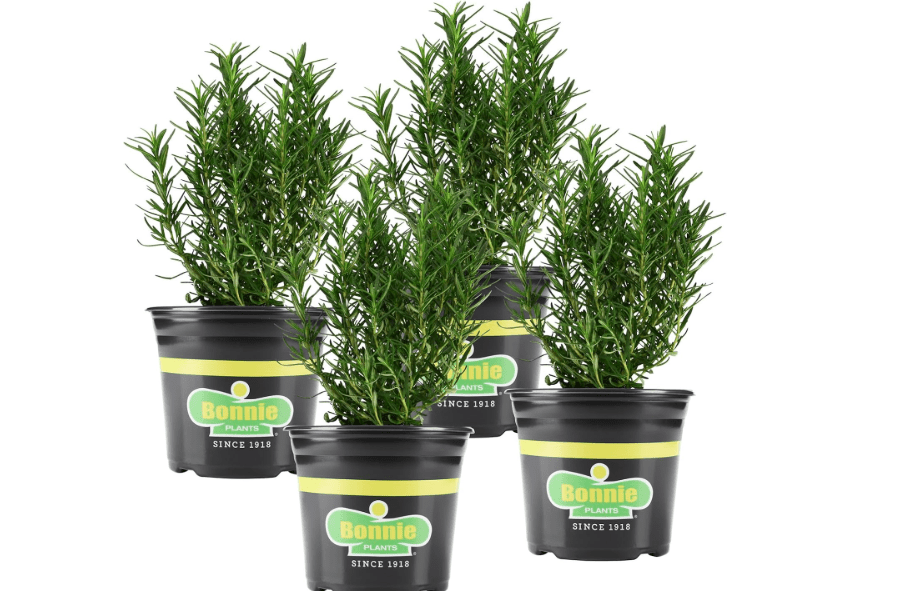
Product Description: More than just a culinary staple, Rosemary is a rugged, woody Mediterranean shrub characterized by highly fragrant, needle-like evergreen foliage and delicate pale blue or white flowers. It brings structural beauty and an incredible scent to any patio.
Price: $18.50
Key Features & Benefits:
-
Aromatic foliage that releases a beautiful scent in the sun.
-
Deep taproot system that seeks out moisture.
-
Dual-purpose: highly ornamental and ready for the kitchen.
Pros & Cons:
-
Pros: The plant’s aromatic oils actually protect its cell membranes from heat stress; edible; naturally repels mosquitoes and cabbage moths.
-
Cons: Can be susceptible to powdery mildew if airflow is poor; prefers slightly alkaline soil.
Amazon Ratings & Reviews: 4.5/5 Stars. Buyers highly rate the robust scent and rapid growth of these plants in hot climates. Many note that the plants arrived bushy and healthy, ready to be repotted immediately.
Why It’s a Good Choice: Rosemary’s physical structure is designed for heat. Its tough, needle-like leaves have a minimal surface area, which drastically reduces transpiration (water loss) under the glare of the afternoon sun.
Ideal Use Case or Who Should Buy It: An excellent choice for culinary container gardens, sunny apartment balconies, and gardeners who want an aromatic, structural plant that serves a practical purpose.
4. Mandevilla Vine – Live Tropical Climber
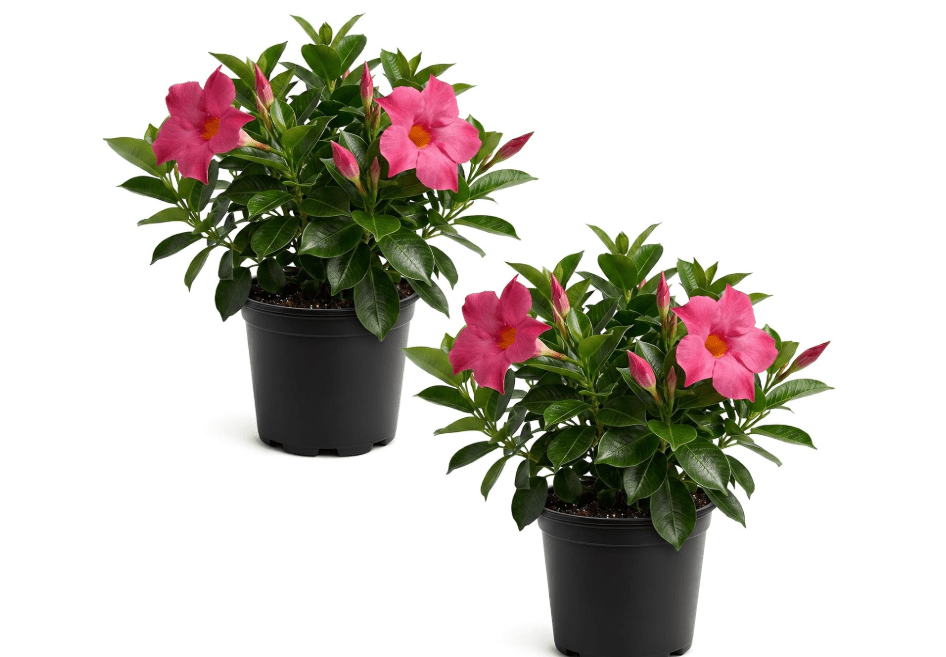
Product Description: Bring a touch of the tropics to your hot patio with the Mandevilla vine. This fast-growing climber is adorned with leathery, glossy green leaves and produces massive, trumpet-shaped blooms in striking shades of pink, classic red, or pure white. It’s an aggressive grower that loves to climb.
Price: $37.03
Key Features & Benefits:
-
Rapid vertical growth for instant privacy or covering bare walls.
-
Highly tropical, resort-like aesthetic.
-
Continuous, prolific flowering throughout the entire summer.
Pros & Cons:
-
Pros: Provides a strong, eye-level floral show; excellent for vertical interest in tight spaces.
-
Cons: Heavy feeder requiring bi-weekly liquid fertilizer for best blooms; not frost-tolerant (must be treated as an annual or brought indoors).
Amazon Ratings & Reviews: 4.3/5 Stars. Reviewers are consistently thrilled by the sheer volume of blooms and the speed at which it climbs. A few users note that it will drop leaves if the soil is allowed to completely dry out.
Why It’s a Good Choice: Originating in hot, tropical climates, the Mandevilla utilizes the intense sun’s energy to fuel its rapid climbing and massive flower production. As long as the root ball is kept moderately moist, it will shrug off the afternoon heat with ease.
Ideal Use Case or Who Should Buy It: Perfect for potting next to sunny stucco walls, training up trellises, or weaving through hot balcony railings to create a living privacy screen.
5. Zonal Geranium (Pelargonium) – Live Potted Plant
Product Description: The quintessential classic patio plant. Zonal Geraniums are recognized by their large, spherical clusters of vibrant, velvety flowers atop thick stems, accompanied by distinctively patterned, scalloped leaves. They provide a nostalgic, cottage-garden feel that never goes out of style.
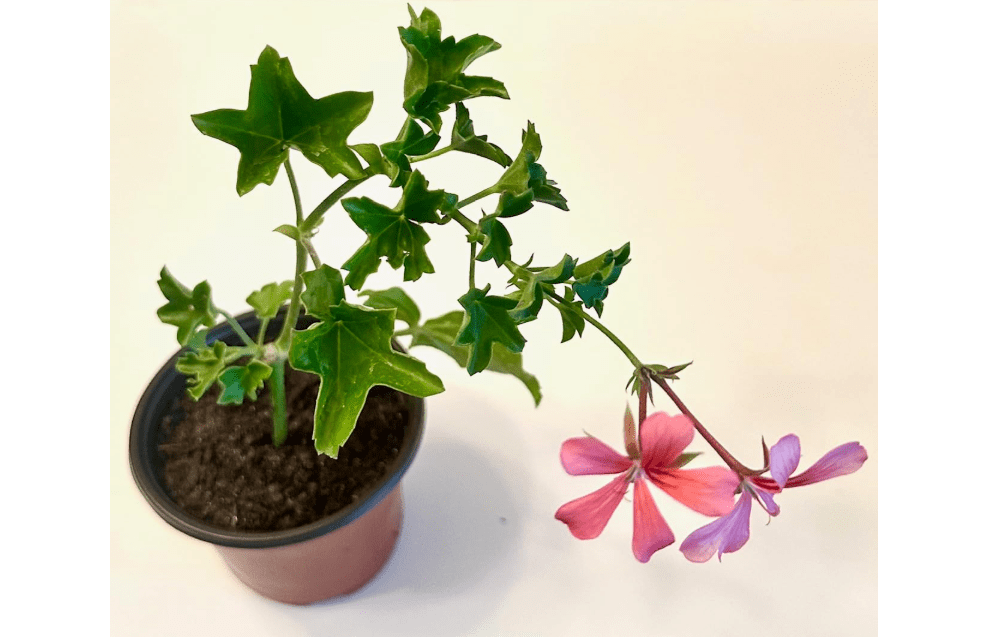
Price: $23.99
Key Features & Benefits:
-
Upright, bushy growth habit that fills out pots beautifully.
-
Incredibly reliable blooms from early spring until the first hard frost.
-
Prefers low humidity and dry air.
Pros & Cons:
-
Pros: Outstanding resilience to heat; massive variety of bold colors available; relatively easy to overwinter indoors.
-
Cons: Requires regular “deadheading” (snapping off spent blooms) to keep producing new flowers; can get leggy if over-fertilized.
Amazon Ratings & Reviews: 4.7/5 Stars. Praised heavily as a “classic staple.” Many buyers report these geraniums handled completely unshaded south and west-facing porches beautifully, provided they were watered deeply.
Why It’s a Good Choice: Originating from the rugged terrain of South Africa, Pelargoniums feature thick, slightly succulent stems that hold extra moisture reserves, making them inherently tough against a baking afternoon environment.
Ideal Use Case or Who Should Buy It: The absolute best choice for traditional porch containers, classic window boxes, and gardeners who enjoy the meditative task of deadheading.
6. Wave Petunias – Live Annual Flats
Product Description: Don’t confuse these with standard, finicky petunias. Wave Petunias are a vigorously trailing, highly bred variety that creates a sprawling, cascading carpet of bright, trumpet-shaped blooms. They are famous for their explosive growth and ability to completely swallow a container in color.
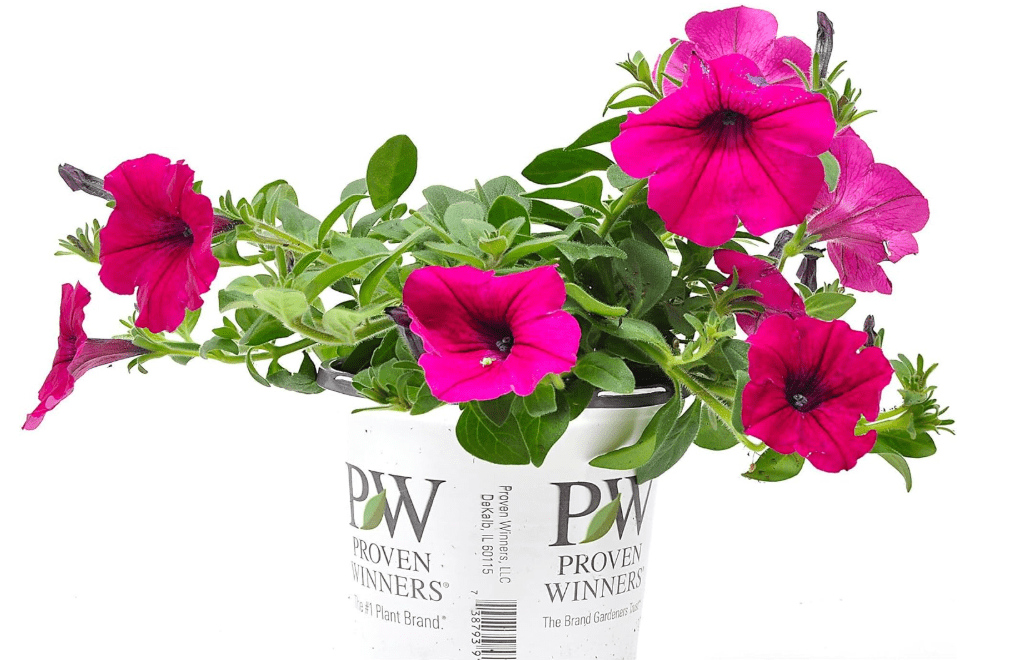
Price:
Key Features & Benefits:
-
Extremely fast-growing, covering bare soil quickly.
-
No deadheading required (the blooms fall off cleanly on their own).
-
Cascades beautifully 2 to 3 feet over the edge of pots.
Pros & Cons:
-
Pros: Unmatched volume of flowers; fills out large containers and baskets rapidly.
-
Cons: High water and fertilizer demands due to fast growth; can look stringy or “leggy” by late August if not trimmed back once mid-season.
Amazon Ratings & Reviews: 4.4/5 Stars. Users adore the dramatic “spiller” effect in hanging baskets. Some reviewers note they dry out fast in small pots, recommending them strictly for large, deep containers.
Why It’s a Good Choice: Wave Petunias are specifically bred for extreme weather tolerance. They utilize intense, direct afternoon sun to fuel their massive floral displays, refusing to wilt as long as their high hydration needs are met.
Ideal Use Case or Who Should Buy It: The perfect “spiller” plant in mixed container designs (acting as the trailing element) or as a spectacular standalone showpiece in large hanging baskets.
7. Tropical Hibiscus (Hibiscus rosa-sinensis) – Live Shrub
Product Description: If you want drama, this is it. The Tropical Hibiscus is a dense, glossy-leaved shrub that produces massive, 4-to-6-inch exotic, trumpet-like blooms in vivid, saturated shades of red, yellow, pink, and orange. The prominent stamen adds to the bold, tropical look.
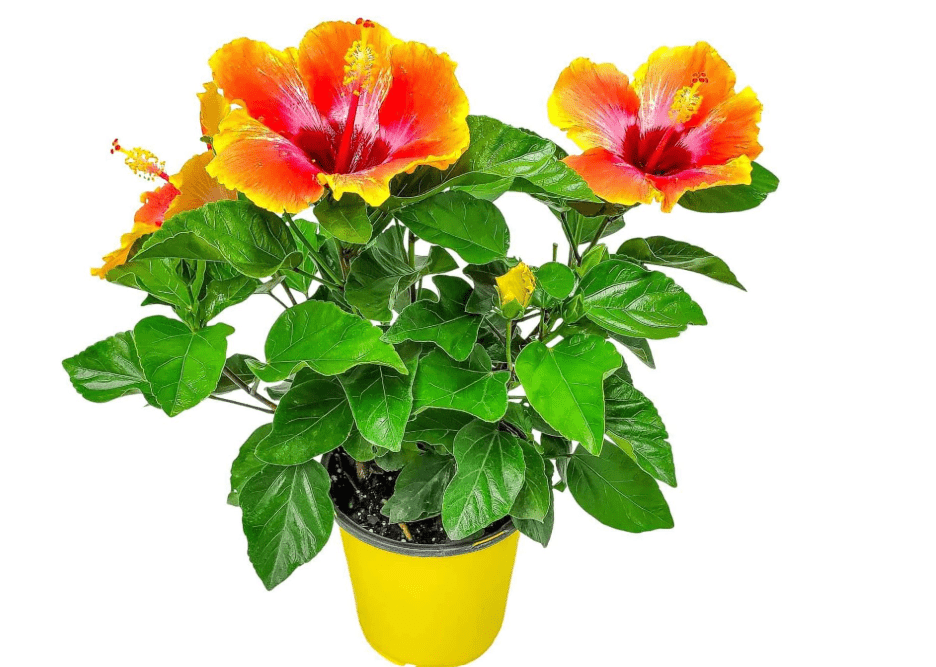
Price: $27.99
Key Features & Benefits:
-
Show-stopping, dinner-plate sized flowers.
-
Surprisingly tolerant of being root-bound in tight pots.
-
Provides lush, dark green tropical foliage even when not in bloom.
Pros & Cons:
-
Pros: An unbeatable, high-impact statement piece; can be successfully overwintered indoors as a houseplant.
-
Cons: Individual blooms only last a single day (though it blooms continuously); can attract aphids and whiteflies if the plant becomes drought-stressed.
Amazon Ratings & Reviews: 4.5/5 Stars. Customers frequently mention the stunning, oversized blooms and the excellent care taken in shipping packaging. Many note it thrives on their sunny pool decks.
Why It’s a Good Choice: Tropical Hibiscus are sun-worshippers by nature. They require intense heat and direct sun to produce their oversized flowers and maintain their dark green foliage, easily shrugging off the afternoon glare.
Ideal Use Case or Who Should Buy It: An excellent focal point or “thriller” plant for patio corners, flanking a sunny entryway, or decorating sun-drenched pool decks.
8. Dwarf Meyer Lemon Tree – Live Citrus Tree
Product Description: Why not grow something delicious? The Dwarf Meyer Lemon is a compact, container-friendly citrus tree. It yields highly fragrant white blossoms followed by sweet, thin-skinned lemons (a cross between a lemon and a mandarin orange), all set against glossy evergreen leaves.

Price:
Key Features & Benefits:
-
Self-pollinating (you only need one tree to get fruit).
-
Beautiful, deep green evergreen foliage year-round.
-
Provides a highly rewarding edible harvest.
Pros & Cons:
-
Pros: Incredible, room-filling floral scent when blooming; does double duty as an ornamental patio plant and a food source.
-
Cons: Requires a strict watering schedule (hates “wet feet”) and specialized citrus fertilizer to prevent yellowing leaves.
Amazon Ratings & Reviews: 4.2/5 Stars. Reviewers love the experience of harvesting their own lemons and praise the intoxicating scent of the blooms. Negative reviews often stem from users planting them in heavy, poorly draining soil.
Why It’s a Good Choice: Citrus trees naturally originate in harsh, sun-drenched Mediterranean and sub-tropical climates. Their biological structure is well-adapted to container heat, provided they are in a well-draining pot.
Ideal Use Case or Who Should Buy It: Best suited for large, deep decorative pots on sunny decks or balconies, and for gardeners willing to commit to a consistent fertilizing routine.
9. Sweet Potato Vine (Ipomoea batatas) – Live Foliage Plant
Product Description: For continuous impact without relying on flowers, the Sweet Potato Vine is unmatched. This vigorous, trailing foliage plant is available in striking, saturated colors—most commonly neon chartreuse green or a deep, dramatic purplish-black.
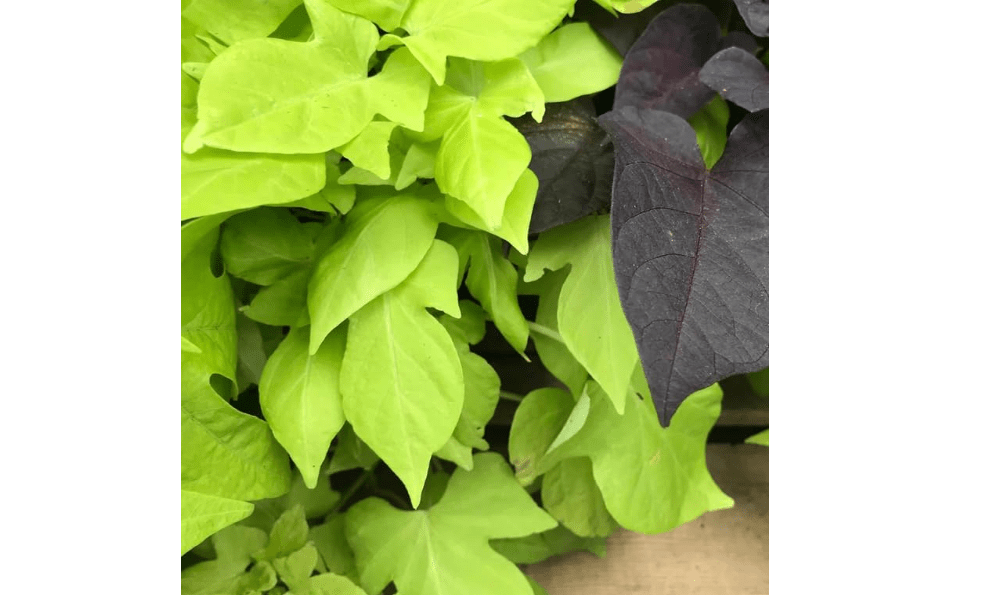
Price: $36.99
Key Features & Benefits:
-
Explosive, rapid trailing growth.
-
Provides dramatic color contrast in any container arrangement.
-
Coloration is heat and sun-activated.
Pros & Cons:
-
Pros: Fills out pots instantly; offers non-stop visual interest and texture without ever needing to bloom; exceptionally easy to grow.
-
Cons: Extremely vigorous—it can aggressively choke out weaker companion plants in the same pot if it isn’t trimmed back occasionally.
Amazon Ratings & Reviews: 4.6/5 Stars. Buyers consistently rate it as the absolute best “spiller” for container gardening, noting it thrives in the hottest months when other plants begin to fade.
Why It’s a Good Choice: Unlike some foliage plants that bleach or scorch in the sun, the intense afternoon sun actually deepens and improves the vivid coloration of the Sweet Potato Vine’s leaves.
Ideal Use Case or Who Should Buy It: The ultimate choice for mixed flower arrangements where you need bold foliage contrast to complement blooming plants.
10. Agave (Agave spp.) – Live Specimen
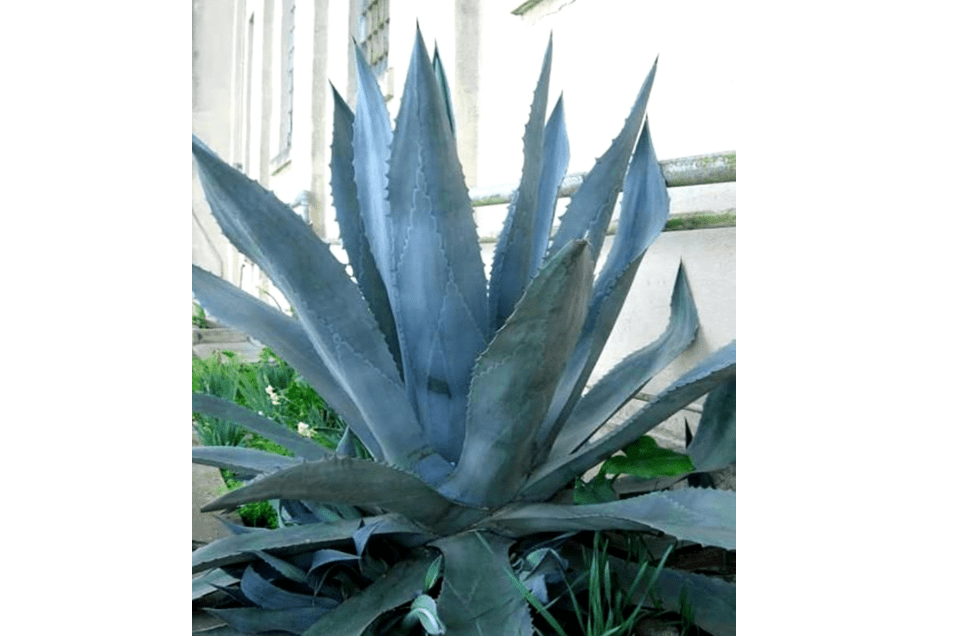
Product Description: For a sleek, modern look, the Agave is a structural masterpiece. This architectural succulent features a dramatic, geometric rosette of silvery-blue or green, spiky, fleshy leaves. It is the definition of a low-maintenance survivor.
Price: $22.99
Key Features & Benefits:
-
Extreme drought tolerance requiring almost no supplemental water.
-
Clean, modern, architectural aesthetic.
-
Virtually zero maintenance required throughout the year.
Pros & Cons:
-
Pros: Literally impossible to kill with heat or sun; striking shape that holds its form year-round; not fussy about soil quality.
-
Cons: The sharp spines on the leaf tips can be dangerous for small kids and pets; very slow growing.
Amazon Ratings & Reviews: 4.8/5 Stars. Highly rated for arriving in perfect condition and requiring zero upkeep. Buyers love the “set it and forget it” nature of the plant.
Why It’s a Good Choice: As a true desert native, the Agave is biologically engineered to withstand the harshest baking sun and prolonged drought. It will look identical at 105°F as it does at 70°F.
Ideal Use Case or Who Should Buy It: Perfect for minimalist, modern patios, standalone feature pots, and homeowners who travel frequently or want zero maintenance.
Care Tips for Sun-Loving Container Plants
Even the toughest plants need a solid foundation to survive a baking patio.
-
The Watering Strategy: Never give potted plants shallow, daily sips. This encourages weak, shallow roots. Instead, water deeply until water pours out the drainage holes at the bottom. Wait to water again until the top two inches of soil feel dry to the touch.
-
The Double-Potting Trick (Cachepot): If you are using thin plastic or metal pots that heat up quickly, try double-potting. Slip the plastic nursery pot inside a slightly larger, heavier decorative pot. The small pocket of air between the two pots acts as insulation, protecting the delicate roots from extreme temperature spikes.
-
The Fertilizer Pause: It is a common mistake to over-fertilize a struggling plant in the heat of summer. During peak July and August heatwaves, plants often slow their metabolism to conserve energy. Pause heavy fertilizing during extreme heat spells, resuming only when temperatures moderate slightly in late summer.
Conclusion & Final Recommendations
Creating a beautiful patio doesn’t have to be a constant battle against the elements. By working with your environment and selecting varieties genetically adapted to intense light and high temperatures, you can enjoy a vibrant outdoor space all summer.
-
Top Overall Pick: We recommend the Lantana for the best continuous floral display combined with the lowest maintenance requirements. It is a true survivor.
-
Best for Foliage: If you want non-stop, reliable color without worrying about blooming cycles, the Sweet Potato Vine is an unstoppable force.
-
Best for Modern Aesthetics: For a sleek, architectural look that requires zero watering effort, the Agave is unmatched.
Don’t let another summer go by with an empty, baking patio. Click through the links above to secure your live plants on Amazon before peak gardening season sells out the best varieties, and start building your scorch-proof container garden today!