

You have given it the best window seat in the house, watered it with the utmost care, and patiently waited for spring. Yet, while other plant owners are posting photos of vibrant, neon-colored blossoms, your prickly friend is stubbornly refusing to show its colors. It can be incredibly frustrating to wait all year for a spectacular floral display, only to get nothing but spines. If you are currently troubleshooting no flowers on blooming cacti, you are not alone—it is one of the most common issues indoor gardeners face.
Over my years of cultivating, propagating, and diagnosing desert plants, I have learned that a cactus refusing to bloom is rarely a lost cause. More often than not, the plant is simply missing a crucial environmental trigger. Cacti are survivalists; they will not expend the massive amount of energy required to reproduce (flower) unless their specific seasonal needs are met perfectly.
In this comprehensive guide, we will break down exactly why your plant is holding back. We will explore the five primary culprits preventing your cactus from blooming, walk through actionable, expert-backed fixes, and share advanced care tips to encourage even the most stubborn desert plants to burst into bloom.
II. Setting Expectations: Understanding the Cactus Bloom Cycle ⏱️
Before we dive into diagnosing the problem, it is vital to understand how these remarkable plants operate. A common misconception in indoor gardening is that all cacti bloom easily and under the exact same conditions. In reality, the plant kingdom is vast, and the triggers for flowering depend heavily on the specific genus and its native habitat.
Not All Cacti Bloom (Indoors) 🏜️
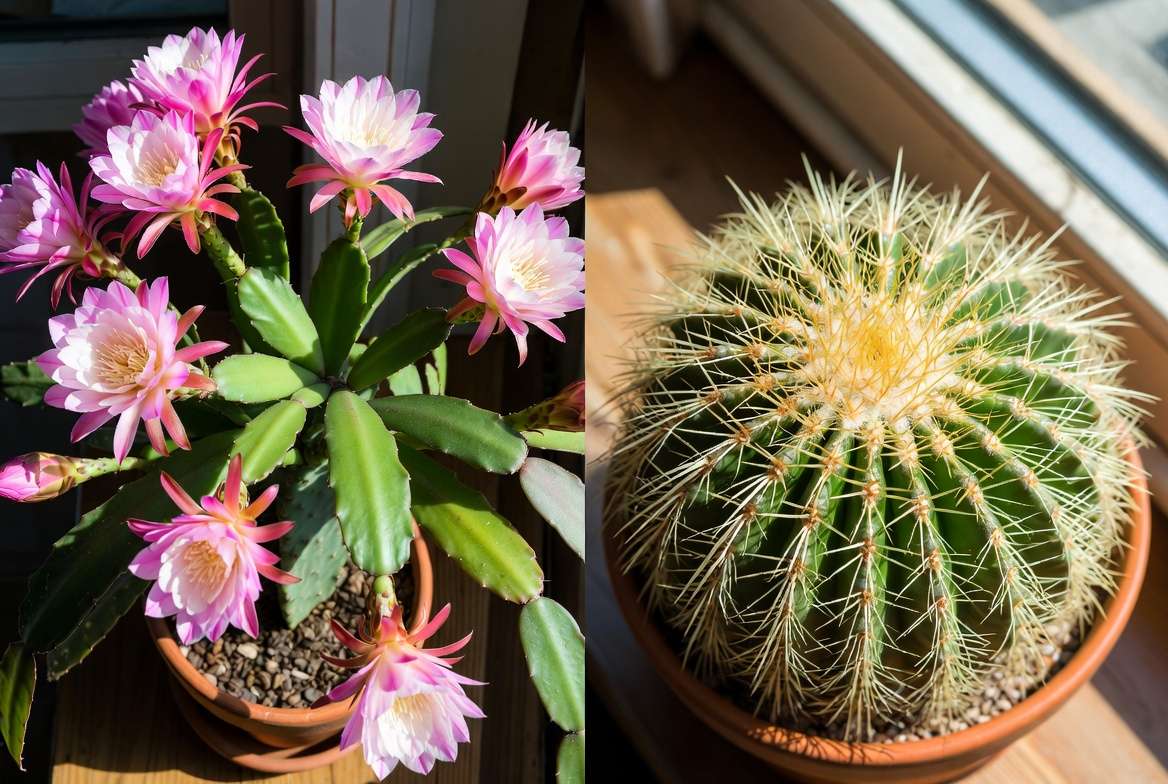
First, we must distinguish between true desert cacti (like the Mammillaria or Echinopsis) and tropical epiphytic cacti (like the popular Christmas Cactus or Schlumbergera). Jungle cacti require entirely different care, preferring higher humidity and filtered light.
Furthermore, while all cacti are technically flowering plants (angiosperms), many desert species cultivated as houseplants may never bloom indoors. Some simply cannot receive the intensity of sunlight they require through a living room window, while others take decades to reach maturity. Setting realistic expectations based on your specific species is the first step to successful cultivation.
The Anatomy of a Bloom 🔬
A cactus shifts from “survival and growth” mode to “reproductive” mode only when it receives the right signals. In the wild, this is dictated by the harsh shift in seasons—a cool, desperately dry winter followed by the warming temperatures and sudden rains of spring. When these conditions are met, the plant produces an areole (the small bump from which spines grow) that develops a flower bud instead of a new stem or spine. If the environmental signals are weak or confusing, the plant will conserve its energy and skip flowering altogether.
III. 🔍 The 5 Primary Culprits: Why Your Cactus Won’t Bloom
If you have verified that your plant is a mature, capable bloomer, but it still refuses to bud, one of these five environmental factors is likely out of balance. Let’s troubleshoot the most common issues and how to fix them.
1. ☀️ Insufficient Light (The Sunlight Paradox)
The Problem: When it comes to desert cacti, “bright indirect light” is almost never enough. Many indoor gardeners underestimate just how much solar radiation a cactus absorbs in its natural habitat. Sunlight is the primary energy source that fuels the exhausting process of pushing out a flower. If a cactus is kept in a low-light environment, it will stretch toward the nearest light source—a condition known as etiolation. An etiolated cactus is weak, pale, and entirely focused on basic survival. It will not flower.
The Fix: To induce blooming, your cactus needs a minimum of 4 to 6 hours of direct sunlight every single day during its active growing season (spring and summer).
-
Window Placement: Move your plant to an unobstructed South-facing or West-facing window.
-
Slow Acclimation: If your plant has been in a dark corner, do not immediately shove it into glaring afternoon sun; it will suffer severe sunburn (appearing as white or scorched brown patches). Gradually increase its sun exposure over two to three weeks.
-
Grow Lights: If your home simply doesn’t receive enough natural light, invest in a full-spectrum LED grow light to supplement its needs.
2. ❄️ Skipping the Winter Dormancy Period (The Missing Trigger)
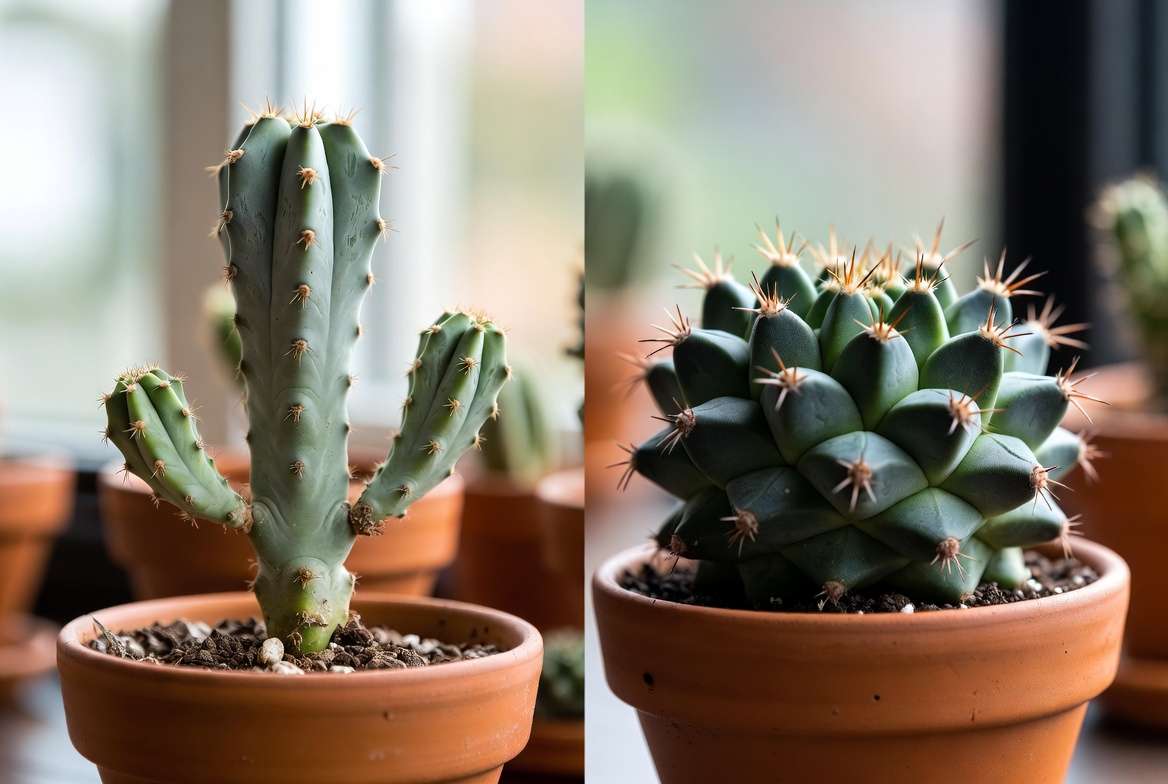
The Problem: This is arguably the most common reason indoor cacti fail to bloom. Many plant parents treat their cacti the exact same way year-round—keeping them in a cozy 70°F (21°C) house and watering them regularly. However, desert cacti absolutely require a period of winter dormancy to set their spring flower buds. Without a distinct cold and dry period, the plant’s internal clock gets confused. It will continue to slowly grow vegetatively, skipping the reproductive phase entirely.
The Fix: You must artificially replicate a desert winter. This process, known as “overwintering,” typically lasts from late November through February.
-
Drop the Temperature: Move your cactus to a cooler spot in your home, such as a drafty windowsill, an unheated (but frost-free) garage, or a cool basement. The ideal dormancy temperature for most desert cacti is between 45°F and 55°F (7°C – 13°C).
-
Halt the Watering: Drastically reduce your watering schedule. During dormancy, a cactus is resting and does not take up moisture. Watering at this time can easily lead to root rot. You should only provide a few drops of water every 4 to 6 weeks—just enough to keep the plant from severely shriveling.

3. 💧 Watering Mistakes: Too Much Love or Bone Dry?
The Problem: Watering is the tightrope walk of cactus care. Both extremes—overwatering and severe underwatering—will completely sabotage your chances of seeing flowers. Overwatering, especially during the colder months, leads directly to root rot. A plant fighting a fungal infection at its roots is incapable of flowering. Conversely, while cacti are drought-tolerant, severe underwatering during the active growing season (spring and summer) starves the plant. Pushing out a bloom requires a massive reserve of cellular hydration and energy. If the cactus is constantly dehydrated, it will abort any developing flower buds to conserve water and survive.
The Fix: You need to master the “soak and dry” method.
-
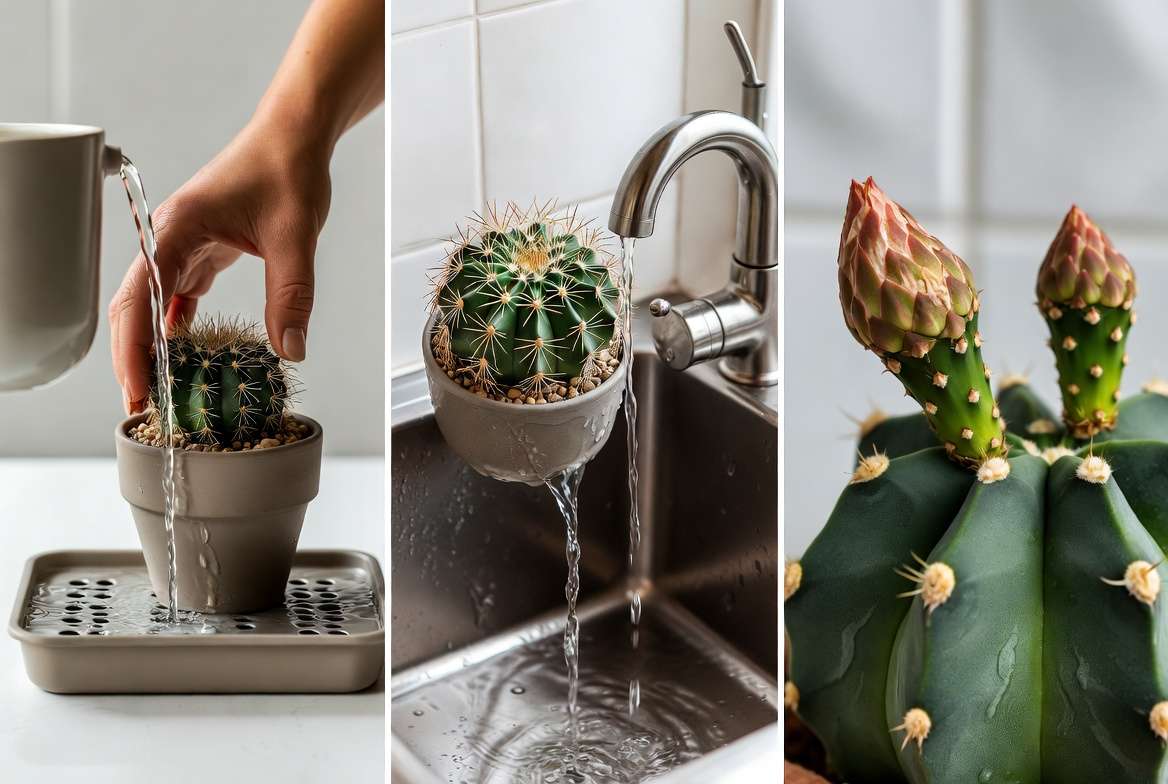
Active Growing Season (Spring/Summer): Wait until the soil is 100% dry from top to bottom. You can check this by pushing a wooden skewer deep into the pot; if it comes out completely clean and dry, it is time to water. When you do water, drench the soil thoroughly until water pours out of the drainage holes. Empty the saucer immediately so the plant never sits in standing water.
-
Dormant Season (Winter): As mentioned previously, reduce watering strictly to a few drops every month or two, purely to prevent the roots from completely desiccating.
4. 🪴 Poor Soil Health & Nutrient Deficiencies
The Problem: A major factor often overlooked when troubleshooting no flowers on blooming cacti is the state of the potting medium. If your cactus has been sitting in the same compacted, degraded peat moss for five years, its root system is likely suffocating, and all available nutrients have long been depleted. Without the proper macronutrients—specifically phosphorus—the plant simply does not have the chemical building blocks necessary to generate floral tissues.
The Fix: Optimizing soil health and nutrient intake will provide the foundational support your cactus needs to bloom beautifully.
-
Soil Health Upgrade: Repot your cactus every two to three years in a highly aerated, well-draining cactus mix. Avoid standard potting soil. Instead, formulate a mix using one part high-quality organic matter (like sifted compost or earthworm castings) to two parts inorganic grit (such as pumice, perlite, or coarse horticultural sand). This mimics their natural, rocky desert terrain and ensures rapid drainage.
-
Fertilizing for Blooms: During the active growing season, feed your cactus with a specialized fertilizer. Avoid high-nitrogen fertilizers, which encourage rapid, weak green growth at the expense of flowers. Instead, opt for a low-nitrogen, high-phosphorus liquid fertilizer (frequently labeled as a “bloom booster” or “cactus juice”). Dilute it to half-strength and apply it once a month from early spring until late summer.
5. ⏳ Age and Maturity: The Waiting Game
The Problem: Sometimes, the issue isn’t your care routine at all; it is simply a matter of patience. Many novice indoor gardeners purchase a tiny, golf-ball-sized cactus expecting a floral show by June. However, depending on the species, your plant might literally be an infant. Certain iconic species, like the Saguaro (Carnegiea gigantea) or the Golden Barrel Cactus (Echinocactus grusonii), can take 15 to 30 years—or even longer—to reach sexual maturity and produce their first bloom.
The Fix: Identify your specific cactus genus to set realistic timelines and expectations. Use plant identification apps or consult with local nurseries to understand exactly what you are growing. If you are desperate for blooms and don’t want to wait a decade, you need to select the right species.
Top 3 Beginner-Friendly Cacti That Bloom Young: If you want guaranteed flowers within a year or two, add these eager bloomers to your collection:
-
Mammillaria (Pincushion Cacti): Famous for producing adorable halos of tiny pink, white, or yellow flowers right at the crown.
-
Gymnocalycium (Chin Cacti): Extremely hardy and produces disproportionately large, stunning blooms in pale pinks and whites, even when the plant is very small.
-
Parodia (Ball Cacti): Known for brilliant, glossy yellow or orange flowers that frequently outshine the plant itself.
IV. Pro-Tips to Force a Stubborn Cactus to Bloom ✨
If you have dialed in the sunlight, perfected the soil health, and respected the winter dormancy period, but your mature cactus still won’t bud, try these advanced cultivation tricks:
-
Temperature Fluctuations (The Day/Night Shift): Desert environments are characterized by extreme temperature swings. A baking hot day is often followed by a chilly night. Replicating this 15 to 20-degree day-to-night temperature drop during the summer can sometimes shock a stubborn cactus into blooming. Leaving a window open near the plant at night can help achieve this.
-
The Root Binding Secret: Cacti are peculiar; they often bloom best when slightly stressed. A cactus swimming in a massively oversized pot will focus all its energy on expanding its root system. A plant that is slightly root-bound (snug in its pot) feels a mild environmental pressure, which triggers a biological urge to reproduce and flower.
-
Avoid Moving Them: Once your cactus begins to form tiny buds, do not move it. Changing the plant’s orientation to the sun can disrupt its delicate energy balance, causing a frustrating phenomenon known as “bud blast,” where the buds dry up and fall off before opening. If you must move the pot for watering, mark the side facing the window so you can return it to the exact same position.
V. Common Myths About Cactus Blooming 🛑
Let’s clear up some widespread misinformation that frequently leads indoor gardeners astray:
-
Myth 1: Cacti only bloom once every 100 years. Fact: While the Century Plant (Agave, which is a succulent, not a true cactus) takes decades to bloom and then dies, the vast majority of mature desert cacti can and will bloom annually if given the proper environmental care.
-
Myth 2: You need to water them with ice cubes to shock them into blooming. Fact: This is incredibly harmful. Placing freezing ice cubes directly on the soil can severely damage the shallow root systems of tropical and desert plants alike. It causes cellular damage and introduces cold shock, which will actively prevent blooming and invite fungal diseases.
VI. Frequently Asked Questions (FAQs) 💬
How long do cactus flowers last? It varies wildly by species. Some spectacular blooms, like those of the Epiphyllum (Orchid Cactus) or Selenicereus (Night-Blooming Cereus), open at dusk and wilt by sunrise. Other desert varieties, like certain Echinopsis or Mammillaria, can hold their vibrant flowers for a week or more, especially if kept out of excessively hot, direct afternoon sun once the bloom has opened.
Should I fertilize my cactus while it has flower buds? Yes, but proceed with caution. You can continue using a diluted, high-phosphorus fertilizer while the buds are forming to support the energy draw. However, once the flowers fully open, pause fertilizing to avoid overwhelming the plant and potentially shortening the lifespan of the blooms.
Why did my cactus flower buds fall off before opening? This heartbreaking event is called “bud blast.” It is almost always caused by a sudden change in the plant’s environment. Moving the plant to a new location, a sudden draft of cold air from an AC vent, severe underwatering, or drastically changing the light levels can cause the cactus to abandon its blooms to save energy.
VII. Conclusion & Next Steps 🌱
Troubleshooting no flowers on blooming cacti does not require magic; it simply requires observation, patience, and a willingness to mimic the harsh, beautiful rhythms of the desert. By maximizing light exposure, respecting the crucial winter dormancy period, mastering the soak-and-dry watering technique, optimizing your soil health, and confirming you actually have a mature blooming species, you will set the stage for a spectacular floral display.
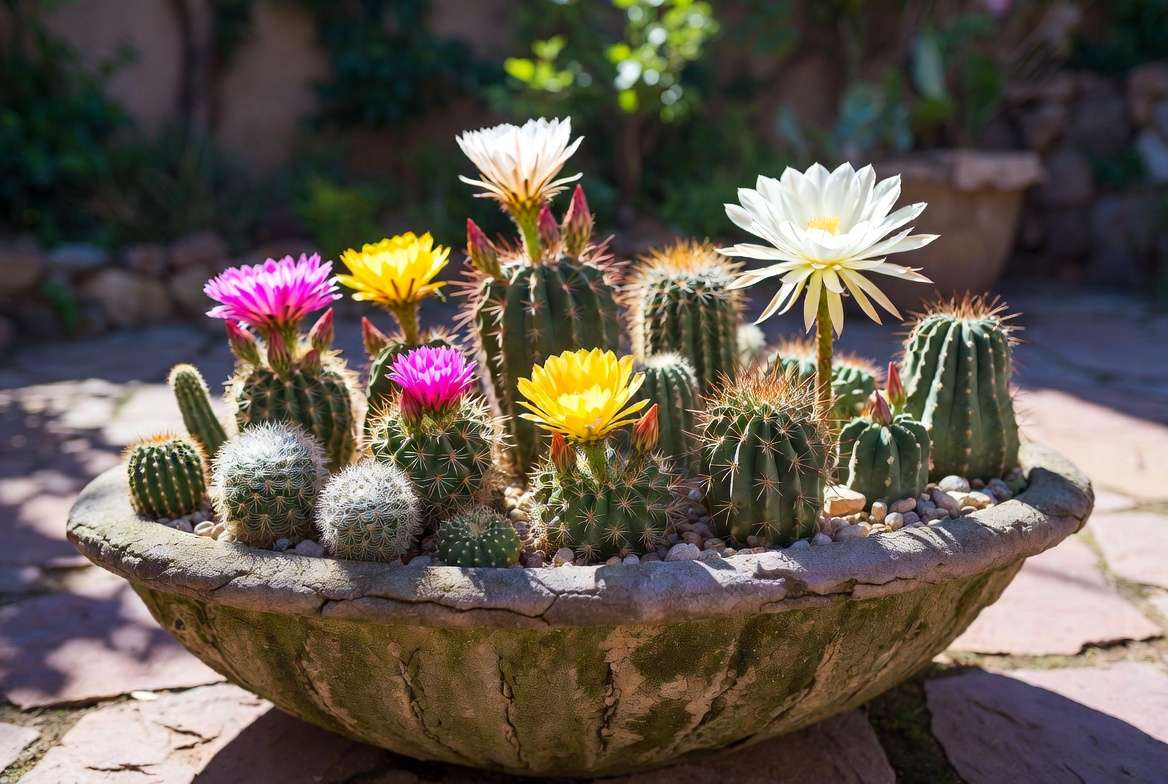
Remember that indoor gardening is a journey. Do not get discouraged if your spiky companions take a season or two to adjust to their newly optimized care routine. The moment that first neon petal unfurls, all the troubleshooting and patience will be entirely worth it.











