
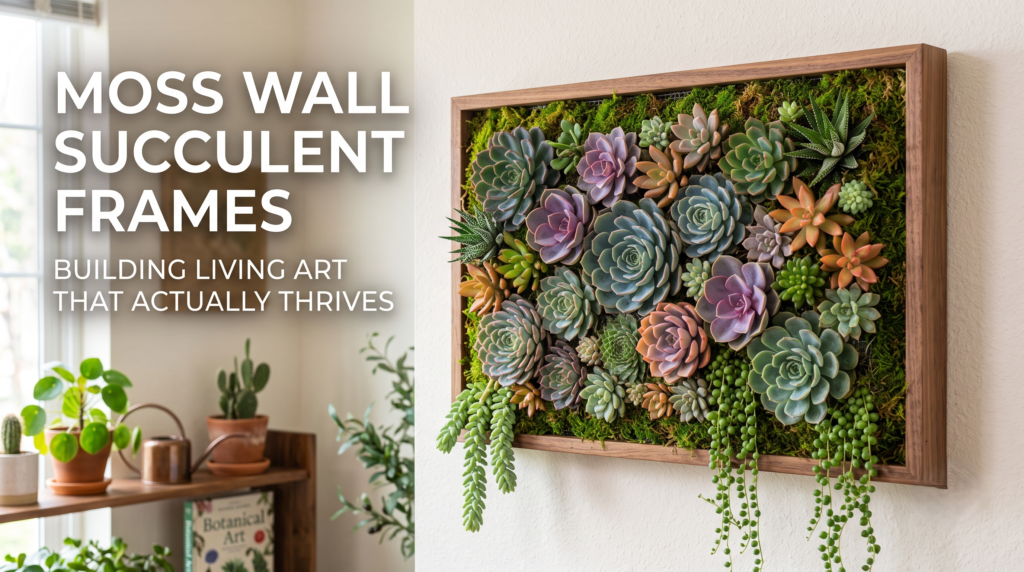
Imagine a lush, vibrant tapestry of greens, purples, and frosty blues hanging perfectly on your living room wall. It is the ultimate fusion of raw nature and sleek interior design. However, mastering vertical indoor gardening presents unique challenges. Many stunning, Pinterest-perfect creations succumb to rot, etiolation (stretching), or simply fall apart within months due to improper construction. If you want to bypass these common failures, building moss wall succulent frames is the most effective way to combine breathtaking aesthetics with a sustainable, long-term growing environment.
The primary problem with vertical planting is gravity combined with traditional potting methods. Plants require moisture to survive, but hanging damp soil on a wall often leads to structural damage, mess, and root rot.
This comprehensive guide eliminates the guesswork. By following strict botanical principles and proper construction techniques, you will learn how to build, plant, and maintain living wall art that does not just survive for a few weeks, but actively roots, grows, and thrives for years to come.
2. What Exactly Are Moss Wall Succulent Frames? 🤔
At its core, a moss wall succulent frame is a modified shadowbox designed specifically for vertical plant growth. Instead of a traditional pot filled with dirt, the structure utilizes a deep wooden frame, a waterproof backing, a supportive wire mesh grid, and a tightly packed bed of moss. Living succulent cuttings are then woven into this matrix to create a seamless, living picture.

Why Sphagnum Moss Instead of Soil?
Traditional cactus or potting soil is heavy, messy, and prone to shifting when turned vertically. The secret to a successful vertical garden lies in using high-quality, long-fibered sphagnum moss.
-
Moisture Retention & Aeration: Sphagnum moss acts like a sponge, holding up to 20 times its weight in water. Yet, its fibrous nature allows for excellent airflow, which succulent roots desperately need to prevent rotting.
-
Structural Integrity: When packed tightly behind wire mesh, moss holds its shape indefinitely. It creates a stable, lightweight anchor for unrooted cuttings to grab onto as they develop their root systems.
-
Cleanliness: Moss eliminates the issue of muddy water dripping down your walls or dry dirt crumbling onto your floors.
Beyond their practical mechanics, these frames serve as phenomenal space-saving centerpieces. They act as natural air purifiers, bringing the psychological benefits of biophilic design into smaller apartments or offices where floor space is limited.
3. 🛠️ Materials Checklist: Setting Up for Success
Before making a single cut or soaking any moss, gather all necessary supplies. Using the correct materials is the difference between a thriving miniature ecosystem and a water-damaged wall.
The Frame Structure
-
[ ] Shadowbox Frame: Choose a sturdy wooden frame with a depth of at least 2 to 3 inches. This depth is mandatory to allow adequate room for root expansion.
-
[ ] Waterproof Backing: A sturdy piece of marine-grade plywood, thick plastic sheeting, or a standard backing board heavily coated in polyurethane or marine varnish.
The Support System
-
[ ] Wire Mesh: Galvanized hardware cloth with 1/2-inch squares is the industry standard. It is large enough to slip succulent stems through, but tight enough to hold the moss in place. Avoid chicken wire; the holes are too large.
-
[ ] Fasteners: A heavy-duty staple gun and rust-resistant staples.
-
[ ] Hanging Hardware: Heavy-duty D-rings and drywall anchors rated for at least 20-30 lbs (the frame will be significantly heavier when wet).
The Medium & The Plants
-
[ ] Long-Fibered Sphagnum Moss: Purchase premium, organic sphagnum moss (often found in the orchid section of garden centers).
-
[ ] Succulent Cuttings: An assortment of small-to-medium succulent cuttings that have been allowed to callus over for 3 to 5 days.
-
[ ] Accessories: Rooting hormone powder (highly recommended to speed up establishment), floral pins (for securing top-heavy rosettes), and a chopstick or pencil.
⚠️ Expert Warning: Never use dyed craft moss, “reindeer moss,” or preserved sheet moss for this project. These products are often chemically treated, completely dead, and will rot or poison living succulents. You need raw, natural sphagnum moss.
4. 🌵 Choosing the Right Succulents for Vertical Growth
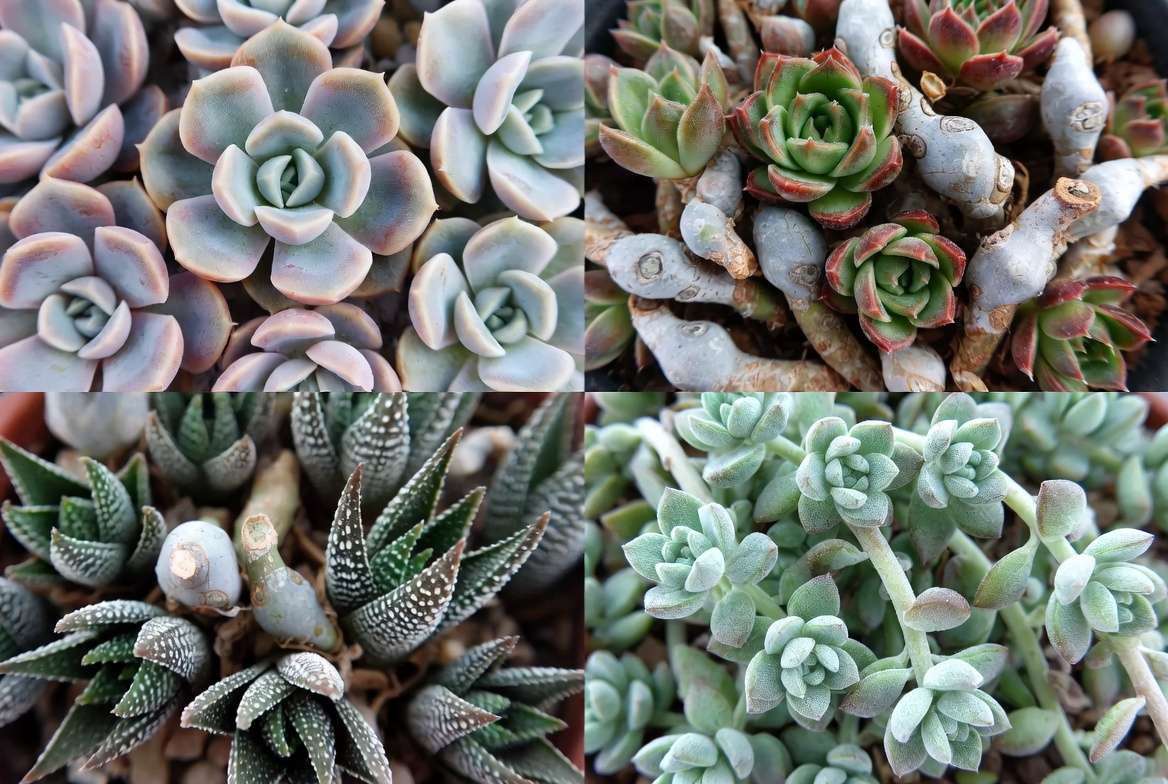
Not all succulents are suited for vertical life. The goal is to select varieties that naturally stay compact, have shallow root systems, and do not grow aggressively tall. Rosette-shaped succulents are the gold standard because their foliage spreads outward, naturally concealing the wire mesh and creating a dense, professional look.
Here is a breakdown of the best species to use for your living art:
| Succulent Type | Ideal Role in Frame | Growth Habit & Care Notes |
|---|---|---|
| Echeveria | Thrillers (Focal Points) | Stunning, rose-like shapes available in pastels, pinks, and deep purples. They require bright light to maintain their compact shape and vibrant color. |
| Sempervivum (Hens and Chicks) | Fillers (Gap Closers) | Incredibly hardy, cold-tolerant, and prolific. They produce tiny offsets (“chicks”) that will rapidly fill in any empty spaces in your moss grid. |
| Haworthia | Texture & Contrast | Known for their spiky, architectural look and white striping. Excellent for indoor frames because they tolerate lower light conditions better than Echeverias. |
| Sedum (Trailing varieties) | Spillers (Bottom Edges) | Varieties like ‘Burro’s Tail’ or ‘String of Pearls’ look phenomenal planted near the bottom edge, cascading gracefully out of the frame. |
| Crassula (Small varieties) | Fillers (Background) | Stick to compact types like Crassula perforata (String of Buttons) to add height and vertical texture without overtaking the box. |
What to Avoid: Steer clear of fast-growing, heavy, or vertical-reaching plants like Aeoniums, large Aloe varieties, or Kalanchoes. They will quickly outgrow the frame, become top-heavy, and pull themselves out of the moss.
5. 🏗️ Step-by-Step Guide: Building Your Moss Wall Succulent Frame
With your materials gathered and succulents selected, it is time to construct the frame.
Step 1: Waterproofing & Prepping the Frame 🛡️
If moisture touches your drywall, it will cause mold and structural damage. If your shadowbox is made of raw wood, paint the interior and back panel with two coats of waterproof sealant, marine varnish, or liquid rubber. Allow it to cure completely. Once dry, attach the backing securely to the frame using wood glue and brad nails.
Step 2: Preparing the Moss Bed 💧
Sphagnum moss comes dehydrated and tightly packed.
-
Place the dry moss into a large bucket and submerge it in water for 15 to 20 minutes until fully expanded.
-
Grab handfuls of the moss and wring them out thoroughly. The moss should feel like a damp sponge—hydrated, but not dripping wet.
-
Pack the damp moss firmly into the shadowbox. Press it down into every corner. The moss bed must be incredibly dense; if it is too loose, the succulents will lack the support needed to anchor their roots. Fill the box until the moss is flush with the top edge.
Step 3: Securing the Grid 🕸️
Take your galvanized 1/2-inch hardware cloth and cut it to the exact internal dimensions of your frame (wear heavy leather gloves to protect your hands from sharp wire edges).
-
Lay the wire mesh directly over the packed moss.
-
Using your heavy-duty staple gun, staple the wire mesh to the inside lip of the frame. Place a staple every 2 to 3 inches to ensure the grid cannot bow or bulge outward under the weight of the growing plants.
-
Optional but recommended: Add a decorative wooden face frame over the top to hide the staples and the raw edges of the wire mesh.
Step 4: Designing and Planting 🎨
Before planting, ensure the stems of your succulent cuttings have callused (dried and hardened over the cut end). Planting a raw, freshly cut stem into damp moss is a guaranteed recipe for bacterial rot.
-
Design First: Lay your unplanted cuttings out on a table in the exact dimensions of your frame. Follow the “Thriller, Filler, Spiller” design theory. Place your largest, most colorful Echeverias slightly off-center for visual interest. Surround them with smaller Sempervivums, and place trailing Sedums at the bottom.
-
Prep the Holes: Use a chopstick, thick wooden skewer, or pencil to gently poke a hole through a wire square and deep into the moss.
-
Planting: Dip the callused stem of the succulent into rooting hormone powder. Gently guide the stem into the hole you just created.
-
Secure: Press the moss firmly around the stem to hold it in place. If a large rosette feels wobbly, take a U-shaped floral pin and gently pin the stem directly to the moss and wire grid for extra stability. Continue this process until the frame is densely packed.
6. ⏳ The Golden Rule of Succulent Frames: The Rooting Phase
If there is one section of this guide that dictates the ultimate success or failure of your project, it is this: Do not hang your succulent frame immediately.
The biggest mistake beginners make is rushing to display their new living art. Gravity is the natural enemy of unrooted cuttings. If you hang the frame on day one, the succulents will simply fall out of the moss, or their developing roots will curve awkwardly upward in search of moisture, leading to weak establishment.
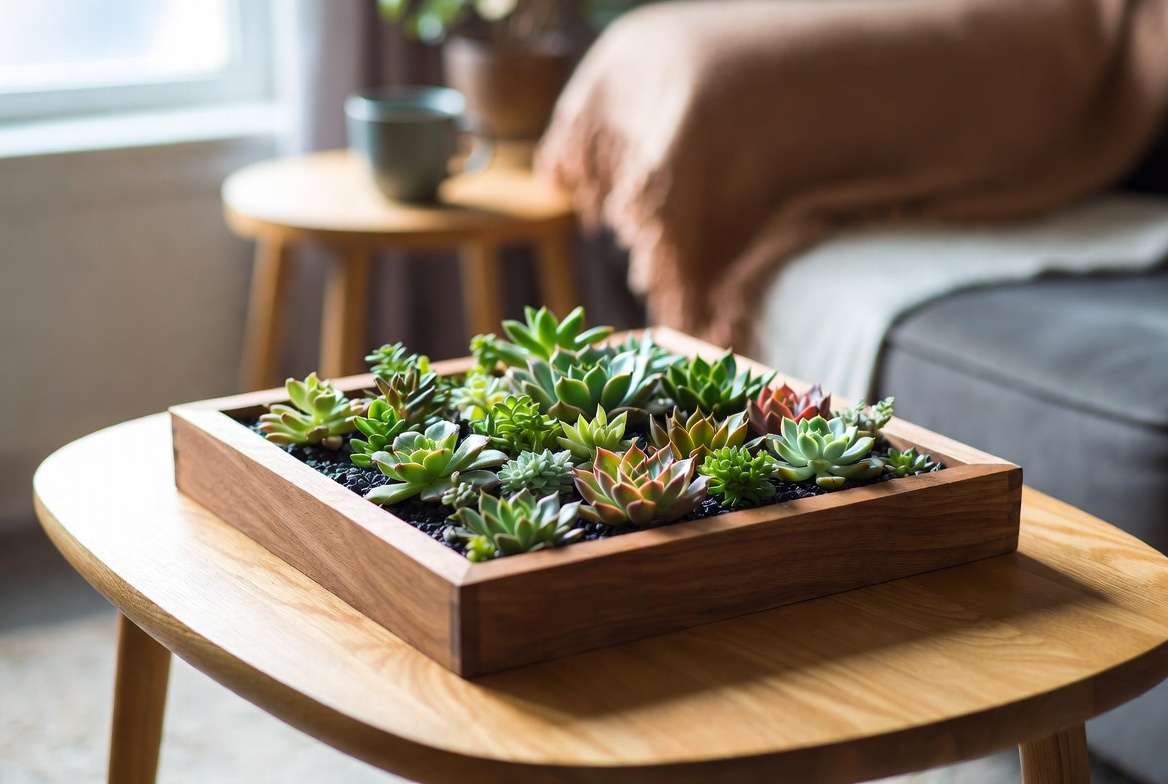
The Lay-Flat Period
Once planted, your frame must remain lying completely flat in a location with bright, indirect light for a minimum of 4 to 8 weeks. During this crucial “rooting phase,” the cuttings will sense the moisture in the moss and send out strong, healthy roots to anchor themselves into the wire mesh.
The “Gentle Tug” Test
How do you know when your living art is finally ready to hang? Perform the gentle tug test. Lightly grasp the crown of a succulent and give it a very soft pull.
-
If the plant wiggles easily and feels loose, it needs more time flat.
-
If you feel strong resistance, the roots have successfully bound to the moss and wire matrix. The frame is now safe to hang vertically!
7. 💧☀️ Vertical Care Secrets: How to Keep Your Living Art Alive
Maintaining a vertical garden requires a different approach than caring for a potted plant on a windowsill. To ensure your succulents thrive rather than just survive, you must master the mechanics of watering, light exposure, and feeding.
Mastering the Watering Technique (The “Soak and Drip” Method)
A common misconception is that you can simply mist your succulent frame with a spray bottle while it hangs on the wall. Misting only wets the foliage, which encourages fungal diseases, and leaves the internal moss bone-dry. Succulents need deep watering to develop deep roots.
-
Take it down: Remove the frame from the wall and lay it perfectly flat in a sink, bathtub, or outdoor patio space.
-
Soak: Using a watering can with a narrow spout, slowly pour water over the moss grid, avoiding the delicate center rosettes of the plants. Water thoroughly until the moss is completely damp.
-
Drip and Dry: Leave the frame lying flat for a few hours (or overnight) to allow the moss to absorb the moisture and excess water to drain away completely.
-
Re-hang: Once the frame is no longer dripping and the foliage is dry, hang it back on the wall.
Frequency: Only water when the moss is completely dry. You can usually tell by the weight of the frame; a dry frame feels surprisingly light. Depending on the humidity of your home, this is typically every 2 to 4 weeks.
Light Requirements for Vibrant Colors 🌞
Succulents are sun-loving plants. Without adequate light, they will stretch, pale in color, and eventually die.
-
The Sweet Spot: Hang your frame in a room that receives abundant bright, indirect sunlight—near an east- or south-facing window is ideal.
-
Grow Lights: If your home lacks natural light, do not despair. A stylish LED full-spectrum grow light placed above the frame can perfectly supplement sunlight and keep your Echeverias displaying their vibrant red, pink, and purple stress colors.
Fertilizing Vertical Gardens 🧪
Because sphagnum moss lacks the natural nutrients found in soil, you will need to feed your living wall. Once a month during the active growing season (Spring and Summer), mix a liquid succulent fertilizer at half-strength. Apply this nutrient solution directly to the moss using a precision watering can while the frame is lying flat. Stop fertilizing completely during the winter dormancy period.
8. 🚑 Maintenance & Troubleshooting Common Issues
Even a well-built frame will experience natural growing pains. Here is how expert growers maintain the pristine, gallery-quality look of their moss walls over the years.
-
Issue: Leggy, stretching succulents (Etiolation).
-
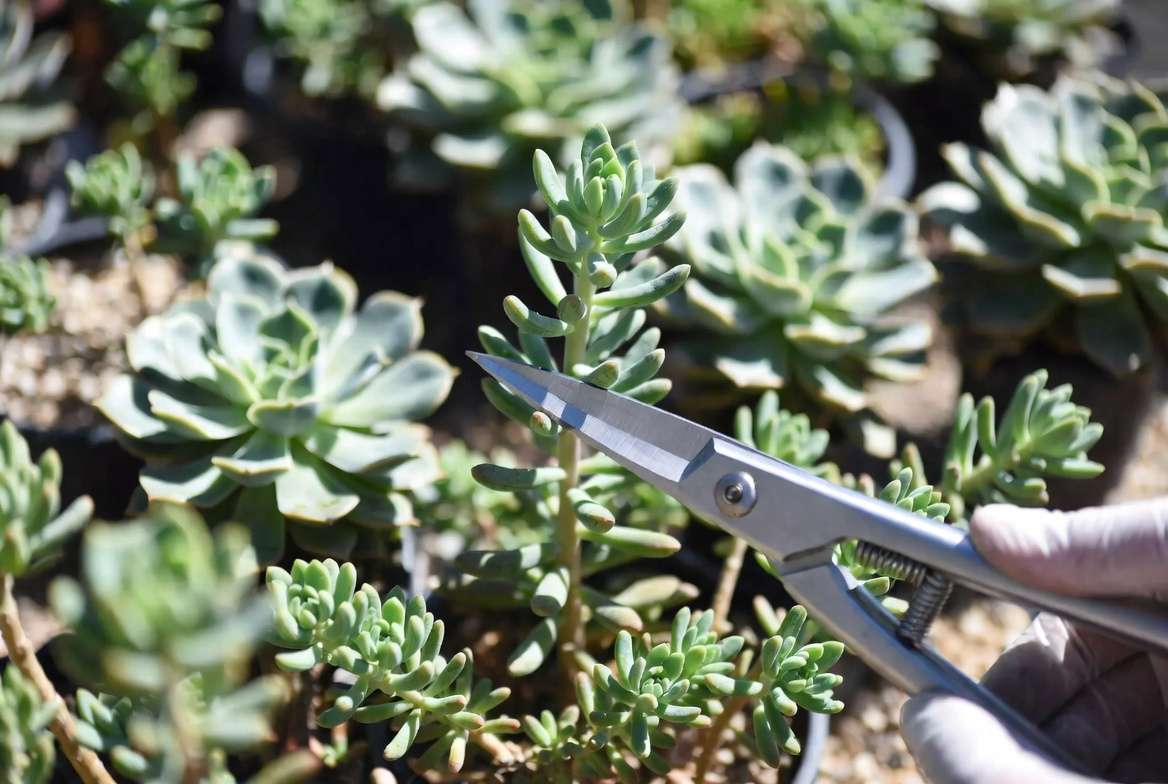
The Fix: This is a clear cry for more light. Using sterilized shears, behead the stretched plant, leaving about an inch of stem. Let it callus, and replant it back into the frame. Move the frame to a brighter location.
-
-
Issue: Crispy, dead leaves at the base of the plant.
-
The Fix: Do not panic; this is a normal part of succulent growth. As the plant produces new leaves from the center, it consumes the old ones at the bottom. Use long tweezers to carefully extract dead leaves. Leaving dead foliage in the moss traps moisture and invites pests.
-
-
Issue: White, cotton-like fuzz (Mealybugs).
-
The Fix: Mealybugs love the tiny crevices in vertical gardens. Spot-treat visible bugs with a Q-tip dipped in 70% isopropyl alcohol. For severe infestations, apply a systemic houseplant insect granule directly into the damp moss.
-
-
Issue: Overcrowding.
-
The Fix: As your plants thrive, they will produce offsets (pups). When the frame becomes too crowded, gently wiggle out the excess pups. You can use these free plants to start a brand new frame or propagate them in small pots!
-
9. 🙋♀️ Frequently Asked Questions (FAQs)
How long do moss wall succulent frames last? With proper watering, adequate lighting, and occasional pruning, a succulent frame can last for several years. You may need to replace an individual plant occasionally if it dies or grows too large, but the overall structure and moss bed will remain viable for a long time.
Are these frames exceptionally heavy? They can be. While dry sphagnum moss is virtually weightless, a densely packed frame soaked with water holds considerable weight. Always use heavy-duty drywall anchors or mount the hardware directly into a wall stud.
Can I use regular potting soil instead of moss? It is highly discouraged. Soil lacks the structural binding properties of long-fibered sphagnum moss. It will inevitably wash out, shift to the bottom of the frame over time, and create a muddy mess on your walls and floors. If you absolutely must, you can mix a small amount of coco coir into the moss, but pure long-fibered moss is vastly superior for vertical applications.
Do I need to buy fully rooted plants for this project? No! In fact, unrooted succulent cuttings are much easier to work with. Trying to force a massive, delicate root ball through small wire mesh can heavily damage the plant. Cuttings slide in effortlessly and adapt to the moss environment naturally as they grow new roots.
10. Conclusion: Bring Your Walls to Life 🌟
Building a moss wall succulent frame is more than just a weekend DIY craft; it is an exercise in botanical architecture. By understanding the unique requirements of vertical growth—choosing the right sphagnum moss, securing a sturdy mesh grid, and respecting the critical flat-laying rooting phase—you can elevate a handful of simple cuttings into breathtaking, living art.
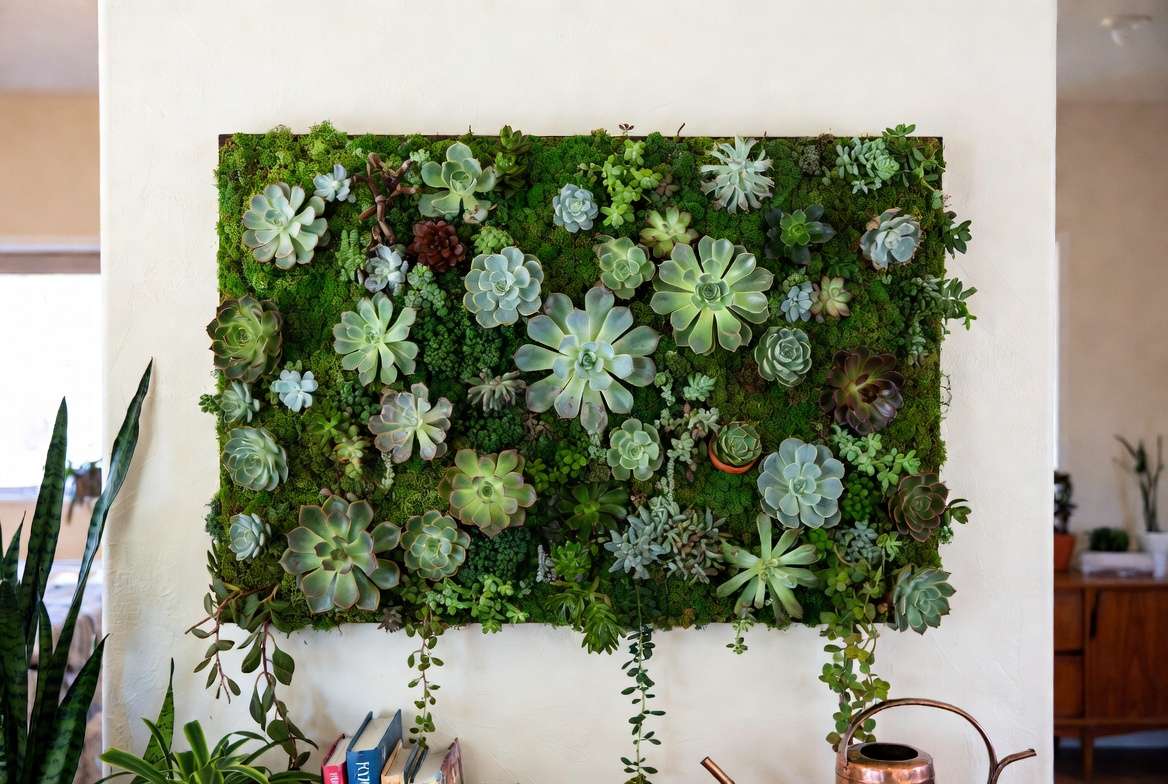
While they require a specialized “soak and drip” watering routine and mindful light placement, the reward of watching a lush, geometric garden thrive directly on your living room wall is unparalleled. Vertical gardening is an evolving, dynamic process. Do not be afraid to prune, adjust, and propagate as your frame matures.
Have you successfully built your own succulent frame, or are you currently in the exciting (and testing) rooting phase? Tag us in your creations on Instagram, or check out our guide on How to Propagate Succulents to get an endless supply of free cuttings for your next vertical masterpiece!











