
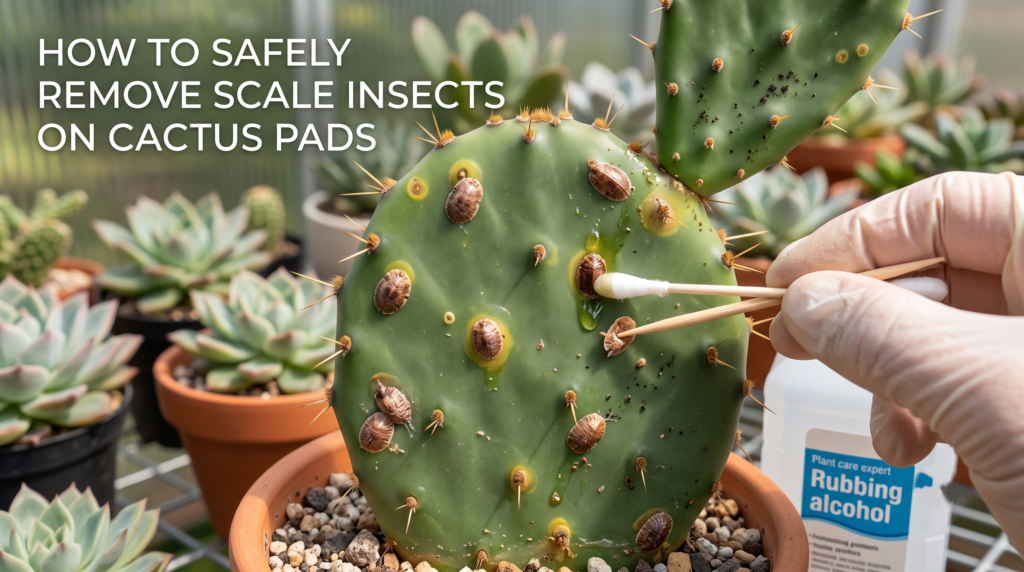
It happens to the best of us. You are admiring your beautiful prickly pear or paddle cactus, and suddenly, you spot them: strange, crusty little bumps clinging stubbornly to the green flesh of your plant. If you are currently panicking, take a deep breath. Finding scale insects on cactus pads is a surprisingly common problem for succulent owners, but it does require careful, immediate action.
As a plant care specialist who has spent years rescuing succulents from severe pest infestations, I can assure you that your cactus is not doomed. 🧑🌾 However, treating these resilient bugs the wrong way—like aggressively scraping them off—can leave permanent, unsightly scars on your beloved plant. In this comprehensive guide, we are going to walk through exactly how to identify, treat, and permanently eradicate scale insects while keeping your cactus healthy, beautiful, and damage-free. Let’s get your plant back to thriving! ✨
🦠 What Exactly Are Scale Insects? (And Why Do They Love Cacti?)
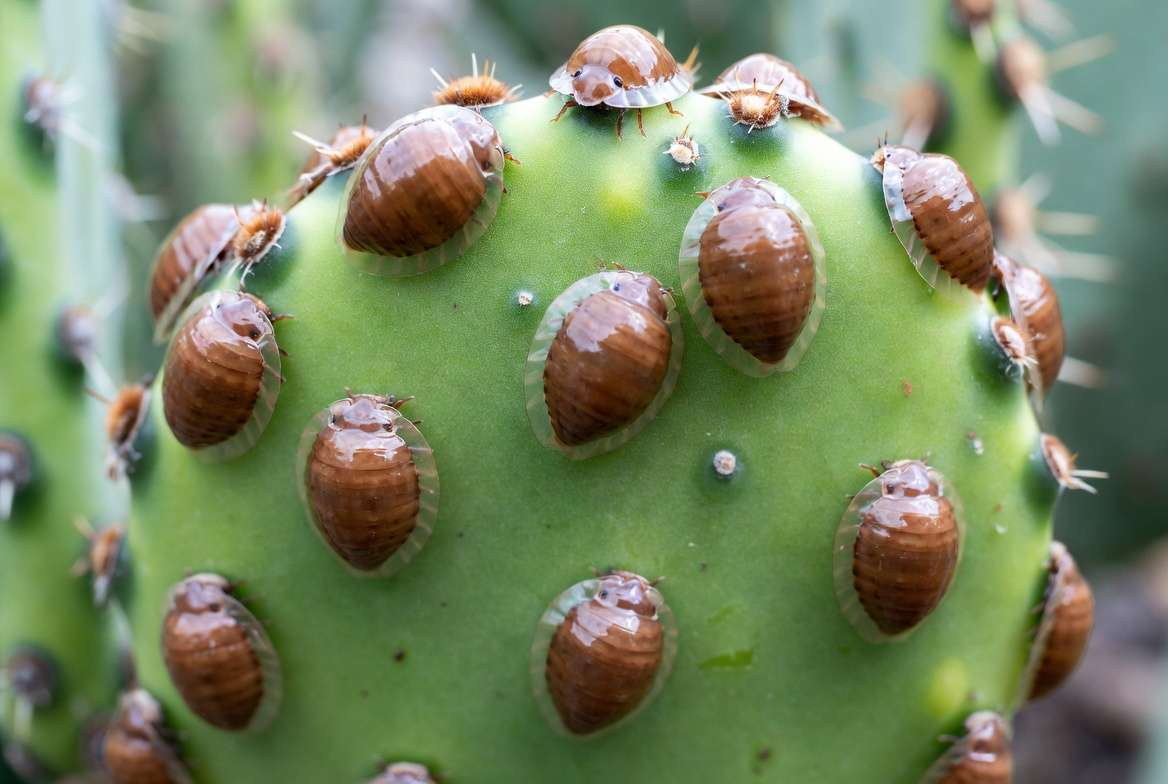
Scale insects are tiny, sap-sucking pests that belong to the superfamily Coccoidea. Unlike standard houseplant pests that scurry around (like spider mites or fungus gnats), adult scale insects are largely immobile. Once they find a cozy spot on your plant, they anchor their mouthparts into the plant tissue, build a protective shell over their bodies, and spend the rest of their lives draining the plant’s vital sap.
Why are they so drawn to cacti? The fleshy, nutrient-rich, and water-dense pads of cacti like the Opuntia (prickly pear) are basically an all-you-can-eat buffet for these pests. The flat surface of the pads also provides ample real estate for them to settle down and multiply. 🐛
🔍 Identifying Scale vs. Natural Cactus Corking
Before we start treating your plant, we need to ensure you are actually dealing with a pest. Many beginner cactus owners confuse scale insects with “corking”—a completely natural, woody aging process that helps a cactus support its own weight as it grows taller.
Treating corking as a pest infestation can severely stress a healthy plant. Here is how to tell the difference:
🛡️ Soft Scale vs. Armored Scale: Know Your Enemy
There are two main types of scale insects you might encounter on your indoor or outdoor cacti:
-
Soft Scale: These bugs have a thin, waxy coating attached to their bodies. As they feed, they excrete a sticky, sugary substance known as “honeydew.”
-
Armored Scale: This is the most common culprit found on cacti. Armored scales secrete a hard, waxy shield over themselves that is actually separate from their bodies. This armor makes them incredibly resistant to standard chemical pesticide sprays, which simply bounce off their shells.
🚨 4 Telltale Signs of a Scale Infestation on Your Cactus
Early detection is the key to preventing severe plant damage. Keep an eye out for these four undeniable symptoms:
-
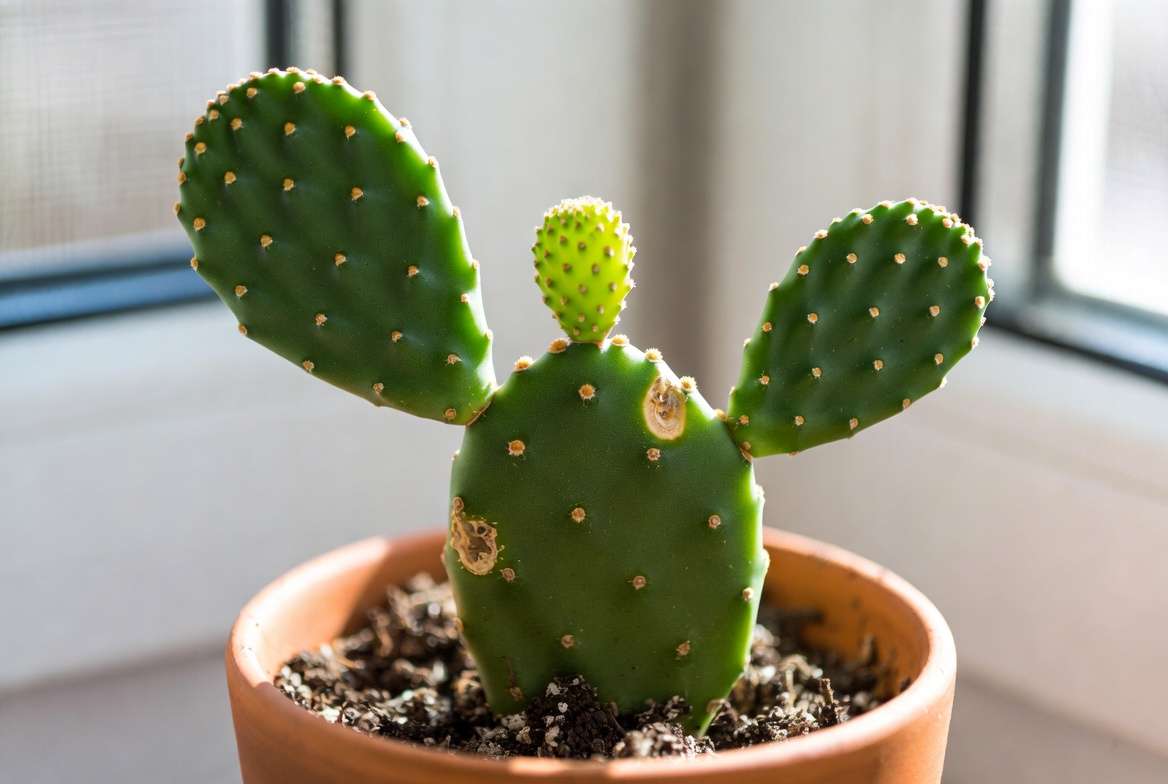
Visual Bumps: You will notice small, round, oval, or oyster-shaped scabs on the cactus pads. They often cluster around the areoles (the bumps where the cactus spines grow from) or hide in the crevices of the plant.
-
Yellowing Halos: Because scale insects are draining the chlorophyll and sap from the plant, you will often see distinct yellow or pale spots forming exactly where the bug is attached.
-
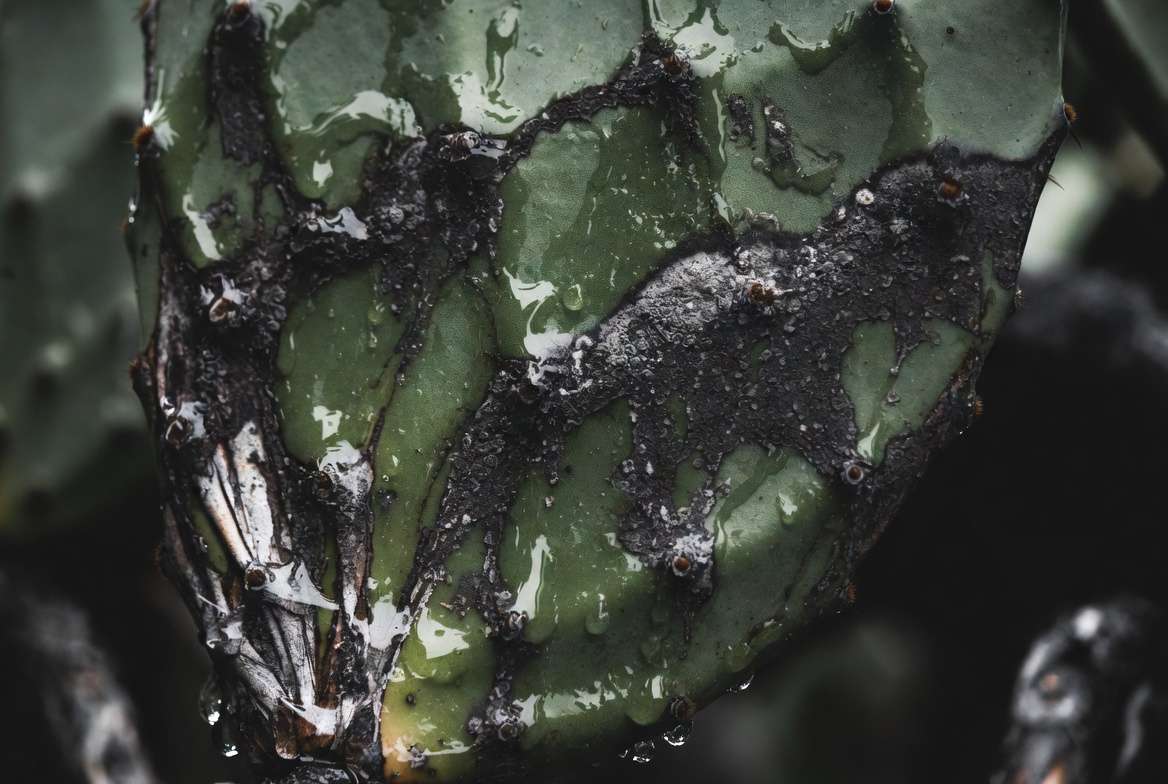
Sticky Honeydew: If your cactus or the rim of its terracotta pot feels unusually sticky and glossy, you likely have a soft scale infestation.
-
Black Sooty Mold: Honeydew acts as a breeding ground for a fungal infection called black sooty mold. If your cactus looks like it is covered in dark soot or ash, scale bugs are usually the root cause. 🌑
🛑 Stop! What NOT to Do When Treating Cactus Pads
When plant parents discover pests, their first instinct is often to go on the offensive. However, cacti have delicate epidermal layers that can easily be ruined by panic-induced treatments. Avoid these massive mistakes:
Avoid Aggressive Scraping 🔪
It is incredibly tempting to take a butter knife, a hard-bristled toothbrush, or the rough side of a sponge to scrub the bugs away. Do not do this.
Scraping will tear through the cactus’s protective epidermis (its “skin”). While this might remove the bugs, it will leave the pad covered in permanent, pale, callous-like scars. Furthermore, open wounds expose your cactus to bacterial and fungal rot, which can kill the plant much faster than the scale ever would.
The Danger of Sun + Oils (Phototoxicity) ☀️🔥
Many natural pest control recipes call for horticultural oils, neem oil, or insecticidal soaps. While these are highly effective (as we will discuss below), applying oil to a cactus and leaving it in direct sunlight is a fatal error.
The oil acts like a magnifying glass for the sun’s UV rays, literally baking and deep-frying the cactus pad. This results in severe phototoxicity, causing massive sunburns that the plant may never recover from. Always treat your plants in the evening or keep them in deep shade for 48 hours post-treatment.
🛠️ Step-by-Step Guide: How to Safely Remove Scale Insects on Cactus Pads
Now that we know what we are up against and what not to do, it is time to take action. Because armored scale insects are highly resistant to simple contact sprays, removing them requires a targeted, methodical approach.
Here is the exact, professional-grade protocol I use to treat paddle cacti safely. We will start with the gentlest methods and work our way up to stronger treatments for severe infestations. 🧤
🏥 Step 1: Isolate the Infected Cactus Immediately
The absolute first step in any pest management routine is quarantine. While adult scales are stationary, their babies—known as “crawlers”—are highly mobile and virtually microscopic. These crawlers can easily hitch a ride on a breeze, on your clothing, or simply crawl across your plant shelf to infest your other healthy succulents and houseplants.
Move the affected cactus to a completely separate room, well away from your indoor jungle. If it is an outdoor plant, move it away from the garden bed if potted, or avoid brushing past it if it is planted in the ground.
🧪 Step 2: The Q-Tip and Rubbing Alcohol Method (For Light Infestations)
If you have caught the infestation early and only see a few dozen bumps, spot treatment is your best friend.
What you need:
-
70% Isopropyl rubbing alcohol (Do not use 90%, as it evaporates too quickly to penetrate the insect’s shell).
-
Cotton swabs (Q-tips).
-
A soft wooden toothpick.
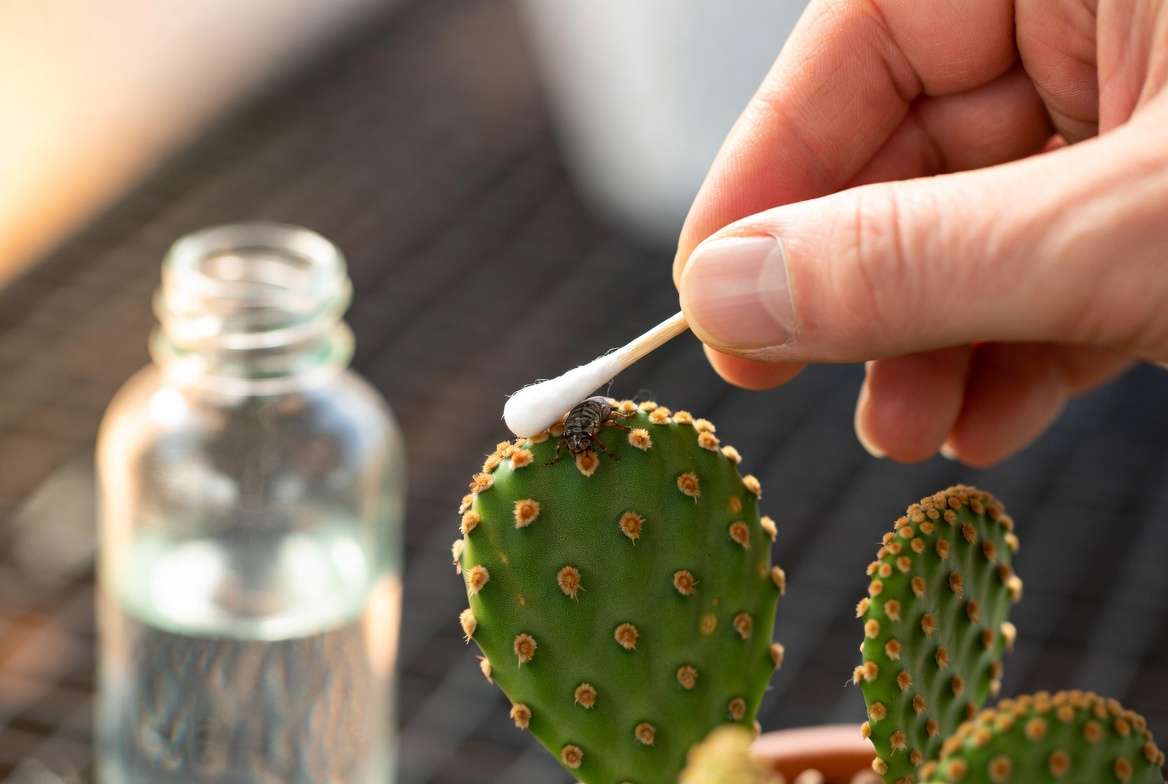
The Process: Dip your cotton swab into the rubbing alcohol until it is fully saturated. Gently press and dab the wet swab directly onto the scale insect’s shell.
Here is the science behind this: The rubbing alcohol acts as an incredibly effective solvent. It instantly melts right through the bug’s waxy, armored shield and kills the insect on contact. Wait about 30 to 60 seconds after dabbing them. Then, use either a fresh, wet Q-tip or a soft wooden toothpick to gently nudge the dead bug off the cactus pad. It should slide off with zero resistance, leaving the plant’s epidermis perfectly intact! 💧
🧼 Step 3: Gentle Washing with Insecticidal Soap (For Moderate Spread)
If the scale insects are hiding in the tight crevices between cactus pads or there are simply too many to dab individually, a gentle soap wash is the next logical step.
Do not use harsh degreasing dish soaps (like Dawn), as these strip the natural protective waxes off your cactus, making it vulnerable to sunburn and dehydration. Instead, use a true horticultural insecticidal soap or pure liquid Castile soap.
The Process: Mix your insecticidal soap with water according to the bottle’s instructions in a small bowl. Take a clean, soft-bristled makeup brush (a cheap fluffy eyeshadow or blush brush is perfect for this). Dip the brush into the soapy water and gently lather the infected areas of the cactus pad. The soft bristles will gently agitate the pests without scratching the plant tissue, while the fatty acids in the soap break down their protective shells.
After lathering, thoroughly rinse the cactus with lukewarm water to remove all soap residue and dead bugs. 🚿
🌿 Step 4: Horticultural Oils & Neem Oil (Use With Caution!)
For stubborn infestations, horticultural oils or organic neem oil can be incredibly effective. Neem oil is brilliant because it works in two ways: it physically smothers the insects, and it contains an active compound called azadirachtin, which disrupts the bugs’ hormonal systems, preventing them from feeding or reproducing.
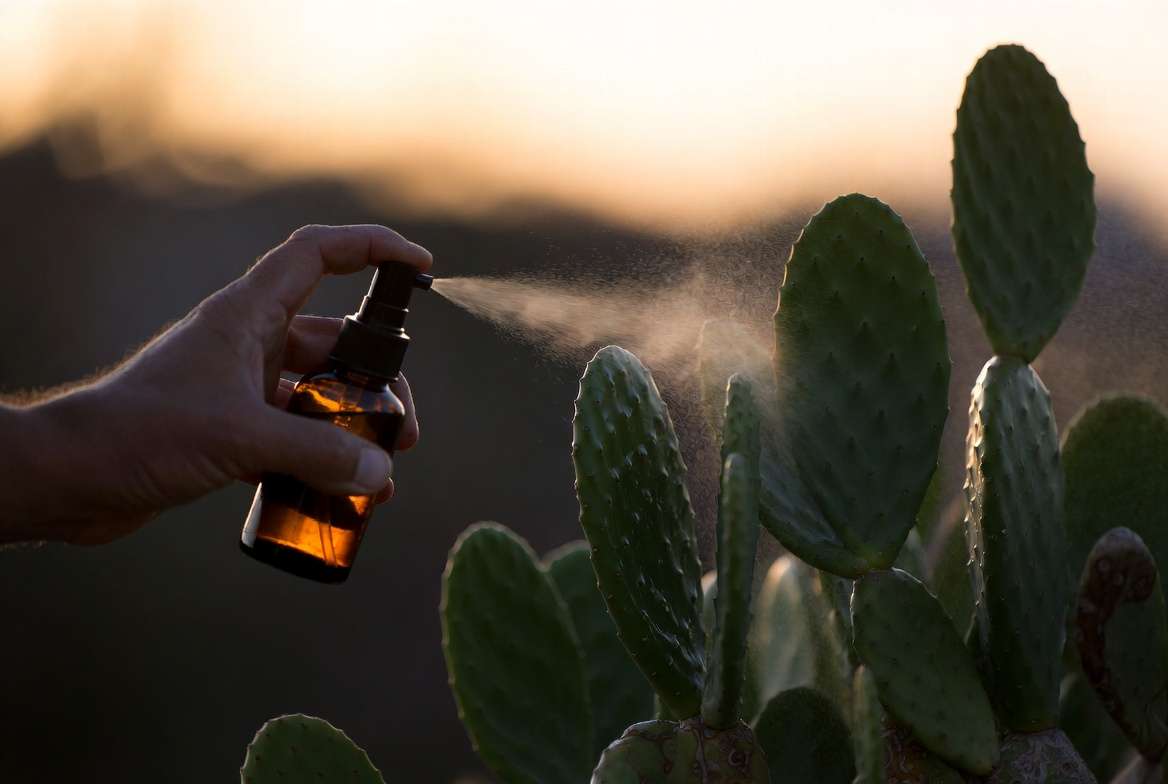
The Process: Dilute the neem oil as directed and spray the cactus pads thoroughly, ensuring you get the liquid into the joints and areoles.
Crucial Reminder: As mentioned earlier, applying oil to a cactus increases its photosensitivity. You must perform this step in the late evening, or keep the plant in a shaded, dimly lit room for at least 48 to 72 hours after application to prevent catastrophic sunburn. 🌑
☢️ Step 5: Systemic Insecticides (The Last Resort for Severe Cases)
Sometimes, despite your best efforts, the infestation is too deeply rooted. If your cactus is fully encrusted with scale and its health is rapidly declining, it is time to stop playing nice.
Systemic insecticides (usually containing the active ingredient Imidacloprid) are applied as a soil drench. You mix the chemical with water and pour it into the soil. The cactus’s root system absorbs the insecticide, drawing it up into the fleshy pads. When the scale insects try to suck the sap, they ingest the poison and die.
⚠️ Environmental Warning: Systemic insecticides are non-selective and highly toxic to pollinators. If your cactus lives outdoors or is preparing to bloom, do not use systemics. The toxins will travel to the pollen and nectar, severely harming local bee and butterfly populations. 🐝 Reserve this method strictly for non-blooming, indoor houseplants.
🩹 Post-Treatment Care: Helping Your Cactus Recover
Killing the scale is only half the battle; now you need to nurse your succulent back to prime health.
-
Cleaning Up: Once the scale insects are dead, their empty shells might still cling to the plant. You can gently wipe them away with a damp microfiber cloth. If your plant developed black sooty mold, wiping the pads with a heavily diluted soapy water solution will clear the fungus right up.
-
The Scarring Reality Check: It is important to manage expectations here. If the sap-sucking insects were attached to your cactus pad for months, the yellow spots they left behind might be permanent. The plant tissue has been drained of chlorophyll. Do not panic—these scars will just scab over and become part of your plant’s unique character! 🌵
-
Watering and Lighting: Do not immediately throw your freshly treated cactus back into blazing, direct afternoon sunlight. Reintroduce it to high light gradually over a week. Ensure you are only watering when the soil is 100% dry to avoid adding rot to a stressed plant.
🛡️ How to Prevent Scale Insects from Returning
The best cure for pests is preventing them from entering your home in the first place. Follow these proactive plant care habits to keep your cactus collection scale-free:
-
Strict Quarantine Protocol: Never put a newly purchased nursery plant right next to your existing collection. Keep new plants isolated for at least 14 to 21 days to ensure no hidden pests (like scale crawlers or mealybugs) emerge.
-
Air Circulation: Stagnant, stuffy air creates the perfect breeding ground for fungal and pest issues. Ensure your indoor cacti have plenty of airflow. A small oscillating fan in your plant room works wonders. 🌬️
-
Routine 30-Second Inspections: Get into the habit of inspecting your plants every time you water them. Look closely at the base of the cactus, the joints where pads meet, and the shaded sides of the plant. Catching 5 scale bugs is infinitely easier than treating 500.
-
Avoid Over-Fertilizing: It sounds counterintuitive, but feeding your cactus too much nitrogen fertilizer causes rapid, weak, and highly fleshy new growth. This soft, tender tissue is exactly what sap-sucking insects look for. Fertilize sparingly, and only during the active growing season.
❓ Frequently Asked Questions (FAQs)
Can scale insects spread to my other houseplants?
Yes, absolutely. While the adult bumps you see are stuck in place, they produce hundreds of microscopic nymphs (crawlers) that can easily travel to neighboring plants. This is why immediate isolation is critical.
Is it scale or mealybugs on my cactus?
Both are common succulent pests, but they look very different. Armored scale insects look like hard, smooth, flat, or slightly raised scabs (usually brown, grey, or black). Mealybugs, on the other hand, look like tiny, fluffy masses of white cotton hiding in the crevices of your plant. ☁️ Both can be treated using the rubbing alcohol method!
Will the yellow spots on my cactus go away after the scale is dead?
It depends on how much damage was done. If the pest was only there for a few days, the pad may recover its green color. However, if the bug fed for a long time, the localized tissue damage is permanent, resulting in a permanent pale or yellow scar.
Can I use household dish soap to kill scale on cacti?
It is highly discouraged. Modern liquid dish soaps are actually harsh detergents designed to strip heavy grease from pans. Cacti rely on a natural, invisible layer of epicuticular wax to protect themselves from intense sun and moisture loss. Dish soap strips this vital wax away, leaving your cactus incredibly vulnerable to dehydration and severe sunburn. Always use true insecticidal soap. 🚫🧼
✅ Conclusion
Discovering scale insects on cactus pads can feel like a devastating blow, especially if you have spent years cultivating your prickly companion. However, by properly identifying the pest, avoiding aggressive scraping, and using targeted treatments like rubbing alcohol, gentle insecticidal soaps, or carefully applied neem oil, you can absolutely win the battle.
Remember, patience is your greatest tool. Treat the plant gently, keep it out of direct sunlight while it heals, and practice good preventative care moving forward. Pest management is a completely normal rite of passage for every dedicated plant parent. You have got this, and your cactus will thank you! 🌱💚











