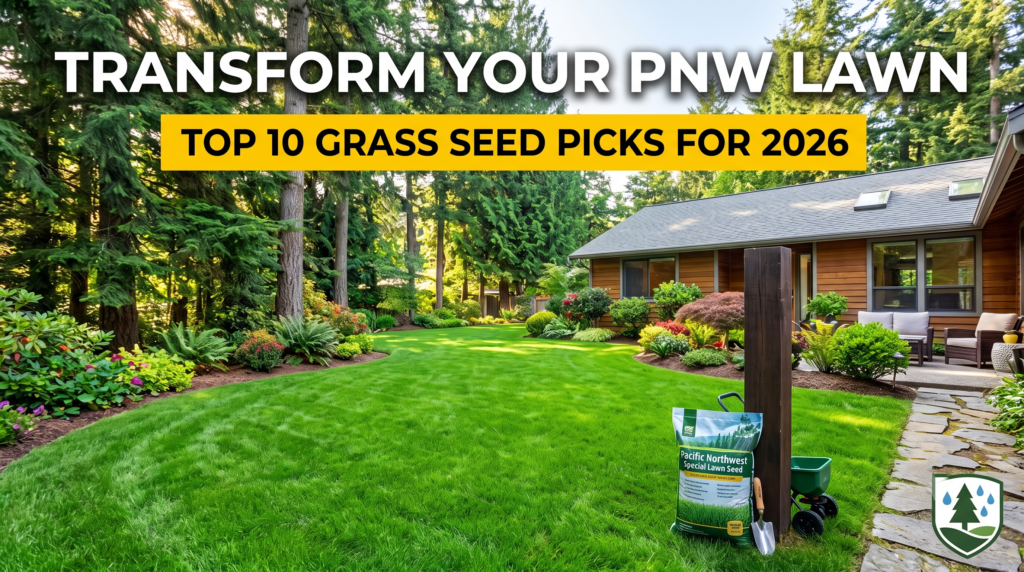
If you’ve spent your weekends battling relentless moss, muddy patches, or thin, yellowing grass that never quite takes root, you are not alone. Growing a lush, barefoot-worthy lawn in the Pacific Northwest requires much more than just a sprinkler and good intentions—it requires the right turf genetics. Finding the best 10 grass seed for pnw is the ultimate secret to transforming a struggling yard into a resilient, vibrant green space that actually survives the changing seasons.
The truth is, the Pacific Northwest presents a uniquely challenging environment for lawns. Local homeowners face a demanding combination of wet, mild winters that create the perfect breeding ground for moss and fungal diseases, followed by surprisingly dry, rainless summers that easily scorch shallow-rooted grass. Add in our naturally acidic soil and the heavy, persistent shade cast by towering evergreen trees, and it becomes clear why standard, off-the-shelf commercial grass seeds often fail before they even have a chance to establish.
The solution to these regional hurdles is selecting a premium, cool-season grass blend explicitly adapted to our climate extremes. To help you finally win the war against mud and moss, we’ve combined deep turfgrass science, extensive product research, and real Amazon customer reviews to build this comprehensive buying guide. We are reviewing the best 10 grass seed for pnw on the market today, breaking down exactly which blends thrive in deep evergreen shade, which stand up to heavy foot traffic from kids and dogs, and which will ultimately give you the healthiest, most resilient lawn on the block.
2. How to Choose the Right Grass Seed for the Pacific Northwest
Before you buy a bag of seed, you must understand your yard’s unique microclimate. The best 10 grass seed for pnw options are formulated using cool-season grasses, but not all cool-season varieties perform identically. Here are the key factors to consider:
-
Sunlight vs. Shade: Are you seeding an open, sunny area or fighting for growth beneath a dense canopy of Douglas Firs? Full-sun areas thrive with Perennial Ryegrass, which establishes rapidly and creates a thick, wear-resistant turf. Shaded areas demand Fine Fescues, which possess excellent shade tolerance and require less water and fertilizer.
-
Geographic Zones:
-
Western PNW/Coastal: The mild, wet climate west of the Cascades demands high disease resistance to combat moss and fungal issues. Tall Fescues and Perennial Ryegrass blends are ideal here.
-
Eastern PNW: East of the Cascades (like Spokane or Boise), the winters are freezing, and the summers are blazing hot. Kentucky Bluegrass is the superior choice here due to its cold hardiness and self-repairing rhizomes.
-
-
Traffic & Usage: If your yard is a playground for kids and large dogs, you need a high-traffic champion. Perennial Ryegrass can withstand heavy wear and tear. If you want a pristine, low-maintenance ornamental lawn, Fine Fescues offer a beautiful, soft texture but cannot survive heavy foot traffic.
-
Soil Type & Moisture: PNW soils tend to be acidic (low pH) and often suffer from poor drainage in the winter. Selecting seed blends coated with moisture-retaining technologies or explicitly bred for regional soils will dramatically increase your germination success.
3. Top Picks Comparison Table
4. In-Depth Reviews: The Best 10 Grass Seed for PNW
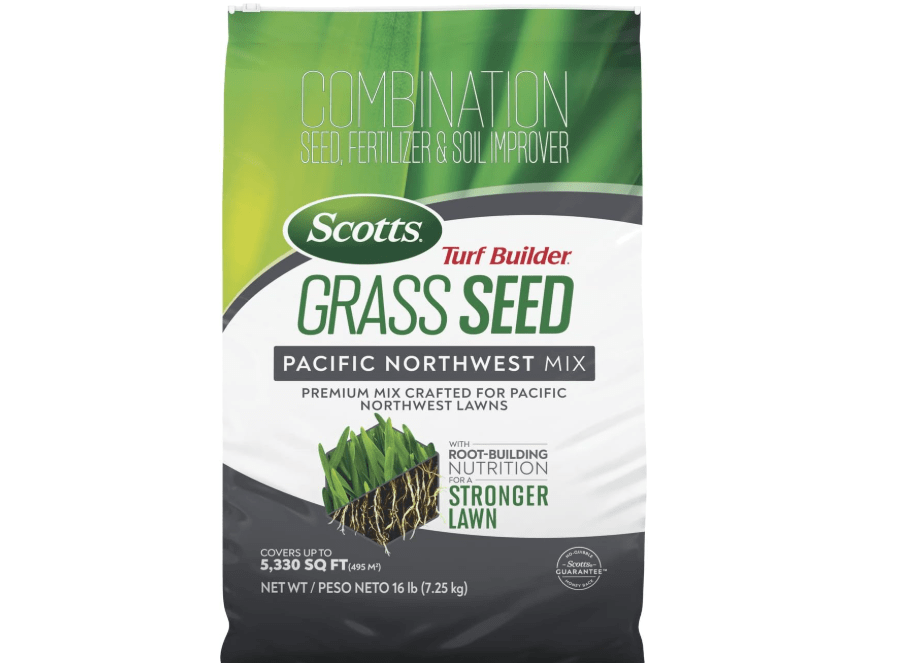
#1. Scotts Turf Builder Grass Seed Pacific Northwest Mix
Scotts is a household name, and their regional blend easily secures a top spot on our list of the best 10 grass seed for pnw. This mix is crafted specifically for the wet winters and hot summers of Oregon and Washington. It takes the guesswork out of lawn care by blending high-quality Perennial Ryegrass and Fine Fescues, ensuring it thrives in both sunny patches and partial shade.
-
Price: $31.07
-
Key Features & Benefits: Features a 4-in-1 WaterSmart PLUS Coating that absorbs twice as much water as uncoated seed, feeds seedlings to jumpstart growth, and protects against disease. It germinates quickly, typically showing sprouts in 5 to 12 days.
-
Pros & Cons:
-
Pros: Widely available, fantastic germination rate, very resilient against moss and Poa annua (annual bluegrass).
-
Cons: The heavy seed coating means you get fewer actual seeds per pound compared to raw seed bags; it struggles in absolute, deep shade.
-
-
Amazon Ratings & Reviews: ~4.4/5 stars. Homeowners praise how rapidly it fills in bare, muddy patches, though a few note you must strictly follow the daily watering schedule during the first two weeks.
-
Why it’s a good choice for PNW: It is biologically tailored to handle the damp, cool, and sometimes highly variable microclimates found west of the Cascades.
-
Ideal use case: The everyday homeowner looking for a highly reliable, fast-sprouting fix for a patchy lawn with a mix of sun and shade.
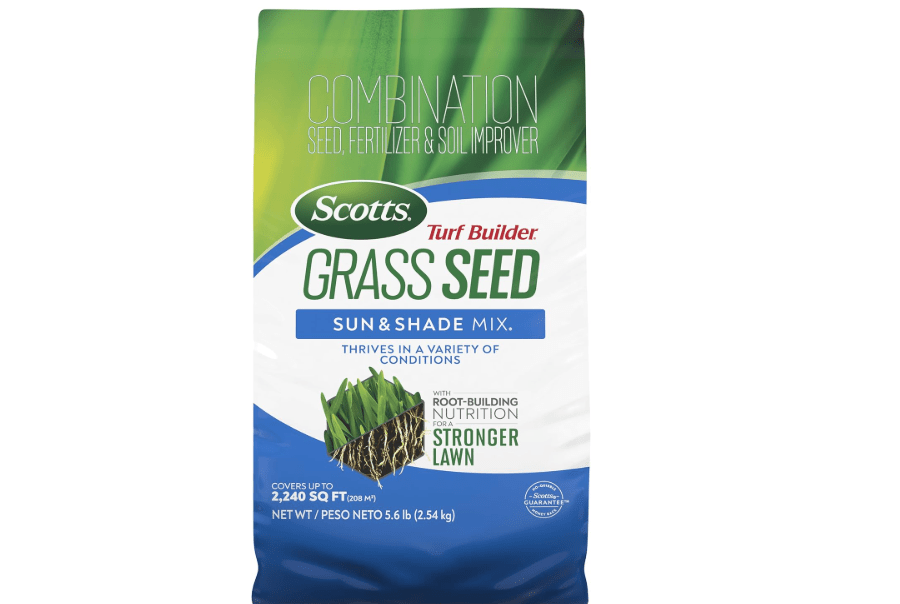
#2. JB Sun and Shade Grass Seed
JB Instant Lawn is a massive name in the Pacific Northwest turf industry. Their Sun and Shade mix is their absolute best-seller because it directly addresses the reality of most PNW yards: a canopy of tall trees casting shifting shadows over open grass throughout the day.
-
Price:
-
Key Features & Benefits: A premium, locally-tested blend of Perennial Ryegrass, Chewings Fescue, and Red Fescue. It boasts rapid germination (7-14 days) and meets strict “sod quality” standards, ensuring it is 99.99% weed-free.
-
Pros & Cons:
-
Pros: Unmatched adaptation to changing light; produces a rich, dark-green color; backed by regional experts.
-
Cons: Slightly pricier than national commercial brands, but the purity justifies the cost.
-
-
Amazon Ratings & Reviews: ~4.5/5 stars. Reviewers constantly mention its luxurious texture, deep color, and resilience against aggressive moss invasions.
-
Why it’s a good choice for PNW: It mimics the natural adaptation needed for yards where bright afternoon sun gives way to heavy morning shadows, thriving where single-variety seeds fail.
-
Ideal use case: Homeowners with mature landscaping and yards that experience a continuous mix of bright sun and cooling shade.
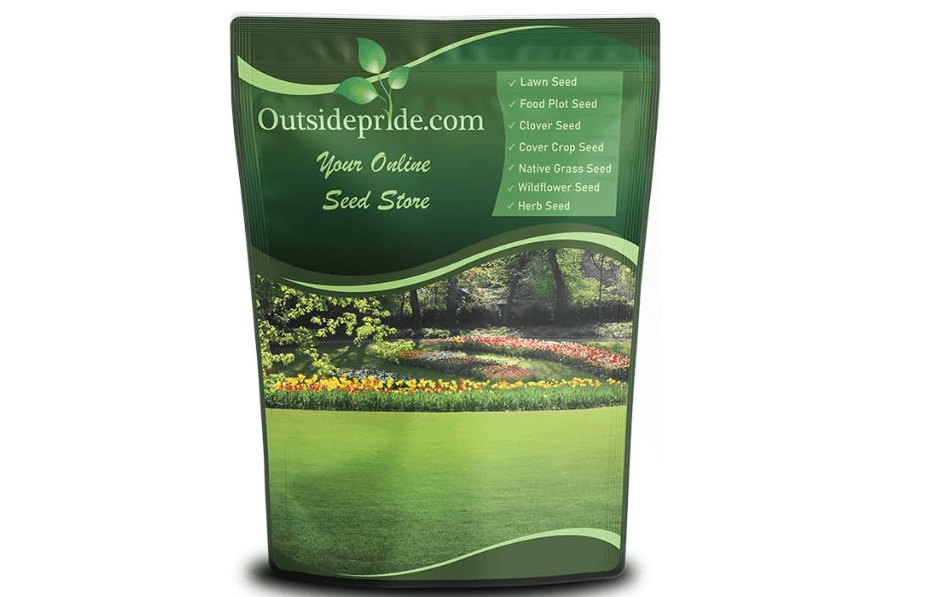
#3. Outsidepride Creeping Red Fine Fescue
If you are struggling to grow anything beneath a dense stand of Douglas Firs or towering Cedars, Outsidepride’s Creeping Red Fescue is your secret weapon. This grass doesn’t just tolerate shade—it prefers it. Fine Fescue is widely considered the premier shade grass for the region.
-
Price: $59.99
-
Key Features & Benefits: Extreme shade tolerance, incredibly fine blade texture, and the unique ability to spread via underground rhizomes to naturally repair damaged areas.
-
Pros & Cons:
-
Pros: Unbeatable shade survival; requires very little water and infrequent mowing once established.
-
Cons: Extremely poor wear tolerance. This grass will not survive repeated foot traffic from large dogs or kids playing sports.
-
-
Amazon Ratings & Reviews: ~4.3/5 stars. Customers are thrilled by its success in the darkest corners of their properties, though some warn it lays flat if allowed to grow too tall.
-
Why it’s a good choice for PNW: Perfect for our heavily wooded suburbs and the acidic soils generated by dropping pine needles.
-
Ideal use case: Homeowners desperately trying to grow grass on steep, shaded slopes or directly under large evergreen canopies where sunlight rarely penetrates.
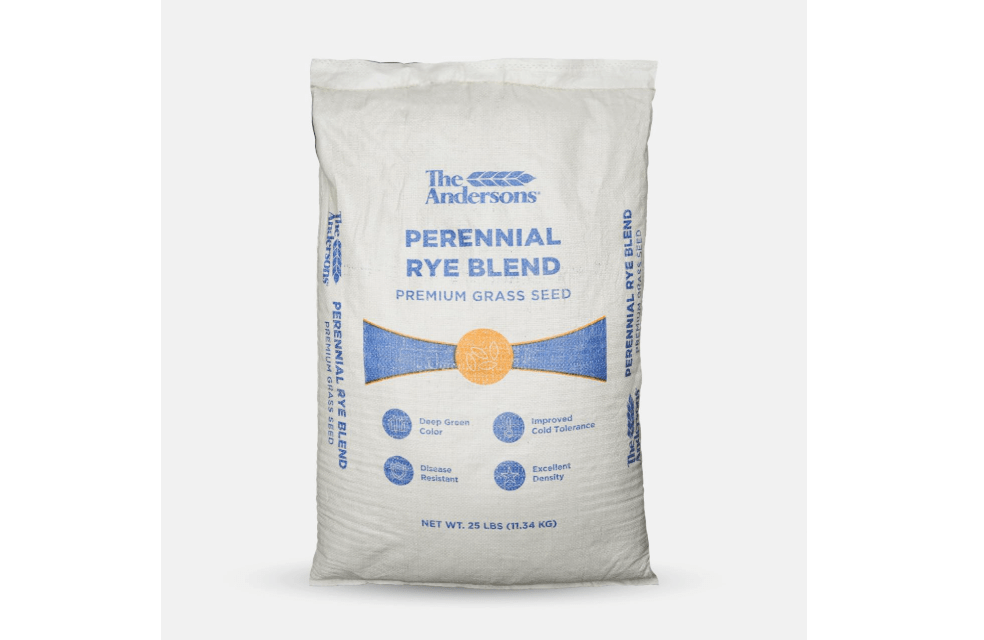
#4. JB Perennial Ryegrass Lawn Seed
When it comes to durability and lightning-fast growth, JB Perennial Ryegrass is unmatched. Perennial Ryegrass is the backbone of Pacific Northwest lawns, prized for its ability to establish quickly, form a dense turf, and resist wear from rainy weather.
-
Price: $99.88
-
Key Features & Benefits: Rapid germination in as little as 4 to 7 days. High wear tolerance, vibrant dark-green color, and 100% weed-free guarantee. Highly resistant to soil-borne fungi that thrive in cold, wet dirt.
-
Pros & Cons:
-
Pros: Fills in bare patches extremely fast; creates a tough, springy turf that stands up to heavy foot traffic and torrential rain.
-
Cons: Demands full sun to partial sun; requires regular mowing and higher nitrogen fertilization to stay dark green.
-
-
Amazon Ratings & Reviews: ~4.6/5 stars. Customers rave about how fast sprouts appear, with many noting it completely restored ruined dog yards within three weeks.
-
Why it’s a good choice for PNW: It handles the intense moisture and foot traffic of rainy winters without turning into a muddy ditch.
-
Ideal use case: Active families with kids, dogs, and high-traffic yards who need a durable, fast-healing lawn that can take a beating.
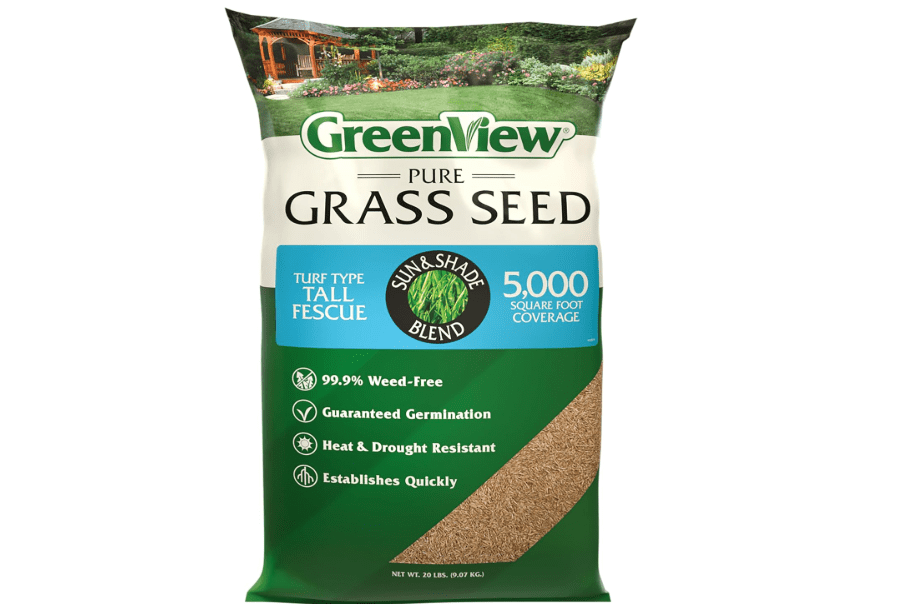
#5. GreenView Fairway Formula Tall Fescue Blend
The PNW isn’t just rain—summers are notoriously dry. GreenView’s Fairway Formula Tall Fescue is built like a tank, making it one of the best 10 grass seed for pnw coastal and drought-prone regions. It features deep-rooting varieties that dig up to four feet into the soil to find hidden water.
-
Price: $89.99
-
Key Features & Benefits: Professional-grade blend of turf-type tall fescues. Features exceptional heat, drought, and cold tolerance along with superior disease resistance against brown patch and red thread.
-
Pros & Cons:
-
Pros: Stays green through dry August stretches with minimal watering; highly resistant to coastal salt spray and heavy wind.
-
Cons: Wider blade texture than fine fescues or ryegrass; takes longer to establish initially (14 to 21 days).
-
-
Amazon Ratings & Reviews: ~4.5/5 stars. Homeowners highlight its ability to remain lush during summer watering restrictions, saving money on utility bills.
-
Why it’s a good choice for PNW: Perfect for coastal environments and areas east or south that experience intense summer droughts.
-
Ideal use case: Homeowners living along coastal areas or those who want a low-water lawn that stays green without high utility bills.
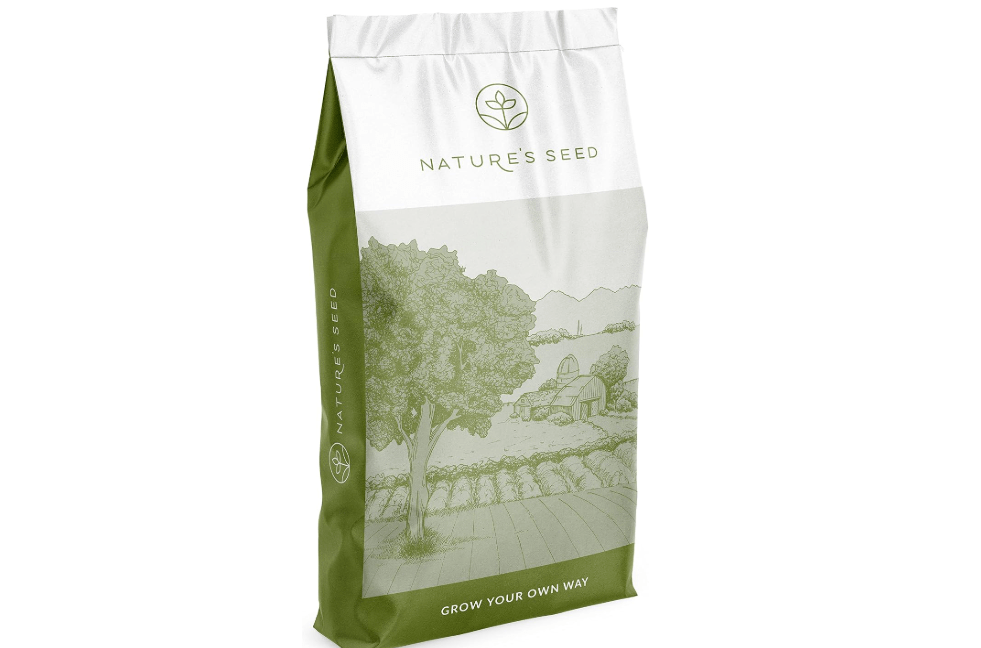
#6. Nature’s Seed Pacific Northwest Blend
If you want a picture-perfect lawn, Nature’s Seed offers a boutique, agronomist-engineered blend designed exclusively for the region’s diverse soils and microclimates. It strips out all cheap fillers and coatings, delivering 100% pure, high-germination seed.
-
Price: $45
-
Key Features & Benefits: Custom ratio of Perennial Ryegrass, Kentucky Bluegrass, and Fine Fescues. Highly resistant to local leaf spot and moss encroachment, featuring a lush, fine-bladed texture.
-
Pros & Cons:
-
Pros: Zero fillers or weeds; supreme texture and visual appeal; exceptional disease resistance built in.
-
Cons: Higher price point per pound than big-box store alternatives.
-
-
Amazon Ratings & Reviews: ~4.7/5 stars. Lawnholics consistently rate this as the best quality grass seed available online, pointing out its rich deep-green carpet finish.
-
Why it’s a good choice for PNW: Specifically engineered to resist the unique damp-soil fungal pressures and moss conditions common in Washington and Oregon.
-
Ideal use case: Lawn enthusiasts who take pride in having the greenest, softest, and most uniform lawn in the neighborhood.
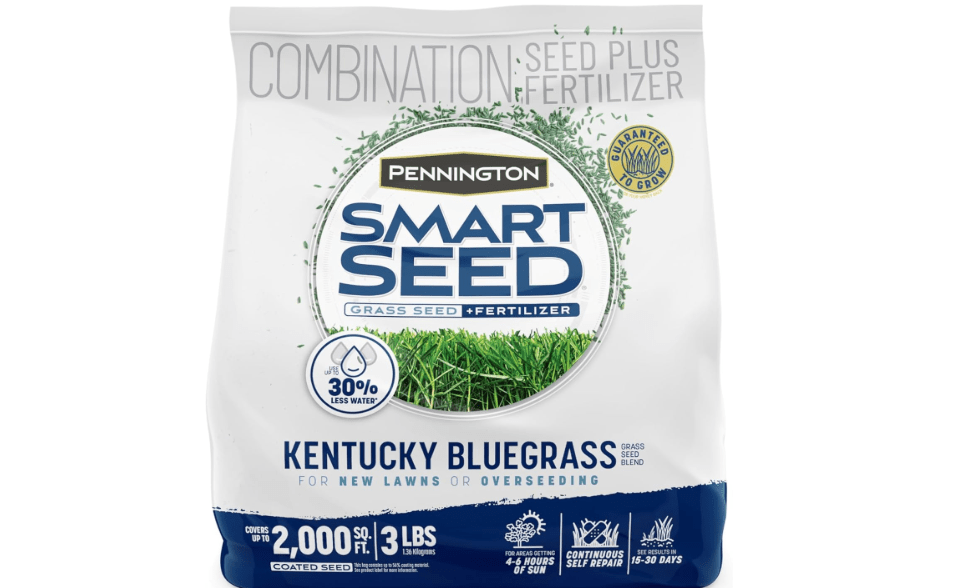
#7. Pennington Smart Seed Kentucky Bluegrass
For homeowners living east of the Cascade Mountains, standard coastal grass blends won’t cut it. Pennington Smart Seed Kentucky Bluegrass provides the extreme cold hardiness needed for severe winter freezes while delivering that classic, barefoot-soft carpet texture.
-
Price: $17.23
-
Key Features & Benefits: Smart Seed technology reduces water requirements by up to 30% compared to ordinary grass seed. Features self-repairing rhizomes that automatically fill in damaged areas and dog spots over time.
-
Pros & Cons:
-
Pros: Incredibly cold hardy; self-healing ability means less overseeding in the long run; beautiful plush feel underfoot.
-
Cons: Slow germination period (14 to 21 days); requires full sun and struggles under dense shade trees.
-
-
Amazon Ratings & Reviews: ~4.2/5 stars. Reviewers love its self-repairing qualities, though many remind buyers that patience is required during early germination.
-
Why it’s a good choice for PNW: Ideal for the climate extremes of Eastern Washington, Oregon, and Idaho where winters bring frost and summers bring heat.
-
Ideal use case: Homeowners east of the Cascades looking for a premium, self-healing lawn that survives frozen winters and hot summers.
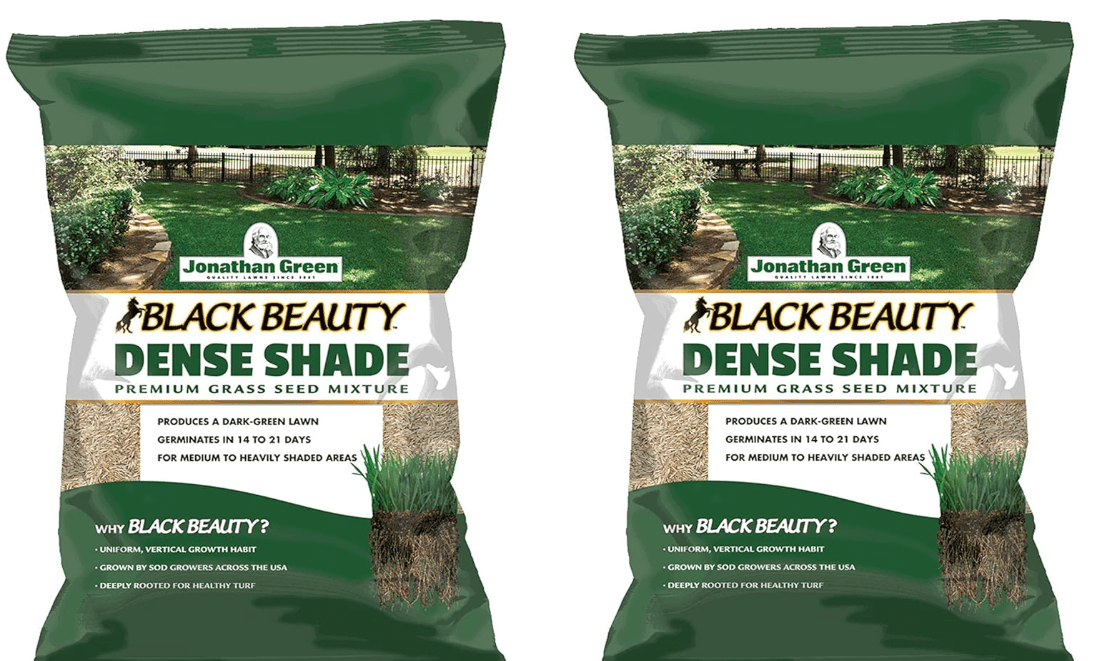
#8. JB Dense Shade Grass Mix
Deep shade is one of the hardest challenges in PNW lawn care. JB Dense Shade Grass Mix is designed to overcome this by blending shade-loving fine fescues that thrive on lower levels of sunlight without succumbing to damp rot or mold.
-
Price: $226.00
-
Key Features & Benefits: Formulated with specialized Chewings Fescue and Creeping Red Fescue varieties. Exceptional tolerance to low light and high soil acidity; requires very little nitrogen fertilizer.
-
Pros & Cons:
-
Pros: Grows where almost no other turf grass will; natural defense against damp-soil fungal diseases.
-
Cons: Soft, delicate blades that cannot withstand heavy backyard games or aggressive dogs.
-
-
Amazon Ratings & Reviews: ~4.4/5 stars. Many users claim this was the only seed blend that successfully established under their massive hemlock and pine trees.
-
Why it’s a good choice for PNW: Tackles the combination of heavy tree canopies, acidic pine needles, and wet spring soil.
-
Ideal use case: Properties surrounded by dense evergreen forests or narrow side yards shaded by neighboring homes.
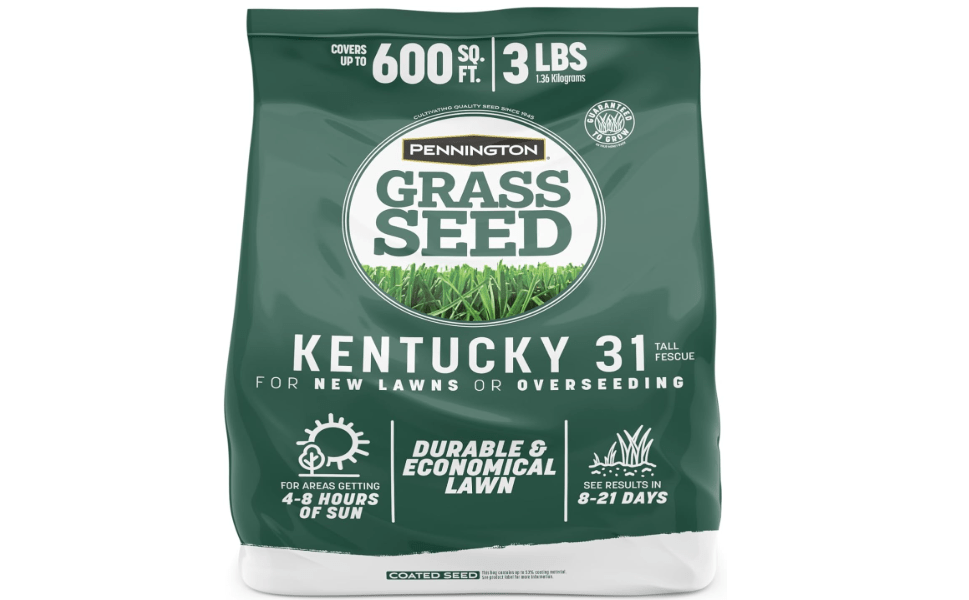
#9. Vigoro Tall Fescue Grass Seed Blend
If you have a massive yard to cover and don’t want to break the bank, Vigoro’s Tall Fescue Blend offers impressive performance at a fraction of the cost. It generates a tough, thick turf that handles rough wear, heat, and poor soils.
-
Price: $8.97
-
Key Features & Benefits: Coated seeds that retain moisture for better germination. Deep-root structure offers excellent heat and drought tolerance with enhanced disease resistance.
-
Pros & Cons:
-
Pros: Excellent budget value; builds a tough, durable turf; holds up well against summer dry spells.
-
Cons: Blades are noticeably wider and coarser than fine fescues; germination can be inconsistent if not kept constantly moist.
-
-
Amazon Ratings & Reviews: ~4.3/5 stars. Buyers love the coverage and affordability, making it a favorite for large acreage or rental properties.
-
Why it’s a good choice for PNW: Helps lawns withstand the late-summer dry spell without needing constant watering.
-
Ideal use case: Budget-conscious homeowners seeding large yards, long parkings, or reclaiming overgrown, neglected land.
#10. Nature’s Seed Clover Alternative Mix
For homeowners ready to step away from traditional lawns, a clover alternative is gaining massive popularity in the Pacific Northwest. This microclover blend stays green year-round, feeds the soil naturally, and eliminates the need for expensive nitrogen fertilizers.
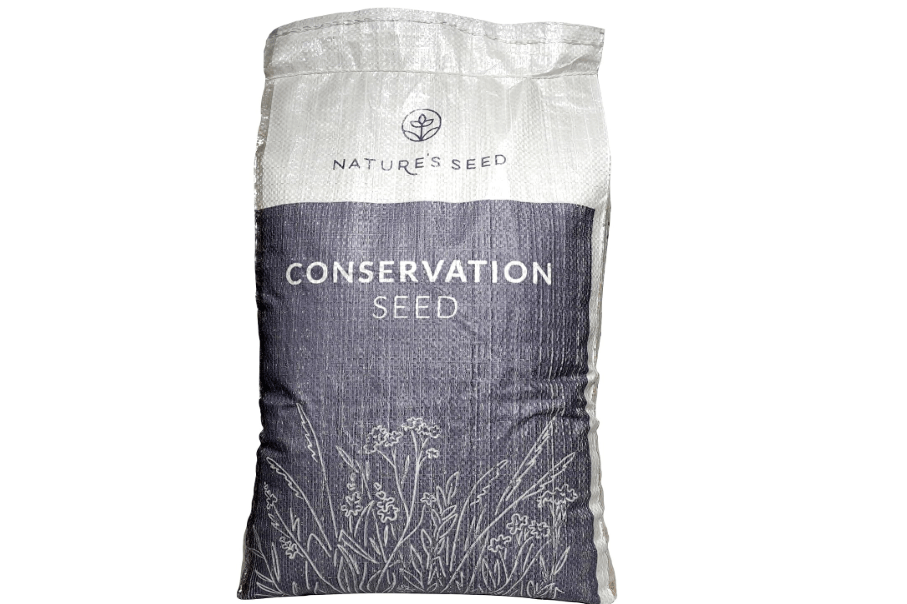
-
Price: $44.99
-
Key Features & Benefits: Nitrogen-fixing plant that enriches the soil, thrives in poor or acidic soil, stays green through summer droughts, and requires mowing only 2 to 3 times per year.
-
Pros & Cons:
-
Pros: Zero chemical fertilizer required; extreme drought tolerance; naturally chokes out broadleaf weeds and moss.
-
Cons: Flowers attract bees (which may not be ideal for allergic kids); produces a non-traditional lawn appearance.
-
-
Amazon Ratings & Reviews: ~4.6/5 stars. Eco-conscious buyers rave about the lush green color, zero-mow convenience, and return of healthy pollinators.
-
Why it’s a good choice for PNW: Naturally copes with acidic soil and damp spring conditions while eliminating the endless battle against moss.
-
Ideal use case: Eco-conscious homeowners, permaculture enthusiasts, or busy buyers seeking a low-maintenance, green yard.
5. Expert Tips for Planting Grass Seed in the Pacific Northwest
Buying the best 10 grass seed for pnw is only half the battle—timing and preparation determine your ultimate success.
-
The Golden Window: Plant in late summer to early fall (Late August through October). Soil temperatures are warm from summer, which speeds germination, while returning autumn rains keep seeds moist without constant manual watering. Spring (April–May) is your second-best option.
-
Neutralize Acidic Soil: PNW soils are naturally acidic due to rainfall and evergreen needles. Test your soil pH; if it’s below 6.0, apply fast-acting lime two weeks before seeding to help your grass absorb nutrients.
-
Control Moss First: Before seeding, rake out existing moss and apply an iron-based moss killer. If you don’t remove moss, new grass seed won’t reach the soil to take root.
-
Water Management: Keep the top quarter-inch of soil continuously moist—not soggy—until seedlings reach 2 inches tall. A light mulch of clean straw or peat moss helps retain moisture during dry spells.
6. Frequently Asked Questions (FAQ)
What is the best grass seed for overseeding in the Pacific Northwest?
Perennial Ryegrass is widely considered the best choice for overseeding existing lawns in the PNW. It germinates rapidly (4–7 days), fills in bare patches quickly, and blends seamlessly into cool-season lawns.
When should I plant grass seed in Washington and Oregon?
The best time is late summer to early fall (mid-August through mid-October). The warm soil encourages fast sprouting, and natural autumn rains do the watering for you before winter cold sets in.
How do I stop moss from taking over my new grass?
Moss thrives in wet, shaded, acidic soil with poor drainage. To keep it away:
-
Apply agricultural lime to raise soil pH.
-
Aerate your lawn to improve drainage.
-
Choose shade-tolerant seed blends like Fine Fescue under tree canopies.
7. Final Verdict: Which Grass Seed Should You Buy?
Finding the right seed depends entirely on your yard’s conditions and your personal goals:
-
Best Overall for Most Yards: Scotts Turf Builder Pacific Northwest Mix or JB Sun and Shade provide the perfect balance of sun and shade performance with rapid germination.
-
Best for Deep Tree Shade: Outsidepride Creeping Red Fine Fescue or JB Dense Shade will thrive where standard seeds turn into mossy dirt.
-
Best for High-Traffic Yards & Dogs: JB Perennial Ryegrass establishes quickly and creates a tough turf that withstands muddy paws.
-
Best Eco-Friendly / Low Maintenance: Nature’s Seed Clover Alternative keeps your yard bright green with almost zero fertilizer or mowing.
Assess your sunlight levels, pick the blend tailored to your yard, and grab your seed on Amazon today to build a green lawn that lasts!