
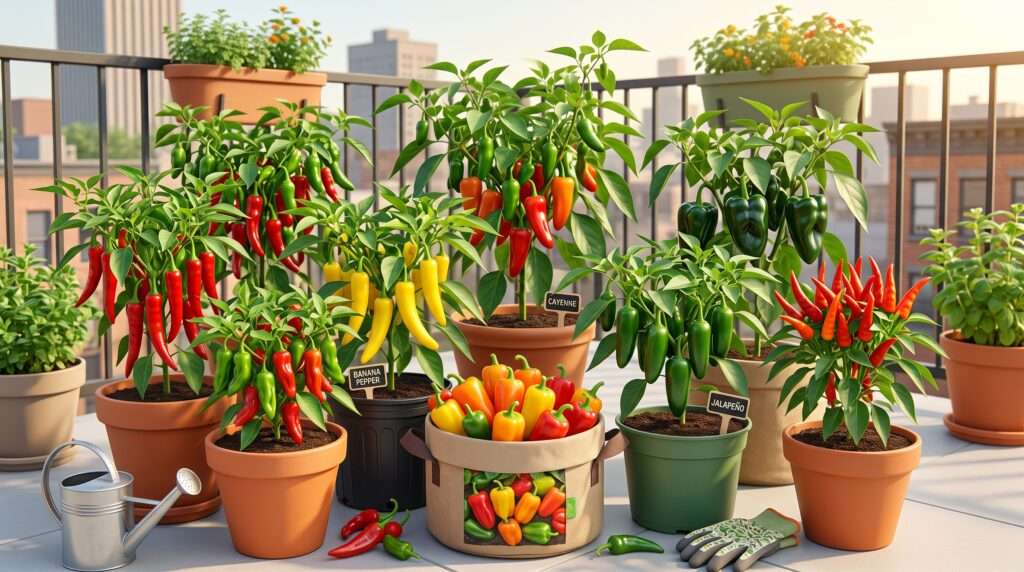
Picture this: you are staring out at an empty, sun-drenched balcony, a small concrete patio, or a modest apartment deck. You desperately want a lush, productive garden, but the idea of digging up a yard or building massive raised beds feels overwhelming. What if I told you that you don’t need acreage to grow a massive bounty of fresh food? If you are a beginner or just short on space, finding easy pepper varieties for container gardens is the ultimate shortcut to a successful, vibrant harvest.
Many new gardeners feel intimidated by the prospect of growing edible crops. There is a common misconception that vegetables require endless maintenance, perfect farm loam, and hours of weeding. But over years of hands-on cultivation and diagnosing plant health issues, I’ve discovered a simple truth: peppers are practically custom-made for pot life.
Whether you crave the fiery kick of a homegrown hot sauce or the crisp, sweet crunch of a snacking pepper, this guide will walk you through the absolute best, fail-proof cultivars. We will dive deep into the specific varieties that guarantee a high yield in tight spaces, and exactly how to cultivate the perfect soil environment to make them thrive. Grab your gardening gloves—it’s time to turn that empty space into a potted pepper paradise! 🌻
2. Why Peppers are the Ultimate Container Plant ☀️
If you are only going to grow one type of vegetable in a pot this season, let it be the pepper (Capsicum spp.). While crops like sprawling heirloom tomatoes or rambling pumpkins will quickly outgrow a standard container, peppers offer the perfect balance of size, yield, and resilience.
Perfect Root-to-Shoot Ratio 📏
Unlike deep-rooted vegetables that suffer the moment their taproots hit the bottom of a plastic pot, peppers have a naturally compact and fibrous root system. They adapt beautifully to confined spaces. A healthy pepper plant will maximize whatever soil volume you give it, translating root health directly into a bushy, sturdy canopy that supports dozens of fruits.
Heat Lovers That Thrive on Patios 🌡️
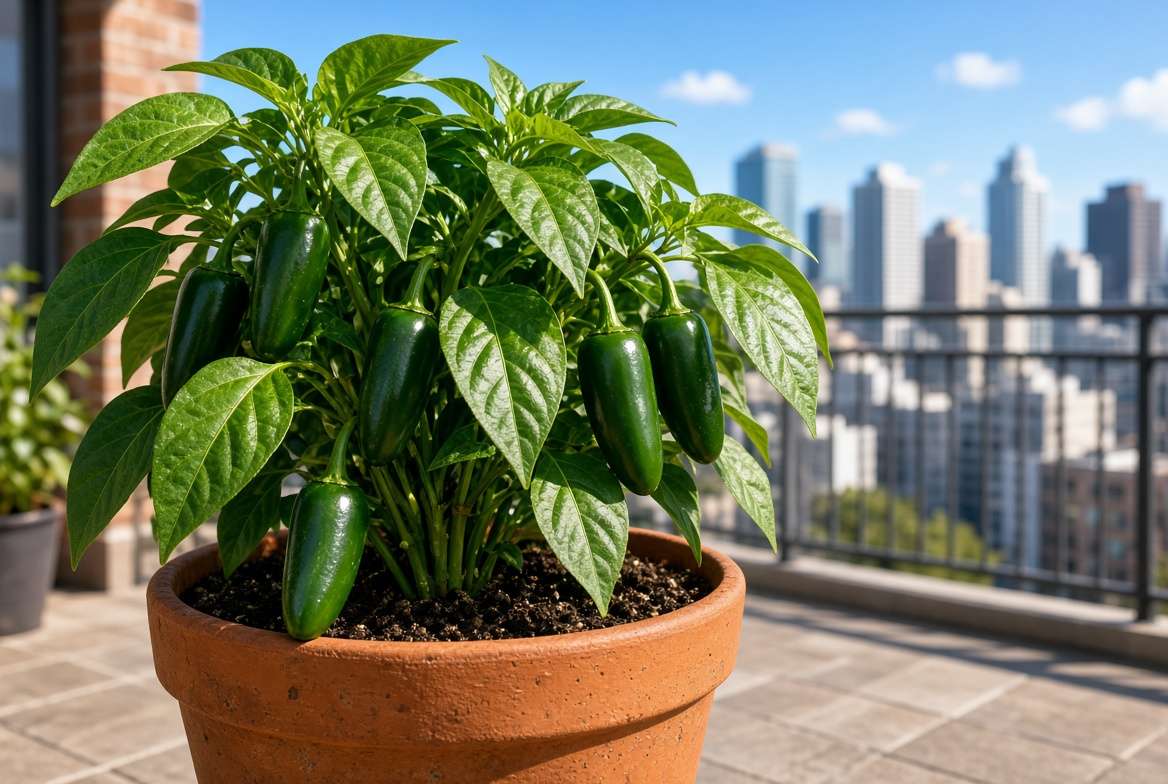
Peppers are native to warm climates and absolutely thrive in the heat. This is where small-space gardeners actually have a massive advantage! Concrete patios, brick walls, and apartment balconies act as thermal masses, absorbing the sun’s rays during the day and radiating heat at night. This creates a cozy microclimate that peppers absolutely love, accelerating their growth and boosting the capsaicin (spice) levels in hot varieties.
High Yield & Ornamental Value 🌸
Who says a vegetable garden can’t be beautiful? Container peppers serve double duty as striking ornamental centerpieces. From delicate white and purple star-shaped flowers to glossy foliage and fruits that ripen through a rainbow of greens, yellows, purples, and striking reds, these plants are stunning. They look just as good in a styled photograph or a decorative terracotta pot as they do on your dinner plate! 📸
3. 7 Easy Pepper Varieties for Container Gardens 🏆
Not all peppers are created equal when it comes to pot culture. Giant bell peppers, for instance, can be finicky and often yield only two or three fruits per plant when restricted by a container. Instead, we want prolific, compact, and resilient cultivars. Here are the top seven easiest varieties for your container garden.
1. Shishito: The Quick-Growing Crowd Pleaser 🥢
Originating from Japan, the Shishito is a slender, thin-walled pepper that has taken the culinary world by storm. They are sweet, slightly smoky, and famous for the fact that about one in every ten peppers packs a surprise spicy kick!
-
Flavor Profile: Mild, sweet, and smoky.
-
Days to Maturity: 60 days (extremely fast!).
-
Minimum Pot Size: 3 to 5 gallons.
-
Why it’s easy: Shishitos are ridiculously prolific and highly forgiving of minor watering mistakes. They are robust growers that bounce back quickly from dry spells.
Expert Tip: Harvest Shishitos while they are still green and about 2 to 3 inches long. Frequent harvesting signals the plant to keep blooming, giving you continuous yields all summer long! ✂️
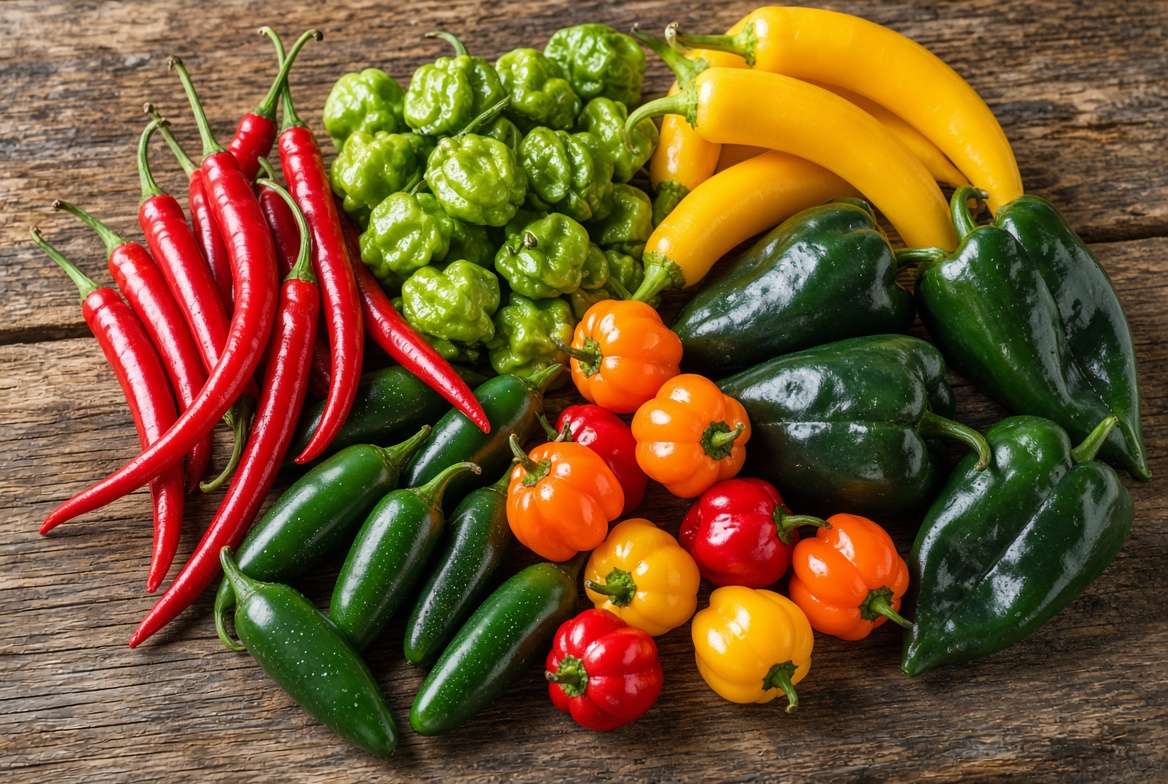
2. ‘Early’ Jalapeño: The Reliable Classic 🌮
If you want to make your own salsa or nachos, jalapeños are a must-grow. The ‘Early’ cultivar was specifically bred to set fruit in cooler temperatures and shorter growing seasons, making it a reliable staple.
-
Flavor Profile: Medium heat with a bright, crisp bite.
-
Days to Maturity: 65 days.
-
Minimum Pot Size: 3 gallons.
-
Why it’s easy: It features a naturally compact, bushy growth habit that won’t easily tip over in the wind. It produces heavy clusters of fruit without needing extensive staking.
3. Banana Pepper: Sweet, Tangy, and Compact 🍌
Whether you choose the sweet or hot variety, Banana peppers are an absolute joy to grow. Their bright yellow fruits hang down like beautiful little lanterns, eventually turning orange and red if left on the vine.
-
Flavor Profile: Tangy, sweet, and crisp (mild heat for the hot varieties).
-
Days to Maturity: 70 days.
-
Minimum Pot Size: 5 gallons.
-
Why it’s easy: They are heavy yielders that boast strong central stems, meaning they rarely require complex trellising. They also show great natural resistance to common foliage diseases.
4. ‘Basket of Fire’: The Edible Ornament ☄️
This spectacular variety was bred specifically for hanging baskets and elevated containers. It produces a massive profusion of tiny, fiery chilies that point upward toward the sun.
-
Flavor Profile: Very spicy (similar to a cayenne).
-
Days to Maturity: 90 days.
-
Minimum Pot Size: 2-gallon hanging basket or pot.
-
Why it’s easy: Its unique cascading/trailing habit means you don’t even need floor space to grow it! It is incredibly drought-tolerant and looks like a stunning, fiery floral arrangement when fully ripe.
5. ‘Lunchbox’ Mini Sweet Peppers: The Kid-Friendly Snack 🎒
Skip the expensive bags of mini peppers at the grocery store and grow them yourself! The ‘Lunchbox’ series comes in vibrant red, orange, and yellow hues.
-
Flavor Profile: Incredibly sweet, fruity, and crunchy.
-
Days to Maturity: 75 days.
-
Minimum Pot Size: 5 gallons.
-
Why it’s easy: These plants are vigorous growers that pump out a rainbow of bite-sized fruits. They require virtually zero pruning and are a fantastic, low-effort way to get kids interested in gardening. 👦👧
6. Poblano: The Forgiving Roaster 🍳
Famous for being the star ingredient in chiles rellenos, Poblanos (often called Ancho when dried) are large, dark green, heart-shaped peppers with a rich, complex flavor.
-
Flavor Profile: Earthy, rich, and mildly spicy.
-
Days to Maturity: 65 days.
-
Minimum Pot Size: 5 to 7 gallons (they need a bit more room!).
-
Why it’s easy: Despite bearing larger fruits, Poblanos have thick, incredibly sturdy stalks. This structural integrity makes them highly resistant to wind damage on exposed balconies.
7. Cayenne: The Pest-Resistant Spice 🌶️
If you want to grow your own dried chili flakes or hot sauce, cayenne is unbeatable. These long, slender, vibrant red peppers are surprisingly beautiful and easy to manage.
-
Flavor Profile: Sharp, direct heat (high Scoville rating).
-
Days to Maturity: 70-80 days.
-
Minimum Pot Size: 3 gallons.
-
Why it’s easy: Capsaicin is a natural pest deterrent! Aphids and spider mites often avoid cayenne plants. Furthermore, they actually thrive on a bit of neglect; slightly stressing the plant by withholding water right before harvest concentrates the oils and makes the fruits even spicier.
4. Setting the Stage: Soil Health & Container Setup 🪣
A common pitfall for beginner container gardeners is assuming that any dirt will do. When a plant is confined to a pot, you are 100% responsible for its entire ecosystem. Proper soil health management is the secret engine behind a massive harvest.
Choosing the Right Pot 🏺
Size matters, but material and drainage are equally critical.
-
Drainage is Non-Negotiable: Peppers hate “wet feet.” If water cannot escape the bottom of the pot, the roots will suffocate and rot. Always ensure your pot has at least three to four large drainage holes.
-
Material Choices:
-
Plastic: Lightweight and retains moisture well (great for hot climates), but can easily tip over if top-heavy.
-
Terracotta: Beautiful and porous, allowing roots to breathe, but they dry out very quickly and require frequent watering.
-
Fabric Grow Bags: The expert choice! They provide incredible aeration, naturally “air-pruning” the roots so they become dense and fibrous instead of wrapping around the edges in a suffocating circle.
-
The Ultimate Potting Mix Recipe for Peppers 🌱
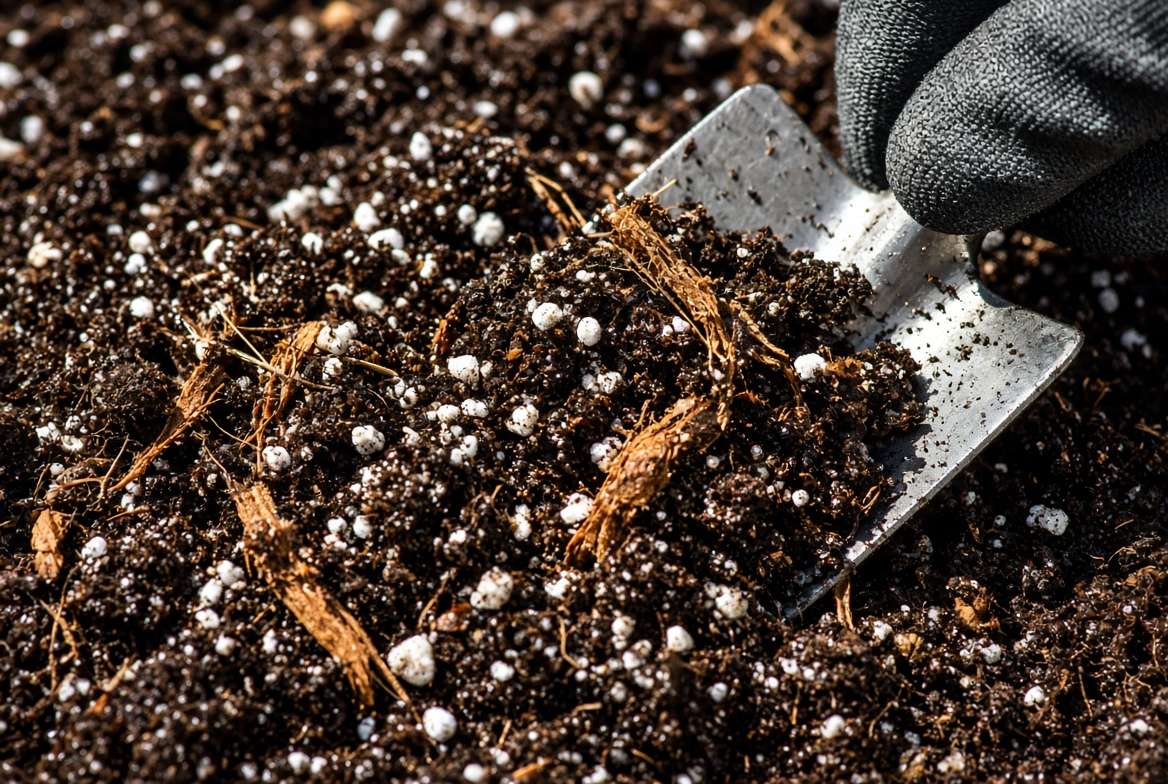
Never use topsoil or heavy “garden soil” from bags meant for raised beds. In a container, these heavy soils compact quickly, choking out oxygen and stalling plant growth. Instead, you need a light, fluffy, well-aerating potting mix.
Here is my go-to DIY soil recipe for explosive pepper growth:
-
40% Coconut Coir or Peat Moss: For moisture retention and a light, fluffy base.
-
30% Perlite or Pumice: Crucial for drainage and providing oxygen to the root zone.
-
30% High-Quality Compost or Worm Castings: To provide a slow-release, rich source of organic nutrients and beneficial microbes.
Expert Soil Health Tip: To truly elevate your container garden, inoculate your potting mix with mycorrhizal fungi when planting your peppers. These beneficial fungi form a symbiotic relationship with the pepper’s root system, acting as microscopic extensions that scavenge for water and phosphorus in the confined space of the pot. It is the absolute best way to supercharge plant diagnostics and overall vigor from day one! 🍄🔬
5. The Potted Pepper Care Routine 💧
Once your pepper is snug in its container with a premium potting mix, the real fun begins. Potted plants are entirely dependent on you for their basic needs, but establishing a simple, consistent care routine will ensure your plants remain vigorous and productive all season long.
Sunlight & Placement ☀️
Peppers are sun-worshippers. They require a minimum of 6 to 8 hours of direct, full sunlight per day to set fruit properly. But what does that actually mean on a patio or balcony?
-
Track the Shadows: Before placing your heavy pots, spend a weekend observing how the sun moves across your space. South-facing balconies usually receive the most consistent light.
-
The Rotation Trick: If your light source only comes from one direction (like a railing), give your pots a quarter-turn every few days. This prevents the plant from leaning heavily to one side and ensures all foliage receives equal photosynthesis power.
Watering Wisely: The “Knuckle Test” 💦
Overwatering is the number one plant care mistake beginners make with container gardens. Because pots lack the deep drainage of the earth, it is incredibly easy to drown the roots, leading to root rot and yellowing leaves.
-
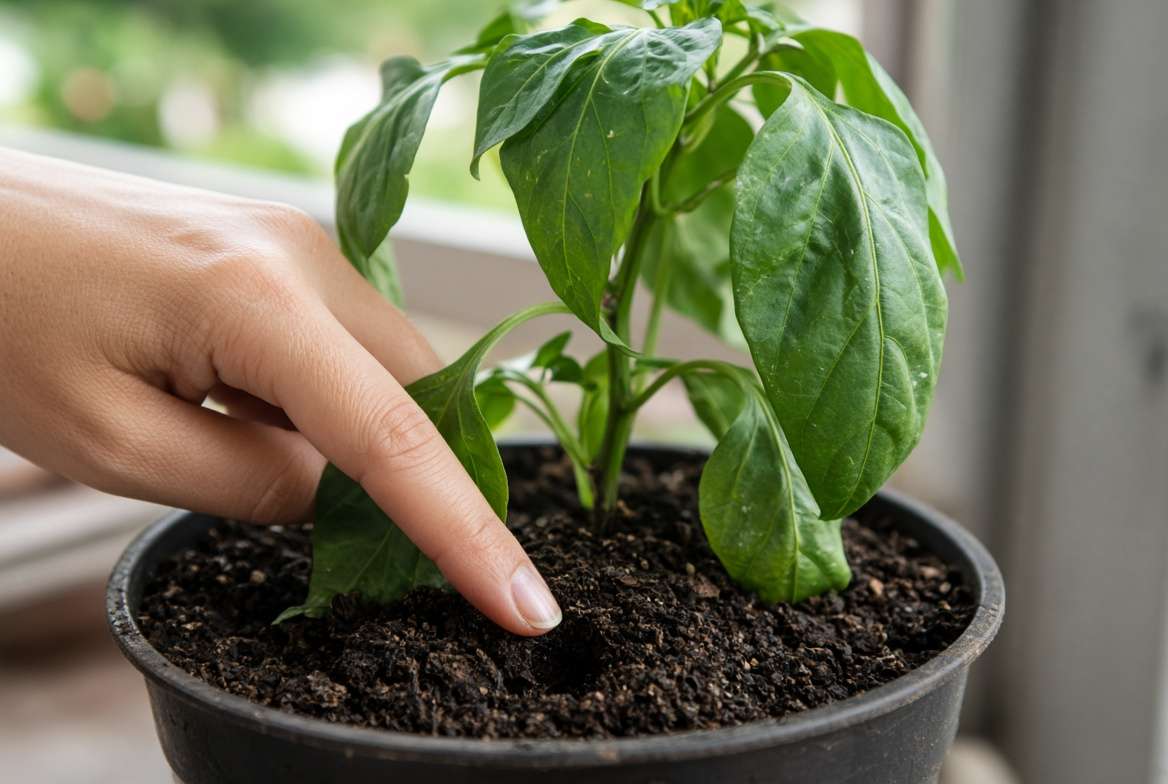
The Solution: Never water on a strict calendar schedule. Instead, use the “Knuckle Test.” Stick your index finger into the soil up to your second knuckle (about two inches deep). If the soil feels dry, it is time to water deeply until moisture runs out the drainage holes. If it feels damp, wait another day.
-
Morning Hydration: Always try to water early in the morning. This gives the leaves time to dry off in the sun, drastically reducing the risk of fungal diseases.
Feeding for Maximum Fruit Production 🍽️
In a container, nutrients wash out of the soil every time you water. To keep your peppers thriving, you must replenish those nutrients. However, you need to use the right nutrients at the right time.
-
Early Growth (Nitrogen): When the plant is young and growing its leaves, use a balanced organic liquid fertilizer (like fish emulsion) to encourage lush, green foliage.
-
Blooming & Fruiting (Phosphorus & Potassium): Once you see the first flower buds form, dial back the nitrogen! Too much nitrogen at this stage will give you a massive, beautiful green bush with absolutely zero peppers. Switch to a fertilizer high in phosphorus and potassium (often labeled as “Tomato & Vegetable” or “Bloom” fertilizer) to encourage heavy flowering and robust fruit development. 🍅
6. Plant Diagnostics: Troubleshooting Common Pepper Problems 🔍
Even experts encounter hiccups in the garden. True mastery of plant care comes from knowing how to accurately read the signs your plant is giving you. Here is a quick guide to diagnosing and solving the three most common pepper problems.
Blossom End Rot 🍅
The Symptom: You finally get a beautiful pepper growing, but the bottom (the blossom end) turns black, sunken, and leathery. The Diagnosis: This is Blossom End Rot (BER), caused by a localized calcium deficiency in the fruit. However, there is usually plenty of calcium in the soil! The real culprit is inconsistent watering. If the plant goes through severe dry-to-wet swings, it cannot transport the calcium up to the fruit. The Fix: Stabilize your watering routine. Applying an organic mulch (like straw) over the soil surface in your container helps lock in moisture and regulate soil temperature.
Dropping Flowers Without Fruit 🌸
The Symptom: Your plant is covered in beautiful white flowers, but they dry up and fall off at the stem without leaving a tiny pepper behind. The Diagnosis: This is known as “blossom drop.” It is almost always caused by environmental stress—specifically, temperatures that are too hot (above 90°F/32°C) or too cold (below 55°F/13°C). It can also be caused by a lack of pollinators. The Fix: If a heatwave strikes, move your pots into afternoon shade. If you are growing on a high-rise balcony devoid of bees, gently shake or tap the main stem of the plant every morning to help distribute the pollen within the flowers yourself! 🐝
Yellowing Leaves 🍂
The Symptom: The lush green leaves are turning a sickly yellow. The Diagnosis: Plant diagnostics requires looking closely at which leaves are yellowing.
-
If the older, lower leaves are turning yellow and dropping off while the new growth is green, your plant is hungry. It has a nitrogen deficiency and is pulling nutrients from old leaves to support new ones. Give it a gentle feed!
-
If the entire plant (including new growth) is turning pale yellow and drooping, despite the soil being wet, you are overwatering. Let the container dry out immediately.
7. Harvesting & Overwintering ✂️❄️
How to Harvest Without Damaging the Plant ✂️
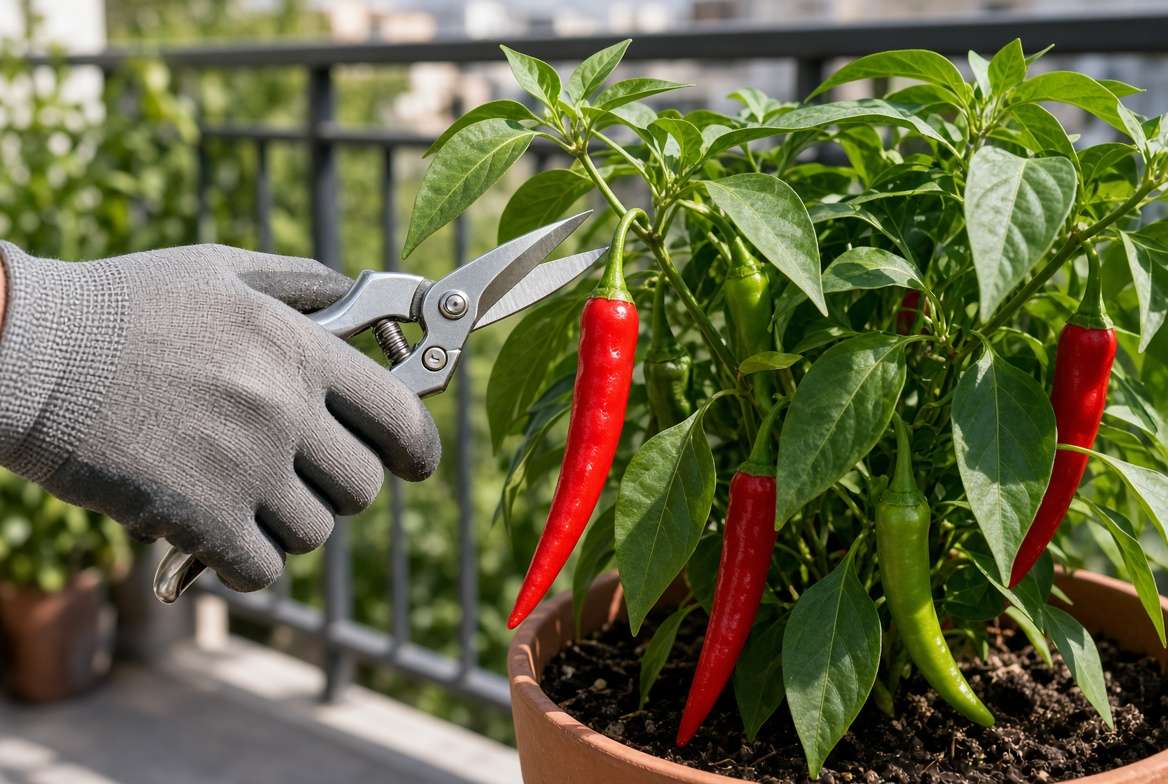
When your peppers finally reach their mature color, it is incredibly tempting to just yank them off the plant. Resist this urge! Pepper branches are surprisingly brittle. Yanking a stubborn fruit can snap an entire productive branch right off the main stem. Always use a pair of clean, sharp pruning shears or garden scissors to snip the stem about half an inch above the fruit. Frequent harvesting signals the plant’s biology that its “job” isn’t done, encouraging it to pump out even more blossoms!
Secret Trick: Overwintering Your Peppers ❄️
Here is a piece of expert tree care and plant biology that most casual gardeners don’t realize: peppers are actually tender perennials! In their native tropical climates, they live and produce for years. Frost is the only thing that kills them in temperate zones. Because you are growing in containers, you have a massive advantage.
Before the first frost of autumn hits, you can drastically prune your pepper plant back, wash the leaves to remove pests, and bring the container indoors. Placed in a sunny window or under a grow light, the plant will enter a semi-dormant state. When spring returns, you can move it back outside. It will explode with new growth and give you a massive head start on the season, yielding earlier and heavier than a plant started from seed! 🪴✨
8. Frequently Asked Questions (FAQs) ❓
Can I grow two pepper plants in one container? Generally, it is not recommended unless you are using a very large container (10+ gallons, like a half-barrel). Peppers compete heavily for water and nutrients. Cramming two plants into a standard 5-gallon bucket will result in stunted growth and a lower combined yield than one happy, healthy plant.
Do potted peppers need cages or stakes? It depends on the variety! Compact varieties like ‘Early’ Jalapeño or ‘Basket of Fire’ do not require support. However, heavy producers like Poblanos or large Bell peppers can become top-heavy. Inserting a single bamboo stake into the soil at planting time and gently tying the main stem to it with garden twine is a great insurance policy against strong patio winds. 🌪️
How often should I fertilize peppers in pots? Because watering flushes out nutrients, potted peppers need more frequent feeding than in-ground plants. Once the plant begins actively growing and setting flowers, apply a diluted, organic liquid fertilizer every 10 to 14 days.
Why are my jalapeños not spicy? Capsaicin (the chemical that causes the heat) is a defense mechanism. If your peppers are perfectly pampered with endless water, ideal temperatures, and heavy fertilizer, they can actually turn out mild! To boost the heat, let the soil dry out a bit more than usual between waterings as the fruits approach harvest time. A little environmental stress makes a much hotter pepper! 🔥
9. Conclusion: Time to Start Planting! 🎉
Container gardening completely shatters the myth that you need a sprawling backyard to cultivate a thriving, productive food garden. By choosing the right easy pepper varieties for container gardens, investing in excellent soil health, and following a simple watering and feeding routine, anyone can transform a sunny corner into a daily source of fresh, flavorful produce.
Whether you opt for the rapid-fire yields of the Shishito, the vibrant beauty of the ‘Basket of Fire’, or the reliable crunch of the ‘Lunchbox’ minis, the reward of picking a sun-warmed pepper you grew yourself is unparalleled.
Now it’s your turn! Grab a pot, pick up some premium potting mix, and select your favorite variety from this list.
Which pepper variety are you most excited to try on your patio this season? Let me know in the comments below, and be sure to tag me in pictures of your container garden setups on social media! Happy planting! 🌱💚











