There’s nothing quite like the taste of sun-ripened, organic fruit plucked straight from the branch. But if you live in an apartment, rent your home, or only have a small concrete balcony, you might think growing a personal orchard is impossible. You aren’t alone; millions of would-be gardeners miss out on the joy of home-grown harvests simply because they lack a traditional backyard.
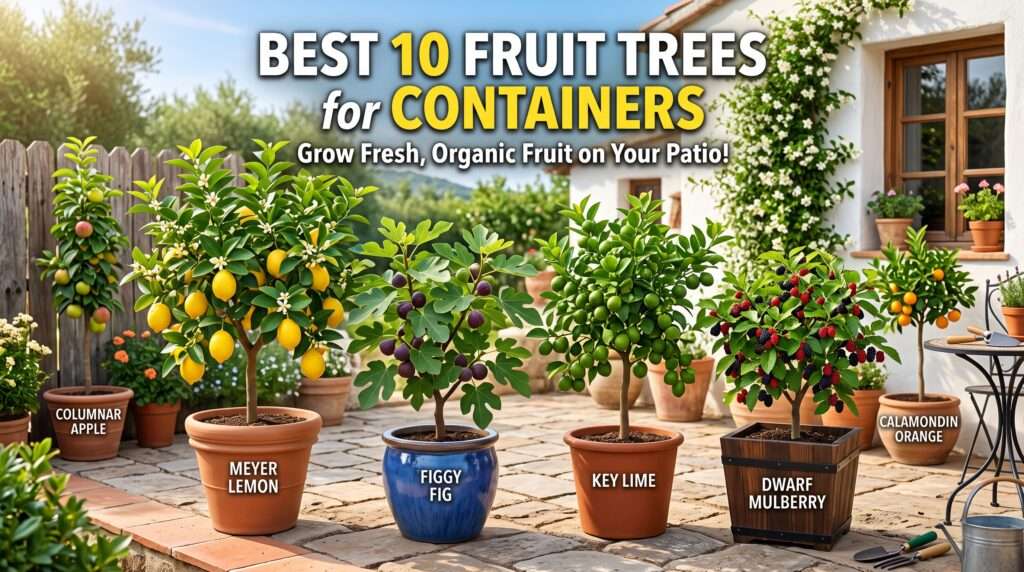
Fortunately, you don’t need acres of land to cultivate fresh lemons, figs, or peaches. To help you bypass the guesswork and transform your patio into a thriving mini-farm, we’ve researched and ranked the best 10 fruit trees for containers.
Container gardening is the ultimate space-saving hack for urban dwellers and patio owners, allowing you to control the soil, moisture, and sunlight your plants receive. However, not every tree is built for the confined space of a pot. To save you the heartbreak of buying a tree that dies in a month or never produces, we did the heavy lifting. After analyzing top-rated Amazon nursery sellers, reading countless customer reviews, and digging into horticultural data, we’ve curated the definitive list of potted fruit trees. These carefully selected varieties aren’t just survivors—they are guaranteed to actually yield delicious fruit, thrive in tight spaces, and look absolutely stunning while doing it.
Quick Comparison: Top Container Fruit Trees at a Glance
To help you make a quick decision, here is a mobile-friendly breakdown of our top picks.
The Lineup: Detailed Product Reviews
1. Improved Meyer Lemon Tree
Award: Best Overall
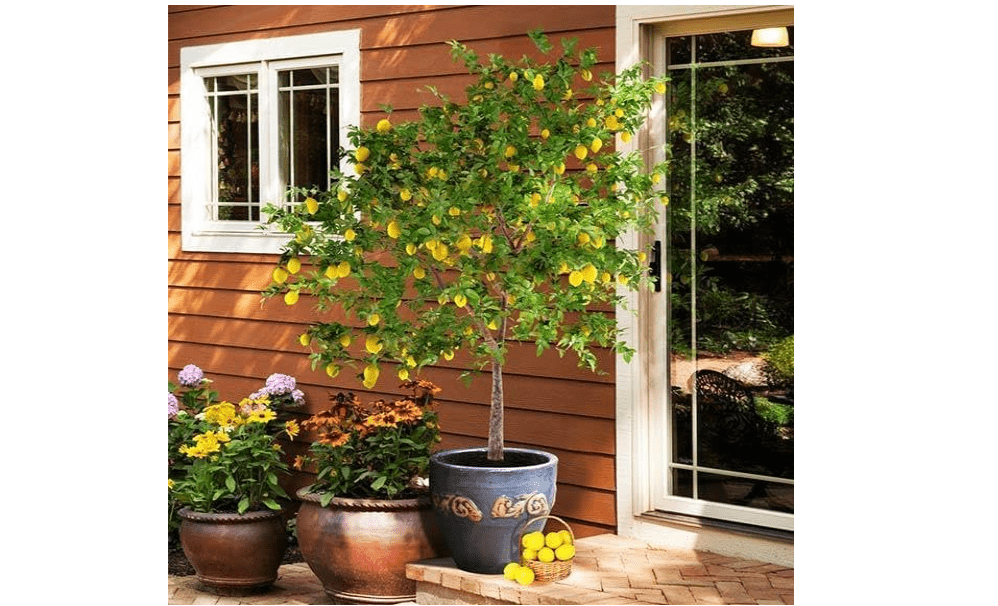
Product Description: The Improved Meyer Lemon is the undisputed crown jewel of patio gardening. A naturally dwarfing hybrid (thought to be a cross between a traditional lemon and a mandarin orange), this tree yields fruit that is sweeter, less acidic, and more floral than standard grocery store lemons. Because they have a thin skin and short shelf life, Meyer Lemons are rarely sold in stores, making growing your own incredibly rewarding. Better yet, they boast glossy evergreen foliage and highly fragrant waxy white blossoms that smell like jasmine.
-
Price:
-
Key Features & Benefits: Self-pollinating (you only need one tree), near year-round fruiting, adapts beautifully to indoor winter conditions.
-
Pros:
-
Fuits heavily even at a very young age.
-
Incredible scent and beautiful aesthetic value.
-
Highly versatile culinary fruit.
-
-
Cons:
-
Cold-sensitive; must be moved indoors when temperatures drop below 40°F.
-
Requires consistent, deep watering but cannot sit in soggy soil.
-
-
Amazon Customer Ratings & Reviews: Averages 4.6/5 stars. Buyers consistently praise the healthy condition the trees arrive in and are often shocked to see blooms or tiny lemons already forming within the first few months.
-
Why it’s a good choice for the best 10 fruit trees for containers: Its naturally compact root system restricts its size without sacrificing fruit production. It provides the highest yield-to-size ratio of almost any potted fruit tree.
-
Ideal Use Case: Perfect for beginners, patio growers, and culinary enthusiasts who want fresh, gourmet lemons for baking, marinades, and cocktails.
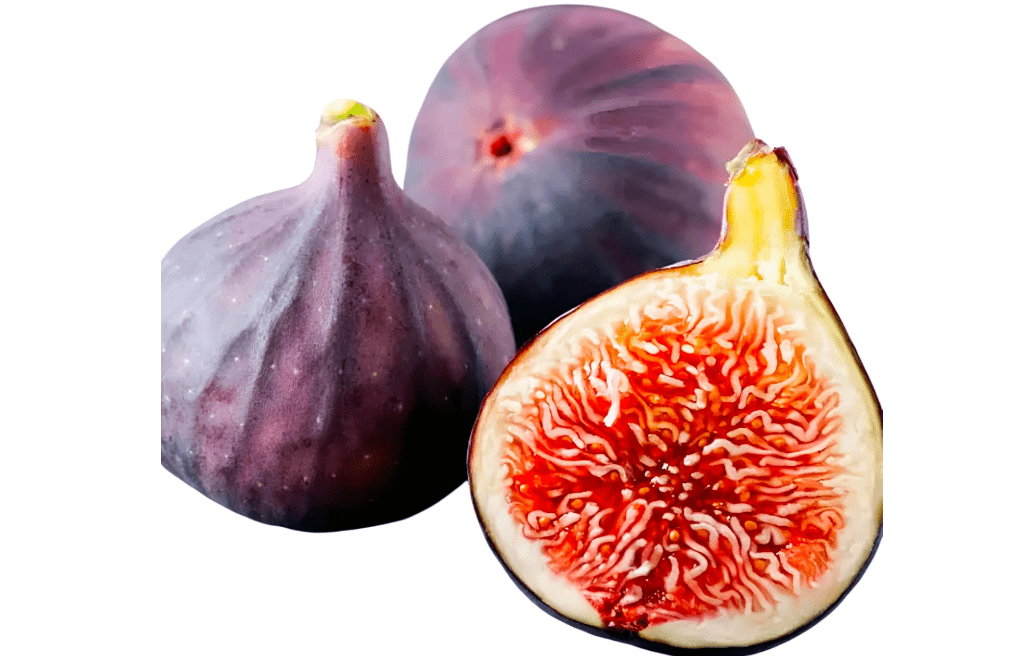
2. ‘Little Miss Figgy’ Dwarf Fig Tree
Award: Best for Quick Harvests
Product Description: If you want massive flavor in a tiny package, the ‘Little Miss Figgy’ is a spectacular choice. A compact mutation of the popular Violette de Bordeaux fig, this true dwarf tree maxes out at just 4 to 6 feet tall but produces a tremendous amount of smooth, dark purple figs with sweet, jammy red flesh. Figs naturally love having constricted roots, making them uniquely adapted to living out their entire lifespan in a pot.
-
Price: $168.99
-
Key Features & Benefits: Extremely drought-tolerant once established, gorgeous lobed foliage, often yields two crops a year (spring and late summer). Self-fertile.
-
Pros:
-
Low maintenance and requires little to no pruning.
-
Incredibly sweet, gourmet-quality fruit.
-
More cold-hardy than citrus (can survive outdoors in Zones 7-10).
-
-
Cons:
-
It is deciduous, meaning it will drop its beautiful leaves and look like a bare stick during the winter months.
-
-
Amazon Customer Ratings & Reviews: Averages 4.5/5 stars. Reviewers love how fast this tree grows in the summer and frequently report immediate fruiting success in standard 5-gallon pots.
-
Why it’s a good choice for the best 10 fruit trees for containers: Figs actually produce more fruit when they are slightly root-bound. Keeping them in a container tricks the tree into focusing its energy on reproduction (fruit) rather than endless branch growth.
-
Ideal Use Case: Great for warm, sunny balconies and lazy gardeners who want sweet, low-acid fruits without the hassle of a rigorous fertilizing schedule.
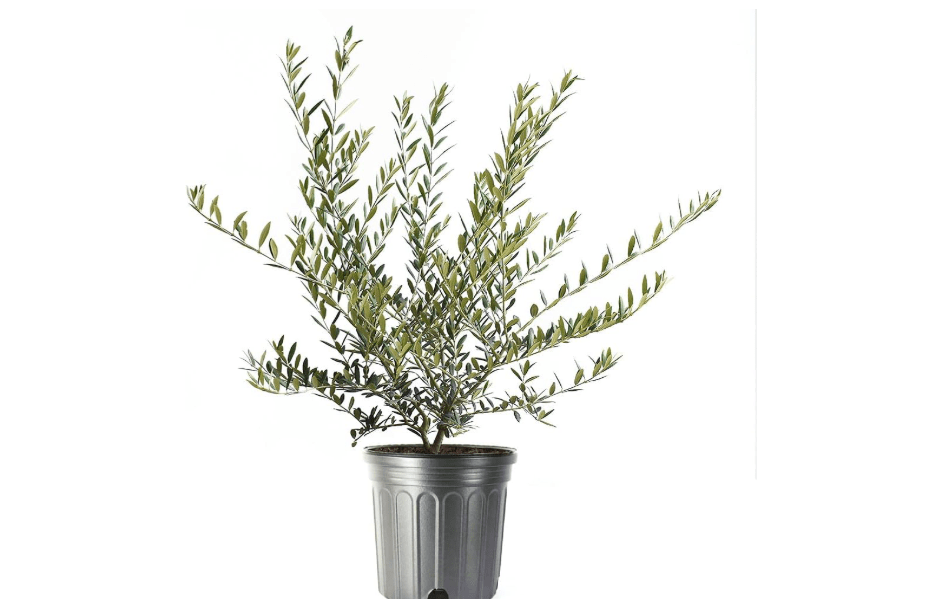
3. Arbequina Olive Tree
Award: Best for Aesthetics & Foliage
Product Description: The Arbequina Olive tree brings the rustic charm of the Mediterranean straight to your patio or living room. Known for its elegant, silvery-green evergreen leaves and weeping branch structure, it is highly adaptable to container living. While many buy it purely as high-end decor, the Arbequina is a heavy producer of small, flavorful olives that are world-renowned for making premium olive oil and excellent table olives.
-
Price: $66.93
-
Key Features & Benefits: Self-pollinating, highly drought-resistant, wind-resistant, and visually striking.
-
Pros:
-
Stunning, minimalist Mediterranean aesthetic.
-
Very hardy and forgiving if you forget to water it occasionally.
-
Functions as both luxury indoor decor and outdoor agriculture.
-
-
Cons:
-
Slow grower.
-
Raw olives right off the tree are terribly bitter; they require a specific brining and curing process before you can eat them.
-
-
Amazon Customer Ratings & Reviews: Averages 4.6/5 stars. Buyers rave about its chic appearance as a houseplant. Many note that the packaging protects the delicate branches well during shipping.
-
Why it’s a good choice for the best 10 fruit trees for containers: It marries interior design trends with urban farming, offering dual value as a tough, resilient potted plant and a functioning fruiting tree.
-
Ideal Use Case: Urban designers, sunny living rooms, and anyone looking to cultivate a Mediterranean-themed patio space.
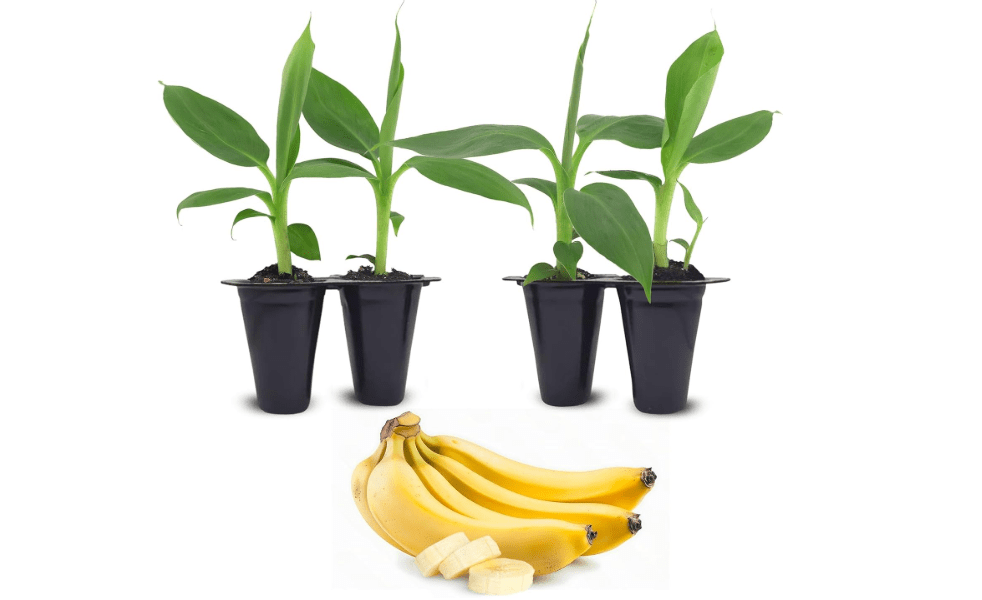
4. Dwarf Cavendish Banana Tree
Award: Best Tropical Pick
Product Description: Want to turn your deck into a tropical jungle? The Dwarf Cavendish Banana tree features massive, paddle-shaped tropical leaves and grows incredibly fast. Topping out around 4 to 6 feet in a container, it produces large clusters of sweet, snack-sized bananas. Watching a banana flower emerge and curl back to reveal tiny hands of bananas is one of the most exciting experiences in container gardening.
-
Price: $28.99
-
Key Features & Benefits: Incredible growth rate, instant tropical aesthetic, easy to overwinter indoors in a sunny room.
-
Pros:
-
Creates a lush, vacation-like vibe on any small patio.
-
Produces delicious, classic-tasting bananas.
-
-
Cons:
-
They are heavy feeders and drinkers—they require high humidity, lots of water, and frequent fertilizer.
-
Wind can easily tear the large, fragile leaves.
-
-
Amazon Customer Ratings & Reviews: Averages 4.3/5 stars. Customers highlight the astonishing speed at which these trees push out new leaves during the heat of summer.
-
Why it’s a good choice for the best 10 fruit trees for containers: It maximizes vertical and visual space, bringing bold jungle energy to small spaces while delivering a uniquely rewarding, edible harvest.
-
Ideal Use Case: Sunrooms, warm summer decks, and families with kids who will be fascinated by watching their favorite snack grow from scratch.
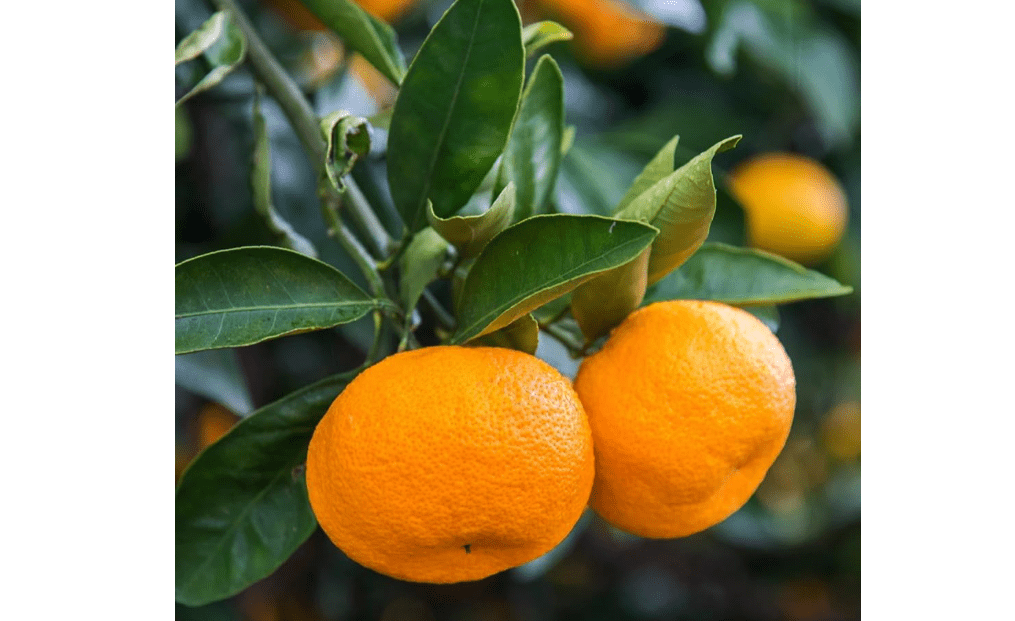
5. Calamondin Orange Tree
Award: Best for Indoors
Product Description: The Calamondin is arguably the most bulletproof indoor fruit tree on the market. It is a miniature citrus tree that offers beautifully dense, dark green leaves and small, bright orange fruit. The magic of the Calamondin is that it blooms and fruits simultaneously almost all year round. The tiny oranges look like standard oranges but taste incredibly tart, making them the ultimate secret ingredient for marmalades, marinades, and cocktails.
-
Price:
-
Key Features & Benefits: Blooms and fruits continuously, intoxicatingly fragrant flowers, incredibly shade-tolerant compared to other citrus varieties.
-
Pros:
-
Thrives indoors year-round without being fussy.
-
Highly decorative—often looks like a bonsai tree covered in little orange ornaments.
-
-
Cons:
-
The fruit is very sour; you cannot peel and eat it like a Navel orange.
-
-
Amazon Customer Ratings & Reviews: Averages 4.7/5 stars. It holds some of the highest ratings among indoor trees, with users citing its near-indestructible nature and constant fruit production.
-
Why it’s a good choice for the best 10 fruit trees for containers: If you do not have outdoor space at all, this is the tree for you. It tolerates the dry air and lower light of indoor apartments better than any other fruiting plant.
-
Ideal Use Case: Apartment dwellers with bright windows, avid bakers, and anyone who struggles to keep traditional houseplants alive.
6. ‘Bonanza’ Miniature Peach Tree
Award: Best for Spring Blossoms
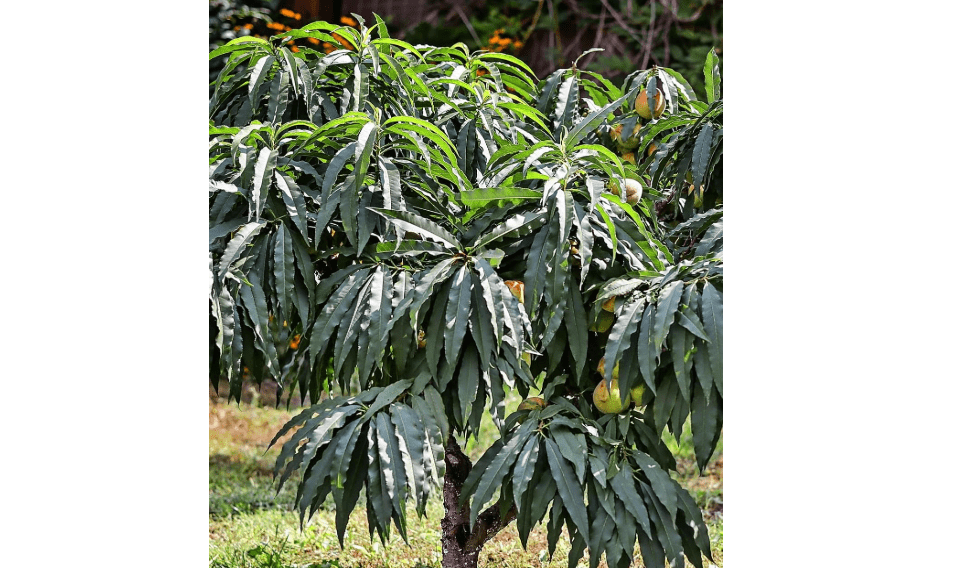
Product Description: The ‘Bonanza’ Peach is a genetic dwarf that provides the quintessential orchard experience without requiring a yard. Maxing out at a manageable 5 to 6 feet tall, this tree puts on an absolutely spectacular show in early spring with dense, vibrant pink blossoms. Despite its small stature, the ‘Bonanza’ produces full-sized, yellow-fleshed freestone peaches that are incredibly juicy and sweet.
-
Price: $104.99
-
Key Features & Benefits: Self-pollinating, stunning ornamental value, long lifespan in pots.
-
Pros:
-
Gorgeous spring aesthetic that rivals decorative cherry trees.
-
Yields large, standard-sized fruit on a miniature frame.
-
-
Cons:
-
Requires a set amount of winter “chill hours” (dormancy in temperatures below 45°F) to produce fruit, making it unsuitable for year-round tropical climates.
-
-
Amazon Customer Ratings & Reviews: Averages 4.2/5 stars. Buyers are consistently amazed by the visual impact of the blossoms and the surprisingly large size of the fruit it yields.
-
Why it’s a good choice for the best 10 fruit trees for containers: It is one of the few true stone fruits that is genetically designed to thrive in tight spaces, allowing you to harvest fresh peaches on a balcony.
-
Ideal Use Case: Gardeners in temperate zones (USDA 5-8) who want a stunning outdoor patio centerpiece that doubles as a food source.
7. Columnar Apple Tree (e.g., Scarlet Sentinel)
Award: Best for Vertical Spaces
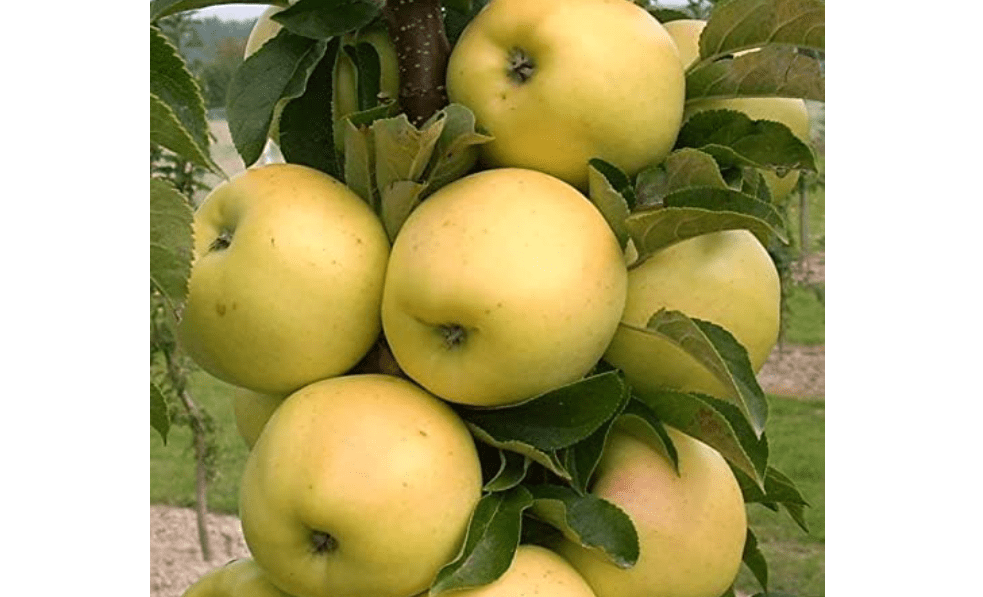
Product Description: If your patio is long and narrow, columnar apple trees are a brilliant solution. Unlike traditional apple trees that branch out widely, these unique mutations grow almost straight up like a pillar, rarely exceeding 2 feet in width. Varieties like the Scarlet Sentinel produce clusters of crisp, sweet apples directly along the main trunk, creating a striking, architectural look.
-
Price:
-
Key Features & Benefits: Highly space-efficient, heavy yielder for its size, excellent disease resistance.
-
Pros:
-
Fits perfectly in tight corners or narrow balconies.
-
Visually striking and unique growth habit.
-
-
Cons:
-
Most columnar apples are not self-fertile; you generally need to buy two different varieties and place them near each other for cross-pollination.
-
-
Amazon Customer Ratings & Reviews: Averages 4.1/5 stars. Buyers love the space-saving architecture and frequently buy them in pairs to frame doorways or line narrow decks.
-
Why it’s a good choice for the best 10 fruit trees for containers: It is the ultimate solution for urban balconies where horizontal space is at an absolute premium.
-
Ideal Use Case: Tight urban balconies, modern minimalist container gardens, and those who want to grow apples without dedicating significant square footage.
8. Dwarf Pomegranate Tree (‘Nana’)
Award: Best Drought-Tolerant Pick
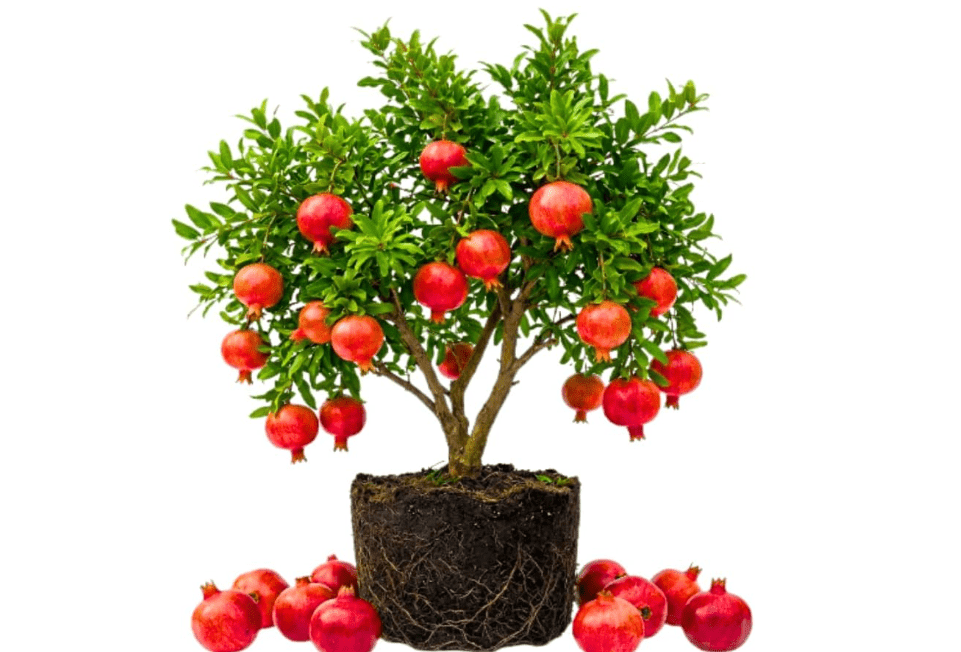
Product Description: The Dwarf Pomegranate (‘Nana’) is a dense, shrub-like tree that is as tough as it is beautiful. It produces vibrant, trumpet-shaped orange-red flowers that are highly attractive to hummingbirds, followed by miniature, edible pomegranates. Naturally staying under 3 feet tall, it thrives in extreme heat and is incredibly forgiving of missed waterings.
-
Price:
-
Key Features & Benefits: Handles heat and drought beautifully, naturally dwarf size, blooms continuously throughout the summer.
-
Pros:
-
Extremely resilient and low-maintenance.
-
Beautiful, intricate branching structure makes it an excellent candidate for bonsai.
-
-
Cons:
-
The fruit is much smaller and has a higher seed-to-flesh ratio than the large ‘Wonderful’ variety pomegranates found in grocery stores.
-
-
Amazon Customer Ratings & Reviews: Averages 4.5/5 stars. Reviewers praise its near-indestructible nature and the sheer volume of bright blossoms it produces.
-
Why it’s a good choice for the best 10 fruit trees for containers: It thrives on neglect. For the forgetful container gardener or those with baking-hot concrete patios, this tree will survive where others wither.
-
Ideal Use Case: Hot, full-sun patios, beginner gardeners, and those interested in cultivating fruiting bonsai trees.
9. Key Lime Tree
Award: Best for Cocktail & Culinary Lovers
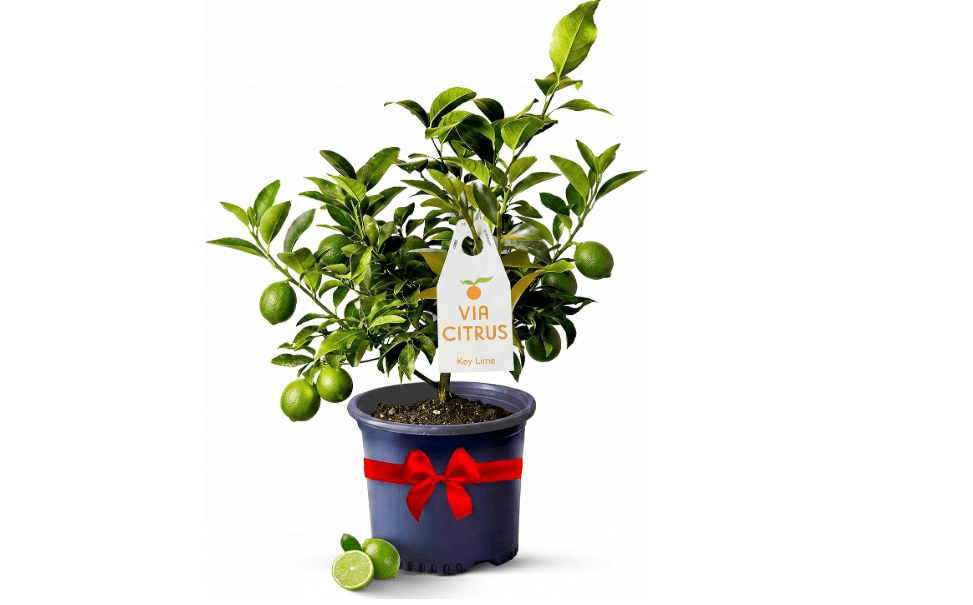
Product Description: The Key Lime is a bushy citrus tree famous for producing the highly aromatic, golf-ball-sized limes essential for authentic Key Lime Pie and classic margaritas. The flavor profile is uniquely tart and floral, offering a culinary experience you simply can’t buy in a standard supermarket. The tree itself features highly fragrant foliage and small white blossoms.
-
Price:
-
Key Features & Benefits: Prolific fruiter, intoxicating scent, highly adaptable to being root-bound in containers.
-
Pros:
-
Provides intense, authentic flavor for baking and mixology.
-
Produces a very high volume of fruit for its size.
-
-
Cons:
-
The branches can be quite thorny.
-
Highly sensitive to frost; must be protected or moved indoors during winter.
-
-
Amazon Customer Ratings & Reviews: Averages 4.4/5 stars. Users rave about the sheer volume of limes produced and the incredible aroma the tree adds to their patio.
-
Why it’s a good choice for the best 10 fruit trees for containers: True Key Limes are expensive and hard to find in stores; this small container tree pays for itself rapidly with a single heavy harvest.
-
Ideal Use Case: Home chefs, mixologists, and patio growers in warm climates (or those willing to winter it indoors near a sunny window).
10. Dwarf Everbearing Mulberry
Award: Best for Berry Lovers
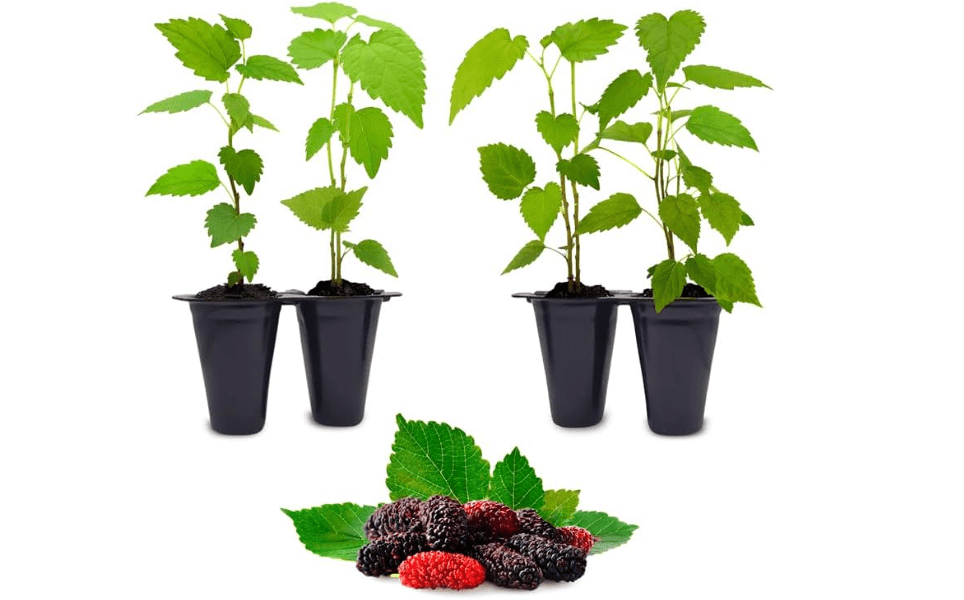
Product Description: If you lack patience, the Dwarf Everbearing Mulberry is the tree for you. This vigorous, compact tree pumps out sweet, blackberry-like fruits almost continuously from spring through late summer. It is notoriously difficult to kill, grows rapidly, and often begins fruiting when it is less than two feet tall. The berries are incredibly sweet and favored by both children and birds.
-
Price: $32.99
-
Key Features & Benefits: Fast-growing, almost impossible to kill, fruits heavily at a very young age.
-
Pros:
-
Provides a constant, rolling harvest rather than one single crop.
-
Highly resilient and pest-resistant.
-
-
Cons:
-
The berries are deeply pigmented and can stain light-colored concrete patios if they are allowed to drop and get squished.
-
-
Amazon Customer Ratings & Reviews: Averages 4.6/5 stars. Buyers are consistently shocked by how quickly it fruits—many report eating berries mere weeks after unboxing the tree.
-
Why it’s a good choice for the best 10 fruit trees for containers: It is simply one of the fastest, most reliable fruiters you can put in a pot, offering immediate gratification for the container gardener.
-
Ideal Use Case: Families with children, impatient gardeners, and anyone who loves snacking on fresh berries straight from the branch.
Buyer’s Guide: How to Choose the Right Container Fruit Tree
Successfully growing fruit in pots requires a slightly different approach than planting in the ground. Here is what you need to know before making a purchase.
-
Pot Size & Drainage: Never plant a small tree in a massive pot; the excess soil holds too much water and causes root rot. Start with a 5 to 7-gallon container and “up-pot” every few years as the tree grows. Ensure your pot has multiple drainage holes—fruit trees hate sitting in standing water.
-
Pollination Needs: Always check if a tree is “self-fertile” (like Meyer Lemons or Figs), meaning it can produce fruit all by itself. Trees that are not self-fertile (like most apples and cherries) require you to buy a second, different variety of the same tree to cross-pollinate.
-
Hardiness Zones & Overwintering: Check your USDA Hardiness Zone. If you live in a cold climate, you will need to buy tropical or citrus trees (like Lemons or Bananas) that can be carried indoors for the winter. Conversely, stone fruits (like Peaches) need cold winter dormancy and should be left outside.
-
Soil & Fertilizer: Do not use heavy garden soil. Buy a high-quality, fast-draining potting mix (citrus/cactus mixes work great for almost all container trees). Because frequent watering washes nutrients out of the pot, you must re-apply a slow-release organic fertilizer specific to your tree type every few months during the growing season.
Frequently Asked Questions (FAQ)
How long does it take for a potted tree to bear fruit? Most dwarf fruit trees purchased online from reputable nurseries are grafted and are already 1 to 2 years old when they ship. Depending on the variety (like the Mulberry or Fig), you may see fruit the very first summer. Others, like the Olive or Apple, may take a season or two to settle in before producing a heavy yield.
Can fruit trees survive winter in pots? It depends on the tree and your climate. A tree’s roots are much more vulnerable to freezing in a pot than they are insulated in the ground. Cold-hardy trees (like Apples or Figs) can often survive winter in a pot, provided the container itself doesn’t crack from freezing. Citrus and tropicals must be moved indoors before the first frost.
How often should I water my container fruit tree? Pots dry out much faster than the ground, especially in the summer. Use the “finger test”: stick your index finger two inches into the soil. If it feels dry, water deeply until water runs out the bottom of the pot. If it feels wet, wait a day or two.
The Final Verdict
You don’t need a sprawling backyard to experience the joy of harvesting your own fresh food. Growing the best 10 fruit trees for containers is highly accessible, visually stunning, and deeply rewarding.
If you are unsure where to begin, you cannot go wrong with the Improved Meyer Lemon; it offers the best balance of easy growth, beautiful aesthetics, and highly useful fruit. If you want the lowest maintenance option with the sweetest payoff, grab a ‘Little Miss Figgy’ Fig. And if you are entirely restricted to indoor growing, the Calamondin Orange will happily thrive in your sunny window.
Don’t let a lack of yard space stop you. Check the Amazon links above for current availability and pricing, and start building your own patio orchard today!