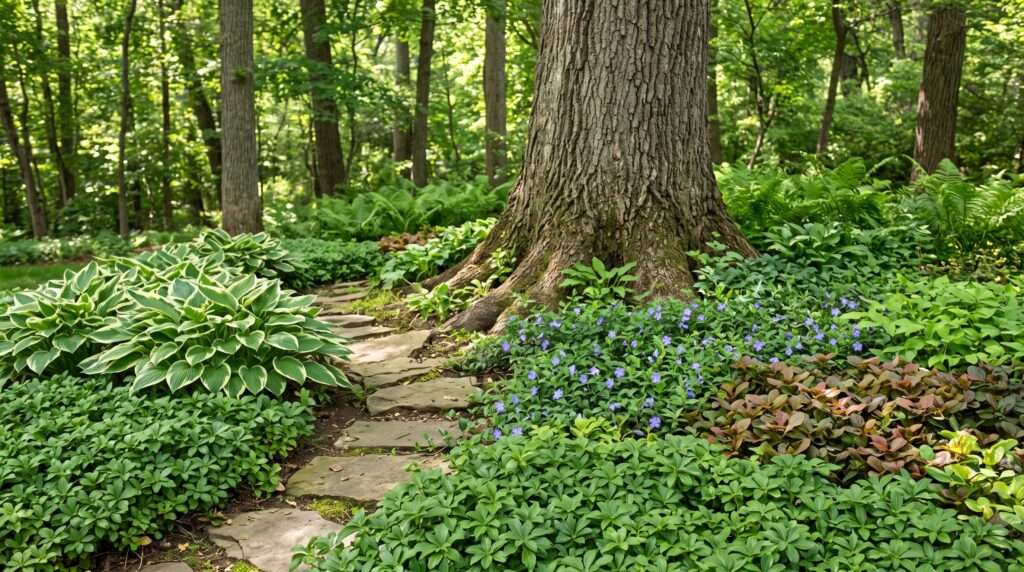
Are you tired of staring at that barren, dusty, or muddy patch of dirt beneath your large canopy trees? You aren’t alone. Turf grass simply refuses to grow in heavy shadows, leaving many frustrated with unsightly bare spots that wash away in heavy rains and look terrible year-round. If you are searching for a permanent, low-maintenance solution to transform this frustrating dead zone, you need the best 10 ground cover for under trees. Planting the right shade-loving perennials will turn that bare dirt into a lush, vibrant living carpet that looks incredible in any landscape design.
The area beneath a mature tree is arguably the toughest microclimate in your entire yard. It’s a classic “dry shade” zone: the dense canopy acts like an umbrella, blocking out vital sunlight and rainfall, while the tree’s massive, aggressive root system steals whatever water and nutrients remain in the soil. Leaving this ground completely bare doesn’t just look unappealing; it actively degrades your soil health by accelerating erosion, compacting the earth, and increasing nutrient runoff.
The secret to fixing this landscape dilemma isn’t dumping more expensive grass seed or relying on a thick, uninspired layer of wood mulch. The answer lies in establishing shallow-rooted, drought-tolerant plants that thrive on neglect while creating a beautiful, protective layer over your soil. In this comprehensive guide, we break down the top-rated live plants, root plugs, and bare roots available on Amazon to help you reclaim your yard. Whether you are aiming for a clean, formal aesthetic or a colorful, visually striking woodland garden that photographs beautifully, our reviews of the best 10 ground cover for under trees will help you confidently choose the perfect plant to finally conquer the shadows.
II. Quick Decision Blueprint
If you are in a rush and just want to know which of the best 10 ground cover for under trees is right for your yard, use this mobile-friendly comparison table to quickly narrow down your options.
III. Detailed Product Reviews: The best 10 ground cover for under trees
1. Pachysandra Terminalis (Japanese Spurge) – Best Overall for Dense Shade
-
Product Description: A true staple in professional landscaping, Pachysandra Terminalis is a highly reliable evergreen ground cover commonly sold in flats or bare-root bundles on Amazon. As it establishes, it forms a uniform, incredibly dense carpet of dark, leathery green leaves that look manicured year-round.

-
Price: $71.99
-
Key Features & Benefits: Evergreen foliage remains vibrant through winter; produces small, delicate white spring flowers; highly deer and rabbit resistant; cold hardy and reliable across USDA Zones 4-8.
-
Pros & Cons:
-
Pros: Thrives in heavy, dense shade where absolutely nothing else will grow; outcompetes weeds completely once established.
-
Cons: Can be slow to establish in the first year; susceptible to leaf blight if planted in areas with poor air circulation and excessive moisture.
-
-
Amazon Customer Ratings & Reviews: ~4.5/5 Stars. Reviewers consistently praise the packaging of bare-root bundles and marvel at how well the plants adapt to totally sunless areas under dense canopies.
-
Why It’s a Good Choice for Under Trees: It features a remarkably shallow root system that refuses to compete with or damage established tree roots. It thrives perfectly in the dry shade environment created by massive maples and oaks.
-
Ideal Use Case: Homeowners looking for a formal, uniform, year-round green carpet beneath large canopy trees to replace struggling turf grass.
2. Vinca Minor (Lesser Periwinkle / Creeping Myrtle) – Best Flowering Evergreen
-
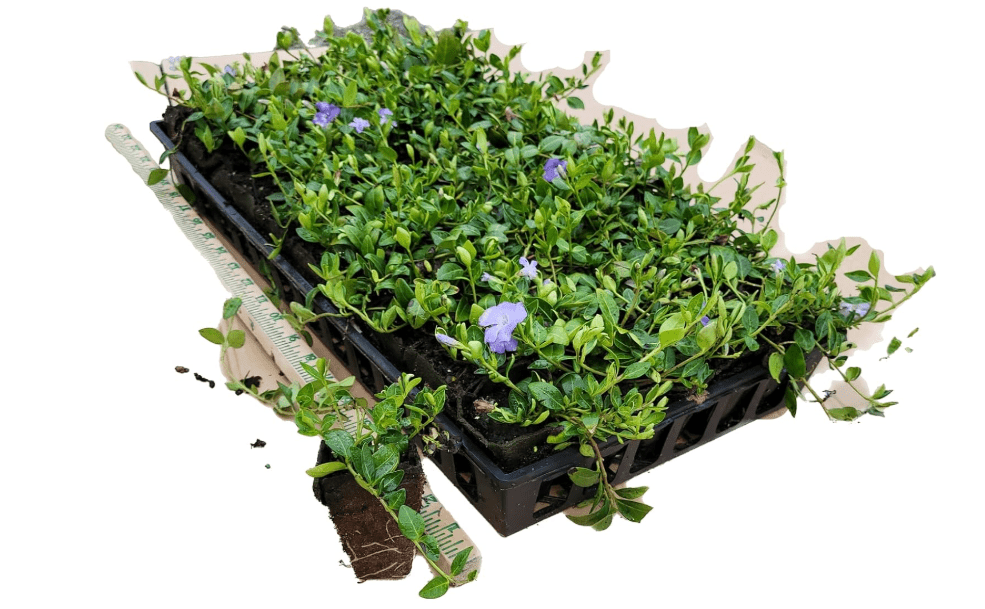
Product Description: Vinca Minor is a trailing, vine-like evergreen perennial that rapidly shoots out runners to cover bare soil. It is famous for yielding beautiful, star-shaped periwinkle blue flowers in the early spring, adding a tremendous pop of color to gloomy shade beds.
-
Price:
-
Key Features & Benefits: Maintains glossy evergreen leaves in winter; abundant early spring blooms; fast-spreading trailing habit; thrives in Zones 4-9.
-
Pros & Cons:
-
Pros: Covers bare ground very quickly; visually striking flowers; incredibly resilient even in poor, rocky soil.
-
Cons: Can become overly aggressive or invasive if not edged, contained, or regularly monitored.
-
-
Amazon Customer Ratings & Reviews: ~4.4/5 Stars. Buyers love the rapid growth rate and beautiful spring color, but caution that it requires heavy, consistent watering during the first month of planting to root properly.
-
Why It’s a Good Choice for Under Trees: Its trailing vines easily weave over and around exposed surface tree roots, and it requires very little topsoil to take hold and spread.
-
Ideal Use Case: Sloped areas under trees where rapid erosion control and fast surface coverage are your primary goals.
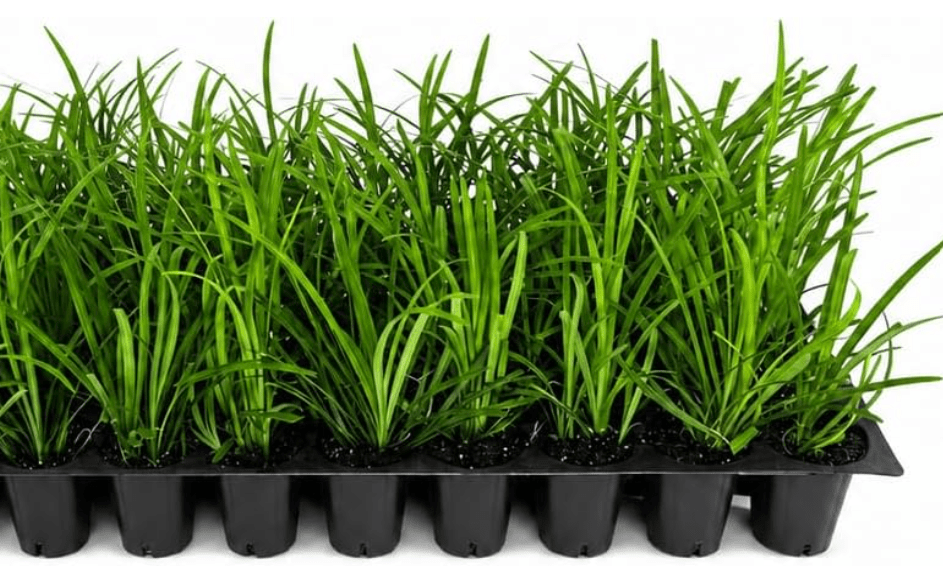
3. Liriope Muscari (Lilyturf / Monkey Grass) – Best Grass Alternative
-
Product Description: Often sold in bare-root clumps or small pots, Liriope closely resembles a thick, dark-green ornamental grass. However, unlike grass, it produces striking purple flower spikes in late summer, followed by small black berries in autumn.
-
Price: $134.97
-
Key Features & Benefits: Rich, grass-like texture; late summer purple blooms; incredibly drought-tolerant; hardy in Zones 5-10.
-
Pros & Cons:
-
Pros: Virtually indestructible once fully established; requires zero mowing and very little ongoing maintenance.
-
Cons: Can suffer from brown tips in harsh, freezing winters, requiring a hard cutback in early spring to refresh the foliage.
-
-
Amazon Customer Ratings & Reviews: ~4.7/5 Stars. It is rated exceptionally high by Amazon buyers for surviving in tough, compacted clay soils and enduring extreme summer heat.
-
Why It’s a Good Choice for Under Trees: It visually mimics the look of a traditional lawn but actually thrives on the neglect, competition, and dry conditions found directly beneath tree canopies.
-
Ideal Use Case: Creating a clean, defined border around the base of a tree, or completely replacing a grass lawn in a heavily shaded front yard.
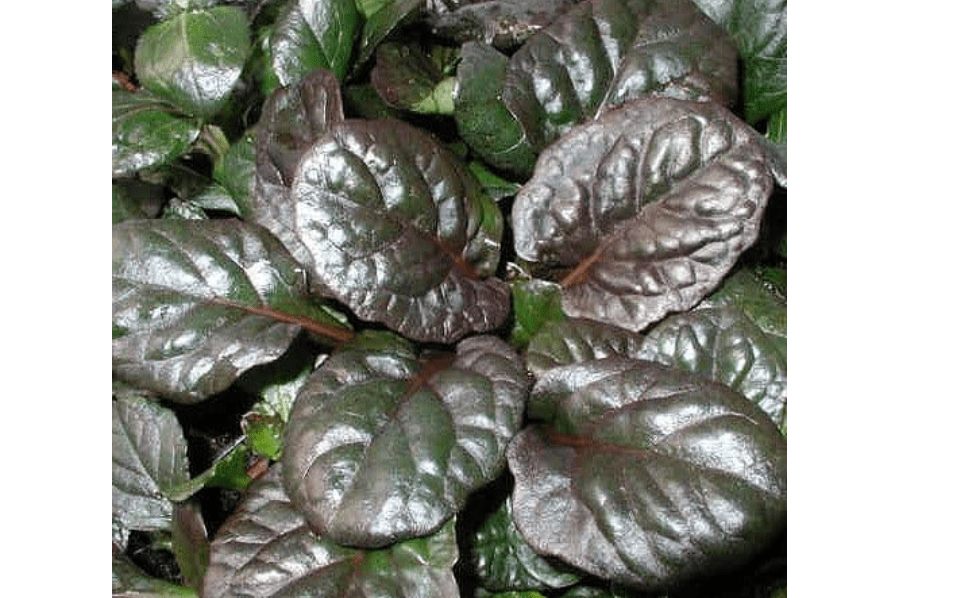
4. Ajuga Reptans (Bugleweed) – Best for Colorful Foliage
-
Product Description: If you want color without relying on flowers, Ajuga is the answer. It’s a low-growing, mat-forming creeper available in striking foliage colors—ranging from bronze to deep purple and burgundy. In spring, it shoots up vibrant blue or violet flower spikes.
-
Price:
-
Key Features & Benefits: Highly colorful, scalloped leaves; vigorous spreading habit; forms a dense, weed-suppressing mat; grows well in Zones 3-10.
-
Pros & Cons:
-
Pros: Adds brilliant, dramatic color to dark shade gardens; extremely fast growth rate.
-
Cons: Runners can easily escape garden beds and infiltrate your lawn if a hard border or edging isn’t maintained.
-
-
Amazon Customer Ratings & Reviews: ~4.3/5 Stars. Customers love the immediate color contrast it brings to their yard, but warn that it must be kept well-watered until it has firmly rooted into the soil.
-
Why It’s a Good Choice for Under Trees: It stays incredibly low to the ground (typically under 6 inches) and forms a dense, interlocking web that acts as living mulch, protecting the tree’s soil from drying out.
-
Ideal Use Case: Shaded garden beds where you want a dramatic pop of purple or bronze color to break up a monotonous sea of green.
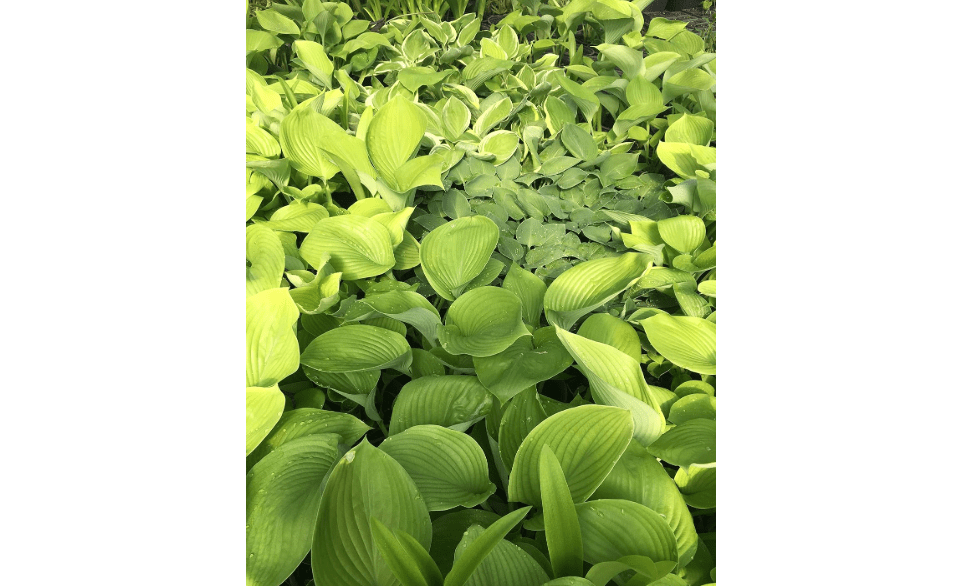
5. Mixed Hosta Bare Roots (Plantain Lilies) – Best Broadleaf Perennial
-
Product Description: Hostas are famous for their broad, lush, tropical-looking leaves that come in a massive variety of colors, often variegated with white, cream, or yellow. Amazon sellers commonly offer affordable “grab bags” of dormant bare roots, making it easy to create a highly textured landscape.
-
Price:
-
Key Features & Benefits: Enormous leaf variety and texture; tall summer flower scapes that attract hummingbirds; incredibly long-lived and hardy (Zones 3-9).
-
Pros & Cons:
-
Pros: Very easy and cost-effective to plant from bare root; creates a stunning, highly textured visual display.
-
Cons: Deciduous (foliage dies back completely to the dirt in winter); highly attractive to deer, rabbits, and slugs.
-
-
Amazon Customer Ratings & Reviews: ~4.2/5 Stars. Buyers give high marks for the overall value, though some users note it takes a full growing season for the leaves to reach their massive mature size.
-
Why It’s a Good Choice for Under Trees: Their large, umbrella-like leaves act as a living mulch, shading the soil directly over the tree roots to help retain essential moisture.
-
Ideal Use Case: Underneath deep-rooted deciduous trees (like oaks) in fenced-in yards where deer aren’t a threat, providing a classic, leafy garden aesthetic.
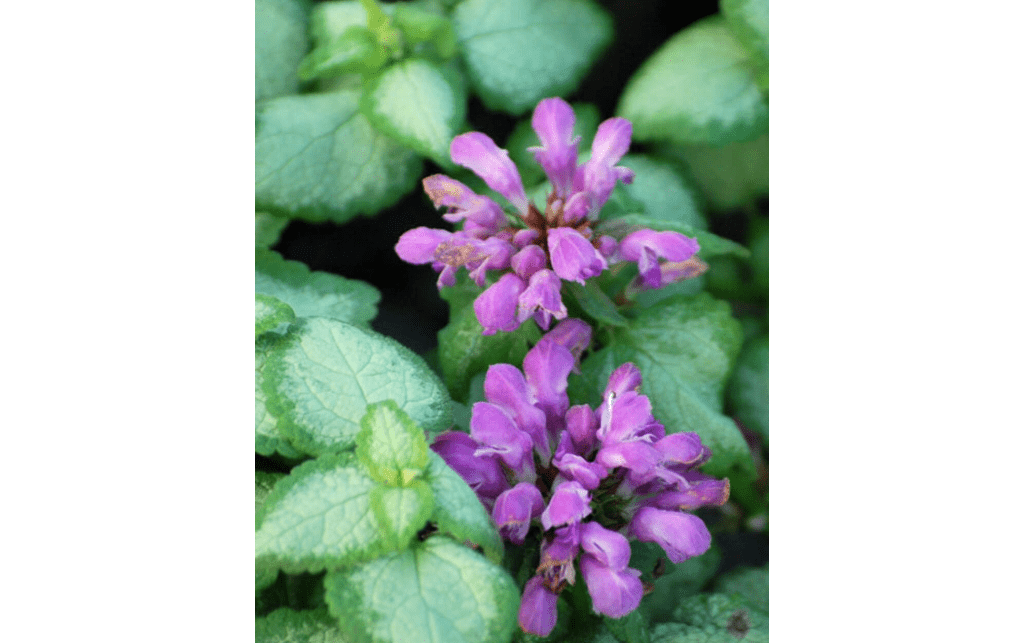
6. Lamium Maculatum (Spotted Dead Nettle) – Best for Brightening Dark Spaces
-
Product Description: Lamium is a beautiful creeping plant featuring striking silver-splashed foliage and clusters of pink, purple, or white snapdragon-like flowers. It illuminates the darkest corners of your yard.
-
Price:
-
Key Features & Benefits: Reflective silver/variegated leaves; exceptionally long bloom time from spring through early summer; highly deer resistant; Zones 3-8.
-
Pros & Cons:
-
Pros: Reflects ambient light to brighten up gloomy shade; blooms for months; spreads nicely to form a dense mat.
-
Cons: Can suffer from crown rot if the soil under the tree doesn’t drain well and remains overly soggy.
-
-
Amazon Customer Ratings & Reviews: ~4.4/5 Stars. Highly appreciated for its unique silver foliage that immediately stands out in the dark shadows of a dense canopy.
-
Why It’s a Good Choice for Under Trees: It actively prefers the dry, well-draining soil created by thirsty tree roots, cleverly avoiding the crown rot issues it faces in consistently wet soil.
-
Ideal Use Case: Gloomy, shadowy corners of the yard under dense evergreen trees that desperately need a visual lift and a splash of color.
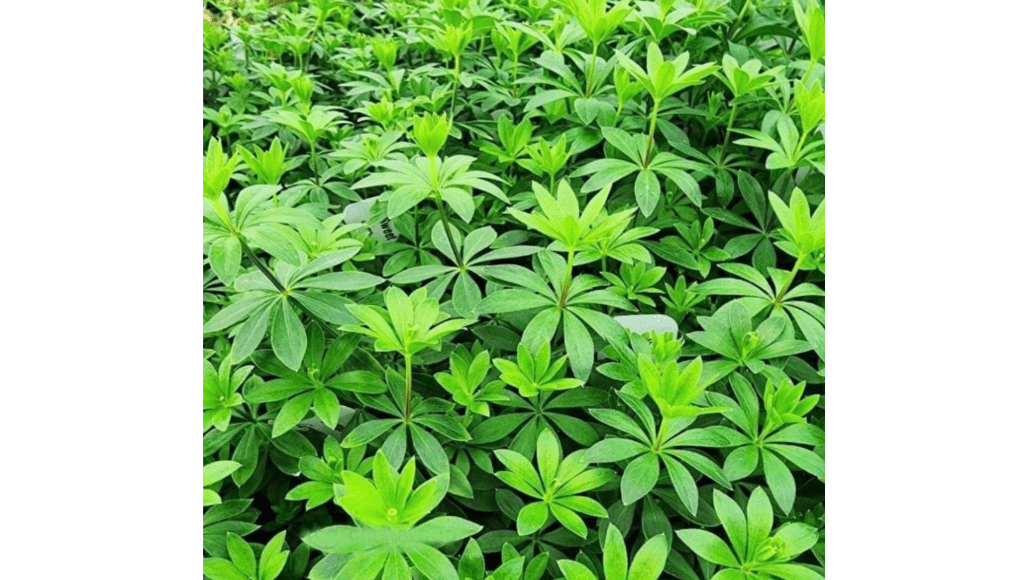
7. Galium Odoratum (Sweet Woodruff) – Best Fragrant Ground Cover
-
Product Description: A delicate-looking, classic woodland plant featuring star-shaped whorled leaves and tiny, brilliant white spring flowers. When dried or crushed, the foliage smells distinctly like fresh-cut hay or vanilla.
-
Price:
-
Key Features & Benefits: Aromatic foliage; delicate, fine texture; naturalizes beautifully in authentic woodland settings; Zones 4-8.
-
Pros & Cons:
-
Pros: Smells amazing; creates a beautiful, soft, “fairy garden” aesthetic.
-
Cons: Needs slightly more ambient moisture than tough plants like Pachysandra; can spread rapidly in highly ideal conditions.
-
-
Amazon Customer Ratings & Reviews: ~4.5/5 Stars. Buyers love the delicate look but often advise adding a handful of compost to the planting hole to help it establish its roots.
-
Why It’s a Good Choice for Under Trees: It naturally evolved to grow in old-growth forests, making it perfectly adapted to the dappled shade and acidic leaf-litter environment found under large trees.
-
Ideal Use Case: Naturalized, woodland-style landscape designs, native shade gardens, and areas where a soft, romantic aesthetic is desired.
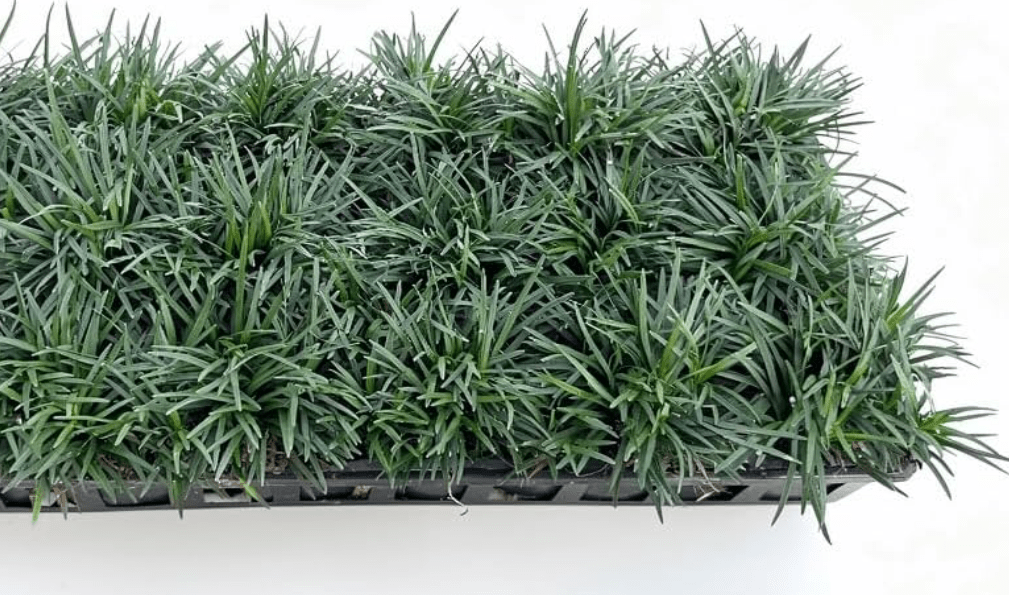
8. Ophiopogon Japonicus (Mondo Grass) – Best Low-Profile Border
-
Product Description: Similar in appearance to Liriope but much shorter and finer in texture. Mondo Grass forms dense, tufted mounds of dark green, grass-like foliage that tops out at just 4 to 6 inches tall, creating a highly manicured look.
-
Price:
-
Key Features & Benefits: Very low growing profile; evergreen foliage; excellent durability and foot-traffic tolerance; Zones 6-10.
-
Pros & Cons:
-
Pros: Looks exactly like a manicured miniature lawn; excellent for filling tight gaps between surface roots or stepping stones.
-
Cons: Very slow grower; requires buying in high quantities and planting closely for an immediate impact.
-
-
Amazon Customer Ratings & Reviews: ~4.6/5 Stars. Highly rated for its neat, consistently tidy appearance and impressive survival rate in poor, rocky soil.
-
Why It’s a Good Choice for Under Trees: It can handle the absolute driest, poorest soil conditions found directly against the trunk of the tree where literally nothing else will survive.
-
Ideal Use Case: Tidy, modern landscapes or framing exposed tree roots with a clean, architectural border.
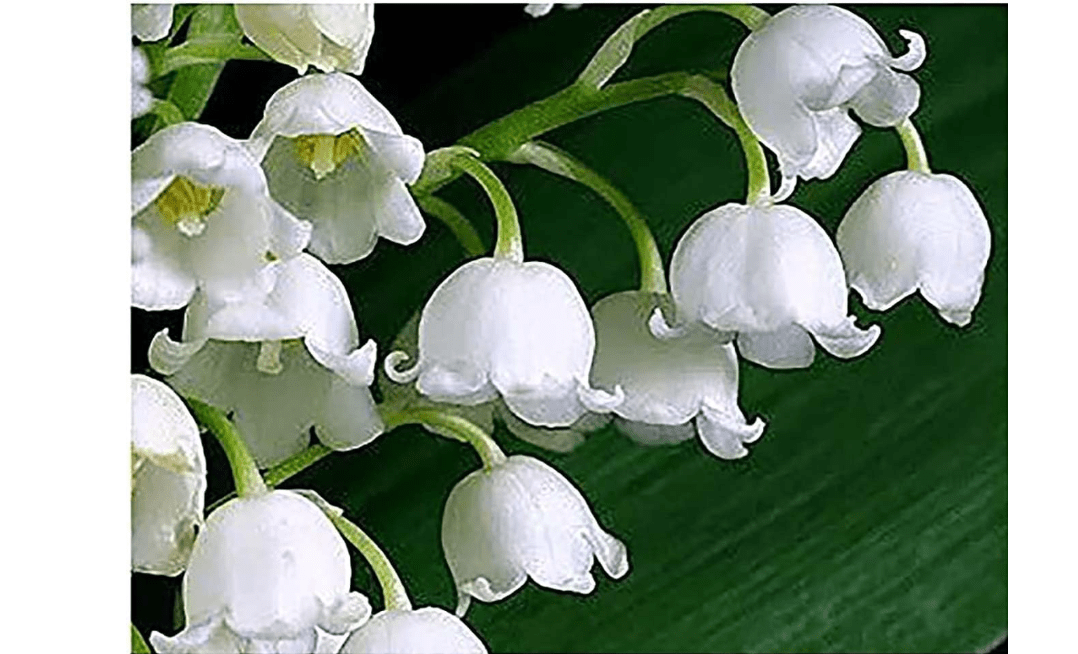
9. Convallaria Majalis (Lily of the Valley) – Best for Aggressive Spreading
-
Product Description: Easily ordered on Amazon as dormant “pips” (roots), this famous shade lover sprouts broad green leaves and highly fragrant, dangling white bell-shaped flowers in the spring.
-
Price: $49.99
-
Key Features & Benefits: Intensely fragrant, iconic blooms; thrives in total, unyielding shade; incredibly cold hardy (Zones 2-9).
-
Pros & Cons:
-
Pros: Will ruthlessly conquer the most difficult dry shade; provides beautiful spring cut flowers.
-
Cons: Highly invasive in some regions; toxic to pets and humans if ingested.
-
-
Amazon Customer Ratings & Reviews: ~4.1/5 Stars. Reviews are polarized—people either absolutely adore the fragrance or strongly warn about how aggressively it takes over an area.
-
Why It’s a Good Choice for Under Trees: It is tough enough to battle aggressive, thick tree roots for space and win, completely filling in bare areas without needing any coddling or fertilizer.
-
Ideal Use Case: Highly contained areas (like a strip of dirt between a concrete sidewalk and a massive tree trunk) where you want a plant to take over completely and smother out weeds.
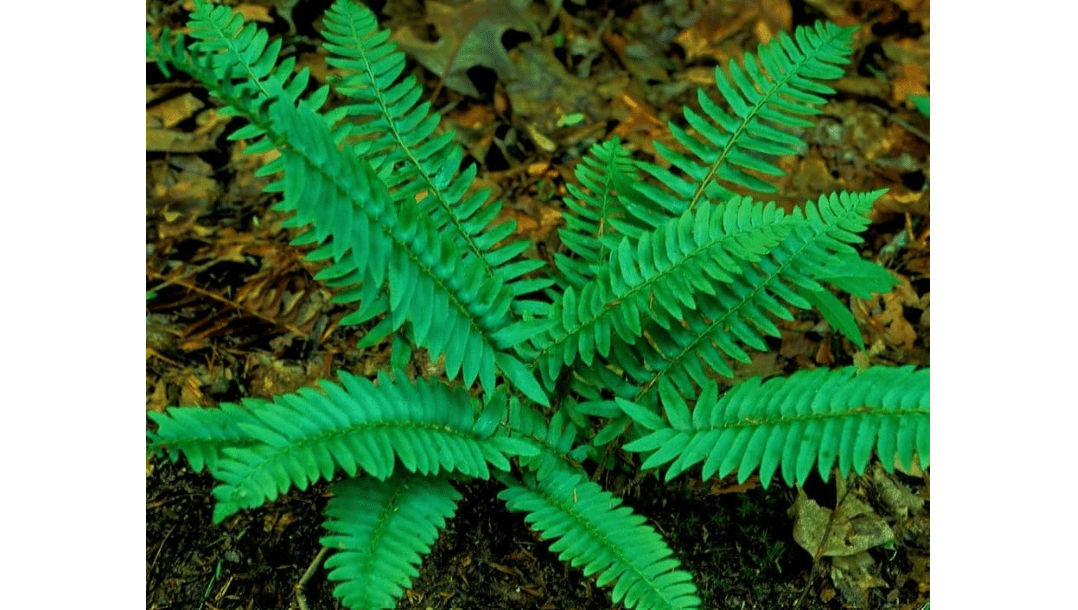
10. Polystichum Acrostichoides (Christmas Fern) – Best for Texture & Structure
-
Product Description: A tough, highly resilient evergreen native fern easily ordered as dormant bare roots. Rather than creeping, it forms beautiful, fountain-like clumps of dark green fronds that stay green straight through the holidays (hence the name).
-
Price: $32.99
-
Key Features & Benefits: Glossy evergreen fronds; clumping habit (non-invasive); native to North America, supporting local ecosystems; Zones 3-9.
-
Pros & Cons:
-
Pros: Doesn’t spread out of control; provides lovely winter interest and architectural height; zero maintenance required.
-
Cons: Doesn’t form a continuous “carpet” (you will still see mulch or soil between the individual plants).
-
-
Amazon Customer Ratings & Reviews: ~4.4/5 Stars. Buyers appreciate how quickly and reliably the dormant bare roots unfurl into full-sized, healthy ferns.
-
Why It’s a Good Choice for Under Trees: Unlike many delicate, moisture-loving ferns, the Christmas Fern is highly tolerant of the dry, shallow, nutrient-poor soils found under mature tree canopies.
-
Ideal Use Case: Mixing with low-creeping ground covers (like Ajuga or Vinca) to add varied height, texture, and winter color to a larger shade bed.
IV. Comprehensive Buyer’s Guide: How to Choose the Right Ground Cover
To ensure you choose the best plant from our best 10 ground cover for under trees list, keep these critical decision-making factors in mind before clicking “Add to Cart.”
-
Understanding “Dry Shade”: It is crucial to understand that the area under a tree is essentially a desert. The tree canopy acts as a giant umbrella, blocking rain, while the tree’s roots drink up whatever ground moisture is left. You must select plants specifically bred for dry shade, not just regular shade.
-
Foliage Type (Evergreen vs. Deciduous): Decide what you want your yard to look like in January. If you want year-round coverage, choose evergreens like Pachysandra, Vinca, or Christmas Ferns. If you don’t mind the plant dying back to the dirt in winter to return in spring, Hostas and Lily of the Valley are excellent choices.
-
Growth Habit (Creeping vs. Clumping):
-
Creepers (Ajuga, Vinca, Lamium) root as they spread to form a continuous carpet. They cover ground quickly but require edging to stay out of the lawn.
-
Clumpers (Liriope, Hostas, Ferns) stay exactly where you plant them. They are well-behaved but require you to buy more individual plants to fill a space completely.
-
-
Deer & Pest Resistance: If you live in an area with heavy deer or rabbit populations, steer clear of Hostas (which are essentially deer candy). Opt for unpalatable or toxic options like Pachysandra, Ferns, and Lily of the Valley.
V. Planting Guide: How to Plant Under Trees Without Killing Them
Planting under a mature tree requires extreme care to avoid damaging the tree’s critical root system.
-
The Golden Rule: Never add more than 1–2 inches of topsoil over existing tree roots. Piling thick mounds of dirt against the tree trunk (burying the “root flare”) will trap moisture, rot the bark, and eventually suffocate and kill the tree.
-
Digging Strategy: Put away the large shovels and absolutely never use a motorized tiller. Use a small hand trowel or a soil knife (Hori Hori) to carefully dig individual, small holes specifically between the thick, structural tree roots.
-
Watering for Success: Even highly drought-tolerant plants need help initially. You must water your new ground cover heavily and deeply for the first 3 to 6 months. They need this supplemental water to establish their own root systems against the fierce competition of the massive tree.
VI. Frequently Asked Questions (FAQs)
-
Will planting ground cover damage my tree’s roots? Not if you choose the right plants. The plants on this list feature shallow root systems that peacefully coexist with deeper tree roots. Just avoid severing large tree roots when digging your planting holes.
-
What is the fastest-growing ground cover for shade? Vinca Minor (Creeping Myrtle) and Ajuga (Bugleweed) are incredibly fast growers that will send out rapid runners to cover bare dirt in a single season.
-
Can I just grow grass under my tree instead? Traditional turf grasses require significant direct sunlight and massive amounts of water to survive. Even specialized “shade mix” grass seeds usually thin out and die over time under dense canopies. Ground covers are a much more permanent and attractive solution.
-
Is it better to buy live plants, bare roots, or seeds on Amazon? Bare roots and root plugs are generally the most cost-effective way to cover a large area, as they ship easily and adapt quickly. Seeds are incredibly difficult to start in the dry shade environment and are not recommended for this specific project.
VII. Conclusion & Final Verdict
The dark, dry area beneath your favorite shade tree doesn’t have to be a dusty, muddy dead zone. By selecting the right drought-tolerant, shade-loving perennials, you can easily create a vibrant, low-maintenance landscape feature that enhances your yard’s beauty and protects your soil’s health.
The Verdict:
-
If you want the most reliable, classic, year-round green carpet that landscapers swear by, buy [Pachysandra Terminalis].
-
If you need something that flowers beautifully and spreads rapidly to control erosion, opt for [Vinca Minor].
-
If you want a clean, no-mow grass look that frames a tree perfectly, choose [Liriope Muscari].
Don’t let another season go by staring at bare dirt. Measure your space, confirm your USDA hardiness zone, and check the current Amazon prices to secure the best 10 ground cover for under trees for your upcoming planting season!