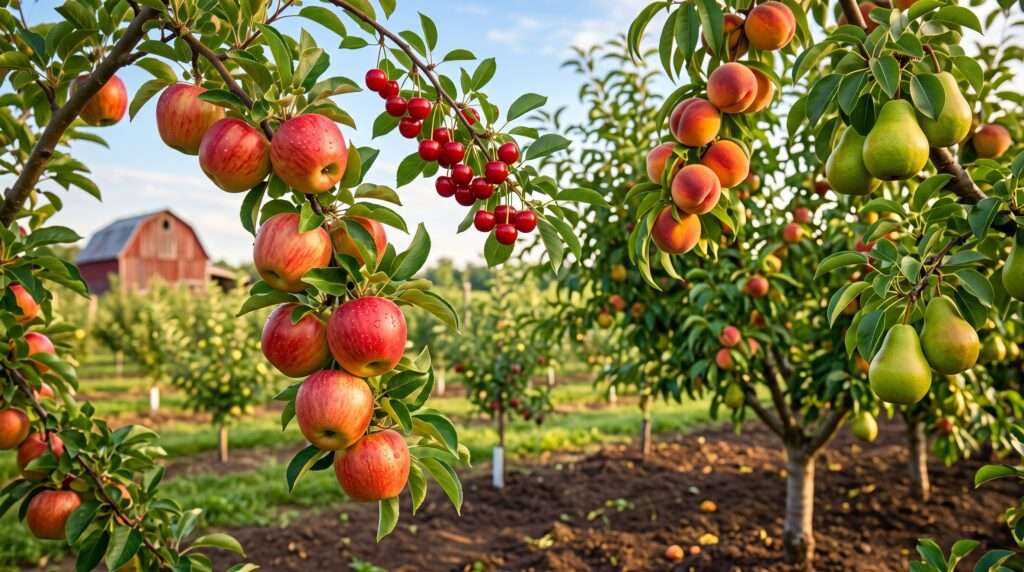
There is nothing quite like the satisfaction of plucking a crisp, sun-warmed apple or a juicy peach straight off a branch in your own backyard. But if you live in the Great Lakes State, you know that our unique climate presents a distinct set of challenges. From navigating unpredictable late spring frosts to understanding the strict limitations of USDA Hardiness Zones 4a through 6b, successful gardening requires planting the right varieties. If you want to transform your landscape into a bountiful oasis, you need to know the best 10 fruit trees to grow in Michigan.
It is incredibly frustrating to invest time, money, and back-breaking work into planting a sapling, only to watch it succumb to brutal winter cold, struggle to establish roots in heavy inland clay, or fail to produce a single piece of fruit. Buying the wrong tree doesn’t just waste your landscaping budget—it wastes years of precious growing time that you can never get back.
That’s exactly why we created this guide. We’ve evaluated the most resilient, high-yielding varieties available conveniently on Amazon, eliminating the guesswork from your home orchard project. Whether you are battling the deep freezes of the Upper Peninsula or planting in the sandy coastal soils of the Lakeshore fruit belt, this comprehensive resource will help you confidently choose a tree guaranteed to thrive in your specific microclimate.
II. Quick Comparison: Top Fruit Trees for Michigan Climates
III. Buying Guide: How to Choose the Right Fruit Tree
Before adding a live tree to your Amazon cart, it is critical to understand the biological and environmental factors that will dictate your tree’s success in Michigan.
Understanding Michigan’s Hardiness Zones
Michigan’s climate is heavily influenced by the Great Lakes, creating unique growing pockets. The Upper Peninsula and northern inland areas generally fall into Zone 4, requiring extremely cold-hardy trees (like the Alderman Plum or Honeycrisp Apple) that can survive -30°F winters. Southern Michigan and the western coastal “fruit belt” hover in Zones 5b to 6b, where slightly more delicate trees like peaches can thrive. Always match the tree’s rated zone to your specific zip code.
Soil Health & Root Preparation
Michigan soil is highly variable. You might be dealing with sandy soils along Lake Michigan that drain too quickly, or heavy clay in the metro Detroit area that holds water and risks drowning young roots.
-
For Sand: Amend the planting hole heavily with compost and peat moss to retain moisture and nutrients.
-
For Clay: Plant your tree on a slight mound to encourage drainage, and never backfill with 100% potting soil (the roots will refuse to leave the soft soil and circle themselves until the tree dies).
Pollination Requirements
This is where many beginners fail. Some trees are self-pollinating (or self-fertile), meaning you only need one tree to get fruit. Others require cross-pollination, meaning you absolutely must plant a second, compatible variety nearby. For example, a Honeycrisp apple tree will blossom beautifully on its own, but it will never produce apples unless a Gala or Fuji is planted nearby for the bees to cross-pollinate.
Aesthetic & Landscape Value
Fruit trees aren’t just for eating; they are foundational landscaping elements. Tart cherry trees burst with spectacular white spring blossoms, while pear trees often feature glossy green foliage that turns a brilliant crimson in the fall. When planning your yard, consider how the tree will look year-round and where it can provide the best curb appeal and backdrop for your outdoor photography.
IV. In-Depth Reviews: The Best 10 Fruit Trees to Grow in Michigan
1. Honeycrisp Apple Tree (Best Overall Apple)
-
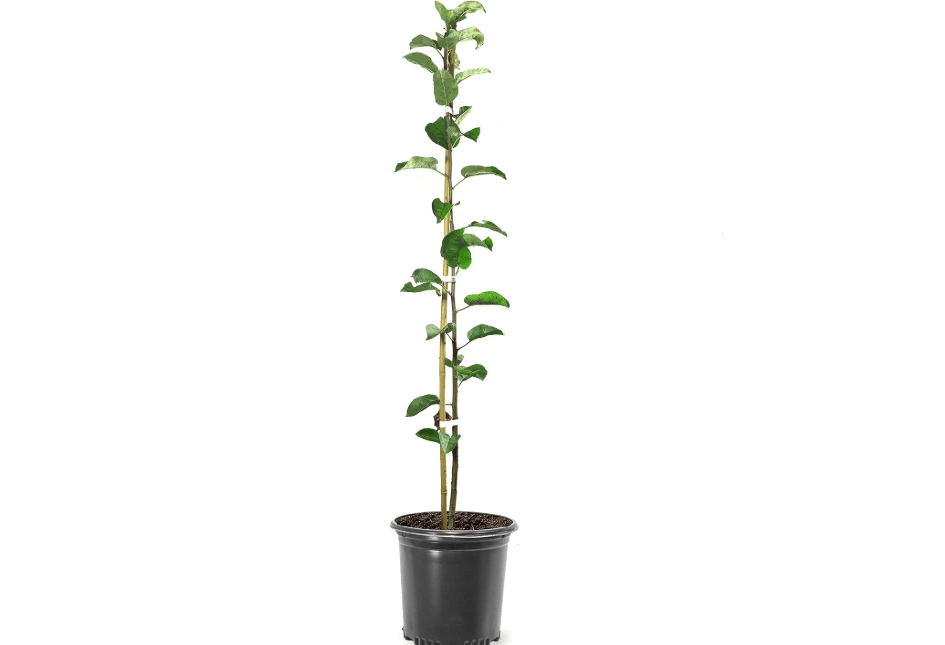
Product Description: The Honeycrisp is the undisputed king of cold-climate apples. Bred specifically to endure harsh northern winters, this tree produces large, remarkably crisp apples with a perfect balance of sweet and tart flavors. The skin is a highly photogenic yellow background flushed with a bright red blush.
-
Price of the Product:
-
Key Features & Benefits: Thrives in Zones 4–8. It requires about 800 to 1,000 chill hours, which Michigan easily provides. Naturally resistant to apple scab. Matures at 12–15 feet if on a semi-dwarf rootstock, making it easy to harvest.
-
Pros and Cons:
-
Pros: Exceptionally cold hardy; produces premium, store-quality apples that store well for months.
-
Cons: Requires a pollinator partner (like Fuji, Gala, or Red Delicious); requires annual pruning to prevent the heavy fruit from breaking branches.
-
-
Amazon Customer Ratings & Reviews: Generally averages 4.2+ stars. Buyers praise the robust root systems of bare-root shipments and how quickly the tree leafs out in spring. Occasional complaints involve shipping stress if ordered during mid-summer heat.
-
Why It’s a Good Choice for Michigan: It was bred for environments exactly like Michigan’s. The cool, crisp autumn nights in the Midwest actually help the Honeycrisp develop its signature sweetness and color.
-
Ideal Use Case / Who Should Buy It: The quintessential choice for the home orchardist who wants an impressive harvest for fresh eating, gifting, and long-term winter storage.
2. Montmorency Tart Cherry Tree (Best for Baking & Preserves)
-
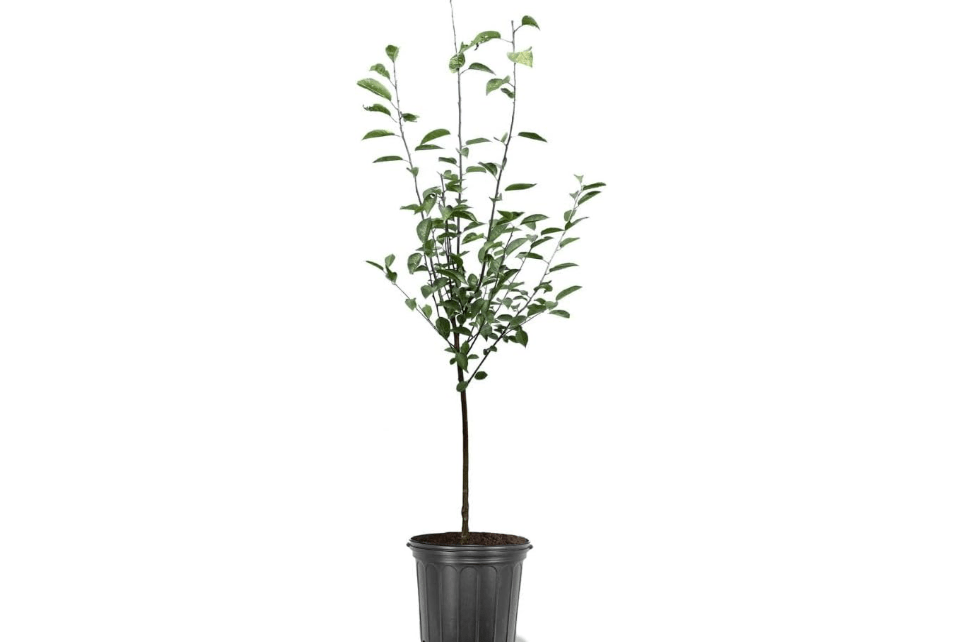
Product Description: The Montmorency is America’s most popular tart cherry for a reason. This vigorous grower bursts into gorgeous white blossoms in early spring, followed by heavy yields of bright red, medium-large cherries with firm yellow flesh and clear juice.
-
Price of the Product:
-
Key Features & Benefits: Zones 4–9 compatibility. Entirely self-pollinating (no second tree required). Matures around 15 feet tall. Highly productive and generally begins bearing fruit in just 3 to 5 years.
-
Pros and Cons:
-
Pros: Low maintenance, high yield, and self-fertile. The tart flavor profile is unmatched for culinary use.
-
Cons: Birds love these cherries just as much as you do; you will likely need to net the tree as the fruit ripens.
-
-
Amazon Customer Ratings & Reviews: Averages 4.5 stars. Reviewers frequently note that the trees arrive well-packaged and often set fruit earlier than expected.
-
Why It’s a Good Choice for Michigan: Michigan is the tart cherry capital of the world, and Montmorency is the exact variety grown by commercial orchards in Traverse City. It easily withstands Michigan winters and thrives in well-drained soils.
-
Ideal Use Case / Who Should Buy It: Bakers, canners, and anyone with limited space who only has room for a single, self-pollinating tree.
3. Redhaven Peach Tree (Best Cold-Hardy Peach)
-
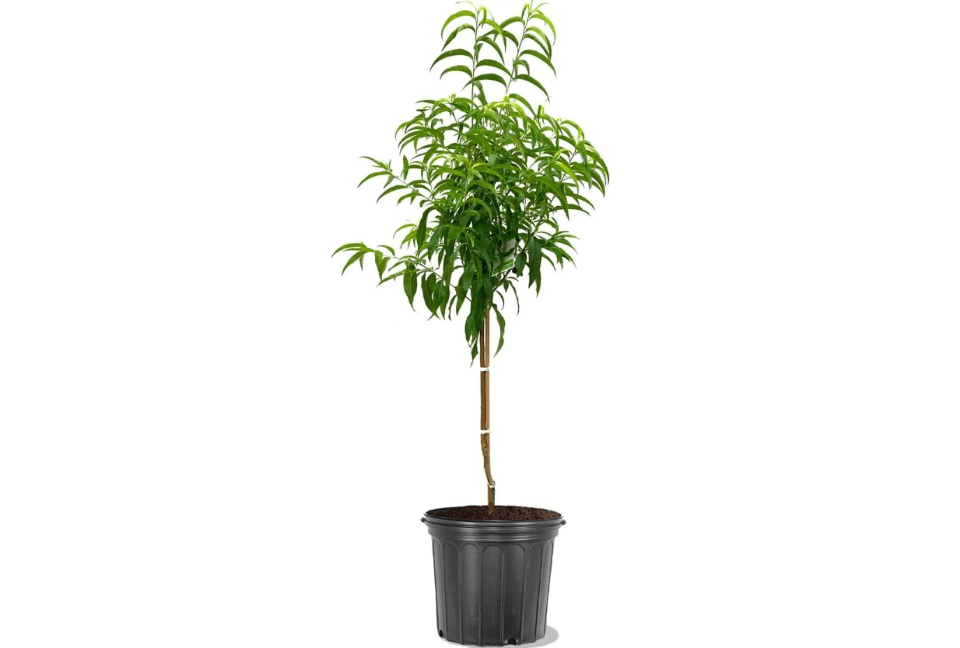
Product Description: Growing peaches in Michigan can be tricky, but the Redhaven makes it highly achievable. Known as the gold standard for early-season peaches, it yields medium-to-large, almost fuzzless fruit with brilliant red skin and sweet, melting yellow flesh.
-
Price of the Product:
-
Key Features & Benefits: Hardy in Zones 5–8. A freestone peach (the pit easily separates from the flesh). It is self-pollinating and naturally resistant to leaf spot.
-
Pros and Cons:
-
Pros: Reliable producer in colder climates; phenomenal flavor; self-pollinating.
-
Cons: Blooms relatively early, meaning late spring frosts in Michigan can sometimes damage the blossoms if not protected.
-
-
Amazon Customer Ratings & Reviews: Averages 4.3 stars. Gardeners appreciate its fast growth rate and disease resistance, though some advise planting in a sheltered location to protect against harsh winds.
-
Why It’s a Good Choice for Michigan: Developed in South Haven, Michigan, this tree is literally homegrown. It is specifically bred to handle the fluctuating spring temperatures of the Great Lakes region better than southern peach varieties.
-
Ideal Use Case / Who Should Buy It: Those living in Zones 5b and 6 (southern and coastal Michigan) who want the luxury of fresh, tree-ripened peaches without the high failure rate of delicate varieties.
4. Bartlett Pear Tree (Most Reliable Pear)
-
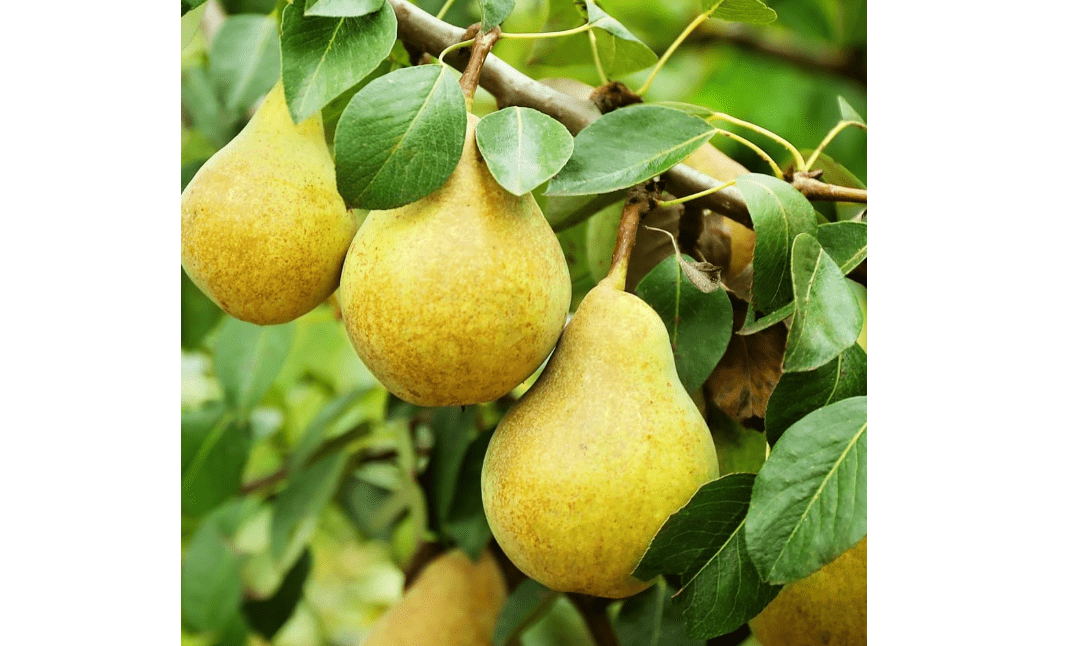
Product Description: The quintessential pear tree. Bartlett produces classic, bell-shaped fruit that starts green and turns a beautiful golden-yellow as it ripens. The white flesh is incredibly smooth, juicy, and buttery sweet.
-
Price of the Product: .
-
Key Features & Benefits: Zones 5–7. It is technically self-fertile but produces a drastically larger harvest if cross-pollinated with a Bosc or Anjou pear tree. Fast-growing and visually striking.
-
Pros and Cons:
-
Pros: Highly versatile fruit (great for eating, canning, or drying); very adaptable to different soil types.
-
Cons: Susceptible to fire blight, a bacterial disease that can be an issue in humid, wet Michigan springs.
-
-
Amazon Customer Ratings & Reviews: Averages 4.1 stars. Verified purchasers rave about the rapid growth and the sheer volume of fruit mature trees produce.
-
Why It’s a Good Choice for Michigan: Bartlett pears require a significant number of winter chill hours (around 800) to set fruit properly, making Michigan’s long winters an asset rather than a liability.
-
Ideal Use Case / Who Should Buy It: Families who want a large, reliable harvest and have the space to eventually plant a second pollinator tree for maximum yield.
5. Stanley Plum Tree (Best Low-Maintenance Plum)
-
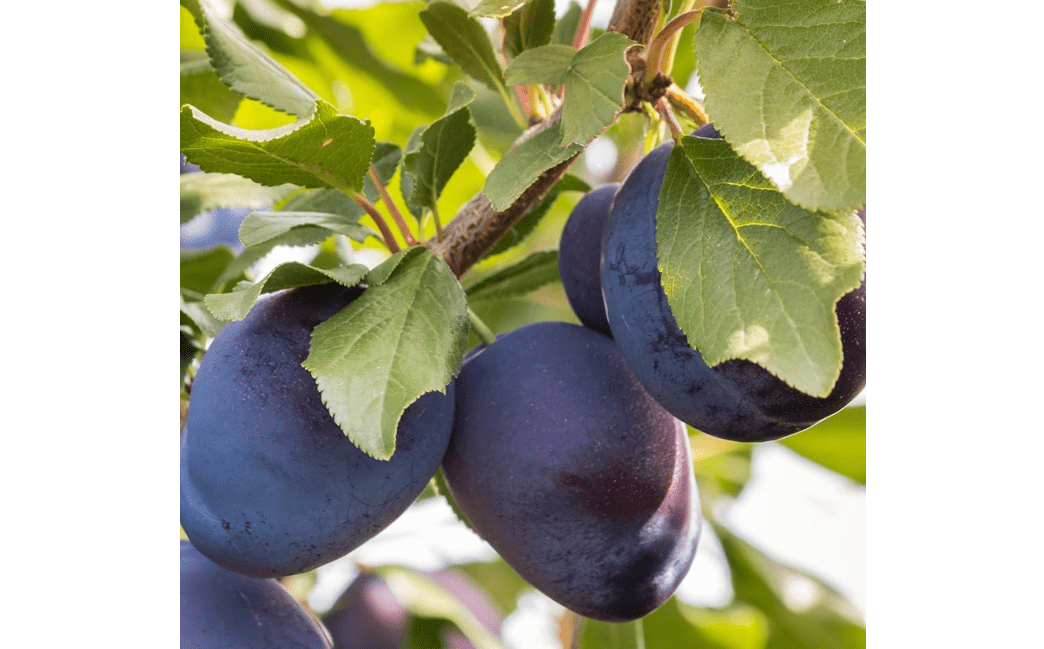
Product Description: If you want a heavy-yielding plum tree that requires minimal fuss, the Stanley Plum is the undisputed champion for Midwestern growers. It yields medium-to-large, oval-shaped fruit with striking dark blue-purple skin and firm, sweet, golden flesh.
-
Price of the Product: .
-
Key Features & Benefits: Thrives in Zones 5–7. It is highly cold tolerant and entirely self-pollinating. At maturity, it reaches 15 to 20 feet tall, providing a lovely canopy of spring blossoms.
-
Pros and Cons:
-
Pros: Incredibly reliable producer; self-pollinating; excellent for fresh eating, drying into prunes, or canning.
-
Cons: Can sometimes over-produce, meaning you will need to manually thin out the young fruit in early summer to prevent the branches from snapping under the heavy weight.
-
-
Amazon Customer Ratings & Reviews: Averages 4.4 stars. Customers consistently praise how quickly the Stanley plum establishes itself and begins bearing fruit, often producing a light crop within the first three years.
-
Why It’s a Good Choice for Michigan: European plums like the Stanley are much better suited to Michigan’s fluctuating climate than early-blooming Japanese plums, which are often devastated by late spring frosts.
-
Ideal Use Case / Who Should Buy It: Beginner fruit growers who want a high-reward, low-maintenance tree that doesn’t require a second pollinator.
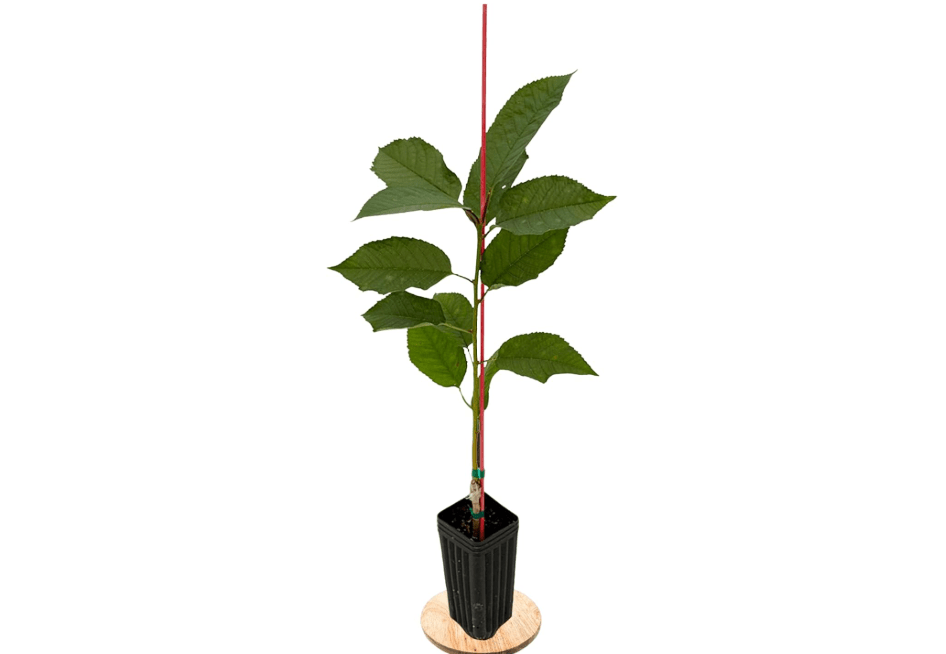
6. Stella Sweet Cherry Tree (Best Self-Pollinating Cherry)
-
Product Description: Most sweet cherries require a partner tree, but the Stella is a beloved self-pollinating exception. It yields gorgeous, dark red, heart-shaped cherries that are incredibly sweet and crisp—perfect for eating straight off the branch.
-
Price of the Product: $42.99
-
Key Features & Benefits: Zones 5–8 compatibility. Needs about 400 chill hours. Matures at 12–15 feet on semi-dwarf rootstock. Blooms with brilliant white flowers in mid-spring.
-
Pros and Cons:
-
Pros: Self-pollinating (a rarity for sweet cherries); produces large, split-resistant fruit.
-
Cons: Like all sweet cherries, it blooms slightly earlier than tart varieties, making the blossoms susceptible to late frost damage in colder northern zones.
-
-
Amazon Customer Ratings & Reviews: Averages 4.2 stars. Buyers note excellent packaging and robust root systems, though some report battles with local birds eating the fruit right before it ripens.
-
Why It’s a Good Choice for Michigan: The Stella is hardy enough to handle the winters of the Lower Peninsula and the fruit belt, offering a fantastic sweet cherry option for those who only have room to plant a single tree.
-
Ideal Use Case / Who Should Buy It: Homeowners in Zones 5b and 6 who want premium, fresh-eating sweet cherries without giving up the yard space for two trees.
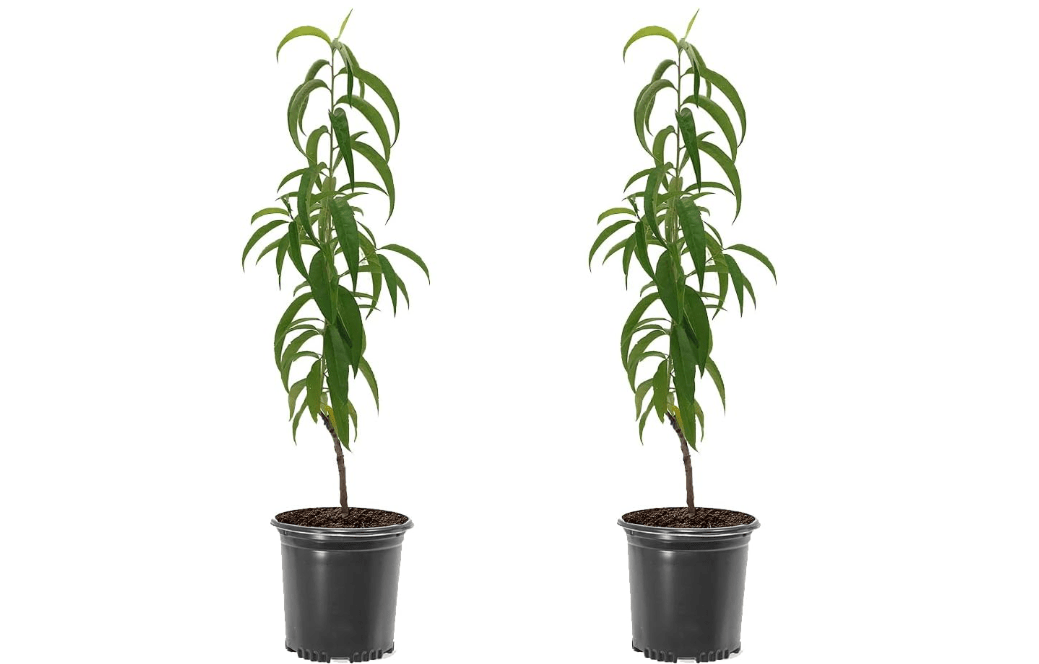
7. Contender Peach Tree (Best for Late Frost Protection)
-
Product Description: The Contender peach was specifically bred to solve the biggest problem of growing peaches in cold climates: late spring frosts. It produces freestone peaches with exceptional sweetness and a classic red-over-yellow blush.
-
Price of the Product: $52.99
-
Key Features & Benefits: Exceptionally hardy down to Zone 4. Requires roughly 1,000 chill hours, preventing it from waking up too early in the spring. Self-pollinating.
-
Pros and Cons:
-
Pros: Blooms late, meaning it frequently survives spring frosts that destroy the fruit crop of other peach varieties.
-
Cons: Requires regular pruning to maintain an open-center canopy for proper sunlight penetration.
-
-
Amazon Customer Ratings & Reviews: Averages 4.5 stars. Gardeners in northern climates frequently leave rave reviews stating that the Contender was the only peach tree to survive their harsh winters and actually bear fruit.
-
Why It’s a Good Choice for Michigan: Michigan’s “false springs” are notorious for tricking fruit trees into blooming too early. The Contender patiently waits out the erratic weather, practically guaranteeing a late summer harvest.
-
Ideal Use Case / Who Should Buy It: Growers in central and northern Michigan (Zones 4 and 5) who have failed with more delicate peach varieties in the past.
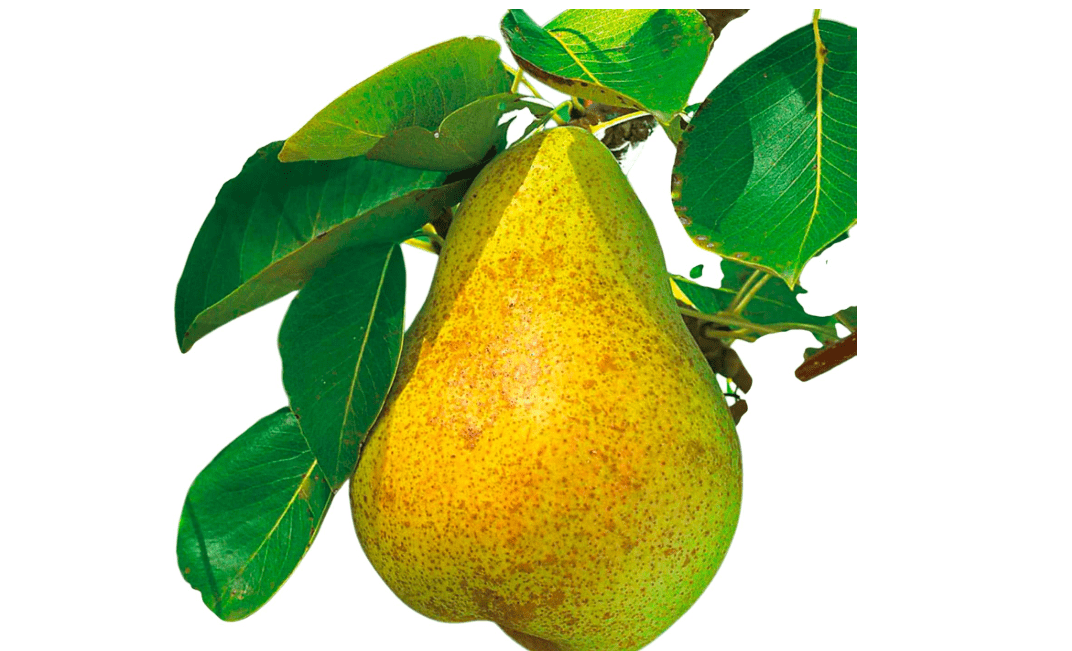
8. Kieffer Pear Tree (Most Disease-Resistant)
-
Product Description: A rugged, resilient hybrid tree that produces large, crisp, golden-yellow pears. While not as buttery-soft as a Bartlett, the Kieffer pear shines in its crisp texture, making it incredible for baking, canning, and making pear preserves.
-
Price of the Product:
-
Key Features & Benefits: Zones 4–9. Self-pollinating (though yields increase with a partner like Bartlett). Incredibly fast-growing and tolerates a wide variety of poor soil conditions.
-
Pros and Cons:
-
Pros: Nearly immune to fire blight (a major killer of pear trees); extremely cold hardy; highly productive.
-
Cons: The fruit has a coarser, gritty texture when eaten raw compared to traditional dessert pears.
-
-
Amazon Customer Ratings & Reviews: Averages 4.3 stars. Reviewers are continually impressed by the sheer vigor of the tree and its ability to thrive even when neglected.
-
Why It’s a Good Choice for Michigan: Humid Michigan springs are breeding grounds for fire blight, which can destroy an orchard in weeks. The Kieffer pear shrugs off this disease, making it a foolproof addition to your landscape.
-
Ideal Use Case / Who Should Buy It: Homesteaders, canners, and hands-off gardeners who want maximum yield and disease resistance with minimal chemical spraying.
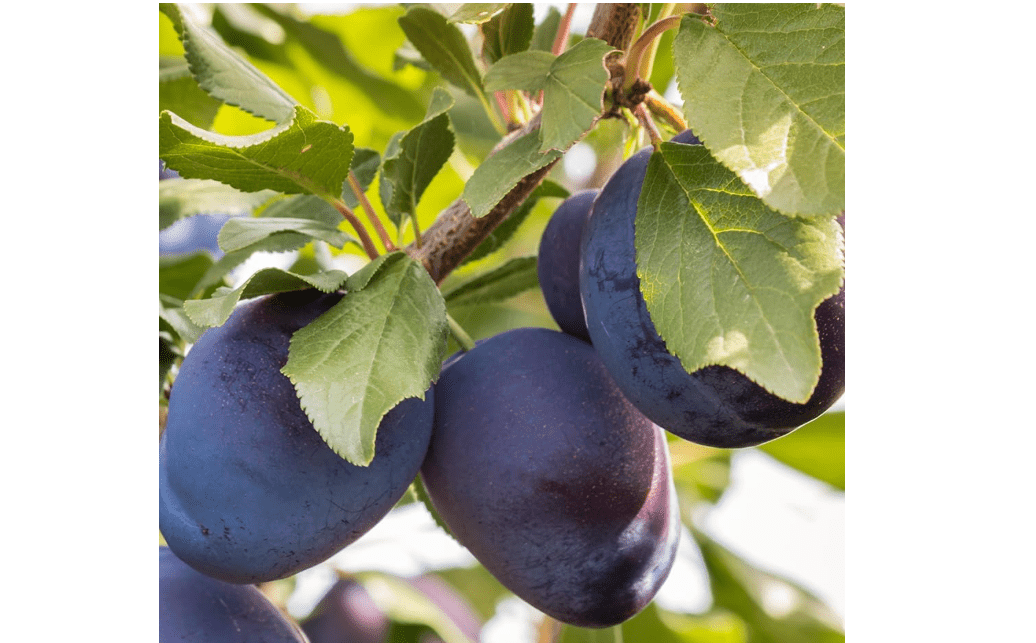
9. Alderman Plum Tree (Best for Northern Michigan / Zone 4)
-
Product Description: Developed in Minnesota, the Alderman plum is a cold-climate warrior. It features stunning burgundy-red fruit with golden, incredibly sweet flesh. In spring, it puts on a spectacular display of snow-white flowers.
-
Price of the Product:
-
Key Features & Benefits: Hardy down to Zone 4 (survives -30°F). Requires a pollinator (like a Superior or Toka plum). Bears fruit the second or third year after planting.
-
Pros and Cons:
-
Pros: Unmatched cold hardiness for a plum; vigorous grower; gorgeous ornamental value.
-
Cons: Requires a specific compatible Japanese/American hybrid pollinator planted nearby.
-
-
Amazon Customer Ratings & Reviews: Averages 4.4 stars. Buyers highlight the massive size of the plums and the tree’s undeniable resilience in brutal winter climates.
-
Why It’s a Good Choice for Michigan: If you live in the Upper Peninsula or the northern reaches of the Lower Peninsula, this is one of the few high-quality stone fruits that will survive your winters without issue.
-
Ideal Use Case / Who Should Buy It: Northern Michigan gardeners who want a beautiful, cold-proof tree that yields large, dessert-quality plums.
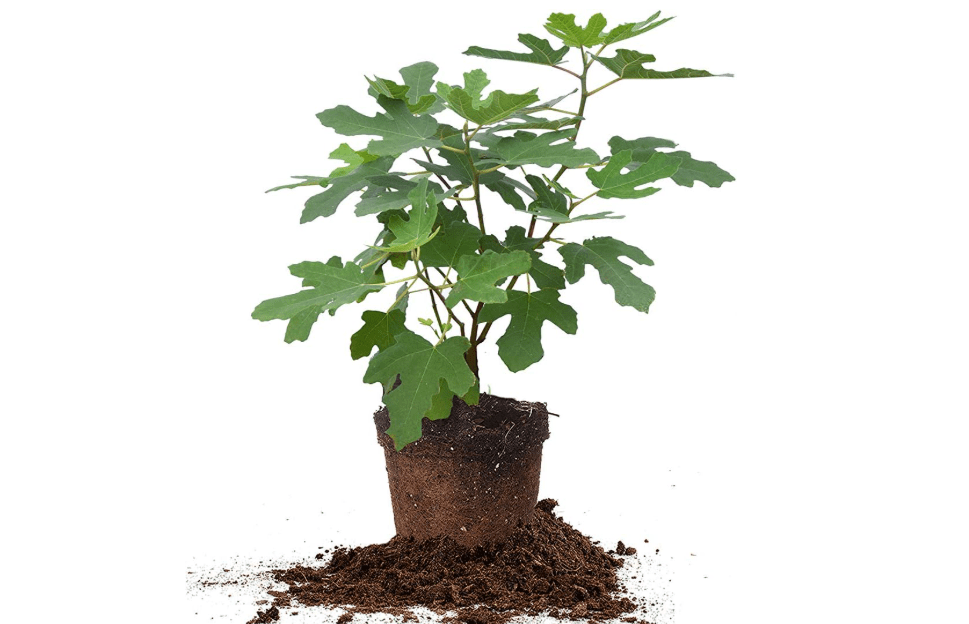
10. Chicago Hardy Fig Tree (Best for Container/Patio Growing)
-
Product Description: Yes, you can grow figs in Michigan! The Chicago Hardy Fig is famous for its ability to die back to the roots in freezing temperatures and aggressively resprout in the spring to produce a late-summer crop of sweet, jammy, dark-purple figs.
-
Price of the Product:
-
Key Features & Benefits: Zones 5–10. Self-pollinating. Features stunning, massive, tropical-looking leaves. Highly adaptable to container growing.
-
Pros and Cons:
-
Pros: Brings a touch of the Mediterranean to the Midwest; very easy to grow in large pots; produces fruit on new wood.
-
Cons: In Zone 5, it requires heavy winter mulching or needs to be moved into an unheated garage if grown in a container to survive the deepest freezes.
-
-
Amazon Customer Ratings & Reviews: Averages 4.1 stars. Many Amazon buyers are shocked by how quickly the fig tree grows in a single summer, often reaching 4 to 5 feet and setting fruit in the first year.
-
Why It’s a Good Choice for Michigan: It offers a unique, exotic fruit that you simply cannot buy fresh in local grocery stores, all while possessing the genetic hardiness to endure Midwestern winters.
-
Ideal Use Case / Who Should Buy It: Urban gardeners, patio growers, and enthusiasts looking for a unique, highly photogenic container fruit tree.
V. Planting & Care Tips for Amazon Live Plants
Ordering live trees online is highly convenient, but they require immediate care upon unboxing to ensure survival.
-
Unboxing and Hydration: Most fruit trees on Amazon ship “bare-root” while dormant. The moment your tree arrives, unbox it, remove the packaging around the roots, and soak the roots in a bucket of water for 12 to 24 hours. Do not let the roots dry out.
-
Planting Best Practices: Dig a hole twice as wide as the root system, but no deeper. Crucial step: Locate the graft union (the swollen bump near the base of the trunk) and ensure it sits 2 to 3 inches above the soil line. If you bury the graft, the tree will rot and die.
-
Ongoing Maintenance: Water deeply once a week during the first summer. In late fall, wrap the young trunk with a plastic tree guard to protect the bark from sunscald and hungry rabbits. Apply a 3-inch layer of organic mulch around the base, keeping it pulled a few inches away from the trunk itself.
VI. Frequently Asked Questions (FAQs)
What is the absolute easiest fruit tree to grow in Michigan?
Tart cherries (like the Montmorency) and European plums (like the Stanley) are generally considered the most foolproof. They are highly cold-tolerant, self-pollinating, and less susceptible to the devastating spring frosts that often plague peaches and sweet cherries.
When is the best time of year to order and plant fruit trees from Amazon?
The ideal time to plant in Michigan is early spring (late April to May) as soon as the ground thaws and can be worked. Order your trees in late winter; reputable Amazon nurseries will hold your order and ship the dormant tree right when it is safe to plant in your specific hardiness zone.
Do I need to aggressively spray my fruit trees for pests?
It depends on your tolerance for imperfect fruit. In humid Michigan, apple and peach trees are highly susceptible to fungal diseases (like apple scab) and insects. Selecting disease-resistant varieties (like the Kieffer pear or Liberty apple) greatly reduces the need for chemical intervention. Organic dormant oil sprays applied in early spring are usually a safe, necessary baseline for all fruit trees.
VII. Conclusion & Final Verdict
Successfully growing your own backyard orchard in the Great Lakes State boils down to one simple rule: work with the climate, not against it. By carefully selecting varieties bred for cold hardiness, late blooming, and disease resistance, you can bypass years of frustration.
If you are looking for the ultimate all-rounder for fresh eating and storage, the Honeycrisp Apple is a native Northern staple. For bakers and those wanting a guaranteed, low-maintenance harvest, the self-pollinating Montmorency Tart Cherry or Stanley Plum are exceptional choices. And if you want to push the boundaries and impress your friends with a patio harvest, the Chicago Hardy Fig is a must-try.
No matter which you choose, selecting from the best 10 fruit trees to grow in michigan ensures you are starting your horticultural journey with robust, proven genetics. Check current Amazon availability, order your bare-root stock for early spring planting, and get ready to enjoy the unmatched reward of homegrown Michigan fruit!