Gardening in the Sooner State is not for the faint of heart. Between the unpredictable winter temperature swings, devastating late spring frosts, scorching summer heat, and notoriously stubborn red clay soil, growing your own orchard can sometimes feel like an uphill battle. Many eager gardeners make the mistake of picking up just any fruit tree from a local big-box store, only to face heartbreak a year later when it fails to produce or succumbs completely to diseases like fire blight.
To succeed here—and to build a thriving, camera-ready garden that practically begs to be photographed and shared—you need climate-resilient, proven varieties. That is exactly why we have researched and ranked the best 10 fruit trees for oklahoma.
Every tree on this list has been meticulously vetted for the state’s diverse climate, specifically targeting USDA Hardiness Zones 6 through 8, appropriate chill hour requirements, and maximum disease resistance. Whether you are managing complex soil health issues in heavy clay or simply want a heavy-yielding, juicy peach tree, this guide will help you bypass the guesswork. By cross-referencing proven agricultural data from the OSU Extension with the highest-rated live plant sellers on Amazon, we’ve found the absolute best options for your home orchard.
Quick Comparison Guide
If you’re in a hurry to get your saplings in the ground, use this quick reference table to find the perfect fit for your yard.
In-Depth Reviews: The Best 10 Fruit Trees for Oklahoma
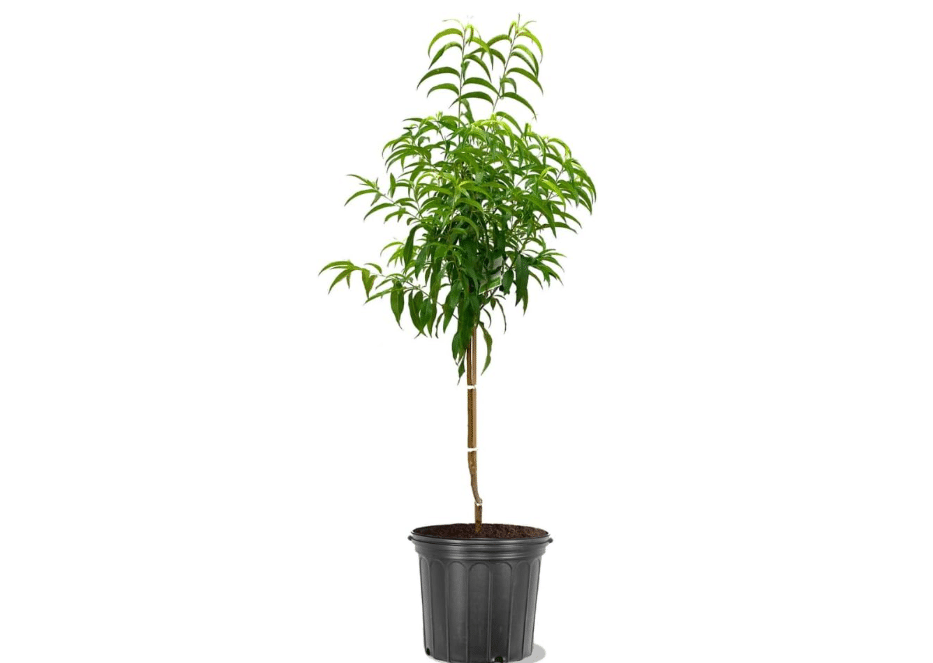
1. Redhaven Peach Tree (Best Overall Stone Fruit)
The Redhaven Peach is widely considered the gold standard for freestone peaches. Beyond producing incredibly sweet, juicy fruit perfect for fresh eating or canning, it erupts in stunning pink blossoms in the spring that make a spectacular backdrop for garden photography.
-
Price:
-
Key Features & Benefits: This cultivar requires roughly 800 chill hours, ensuring it stays dormant long enough to survive Oklahoma’s unpredictable winter temperature spikes. It is highly resistant to bacterial leaf spot, making diagnosing and treating foliage issues much easier throughout the humid summer.
-
Pros & Cons:
-
Pros: Extremely reliable producer, gorgeous spring visual appeal, self-fertile (no second tree required).
-
Cons: Requires aggressive annual pruning to maintain shape and maximize yield.
-
-
Amazon Customer Ratings: Boasts a stellar 4.5/5 star rating, with buyers consistently praising the secure shipping methods and healthy root systems upon arrival.
-
Why it’s a good choice for Oklahoma: It blooms slightly later in the spring than other peach varieties, protecting its delicate buds from those notorious late freezes that often decimate other stone fruits in the region.
-
Ideal Use Case: Perfect for beginner orchardists wanting a reliable, high-yield tree that doesn’t require a complicated cross-pollination setup.
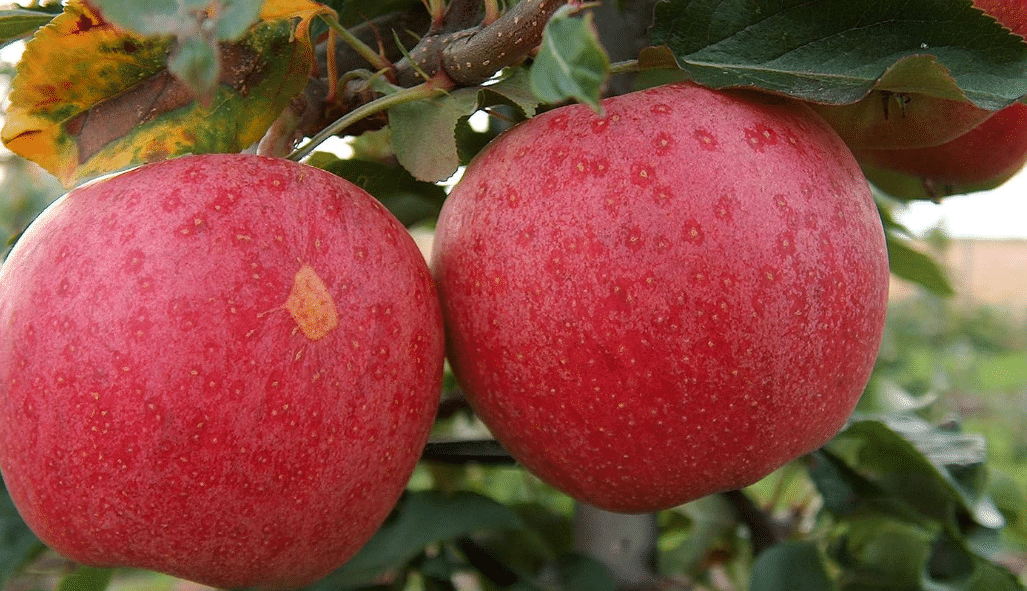
2. Gala Apple Tree (Best Early-Harvest Apple)
Gala apples are a grocery store staple, but eating one fresh off your own tree is an entirely different experience. Known for their crisp texture and mild, sweet flavor, these apples are an early-season delight.
-
Price:
-
Key Features & Benefits: Gala trees are fantastic growers in Zone 7. They adapt surprisingly well to different soil types, provided the soil health is maintained with good drainage. They require about 500 chill hours.
-
Pros & Cons:
-
Pros: Produces fruit early in the season (late August), excellent heat tolerance, kid-friendly sweet flavor.
-
Cons: Requires a pollinator companion (like the Fuji apple) to produce fruit; susceptible to cedar apple rust.
-
-
Amazon Customer Ratings: Averages 4.3/5 stars. Reviewers love how quickly the tree establishes itself, though some note the importance of spraying for local pests early in the season.
-
Why it’s a good choice for Oklahoma: Gala trees can handle the intense July and August heat without dropping their fruit prematurely, making them a sturdy choice for the long Oklahoma summers.
-
Ideal Use Case: Ideal for families looking to start a small home orchard, provided they have space to plant a compatible pollinator tree nearby.
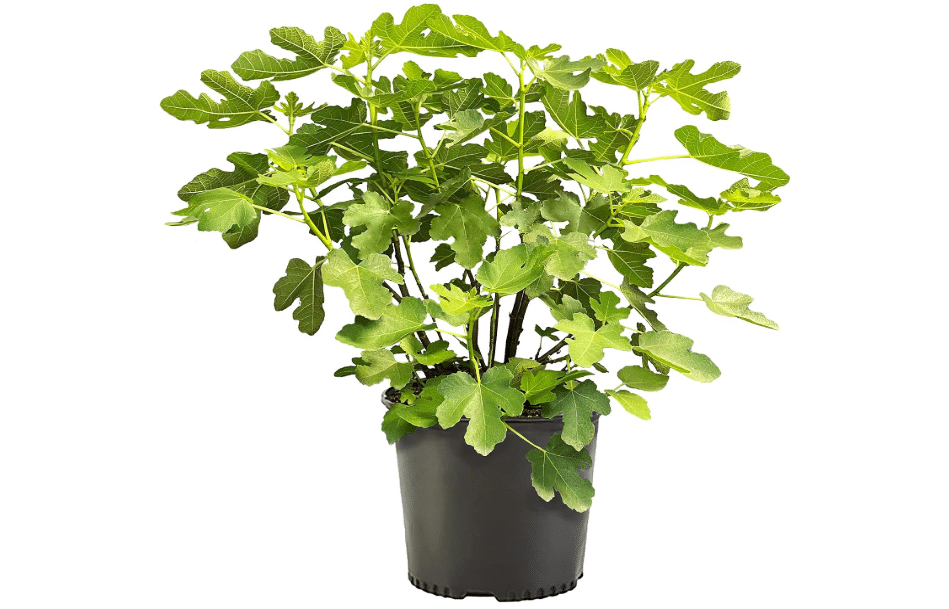
3. Brown Turkey Fig Tree (Most Heat & Drought Tolerant)
If you want a tree that thrives on neglect while still producing a visually stunning and delicious crop, the Brown Turkey Fig is unmatched. Its large, lobed leaves add a beautiful Mediterranean aesthetic to any landscape.
-
Price:
-
Key Features & Benefits: Self-fertile and highly adaptable, this fig tree practically laughs at drought conditions once established. It produces two crops a year (a small “breba” crop in early summer and a main crop in late summer).
-
Pros & Cons:
-
Pros: Extremely drought tolerant, requires almost zero pest management, beautiful foliage for landscaping.
-
Cons: Can die back to the roots in a severe Zone 6 winter (though it usually regrows vigorously in spring).
-
-
Amazon Customer Ratings: Holds a phenomenal 4.6/5 stars. Customers frequently highlight how fast it grows in its first year and how well packaged the delicate branches are during transit.
-
Why it’s a good choice for Oklahoma: Oklahoma’s baking summer sun is exactly what figs need to ripen perfectly. Even if an extreme winter freeze knocks it back, its root-hardy nature ensures it bounces back to produce a late-summer crop.
-
Ideal Use Case: The perfect choice for the hands-off gardener or anyone looking to add a unique, low-maintenance fruit to their yard.
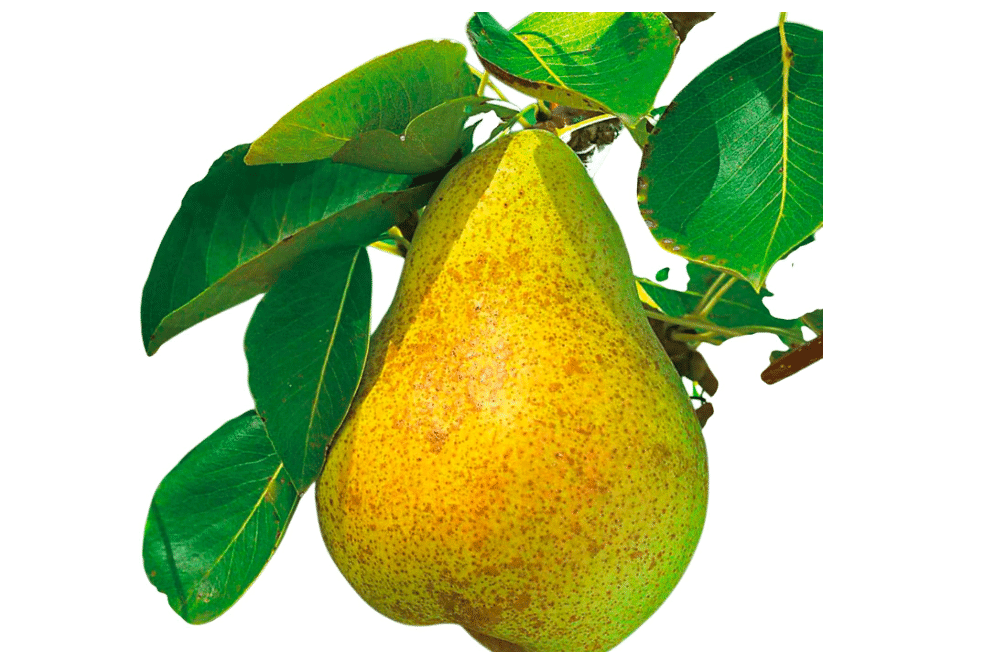
4. Kieffer Pear Tree (Most Disease-Resistant)
Pears can be tricky in the South due to fire blight, but the Kieffer Pear is the tough-as-nails exception. This tree is a vigorous grower that reliably produces large, crisp, golden-yellow fruit.
-
Price:
-
Key Features & Benefits: The Kieffer requires roughly 350 to 400 chill hours. Its biggest selling point is its ruggedness—it tolerates poor soil health and heavy clay better than almost any other fruit tree.
-
Pros & Cons:
-
Pros: Virtually immune to fire blight, incredibly adaptable to clay soil, long lifespan.
-
Cons: The fruit is crisp and coarse (better for canning and preserves than soft, fresh eating).
-
-
Amazon Customer Ratings: Averages 4.4/5 stars. Buyers praise its rapid growth rate and the massive harvests it produces once mature.
-
Why it’s a good choice for Oklahoma: Fire blight is a massive problem for pears and apples in Oklahoma’s humid springs. The Kieffer’s immunity to this disease, combined with its ability to muscle through dense red clay, makes it a foolproof option.
-
Ideal Use Case: Best for homesteaders and bakers who want massive yields for canning, preserves, and pear butter.
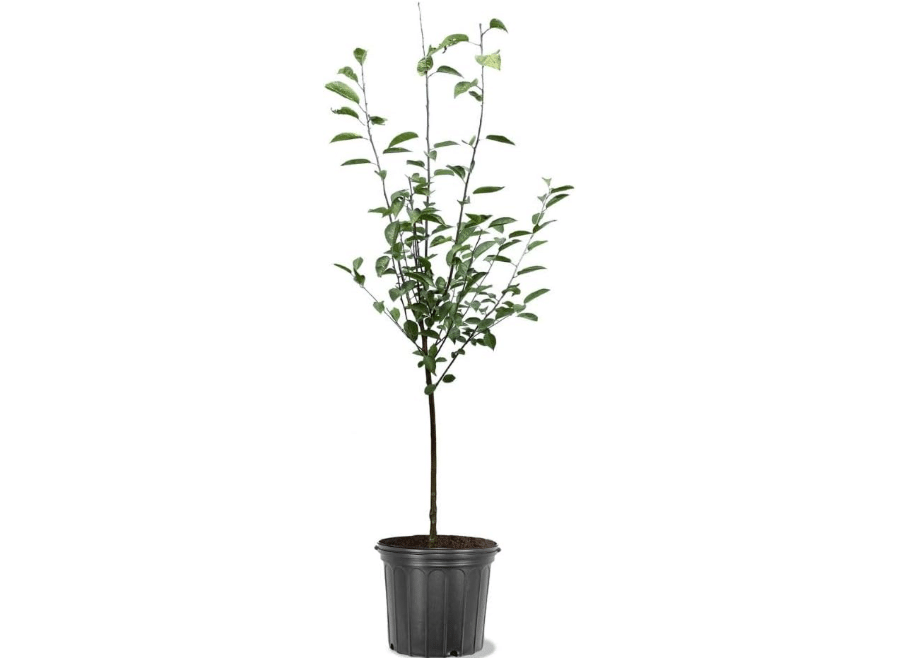
5. Montmorency Tart Cherry Tree (Best for Baking & Cold Hardiness)
While sweet cherries often struggle with the intense heat of an Oklahoma summer, the Montmorency Tart Cherry is built differently. It thrives throughout Zone 7, reliably producing the bright red, tangy cherries that have made it the classic American pie cherry.
-
Price:
-
Key Features & Benefits: It requires approximately 500 chill hours and boasts incredible cold hardiness. The fruit is firm, translucent-fleshed, and perfectly balances tart acidity with subtle sweetness when baked.
-
Pros & Cons:
-
Pros: Completely self-fertile, extremely cold hardy down to Zone 4, stunning white spring blossoms.
-
Cons: You will likely need to use bird netting, as local wildlife loves tart cherries.
-
-
Amazon Customer Ratings: Averages a solid 4.6/5 stars. Many buyers highlight its vigorous first-year growth and how well it takes to pruning for size management.
-
Why it’s a good choice for Oklahoma: Its hardiness allows it to shrug off late spring frosts that frequently wipe out sweet cherry crops in the state.
-
Ideal Use Case: The ultimate choice for bakers, preservers, and anyone looking for a highly ornamental, productive tree that doesn’t require a pollinator.
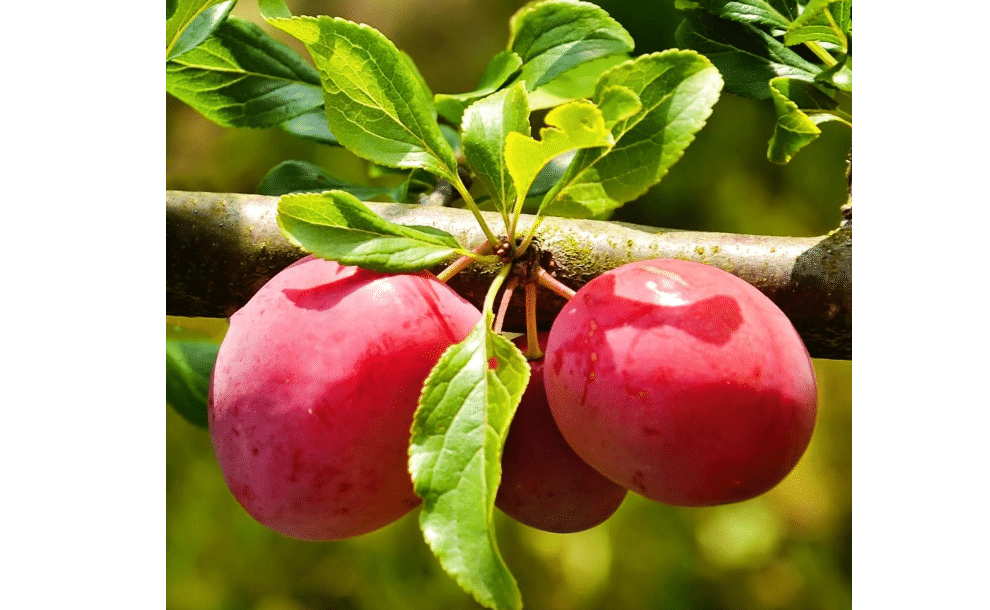
6. Methley Plum Tree (Best Early-Producing Stone Fruit)
The Methley Plum is a vigorous, heavy-bearing tree that offers a spectacular spring floral display and a massive crop of sweet, reddish-purple fruit early in the season.
-
Price:
-
Key Features & Benefits: It requires very low chill hours (roughly 150 to 250), making it an eager bloomer. The fruit is incredibly sweet and juicy, ripening in early to mid-summer before the peak of Oklahoma’s drought season hits.
-
Pros & Cons:
-
Pros: Self-fertile, incredibly heat tolerant, produces a harvest very early in the summer.
-
Cons: Its early blooming habit makes it vulnerable to late spring frosts in northern Oklahoma (Zone 6).
-
-
Amazon Customer Ratings: Holds a 4.5/5 star rating. Reviewers are constantly surprised by how quickly this tree begins bearing fruit—often in just its second or third year in the ground.
-
Why it’s a good choice for Oklahoma: By ripening its fruit in late June or early July, the Methley Plum completely sidesteps the brutal, tree-stressing heat of late August, ensuring a juicy, full-sized harvest.
-
Ideal Use Case: Perfect for impatient gardeners who want a fast-growing, beautiful tree that yields sweet, fresh-eating fruit early in the year.
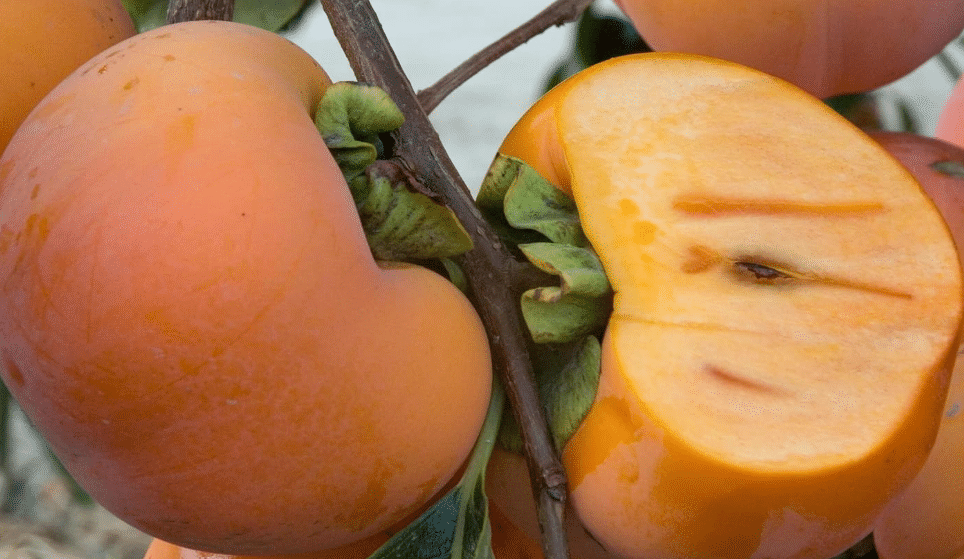
7. Fuyu Persimmon Tree (Most Pest-Resistant & Low Maintenance)
If you are tired of battling insects and spraying fruit trees, the Fuyu Persimmon is your silver bullet. This non-astringent variety yields firm, sweet, orange fruit that you can eat like an apple straight off the branch.
-
Price:
-
Key Features & Benefits: The Fuyu thrives in Zones 7-10. It is remarkably pest-free and disease-resistant. As a bonus, its foliage turns a brilliant, fiery orange-red in the fall, making it a premier landscaping tree.
-
Pros & Cons:
-
Pros: Self-fertile, almost zero pest management required, spectacular fall color, non-astringent fruit (sweet even when firm).
-
Cons: Can be slow to establish in its first two years; prefers loamy soil over heavy clay.
-
-
Amazon Customer Ratings: Averages 4.7/5 stars. Customers love the secure packaging and rave about the unique, sweet flavor of their first harvests.
-
Why it’s a good choice for Oklahoma: It requires almost no spraying, and because it blooms late in the spring, it easily avoids Oklahoma’s late frost damage.
-
Ideal Use Case: The best choice for organic gardeners, low-maintenance landscapers, and anyone who loves sweet, unique autumn fruit.
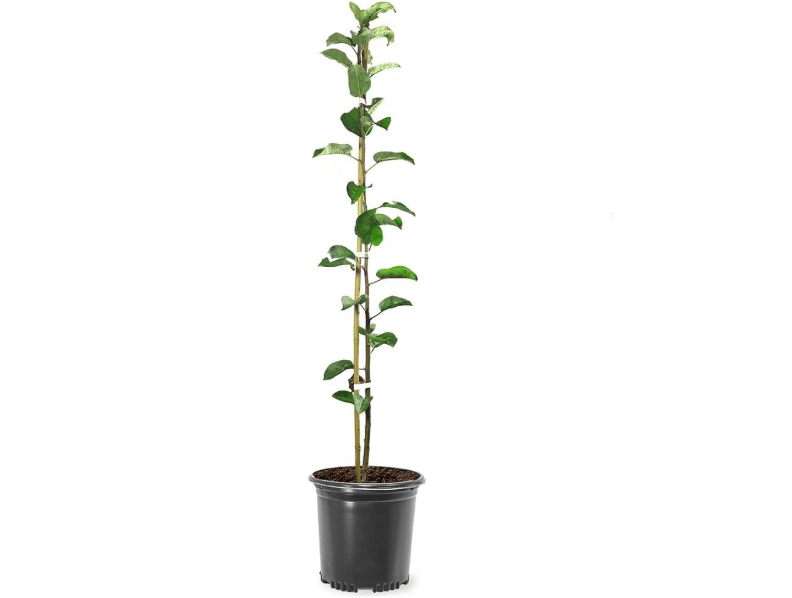
8. Fuji Apple Tree (Best Late-Season Sweet Apple)
The Fuji Apple is a world-renowned favorite for a reason. It produces incredibly sweet, crisp apples that store exceptionally well for months after picking.
-
Price:
-
Key Features & Benefits: Requiring roughly 400 chill hours, the Fuji is an excellent companion pollinator for the Gala. It is a late-season ripener, meaning the fruit develops its intense sweetness during the cooler, crisp days of an Oklahoma autumn.
-
Pros & Cons:
-
Pros: Exceptional shelf life, incredibly sweet flavor, fantastic crunch.
-
Cons: Requires a pollinator companion (like the Gala); susceptible to apple scab in wet years.
-
-
Amazon Customer Ratings: Holds a 4.4/5 star rating. Reviewers praise the tree’s hardiness and the quality of the apples, which often rival or beat grocery store equivalents.
-
Why it’s a good choice for Oklahoma: The Fuji apple’s late harvest window (usually October) means it avoids ripening during the 100-degree days of August, leading to a crisper, sweeter apple.
-
Ideal Use Case: Perfect for pairing with a Gala apple tree to create a high-yield, continuous-harvest home orchard.
9. Moonglow Pear Tree (Best Pollinator Companion)
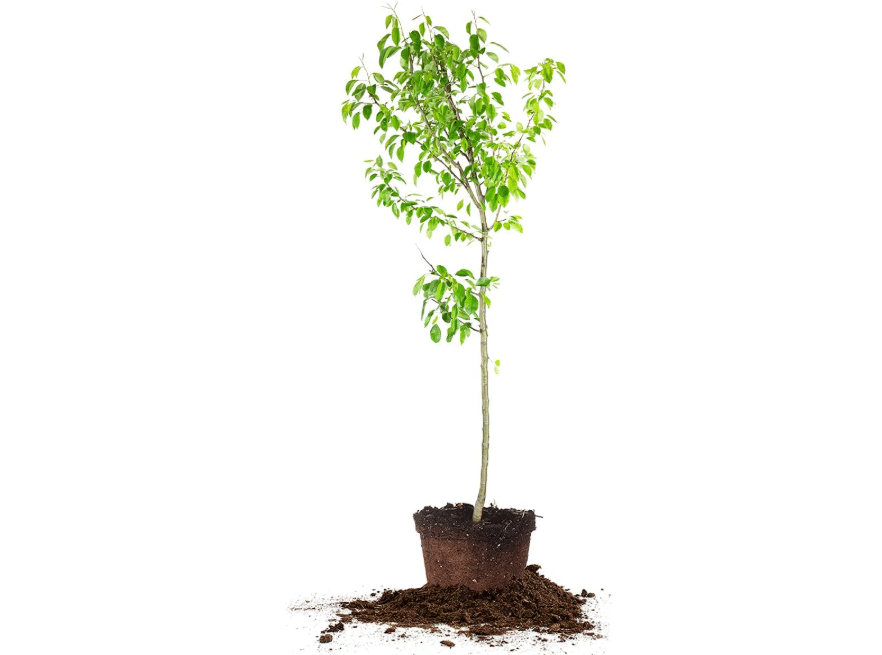
The Moonglow Pear is a strong, upright grower that produces soft, juicy, nearly coreless pears. It is famous for being the ultimate companion tree for the Kieffer pear.
-
Price: $100.00
-
Key Features & Benefits: Requires about 400 chill hours. It shares the Kieffer’s legendary resistance to fire blight, making it a safe and reliable choice for humid Southern climates.
-
Pros & Cons:
-
Pros: Excellent blight resistance, produces soft and sweet fruit, perfect pollinator for other pears.
-
Cons: Needs a pollinator companion to produce fruit; the upright growth habit requires spreading the branches while young.
-
-
Amazon Customer Ratings: Averages 4.3/5 stars. Buyers often purchase it specifically as a pollinator and are pleasantly surprised by the high quality of its soft fruit.
-
Why it’s a good choice for Oklahoma: It provides the necessary cross-pollination for the rugged Kieffer pear while offering a contrasting, softer fruit texture that is excellent for fresh eating.
-
Ideal Use Case: The must-have companion tree for anyone planting a Kieffer pear who wants to maximize their orchard’s yield and variety.
10. Pawnee Pecan Tree (Best Native Nut/Fruit Tree for Shade)
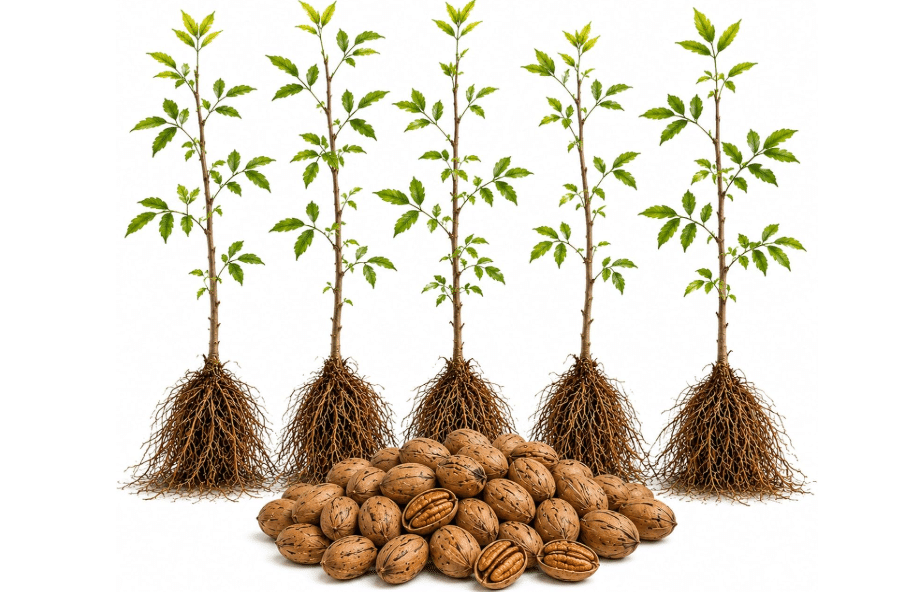
While technically a nut tree, no list of Oklahoma orchard staples is complete without a pecan tree. The Pawnee cultivar is an early-yielding, disease-resistant variety specifically bred to thrive in the state’s climate.
-
Price:
-
Key Features & Benefits: The Pawnee produces large, high-quality nuts much earlier in the season than native pecan varieties. It offers excellent resistance to pecan scab, a common fungal issue in the region.
-
Pros & Cons:
-
Pros: Produces nuts at a younger age than other pecans, highly scab-resistant, provides excellent summer shade.
-
Cons: Trees grow massive (up to 70 feet tall) and require a tremendous amount of space and a pollinator companion.
-
-
Amazon Customer Ratings: Holds a 4.6/5 star rating. Reviewers are impressed by the size of the grafted saplings and their vigorous spring growth.
-
Why it’s a good choice for Oklahoma: Pecans are native to Oklahoma’s river bottoms. The Pawnee takes that native ruggedness and improves upon it with earlier harvests and better disease resistance.
-
Ideal Use Case: Ideal for homeowners with large acreage who want a legacy shade tree that doubles as a high-value food source.
The Ultimate Oklahoma Fruit Tree Buying Guide
Planting a tree is a long-term investment. To ensure your orchard thrives in Zones 6-8, keep these critical factors in mind before clicking “Add to Cart.”
Understanding Chill Hours in Zones 6-8
Fruit trees need a specific number of “chill hours” (hours between 32°F and 45°F during winter dormancy) to properly produce fruit the following spring. If you buy a tree with chill hour requirements that are too low (e.g., 100 hours), an unseasonably warm January in Oklahoma will trick the tree into blooming early, only to have its blossoms destroyed by a February freeze. Stick to trees requiring between 300 and 800 chill hours for the safest results in Oklahoma.
Navigating Oklahoma’s Red Clay
Oklahoma is famous for its dense red clay, which holds water like a bathtub. Fruit tree roots hate sitting in standing water—it leads directly to root rot. When planting, do not just dig a hole in the clay. Dig a wider, shallower hole, and heavily amend the backfill dirt with compost and pine bark fines to ensure proper drainage. Planting on a slight mound or in a raised berm is often the best strategy for clay-heavy yards.
The Pollination Puzzle
Before buying, you must know if a tree is self-fertile or if it needs a pollinator.
-
Self-fertile: Trees like Peaches, Figs, and Persimmons can be planted entirely alone and will still bear fruit.
-
Needs a Pollinator: Trees like Apples, Pears, and Pecans require a second tree of a different variety (but blooming at the same time) planted within 50 feet for the bees to cross-pollinate them. If you only have room for one tree in your yard, stick to the self-fertile options!
Buying Live Trees on Amazon
Many gardeners are understandably apprehensive about buying live plants online. However, reputable Amazon storefronts (like Fast Growing Trees or Brighter Blooms) have perfected the shipping process. Trees are shipped either bare-root (while dormant in winter/early spring) or in specialized plastic pots with soil taped down to retain moisture. Buying online gives you access to specific, disease-resistant cultivars that local big-box stores simply do not carry.
Frequently Asked Questions (FAQs)
When is the best time to plant fruit trees in Oklahoma?
The absolute best time to plant is late winter to early spring, typically February through March. Planting while the tree is still dormant allows the roots to establish in the soil before the stress of the summer heat arrives.
What is the easiest fruit tree to grow in OK?
Figs and Persimmons tie for first place. Both are incredibly heat and drought tolerant, require little to no pruning, and suffer from almost zero pest pressure compared to apples and peaches.
How do I protect my fruit blossoms from late spring freezes?
Planting your trees on a north-facing slope can actually keep them colder longer, delaying their spring bloom until the freeze danger has passed. If a late freeze is forecasted while your trees are blooming, covering them with heavy frost blankets or tarps overnight can save the crop.
Conclusion & Final Verdict
Growing a backyard orchard in Oklahoma requires battling the elements, but choosing the right tree makes all the difference. If you want the classic orchard experience with massive yields, the Redhaven Peach is your best overall choice. If you prefer a completely hands-off, drought-tolerant approach, you cannot beat the Brown Turkey Fig or the Fuyu Persimmon. For those wanting crisp, fresh apples, planting a Gala and a Fuji side-by-side guarantees a season-long harvest of sweet fruit.
Don’t wait until the local nurseries are picked clean of the good varieties. Prepare your planting sites now, check the current availability, and order your fruit trees on Amazon today to ensure they ship right in time for Oklahoma’s optimal late-winter planting window.