

We’ve all been there. You visit your local nursery, fall in love with a vibrant, densely blooming pot of color, and proudly bring it home. But within a few short months, that gorgeous foliage begins to crisp. Before you know it, you are left staring at a dry, brittle, brown tumbleweed.
If this sounds familiar, you are not alone. Heather plants are arguably some of the most misunderstood evergreen shrubs in the home garden. Many beginners assume they have a “black thumb” when their newly planted heather starts dropping needles and turning brown.
Let me reassure you: you are not a bad plant parent. Heather plants are not inherently difficult to grow, but they are incredibly specific about their needs. After years of tending to acid-loving landscapes, testing countless soil pH levels, and consulting with botanical experts, I’ve learned that heathers operate by their own set of non-negotiable rules. When you try to treat them like standard garden perennials, they will quickly fail.
In this comprehensive, skyscraper guide, we are going to dive deep into the science and art of heather care. You will learn the exact steps to stop the dreaded browning, discover the crucial differences between the two main types of heather, and master the pruning secrets that will unlock year-round, spectacular blooms in your garden. Let’s rescue those crispy plants and turn your garden into a blooming moorland! 🌿✨
2. Know Your Heather: Calluna vs. Erica 🪴
One of the biggest mistakes gardeners make is treating all heather exactly the same. As an expert in landscape design, I always tell my clients that identifying what you actually brought home from the garden center is the critical first step to long-term success.
The term “heather” is commonly used as an umbrella term for two distinct but closely related genera in the Ericaceae family: Calluna and Erica. While they look similar to the untrained eye, their growing habits, bloom times, and hardiness differ significantly.

Calluna vulgaris (Scottish Heather / Summer Heather) 🏴
When you imagine the sweeping, purplish-pink moors of the Scottish Highlands, you are picturing Calluna vulgaris.
-
Foliage: They feature tiny, overlapping, scale-like leaves. In winter, many varieties change foliage color to stunning shades of copper, red, or gold. 🍂
-
Bloom Time: Late summer into autumn (typically July through October).
-
Soil Needs: Strictly acidic. Calluna simply cannot survive in neutral or alkaline soils.
-
Cold Hardiness: Extremely hardy, often thriving in USDA zones 4 through 9.
Erica species (Winter / Spring Heaths) ❄️
Often referred to as “heath,” Erica encompasses hundreds of species, though Erica carnea and Erica x darleyensis are the most popular for home gardens.
-
Foliage: Unlike the scale-like leaves of Calluna, Erica has tiny, needle-like foliage that sticks out straight from the stem. 🌲
-
Bloom Time: Winter to early spring (typically November through April). They are the secret weapon for a winter garden, often blooming right through the snow! ⛄
-
Soil Needs: While they still prefer acidic conditions, many Erica varieties are surprisingly tolerant of neutral or slightly alkaline soils.
-
Cold Hardiness: Generally hardy in USDA zones 5 through 8.
💡 Pro Tip for 365-Day Color: By interplanting Calluna vulgaris (for late summer/fall blooms) with Erica carnea (for winter/spring blooms), you can achieve an evergreen tapestry that flowers almost every single month of the year! 🗓️🌸
3. Why Are My Heather Plants Turning Brown? (The #1 Problem) 🍂
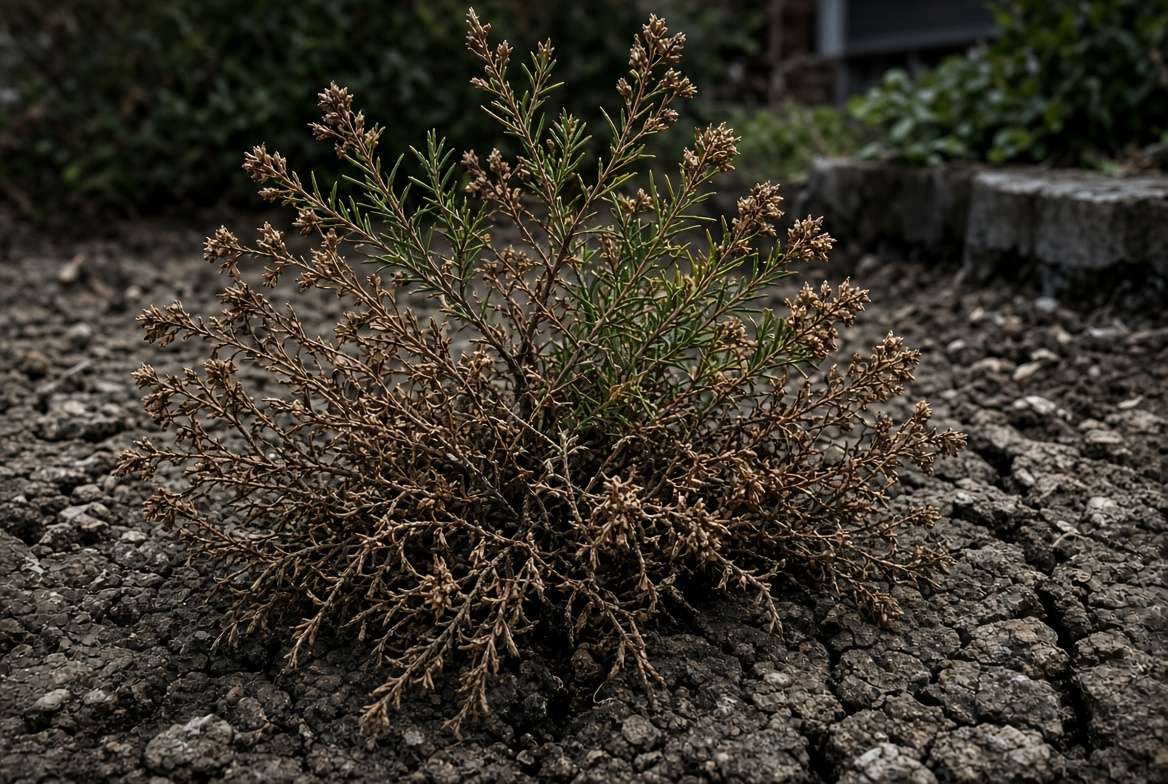
If your heather is turning brown, crispy, and brittle, your plant is in distress. Browning is not a natural part of the plant’s life cycle; it is a loud cry for help. Let’s diagnose the three most common culprits behind the dreaded brown-out.
1. Soil pH is Too High (The Alkalinity Crisis) 🧪
Heather plants are calcifuges, meaning they absolutely despise calcium-rich, alkaline soils. If your soil pH is above 6.0, the plant cannot absorb vital nutrients, particularly iron.
When this happens, the plant suffers from iron chlorosis. Initially, the foliage may look pale or yellowish, but it will rapidly turn brown and die off.
-
The Actionable Fix: Buy a simple soil pH test kit. If your soil is alkaline, you cannot simply plant a heather in the ground and hope for the best. You must amend the soil using peat-free ericaceous compost (acid-loving potting mix) or elemental sulfur. For highly alkaline chalky or limestone soils, it is much safer to grow heather in raised beds or dedicated patio containers. 🪴
2. Improper Watering (The “Wet Feet” Dilemma) 💧
Here lies the great paradox of heather care: they possess very shallow, fine, hair-like root systems that will quickly crisp up and die if the soil dries out entirely. However, if they are left sitting in heavy, waterlogged clay soil, those exact same roots will suffocate, succumb to fungal root rot (Phytophthora), and turn the plant brown from the ground up.
-
The Actionable Fix: Your soil must be exceptionally well-draining but moisture-retentive. Incorporate organic matter like pine needles or composted bark. Use the “finger test”—stick your index finger two inches into the soil. If it feels bone dry, water deeply at the base of the plant. If it feels soggy, hold off. 🌧️
3. Winter Desiccation and Wind Burn 🌬️
Many gardeners panic when they see their heather turning brown in early spring, assuming the cold killed the plant. Usually, it wasn’t the temperature, but the wind.
During winter, biting, freezing winds whip across the foliage, pulling moisture out of the leaves (transpiration). Because the ground is frozen solid, the shallow roots cannot draw up replacement water. The plant essentially dies of thirst while sitting in the snow. 🥶
-
The Actionable Fix: Location is key. Plant heathers in a spot shielded from brutal winter winds. Before the first hard freeze, apply a thick 2-inch layer of organic mulch (like pine bark or pine needles) to insulate the root zone and lock in moisture. In extremely harsh, open areas, erecting a temporary burlap screen can save your plants from wind burn. 🧣
4. The 4 Pillars of Heather Plant Care ☀️
To truly elevate your garden from struggling to thriving, you must master the fundamental environment these evergreen shrubs crave. Think of these four pillars as the ultimate blueprint for growing vibrant, healthy heather plants. If you can provide these conditions, your plants will reward you with decades of brilliant foliage and continuous blooms.
1. Soil Requirements: The Acid Test 🌲
As we touched upon in the troubleshooting section, soil is the absolute make-or-break factor for heather. These are native moorland and woodland edge plants that have evolved over millennia to thrive in poor, acidic, peaty soils.
-
The Ideal pH Range: Your target soil pH should be right around 4.5 to 5.5.
-
Preparing the Planting Bed: Never plant heather into standard, heavy garden loam without preparation. If you are starting a new heather bed, dig generous planting holes—about twice as wide as the nursery pot. Mix the excavated soil with a high-quality, peat-free ericaceous compost.
-
The Power of Pine: For an expert touch, incorporate fallen pine needles, shredded pine bark, or composted oak leaves into the soil mix. As these organic materials break down, they naturally acidify the soil and replicate the plant’s natural woodland habitat. 🍂

2. Sunlight Needed for Maximum Blooms 🌞
Heather plants are sun-worshippers. While they will survive in partial shade, they will not thrive there.
-
The 6-Hour Rule: For maximum bloom density and the most vibrant winter foliage colors (those striking coppers, golds, and reds), plant your heather in a location that receives full sun—a minimum of 6 hours of direct sunlight per day.
-
The Shade Penalty: If planted in heavy shade, heather plants tend to become “leggy,” stretching out desperately toward the light. The foliage will become sparse, the center of the plant may die out, and flower production will drastically drop. If you live in an area with brutally hot, scorching summers (USDA Zones 8-9), dappled afternoon shade is the only exception to this rule, providing necessary relief from extreme heat. 🌡️
3. Watering Strategy During Establishment 🚿
Getting the watering right during the first 12 to 18 months after planting is critical. Once fully established, heathers are remarkably drought-tolerant, but they are incredibly vulnerable as young transplants.
-
The First Year: Water newly planted heather deeply once or twice a week, depending on rainfall. The goal is to keep the root zone evenly moist, like a wrung-out sponge, but never dripping wet.
-
Water at the Base: Never use overhead sprinklers or water the foliage directly. Heather’s dense foliage traps moisture, and overhead watering creates the perfect humid microclimate for fungal diseases like powdery mildew and botrytis to take hold. Always use a soaker hose or water gently at the base of the plant. 🚱
4. Feeding and Fertilizing: Less is More 🛑
Here is a secret that surprises many novice gardeners: heather plants thrive on neglect when it comes to fertilizer. In their native habitats, they grow in incredibly nutrient-poor soil.
-
The Danger of Chemical Fertilizers: Applying standard, high-nitrogen synthetic fertilizers will actually harm your heather. It forces a flush of weak, soft, leggy growth that is highly susceptible to winter frost damage and pest infestations. Furthermore, many standard fertilizers contain lime, which will neutralize the acid your plant desperately needs.
-
The Expert Approach: If your heather is planted in good, organically rich, acidic soil, it likely doesn’t need feeding at all! However, if you feel your plant lacks vigor, apply a very light dressing of an organic, slow-release, acid-loving fertilizer (the same kind formulated for rhododendrons or azaleas) just once in early spring. 🌸
5. Master Pruning: The Secret to Year-Round Blooms ✂️🌸
If you ask any botanical expert how to stop heather from getting woody and brown in the center, their answer will always be the same: annual pruning.
Unpruned heather will naturally grow tall, bare, and woody at the base, with only a small tuft of flowers at the very top. Over time, the plant will split open, look incredibly untidy, and eventually die prematurely. Pruning encourages dense, bushy growth and a spectacular flush of fresh blooms.
Timing is Everything 🕰️
You must prune your heather based on its blooming cycle. Pruning at the wrong time means cutting off next season’s flower buds!
-
Pruning Calluna (Summer/Autumn Bloomers): Prune these in early spring (March or April), just before the new active growth begins.
-
Pruning Erica (Winter/Spring Bloomers): Prune these immediately after their flowers have faded and died back, usually in late spring or early summer.
The “Below the Green” Rule 📏
This is the most critical piece of advice in this entire guide. Heather plants do not regenerate from old, brown wood. If you cut a heather stem down into the bare, woody section where there are no green needles, that branch will never grow back. It is dead.
-
How to Prune: Take a sharp pair of garden shears or secateurs. Look at the stem and locate the faded flower spikes. You want to snip off the dead flowers by cutting just below the base of the bloom, ensuring you are still cutting into green, leafy growth.
-
Visualizing the Cut: Imagine giving your plant a gentle, rounded “haircut.” You are simply shearing off the top couple of inches of the plant to remove the spent blossoms, leaving a tight, neat mound of green foliage behind. ✂️🌿

6. Landscaping & Companion Planting with Heather 🏡
Heather looks magnificent when planted en masse, creating a sweeping carpet of color. But it also shines when paired thoughtfully with other acid-loving companion plants.
Companion Plants for Acidic Soil 🌼
Because heather requires specific soil pH, you must pair it with other calcifuges. Some of the most stunning landscape pairings include:
-
Dwarf Conifers: The structural, architectural shape of junipers or dwarf pines contrasts beautifully with the soft, mounding habit of heather. 🌲
-
Rhododendrons & Azaleas: These spring-blooming shrubs share the exact same soil and moisture requirements, making them perfect backdrop plants for a heather border.
-
Pieris japonica (Lily-of-the-Valley Shrub): A stunning evergreen companion with fiery red new growth and cascading white flowers.
-
Ornamental Grasses: Planting heather alongside ornamental grasses like Carex or Blue Fescue adds incredible movement and texture to the garden. 🌾
Designing for 365-Day Color 🎨
By carefully selecting a mix of Calluna vulgaris varieties for late summer and autumn color, and a variety of Erica carnea and Erica x darleyensis for winter and spring blooms, you can design a garden bed that genuinely flowers 365 days a year. Imagine looking out your window in January to see vibrant pinks and whites pushing right up through the frost! ❄️🌷
7. Troubleshooting Common Pests and Diseases 🐛
While generally robust and pest-resistant, heather plants can succumb to a few specific issues, usually brought on by poor environmental conditions.
Phytophthora Root Rot 🍄
-
The Symptoms: This is the deadliest disease for heather. The plant will suddenly wilt, turn a dull grey-green, and rapidly brown and die—even if the soil is wet. In fact, wet soil is the cause.
-
The Solution: Unfortunately, there is no cure once Phytophthora takes hold. The plant must be dug up and destroyed. Prevention is your only defense. Always plant heather in raised beds or incorporate horticultural grit and coarse bark into the soil to guarantee rapid drainage. 🚫💧
Spider Mites and Powdery Mildew 🕸️
-
Spider Mites: During hot, dry, drought periods, tiny spider mites can attack the foliage, causing a mottled, yellowing appearance and fine webbing. Treat naturally by spraying the foliage forcefully with a garden hose in the early morning, or apply a neem oil solution.
-
Powdery Mildew: This fungal disease presents as a white, powdery dusting on the leaves. It occurs when air circulation is poor and humidity is high. To prevent it, space your heather plants adequately at planting time (usually 18 to 24 inches apart) to allow the wind to pass through, and never water from above. 💨
8. Expert FAQs About Heather Plants ❓
To wrap up this ultimate guide, let’s address some of the most common questions landscape designers and horticulturists receive regarding heather care.
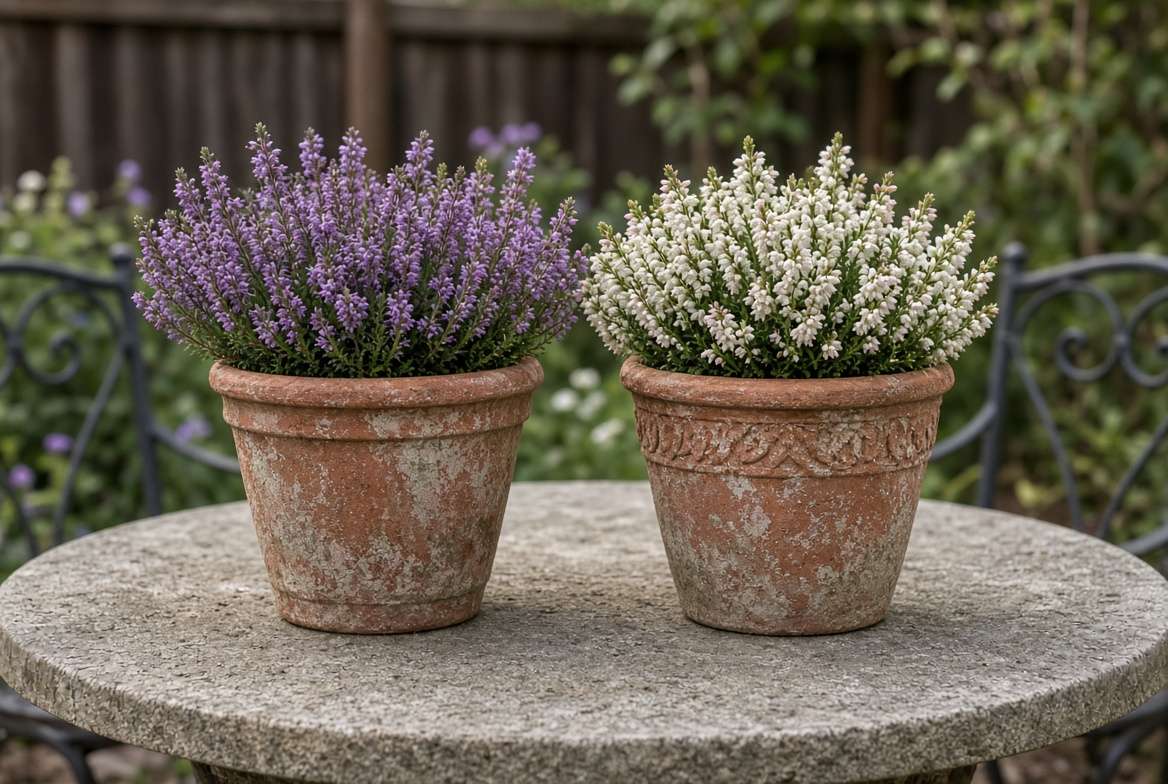
Can I grow heather plants in pots? 🪴 Absolutely! In fact, if your garden has heavy clay or alkaline soil, growing heather in pots is the best way to ensure success. Use frost-proof terracotta pots with excellent drainage holes. Fill them strictly with ericaceous potting compost. Potted heathers will need more frequent watering than those in the ground, and their roots are more exposed to winter freezes, so pulling them into a sheltered spot during harsh cold snaps is highly recommended.
Are heather plants toxic to dogs and cats? 🐕🐈 Great news for pet parents! Heather plants (both Calluna and Erica species) are widely recognized as non-toxic and pet-safe by major animal organizations like the ASPCA. You can plant them freely around your yard without worrying about your furry friends.
How long do heather plants live? ⏳ When left completely unpruned and neglected, a heather plant will become woody and unattractive within 3 to 5 years. However, if you follow the expert advice in this guide—specifically the strict annual pruning “below the green” rule and maintaining soil acidity—your heather plants can thrive, bloom profusely, and anchor your garden landscape for a stunning 10 to 15 years!
By understanding their need for acidic soil, mastering the art of the post-bloom haircut, and protecting them from winter winds, you can easily stop your heather from turning brown. With these professional tips in your gardening arsenal, you are well on your way to cultivating a thriving, blooming, evergreen masterpiece that brings joy to your landscape in every single season. 🌸✨











