
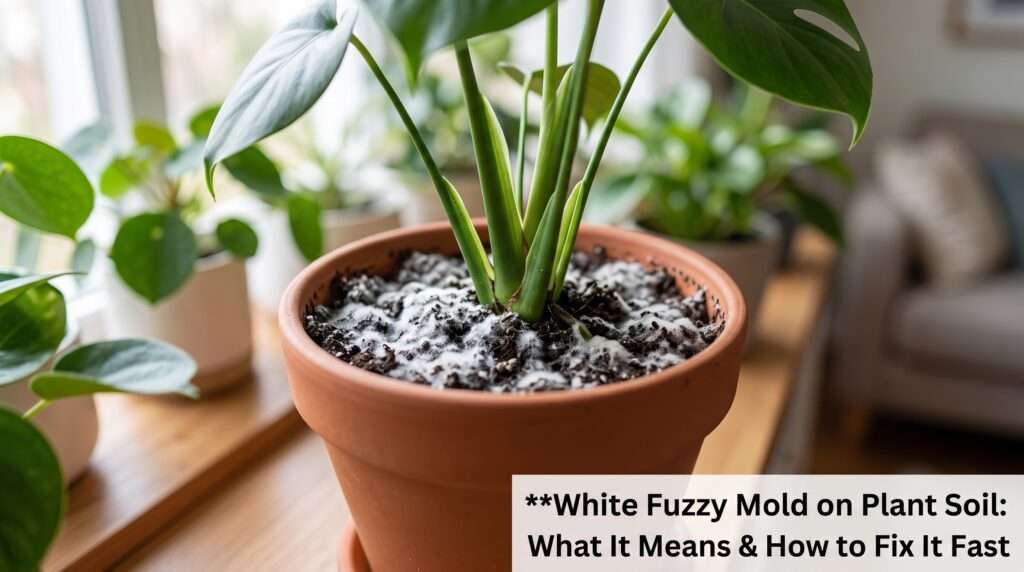
Picture this: You go to check on your prized money tree or thriving spider plant, only to discover the dirt is covered in a layer of strange, cotton-like fuzz. Cue the plant parent panic! Seeing white fuzzy mold on plant soil is one of the most common—and most alarming—indoor gardening scares. But before you banish your favorite houseplant to the outdoor compost bin, take a deep breath.
While it looks intimidating, this fluffy white layer is rarely a death sentence for your greenery. However, it is an urgent distress signal. It is your plant’s way of telling you that the environment in its pot has become dangerously imbalanced.
In this comprehensive guide, we are diving deep into the science of soil fungi. You will learn exactly how to identify this mold, understand the environmental triggers that caused it, and implement fast, safe, and expert-approved solutions to banish it for good. Let’s reclaim your soil and get your indoor jungle back to thriving. 🌿
What Exactly is That White Fuzzy Mold on Plant Soil? 🔬
Before you can treat the problem, you need to understand what you are actually looking at. Not all fungi are villains in the plant world.
Meet the Culprit: Saprophytic Fungi 🍄
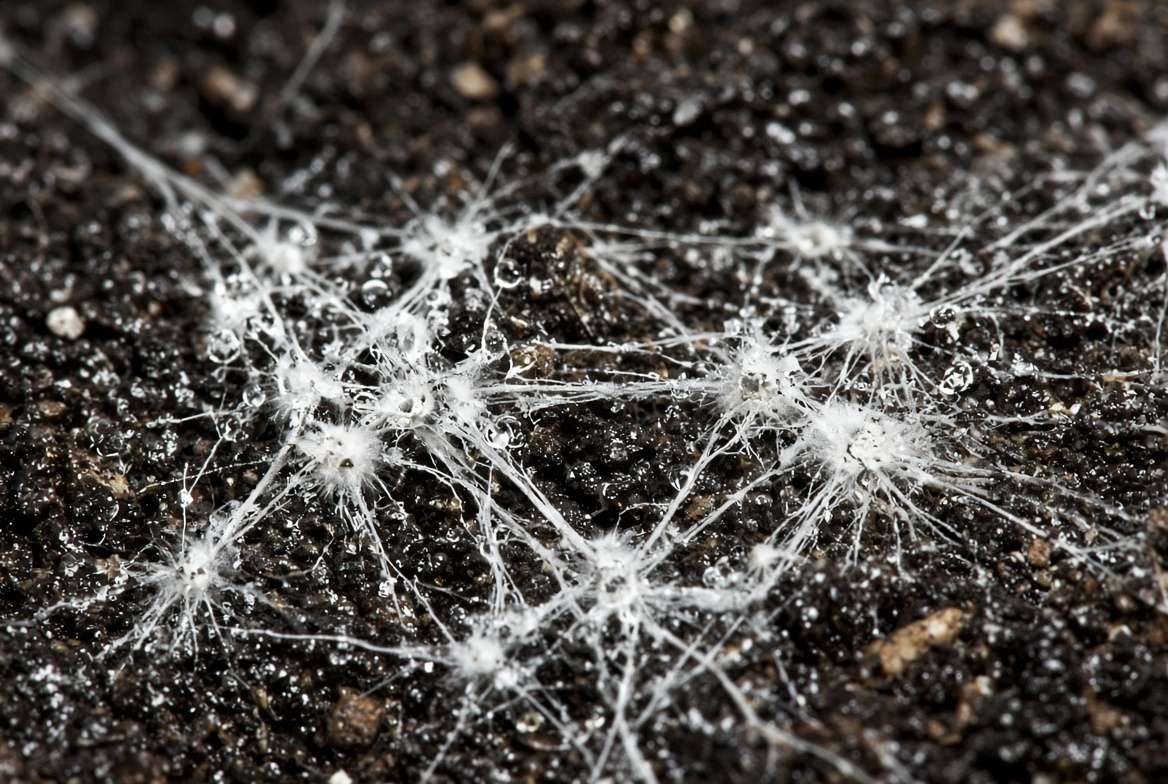
That cottony white growth on your topsoil is almost always a type of saprophytic fungus. In nature, saprophytes are the unsung heroes of the forest floor. Their primary biological function is to break down decaying organic matter—like dead leaves, fallen twigs, or the peat moss and compost found in your potting mix—and convert it into bioavailable nutrients that plants can actually absorb.
When you see this mold, you are simply witnessing the natural decomposition process happening right inside your living room. Spores of saprophytic fungi are microscopic, airborne, and omnipresent. They are already in the air you breathe, the dust on your windowsills, and the commercial soil you buy. They remain entirely dormant until the perfect trifecta of conditions wakes them up: high moisture, organic food, and stagnant air.
Is It Harmful to My Indoor Plants? 🌿
Here is the good news: the mold itself does not attack living plant tissue or healthy roots. Your houseplant is not being “eaten” by the white fuzz.
However, there is a major catch. While the fungus is harmless directly, it acts as a critical “check engine light” for your plant. Saprophytic fungi thrive in the exact same waterlogged, oxygen-deprived conditions that cause the ultimate houseplant killer: root rot. If you ignore the mold, the underlying moisture issue will eventually suffocate your plant’s root system. Think of the mold as an early warning system saving you from a much bigger disaster down the road.
Is It Toxic to Pets and Humans? 🐾
For the vast majority of people and pets, saprophytic soil mold is harmless. It is not the toxic “black mold” (Stachybotrys chartarum) that causes severe structural and respiratory damage in homes. That said, as the fungus matures, it releases spores into the air. If you or your family members suffer from severe asthma, mold allergies, or compromised immune systems, inhaling these spores in a confined space can trigger mild respiratory irritation or allergic reactions.
It is always best practice to wash your hands after handling moldy soil and treat the issue promptly to keep your indoor air quality pristine.
Why is Mold Growing in My Houseplant’s Pot? (The 4 Root Causes) 🕵️♀️
To cure the mold permanently, you have to cut off its life support. Fungi need a very specific environment to bloom. If you have white fuzzy mold on your plant soil, one or more of these four factors is out of balance.
1. Chronic Overwatering: The #1 Offender 💦
Overwatering is the single most common cause of fungal outbreaks. Fungal spores require persistent, undisturbed moisture to germinate. If the top two inches of your potting soil never have a chance to dry out between watering sessions, you are essentially rolling out the red carpet for mold.
Many plant owners mistakenly water on a strict calendar schedule (e.g., “every Sunday”) rather than watering based on the plant’s actual physiological needs. This leads to constantly soggy topsoil, creating a permanent breeding ground for spores.
2. Poor Drainage & Soggy Soil Mechanics 🪨
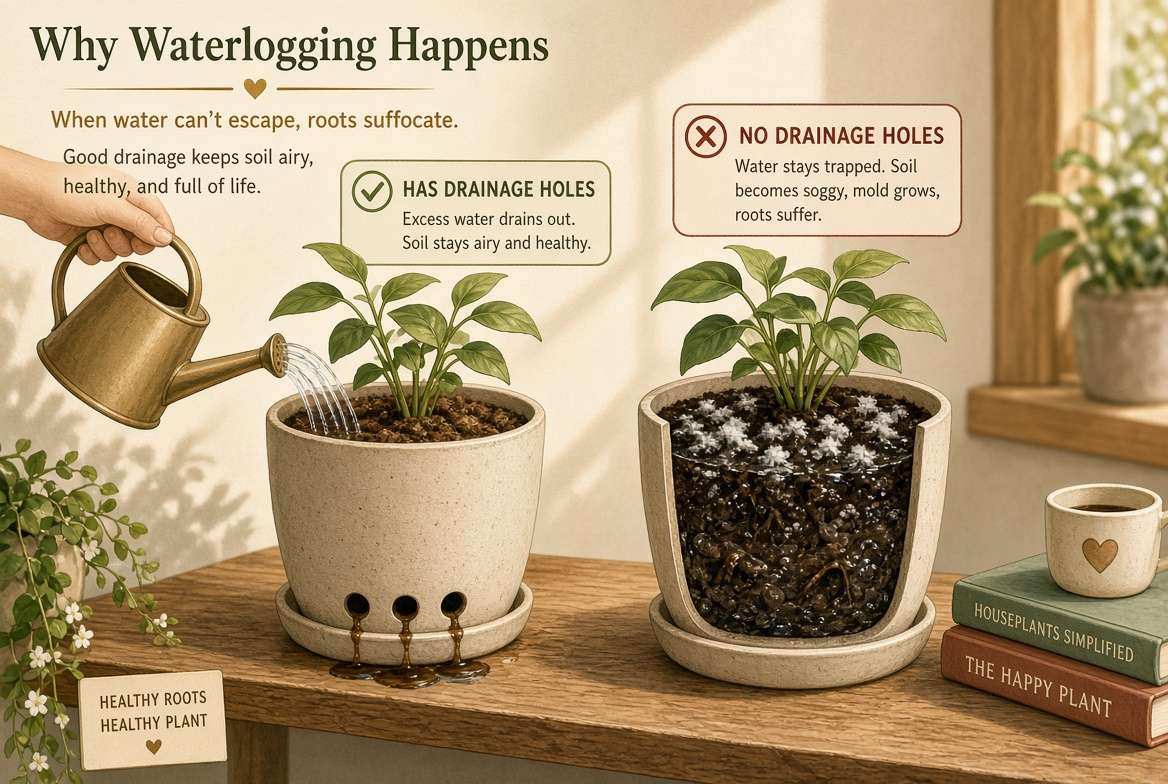
Watering habits are only half the equation; the medium holding the water is just as critical. Standard commercial potting soils are heavily reliant on peat moss and coco coir. While these ingredients are great for moisture retention, they compact over time, acting like a dense, wet sponge.
If your potting mix lacks large, structural amendments (like pumice, orchid bark, or coarse perlite), the water cannot drain quickly enough. The soil becomes dense and heavy, trapping moisture at the top of the pot. Furthermore, if your planter lacks adequate drainage holes at the bottom, water pools in the root zone, pushing humidity up to the soil surface where mold happily takes over.
3. Lack of Air Circulation and Low Light 🌬️
Mold hates moving air and bright light. If your indoor plants are clustered tightly together in a dark, humid corner of your home, the microclimate directly above the soil surface becomes incredibly stagnant.
Without airflow to evaporate excess surface moisture, and without sufficient sunlight to naturally suppress fungal growth and warm the soil, the top layer of dirt stays perpetually damp. This is why you often see mold outbreaks during the darker, cooler winter months when indoor heating systems run and windows stay shut.
4. Contaminated Potting Mixes 🍂
Sometimes, the mold is not entirely your fault. Cheap or improperly stored commercial soil often comes pre-loaded with active fungal colonies. If a bag of soil is left sitting outside at a garden center, exposed to rain or high heat, the organic matter inside begins breaking down inside the plastic bag. The moment you open it and introduce it to your home environment, the fungi go into overdrive. Always inspect new soil for a musty smell or visible white strands (mycelium) before potting your plants.
How to Fix It Fast: 5 Proven Methods to Banish Soil Mold 🛠️
Now that you know what you are dealing with, it is time to take action. Because saprophytic mold feeds on surface moisture and decaying matter, eliminating it requires a multi-pronged approach: removing the visible fungus, altering the soil chemistry slightly to make it inhospitable, and aerating the root system.
Here are the five most effective, expert-approved methods to treat fuzzy white soil mold, ranging from gentle manual removal to a complete environmental reset.
Method 1: The “Scrape and Aerate” Technique 🥄
If you catch the mold early and it is only a light dusting on the surface, you do not need harsh chemicals.
-
Scrape: Take a clean spoon and gently scrape off the top 1 to 2 inches of the affected potting soil. Dispose of this contaminated dirt immediately in an outdoor trash bin to prevent spores from spreading to other indoor plants.
-
Aerate: Once the top layer is gone, take a wooden chopstick or a blunt skewer and gently poke deep holes into the remaining soil, pushing all the way down to the bottom of the pot. This technique, known as soil aeration, breaks up compacted dirt, allows oxygen to reach the root zone, and drastically speeds up the drying process.
-
Replace: Top dress the pot with a fresh, dry layer of high-quality potting mix.
Method 2: The Cinnamon Magic (Natural Fungicide) ✨
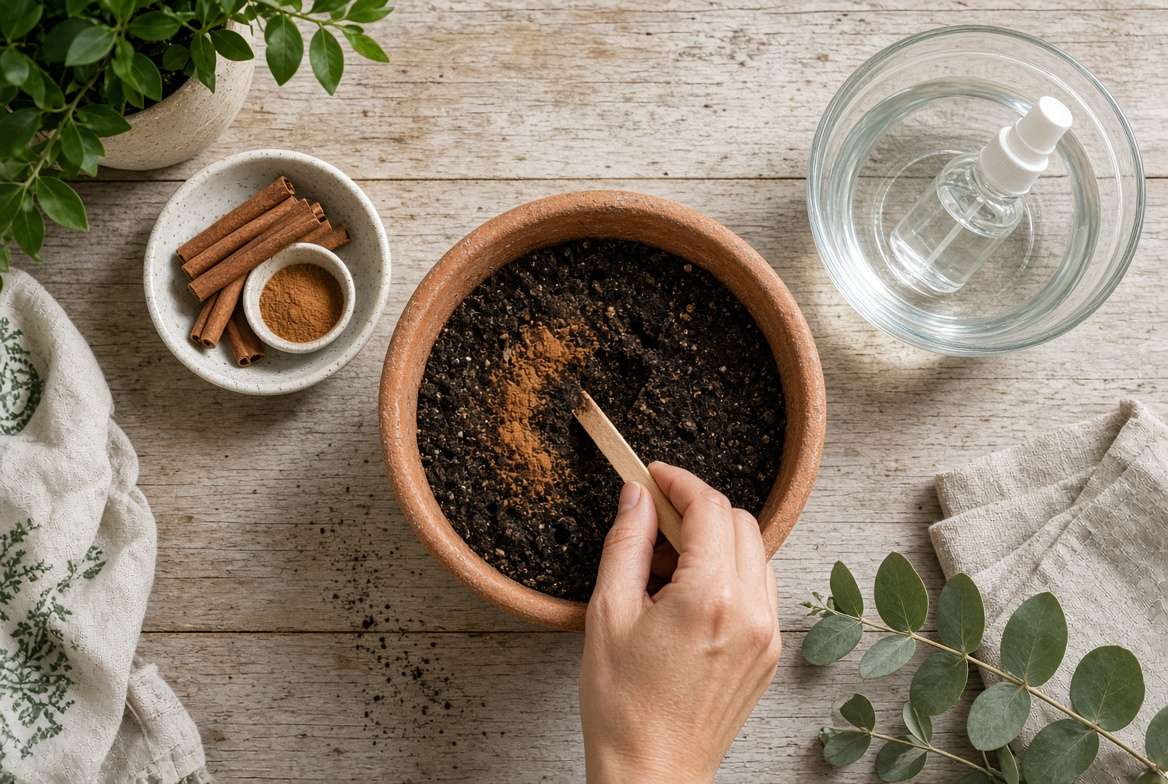
You likely already have one of the best natural antifungals sitting in your kitchen pantry. True Ceylon cinnamon contains cinnamaldehyde, a natural compound that acts as a powerful, organic fungicide.
-
How to Apply: After performing the “Scrape and Aerate” method, take a pinch of ground cinnamon and lightly dust it across the exposed topsoil.
-
Why it Works: The cinnamon creates an inhospitable barrier that prevents dormant fungal spores from germinating, all without disrupting the beneficial microbes deeper in the soil. Plus, it leaves your plant room smelling fantastic!
Method 3: Hydrogen Peroxide Soil Drench 🧪
If the mold has returned multiple times, or if you suspect the soil is staying wet for far too long, it is time to bring out the heavy artillery. Hydrogen peroxide (H₂O₂) is a staple in horticultural care because it kills fungal spores on contact and rapidly breaks down into pure water and oxygen.
-
The Formula: Mix 1 part standard 3% hydrogen peroxide (the kind found in any pharmacy) with 3 parts water.
-
The Application: Pour this solution evenly over the soil. You will immediately hear and see a bubbling, fizzing reaction. This is the peroxide oxidizing the mold spores and actively oxygenating waterlogged roots, which provides an instant boost in the fight against root rot.
Method 4: Neem Oil Treatment 🌿
Neem oil is a holy grail for houseplant maintenance. Extracted from the seeds of the neem tree, it is naturally antifungal and antibacterial. While primarily used for pest control, it is highly effective at suppressing soil-borne fungi.
-
The Application: Dilute pure, cold-pressed neem oil according to the manufacturer’s instructions (usually about 1 tablespoon of neem oil and 1 teaspoon of mild liquid dish soap per gallon of water). Lightly mist the surface of the soil. Be careful not to drench the soil, as you do not want to add excessive moisture back into the pot.
Method 5: The Nuclear Option (Full Repotting) 🪴
Sometimes, a surface treatment simply isn’t enough. You must resort to the “nuclear option” if the mold smells sour, swampy, or putrid, or if your plant is showing signs of distress like rapidly yellowing leaves or drooping stems. These are classic indicators that the mold is just a symptom of severe root rot hiding below the surface.
-
Unpot: Remove the plant from its container and gently massage the root ball to shake away all the old, contaminated dirt.
-
Wash and Trim: Rinse the root system under lukewarm running water. Sterilize a pair of pruning snips with rubbing alcohol and cut away any mushy, brown, or foul-smelling roots.
-
Sterilize: Thoroughly wash the planter with hot, soapy water and a splash of bleach before reusing it.
-
Repot: Replant using a fresh, well-draining, chunky soil mix to ensure the suffocating conditions never return.
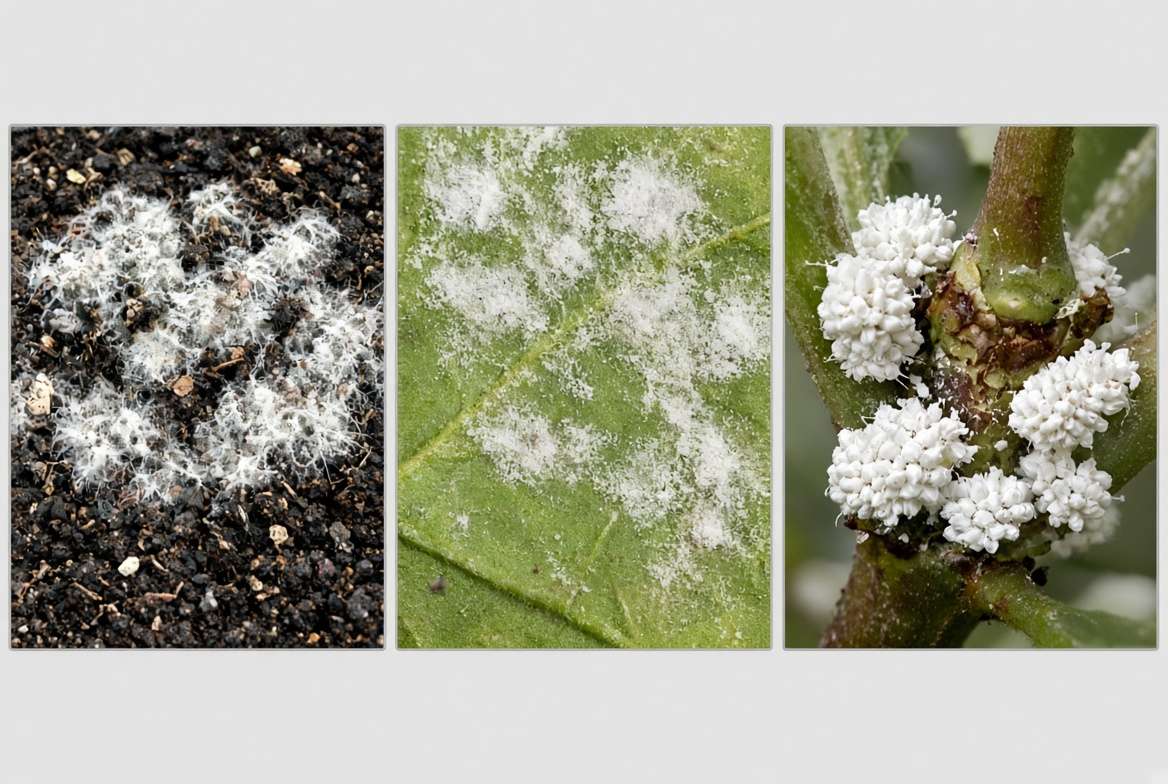
White Mold vs. Powdery Mildew vs. Mealybugs: Know the Difference 🔍
One of the biggest mistakes indoor gardeners make is misdiagnosing the white fuzz. Applying a soil drench to a pest problem will not fix the issue, and spraying pesticides on harmless soil fungi is unnecessary chemical exposure. Use this definitive guide to identify your invader correctly:
| Feature | White Saprophytic Soil Mold 🍄 | Powdery Mildew 🍂 | Mealybugs 🐛 |
| Location | strictly on the surface of the potting soil; sometimes climbing the extreme base of the pot. | On the top and bottom of the leaves, and along the delicate stems. | Hidden in leaf axils, underneath leaves, and at the nodes where stems meet. |
| Appearance | Fluffy, cotton-like, or web-like strands spanning across the dirt. | Looks like someone dusted the plant’s foliage with powdered sugar or flour. | Looks like tiny, distinct, sticky masses of cotton swabs or white lint. |
| Plant Damage | None. Harmless to the plant tissue directly (but indicates overwatering). | Causes leaves to deform, turn yellow, and eventually drop off. | Sucks the sap from the plant, causing stunted growth, sticky honeydew, and leaf loss. |
| Action Required | Adjust watering, aerate soil, apply cinnamon or hydrogen peroxide. | Improve airflow, reduce humidity, apply a copper fungicide spray to foliage. | Isolate immediately. Treat foliage with rubbing alcohol, neem oil, or insecticidal soap. |
Long-Term Prevention: How to Keep Plant Soil Mold-Free Forever 🛡️
Treating the mold is only a temporary bandage. If you want to keep your indoor jungle pristine, you must upgrade your care routine to ensure fungi never find a hospitable home again.
Switch to Bottom Watering 💧
Top-watering naturally saturates the first two inches of soil—the exact zone where mold spores live. By switching to bottom watering, you completely flip the script. Simply fill a basin or saucer with water, place your plant pot (with drainage holes!) into the water, and let the soil soak up moisture via capillary action for 15-20 minutes. The plant’s root system gets a deep, thorough drink, but the top inch of topsoil remains bone-dry. No surface moisture means no surface mold.
Upgrade Your Potting Mix (The “Chunky” Secret) 🥥
Standard bag soil is often too dense for indoor environments. To optimize soil mechanics and improve drainage, you need to create a “chunky” aroid mix. Take your standard potting soil and cut it with at least 30% to 40% coarse amendments.
-
Perlite or Pumice: Traps tiny pockets of oxygen in the soil.
-
Orchid Bark: Creates large structural gaps for water to flow through instantly.
-
Horticultural Charcoal: Acts as a natural filter, sweetening the soil and absorbing excess moisture and impurities that fungi feed on.
Leverage Clear Plastic Plant Pots 🪟
One of the most effective strategies for preventing both root rot and soil mold is utilizing clear plastic plant pots. Instead of planting directly into a decorative ceramic pot, plant your greenery into a clear nursery pot, and then drop that into your decorative cachepot. Clear pots allow you to visually inspect the soil moisture levels deep within the root zone. You can actually see the condensation on the sides of the pot and monitor the color of the roots, entirely eliminating the guesswork that leads to chronic overwatering.
Improve Indoor Airflow 💨
Stagnant air is a fungus’s best friend. Replicate the breezy conditions of the natural world to keep your soil dry and your plants robust. Space your plants out so their leaves are not overlapping, creating trapped pockets of humidity. If you have a densely packed plant room, run a small oscillating fan on a low setting for a few hours a day. The gentle breeze will strengthen plant stems and rapidly evaporate the surface moisture that mold needs to survive.
Frequently Asked Questions (FAQ) ❓
Can I use vinegar to kill plant mold?
No. While household vinegar kills mold on hard surfaces like bathroom tiles, you should never pour it into your plant’s soil. Vinegar is highly acidic; it will severely alter the pH of your soil matrix, chemically burn delicate root systems, and likely kill your plant faster than any fungus ever could.
Should I throw away a plant with moldy soil?
Absolutely not! White fuzzy mold is a surface-level, easily treatable issue. There is zero need to sacrifice your plant. Simply scrape the mold away, aerate the dirt, and adjust your watering schedule.
Why does my potting soil smell like mushrooms?
That earthy, mushroom-like smell is the unmistakable scent of active fungal mycelium breaking down organic matter in the soil. It confirms that the white fuzz is indeed a saprophytic fungus. While natural, it is a cue to let that soil dry out immediately.
Does baking soda kill soil mold?
Baking soda (sodium bicarbonate) does have mild antifungal properties and can alter surface pH to deter mold. However, if used frequently as a soil drench, the sodium will accumulate in the pot. High salt concentrations lead to tip burn and root dehydration. Cinnamon or hydrogen peroxide are much safer, plant-friendly alternatives.
Final Thoughts: A Healthy Plant is a Happy Plant 🌻
Discovering white fuzzy mold on plant soil can be startling, but it ultimately serves as a helpful environmental gauge. It forces us to pause, re-evaluate our watering habits, and look closer at our soil mechanics. By scraping away the fuzz, utilizing natural deterrents like cinnamon or hydrogen peroxide, and upgrading to well-draining, chunky soil inside clear plastic pots, you can banish the mold for good.
Your plants want to thrive just as much as you want them to. Give them the right balance of oxygen, dry topsoil, and airflow, and they will reward you with vibrant, mold-free growth for years to come.
Have you ever battled the dreaded white fuzz? What was the secret weapon that saved your indoor jungle? Share your experiences and favorite mold-busting tips in the comments below!











