Imagine walking into your sunroom or stepping out onto your patio and being greeted by the rich, warm, unmistakable aroma of fresh spice. Most of us are used to tapping a dusty powder out of a little plastic grocery store jar, completely disconnected from its lush, tropical origins. But what if you could harvest that incredible flavor yourself? Growing a cinnamon tree right at home is not only entirely possible, but deeply rewarding.
Whether you’re a seasoned indoor houseplant collector looking for your next challenge, or a backyard gardener wanting to elevate your culinary landscape, cultivating this beautiful evergreen is the ultimate horticultural flex. In this comprehensive, expert-led guide, we’re bypassing the basic tips and diving deep into the exact botany, soil science, and pruning techniques you need to thrive. By the end, you’ll know exactly how to cultivate, care for, and eventually peel and cure your very own homegrown spice. ✨
What to Know Before You Grow: True Cinnamon vs. Cassia 🔍
Before you order seeds or a starter plant, it is crucial to understand that not all “cinnamon” is created equal. The spice trade generally recognizes two main types, and knowing the difference will dictate your growing strategy and your eventual harvest.
Ceylon Cinnamon (Cinnamomum verum) 🇱🇰
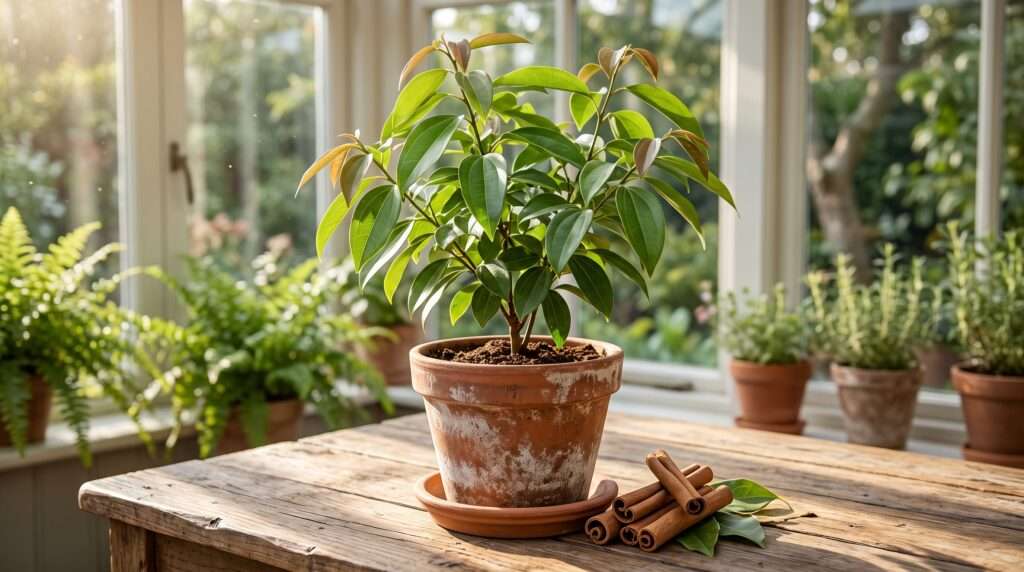
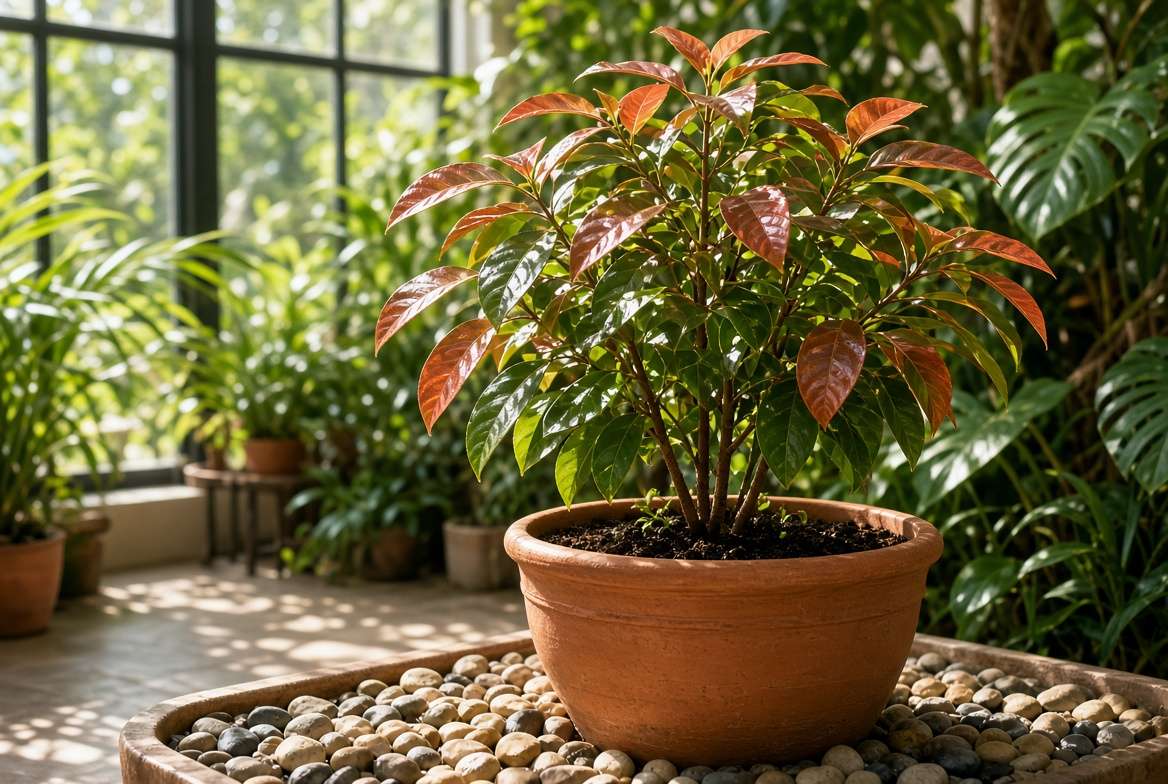
Often referred to as “true cinnamon,” Cinnamomum verum is native to Sri Lanka and southern parts of India. If your goal is to grow a high-quality, artisanal spice at home, this is the species you want to source. Botanically, this tropical plant features beautiful, glossy green leaves that emerge with a stunning reddish-bronze flush.
-
The Flavor Profile: It has a delicate, sweet, and highly complex flavor profile with notes of citrus and clove.
-
The Health Factor: Ceylon cinnamon contains exceptionally low levels of coumarin, a naturally occurring compound that can cause liver damage when consumed in high doses. This makes it much safer for daily, heavy consumption compared to its commercial cousin.
-
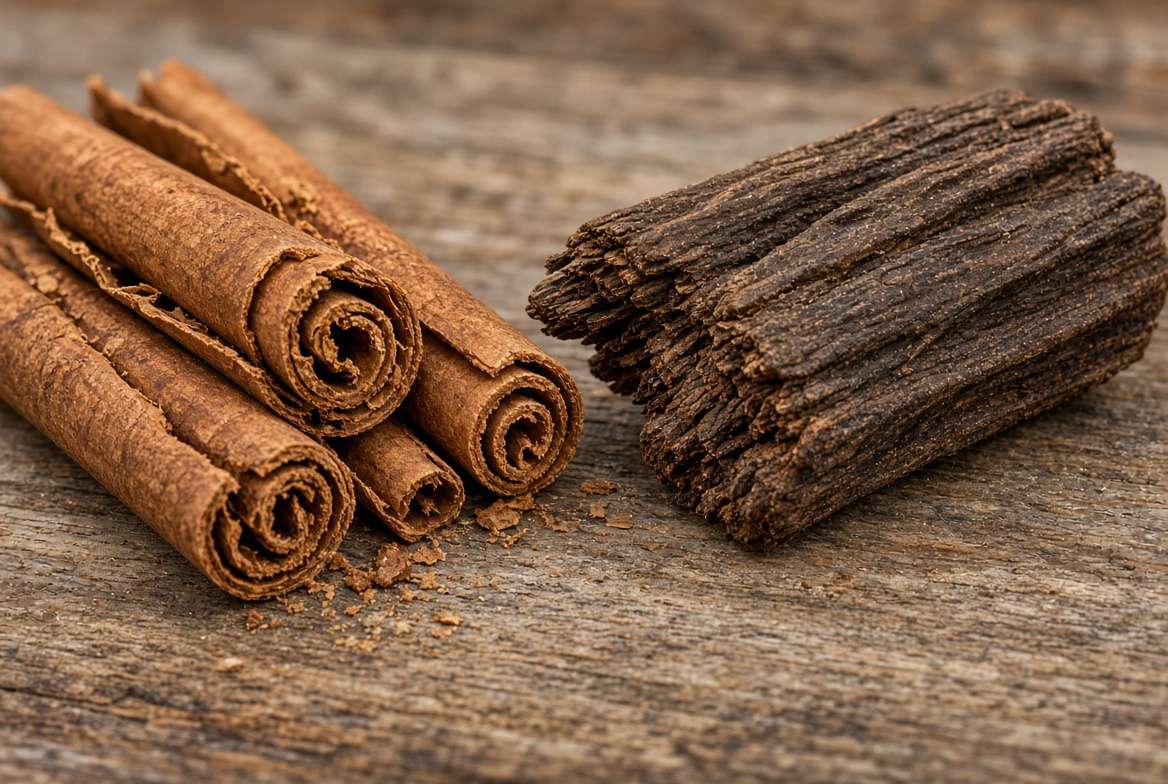
The Bark: When harvested, the inner bark is incredibly thin, papery, and crumbly, easily rolling into multiple delicate layers (quills).
Cassia Cinnamon (Cinnamomum cassia) 🇨🇳
If you buy standard cinnamon at a North American supermarket, you are almost certainly buying Cassia. Originating in southern China and Southeast Asia, this tree is much more common in commercial agriculture.
-
The Flavor Profile: Cassia packs a strong, sharp, spicy bite. It lacks the subtle floral notes of Ceylon but delivers that classic “cinnamon roll” punch.
-
The Bark: The bark of the Cassia tree is tough, thick, and woody. It usually curls inward from both sides to form a thick, hollow tube that is difficult to grind with a standard home spice mill.
Expert Insight: Ceylon vs. Cassia at a Glance
Ideal Growing Conditions for a Cinnamon Tree ☀️
To grow a robust, healthy plant capable of producing premium bark, you have to mimic its native tropical rainforest environment as closely as possible.
Climate and Hardiness Zones 🌡️
The Cinnamomum genus is strictly tropical. Outdoors, these trees will only survive year-round in USDA Hardiness Zones 10 through 11, where temperatures rarely, if ever, dip below 40°F (4°C). They thrive when temperatures hover between 70°F and 85°F (21°C–29°C).
If you live in Zone 9 or lower, do not panic. Cinnamon trees adapt remarkably well to container growing. You can easily keep them on a patio or balcony during the warm summer months and wheel them indoors to a sunny window or greenhouse when autumn temperatures begin to drop.
Sunlight Requirements 🌤️
Cinnamon trees are understory plants in their natural habitat, meaning they appreciate a balance of light.
-
Outdoors: Aim for full sun to partial shade. About 6 to 8 hours of dappled sunlight is perfect. Direct, scorching afternoon sun in extremely hot climates can cause the broad, glossy leaves to burn.
-
Indoors: Place your container in the brightest room you have, ideally near a south-facing or west-facing window. If your home lacks natural light, supplementing with a high-quality full-spectrum LED grow light is highly recommended to keep the plant vigorous and ensure the bark develops its essential oils.
The Best Soil Mix for Cinnamon Plants 🌱
This is where many beginner growers fail. Cinnamon trees demand excellent aeration. If their roots sit in heavy, waterlogged clay, they will succumb to root rot incredibly fast. The goal is an acidic to neutral pH (around 4.5 to 6.5) with maximum drainage.
The Ultimate Cinnamon Soil Recipe:
-
40% High-quality, peat-free organic potting soil
-
30% Orchid bark or coarse pine bark fines (for chunkiness and aeration)
-
20% Perlite or pumice (to ensure rapid drainage)
-
10% Worm castings or well-rotted compost (for a slow drip of natural nutrients)
How to Plant Your Cinnamon Tree 🪴
How you establish your plant in its first year will determine its long-term health and your eventual yield.
Growing in Containers (Indoor/Patio Guide) 🏡
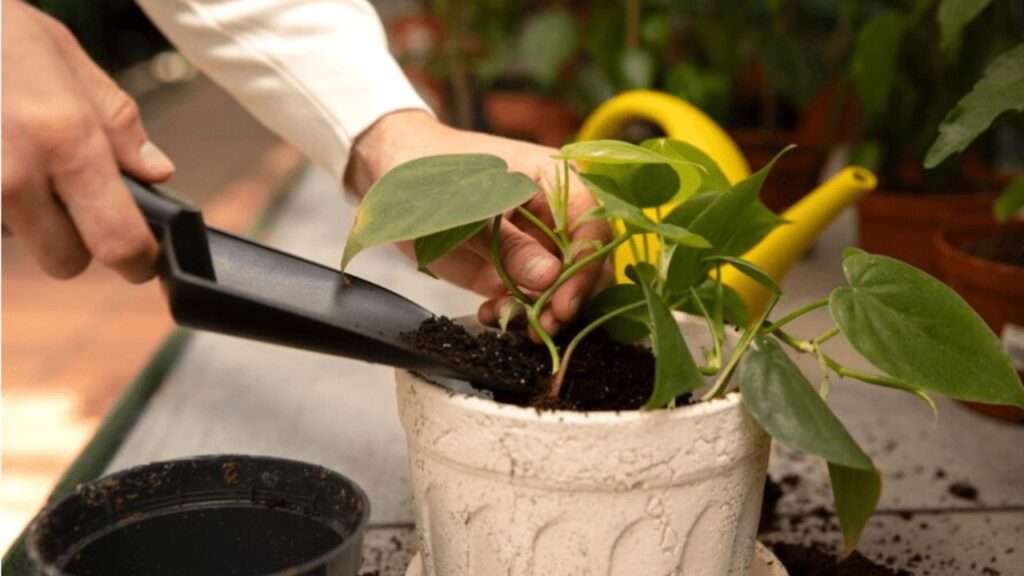
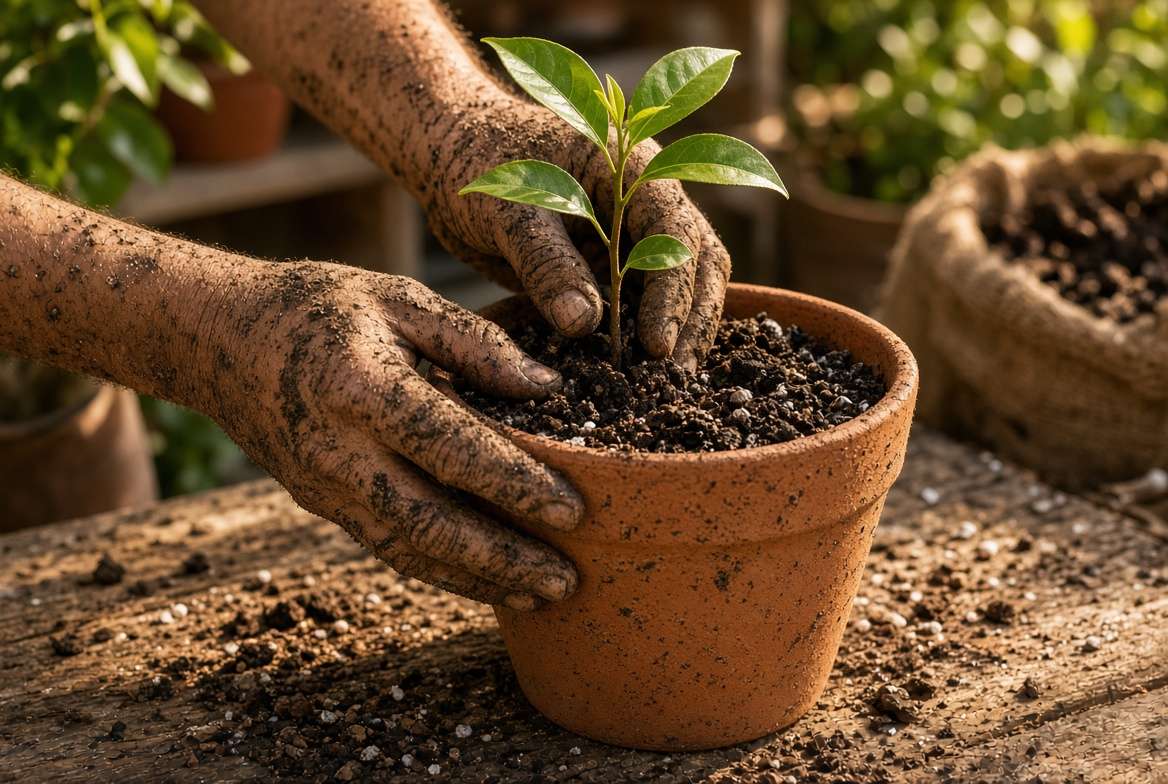
Container gardening is the most popular method for home growers. Start your young tree in a 3 to 5-gallon pot. Ensure the container has at least three large drainage holes at the bottom. Terracotta pots are fantastic for cinnamon because the porous clay breathes, allowing moisture to evaporate more quickly and protecting the roots from suffocating.
Expert Tip: Because you will likely be moving this plant indoors and outdoors with the changing seasons, place your heavy terracotta pot on a heavy-duty rolling plant caddy before you fill it with soil and water.
Planting Outdoors in the Ground 🌳
If you are lucky enough to live in a frost-free, tropical zone, you can plant directly in the landscape.
-
Choose a site protected from harsh, drying winds.
-
Dig a hole twice as wide as the nursery pot, but exactly the same depth. Never bury the trunk deeper than it was in its original pot, as this leads to collar rot.
-
Space the tree at least 10 to 15 feet away from other large trees or structures to ensure adequate air circulation and light penetration.
Seeds vs. Cuttings vs. Nursery Trees 🌱
While you can technically grow Cinnamomum verum from seed (the berries must be planted almost immediately after harvesting off a mature tree, as they lose viability rapidly), the germination process is notoriously fickle and slow.
For the highest success rate and the fastest path to harvesting your own spice, purchase a 1-to-2-year-old grafted tree or rooted cutting from a reputable exotic plant nursery. This shaves years off your waiting time and ensures you have a genetically robust specimen ready to grow.
Essential Cinnamon Tree Care & Maintenance 💧
Now that your cinnamon tree is securely planted in its ideal soil mix, the real work—and fun—begins. Proper day-to-day care is what triggers the plant to produce those highly aromatic essential oils in its bark and leaves.
Watering Schedule and Humidity Needs 💦
Because this plant originates in humid, tropical environments, it loves moisture, but it absolutely despises “wet feet.” Master the “soak and dry” method: water the plant deeply until water runs freely out of the drainage holes, and then do not water again until the top two to three inches of soil feel completely dry to the touch. In the heat of summer, this might mean watering twice a week. In the winter, when the plant’s growth slows down, you may only need to water every two weeks.
Humidity is non-negotiable for indoor growers. Central heating in the winter can turn your home into a desert, causing the tree’s lush leaves to crisp at the edges and drop. To keep the ambient humidity around 50% to 70%:
-
Run a small cool-mist humidifier near the plant.
-
Place the pot on a large pebble tray filled with water (ensuring the bottom of the pot rests above the water line, not in it).
-
Mist the leaves lightly in the mornings.
Fertilizing for Maximum Growth 🧪
To produce robust stems and high-quality spice, your tree needs fuel. Feed your plant during its active growing season, from early spring through late summer.
-
Use a balanced, slow-release organic fertilizer, ideally one formulated for citrus or avocado trees (like an 8-3-9 NPK ratio).
-
Because you will eventually be consuming the bark, stick strictly to organic fertilizers rather than synthetic chemical feeds.
-
Pause all fertilization during the fall and winter months to let the plant rest.
Pruning and “Coppicing” ✂️
This is the most critical horticultural technique for anyone wanting to harvest spice. Left to its own devices, a Cinnamomum verum tree will grow into a large, sprawling tree up to 30 feet tall, making harvesting incredibly difficult.
To grow cinnamon for harvest, commercial farmers and expert home growers use a technique called coppicing.
-
Let your young tree grow naturally for about two years until the main trunk is roughly an inch in diameter.
-
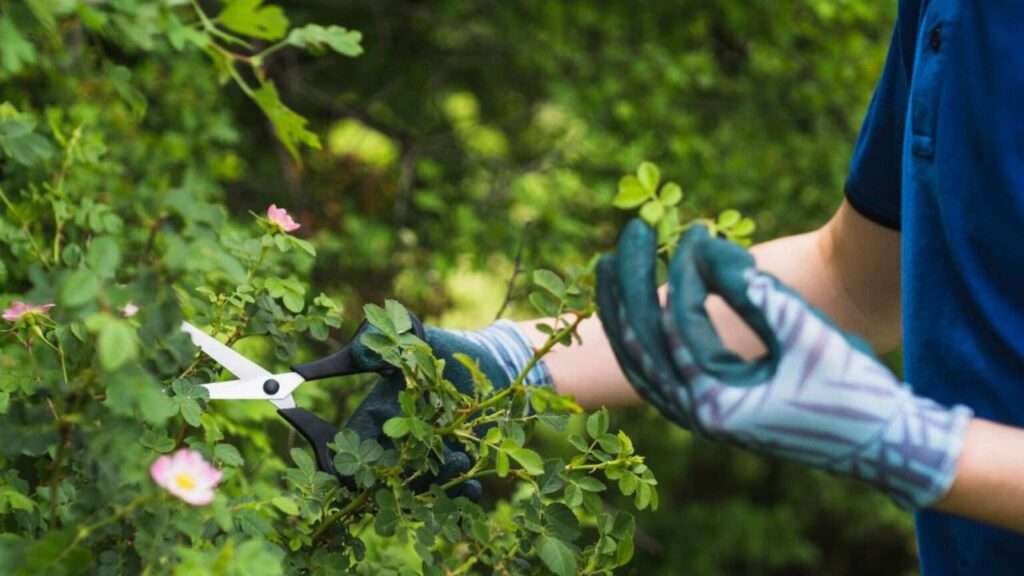
In the early spring, take a sterile, sharp pair of loppers and cut the main trunk down aggressively, leaving only a stump about 6 to 12 inches above the soil line.
-
Don’t panic! This hard prune triggers the plant’s survival response. Over the next few months, it will send up a dense cluster of straight, vigorous new shoots from the base.
-
These new, straight shoots are exactly what you will harvest for your spice in another year or two.
Common Pests and Diseases (And How to Fix Them) 🐛
Even the healthiest indoor garden can occasionally attract unwanted visitors. Because you are growing an edible crop, prompt, organic intervention is key.
Mealybugs, Scale, and Spider Mites 🕷️
These sap-sucking insects are drawn to the fleshy leaves of tropical plants.
-
Spider mites thrive in dry indoor air, leaving fine webbing under the leaves.
-
Scale insects look like small, brown, waxy bumps on the stems.
-
Mealybugs appear as fuzzy white cotton-like clusters in the joints of the branches.
The Fix: Wipe down the leaves with a damp cloth to physically remove the pests. Follow up by spraying the foliage thoroughly with an organic cold-pressed Neem oil solution or an insecticidal soap. Repeat every 7 days until the infestation is gone.
Root Rot and Leaf Spot 🍂
If your leaves are turning yellow, wilting despite wet soil, or dropping rapidly, you likely have root rot caused by overwatering or poor drainage.The Fix: You must act quickly. Remove the plant from its pot, trim away any black, mushy roots with sterile scissors, and repot in a fresh, dry batch of your chunky soil mix. Adjust your watering habits immediately.
The Ultimate Reward: How to Harvest and Process Cinnamon Bark 🪵
This is the moment you have been waiting for. Harvesting your own spice is an artisanal process that connects you deeply to ancient culinary traditions.
When is the Tree Ready to Harvest? ⏳
Patience is a virtue in spice growing. You should wait until the coppiced stems (the shoots growing from the base) are about the thickness of a thumb and roughly two to three years old. The best time to harvest is usually right after a period of rainfall or heavy watering, as the bark will be plump with moisture and much easier to peel.
Step-by-Step Guide to Harvesting the Bark 🔪
-
Cut the Shoots: Select a mature, thumb-thick shoot and cut it down to the base using sharp pruning shears. Strip away the leaves and small side twigs (save the leaves!).
-
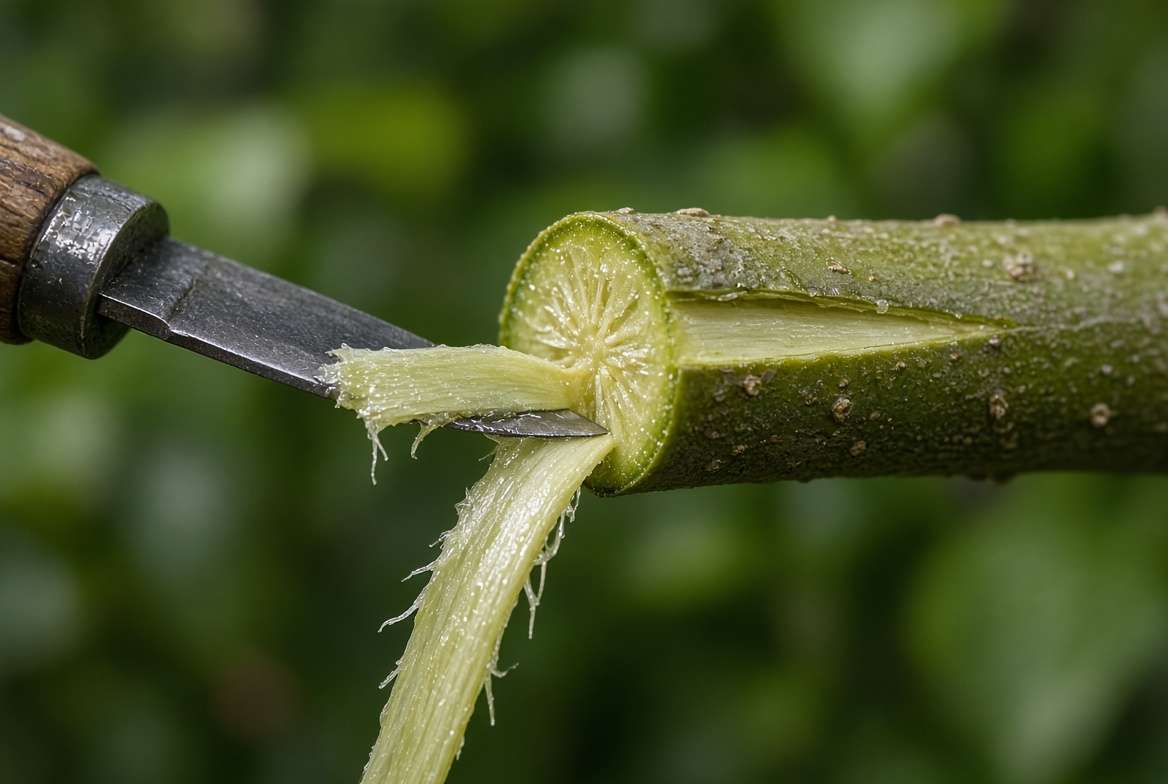
Scrape the Epidermis: The very outer layer of the bark is rough and lacks flavor. Using a sharp knife or a vegetable peeler, gently scrape away this rough, grayish outer skin until you reveal the lighter, slightly greenish-yellow inner bark.
-
Score and Peel: Carefully score a long, straight line down the length of the stem. Gently pry the inner bark away from the woody core. If harvested at the right time, this precious inner bark should peel away in long, satisfying strips.
Drying and Curling (Making Cinnamon “Quills”) 📜
Take your fresh, damp strips of inner bark and lay them out in a warm, dry, well-ventilated area that is completely shaded from direct sunlight. Direct sun will evaporate the volatile essential oils and ruin the flavor.
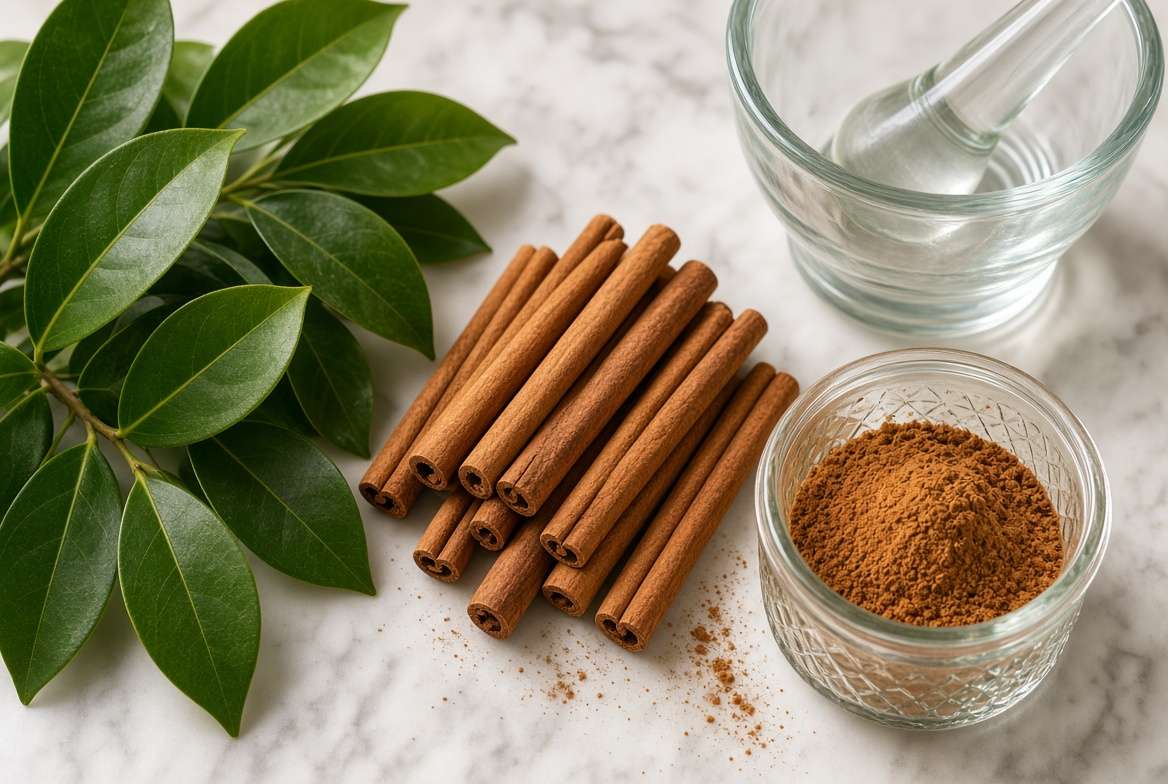
Over the next 4 to 7 days, as the moisture leaves the bark, it will naturally begin to curl inward on itself, forming those iconic, beautiful cinnamon sticks (known in the trade as “quills”). Once they are fully dry and brittle to the touch, they are ready to be ground into fresh powder or dropped directly into your teas and stews!
Expert Tips for Success 🎓
To truly master the art of growing a cinnamon tree, keep these advanced tips in your back pocket:
-
Don’t Toss the Leaves! 🍃 Cinnamon leaves are incredibly aromatic. You can dry them and use them exactly like bay leaves to flavor curries, soups, and rice dishes. They add a delicate, warm, clove-like background note to savory meals.
-
Store for Potency 🫙 Once your quills are dry, store them in an airtight glass mason jar in a cool, dark pantry. Because homegrown, freshly processed spice retains a much higher concentration of essential oils than store-bought varieties, its flavor is immensely potent.
-
The Smell Test 👃 A common misconception is that the living tree smells strongly of the spice. In reality, the leaves and bark only release their signature aroma when crushed, bruised, or cut.
Frequently Asked Questions (FAQs) 🤔
How fast does a cinnamon tree grow? With adequate light, warmth, and fertilizer, a young tree can grow 2 to 3 feet per year. However, it takes about 2 to 3 years before the stems are thick enough for a proper bark harvest.
Can a cinnamon tree survive winter? Outdoors, it cannot survive a hard freeze. If temperatures in your area drop below 40°F (4°C), you must grow the tree in a container and bring it indoors to a sunny window or greenhouse for the winter.
Can I grow a cinnamon tree from grocery store cinnamon sticks? No. Grocery store cinnamon sticks are just the dried, dead inner bark of the tree. To grow a plant, you need viable seeds, a rooted cutting, or a grafted nursery tree.
How big does a cinnamon tree get indoors? When grown in a container and regularly pruned or coppiced, you can easily maintain a cinnamon tree at a very manageable 3 to 6 feet tall, making it an excellent, bushy houseplant.
Conclusion 🌟
Growing a cinnamon tree at home is a masterclass in patience and horticultural reward. It challenges you to look beyond standard houseplants and step into the fascinating world of functional, culinary indoor gardening. From mixing the perfect well-draining soil to the deeply satisfying moment you watch your freshly harvested bark curl into perfect, aromatic quills, the journey is just as incredible as the destination.
Ready to transform your home into a tropical spice garden? Grab a high-quality Cinnamomum verum starter plant, prep your terracotta pot, and get ready to experience the unmatched flavor of truly fresh, homegrown spice.
Have you ever tried growing exotic spices at home? Let us know your biggest challenges or successes in the comments below! And if you’re looking to expand your indoor edible garden, be sure to check out our comprehensive guide on growing citrus trees in containers!