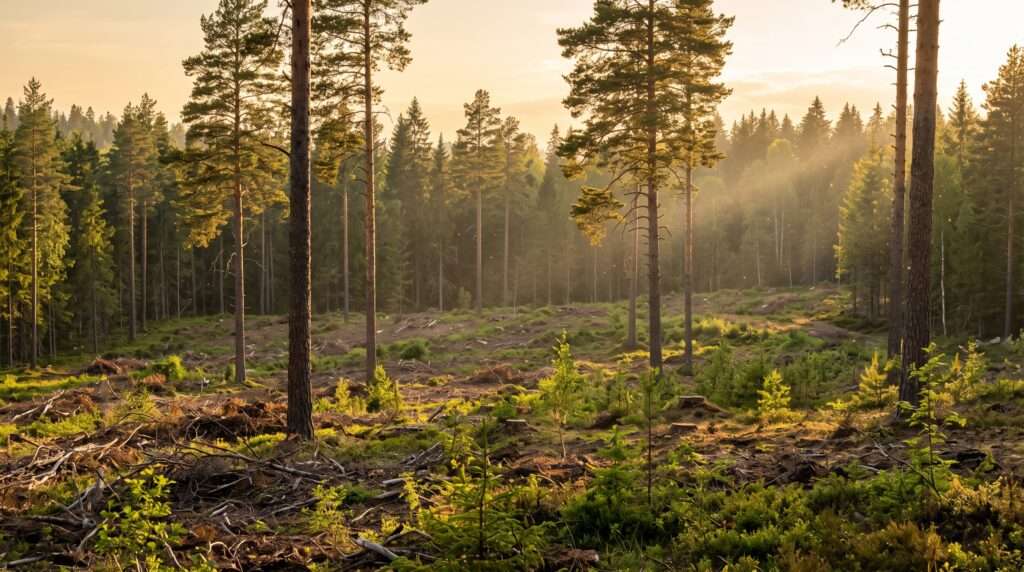
Imagine staring out at your beautiful, mature woodland. You know it’s time for a timber harvest to generate income and manage the stand, but the thought of leaving behind a barren, clearcut wasteland makes your stomach drop. On the flip side, manually replanting thousands of expensive saplings across acres of land can quickly drain your forestry profits.
Finding the middle ground between ecological health and financial return is a massive challenge for property owners. Evaluating the seed tree logging pro and cons is one of the most critical steps you can take to solve this dilemma. As specialists in plant and tree care, we have analyzed sustainable forestry methods to help you make the best decision for your soil, your trees, and your wallet.
In this comprehensive guide, we will break down exactly how the seed tree method works, which tree species benefit most, and the distinct advantages and hidden risks of this silvicultural practice. Whether you are managing a small family plot or a massive commercial acreage, here is everything you need to know about smart, natural forest regeneration. 🦉
What is Seed Tree Logging? (The Basics Explained) 📖
To understand this harvesting method, you have to look at how nature regenerates itself. Seed tree logging is a strategic even-aged forest management system designed to mimic natural stand-replacing events, like a moderate wildfire or a windstorm.
Instead of removing every single tree (clearcutting) or painstakingly picking out individual trees over decades (selective harvesting), loggers harvest the vast majority of the timber while deliberately leaving a specific number of healthy, mature trees standing. Typically, foresters leave behind 5 to 15 superior trees per acre.
These remaining trees are the “parents.” Their sole job is to drop seeds, utilizing the wind to naturally reforest the freshly cleared land around them.
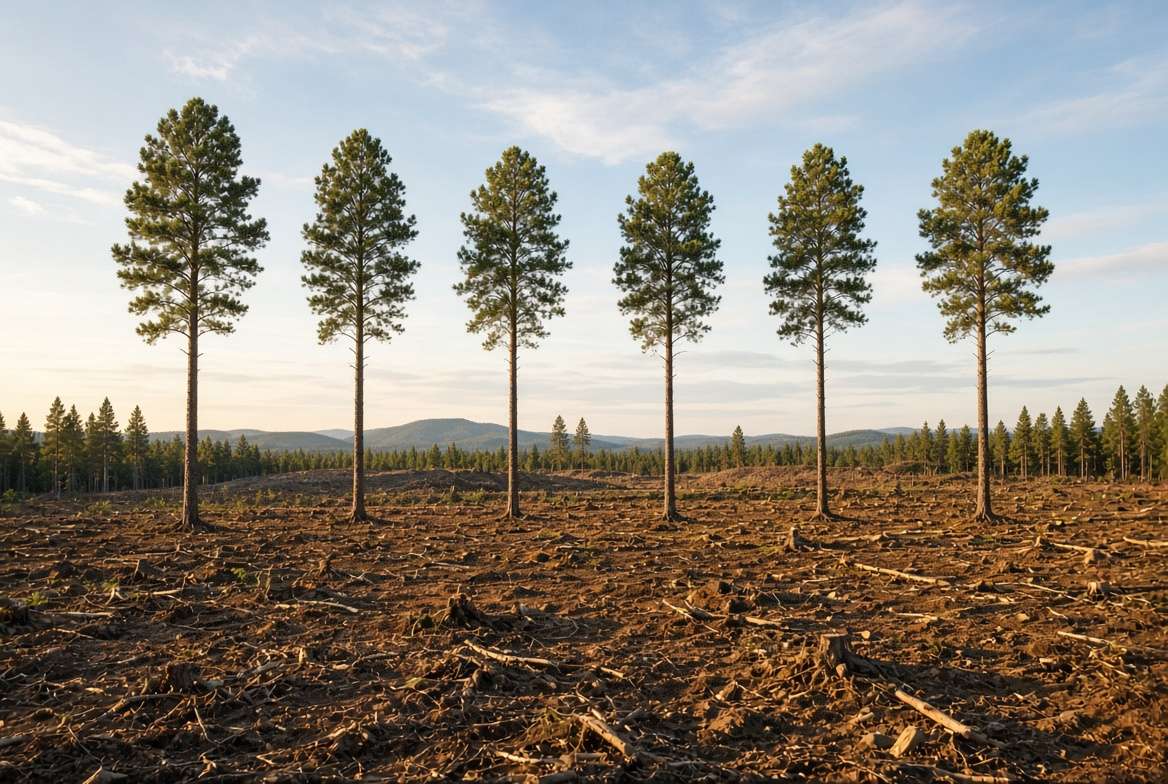
The entire process generally occurs in two distinct phases:
-
The Seed-Tree Cut: This is the primary commercial harvest. The loggers remove the bulk of the timber, leaving only the carefully selected parent trees spaced evenly across the acreage. The sudden influx of sunlight and the disturbance of the forest floor creates the perfect environment for seeds to germinate. 🌱
-
The Removal Cut: Once the parent trees have dropped their seeds and a healthy new generation of saplings has firmly established itself (usually 3 to 10 years later), loggers return to the property. They carefully harvest the remaining large parent trees, allowing the new, even-aged forest to grow without competition.
Which Trees are Best Suited for Seed Tree Logging? 🍃
Before you fall in love with the idea of natural regeneration, it is vital to understand that seed tree logging is not a one-size-fits-all solution. It only works for very specific types of trees and ecosystems.
1. Wind-Dispersed, Light-Seeded Species 🌬️
The success of this method relies entirely on gravity and wind. Therefore, it is highly effective for coniferous trees with lightweight, winged seeds.
-
Ideal Candidates: Loblolly Pine, Longleaf Pine, Shortleaf Pine, Slash Pine, Scots Pine, and some light-seeded hardwoods like Yellow Poplar or Ash.
-
Poor Candidates: Heavy-seeded trees like Oak, Hickory, or Walnut. Acorns and heavy nuts drop straight to the base of the parent tree and rely on animals (like squirrels) for dispersal. You cannot reliably reforest an entire acre of oak trees using the seed tree method. 🐿️
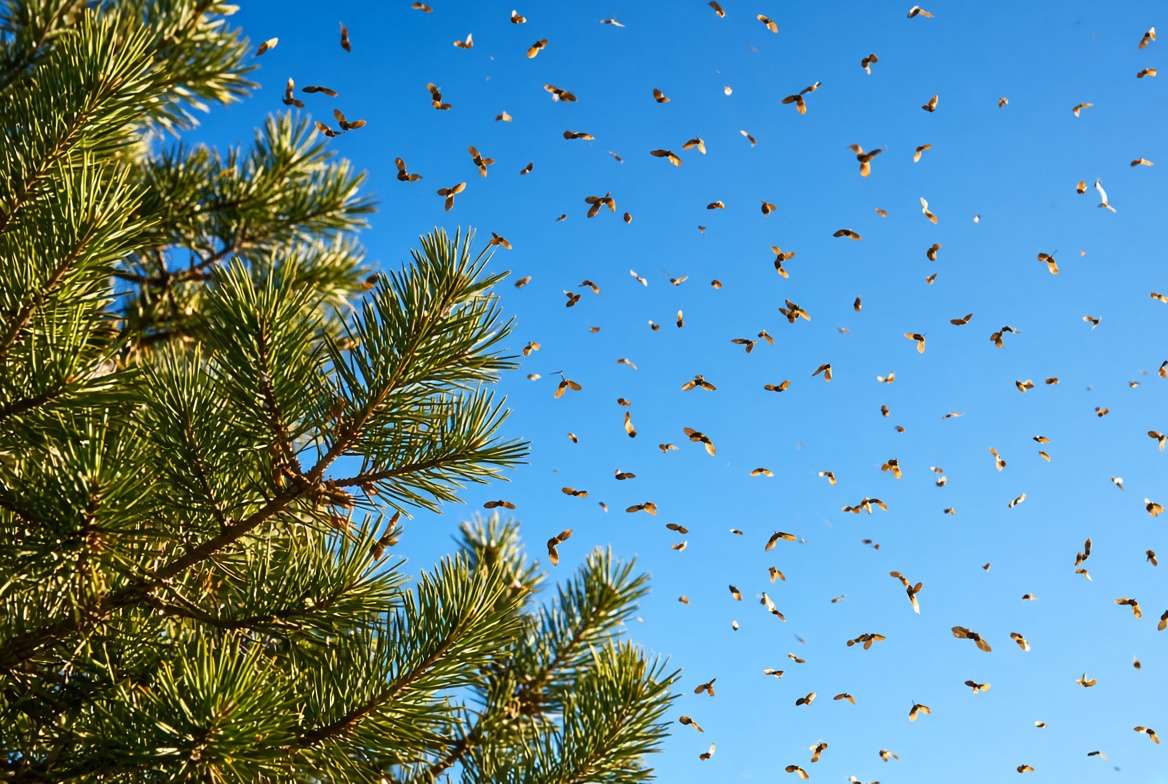
2. Shade-Intolerant Species ☀️
The saplings that emerge from the dropped seeds must be “shade-intolerant.” This means they require massive amounts of direct, full sunlight to survive and thrive. Because the seed tree cut removes the vast majority of the forest canopy, the forest floor is flooded with UV light, creating the ultimate nursery for sun-loving pine and poplar species.
The Pros of Seed Tree Logging (Why Landowners Love It) ✅
When executed correctly by a certified forester, this method offers an incredible balance of profitability, aesthetics, and ecological stewardship. Here are the primary benefits that make it a favorite among mindful landowners.
1. Massive Cost Savings on Replanting 💵
The single biggest advantage of the seed tree method is the financial savings. Hand-planting a clearcut forest is an incredibly labor-intensive and expensive endeavor. You have to purchase thousands of nursery-grown saplings, hire a planting crew, and often pay for heavy machinery to prep the site.
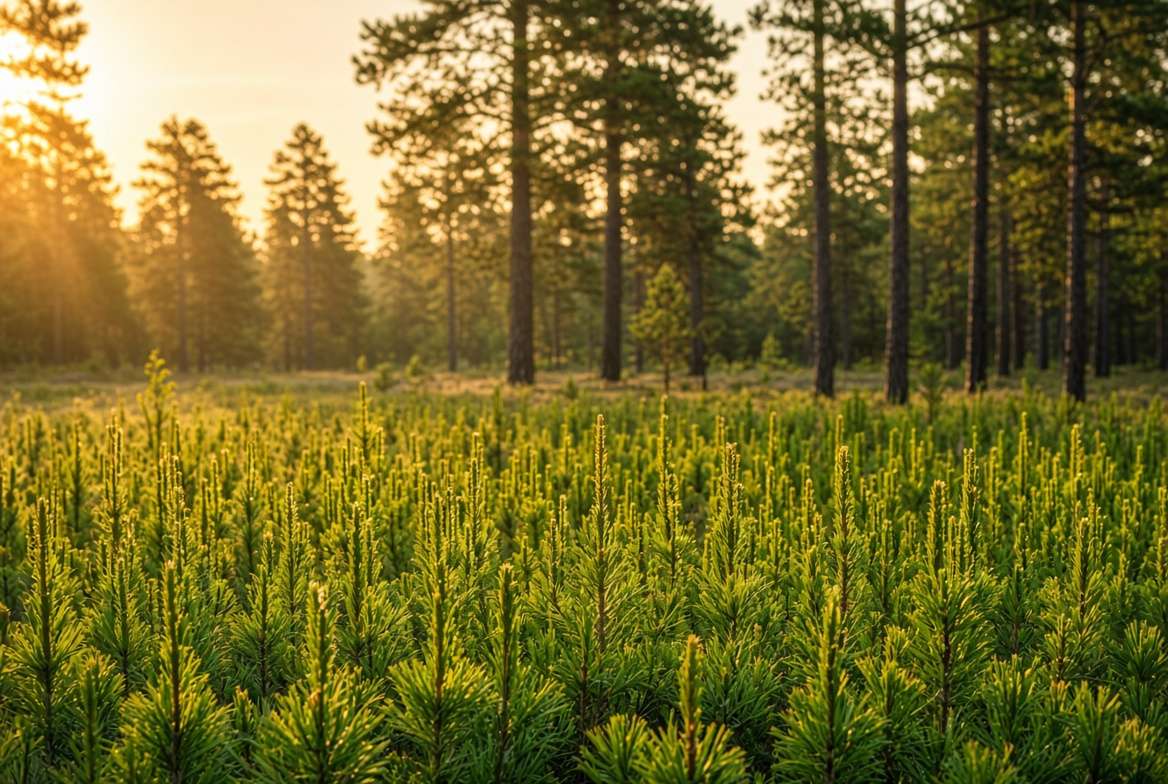
By relying on nature’s free seed dispersal, you effectively eliminate these staggering reforestation costs. The remaining parent trees do all the heavy lifting for you, dropping millions of seeds over the span of a few years completely free of charge.
2. Preserves Superior, Local Genetics 🧬
When you buy generic saplings from a commercial nursery, you are introducing foreign genetics to your land. Those nursery trees might not be perfectly adapted to your specific microclimate, soil acidity, or local pest populations.
With seed tree logging, the new forest is born from the strongest, most resilient trees already thriving on your exact property. The parent trees have already proven they can survive your local droughts, soil conditions, and native insects. By allowing these specific trees to reseed the land, you are ensuring the next generation is genetically hardwired to succeed in your unique environment. 🌳
3. Healthier Early Root Development 🪴
Nursery-grown saplings often suffer from “transplant shock.” They are grown in perfect, controlled environments, pulled from the soil, transported on trucks, and shoved into wild dirt. This can lead to stunted root systems, twisted taproots, and a slow start to growth.
Seeds that fall directly onto your forest floor and germinate naturally develop robust, undisturbed root systems from day one. They immediately anchor themselves into the native soil network, resulting in stronger, more drought-resistant young trees.
4. Aesthetically Pleasing (The “Ugly” Factor Remedied) 📸
Let’s be honest: a fresh clearcut is an eyesore. It looks devastating to the local community and can be heartbreaking for a landowner who loves their property.
The seed tree method softens this visual blow. By leaving large, majestic, mature trees standing at regular intervals, the landscape retains a park-like, structured appearance. It keeps the skyline intact and preserves the beauty of your property while the underbrush and new saplings begin their growth cycle.
5. Provides Interim Wildlife Habitat 🦅
A complete clearcut forces almost all wildlife to abandon the area. Seed tree logging, however, maintains crucial habitat structures.
The tall, remaining pines provide excellent perches for birds of prey like hawks and owls. As the forest floor erupts with new sunlight, wild grasses, native weeds, and berry-producing shrubs will quickly dominate the ground level. This sudden burst of low-level vegetation creates an absolute paradise for deer, wild turkeys, rabbits, and songbirds, offering them dense cover and abundant foraging opportunities while the new forest grows. 🦌
The Cons and Risks of Seed Tree Logging (What Can Go Wrong) ⚠️
While natural regeneration sounds like a perfect, hands-off solution, silviculture is rarely that simple. The seed tree method carries distinct risks that landowners must carefully weigh before signing a logging contract.
1. High Risk of “Windthrow” and Lightning ⚡
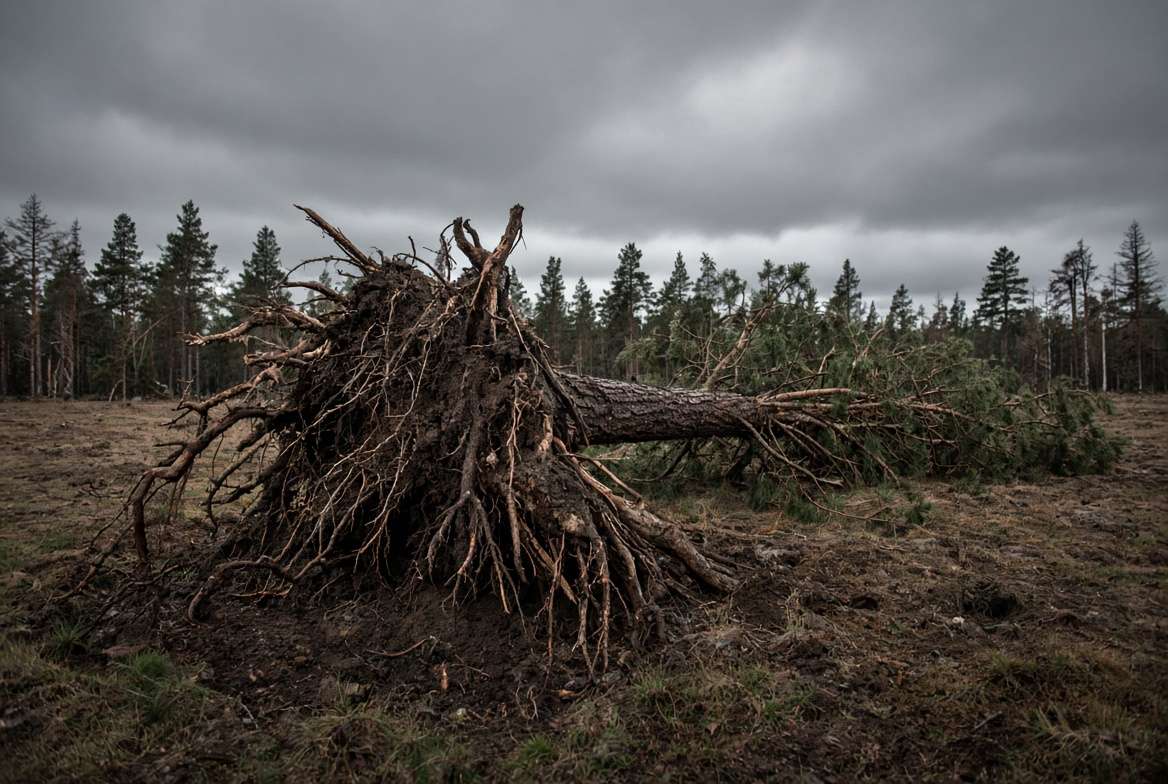
Trees that grow in a dense forest rely on their neighbors to break the force of the wind. When you suddenly remove 90% of the surrounding timber, the remaining seed trees are entirely exposed to the elements.
Because they grew up protected, their root systems and trunk flexibility are not adapted to standing alone against gale-force winds. This makes them highly susceptible to “windthrow” (being completely uprooted or snapped in half by storms). Furthermore, as the tallest solitary objects left in a clearing, they become prime targets for lightning strikes. If your parent trees are destroyed before they can drop their seeds, you will be forced to pay for manual replanting anyway. 🌪️
2. Lack of Control Over Spacing and Density 📏
Nature is beautiful, but it is not orderly. When you hire a crew to hand-plant a clearcut, they space every sapling exactly 10 feet apart, ensuring optimal growth for the future timber harvest.
With wind-dispersed seed tree logging, you are at the mercy of the breeze. Seeds might clump heavily in one corner of the property, creating an overcrowded thicket of thousands of tiny saplings fighting for water. Meanwhile, another acre might receive almost no seeds at all, leaving barren patches of dirt. If overcrowding occurs, you may have to pay for a “pre-commercial thinning” a few years later to thin out the dense clusters, which cuts into your initial cost savings.
3. The Danger of the “Removal Cut” 🚜
Remember the two-phase process? Returning to the property 3 to 10 years later to harvest the mature parent trees is logistically difficult. By this time, the ground is covered in thousands of healthy, knee-high to waist-high saplings.
Bringing heavy logging equipment—like feller bunchers and skidders—back onto the site to cut down the large parent trees inevitably results in some collateral damage. Loggers must be highly skilled to fell the big trees and drag the logs out without crushing wide swaths of your new, young forest.
4. Risk of Inferior Genetics (The “High-Grading” Trap) 📉
This is a critical warning for landowners. Less reputable logging contractors might suggest a “seed tree cut,” but their actual goal is to execute a practice called high-grading.
High-grading means the logger cuts down all the biggest, straightest, most valuable trees for maximum profit, and leaves behind the crooked, diseased, or stunted trees, claiming they are the “seed trees.” If you leave genetically inferior trees to reseed your land, your future forest will be crooked, disease-prone, and financially worthless. A true seed tree harvest requires leaving your absolute best trees behind. 🚫
Seed Tree Logging vs. Other Harvesting Methods ⚖️
To make the best forest management plan, it helps to understand how this method stacks up against clearcutting alternatives. Here is a quick comparison:
-
Seed Tree vs. Clearcutting: Clearcutting removes every tree and requires expensive artificial planting. Seed tree logging leaves a handful of mature trees to utilize natural regeneration, saving money upfront but requiring a tricky second harvest (the removal cut) later.
-
Seed Tree vs. Shelterwood Cutting: Both utilize natural regeneration. However, shelterwood cutting leaves significantly more trees behind (up to 40 per acre) to provide shade. Shelterwood is used for shade-tolerant species (like oak), whereas seed tree logging leaves very few trees to provide maximum sunlight for shade-intolerant species (like pine). ⛅
-
Seed Tree vs. Selective Logging: Selective logging is an uneven-aged management practice where individual, mature trees are harvested periodically over decades, keeping the forest canopy mostly intact. Seed tree logging is an even-aged practice that clears the canopy to birth an entirely new, uniform generation of trees all at once.
How to Successfully Implement the Seed Tree Method 🚜
If you and your forester decide this is the right path, execution is everything. Here is the step-by-step blueprint for a successful harvest and robust natural regeneration.
Step 1: Selecting the Perfect “Seed Trees” 🎯
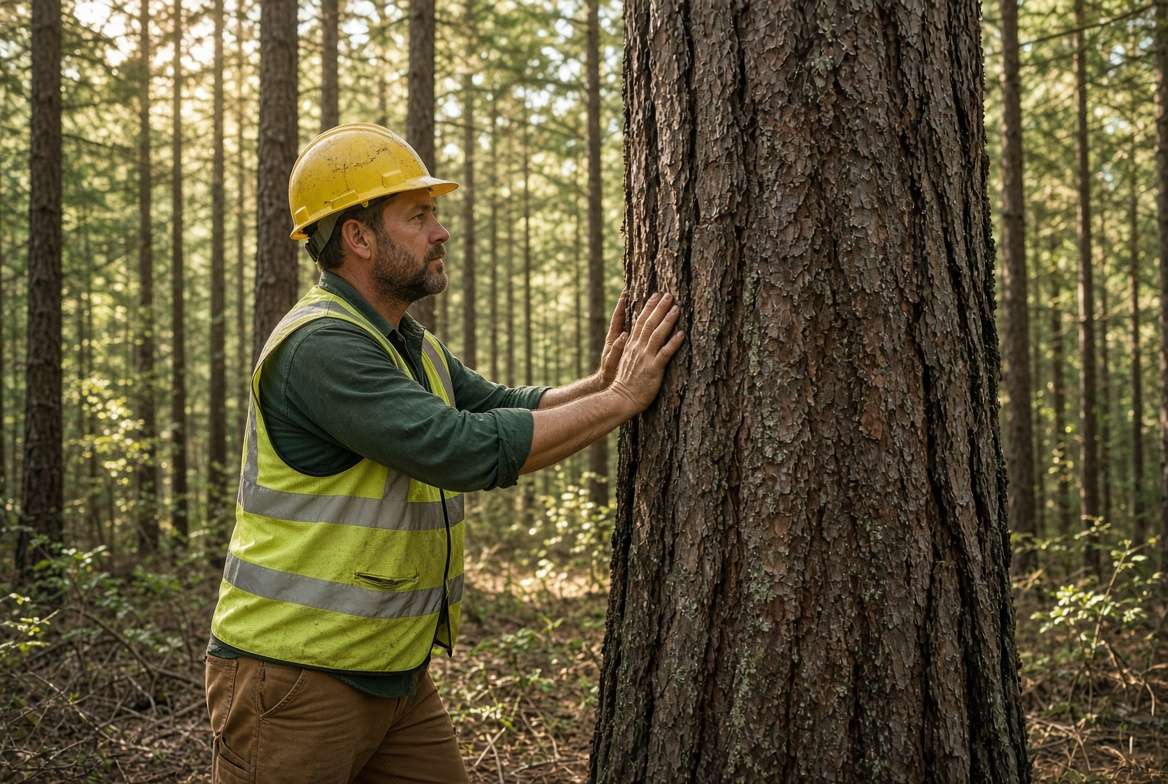
Do not let the loggers pick the parent trees; a certified forester should mark them with spray paint before the chainsaws ever start. The ideal seed tree is:
-
Wind-firm: Strong, deep taproots to resist windthrow.
-
Dominant: Tall, with a massive, wide crown (canopy). A larger canopy produces significantly more seed-bearing cones.
-
Phenotypically Superior: Perfectly straight trunks with no forks, and zero signs of rot, fungal infections, or beetle damage.
Step 2: Preparing the Seedbed 🔥
Seeds will not germinate if they fall onto a thick, dry bed of dead leaves and pine needles (known as the “duff” layer). A tiny seed must make contact with bare mineral soil to take root. To prepare the ground, foresters often recommend a controlled prescribed burn after the initial harvest to clear the debris. Alternatively, dragging heavy equipment to scarify (scratch) the soil surface works exceptionally well to expose the dirt.
Step 3: Timing the Initial Harvest ⏱️
Trees do not produce the same amount of seeds every year. Many pine species operate on a cycle, producing massive amounts of cones every 3 to 5 years (known as a “seed year” or “masting”). A smart forester will time your initial timber harvest directly prior to an anticipated heavy seed year to guarantee maximum seed drop onto the freshly cleared soil.
Step 4: Executing the Final Removal Cut 🪓
Once you inspect the land and confirm you have at least 400 to 600 healthy, well-established saplings per acre, it is time for the removal cut. Work with a logging crew experienced in delicate removals. Plan strict “skid trails” (designated paths for the tractors to drive on) so the machinery minimizes the crushing of your new forest.
Frequently Asked Questions (FAQs) ❓
How many seed trees should be left per acre? Typically, foresters recommend leaving between 5 to 15 trees per acre. The exact number depends heavily on the tree species, the size of the tree crowns, and the local wind conditions. For instance, Loblolly pines with large canopies may only require 6 trees per acre to adequately cover the ground in seeds. 🌲
Is seed tree logging bad for the environment? No, when properly managed, it is highly sustainable. It mimics natural forest-clearing events like windstorms or natural fires, which are essential for regenerating sun-loving plant species and creating early-successional habitats that many wildlife species desperately need.
How long does it take for a seed tree harvest to regenerate? The initial seed drop and germination typically take 1 to 3 years. You generally wait 3 to 10 years before the saplings are strong and abundant enough to perform the final removal cut of the parent trees.
What happens if the seed trees blow over? If a severe storm causes windthrow before the trees can drop their seeds, you lose your natural regeneration source. You will likely have to salvage the fallen timber (sell it quickly before rot sets in) and pivot to manually replanting the acreage with nursery-grown saplings. 💨
Conclusion: Is Seed Tree Logging Right for Your Forest? 🌳
Understanding the seed tree logging pro and cons is the ultimate key to smart, sustainable forest management.
If you own acreage dominated by light-seeded, sun-loving trees like Loblolly or Scots pine, and you want to avoid the massive, out-of-pocket expenses of hand-planting a clearcut, this silvicultural method is an outstanding choice. It preserves the local genetics of your strongest trees, softens the visual impact of a timber harvest, and provides incredible habitats for native wildlife.
However, you must be willing to accept the risks of windthrow, uneven seedling spacing, and the logistical puzzle of the secondary removal cut.
Your Next Step: Never navigate a timber harvest alone. Before signing any logging contracts, contact a local, state-certified forester. They will evaluate your soil, assess the health of your tree crowns, and help you determine if the seed tree method will turn your woodland into a thriving, profitable legacy for generations to come. 💚