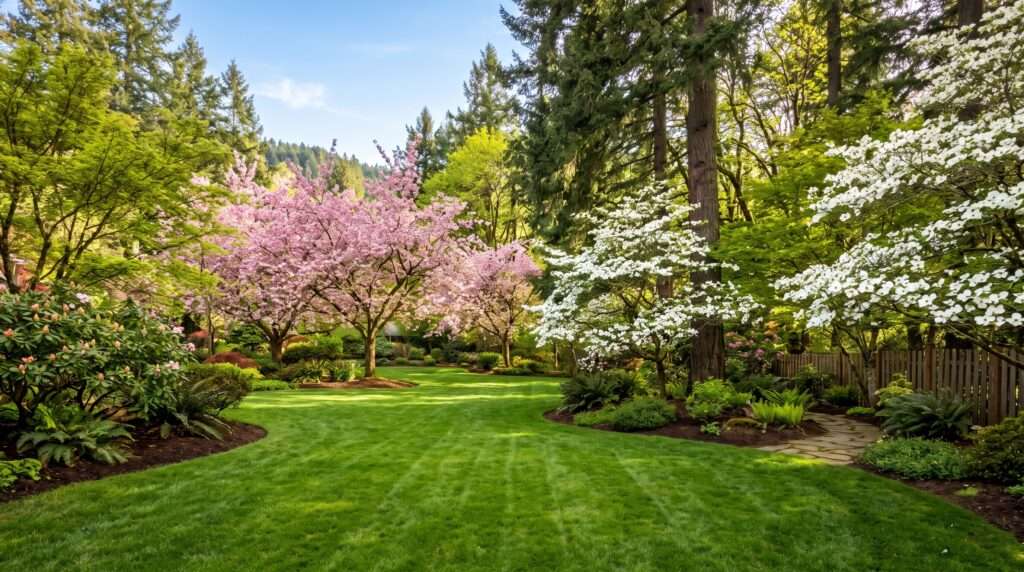
Staring at a drab, lifeless yard and wondering how to bring it to life? Transforming your landscape in the Pacific Northwest can feel like a high-stakes gamble. Finding a tree that survives Oregon’s notoriously wet, heavy winters and surprisingly parched summers is no small feat. Choose the wrong species, and you risk stunted growth, persistent disease, or worse—a dead plant and wasted money. To help you avoid these costly landscaping mistakes, we have curated the ultimate guide to the best 10 backyard flowering trees oregon homeowners can successfully grow.
We have analyzed local climate data, consulted arborist recommendations, and evaluated current online availability to bring you a handpicked list of resilient, stunning trees. Whether you are dealing with the heavy clay soils of the Willamette Valley or the arid, frosty conditions of the high desert, these selections are proven to thrive across the state’s diverse microclimates.
Below, you will find a comprehensive breakdown of top-performing trees you can order directly from Amazon today. Each recommendation is rigorously ranked for its visual impact, seasonal hardiness, and verified customer satisfaction, ensuring you can confidently choose the perfect focal point for your yard and make an informed purchase that will add beauty to your home for decades.
Buying Guide: How to Make an Informed Decision
Before adding a tree to your Amazon cart, it is crucial to understand the unique environmental factors of your specific location. Oregon is not a monolith; what thrives in Portland might struggle in Bend.
-
Understanding Oregon’s Microclimates: Oregon spans USDA Hardiness Zones 5 through 9. If you live in the Willamette Valley (Zone 8), you need trees that can handle heavy winter rain and resist fungal blights. If you live in Central or Eastern Oregon (Zones 5-6), your trees must endure freezing winter temperatures and intense summer sun.
-
Sizing and Placement: Always check the “mature height and spread” before buying. A sapling looks small now, but planting a tree that grows 40 feet tall directly under a power line or too close to your foundation will lead to expensive removal fees down the road.
-
Soil and Drainage Needs: The Willamette Valley is famous for its dense clay soil, which holds water and can drown the roots of sensitive trees. If your yard resembles a swamp in January, prioritize moisture-tolerant species or plant on a raised mound.
-
Bloom Succession: For a truly magazine-worthy landscape, do not plant trees that all bloom in April. Mix early spring bloomers (like Redbuds) with summer bloomers (like Crape Myrtles) to ensure your yard bursts with color for over half the year.
Quick Comparison Summary
To help you narrow down your choices on mobile, here is a quick three-column comparison of our top picks.
Detailed Product Reviews: The Top 10 Flowering Trees
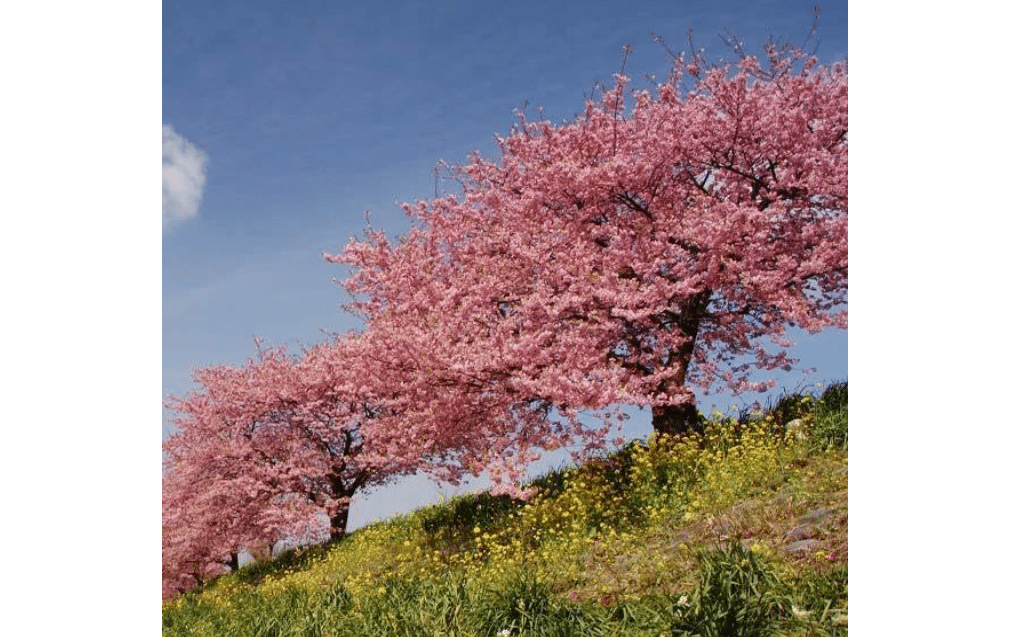
1. Kwanzan Flowering Cherry Tree (Prunus serrulata ‘Kwanzan’)
Product Description: The Kwanzan Flowering Cherry is the undisputed king of spring in the Pacific Northwest. Famous for its starring role in cherry blossom festivals, this ornamental masterpiece puts on a dramatic, cloud-like display of deep pink, carnation-like double blossoms before its leaves even emerge. As a sterile cultivar, it produces no messy fruit, making it incredibly clean for suburban yards. In autumn, the dark green leaves shift to a spectacular bronze-red, giving you two distinct seasons of high-impact visual interest.
Price: $133.99
Key Features and Benefits:
-
Produces giant, clustered double-pink blooms in mid-spring.
-
Sterile tree (no fruit drop to clean up).
-
Grows in a stunning vase shape, maximizing under-canopy space.
-
Vibrant bronze-red autumn foliage.
Pros and Cons:
-
Pros: Unmatched spring beauty; very fast-growing once established; highly visually impactful.
-
Cons: Relatively short bloom window (2-3 weeks depending on rain); susceptible to root rot if planted in pooling water.
Amazon Customer Ratings and Reviews:
-
4.5/5 Stars. Verified buyers consistently praise how well these trees are packaged for shipping. Many note that the dormant, bare-root shipments look like “just a stick” upon arrival, but explode with vigorous leaf and branch growth within the first few weeks of spring planting.
Why It’s a Good Choice for Oregon: This tree thrives in the Willamette Valley’s full sun and cool springs. As long as you plant it in a slightly elevated or well-draining pocket of soil to combat winter sogginess, it will perform beautifully.
Ideal Use Case: Perfect as a front yard centerpiece where neighborhood foot traffic can admire its spring canopy, or planted in pairs to frame a driveway.
2. Eastern Redbud (Cercis canadensis)
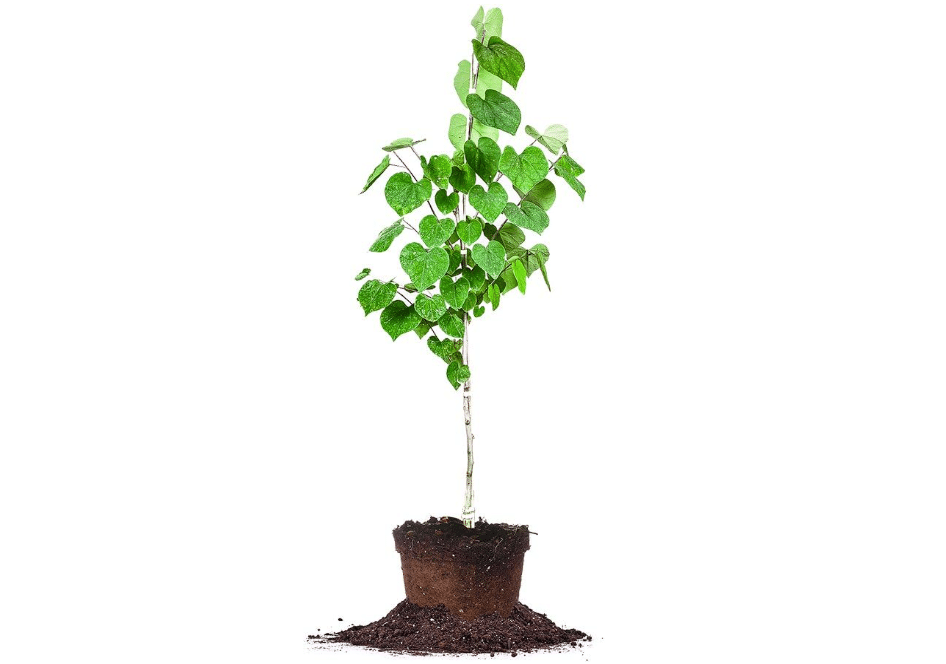
Product Description: If you want a tree that stops traffic, the Eastern Redbud is it. Before it even grows a single leaf, this striking ornamental erupts with vibrant, neon magenta-pink flowers directly along its bare branches and trunk—a rare botanical trait called cauliflory. After the spectacular early-spring floral show fades, the tree develops distinct, perfectly heart-shaped leaves that turn a soft golden-yellow in the fall. Its elegant, zigzagging branch structure adds incredible architectural interest to your landscape even in the dead of winter.
Price:
Key Features and Benefits:
-
Blooms uniquely along the main branches and trunk.
-
Heart-shaped, lush green foliage.
-
Highly adaptable to various soil types, including clay.
-
Matures to a manageable 20-30 feet with a rounded canopy.
Pros and Cons:
-
Pros: Extremely early bloomer; drought-tolerant once mature; adapts well to partial shade.
-
Cons: Branches can be slightly brittle, making it vulnerable to heavy ice storms if not pruned properly.
Amazon Customer Ratings and Reviews:
-
4.3/5 Stars. Customers love the rapid growth rate, with many stating the tree doubled in size in its second year. Some reviewers caution to water deeply during the first summer to establish the root system.
Why It’s a Good Choice for Oregon: The Redbud is incredibly versatile. It tolerates the partial shade commonly found in established, heavily wooded Pacific Northwest neighborhoods, and it easily brushes off the late spring frosts that plague higher elevations.
Ideal Use Case: An excellent choice for woodland garden edges, under the canopy of larger shade trees, or in compact urban yards needing an early pop of color.
3. Venus Dogwood (Cornus kousa x nuttallii ‘Venus’)
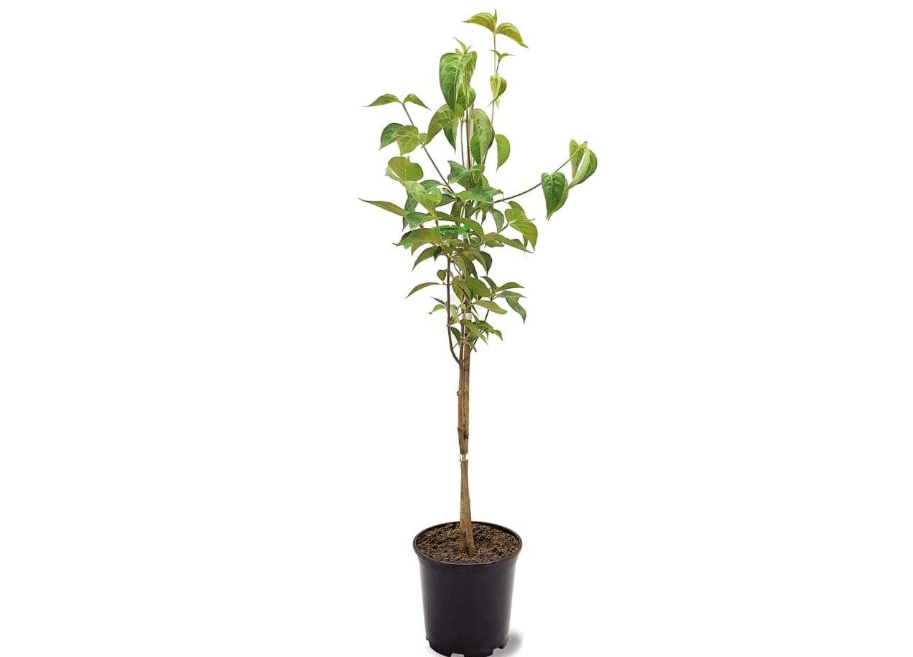
Product Description: The Venus Dogwood is a modern landscaping marvel. Bred specifically to combat the diseases that often ravage native dogwoods, this exceptional hybrid delivers massive, pillowy white blooms that can reach up to 6 inches across. The sheer size and density of the flowers make the tree look like it is blanketed in fresh snow during late spring. In late summer, it produces interesting, strawberry-like red fruits that attract local birds, followed by a brilliant display of crimson-red fall foliage.
Price:
Key Features and Benefits:
-
Unprecedented 6-inch white blossoms.
-
Highly resistant to Dogwood Anthracnose and powdery mildew.
-
Produces wildlife-friendly ornamental fruit.
-
Compact, low-branching growth habit reaching 15-20 feet.
Pros and Cons:
-
Pros: Nearly immune to common dogwood diseases; gigantic blooms; spectacular fall color.
-
Cons: More expensive to purchase than standard varieties; requires consistent watering during dry summer months.
Amazon Customer Ratings and Reviews:
-
4.6/5 Stars. Buyers frequently justify the higher price point by highlighting the tree’s incredible disease resistance and the sheer, jaw-dropping size of the first year’s blooms.
Why It’s a Good Choice for Oregon: Native dogwoods in Oregon are currently being decimated by fungal blights due to wet, cool spring weather. The Venus hybrid was bred precisely to resist these exact conditions, making it the safest and most stunning dogwood investment for a PNW yard.
Ideal Use Case: The ultimate low-maintenance focal point for a meticulously manicured landscape, Japanese-style garden, or planted near a patio where the massive blooms can be viewed up close.
4. Autumn Brilliance Serviceberry (Amelanchier x grandiflora)
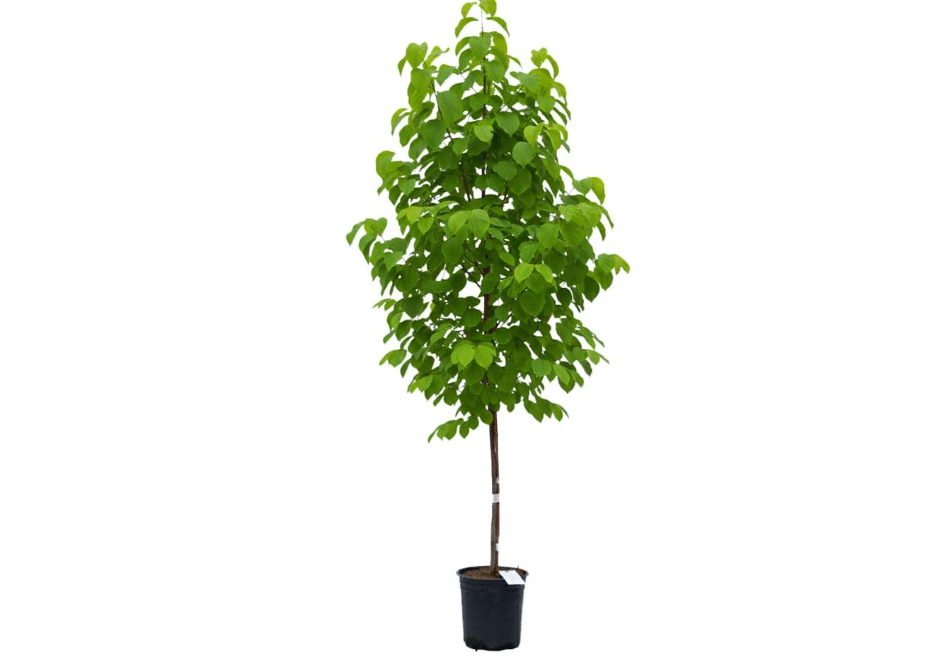
Product Description: The Autumn Brilliance Serviceberry is the unsung hero of four-season landscaping. In early spring, it produces elegant, drifting clusters of delicate white star-shaped blossoms. By early summer, these blooms give way to delicious, blueberry-like edible fruits (often harvested for jams or left to feed wild birds). But its true claim to fame happens in October, when the foliage explodes into a fiery, glowing red-orange that rivals any maple. Available in both single-trunk and multi-stemmed shrub forms, it is a versatile powerhouse.
Price:
Key Features and Benefits:
-
True four-season interest: spring flowers, summer berries, fall color, winter bark texture.
-
Edible, sweet berries attract a massive variety of songbirds.
-
Extremely cold hardy down to Zone 4.
-
Matures to a tidy 15-25 feet.
Pros and Cons:
-
Pros: Feeds local wildlife and pollinators; highly resistant to freezing; brilliant autumn foliage.
-
Cons: The birds will likely eat all the berries before you have a chance to harvest them.
Amazon Customer Ratings and Reviews:
-
4.7/5 Stars. Highly rated for its survivability. Customers in colder climates rave about its ability to withstand brutal winter freezes and bounce back with aggressive spring flowering.
Why It’s a Good Choice for Oregon: It is tough enough to survive the freezing, windswept winters of Bend and Central Oregon, while remaining perfectly content in Portland’s heavy winter rains.
Ideal Use Case: Perfect for homeowners focused on organic gardening, attracting local wildlife, or creating a naturalized, native-looking landscape border.
5. Jane Magnolia (Magnolia x ‘Jane’)
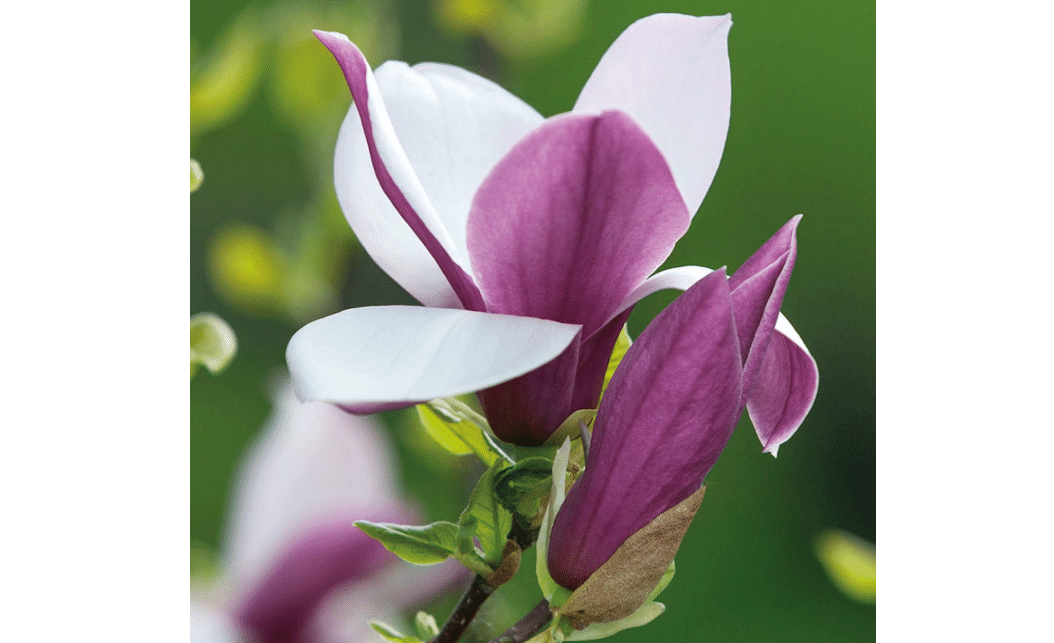
Product Description: Part of the highly acclaimed “Little Girl” series of magnolias bred by the U.S. National Arboretum, the Jane Magnolia is a stunning, compact tree designed for smaller landscapes. Right as spring hits its stride, this multi-stemmed beauty produces a profusion of striking, tulip-shaped flowers. The blooms are a deep, rich purple-pink on the outside and stark white on the inside, offering a beautiful two-toned contrast. Because it blooms a few weeks later than traditional saucer magnolias, it rarely loses its flowers to surprise spring frosts.
Price: $78.00
Key Features and Benefits:
-
Large, cup-shaped purple and white flowers.
-
Compact, shrub-like growth habit reaching only 10-15 feet tall.
-
Lightly fragrant blooms.
-
Late-spring blooming schedule.
Pros and Cons:
-
Pros: Fits perfectly into tiny yards or large patio containers; late blooms naturally dodge frost damage.
-
Cons: Has a slower growth rate compared to cherries or redbuds; requires slightly acidic soil to thrive.
Amazon Customer Ratings and Reviews:
-
4.4/5 Stars. Reviewers frequently mention the beautiful, subtle floral scent that drifts across their patios. Customers also appreciate that Amazon vendors typically ship this variety with a highly established, robust root ball.
Why It’s a Good Choice for Oregon: Oregon’s spring weather is notoriously fickle, often warming up in March only to deliver a killing frost in April. The Jane Magnolia’s later bloom time ensures its spectacular flowers are protected from these unpredictable temperature swings.
Ideal Use Case: Small patios, courtyard gardens, townhome front yards, or even planted in oversized, well-draining decorative containers.
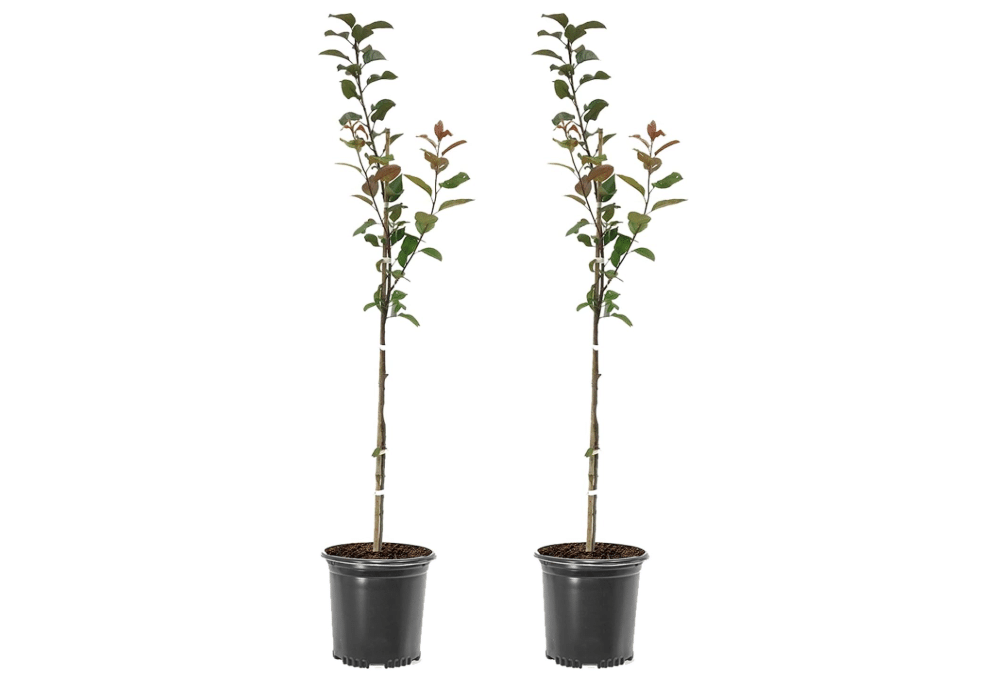
6. Snowdrift Crabapple (Malus ‘Snowdrift’)
Product Description: If you want a tree that looks like a pristine, solid cloud in the spring, the Snowdrift Crabapple is your answer. This densely rounded tree absolutely covers itself in pink buds that open into pure white blossoms, creating an incredibly heavy, breathtaking floral display. But the show doesn’t end in spring. As autumn approaches, it produces clusters of tiny, glossy, orange-red ornamental fruits that cling to the bare branches all winter long, turning your snowy yard into a picturesque feeding ground for cedar waxwings and robins.
Price: $52.99
Key Features and Benefits:
-
Produces an overwhelming volume of pure white spring flowers.
-
Highly disease-resistant cultivar (scab, cedar-apple rust, and mildew).
-
Grows a symmetrical, rounded canopy 15-20 feet tall.
-
Vibrant winter fruit provides high visual interest in the snowy months.
Pros and Cons:
-
Pros: One of the heaviest bloomers available; exceptional winter interest; highly attractive to birds.
-
Cons: Dropped fruit can become a nuisance if the tree is planted directly over a sidewalk or driveway.
Amazon Customer Ratings and Reviews:
-
4.5/5 Stars. Buyers are consistently blown away by the sheer volume of spring flowers. Many reviews from colder regions highlight that the tree arrived dormant but quickly leafed out perfectly in the spring.
Why It’s a Good Choice for Oregon: The Snowdrift Crabapple is highly tolerant of the heavy, poorly draining clay soils typical of the Willamette Valley. Furthermore, its built-in disease resistance is crucial for surviving Oregon’s wet springs without succumbing to apple scab.
Ideal Use Case: Wide open lawns where its perfectly symmetrical canopy has room to shine, or positioned where you can watch winter birds feast from your living room window.
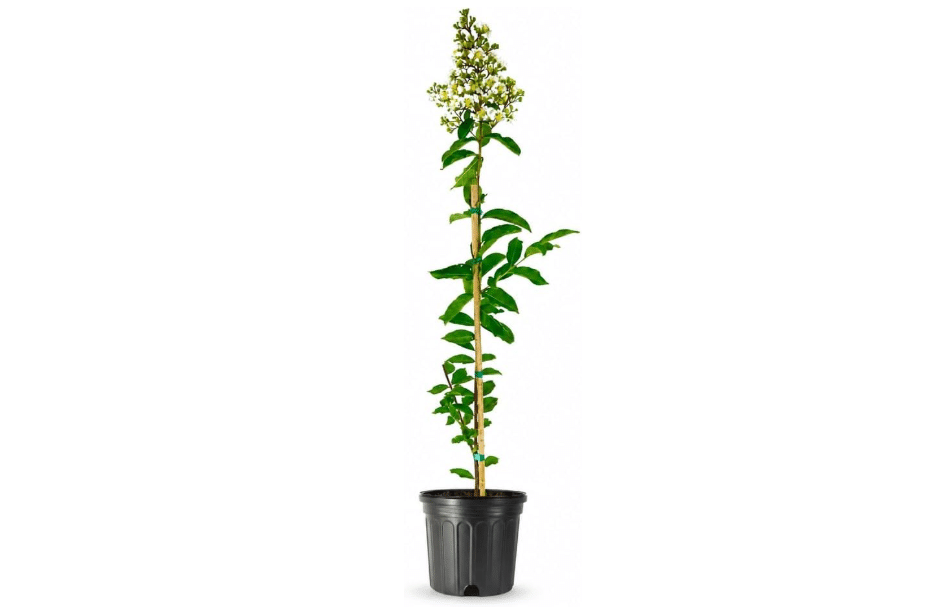
7. Natchez Crape Myrtle (Lagerstroemia ‘Natchez’)
Product Description: Known affectionately as the “Lilac of the South,” the Natchez Crape Myrtle has proven itself as an absolute star in the Pacific Northwest—provided you give it enough heat. When most other trees have finished blooming for the year, this tree explodes into massive, feathery panicles of pure white flowers that last for over three months. Just as impressive as the blooms is the tree’s bark; as it ages, the smooth trunk exfoliates (peels) to reveal a stunning, mottled cinnamon-brown underlayer that looks like a living sculpture.
Price:
Key Features and Benefits:
-
Unrivaled 100-day bloom cycle spanning mid-summer to early fall.
-
Gorgeous, peeling cinnamon-colored bark for winter interest.
-
Reaches 20-30 feet tall with a wide, umbrella-like canopy.
-
Extremely heat and drought tolerant.
Pros and Cons:
-
Pros: Provides color during the hottest months; structural bark adds architectural value; thrives on neglect once established.
-
Cons: Requires a very sunny, hot microclimate to bloom well in Oregon; late to leaf out in the spring.
Amazon Customer Ratings and Reviews:
-
4.3/5 Stars. Verified purchasers frequently highlight the aesthetic value of the peeling bark and note how quickly the tree establishes itself in hot, dry conditions.
Why It’s a Good Choice for Oregon: As Oregon summers become increasingly hot and dry, water restrictions are becoming more common. The Natchez Crape Myrtle thrives in these arid summer conditions, requiring almost zero supplemental watering once its roots are deep.
Ideal Use Case: Planted against sunny, south-facing walls, near heat-reflective driveways, or as a focal point in a drought-tolerant, water-wise landscape.
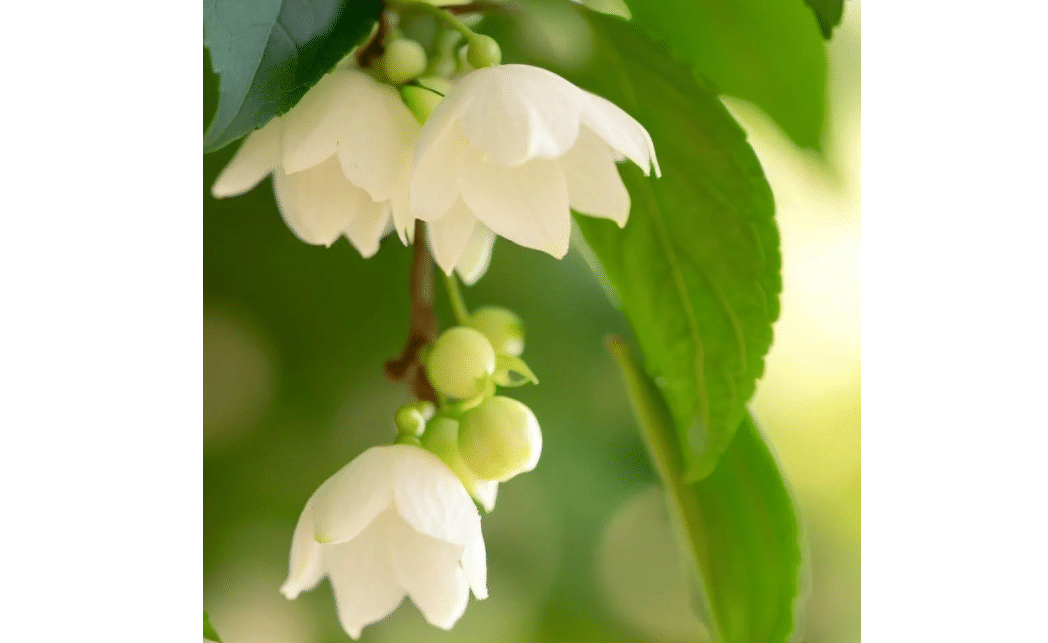
8. Japanese Snowbell (Styrax japonicus)
Product Description: For an elegant, sophisticated aesthetic, the Japanese Snowbell is unparalleled. This graceful tree features strongly horizontal branching, creating a tiered effect. In late May to June, thousands of delicately fragrant, pure white, bell-shaped flowers hang downward from the branches on short stalks. Because the leaves angle upward and the flowers hang down, the floral display is incredibly prominent and unique. It is a tree that demands to be admired up close.
Price:
Key Features and Benefits:
-
Thousands of downward-facing, white bell-shaped blooms.
-
Matures to 20-30 feet with a refined, horizontal branch structure.
-
Lush, dark green foliage that turns yellow/red in the fall.
-
Sweet, subtle fragrance.
Pros and Cons:
-
Pros: Completely unique visual texture; generally pest and disease-free.
-
Cons: Needs supplemental deep watering during Oregon’s summer droughts to prevent leaf scorch.
Amazon Customer Ratings and Reviews:
-
4.6/5 Stars. Customers rave about the magical, weeping flower structure. Reviews often note that the tree arrived from Amazon nurseries in excellent condition, with intact branches and moist soil.
Why It’s a Good Choice for Oregon: The Japanese Snowbell evolved as an understory tree, making it perform exceptionally well in the dappled sunlight created by larger native Oregon conifers, like Douglas Firs or Western Red Cedars.
Ideal Use Case: Because the flowers hang downward, this tree is best planted near patios, decks, or elevated walkways where you can look up into the canopy to appreciate the blooms.
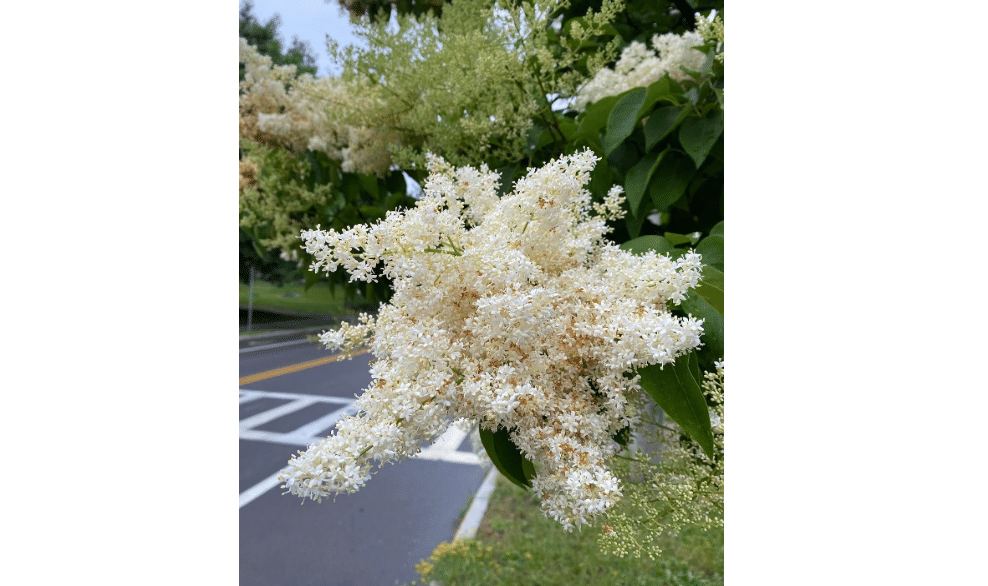
9. Ivory Silk Japanese Tree Lilac (Syringa reticulata ‘Ivory Silk’)
Product Description: For those who are obsessed with the scent of spring lilacs but want something with the grandeur and scale of a shade tree, the Ivory Silk is a must-have. This sturdy, upright specimen produces massive, foot-long panicles of creamy white blooms in early summer. The flowers emit an intoxicating, sweet honey fragrance that carries beautifully on a warm breeze. As a bonus, the tree features an attractive, reddish-brown bark with prominent horizontal lenticels, making it look remarkably like a cherry tree in the winter.
Price:
Key Features and Benefits:
-
Giant, 12-inch clusters of creamy white flowers.
-
Intense, sweet honey/lilac fragrance.
-
Grows up to 20-25 feet with a tight, oval canopy.
-
Highly attractive reddish-brown bark.
Pros and Cons:
-
Pros: Blooms in early summer to bridge the gap between spring and summer flowers; extremely cold hardy.
-
Cons: Can occasionally be prone to scale insects or borers if the tree is heavily stressed by drought.
Amazon Customer Ratings and Reviews:
-
4.5/5 Stars. Reviewers focus heavily on the fragrance, with many stating it transforms their entire yard. Customers also appreciate its tidy, non-invasive root system.
Why It’s a Good Choice for Oregon: Its exceptional cold hardiness makes it a top-tier pick for gardens in high-elevation areas or the freezing winters of Eastern Oregon, where delicate spring bloomers often fail to survive.
Ideal Use Case: Perfect as a street tree in tight suburban strips, or planted immediately adjacent to outdoor seating areas, fire pits, or bedroom windows where the summer scent can be fully enjoyed.
10. Chaste Tree (Vitex agnus-castus)
Product Description: Looking for something a little wild and entirely unique? The Chaste Tree (Vitex) is a dynamic, multi-trunked tree that brings rare blue and purple hues to the summer garden. Featuring aromatic, grayish-green leaves that smell like sage when brushed, it produces striking, 12-inch spikes of violet-blue flowers from mid-summer through early fall. Not only is it visually stunning, but those flower spikes will attract hordes of butterflies, bees, and hummingbirds to your yard.
Price: $19.79
Key Features and Benefits:
-
Produces rare, vibrant violet-blue flower spikes.
-
Aromatic, sage-scented foliage that naturally repels deer.
-
Grows rapidly to a manageable 10-15 feet.
-
Extremely drought and heat resistant.
Pros and Cons:
-
Pros: Provides hard-to-find blue/purple summer color; very low water needs; massive pollinator draw.
-
Cons: Can suffer die-back to the ground in unusually harsh, freak winter storms (though it rebounds rapidly from the roots the following spring).
Amazon Customer Ratings and Reviews:
-
4.4/5 Stars. Amazon buyers rave about its ability to attract wildlife. Many reviewers emphasize how quickly it establishes itself in poor, rocky soils where other plants have failed.
Why It’s a Good Choice for Oregon: This is the ultimate “plant it and forget it” tree for the arid, sun-baked conditions of Southern and Eastern Oregon. It scoffs at drought and thrives in poor soil.
Ideal Use Case: Xeric (water-wise) landscapes, gravel gardens, or as a vibrant centerpiece in a dedicated pollinator and butterfly garden.
Expert Tips for Planting and Caring for Amazon Trees in Oregon
Buying trees online is easier than ever, but how you treat them when they arrive dictates their success. Follow these expert tips to guarantee your Amazon tree thrives in Oregon soil:
-
Unboxing and Acclimation: Amazon trees usually arrive bare-root or in small nursery pots. Open the box immediately in a shaded area. If bare-root, soak the roots in a bucket of water for 2-4 hours before planting. If potted, water thoroughly and let the tree acclimate to your outdoor temperature in a shady spot for two days before putting it in full sun.
-
The “Mudding In” Technique: Oregon’s Willamette Valley is notorious for dense clay. When you dig your hole (twice as wide as the root ball, but no deeper), place the tree inside, backfill halfway with soil, and flood the hole with a hose until it becomes soup. This “mudding in” process eliminates all hidden air pockets that can kill young roots.
-
Summer Survival: A tree’s first two years dictate its entire lifespan. While Oregon is famous for rain, July through September are bone-dry. Buy a cheap drip hose on Amazon, spiral it around the base of your newly planted tree, and run it on a slow trickle for 30 minutes twice a week during the summer. Deep, infrequent watering builds deep, drought-resistant root systems.
Conclusion
Choosing the right flowering tree is an investment in your home’s curb appeal, property value, and your own daily happiness.
The Final Verdict: If you live in the rainy Willamette Valley and want a jaw-dropping, disease-free showstopper, the Venus Dogwood is our top premium pick. If you reside in the colder, harsher climates of Central or Eastern Oregon, the tough-as-nails Autumn Brilliance Serviceberry offers unmatched four-season beauty and resilience.
Ready to transform your landscape? Click the links above to check current Amazon inventory, view live prices, and secure your favorites before the frantic spring planting rush sells out the best stock.