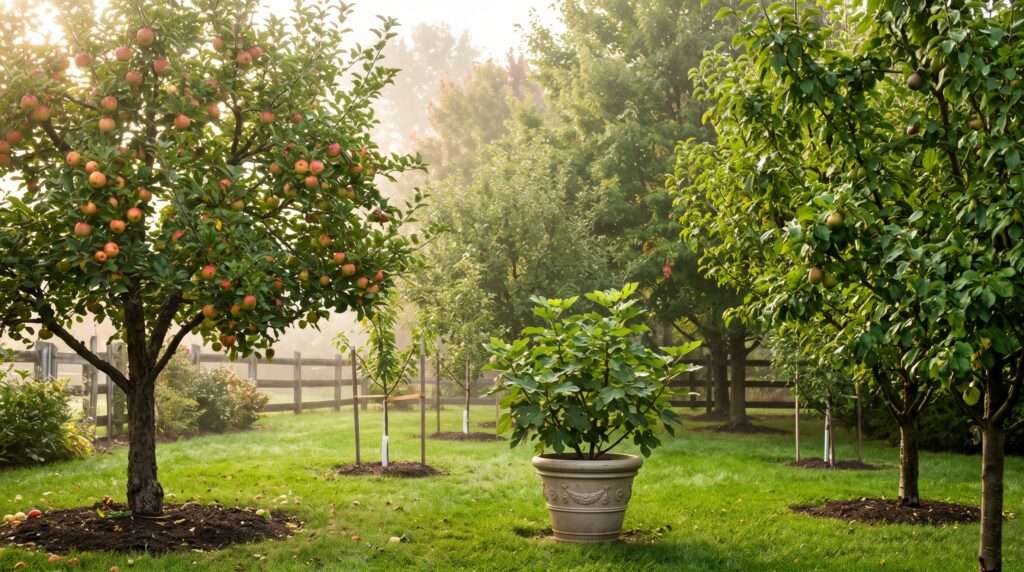
If you live in a climate where winter temperatures reliably plunge between -5°F and 0°F—and occasionally plummet to a bone-chilling -10°F—you already know the unique seasonal challenges your garden faces. This intense cold creates a massive pitfall for eager growers: planting the wrong variety almost always guarantees frostbitten blossoms, severe winter dieback, and absolutely zero harvest. By intentionally selecting from the best 10 fruit trees for zone 6b, you can bypass these expensive, heartbreaking failures and transform your backyard into a heavy-yielding, cold-resilient orchard.
The biggest obstacle for everyday buyers is that many online retailers and big-box nurseries aggressively market low-chill or tropical trees that simply cannot survive a true Zone 6b winter. To help you make a smart, informed buying decision, we have rigorously analyzed current data to bring you the definitive guide to the best 10 fruit trees for zone 6b. This comprehensive review breaks down the top-rated, most popular Amazon options based on strict chill hour requirements, inherent disease resistance, and verified customer success. Stop wasting money on trees destined to fail—read on to discover the proven, high-performing varieties that will actually thrive in your climate.
II. Quick Comparison Table
Before diving into our deep-dive reviews of the best 10 fruit trees for zone 6b, here is a mobile-friendly quick reference guide to help you compare the top options at a glance.
III. Buying Guide: How to Choose Fruit Trees for Zone 6b
Successfully growing fruit in Zone 6b requires more than just digging a hole. To make a confident, long-lasting investment, you need to understand three core concepts before you hit “Add to Cart” on Amazon:
-
Understanding Chill Hours: Zone 6b provides ample winter cold, typically generating 700 to 1,000+ “chill hours” (time spent between 32°F and 45°F). You must select tree varieties that require high chill hours (400–800+). If you plant a low-chill tree, it will break dormancy during the first mild week of early spring, only to have its blossoms destroyed by the inevitable late spring frost.
-
The Pollination Puzzle: Many popular fruit trees (like apples and certain cherries) are not self-fertile. This means they require a completely different variety of the same fruit planted nearby to cross-pollinate and produce a harvest. If you only have space for one tree, you must choose a “self-fertile” or “self-pollinating” variety (like the Stella Cherry or Chicago Hardy Fig).
-
Bare-Root vs. Potted Delivery: When ordering on Amazon, trees generally ship either bare-root (dormant, without soil) in the early spring, or potted in soil. Bare-root trees often look like dead sticks upon arrival but adapt to your native soil much faster. Potted trees give instant visual gratification but require careful watering to avoid transplant shock.
IV. Product Comparison and Reviews (Part 1)
1. Honeycrisp Apple Tree
-
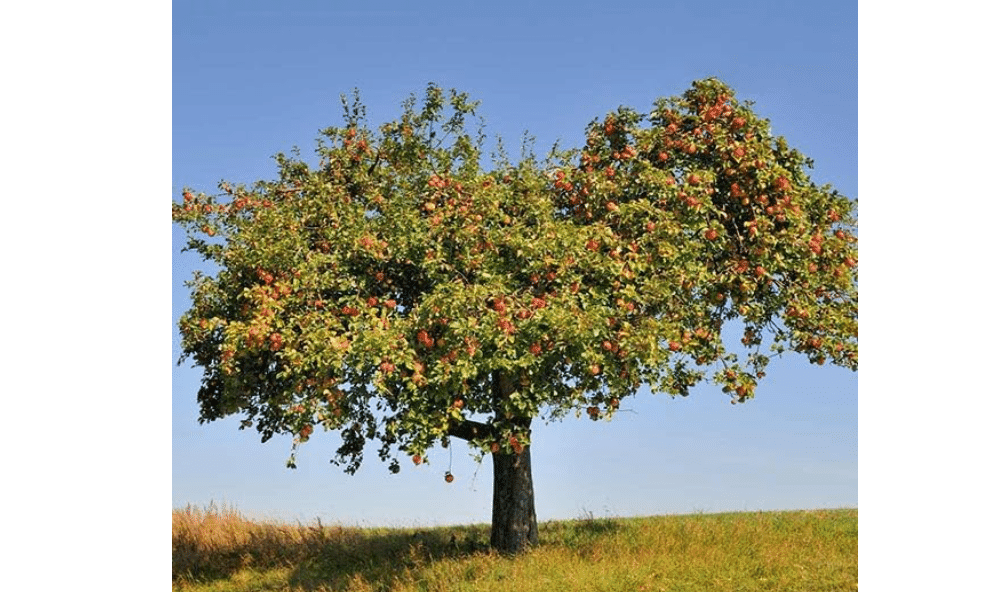
Product Description: The Honeycrisp Apple is the undisputed crown jewel of modern backyard orchards. It is a widely popular, extremely cold-hardy apple tree known for producing exceptionally crisp, sweet-tart fruit that practically explodes with juice when bitten. The fruit stores remarkably well in a standard refrigerator, often keeping its crunch for up to six months.
-
Price:
-
Key Features and Benefits: Requires 800 chill hours; harvest arrives in late September to October; highly resistant to typical winter bark damage.
-
Pros and Cons:
-
Pros: Premium, grocery-store-quality fruit; exceptional cold tolerance; long shelf life.
-
Cons: Requires a pollinator (like Gala, Fuji, or a Crabapple); slightly susceptible to cedar apple rust.
-
-
Amazon Customer Ratings and Reviews: ~4.4/5 stars. Customers consistently praise the careful packaging from top Amazon nursery sellers and note that the roots arrive healthy. Some users mention it can be a slow grower in its first year as it establishes its root system.
-
Why it’s a good choice for Zone 6b: With an 800-chill-hour requirement, it naturally waits out the unpredictable Zone 6b early spring, greatly reducing the risk of frost-damaged flowers.
-
Ideal Use Case: Homeowners looking for a classic, high-value orchard tree that yields fruit perfect for fresh eating and long-term winter storage.
2. Chicago Hardy Fig Tree
-
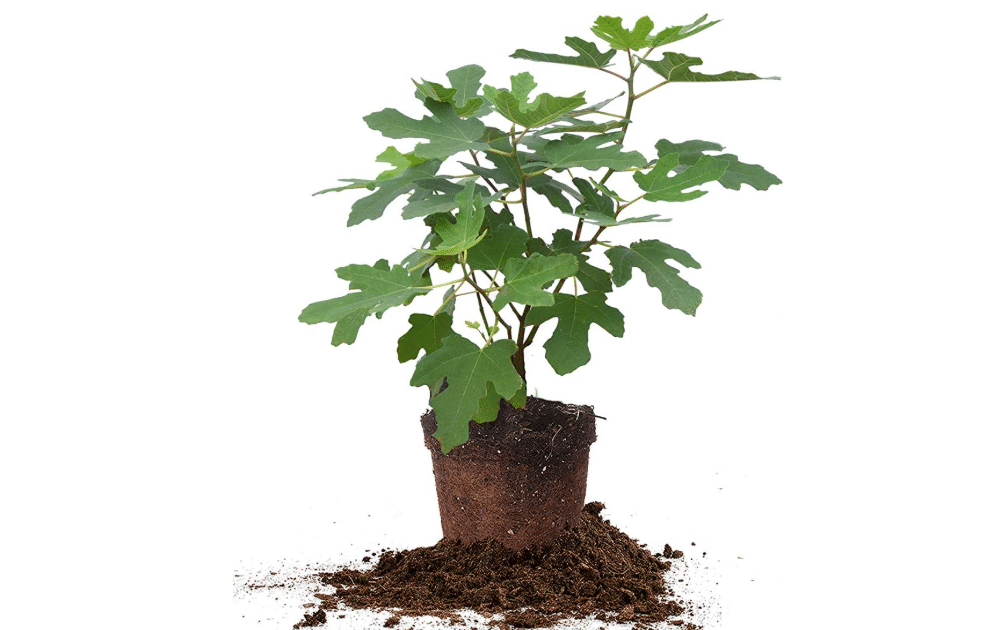
Product Description: A uniquely resilient Mediterranean fig bred specifically to withstand northern winters. Unlike traditional tropical figs, the Chicago Hardy produces rich, sweet, mahogany-colored figs even if the tree suffers winter dieback.
-
Price: $29.99
-
Key Features and Benefits: Self-pollinating; high yield capacity; aggressively rebounds from the roots if the above-ground wood freezes.
-
Pros and Cons:
-
Pros: Easiest and most reliable fig for cold climates; fast summer grower; excellent as a large patio container plant.
-
Cons: May require heavy mulching at the base or burlap winter wrapping during severe Zone 6b polar vortex events.
-
-
Amazon Customer Ratings and Reviews: ~4.5/5 stars. Reviewers are continually shocked by how quickly it shoots up from the ground in late spring, even after seemingly harsh winters.
-
Why it’s a good choice for Zone 6b: It is the undisputed king of cold-hardy figs, offering a lush, tropical vibe in a temperate zone without the need for a heated greenhouse.
-
Ideal Use Case: Urban gardeners or patio growers wanting exotic, sweet fruit. It is perfect for large containers or planting against a sheltered, south-facing brick wall.
3. Stella Sweet Cherry Tree
-
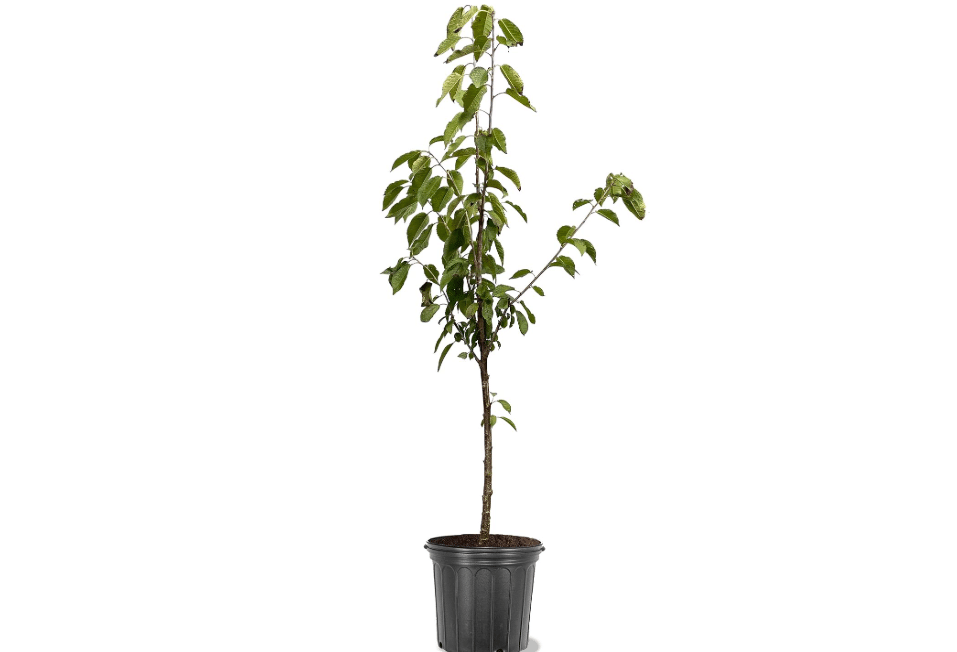
Product Description: The Stella is a heavy-producing, vigorously growing sweet cherry tree that yields large, heart-shaped, dark red fruit with incredibly firm, sweet flesh. It revolutionized the cherry industry by being one of the first truly self-fertile sweet cherries.
-
Price:
-
Key Features and Benefits: Requires 400 chill hours; harvests in June/July; completely self-fertile (no partner tree needed).
-
Pros and Cons:
-
Pros: Does not require a second cherry tree to produce fruit; features a somewhat compact growth habit that fits into suburban yards.
-
Cons: Birds love the fruit just as much as humans do, meaning bird netting is almost mandatory right before harvest.
-
-
Amazon Customer Ratings and Reviews: ~4.3/5 stars. Buyers highly rate the convenience of needing only one tree for a full cherry harvest. Many praise the stunning white blossoms that appear in spring.
-
Why it’s a good choice for Zone 6b: Its bloom time perfectly aligns with Zone 6b spring warming, and its self-pollinating nature saves valuable lawn space.
-
Ideal Use Case: Small backyards with limited space where planting multiple fruit trees isn’t an option.
4. Contender Peach Tree
-
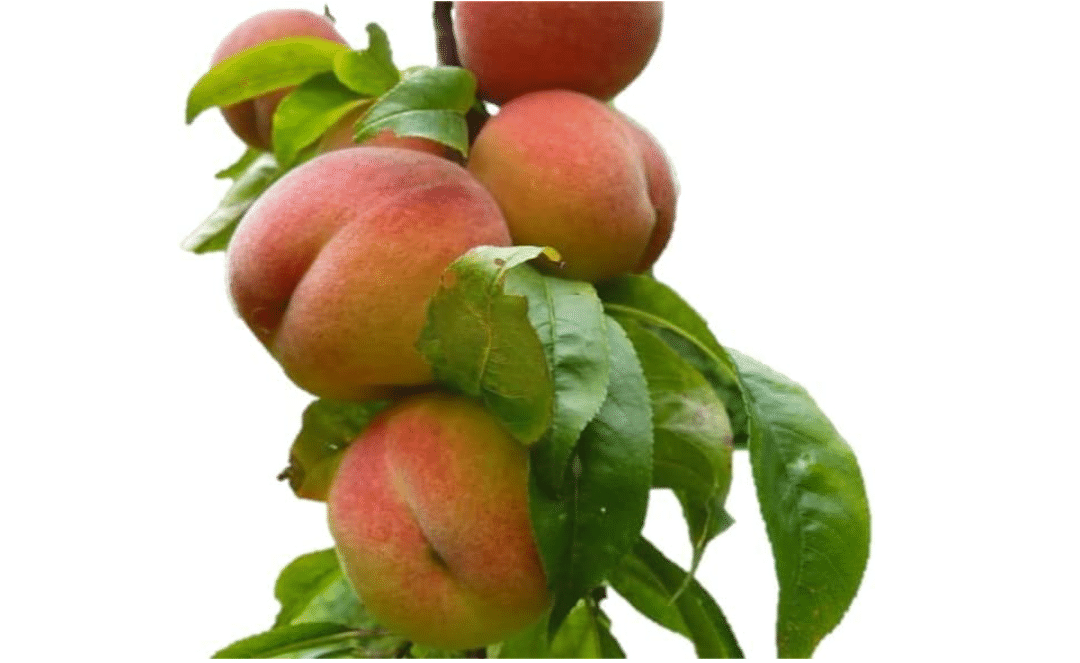
Product Description: Growing peaches in the north is historically risky, but the Contender Peach was explicitly bred for cold northern climates. It yields incredibly sweet, juicy, medium-to-large freestone peaches (meaning the pit easily falls away from the flesh).
-
Price:
-
Key Features and Benefits: Notably late bloomer; exceptionally high bud hardiness (can survive sub-zero winter temperatures); self-pollinating.
-
Pros and Cons:
-
Pros: Avoids late spring frosts by blooming significantly later than other peach varieties; excellent for fresh eating and canning.
-
Cons: Because it is a heavy producer, it requires aggressive annual pruning and fruit thinning to maintain large fruit size and prevent branches from snapping.
-
-
Amazon Customer Ratings and Reviews: ~4.6/5 stars. This tree is highly rated by northern growers for actually producing fruit in areas where traditional Georgia peaches fail.
-
Why it’s a good choice for Zone 6b: Peach blossoms are notoriously vulnerable to late spring frosts. The Contender’s delayed blooming schedule is its superpower, protecting your future harvest from unexpected cold snaps.
-
Ideal Use Case: Growers who want reliable summer stone fruit for baking and canning in regions prone to unpredictable spring freezes.
5. Bartlett Pear Tree
-
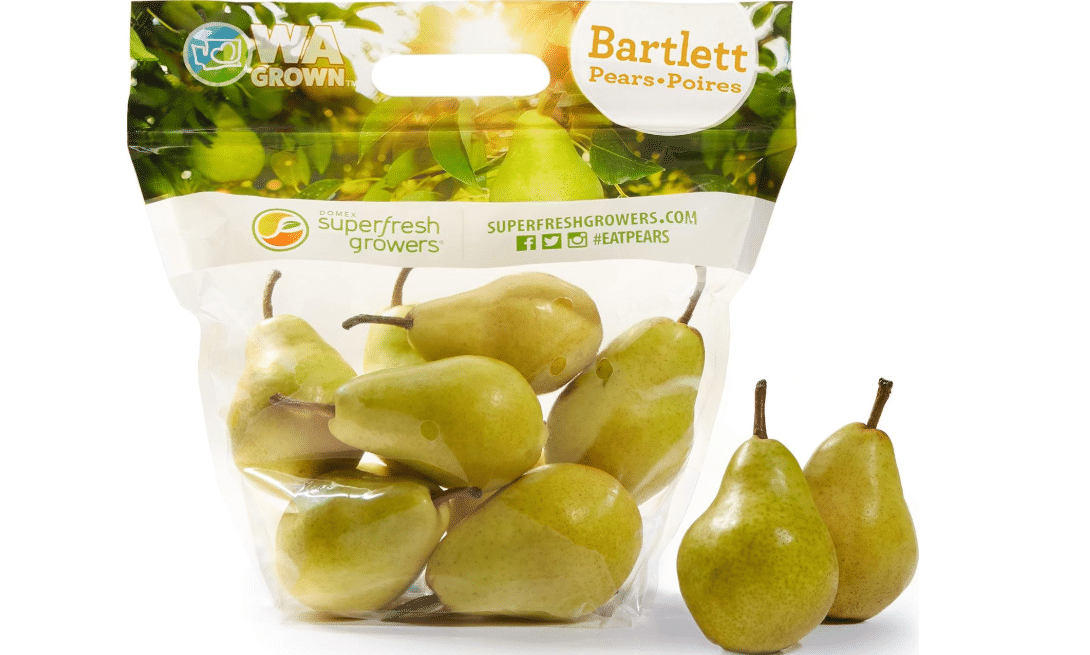
Product Description: The Bartlett Pear is the quintessential American pear tree. If you’ve ever eaten a soft, buttery, and incredibly sweet pear from a grocery store or a canned fruit cocktail, it was likely a Bartlett. This tree produces classic bell-shaped, golden-yellow fruit that softens to perfection off the branch, offering a melt-in-your-mouth texture.
-
Price: $4.74
-
Key Features and Benefits: Highly adaptable to the midwestern and northeastern climates; bears fruit remarkably young (often producing a harvest in just 3 to 4 years); partially self-fertile.
-
Pros and Cons:
-
Pros: Highly recognizable and versatile fruit (excellent for fresh eating, canning, and baking); fast to bear fruit.
-
Cons: Susceptible to fire blight (a common bacterial disease in wet springs); yields heavily increase if paired with another pear tree.
-
-
Amazon Customer Ratings and Reviews: ~4.4/5 stars. Customers frequently commend its rapid growth rate upon planting. Many buyers appreciate that bare-root Bartlett shipments from top Amazon sellers leaf out very quickly in the spring.
-
Why it’s a good choice for Zone 6b: It is inherently cold-hardy and thrives in the distinct, sharp seasonal shifts of Zone 6b, requiring the cold winter rest to set its heavy spring bloom.
-
Ideal Use Case: Traditional orchardists, homesteaders, and families wanting a reliable, multi-purpose harvest for pantry stocking and fresh summer snacking.
6. Gala Apple Tree
-
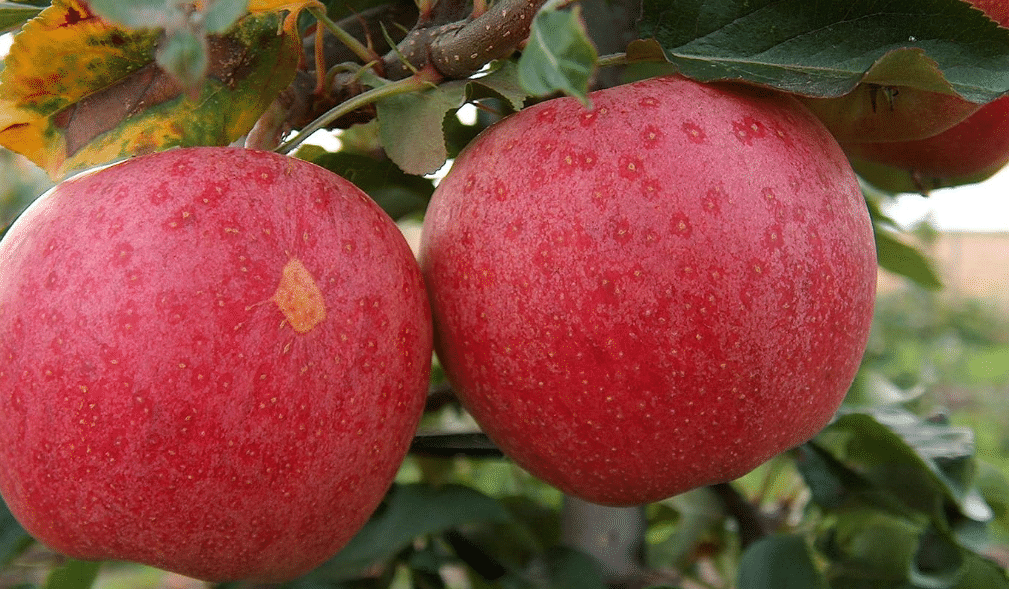
Product Description: A fast-growing, highly vigorous tree producing crisp, aromatically sweet apples famous for their beautiful red-orange striped skin. The Gala is a staple in both commercial orchards and backyard gardens due to its reliable, heavy yields and universally loved, kid-friendly flavor profile.
-
Price:
-
Key Features and Benefits: Requires 500 chill hours; late August to early September harvest; serves as a universal pollinator for many other apple trees.
-
Pros and Cons:
-
Pros: Extremely heavy producer; acts as a fantastic pollinator for varieties like Fuji, Honeycrisp, and Granny Smith.
-
Cons: Shorter storage life compared to late-season apples (they will get mealy if kept in the fridge for more than a couple of months).
-
-
Amazon Customer Ratings and Reviews: ~4.5/5 stars. Praised for arriving healthy, branching out quickly in the first summer, and establishing deep root systems with minimal fuss.
-
Why it’s a good choice for Zone 6b: It easily meets its 500 chill hour requirements in Zone 6b, while its early harvest window ensures the fruit ripens well before the first unpredictable early fall freezes arrive.
-
Ideal Use Case: Families wanting sweet, crunchy apples fresh off the branch in late summer, or orchardists needing a strong pollinator tree to boost the yields of their other apple varieties.
7. Santa Rosa Plum Tree
-
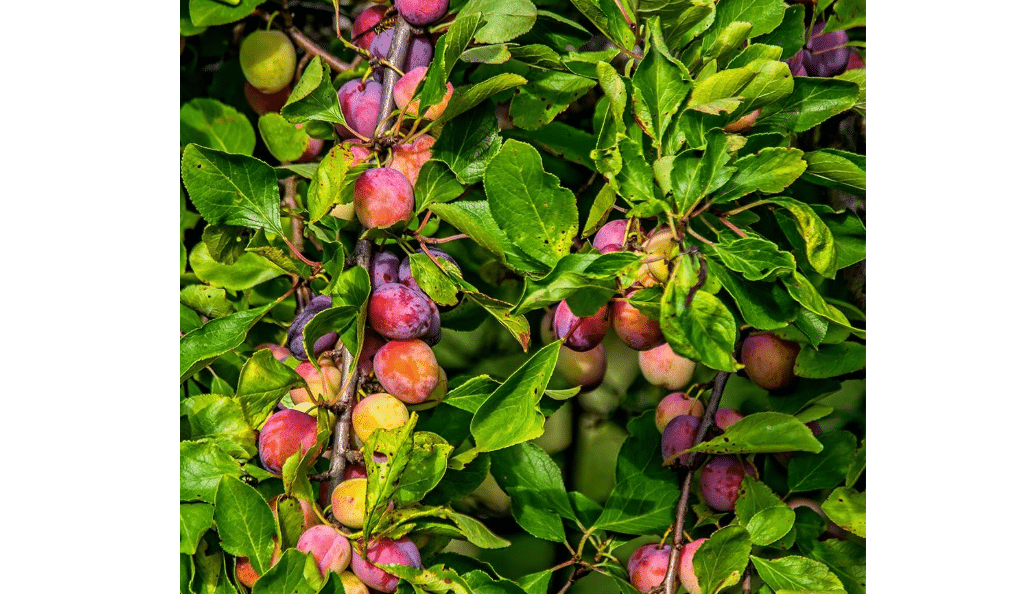
Product Description: The Santa Rosa is a stunning, highly productive Japanese plum tree that yields beautiful purplish-red fruit with an amber, juicy, sweet-tart flesh. Beyond its fruit production, it serves as a spectacular landscape tree, erupting in a cloud of fragrant white blossoms early in the spring.
-
Price:
-
Key Features and Benefits: Produces fragrant spring flowers followed by rich summer fruit; partially self-fertile; known for being a vigorous, fast-growing tree.
-
Pros and Cons:
-
Pros: Doubles as a breathtaking ornamental tree; offers a complex sweet-tart flavor profile highly prized by bakers and jam makers.
-
Cons: While partially self-fertile, it performs exponentially better with a second plum tree (like the Methley) nearby to maximize the yield.
-
-
Amazon Customer Ratings and Reviews: ~4.3/5 stars. Reviewers highlight the robust foliage and fast summer growth, though some note it requires patience, often taking 3-5 years to produce its first major harvest.
-
Why it’s a good choice for Zone 6b: It showcases excellent adaptability, perfectly balancing the necessary winter cold-hardiness with an ability to handle the sweltering late-summer heat typical of Zone 6b.
-
Ideal Use Case: Gardeners looking for a dual-purpose tree that provides both front-yard landscaping beauty and edible summer fruit.
8. Moonglow Pear Tree
-
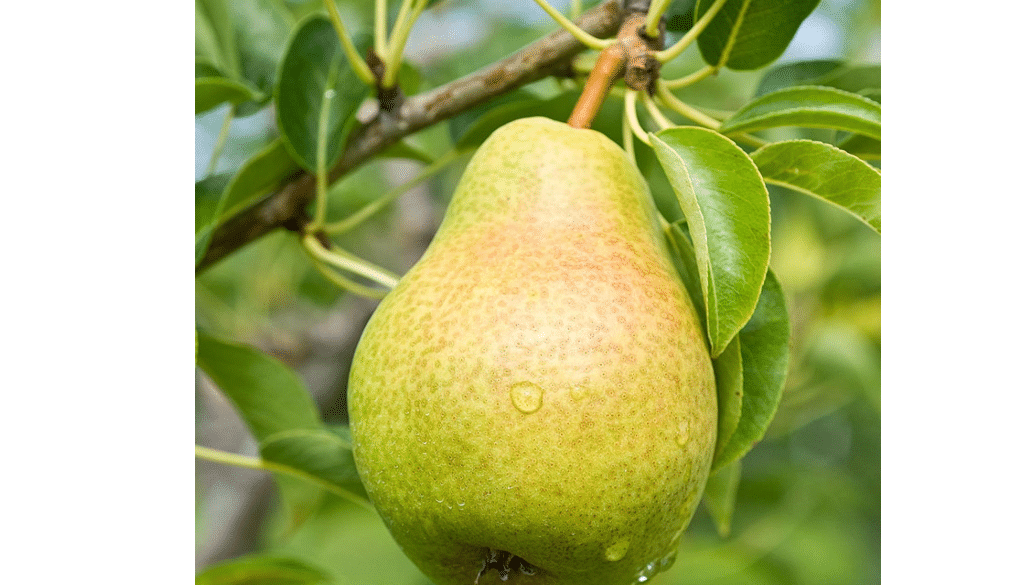
Product Description: The Moonglow Pear is a robust, incredibly tough tree that produces soft, juicy, mildly flavored fruit. It was specifically bred to solve the biggest problem pear growers face: fire blight. This tree acts as an armored shield in your orchard, resisting diseases that typically ravage other varieties.
-
Price: .
-
Key Features and Benefits: Near-total immunity to fire blight; an excellent cross-pollinator for Bartlett pears; upright growth habit.
-
Pros and Cons:
-
Pros: Extremely low maintenance regarding chemical disease control; fruit stores incredibly well in cold storage.
-
Cons: To achieve the best texture, the fruit must be picked while still green and hard, then ripened indoors (tree-ripened pears can become gritty).
-
-
Amazon Customer Ratings and Reviews: ~4.7/5 stars. Top-rated by Amazon buyers specifically for its survivability. Users who have lost other trees to disease often report the Moonglow thrives effortlessly in the exact same spot.
-
Why it’s a good choice for Zone 6b: Wet springs in Zone 6b are breeding grounds for bacterial diseases. The Moonglow’s extreme resistance makes it one of the lowest-maintenance trees for this specific climate.
-
Ideal Use Case: Organic gardeners or beginners who want to grow fruit completely spray-free and avoid the hassle of chemical fungicides.
9. Methley Plum Tree
-
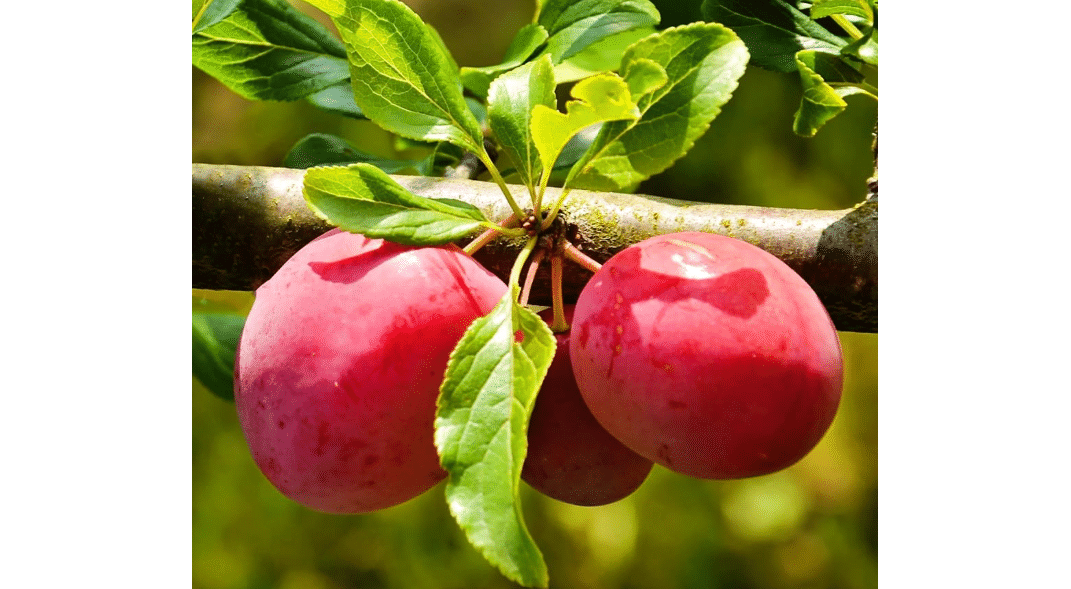
Product Description: A gorgeous, early-ripening Japanese plum variety that produces cascades of white blossoms followed by heavy clusters of reddish-purple fruit. The flesh inside is a striking, sweet, juicy red that is completely irresistible right off the branch.
-
Price:
-
Key Features and Benefits: Completely self-fertile; ripens very early in the summer season; highly attractive to vital spring pollinators like mason bees.
-
Pros and Cons:
-
Pros: Requires no pollinator tree to produce a massive harvest; highly productive and visually stunning.
-
Cons: It blooms very early in the spring, making it occasionally susceptible to late frosts if not planted in a sheltered microclimate.
-
-
Amazon Customer Ratings and Reviews: ~4.4/5 stars. Customers love the early-season harvest, often reporting that it is the very first tree in their yard to offer fresh fruit each summer.
-
Why it’s a good choice for Zone 6b: It provides one of the earliest fresh fruit harvests of the year in Zone 6b, beating the intense mid-summer heat and insect pressure.
-
Ideal Use Case: Impatient gardeners who want the earliest possible stone fruit harvest and have a protected, south-facing spot in their yard to shield early blooms from late frosts.
10. Bing Sweet Cherry Tree
-
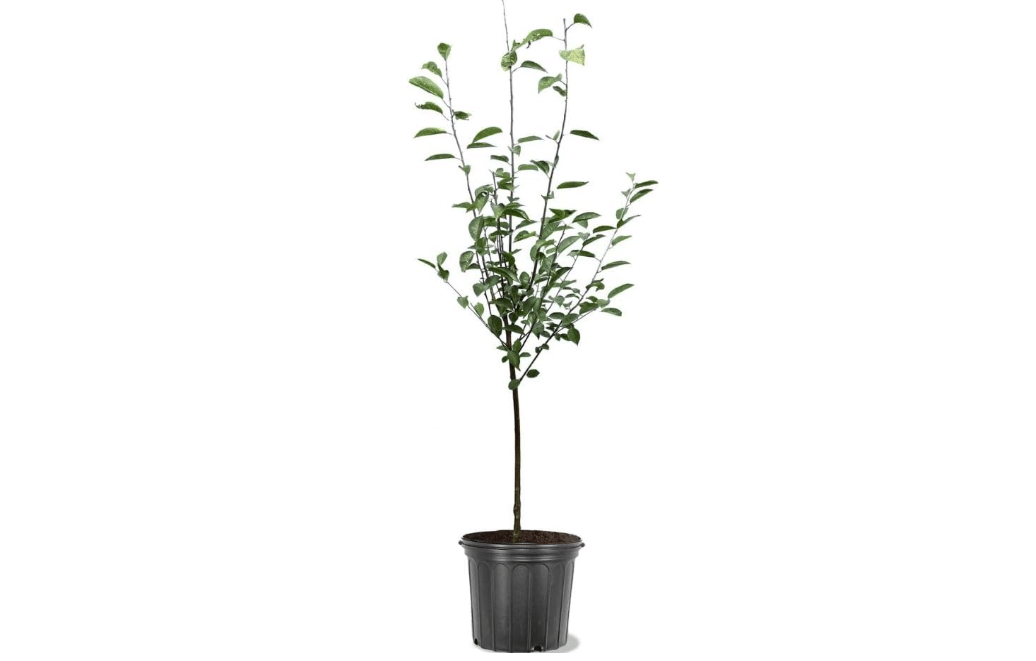
Product Description: The Bing Cherry is the absolute industry standard for sweet cherries. When you buy a bag of premium, dark, expensive cherries at the grocery store, you are usually buying Bings. It produces large, firm, intensely sweet mahogany cherries with an unforgettable snap when bitten.
-
Price: .
-
Key Features and Benefits: Requires 700 chill hours; harvests in mid-summer (June to July); sets the standard for commercial cherry flavor.
-
Pros and Cons:
-
Pros: Incredible flavor, size, and firmness; highly productive once established in the soil.
-
Cons: Strictly requires a cross-pollinator to produce fruit. You must plant it near a compatible variety (like Lapins or Stella, but notably not Rainier, as they do not pollinate each other well).
-
-
Amazon Customer Ratings and Reviews: ~4.2/5 stars. Reviewers emphasize that the fruit quality is unbeatable, though some dock points because they did not read the instructions and failed to plant a pollinator tree.
-
Why it’s a good choice for Zone 6b: It strictly requires the heavy, prolonged winter chill that Zone 6b perfectly provides, ensuring a strong, reliable fruit set come spring.
-
Ideal Use Case: Dedicated orchardists willing to plant multiple cherry varieties to achieve the ultimate premium harvest in their backyard.
V. Wrap-Up & Next Steps
When investing in the best 10 fruit trees for zone 6b, your success comes down to matching the tree to your specific space and commitment level.
-
Top Pick for Beginners: If you want a nearly foolproof experience with grocery-store-quality results, the Honeycrisp Apple is our top recommendation for its extreme cold hardiness and universal appeal.
-
Top Pick for Small Spaces: If you have a small suburban yard and only have room for a single tree, the Stella Sweet Cherry or the resilient Chicago Hardy Fig are the undisputed champions since neither requires a second tree to produce a massive harvest.
Before You Buy: Remember that a bare-root or newly potted tree is vulnerable during its first year. When checking out on Amazon, we highly recommend adding a bag of high-quality organic fruit tree soil, a slow-release fruit fertilizer spike, and a plastic tree guard to protect the young trunk from rabbits and mice during that harsh Zone 6b winter. Plant smart, protect your investment, and get ready to enjoy decades of fresh, backyard fruit!