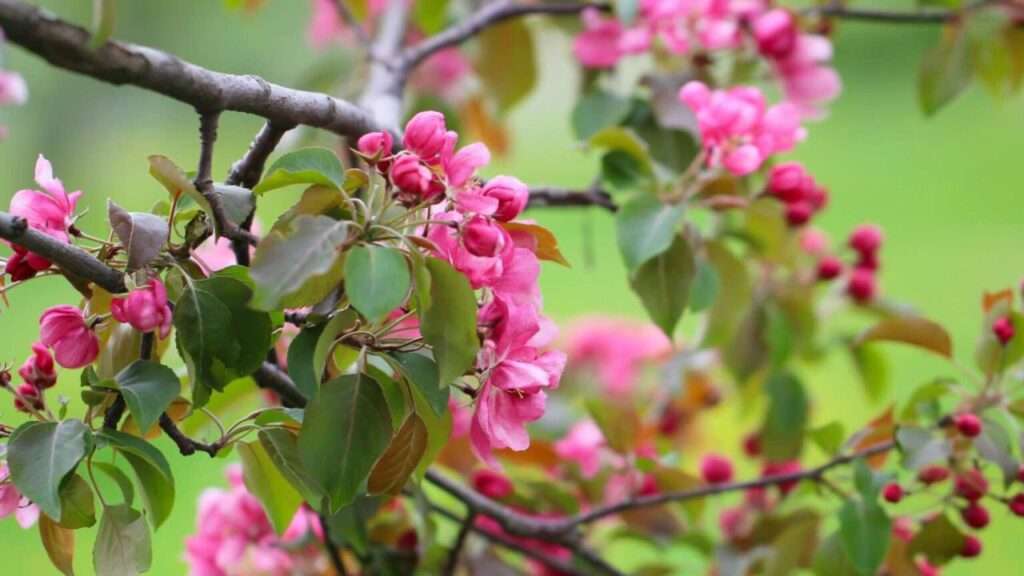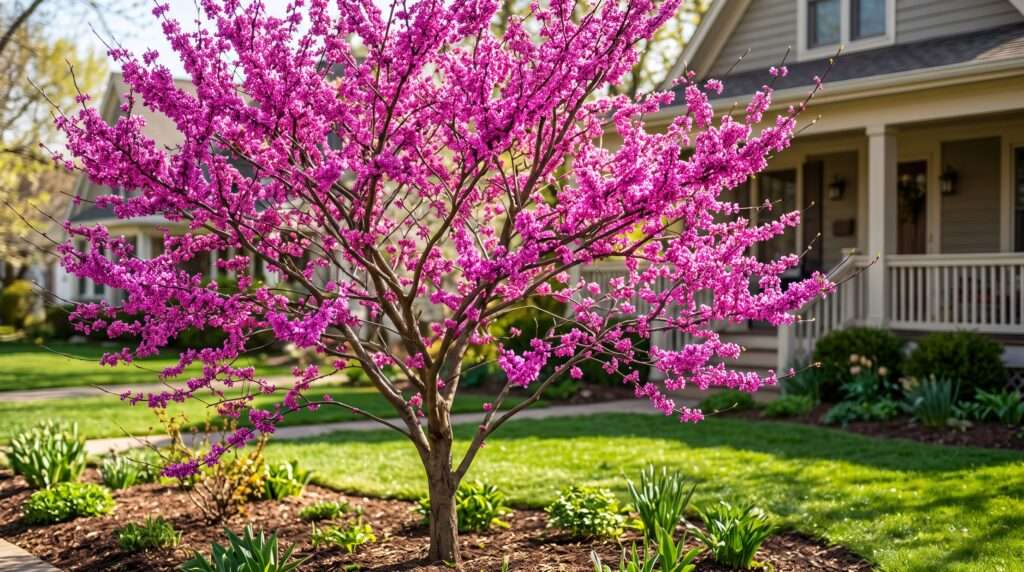
Spring is a season of dramatic awakening, but few sights capture the imagination quite like the electric magenta display of a tree blooming on bare branches before its foliage even emerges. If you are looking to elevate your landscape with a spectacular burst of early color, learning how to properly plant and care for red bud trees is your ticket to a stunning, head-turning yard.
As a horticulturalist who has spent years cultivating and diagnosing ornamental trees, I can tell you that the red bud (Cercis) is one of the most rewarding additions to any garden. These stunning ornamentals solve a major landscaping dilemma for modern homeowners: they provide breathtaking multi-season visual interest—spring blossoms, heart-shaped summer leaves, and golden-yellow fall foliage—without growing so large that they overwhelm small urban or suburban spaces.
Whether you are a beginner looking to plant your very first landscape tree or an experienced gardener trying to troubleshoot a mature canopy, this comprehensive guide has you covered. We are going to walk through everything you need to know, from selecting the perfect variety and mastering the exact planting depth to watering schedules, pruning techniques, and disease prevention. Let’s dig in! 🪴
[Image Prompt for Midjourney/DALL-E:] A high-contrast, cinematic 16:9 landscape image of a stunning Eastern Red Bud tree in full spring bloom. The tree is covered in vibrant magenta-pink flowers on bare branches, situated in a well-manicured suburban front yard under warm morning sunlight. The composition should be photorealistic, with a shallow depth of field highlighting the heart-shaped blooms against a softly blurred background. 📸
II. Getting to Know Red Bud Trees (Cercis spp.) 🌳
Before planting, it helps to understand the unique biology of these fascinating understory trees. Belonging to the legume family (Fabaceae), red buds are small to medium-sized deciduous trees that typically reach mature heights of 20 to 30 feet, making them the perfect scale for residential gardens.
What Makes Red Buds Unique? ✨ The most striking feature of the red bud is a botanical phenomenon known as cauliflory. Unlike most trees that produce flowers at the tips of new growth, red buds produce clusters of blossoms directly on their older branches and main trunks. This creates an incredibly dense, vivid floral display. Furthermore, these early blooms are a vital nectar source for early-season pollinators, including native bees, butterflies, and migrating hummingbirds.
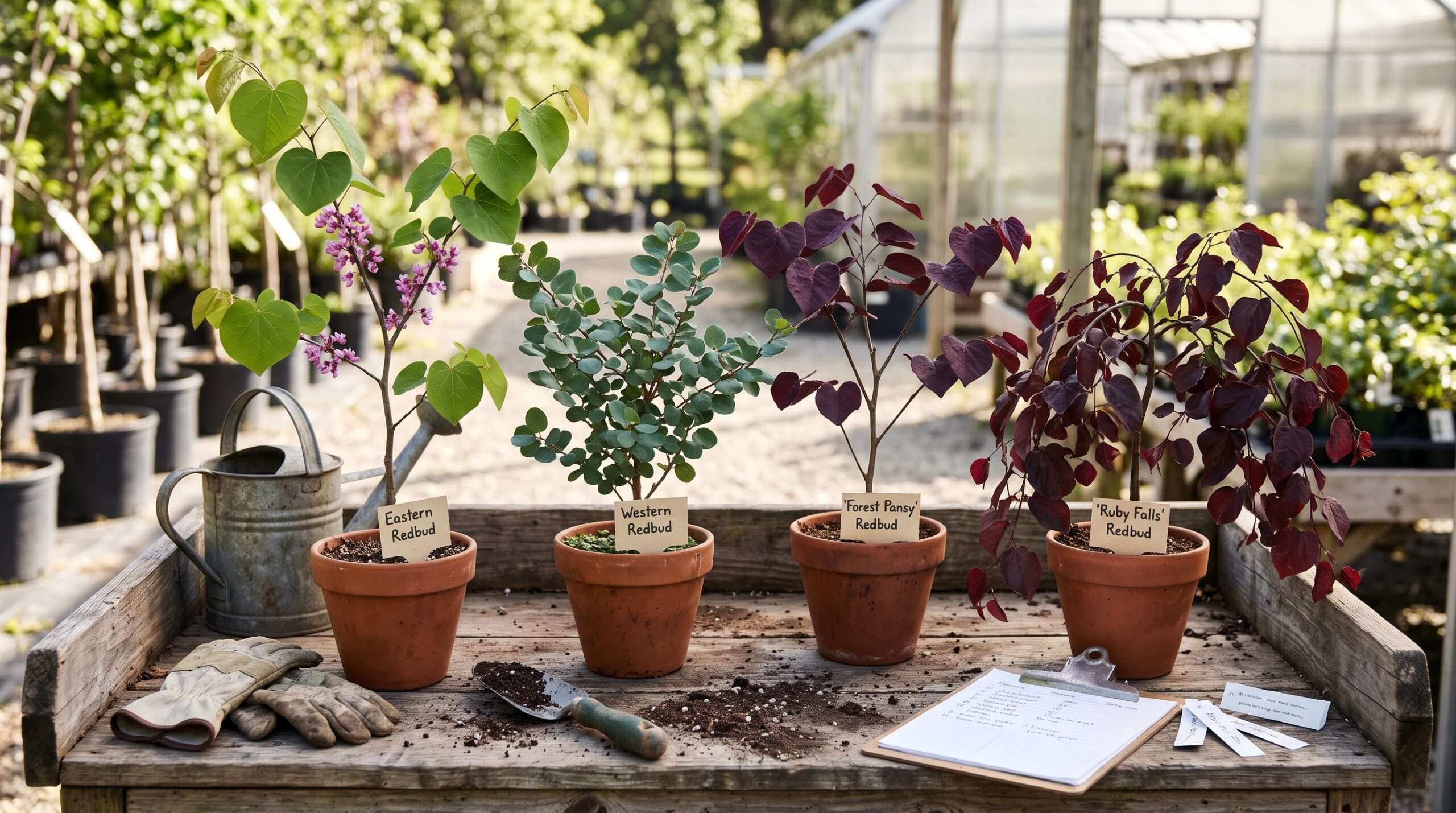
Popular Red Bud Varieties for Your Landscape 🍃 Choosing the right cultivar for your climate and design aesthetic is step one. Here are the top performers:
-
Eastern Red Bud (Cercis canadensis): The classic, reliable standard for USDA Zones 4-9. It features standard pinkish-purple blooms and green, heart-shaped leaves.
-
Western Red Bud (Cercis occidentalis): An excellent choice for gardeners in drought-prone, arid climates (like California or the Southwest). It has smaller leaves and is highly drought-tolerant once established.
-
‘Forest Pansy’: A highly sought-after cultivar of the Eastern red bud that boasts deep, velvety burgundy-purple foliage throughout the spring and early summer.
-
‘Ruby Falls’: Perfect for tight spaces or dramatic focal points, this is a compact weeping variety with dark purple leaves and a stunning cascading growth habit.
III. Ideal Growing Conditions for Red Bud Trees ☀️
To ensure your tree doesn’t just survive, but thrives and produces maximum blooms, you must replicate its natural woodland edge environment.
Sunlight Requirements 🌤️ In their natural habitat, red buds are understory trees, meaning they grow beneath the canopy of larger forest giants like oaks and maples.
-
Cooler Climates (Zones 4-6): Plant your tree in full sun (at least 6 hours of direct sunlight) to encourage the most prolific blooming.
-
Hotter Climates (Zones 7-9): Partial shade is ideal. Giving your tree a break from the scorching afternoon sun will prevent the delicate heart-shaped leaves from sun-scorching and crisping at the edges.
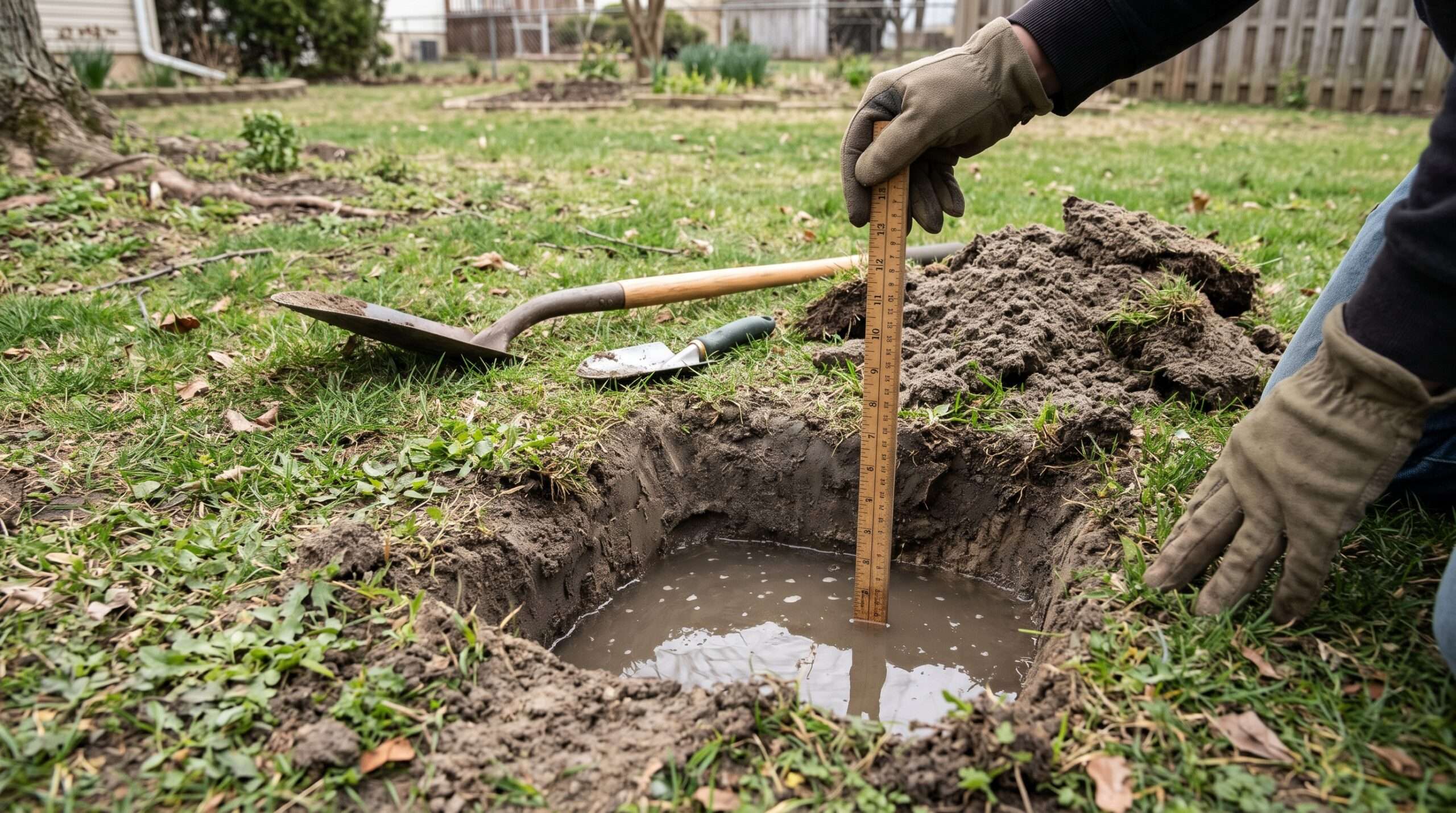
Soil Preferences & pH 🍂 Red buds are highly adaptable and can survive in a range of soil types, from clay to sandy loam. However, drainage is non-negotiable. Red buds are highly susceptible to root rot in boggy, waterlogged conditions. They prefer a slightly acidic to neutral soil pH (around 6.5 to 7.5).
💡 Expert Insight: Before you plant, perform a percolation test. Dig a hole 12 inches deep, fill it with water, and let it drain. Fill it again; if the water takes more than 12 hours to drain the second time, the soil is too heavy, and you will need to plant your red bud on a raised mound to protect its roots.
Hardiness Zones 🗺️ Most Cercis varieties are hardy in USDA Zones 4 through 9. If you live in the colder extremes (Zone 4), ensure you are purchasing a cultivar grown from a northern seed source, such as the ‘Minnesota Strain’, which is genetically adapted to withstand severe winter freezes.
IV. How to Plant a Red Bud Tree: A Step-by-Step Guide 🪴
Proper planting technique is the foundation of your tree’s lifespan. A poorly planted tree might survive for a few years, but it will eventually succumb to stress or disease.
When to Plant 🗓️ The optimal times to plant are early spring (before the tree breaks dormancy) or early fall. Planting during the cool seasons allows the root system to establish without the immense stress of summer heat and drought.
Spacing and Location Strategy 📏 Always plan for the mature size of the tree. A mature Eastern red bud can spread 25 to 35 feet wide. Keep it at least 15 feet away from the foundation of your home, and ensure it is not planted directly under low-hanging power lines, which will eventually force aggressive and unsightly utility pruning.
The 5-Step Planting Formula 🛠️
-
Dig the Right Hole: Dig a hole that is two to three times wider than the root ball, but no deeper. The sides of the hole should be sloped, not straight up and down, to encourage lateral root growth.
-
Inspect the Roots: Carefully remove the tree from its nursery pot. If the roots are densely circling the root ball, use a sharp, sterile knife to make four vertical slices down the sides (about an inch deep). This stops the roots from continuing to circle, which can eventually strangle (girdle) the tree.
-
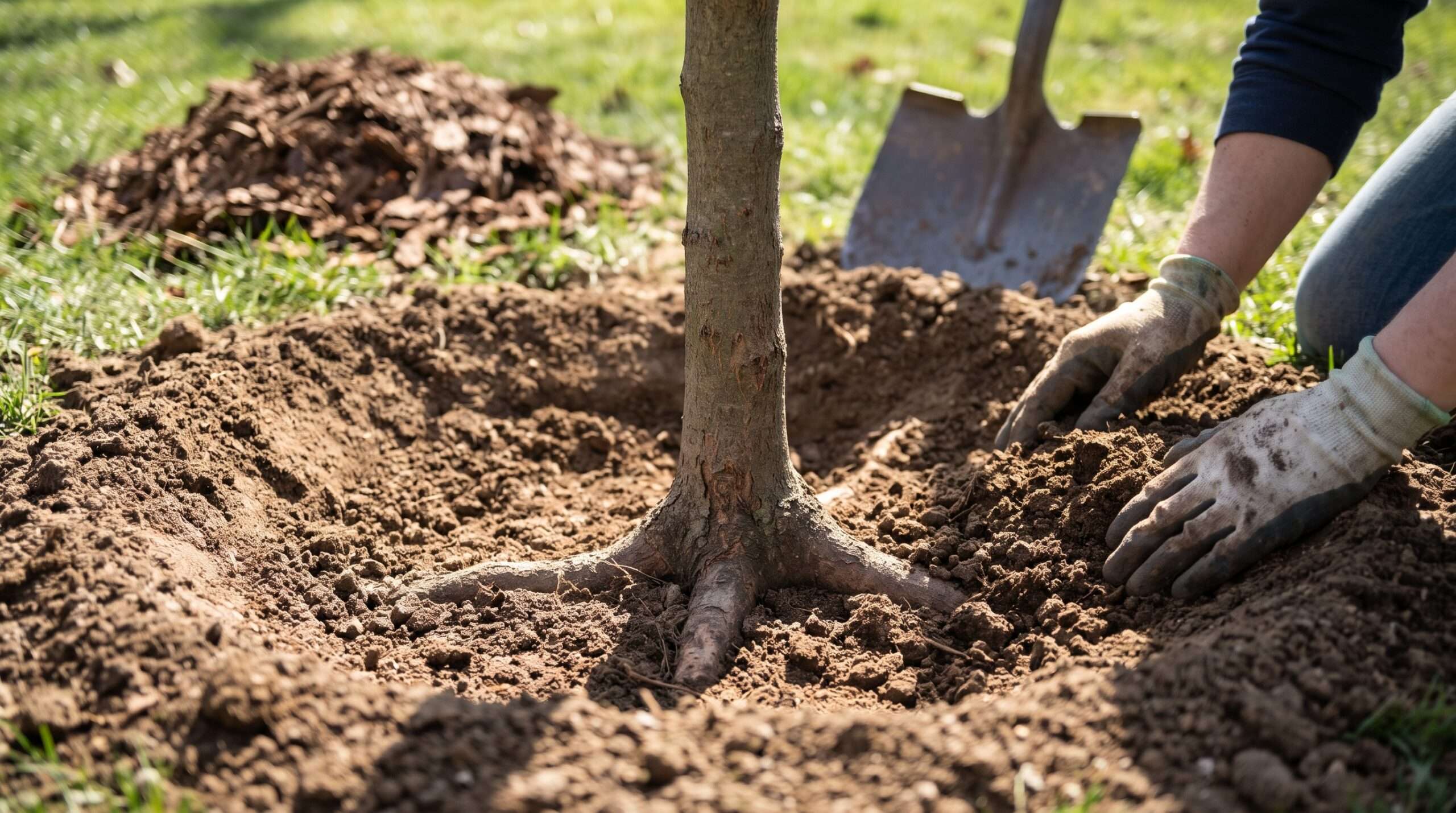
Position the Root Flare (Critical Step): Find the root flare—the widened area at the base of the trunk where the first main roots branch out. The root flare must be visible above the soil line. Burying the flare is the number one cause of tree failure in residential landscapes, as it leads to bark rot and suffocation.
-
Backfill with Native Soil: Avoid the temptation to fill the hole with rich potting soil or heavy compost. Backfill with the native soil you removed. If the hole is filled with “better” soil, the roots will refuse to leave the planting hole, creating a “teacup effect” where water pools and drowns the roots.
-
Water and Mulch: Water the tree deeply to settle the soil and eliminate air pockets. Apply a 2-to-3-inch layer of organic mulch (like shredded bark) in a wide circle around the tree. Keep the mulch pulled a few inches away from the trunk itself to prevent fungal decay.
V. Year-Round Red Bud Care & Maintenance 💧
Once your red bud is in the ground, proper ongoing maintenance will ensure heavy spring blooms and robust summer growth.
Watering Requirements by Age 🚿
-
Newly Planted Trees (Years 1-2): Your primary goal is root establishment. Water deeply 2 to 3 times a week during the first growing season. The soil should stay evenly moist, but never muddy. Use a soaker hose or a slow-drip tree bag for deep saturation.
-
Mature Trees (Years 3+): Once established, red buds are remarkably drought-tolerant. You will only need to provide supplemental water during extended periods of summer drought.
Fertilization Best Practices 🌱 Because red buds are legumes, they have a symbiotic relationship with soil bacteria that allows them to “fix” their own nitrogen from the atmosphere. Therefore, they rarely need heavy chemical fertilizers. Over-fertilizing can actually stimulate excessive, weak foliage growth at the expense of spring blooms. If a soil test indicates severe nutrient deficiency, apply a balanced, slow-release organic granular fertilizer (like a 10-10-10) in early spring just before new growth begins.
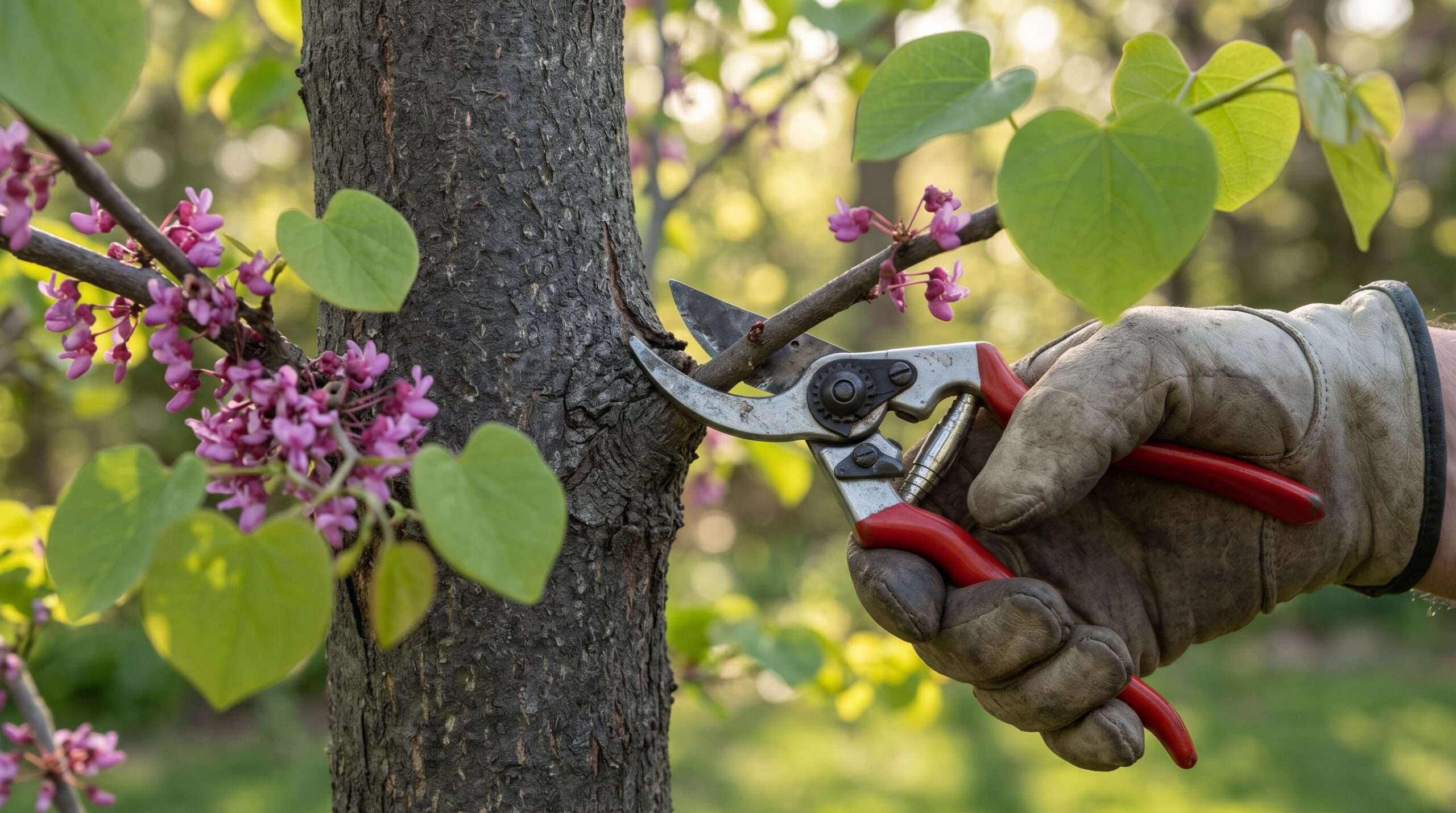
Pruning for Shape and Health ✂️ Unlike some landscape trees that require rigorous annual shearing, red bud trees generally have a naturally elegant, vase-like, or rounded canopy. However, strategic pruning is essential for long-term structural integrity.
-
When to prune: The best time to prune your red bud is in late spring, immediately after the vibrant spring blossoms have faded but before the tree pushes out too much new summer foliage. Alternatively, you can prune during late winter dormancy, though this will sacrifice some of that year’s spring blooms.
-
What to remove: Always start by removing the “3 Ds”—dead, damaged, and diseased wood. Next, look for crossing branches that rub against each other, creating wounds where pests can enter.
-
Addressing the V-Crotch: Cercis canadensis is notorious for developing co-dominant stems (two main trunks) that form a tight “V” shape at the base. As the tree grows, bark gets trapped in this narrow crotch, creating a weak structural point that is highly prone to splitting in high winds or heavy ice storms. If you spot a tight V-crotch on a young tree, prune out the weaker of the two branches to establish one strong, central leader.
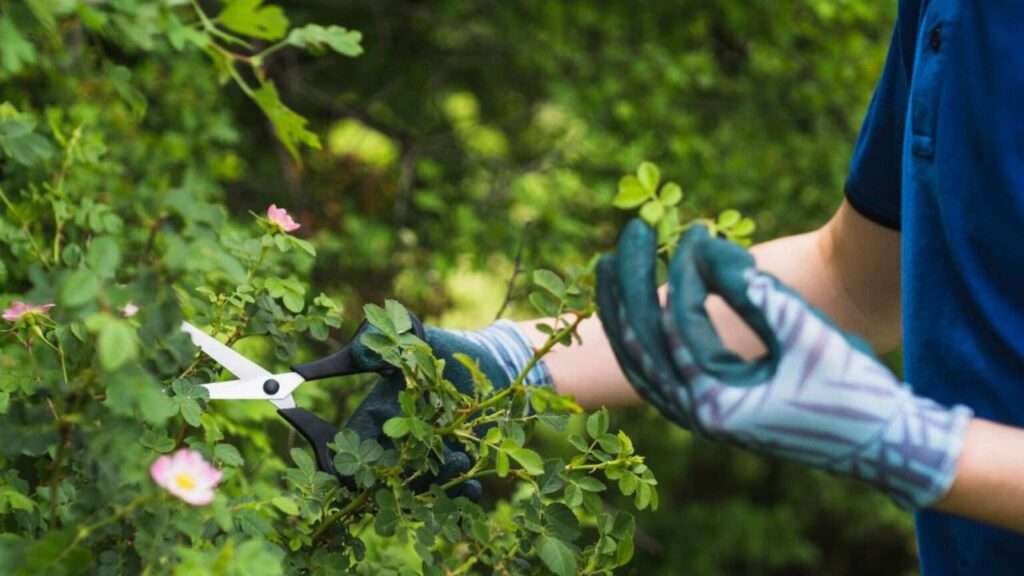
Having the right tools on hand makes tree maintenance significantly easier and safer for the plant. Always wipe your blades with rubbing alcohol between cuts to prevent the spread of disease!
| Essential Pruning Tool | Top Pick / Category | Best Used For |
| Bypass Hand Pruners | Felco F-2 Classic Manual Hand Pruner | Cleanly snipping small twigs, crossing branches, and shaping minor growth up to 1-inch thick. |
| Bypass Loppers | Fiskars 28-Inch PowerGear Lopper | Reaching deeper into the canopy to remove branches 1 to 2 inches in diameter with maximum leverage. |
| Folding Hand Saw | Corona RazorTOOTH Folding Saw | Removing thicker branches (over 2 inches) and correcting V-crotches on maturing trunks without tearing the bark. |
[Image Prompt for Midjourney/DALL-E:] A high-contrast, cinematic 16:9 close-up of a gardener’s hands using bypass pruning shears to trim a branch on a healthy Red Bud tree. The background is a softly blurred garden setting with dappled sunlight filtering through green, heart-shaped leaves. Focus on the clean cut being made. SEO Alt Text: Close up of pruning a red bud tree to remove damaged branches and maintain healthy canopy growth. 📸
VI. Common Pests and Diseases (And How to Treat Them) 🐛
While generally hardy, ornamental trees are susceptible to a few specific ailments. Early detection is your best defense.
Botryosphaeria Canker (The #1 Red Bud Threat) 🍄 This fungal disease is the most common killer of red bud trees. It enters the tree through wounds or pruning cuts and attacks the vascular system.
-
Identification: Look for sunken, dark, or cracked lesions (cankers) on the bark of the branches or main trunk. The foliage on the affected branch will often suddenly wilt, turn brown, and die (dieback).
-
Treatment: There is no chemical cure for canker. The only treatment is immediate removal of the infected branch. Prune the branch at least 6 to 8 inches below the visible canker, cutting into healthy white wood. Do not prune during wet weather, as water spreads the fungal spores.
Verticillium Wilt 🥀 This is a devastating soil-borne fungus that attacks the tree’s roots and clogs its water-conducting tissues.
-
Identification: Symptoms often appear on just one side of the tree first. You will notice sudden leaf yellowing, wilting, and premature leaf drop in the middle of summer. If you peel back the bark on a dying branch, you may see dark streaking in the sapwood underneath.
-
Treatment: Verticillium wilt is usually fatal over time. You can prolong the tree’s life with deep watering and high-nitrogen fertilizer to push new growth, but severely infected trees must be removed. Do not plant another red bud or susceptible tree in the same soil.
Insect Pests 🐝 Red buds are relatively pest-free, but they do attract a few visitors.
-
Treehoppers and Scale: These sap-sucking insects can cause minor branch dieback. Treat severe infestations with a dormant horticultural oil spray in late winter.
-
Leaf-Cutting Bees: If you notice perfect half-moon circles cut out of the edges of your red bud’s leaves, congratulations! You are hosting leaf-cutting bees. These are highly beneficial native pollinators. The damage is purely cosmetic and does not harm the tree. Do not use insecticides; simply tolerate the cosmetic damage.
🛡️ Pro Tip: Almost all major red bud pests—especially wood-boring insects and canker-causing fungi—are opportunistic. They prey on trees that are already suffering from drought stress. Maintaining a proper watering schedule during dry spells is the most effective preventative medicine you can offer your landscape trees.
VII. Landscaping & Companion Planting with Red Buds 🏡
To maximize the visual impact of your yard, you want to build a layered landscape that complements your tree without competing for root space.
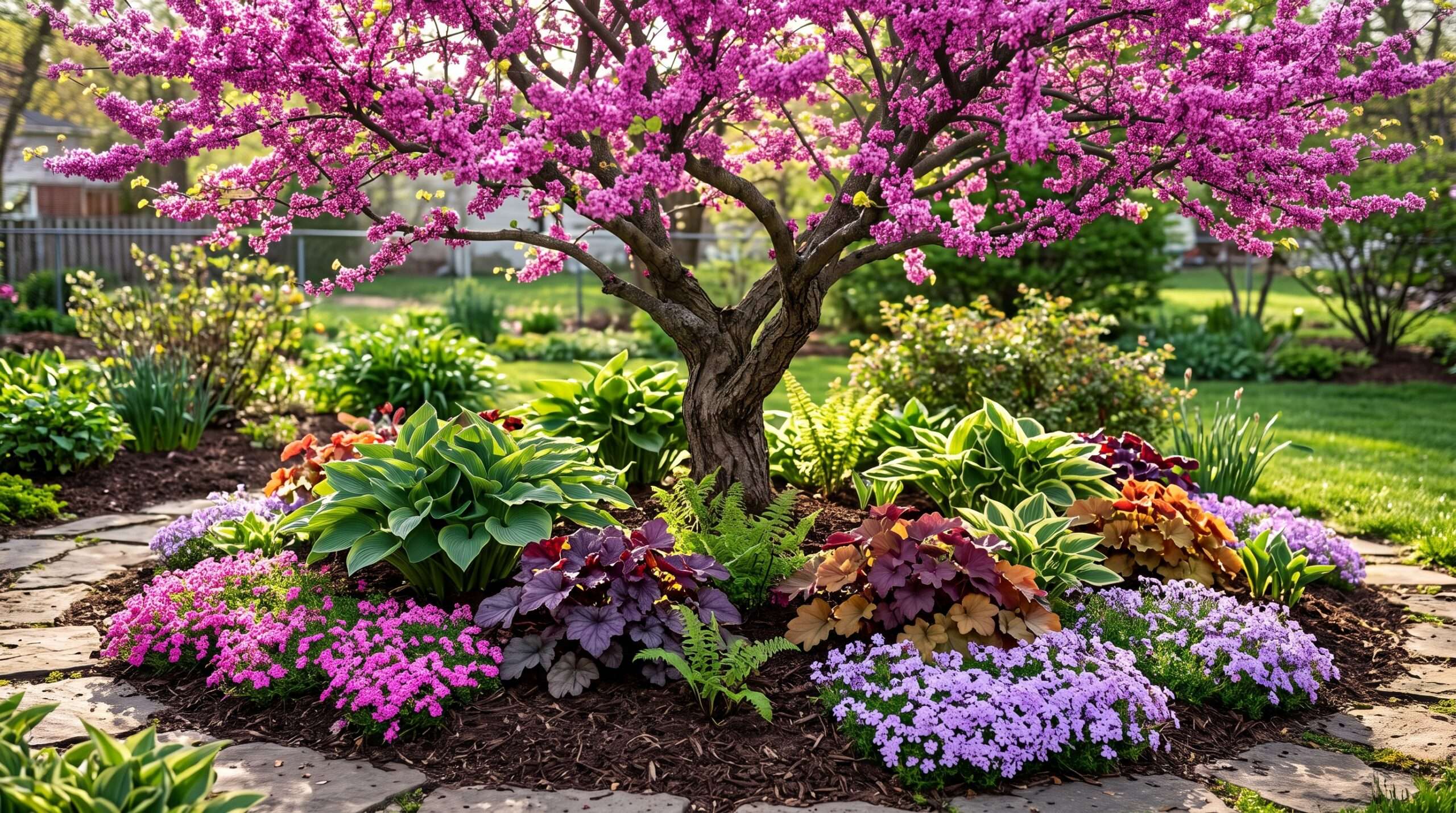
Best Companion Plants 🌿 Because red buds cast a moderate, dappled shade and have somewhat shallow roots, they pair beautifully with shade-tolerant, shallow-rooted woodland perennials.
-
Hostas: Their massive, textured leaves provide a stunning structural contrast to the delicate heart-shaped leaves of the red bud.
-
Coral Bells (Heuchera): Available in shades of lime green, deep purple, and caramel, these perennials look incredible planted in a ring around the drip line of a purple-leaf red bud like ‘Forest Pansy’.
-
Creeping Phlox: A low-growing ground cover that blooms in early spring, carpeting the ground in pinks and purples exactly when the red bud tree canopy is exploding with color.
Design Ideas for Maximum Curb Appeal 🎨
-
The Island Bed: Plant your red bud as the singular focal point in a raised front-yard island bed, surrounded by a skirt of mulch and river rock.
-
The Woodland Edge: If you have large, mature canopy trees (like oaks or maples), plant red buds along the edge of the tree line to create a natural, tiered woodland transition.
-
Driveway Framing: Planting a pair of red buds on either side of a driveway entrance creates a stunning, welcoming floral archway every spring.
VIII. Expert Troubleshooting: Why Is My Red Bud Struggling? 🩺
Even with the best care, things can occasionally go sideways. Here is how to diagnose common red bud issues:
-
Symptom: “My tree didn’t bloom this spring.”
-
Cause: If it’s a newly planted tree, it may simply be too young. Red buds typically start blooming heavily around 4 to 5 years of age. Alternatively, a severe late freeze in early spring may have killed the flower buds before they could open.
-
-
Symptom: “The leaves are turning yellow in the middle of summer.”
-
Cause: This is almost always a water issue. If the soil is boggy, it’s root rot from overwatering or poor drainage. If the soil is bone-dry and crumbling, it is severe drought stress. Check the soil moisture 3 inches down before taking action.
-
-
Symptom: “The edges of the leaves are brown and crispy.”
-
Cause: This is known as “leaf scorch.” It happens in hot, arid climates when the tree loses water through its leaves faster than the roots can absorb it. It is exacerbated by harsh afternoon sun. Provide deep, supplemental watering and consider adding a thicker layer of mulch to cool the root zone.
-
IX. Frequently Asked Questions (FAQs) ❓
How fast do red bud trees grow? 📈 Red buds have a moderate growth rate, typically adding 1 to 2 feet of new growth per year when planted in optimal conditions. They will reach their mature height in about 15 to 20 years.
Are red bud trees messy? 🍂 They are considered low-mess trees. While they do drop their blossoms in late spring and their leaves in the fall, the debris is lightweight and easily mowed over or blown into garden beds as natural mulch. Female trees will drop brown seed pods in late fall, which some homeowners find slightly unsightly, but they do not require heavy cleanup.
Are red bud trees toxic to dogs or cats? 🐾 No! This is a major selling point for pet owners. The ASPCA lists the red bud (Cercis canadensis) as completely non-toxic to dogs, cats, and horses. In fact, the early spring blossoms are entirely edible for humans, too, and look beautiful tossed in a salad!
How long do red bud trees live? ⏳ Red buds are incredibly beautiful but relatively short-lived compared to massive shade trees. You can expect a healthy red bud to live for 20 to 50 years. Regular pruning and diligent protection against canker are the best ways to maximize their lifespan.
X. Conclusion 🌟
Learning how to plant and care for red bud trees is one of the most rewarding endeavors you can undertake in your home landscape. With their breathtaking spring blossoms, charming heart-shaped foliage, and adaptability to a wide range of growing conditions, these native beauties deliver an unmatched return on your gardening investment.
By prioritizing excellent soil drainage, adhering to the proper planting depth, and keeping an eye out for opportunistic pests, you can ensure your landscape tree remains a vibrant, healthy focal point for decades to come.
Now it’s your turn! Do you have a favorite red bud cultivar, or are you planning to add one to your front yard this season? Drop a comment below and share your landscaping plans—and don’t forget to check out our [Guide to the Best Pruning Tools for Ornamental Trees] for more expert gear recommendations to keep your garden in top shape! 🌸🍃