There is nothing quite like the magic of bringing a real evergreen into your home for the holidays. But let’s be honest: waking up to a floor covered in crunchy, brown needles can quickly drain your festive cheer. If you are looking for a lush, gorgeous centerpiece that naturally holds onto its foliage all season long, a white pine christmas tree is one of the absolute best choices you can make. Native to eastern North America, the Eastern White Pine (Pinus strobus) is a gentle giant among holiday evergreens, prized for its feathery texture and outstanding needle retention.
However, keeping any cut tree vibrant and green indoors requires more than just popping it into a stand and hoping for the best. Without the proper care, even the hardiest evergreens will dry out, become a fire hazard, and drop their needles long before Santa arrives.
As a tree care expert, I’ve seen countless beautiful pines perish prematurely due to a few common, easily avoidable mistakes. In this comprehensive guide, I am going to walk you through the exact steps you need to take—from the tree lot to your living room—to keep your tree fresh, hydrated, and picture-perfect well past New Year’s Day. 🌟
🌲 Why Choose an Eastern White Pine for Christmas?
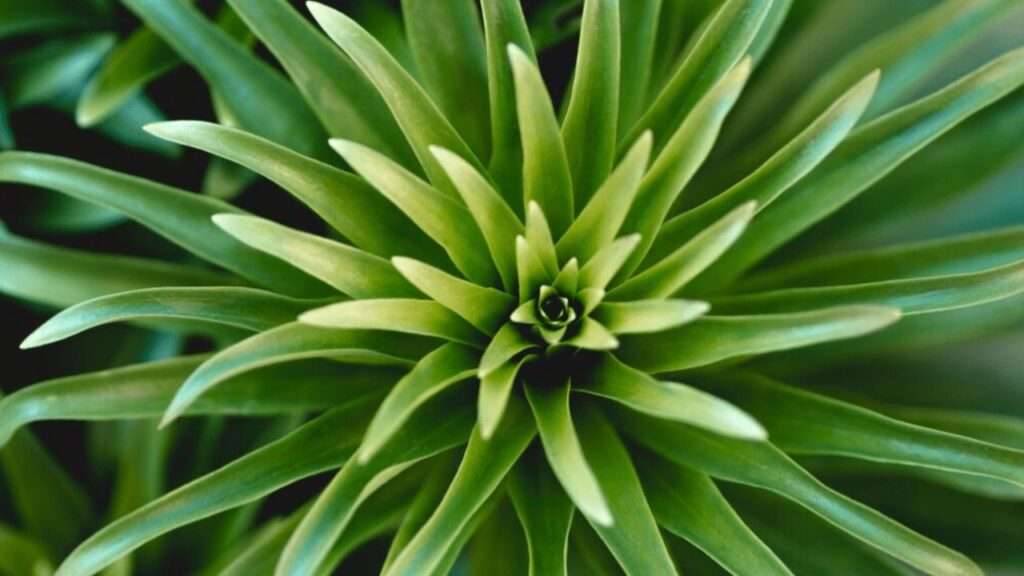
Before diving into maintenance, it is important to understand what makes this specific species so unique. When you walk onto a tree lot, you are usually greeted by a sea of Firs (like Fraser or Balsam), Spruces, and Pines. The Eastern White Pine stands out immediately due to its long, soft, bluish-green needles that grow in bundles of five.
The Pros: Soft Needles & Allergy-Friendly 🌱
If you have young children, curious pets, or sensitive skin, the White Pine is a dream come true. Unlike the stiff, prickly needles of a Blue Spruce, a White Pine’s needles are incredibly soft to the touch. You can brush against it without getting scratched, making the decorating process much more enjoyable.
Furthermore, the White Pine is highly recommended for households with allergy sufferers. It produces little to no noticeable floral or piney fragrance. While many people love the strong scent of a Balsam Fir, that same sap and terpene production can trigger headaches and respiratory irritation for sensitive individuals. The White Pine offers the classic, beautiful look of a real tree without overwhelming your sinuses. 🤧
Most importantly for our purposes, its natural needle retention is phenomenal. When properly watered, this tree rarely drops its needles, even as it gradually dries out toward the end of its life cycle.
The Cons: Flexible Branches 🎀
Every tree has its trade-offs. The main drawback of this beautiful evergreen is its branch strength. Because the needles and branches are so long and soft, they are quite flexible. This means a White Pine is not suited for heavy, vintage heirloom ornaments or massive tree toppers.
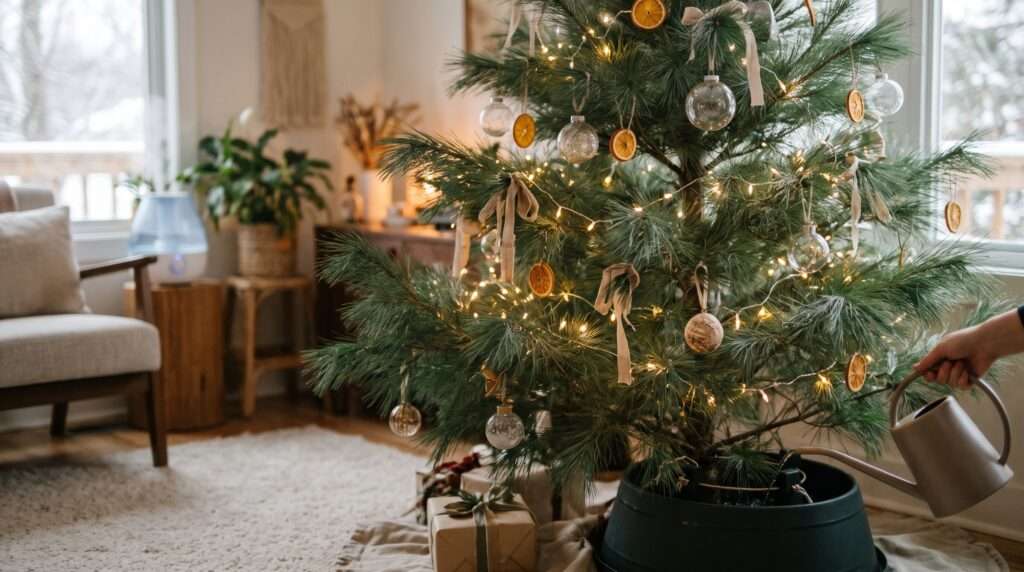
Expert Tip 💡: If you choose this tree, plan to decorate with lightweight ornaments, silk ribbons, delicate bows, and delicate fairy lights. The soft branches will elegantly support lighter decorations, giving your tree a charming, whimsical appearance.
🔍 How to Select the Freshest White Pine at the Lot
The secret to a long-lasting holiday tree begins before you even bring it home. If you purchase a tree that was cut weeks ago and left to bake in the sun, no amount of water will save it. Here is how to ensure you are picking a freshly harvested, healthy specimen.
The “Pull and Tap” Test 🧤
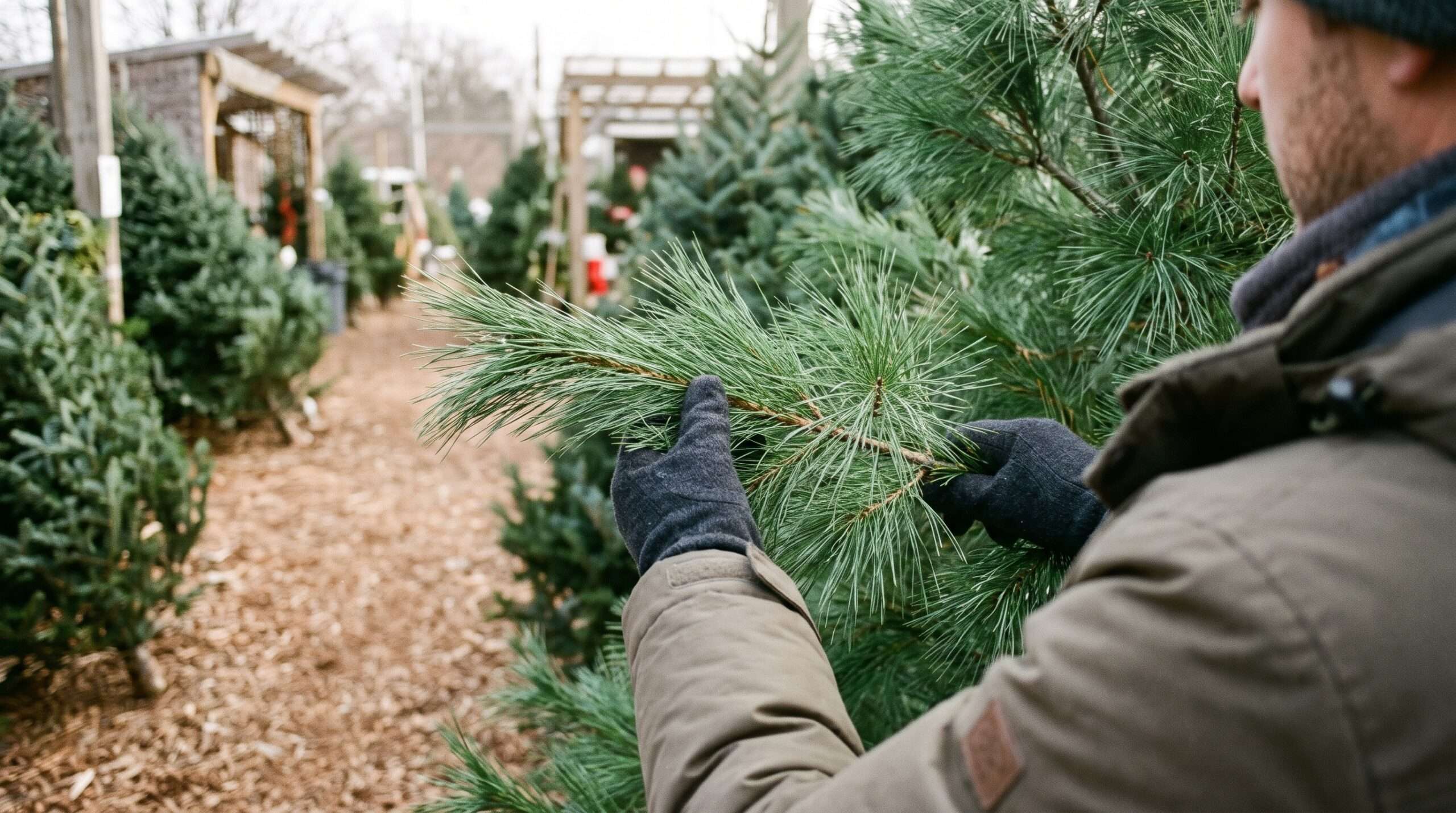
Never buy a tree based on looks alone; you need to test its hydration. Gently grab a branch near the trunk and pull your hand outward toward the tip, allowing the needles to slide through your gently closed fingers. On a fresh White Pine, the needles should feel soft, flexible, and firmly attached. If a shower of green needles falls off in your hand, the tree is already severely dehydrated.
Next, lift the tree a few inches off the ground and firmly tap the base of the trunk on the concrete or dirt. A few brown, inner needles falling out is perfectly normal (this is just the tree’s natural shedding cycle from the fall season). However, if green outer needles rain down, walk away and choose another tree.
Inspecting the Trunk and Color 🪵
Take a moment to look at the overall color of the foliage. A healthy Eastern White Pine should have a rich, slightly silvery blue-green hue. Avoid any tree that looks overly dull, grayish, or has distinct yellow-brown patches.
Finally, check the bottom of the trunk. The bark should be tight and firm. If the bark is severely wrinkled, peeling, or feels distinctly lightweight for its size, the tree has lost too much moisture.
✂️ Bringing It Home: The Crucial First 24 Hours
The first 24 hours after arriving home dictate the lifespan of your evergreen. How you handle the transition from the freezing outdoors to your heated living room makes all the difference in preventing needle drop.
Making the Fresh Cut (Non-Negotiable!) 🪚
This is the single most important step in Christmas tree care. When a tree is cut at the farm, it responds to the “injury” by oozing sap to seal the wound. This sticky resin hardens over the base of the trunk, typically within 3 to 6 hours.
Once this sap seal forms, the tree can no longer absorb water—even if you submerge it in a bucket. If you put a sealed tree in water, it will slowly starve and dry out within a week.
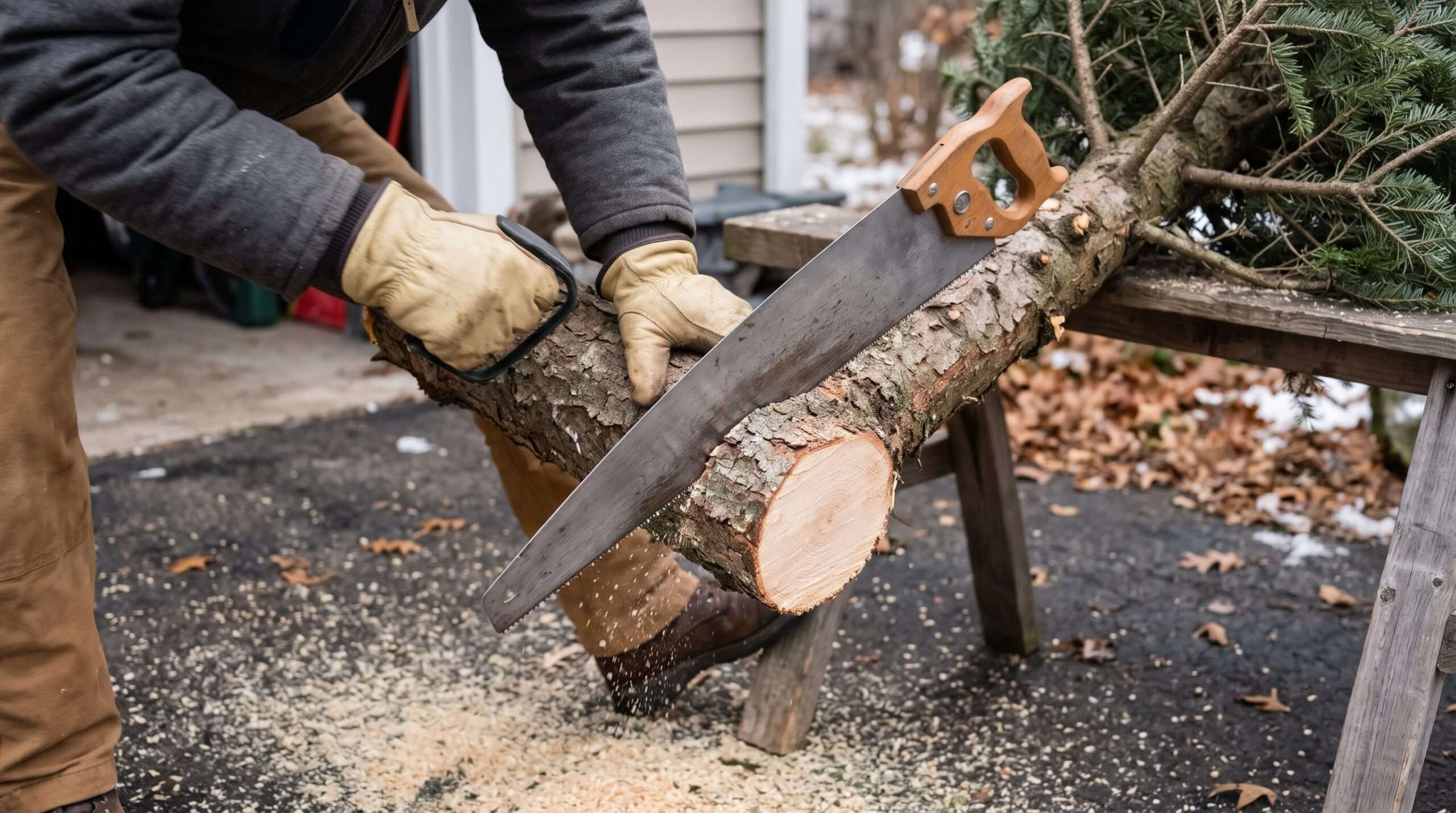
Arborist Insight 🌿: You must cut at least 1 to 2 inches off the base of the trunk immediately before putting it in the stand. Ensure the cut is straight across, not angled or V-shaped. A flat cut maximizes the surface area exposed to the water and allows the tree to sit securely in the stand. Once you make this cut, get the tree into water within 30 minutes!
Choosing the Right Tree Stand 🪣
A common mistake homeowners make is buying a massive tree and trying to cram it into a tiny stand. If a trunk is too wide for your stand, never whittle down or shave the sides of the bark to make it fit.
The tree absorbs water through the cambium layer—the thin layer of tissue situated just beneath the bark. If you shave the bark off the sides, you are literally cutting off the tree’s “straws.” It will be unable to drink and will dry out incredibly fast. Always invest in a heavy-duty stand that matches your tree’s trunk diameter and holds a minimum of one gallon of water.
💧 The Ultimate Watering Guide to Prevent Needle Drop
Once your tree is safely secured in its stand with a fresh cut, the race to hydrate begins. A cut tree is essentially a giant cut flower; without its root system, it relies entirely on capillary action to pull water up through the trunk to nourish the needles.
How Much Water Does a White Pine Actually Need? 🚰
The sheer volume of water a fresh evergreen can consume is astounding to most first-time owners. As a general rule of thumb, a cut tree requires one quart of water per inch of trunk diameter every single day.
This means if your White Pine has a 4-inch trunk, you need to provide at least one gallon of water daily.
However, be prepared for a massive initial thirst. During the first 24 to 48 hours indoors, a freshly cut pine can easily guzzle over a gallon of water as it rapidly rehydrates from its journey.
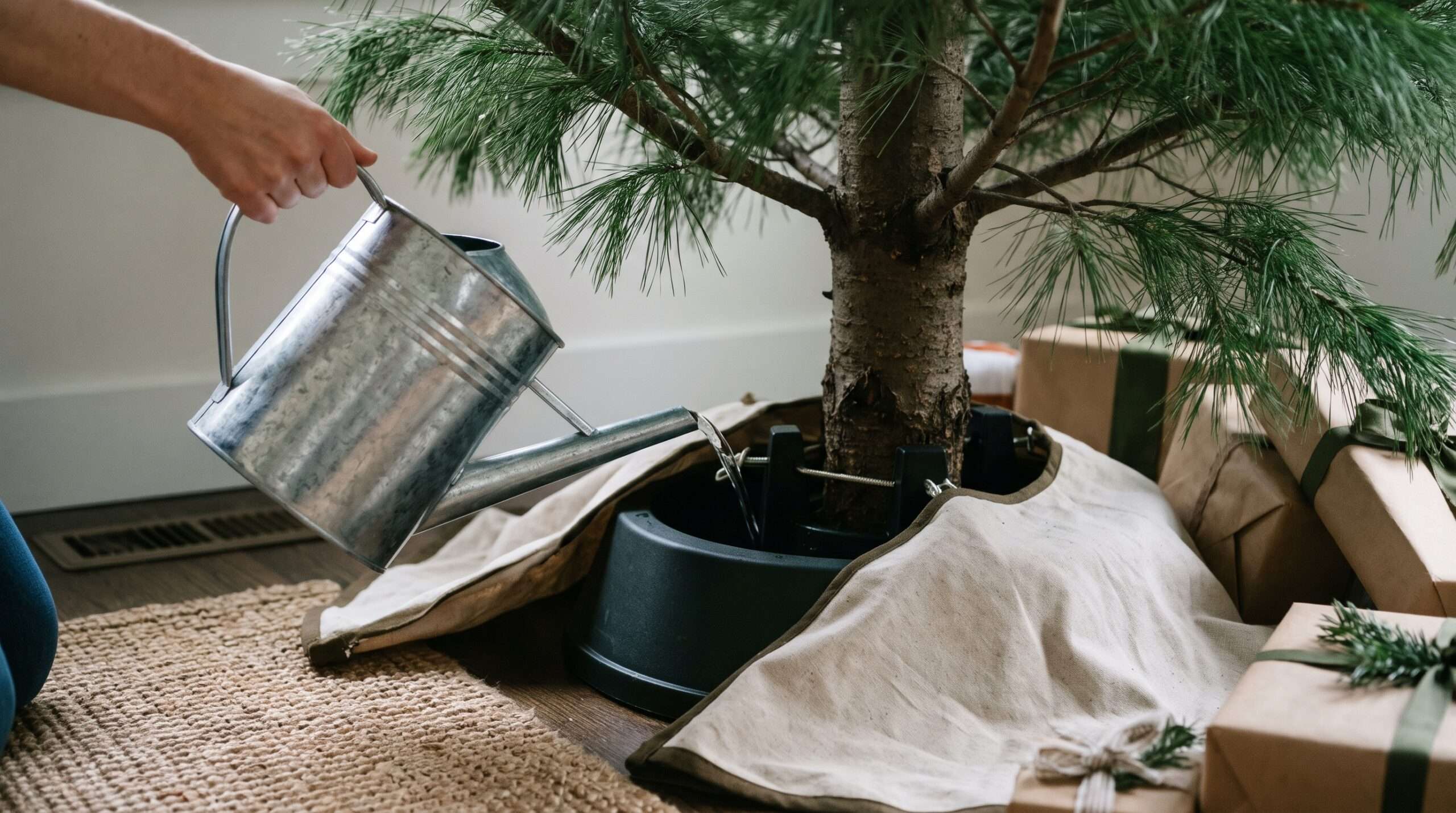
Expert Tip 💡: Check the water level every morning and every evening. The water line must never drop below the base of the trunk. If the water level drops below the cut end for even a few hours, the tree will form a new sap seal. If this happens, the tree will stop drinking entirely, and the only way to save it is to take it fully out of the stand and make a new 1-inch cut—a nightmare once it is fully decorated!
Mythbusting: Should You Add Anything to the Water? 🧪
If you search online for “how to keep a Christmas tree fresh,” you will find endless DIY recipes suggesting you add aspirin, bleach, corn syrup, vodka, or commercial floral preservatives to the tree water.
As a plant and tree care professional, I can definitively tell you: skip all of them.
-
Aspirin and Bleach: These can actually disrupt the tree’s natural pH and damage the cellular tissue responsible for water uptake.
-
Sugar and Soda (like 7-Up): While sugar provides carbohydrates, it also creates a massive breeding ground for bacteria and mold in stagnant stand water. This bacterial slime will rapidly clog the tree’s pores, effectively suffocating it and accelerating needle drop.
-
Commercial Preservatives: Numerous university agricultural extension studies have tested commercial tree additives against plain water. The results consistently show that plain water performs just as well, if not better, than chemical additives.
The Expert Consensus: Fresh, clean, room-temperature tap water is the absolute best, safest, and most effective hydration method for your White Pine.
🌡️ Location, Location, Location: Controlling the Environment
Even a perfectly watered White Pine will turn brown and drop needles if placed in the wrong microclimate inside your home. Winter indoor air is notoriously hostile to evergreens.
Keep It Away From Heat Sources 🔥
Heat is the number one enemy of a cut tree. When a tree’s foliage is exposed to warm air, a biological process called transpiration accelerates. The needles open their microscopic pores (stomata) and release moisture into the air. If the tree loses moisture through its needles faster than it can pull water up through the trunk, the needles will dry out, turn brown, and fall off.
To prevent this fatal moisture loss, you must position your tree far away from all direct heat sources. This includes:
-
Fireplaces and wood-burning stoves
-
Heating vents and active radiators
-
Space heaters
-
Large south-facing windows that receive intense, direct afternoon sunlight

Managing Indoor Humidity 🌫️
In the winter, central heating strips moisture from the air, often dropping indoor humidity levels to below 30%. For an evergreen that prefers cool, damp forest conditions, this arid environment is a shock to the system.
To dramatically extend the life of your White Pine, run a cool-mist room humidifier nearby. By bumping the ambient humidity up to 40% or 50%, you significantly slow down the transpiration rate, allowing the soft pine needles to retain their plump, green appearance for weeks longer.
💡 Decorating Your White Pine Safely
Because the Eastern White Pine has unique structural characteristics, it requires a slightly different approach to decorating compared to sturdy firs.
Choosing the Right Lights 🌟
When selecting string lights, always opt for LED lights over traditional incandescent bulbs.
Older incandescent bulbs generate a significant amount of heat. When wrapped tightly around flexible pine branches, this localized heat literally bakes the needles, causing them to dry up and drop prematurely. LED lights remain cool to the touch no matter how long they are plugged in, completely eliminating this risk. Plus, they use a fraction of the electricity!
Styling for Soft Branches 🎁
As mentioned earlier, the branches of a White Pine are soft and pliable. Instead of fighting this natural growth habit, embrace it!
-
Use lightweight ornaments: Think blown glass, lightweight wood, dried orange slices, and delicate metallic baubles.
-
Weave ribbons: Wide, wired ribbons cascading down the tree look magnificent nestled into the long, feathery needles.
-
Place heavier items inward: If you do have a few heavier sentimental ornaments, hang them closer to the trunk where the branches are thickest and strongest, rather than on the delicate outer tips.
♻️ Post-Holiday Care: How to Dispose of Your Tree Eco-Friendly
No matter how well you care for your tree, it is a temporary holiday guest. By weeks four or five, even the healthiest White Pine will begin to dry out.
Safety First: When the needles become brittle to the touch and snap instead of bending, the tree has become a severe fire hazard and must be removed from the home immediately, even if Christmas hasn’t arrived yet.
Please do not throw your tree in a landfill! Cut trees are 100% biodegradable and can be beautifully repurposed:
-
Mulch: Many municipalities offer free curb-side chipping programs, turning your tree into nutrient-rich mulch for local parks.
-
Wildlife Habitat: If you have a large yard, place the whole tree in a quiet corner of your garden. It provides excellent winter shelter for songbirds and small wildlife.
-
Garden Protection: Snip the boughs off the trunk and lay them over your perennial garden beds. They act as a fantastic, insulating winter mulch that protects tender plant roots from frost heaving.
❓ Frequently Asked Questions (FAQs) About White Pine Christmas Trees
How long will a cut White Pine Christmas tree last indoors? With a fresh cut, daily watering, and placement away from heat sources, a White Pine boasts excellent needle retention and will comfortably last 4 to 5 weeks indoors.
Why is my White Pine drooping? Drooping branches are usually a sign of one of two things: the ornaments are too heavy for the soft branches, or the tree is severely dehydrated. Check your water basin immediately. If the stand is full but the tree is still wilting, the sap seal may have closed over the trunk.
Are White Pine trees toxic to cats and dogs? 🐾 The Eastern White Pine is considered non-toxic to pets. However, if a cat or dog ingests the pine needles, the tough fibers can cause mild gastrointestinal irritation, vomiting, or drooling. Additionally, the stagnant water in the tree stand can harbor bacteria that will make pets sick. Always use a tree skirt to block access to the water basin and deter pets from chewing the branches.
Can I plant my potted White Pine outside after Christmas? If you purchased a “living” balled-and-burlapped White Pine rather than a cut tree, yes! However, living trees should only be kept indoors for a maximum of 7 to 10 days to prevent them from breaking winter dormancy. Keep it in a cool room, water the root ball lightly with ice cubes, and transition it to a sheltered outdoor spot as soon as the holidays are over until the ground thaws enough for planting.
📝 Conclusion: Enjoying a Lush, Green Holiday Season 🎅
Bringing a real tree into your home connects you to the natural world in the most festive way possible. By choosing an Eastern White Pine, you are treating yourself to a beautifully soft, allergy-friendly evergreen that is incredibly forgiving when it comes to needle drop.
Remember, the secret to a long-lasting tree boils down to tree care fundamentals: a fresh 1-inch cut, an abundant and constant supply of plain tap water, and a cool, humid environment away from roaring fires and heater vents.
Follow these professional steps, and you will spend the holiday season enjoying the twinkling lights of your gorgeous tree—not sweeping up a mountain of dead needles!