Missouri summers are notorious for their blistering heat, relentless humidity, and a blazing sun that can quickly turn your backyard into an unlivable oven. From June through September, this intense weather leads to skyrocketing air conditioning bills, uncomfortable patios, and sun-scorched lawns that make it nearly impossible to enjoy your outdoor living space.
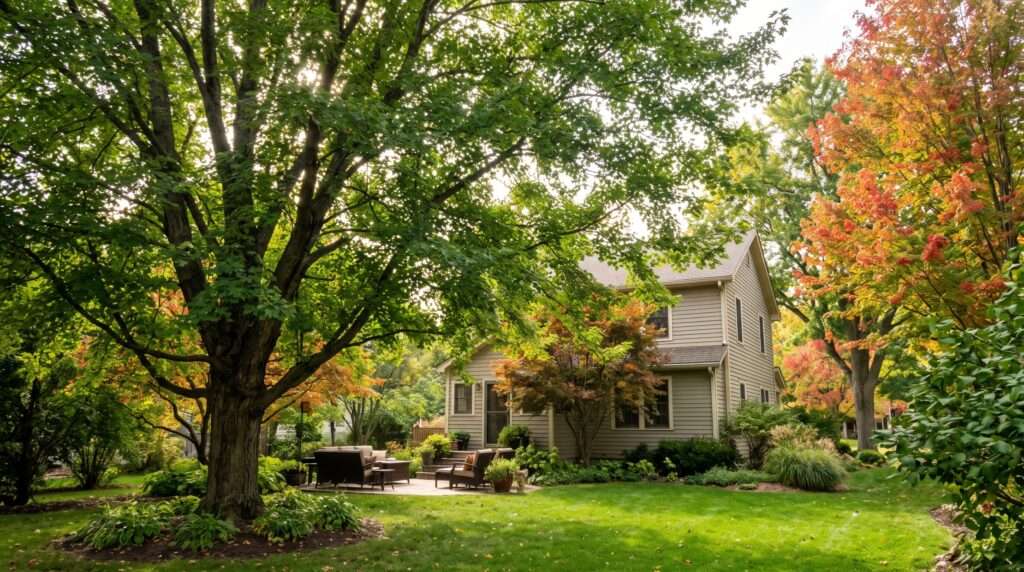
But you don’t have to surrender your yard to the heat. Planting the right canopy is a long-term investment that naturally cools your home, boosts your property value, and transforms your landscape into a comfortable, shaded oasis. To help you find the perfect addition to your yard, we have researched and ranked the best 10 shade trees for missouri.
By analyzing current nursery data, local arborist recommendations, and verified Amazon customer reviews, we have graded these trees based on their growth rate, climate adaptability for USDA Hardiness Zones 5 through 7, and overall value. Whether you are battling heavy Midwest clay soil, seeking brilliant fall foliage, or looking for the fastest-growing canopy, this comprehensive guide will help you make an informed buying decision and confidently select a tree that will thrive in the Show-Me State for generations to come.
II. Quick Comparison: Top Shade Trees for Missouri
To keep things mobile-friendly and easy to read, we’ve condensed our top picks into a clean, three-column table. This helps you quickly compare the species, their standout features, and availability before diving into the detailed reviews.
III. Detailed Product Reviews: The Best 10 Shade Trees for Missouri
When buying live trees online, it’s vital to choose robust varieties shipped by reputable nurseries. Here is our in-depth analysis of the best 10 shade trees for missouri to help you make an informed decision.
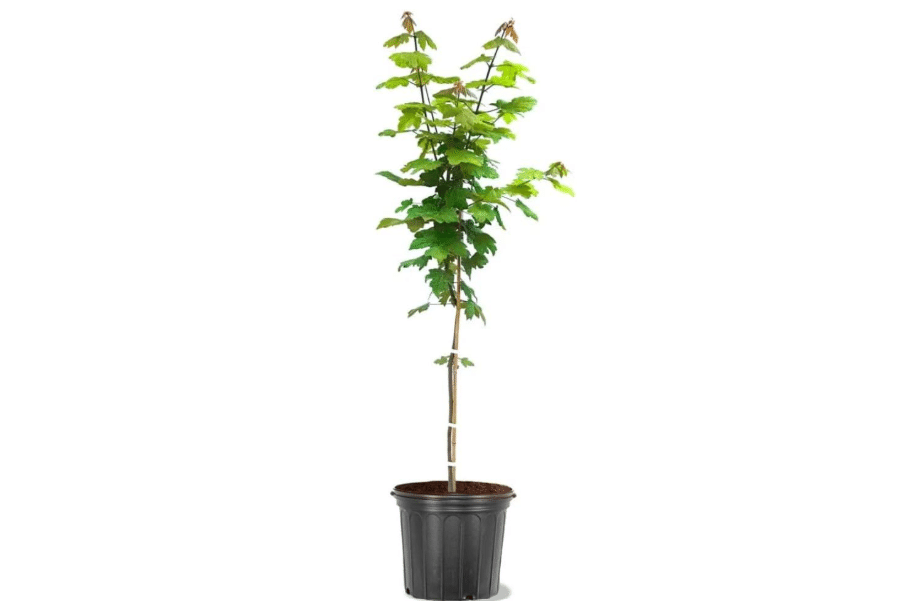
1. Autumn Blaze Red Maple (Acer rubrum x saccharinum) – Best Overall Shade Tree for Missouri
-
Product Description: The Autumn Blaze Maple is a wildly popular hybrid that takes the best traits from the Red Maple (brilliant fall color) and the Silver Maple (rapid growth). Available on Amazon as established saplings in 1 to 3-gallon nursery pots, these trees arrive ready to plant. They feature a uniform, upright branching habit and lush green summer foliage that transforms into a traffic-stopping, fiery orange-red in the autumn.
-
Price of the Product:
-
Key Features and Benefits:
-
Incredible Growth Rate: Shoots up 3 to 5 feet per year under optimal conditions.
-
Mature Size: Reaches 40 to 50 feet tall with a 30 to 40-foot spread.
-
Seedless: Unlike other maples, this is a sterile hybrid, meaning no annoying “helicopter” seeds to clean out of your gutters.
-
-
Pros and Cons:
-
Pros: Exceptionally fast canopy development; pollution tolerant; visually stunning fall display; low-mess.
-
Cons: Can develop shallow surface roots as it ages; weaker wood structure requires early pruning to prevent storm damage.
-
-
Amazon Customer Ratings and Reviews: 4.6/5 Stars. Verified buyers consistently praise the secure shipping methods used by top Amazon nurseries (like Brighter Blooms), noting that trees arrive with moist soil and establish themselves rapidly within the first growing season.
-
Why it’s a good choice for Missouri: It easily handles Missouri’s notorious heavy clay soils and effortlessly survives both the freezing Zone 5 winters of Northern Missouri and the sweltering, humid summers of the Bootheel.
-
Ideal use case or who should buy it: Homeowners who want reliable, dense backyard shade and spectacular autumn color as fast as possible without planting a structurally weak “weed tree.”
2. Tulip Tree (Liriodendron tulipifera) – Best for Large Landscapes
-
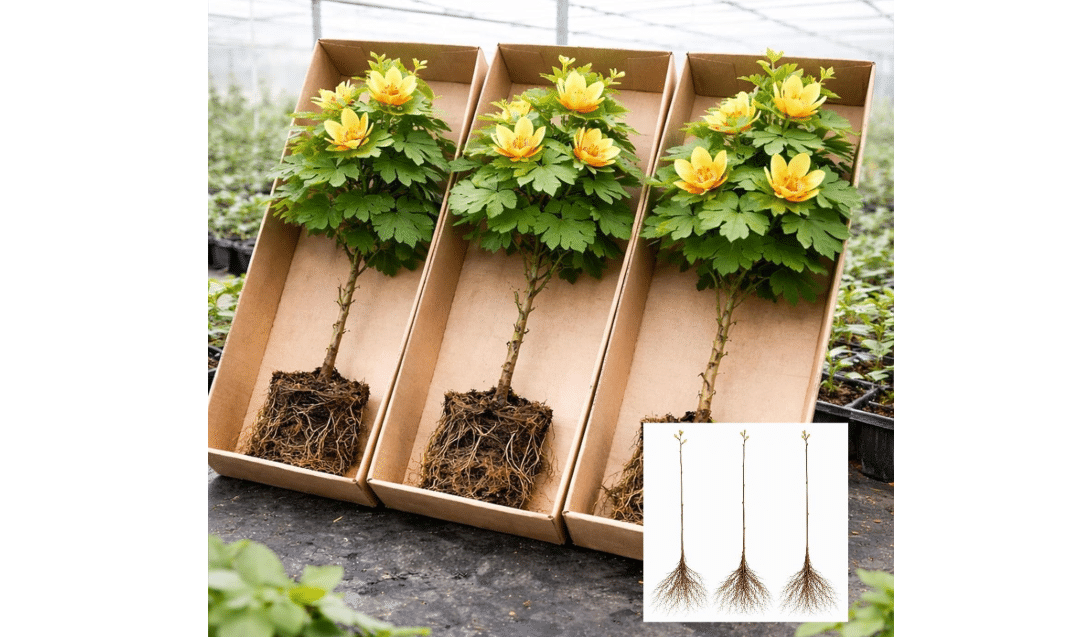
Product Description: The Tulip Tree, also known as the Tulip Poplar, is a magnificent, towering native hardwood. When ordered online, they usually arrive dormant (in winter) or fully leafed (in spring/summer). Named for its unique, tulip-shaped green and orange spring blooms and distinctively shaped leaves, this tree provides a massive, high-arching canopy of shade.
-
Price of the Product: $29.95
-
Key Features and Benefits:
-
Towering Stature: Can reach heights of 70 to 90+ feet with a 40-foot spread.
-
Unique Florals: Produces beautiful yellow-green flowers with orange centers in late spring (usually starting after the tree is 10-15 years old).
-
Pest Resistant: Naturally highly resistant to most common Midwest tree diseases and pests.
-
-
Pros and Cons:
-
Pros: Very fast growth (2+ feet per year); straight, majestic trunk; excellent golden-yellow fall color.
-
Cons: Too large for small suburban yards; can drop sticky sap (aphid honeydew) on cars parked directly beneath it.
-
-
Amazon Customer Ratings and Reviews: 4.4/5 Stars. Reviewers love how quickly the tree establishes its root system. A few users note that it requires deep watering during its first Midwest summer drought to take hold.
-
Why it’s a good choice for Missouri: As a native species to the lower Midwest, it thrives in Missouri’s climate. It prefers slightly acidic, well-draining soil but adapts well to the state’s varied topography.
-
Ideal use case or who should buy it: Buyers with expansive lawns, acreage, or farm properties who want a legacy shade tree that offers a massive, high canopy without blocking the view at ground level.
3. River Birch (Betula nigra) – Best for Wet or Poorly Drained Soils
-
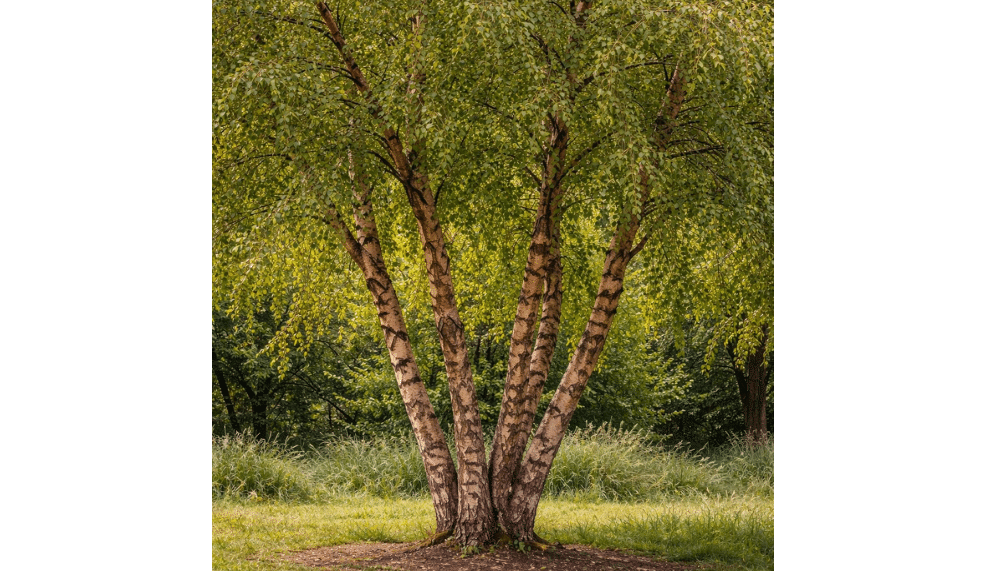
Product Description: Shipped directly to your door, the River Birch (often sold in popular multi-trunk clump forms) is a landscape favorite. It is immediately recognizable by its stunning, exfoliating (peeling) bark that reveals shades of salmon, cinnamon, and creamy white, offering incredible winter interest long after the leaves drop.
-
Price of the Product: $31.99
-
Key Features and Benefits:
-
Moisture Loving: Thrives in wet, soggy areas where other trees would drown.
-
Fast Grower: Adds 1.5 to 2.5 feet of height per year.
-
Borer Resistant: Unlike the white paper birch, the River Birch is highly resistant to the Bronze Birch Borer (a major pest in the Midwest).
-
-
Pros and Cons:
-
Pros: Beautiful year-round visual interest; excellent for controlling soil erosion; fast-growing shade.
-
Cons: Drops small twigs year-round; leaves can turn yellow (chlorosis) if planted in highly alkaline soils.
-
-
Amazon Customer Ratings and Reviews: 4.5/5 Stars. Customers rave about the multi-trunk variations purchased via Amazon, noting that the root balls arrive intact and the trees quickly shoot up new foliage in the spring.
-
Why it’s a good choice for Missouri: Many Missouri subdivisions suffer from compacted, poorly draining clay soils that hold water after heavy spring storms. The River Birch not only survives in these boggy spots but actually drinks up the excess water.
-
Ideal use case or who should buy it: Anyone looking for an ornamental shade tree to plant in a low spot in their yard, near a drainage ditch, or alongside a backyard pond.
4. American Sycamore (Platanus occidentalis) – Fastest Growing Giant
-
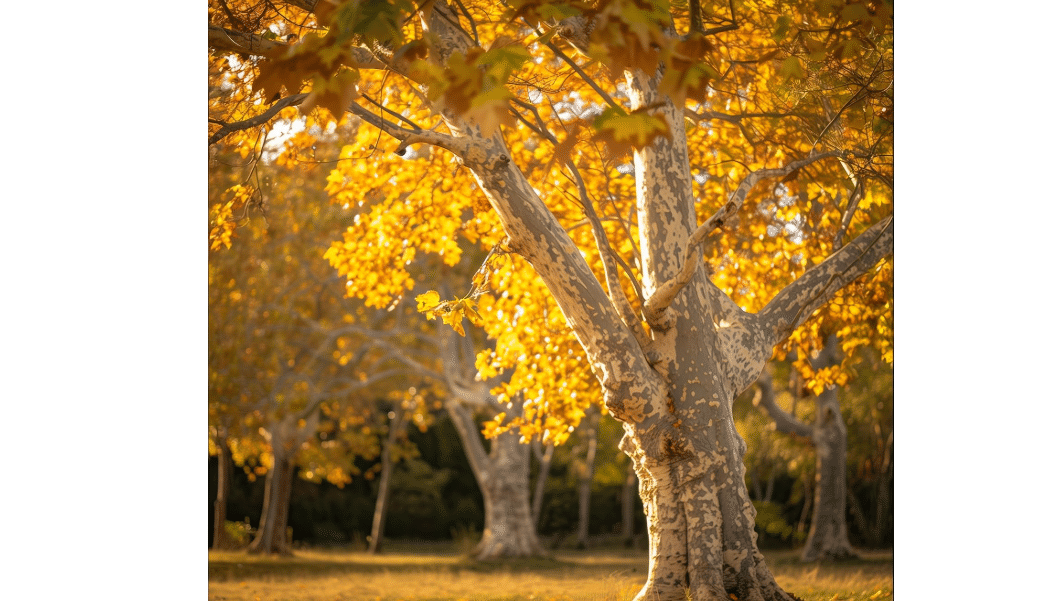
Product Description: Shipped securely as healthy bare-root or potted stock, the American Sycamore is an absolute powerhouse of growth. Recognizable by its massive, star-shaped leaves and distinctive “camouflage” exfoliating bark (mottled white, gray, and brown), this native tree creates an incredibly dense canopy that can shade an entire backyard.
-
Price of the Product: $34.99
-
Key Features and Benefits:
-
Massive Scale: Reaches towering heights of 75 to 100 feet with a massive 50 to 70-foot canopy spread.
-
Rapid Growth: Capable of growing up to 3 to 6 feet a year in ideal conditions.
-
Architectural Bark: The peeling bark provides striking winter interest against snowy landscapes.
-
-
Pros and Cons:
-
Pros: Unbeatable for fast, expansive shade; thrives in poor soils; highly drought-tolerant once established.
-
Cons: Very messy (drops large leaves, twigs, and seed balls); prone to anthracnose (a cosmetic fungal leaf disease) in wet, cool springs.
-
-
Amazon Customer Ratings and Reviews: 4.3/5 Stars. Reviewers are consistently shocked by how fast this tree grows once planted. Some buyers caution to give it plenty of room, as it easily outgrew their expectations.
-
Why it’s a good choice for Missouri: Sycamores naturally line the rivers and creeks of Missouri, proving their native toughness against both heavy floods and baking summer droughts.
-
Ideal use case or who should buy it: Property owners with large lots, parks, or open fields who need a massive shade tree and don’t mind doing a bit of yard cleanup in the fall. Keep well away from foundations and sidewalks.
5. Pin Oak (Quercus palustris) – Best Native Wildlife Tree
-
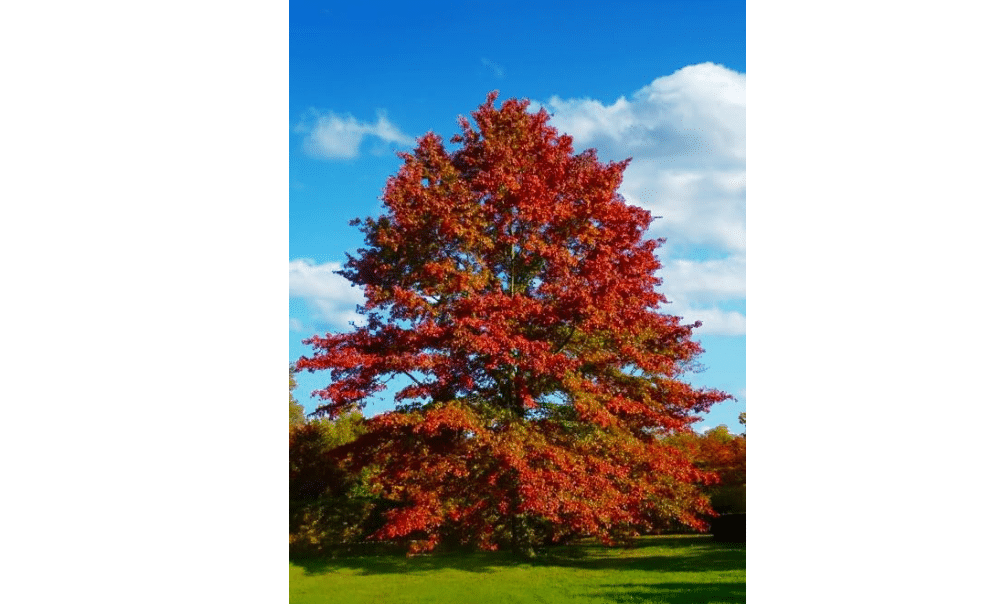
Product Description: Available on Amazon as robust, ready-to-plant saplings, the Pin Oak is a quintessential Midwest shade tree. It features a highly distinctive branching pattern—upper branches reach for the sky, middle branches stretch horizontally, and lower branches droop toward the ground. Its deeply lobed, glossy green leaves turn a stunning russet, bronze, or red in the fall.
-
Price of the Product: $43.00
-
Key Features and Benefits:
-
Fastest Growing Oak: Grows a respectable 2+ feet per year, much faster than White or Bur Oaks.
-
Wildlife Magnet: Produces small acorns that are a crucial food source for Missouri’s deer, turkeys, and songbirds.
-
Distinctive Shape: Forms a very clean, symmetrical, pyramidal canopy.
-
-
Pros and Cons:
-
Pros: Strong wood resists ice storm damage; beautiful fall color; highly tolerant of compacted clay.
-
Cons: Lower drooping branches require pruning if planted near walkways; leaves can hold on through winter (marcescence), delaying cleanup until spring.
-
-
Amazon Customer Ratings and Reviews: 4.7/5 Stars. Buyers report high survival rates for Pin Oaks shipped via Amazon, frequently praising the careful packaging of the root systems and the tree’s resilience during transplant.
-
Why it’s a good choice for Missouri: It natively thrives in the heavy, poorly draining clay soils found across Missouri subdivisions, making it an incredibly low-maintenance choice for new home builds.
-
Ideal use case or who should buy it: Homeowners seeking a strong, long-lasting legacy tree that provides deep shade, supports local wildlife, and resists winter ice damage.
6. Sugar Maple (Acer saccharum) – Most Resilient Hardwood
-
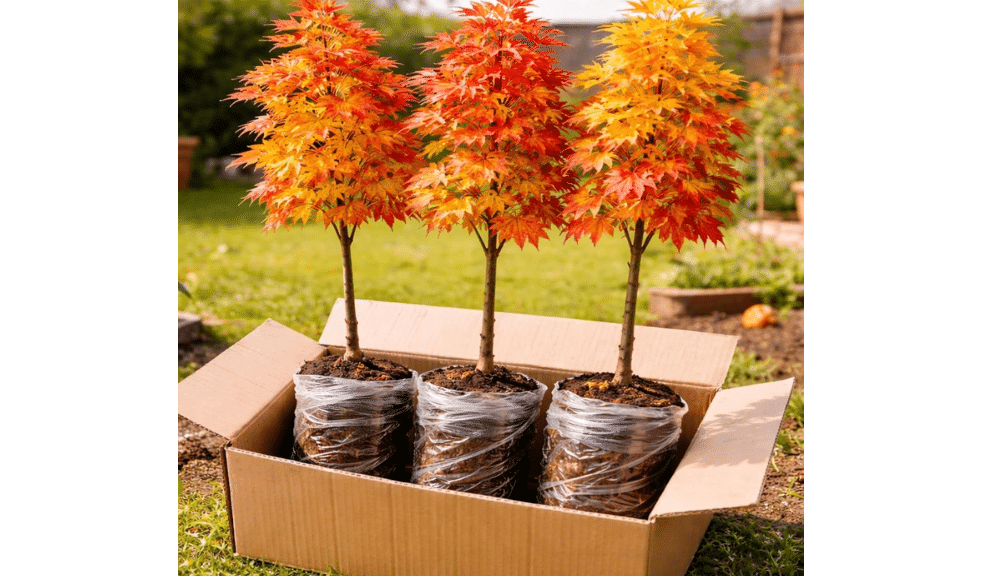
Product Description: The Sugar Maple is the gold standard for landscape trees, famous for producing maple syrup and delivering the most breathtaking fall colors in North America. When ordered online, you receive a carefully cultivated sapling that will grow into a dense, rounded canopy of green that ignites into shades of yellow, burnt orange, and bright red every autumn.
-
Price of the Product: $120.00
-
Key Features and Benefits:
-
Unmatched Longevity: A strong-wooded hardwood that can live for hundreds of years.
-
Dense Shade: Creates a very thick, cooling canopy that drastically lowers ground temperatures.
-
Shade Tolerant: Unlike many trees, young Sugar Maples can grow in the shade of larger trees until they reach the overstory.
-
-
Pros and Cons:
-
Pros: Incredible fall color; extremely strong branches resist wind and ice; highly valuable timber tree.
-
Cons: Slow growth rate (about 1 foot per year); sensitive to road salt and heavy pollution.
-
-
Amazon Customer Ratings and Reviews: 4.5/5 Stars. Verified purchasers appreciate the premium quality of these trees. Many note that while it takes patience to see them reach large sizes, the eventual fall color display makes it entirely worth the wait.
-
Why it’s a good choice for Missouri: It excels in Missouri’s rich soils and rolling hills. Its strong branch crotches make it highly resilient to the severe thunderstorms and ice storms common in the region.
-
Ideal use case or who should buy it: Patient homeowners prioritizing long-term property value, unmatched autumn aesthetics, and strong wood over rapid, immediate growth.
7. Thornless Honeylocust (Gleditsia triacanthos var. inermis) – Best for Dappled Patio Shade
-
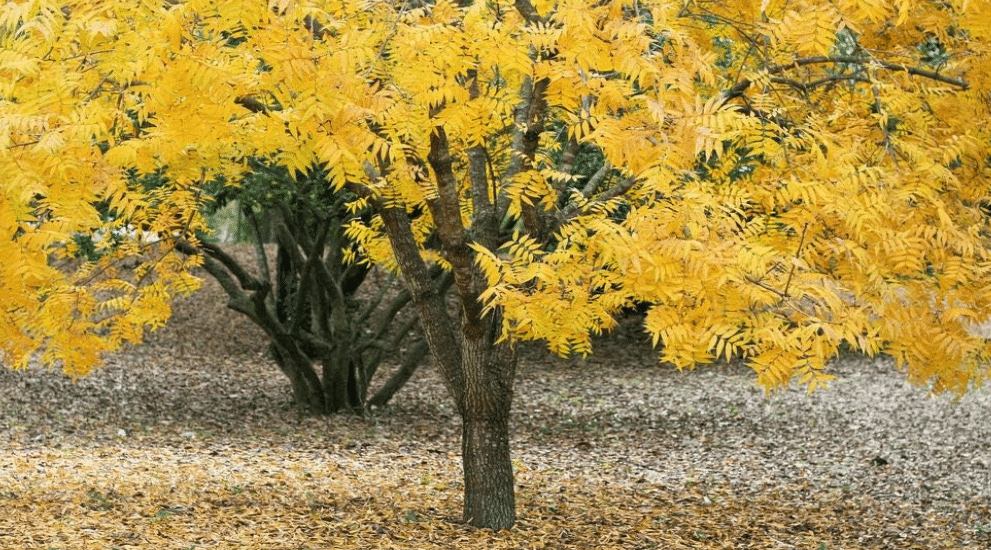
Product Description: The Thornless Honeylocust is the ultimate “polite” shade tree. Shipped typically as grafted, high-quality stock (look for varieties like ‘Sunburst’ or ‘Shademaster’ on Amazon), this tree features tiny, fern-like leaflets. It provides a light, dappled shade rather than a dark, impenetrable canopy.
-
Price of the Product: $140.00
-
Key Features and Benefits:
-
Dappled Sunlight: The airy canopy allows just enough sunlight through for turfgrass to grow beautifully right up to the trunk.
-
Zero Raking: The tiny leaves simply blow away or dissolve into the lawn in the fall—no raking required!
-
Urban Tough: Incredibly tolerant of heat, drought, salt, and poor soils.
-
-
Pros and Cons:
-
Pros: Allows grass to grow beneath it; requires almost zero fall cleanup; very fast-growing; beautiful yellow fall color.
-
Cons: Can be susceptible to webworms in late summer; provides lighter shade compared to maples or oaks.
-
-
Amazon Customer Ratings and Reviews: 4.6/5 Stars. Customers highly rate the ‘Shademaster’ variety, consistently mentioning how perfectly it shades their backyard decks without killing the grass below.
-
Why it’s a good choice for Missouri: It scoffs at Missouri’s August droughts and scorching temperatures. It’s an ironclad tree that survives in almost any soil condition, from Ozark rock to river bottom clay.
-
Ideal use case or who should buy it: The perfect choice for planting near patios, pools, or decks, or for homeowners who want to maintain a lush, green lawn underneath their shade tree.
8. Ginkgo Biloba (Maidenhair Tree) – Best for Urban Environments & Sidewalks
-
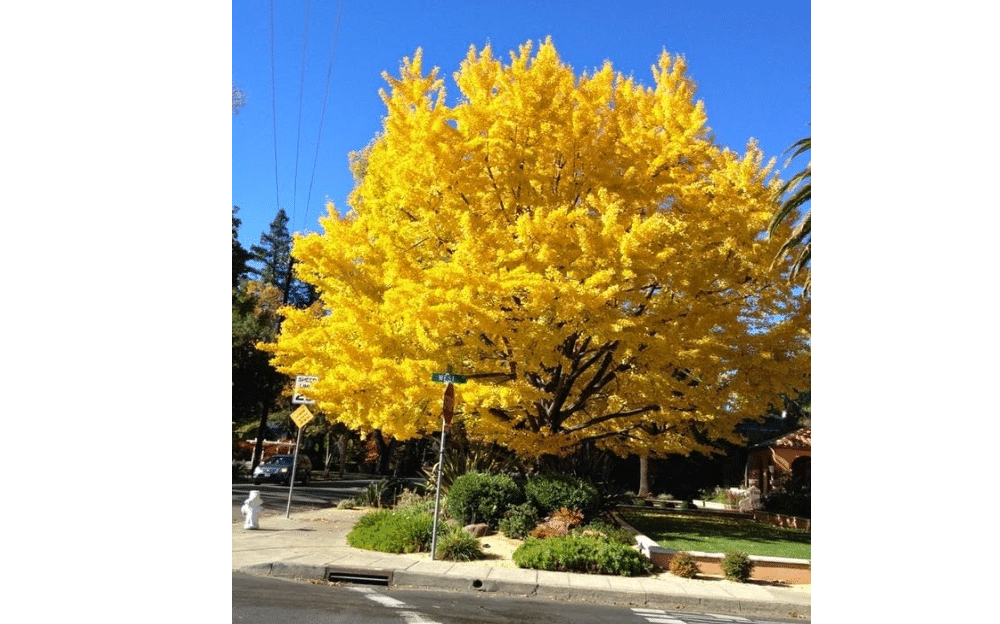
Product Description: The Ginkgo is a living fossil, having survived since the time of the dinosaurs. Available on Amazon in highly desired male grafted varieties (like ‘Autumn Gold’), this tree features stunning, fan-shaped leaves that turn a brilliant, glowing, uniform gold in the fall before dropping almost all at once in a spectacular overnight display.
-
Price of the Product:
-
Key Features and Benefits:
-
Prehistoric Toughness: Essentially immune to all known tree diseases and insect pests.
-
Urban Tolerance: Thrives in cramped spaces, smog, and compacted soils.
-
Striking Aesthetics: Unique fan-shaped foliage and a stunning golden-yellow fall display.
-
-
Pros and Cons:
-
Pros: Disease-free; stunning architecture and leaf shape; excellent street tree.
-
Cons: Slower grower; Critical Note: You must ensure you buy a male clone (like Autumn Gold) as female trees drop fleshy seeds that smell like rancid butter. Reputable Amazon sellers only ship male clones.
-
-
Amazon Customer Ratings and Reviews: 4.8/5 Stars. A favorite among tree enthusiasts. Amazon buyers frequently comment on the healthy root systems upon arrival and the immediate visual impact of the unique leaves.
-
Why it’s a good choice for Missouri: Excellent for urban and suburban environments like St. Louis or Kansas City, where air pollution, road salt, and limited root space would kill lesser trees.
-
Ideal use case or who should buy it: City dwellers, or anyone looking to plant a beautiful, highly unique street tree between the sidewalk and the road.
9. Weeping Willow (Salix babylonica) – Best for Rapid Privacy and Water Edges
-
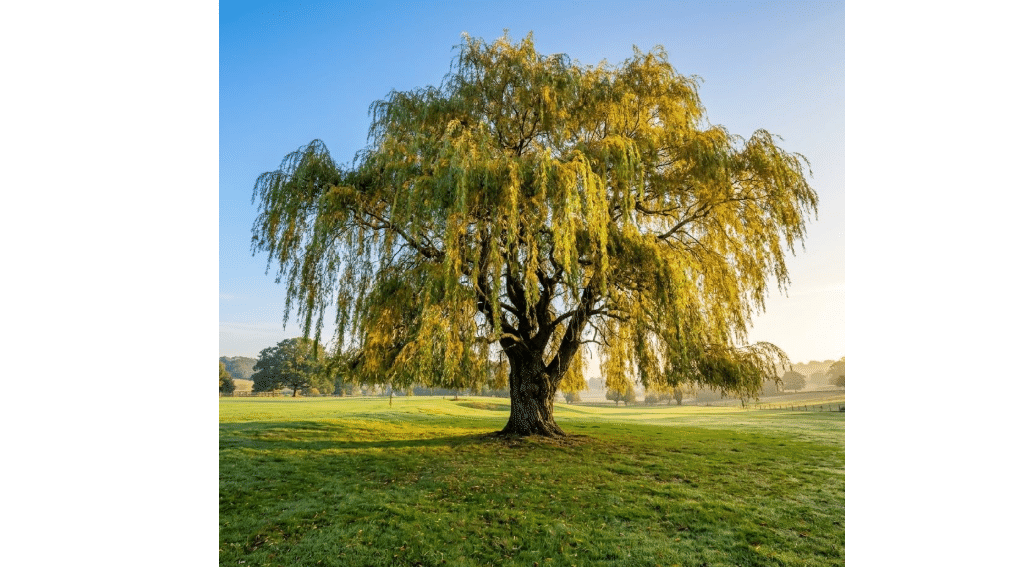
Product Description: Known for its dramatic, sweeping branches that cascade to the ground, the Weeping Willow is a romantic and iconic landscape tree. Shipped as bare-root or potted plants, these are among the fastest-rooting and fastest-growing trees available on Amazon.
-
Price of the Product:
-
Key Features and Benefits:
-
Explosive Growth: Can easily grow 4 to 8 feet per year, establishing a massive canopy in record time.
-
Dramatic Form: The sweeping, pendulous branches create a natural privacy curtain and gorgeous movement in the wind.
-
Water Loving: Will happily grow in standing water and floodplains.
-
-
Pros and Cons:
-
Pros: Unbeatable for fast privacy; beautiful architectural shape; thrives in wet areas.
-
Cons: Weak wood is highly susceptible to breaking in Missouri ice storms; aggressive roots will seek out and destroy underground plumbing and septic lines.
-
-
Amazon Customer Ratings and Reviews: 4.2/5 Stars. Buyers love the instant gratification of the Willow’s growth rate. However, lower ratings come from buyers who planted them too close to water lines and had to remove them later.
-
Why it’s a good choice for Missouri: Perfect for Missouri properties bordering lakes, ponds, or deep drainage ditches where the soil is constantly saturated.
-
Ideal use case or who should buy it: Acreage owners with a pond or natural water feature far away from the home’s foundation, septic system, and underground pipes.
10. Northern Red Oak (Quercus rubra) – Best Long-Term Property Investment
-
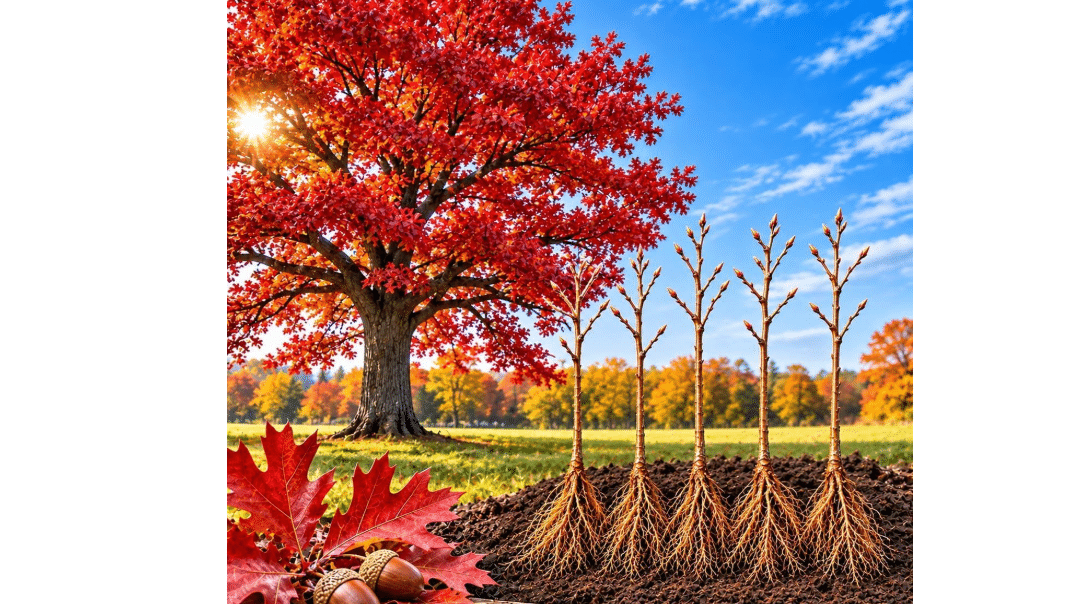
Product Description: A true American classic, the Northern Red Oak is a majestic, broad-canopied tree that provides dense, cooling shade. Amazon nurseries ship these as sturdy saplings that quickly adapt to their new environment. It features dark green leaves that turn a brilliant brick-red in late autumn.
-
Price of the Product:
-
Key Features and Benefits:
-
Fast Growing Hardwood: Grows up to 2 feet per year—incredibly fast for a dense, high-quality oak tree.
-
High Value: Mature red oaks significantly increase property value due to their beauty and shade capability.
-
Broad Canopy: Develops a rounded, massive canopy perfect for shading two-story homes.
-
-
Pros and Cons:
-
Pros: Very strong wood; gorgeous fall color; transplants easier than most other oaks; drought-tolerant.
-
Cons: Can be susceptible to oak wilt (though less so than pin oaks); drops acorns which can be a nuisance over driveways.
-
-
Amazon Customer Ratings and Reviews: 4.6/5 Stars. Reviewers praise the tree’s hardiness, noting that saplings bounce back quickly from shipping shock and show vigorous growth by their second year.
-
Why it’s a good choice for Missouri: It natively dominates the Missouri Ozarks. It is deeply adapted to the state’s fluctuating rainfall and provides robust defense against high winds and winter ice.
-
Ideal use case or who should buy it: Homeowners looking to plant a “forever tree” that grows relatively fast but retains the immense strength and aesthetic dignity of a classic oak.
IV. Buying Guide: How to Choose the Right Shade Tree for Your Missouri Yard
Selecting one of the best 10 shade trees for missouri goes beyond just picking the prettiest leaves. To ensure your Amazon tree purchase thrives, consider these critical Midwest factors:
-
Understanding Missouri’s Climate Zones: Missouri spans USDA Hardiness Zones 5b in the northern plains down to 7a in the Bootheel. All 10 trees on our list are rated to survive this entire spectrum. However, if you live in Northern Missouri, prioritize cold-hardy trees like the Sugar Maple or Red Oak to withstand harsh winter freezes.
-
Soil Considerations (The Clay Factor): Most Missouri subdivisions are built on heavy, compacted clay that drains poorly. If your yard holds water for days after a rain, opt for moisture-loving trees like the River Birch or Weeping Willow. If you want a Maple or Oak, you must dig a hole twice as wide as the root ball and amend the soil with compost to improve drainage.
-
Growth Rate vs. Wood Strength: It is tempting to buy the fastest-growing tree available. However, fast growth (like Silver Maples or Willows) equals brittle wood, making them vulnerable to Missouri’s notorious winter ice storms. We recommend balanced trees like the Autumn Blaze Maple or Northern Red Oak, which offer a great compromise between rapid growth and structural integrity.
-
Placement and Spacing: Never plant a large shade tree closer than 20 feet to your home’s foundation. Keep Willows and Sycamores far away from septic fields, underground plumbing, and concrete driveways, as their aggressive roots can cause thousands of dollars in damage.
V. Frequently Asked Questions
What is the fastest-growing shade tree in Missouri? The Weeping Willow and the American Sycamore are the fastest growers, capable of shooting up 3 to 6 feet per year. For a more structured yard tree, the Autumn Blaze Maple is the fastest, growing 3 to 5 feet annually.
Is it safe to order live shade trees from Amazon? Yes. Top-rated Amazon sellers (like Brighter Blooms or Perfect Plants) are licensed nurseries. They ship trees in specially designed, heavily ventilated boxes with soil wrapped in moisture-retaining gel or plastic. If you order in winter, the tree will arrive dormant (looking like a bare stick)—this is normal! Plant it, and it will flush out beautifully in the spring.
When is the best time of year to plant a shade tree in the Midwest? Early fall (September to October) is the absolute best time. The soil is still warm, encouraging root growth, but the air is cool, reducing stress on the tree. Early spring (March to April), as soon as the ground thaws, is the second-best time.
Do I need to stake a newly planted tree? Only if you live in a high-wind area or if the tree is exceptionally top-heavy. If you must stake, remove the stakes after one year. Allowing a tree to sway slightly in the wind naturally thickens and strengthens its trunk.
VI. Final Verdict
Missouri’s climate demands a tough, adaptable tree that can handle clay soil, summer droughts, and winter ice. Investing in the right canopy now will pay dividends in lower cooling bills, higher property values, and unforgettable backyard barbecues.
-
For the best overall balance of fast growth, stunning fall color, and adaptability, the Autumn Blaze Red Maple is our top recommendation.
-
If you have a wet, soggy yard, the River Birch is an elegant, moisture-loving problem solver.
-
For shading patios without killing your grass, the Thornless Honeylocust provides the perfect dappled sunlight.
Ready to cool down your yard? Measure your space, check your hardiness zone, and click through to Amazon using the links in our comparison table to secure your live tree before the spring and fall planting rushes deplete nursery stock!