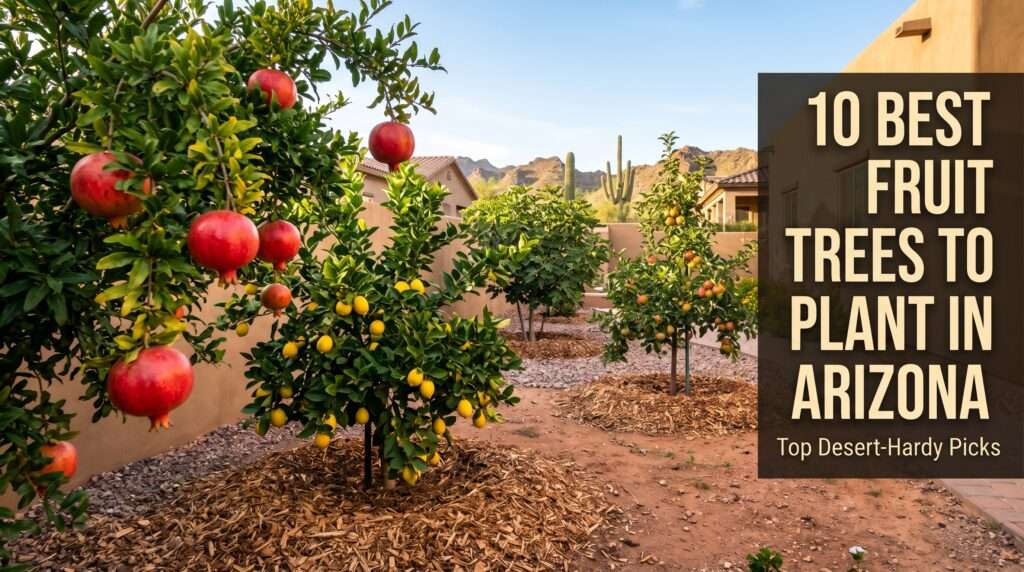
Nothing stings quite like spending hard-earned money on a promising nursery sapling, only to watch its leaves scorch in 115°F July heat, turn pale yellow in Arizona’s alkaline soil, or fail to set a single piece of fruit because winter never got cold enough. If you have ever wondered whether a lush backyard orchard is even possible in the desert, you are not alone. Finding the best 10 fruit trees to plant in Arizona comes down to one simple shift: stop fighting the desert climate and start planting varieties built to thrive in it.
Growing abundant, sweet fruit in the Southwest isn’t about babying fussy orchard classics meant for cool, rainy states. Instead, desert success depends on choosing heat-tolerant, alkaline-adapted, and low-chill cultivars that actually love intense sunlight and dry air. Whether you are gardening in the scorching low desert of Phoenix, Tucson, and Yuma—or navigating the cooler elevation swings of Sedona and Prescott—the right tree will reward you with shade, fragrant blossoms, and baskets of homegrown produce for decades.
To save you from costly trial and error, we evaluated dozens of top-rated live fruit trees available online. Our selection process focused on USDA Hardiness Zones 8b–11 (alongside adaptable picks that handle higher-desert freezes), low chill-hour requirements, drought resilience, and proven performance in high-pH soils. We also scrutinized nursery packaging, root health, and thousands of verified Amazon customer reviews to ensure every tree on this list arrives healthy and ready to establish in your yard.
(Note for Arizona buyers: Because Arizona enforces strict agricultural quarantines to protect local citrus from pests like Citrus Greening, always verify that the Amazon nursery seller ships certified citrus stock to Arizona zip codes before checking out.)
Quick Comparison Table: Best 10 Fruit Trees for Arizona
Detailed Reviews: Best 10 Fruit Trees to Plant in Arizona
1. Best Overall for Extreme Heat: Brighter Blooms Wonderful Pomegranate Tree
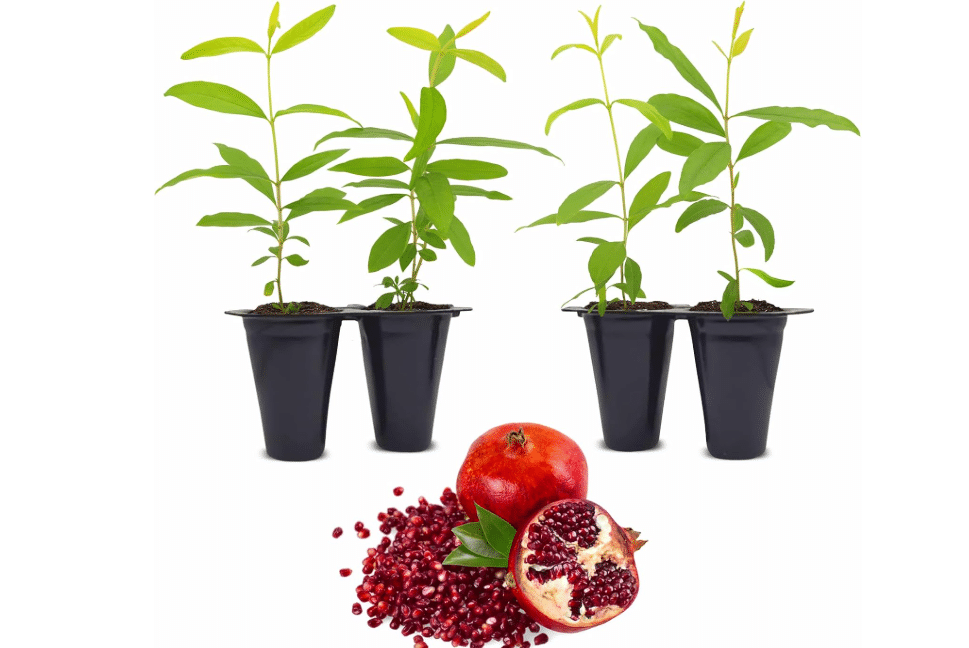
If there is one fruit tree that looks at a 115°F Phoenix afternoon and thrives, it is the Wonderful Pomegranate. As the industry standard for commercial and backyard orchards across the Southwest, this deciduous tree brings both ornamental beauty and massive yields. In late spring, it explodes with fiery orange-red blossoms that attract hummingbirds, followed by large, ruby-red fruits packed with sweet-tart, antioxidant-rich arils by early autumn.
-
Price: $26.99
-
Key Features & Benefits:
-
Self-Fertile: Only one tree is needed to produce heavy harvests.
-
Extreme Heat & Drought Tolerance: Once established, it thrives on deep, infrequent watering.
-
Alkaline Soil Adapted: Handles Arizona’s high-pH caliche soils better than almost any other fruit tree.
-
Compact Footprint: Matures to a manageable 8–12 feet tall and wide, or can be trained as a multi-trunk privacy hedge.
-
-
Pros:
-
Virtually indestructible in full desert sun and reflected block-wall heat.
-
Minimal pest and disease issues.
-
Requires only ~150 chill hours, making it reliable statewide.
-
-
Cons:
-
Fruit can split if heavy monsoon rains hit after a long dry spell.
-
Branches have small thorns, requiring care during harvesting.
-
-
Amazon Customer Ratings & Reviews: Consistently averages 4.5 out of 5 stars across live nursery listings. Buyers frequently praise the thick trunks, secure shipping boxes, and rapid leaf-out during the first spring. Negative reviews usually stem from buyers ordering dormant winter sticks and mistaking them for dead plants.
-
Why It’s a Good Choice for Arizona: It mirrors the native arid climates of Persia and the Mediterranean. It shrugs off dry winds, scorching sun, and alkaline water without needing constant soil amendments.
-
Ideal Use Case / Who Should Buy It: First-time Arizona gardeners, xeriscapers, and busy homeowners who want a foolproof, low-water fruit tree that doubles as an ornamental focal point.
2. Best Citrus Tree: Improved Meyer Lemon Tree
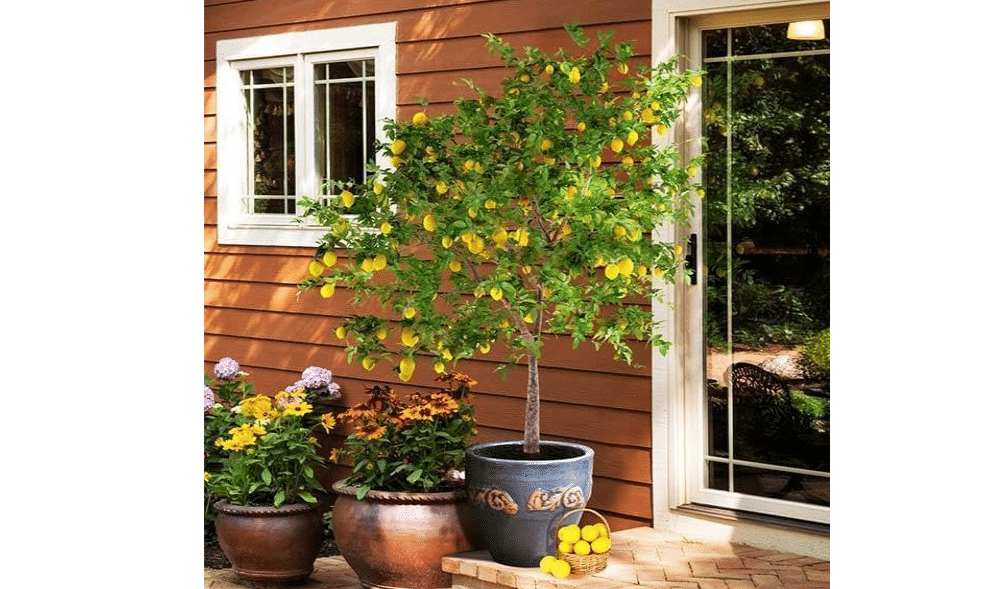
No list of the best 10 fruit trees to plant in Arizona is complete without citrus, and the Improved Meyer Lemon is the undisputed crown jewel for home growers. A natural cross between a true lemon and a mandarin orange, it produces thin-skinned, deep-yellow lemons that are noticeably sweeter, juicier, and less acidic than standard grocery store Eureka lemons. Better yet, its glossy evergreen foliage and intensely fragrant white flowers bloom in multiple waves throughout the year.
-
Price:
-
Key Features & Benefits:
-
Near Year-Round Production: Peak harvest hits in winter and spring, with lighter flushes continuing through the year.
-
Self-Pollinating: Produces heavily on its own, even on a covered patio.
-
Container-Friendly: Naturally compact (6–10 feet in-ground; 4–6 feet in pots), making it easy to manage in small yards.
-
Improved Strain: Bred to be virus-free and more vigorous than the original heirloom Meyer lemon.
-
-
Pros:
-
Unmatched culinary flavor for cooking, baking, and beverages.
-
Fragrant blossoms perfume the entire patio.
-
Thrives in large containers if you have poor yard soil.
-
-
Cons:
-
Young trees need frost cloth protection when winter nights dip below 32°F.
-
Prone to iron chlorosis (yellow leaves) in alkaline soil without annual chelated iron feeding.
-
-
Amazon Customer Ratings & Reviews: Holds a strong 4.4-star average across top nursery sellers. Verified buyers love that grafted trees often arrive with tiny flower buds or baby lemons already attached. A few buyers note minor leaf drop after shipping, which is normal transit stress for citrus.
-
Why It’s a Good Choice for Arizona: Arizona’s sunny, mild winters give Meyer lemons the exact heat units they need to sweeten up, while dry desert air keeps fungal diseases at bay.
-
Ideal Use Case / Who Should Buy It: Home cooks, patio/container gardeners, and anyone in USDA Zones 9–11 who wants fresh, gourmet lemons steps from their kitchen door.
3. Best Low-Maintenance Tree: Black Mission Fig Tree
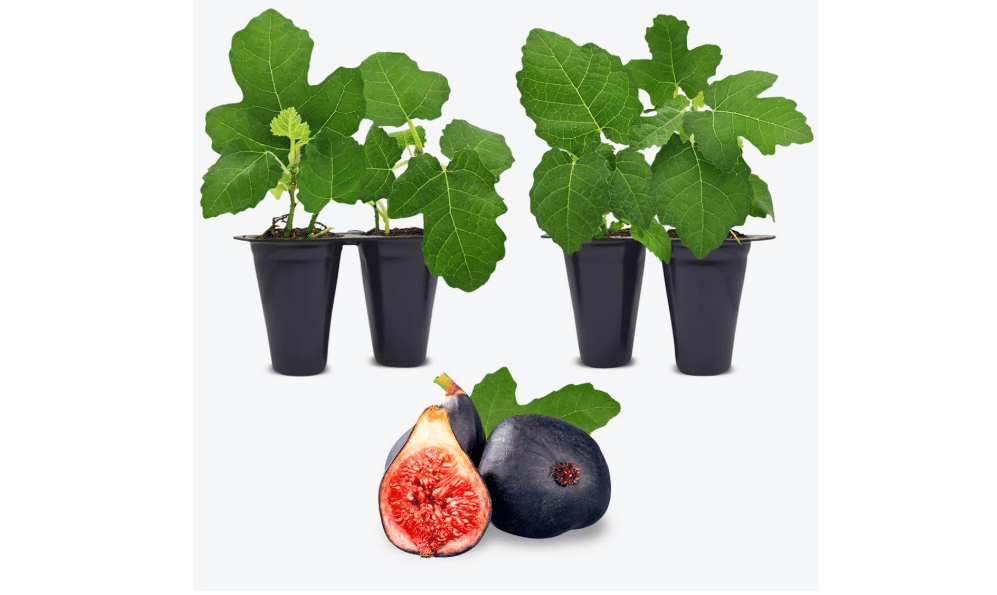
If you want pounds of gourmet fruit with almost zero maintenance, plant a Black Mission Fig. Introduced to the American Southwest by Spanish missionaries centuries ago, this heirloom variety is practically woven into Arizona’s landscape. It produces two distinct crops per year: a lighter “breba” crop in late spring on old wood, followed by a massive main crop in late summer filled with jammy, strawberry-red flesh wrapped in deep purple-black skin.
-
Price: $28.99
-
Key Features & Benefits:
-
Double Harvest: Enjoy fresh figs in both late spring and late summer/early fall.
-
Self-Fertile: Requires no pollinator wasp or second tree to set fruit.
-
Fast-Growing: Establishes rapidly and often produces its first handful of figs within 1–2 years of planting.
-
Heat-Loving: Thrives against sunny south- or west-facing walls where other trees would bake.
-
-
Pros:
-
Thrives on neglect once established; rarely needs heavy fertilizing.
-
Tolerates poor, rocky, and alkaline desert soils.
-
Handles winter cold down to ~15°F, making it viable in both low and middle-elevation Arizona.
-
-
Cons:
-
Can grow 15–25 feet tall and wide if left unpruned.
-
Birds and fig beetles love ripe fruit, so netting or early morning picking helps.
-
-
Amazon Customer Ratings & Reviews: Averages 4.3 out of 5 stars (with popular multi-packs and established pots earning high marks for root vigor). Reviewers highlight how quickly these trees bounce back after transplanting into desert soil.
-
Why It’s a Good Choice for Arizona: Figs adore dry heat. In humid states, figs often sour or split on the branch; in Arizona’s arid air, they concentrate their sugars into syrupy perfection.
-
Ideal Use Case / Who Should Buy It: Low-maintenance gardeners, families who love fresh fruit or homemade jams, and homeowners with hot, sun-baked walls to fill.
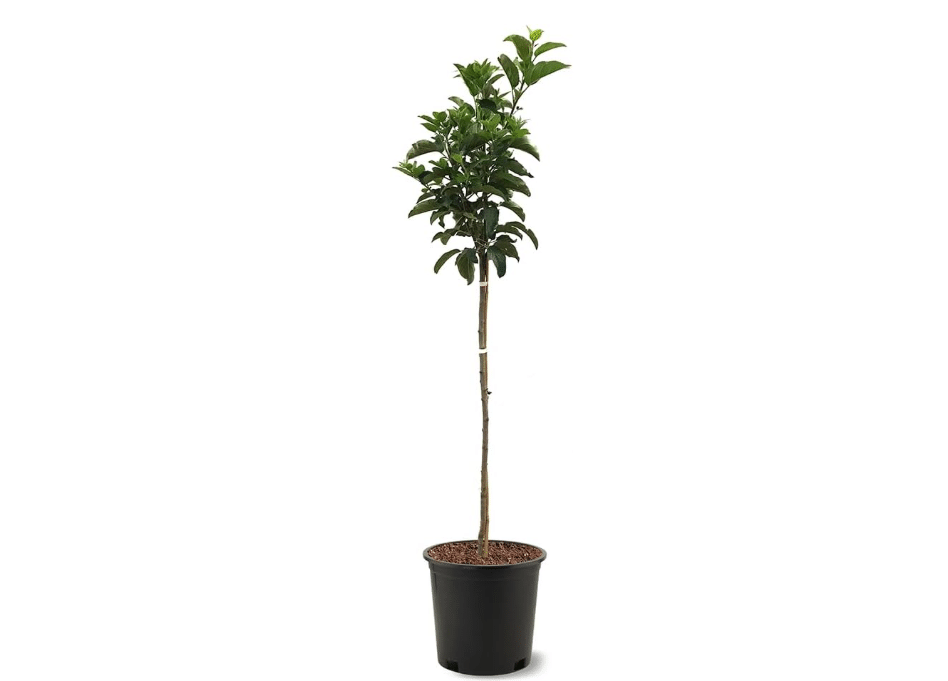
4. Best Low-Chill Apple: Anna Apple Tree
Most newcomers to Arizona assume they have to give up on backyard apples—and if you plant a traditional Honeycrisp or Fuji in Phoenix, you will get nothing but leaves. The Anna Apple changes the game. Developed in Israel specifically for warm, arid climates, it requires only about 200 chill hours (hours below 45°F) to break dormancy and set a heavy crop of crisp, sweet-tart, red-blushed apples.
-
Price:
-
Key Features & Benefits:
-
Ultra-Low Chill Requirement: Reliably fruits in Phoenix, Tucson, and Yuma winters.
-
Early Harvest: Ripens in late May to June, finishing its crop before peak July and August heatwaves hit.
-
Heavy Producer: Known for bearing fruit at a very young age—often by year two.
-
Sweet-Tart Flavor: Crisp texture reminiscent of a Golden Delicious with a bright, tangy finish.
-
-
Pros:
-
Solves the #1 reason apple trees fail in the low desert.
-
Early ripening avoids peak summer sunscald on the fruit.
-
Compact enough to espalier along a sunny fence or block wall.
-
-
Cons:
-
While partially self-fertile, yields are dramatically larger when paired with a Dorsett Golden apple tree as a pollinator.
-
Needs afternoon shade or trunk whitewashing during its first two Arizona summers.
-
-
Amazon Customer Ratings & Reviews: Averages 4.4 out of 5 stars. Buyers in Zones 9 and 10 frequently rave about harvesting their first homegrown desert apples within two seasons, praising the sturdy graft unions and healthy rootballs.
-
Why It’s a Good Choice for Arizona: It is specifically engineered for mild desert winters and intense spring sunshine, allowing low-desert homeowners to enjoy crisp, fresh apples without living in the mountains.
-
Ideal Use Case / Who Should Buy It: Low-desert families who miss picking fresh backyard apples and have room to plant an Anna alongside a Dorsett Golden pollinator.
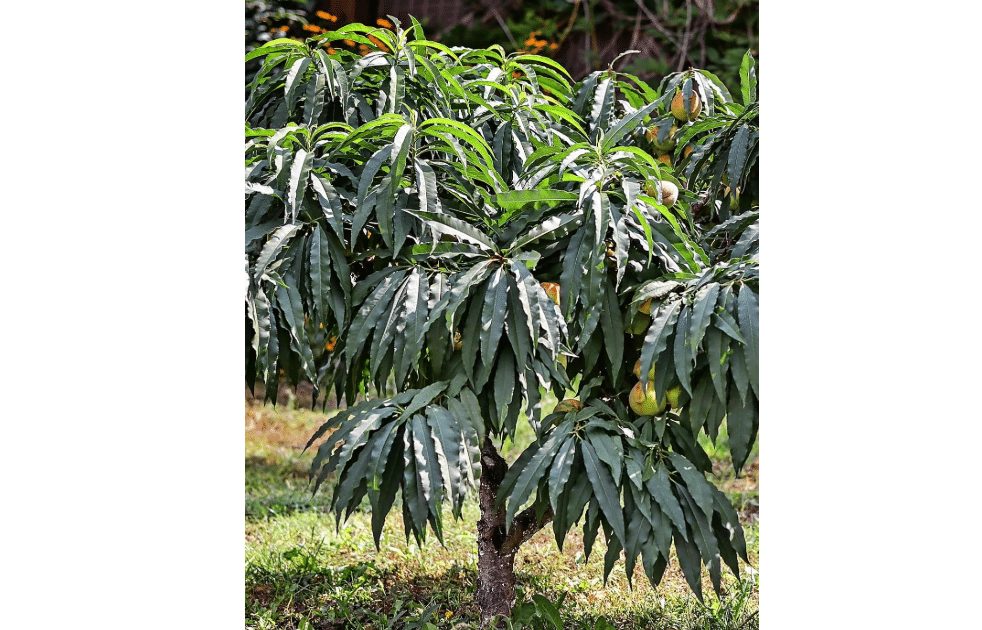
5. Best Stone Fruit for Desert Winters: Dwarf Low-Chill Peach Tree (Bonanza / Florida Prince / Eva’s Pride)
Nothing compares to biting into a warm, sun-ripened peach picked straight from your own backyard—and with the right low-chill cultivar, you can pull it off even in Phoenix or Tucson. Varieties like Dwarf Bonanza, Florida Prince, and Eva’s Pride require just 100 to 250 chill hours, blooming with gorgeous pink blossoms in late winter and ripening juicy, sweet freestone peaches by late May or early June.
-
Price:
-
Key Features & Benefits:
-
Self-Fruitful: No second peach tree is required for pollination.
-
Early Ripening: Harvest finishes before peak 115°F July heatwaves stress the fruit.
-
Compact Size: Dwarf varieties stay around 5–6 feet tall (ideal for patios or tight yards), while standard low-chill cultivars can easily be pruned to 8–10 feet.
-
Showstopping Spring Blooms: Adds vibrant pink ornamental color to desert yards in February and March.
-
-
Pros:
-
Unmatched homegrown sweetness and aroma compared to store-bought peaches.
-
Thrives in mild desert winters where standard 700-hour peaches never set fruit.
-
Fast to bear—often producing a light crop by year two.
-
-
Cons:
-
Requires annual winter pruning and spring fruit thinning so branches don’t snap under heavy loads.
-
Late February frosts can occasionally nip early blossoms if left uncovered.
-
-
Amazon Customer Ratings & Reviews: Averages 4.3 out of 5 stars across top nursery listings. Verified buyers highlight the vigorous spring leaf-out and delicious fruit quality, while noting that bare-root trees need prompt planting and deep watering upon arrival.
-
Why It’s a Good Choice for Arizona: It is bred specifically to bypass the cold-winter requirement of northern peaches while beating the brutal midsummer heat with an early harvest window.
-
Ideal Use Case / Who Should Buy It: Backyard gardeners willing to do 15 minutes of annual pruning in exchange for gourmet-quality spring peaches.
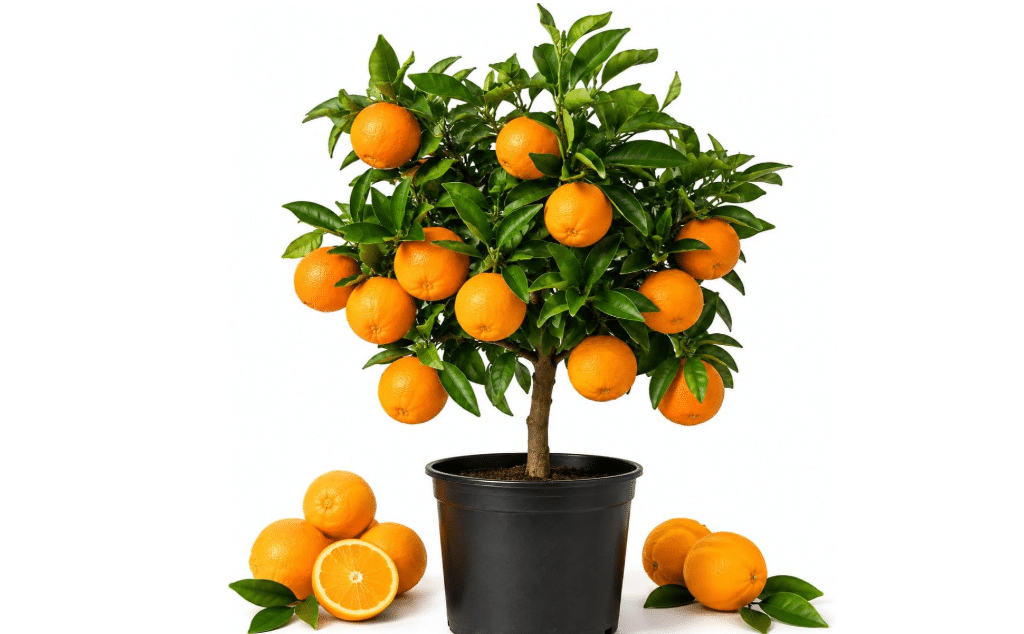
6. Best Sweet Orange: Washington Navel Orange Tree
Arizona has a century-long love affair with citrus, and the Washington Navel Orange is the undisputed winter champion. Famous for its thick, easy-to-peel bright orange rind and completely seedless, honey-sweet segments, this evergreen tree transforms your yard into a fragrant oasis in spring and rewards you with a massive winter harvest from December through March.
-
Price: $89.99
-
Key Features & Benefits:
-
Seedless & Easy to Peel: The ultimate snacking and juicing orange.
-
Long “On-Tree” Storage: Ripe oranges hold beautifully on the branches for months without spoiling, letting you pick them fresh all winter.
-
Dual-Purpose Landscape Tree: Dense, glossy green foliage provides year-round shade and curb appeal.
-
Self-Pollinating: One tree delivers abundant harvests.
-
-
Pros:
-
Iconic winter harvest when most other fruit trees are dormant.
-
Intensely fragrant white blossoms in March.
-
Hardy down to about 28°F once mature.
-
-
Cons:
-
Young trunks and tender leaves are susceptible to intense afternoon sunburn during their first two Arizona summers.
-
Needs consistent deep watering during summer heat to prevent fruit drop.
-
-
Amazon Customer Ratings & Reviews: Boasts a strong 4.6-star average from verified buyers. Customers frequently praise the lush, dark-green foliage upon arrival and the rapid establishment in warm, sunny climates.
-
Why It’s a Good Choice for Arizona: Arizona’s signature winter weather—warm, sunny days paired with crisp, cool nights—creates the exact sugar-to-acid ratio that makes desert-grown navel oranges sweeter than almost anywhere else in the country.
-
Ideal Use Case / Who Should Buy It: Homeowners in Zones 9–11 who want a classic evergreen shade tree that supplies baskets of sweet, seedless oranges all winter long.
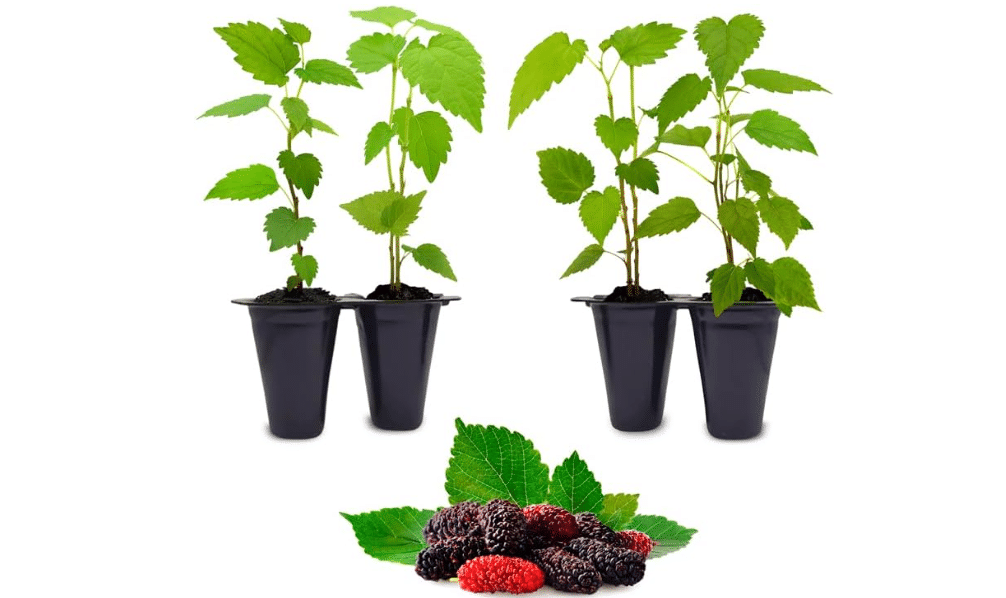
7. Best Fast-Growing Shade & Fruit Tree: Dwarf Everbearing Mulberry Tree (Female / Fruiting)
If you have a sun-baked, empty yard and want fast shade and pounds of sweet berries, the Dwarf Everbearing Mulberry is a desert powerhouse. Unlike the pollen-spewing male mulberry trees that are banned in many Arizona municipalities due to allergies, this fruiting female cultivar produces zero allergenic pollen and loads its branches with sweet, blackberry-like fruit from spring into summer.
-
Price: $32.99
-
Key Features & Benefits:
-
Rapid Growth: Establishes quickly and often produces its first berries within its very first year in the ground.
-
Extreme Heat Tolerance: Laughs off 115°F temperatures and dry desert winds.
-
Self-Fertile: Produces heavy crops without needing a pollinator.
-
Manageable Size: Easily kept at 8–12 feet with light pruning, making harvesting effortless.
-
-
Pros:
-
Virtually pest-free and thrives in poor, alkaline desert soils.
-
Provides fast, welcome summer shade for patios or surrounding plants.
-
Legal to plant in Arizona cities because it is a non-pollinating female variety.
-
-
Cons:
-
Ripe falling berries will stain concrete patios, pool decks, and driveways—plant over gravel, mulch, or lawn instead.
-
Attracts birds (which many gardeners love, though you may want to share the harvest).
-
-
Amazon Customer Ratings & Reviews: Averages 4.4 out of 5 stars. Buyers are consistently amazed by how fast the tree grows after transplanting and how early it begins setting sweet, dark-purple berries.
-
Why It’s a Good Choice for Arizona: Few berry-producing plants can survive Arizona’s brutal UV index and dry air; the Dwarf Everbearing Mulberry doesn’t just survive—it flourishes.
-
Ideal Use Case / Who Should Buy It: New-build homeowners with bare yards who want fast shade and an easy, kid-friendly berry harvest without fussy soil prep.
8. Best Patio & Cocktail Citrus: Bearss (Persian) Lime Tree
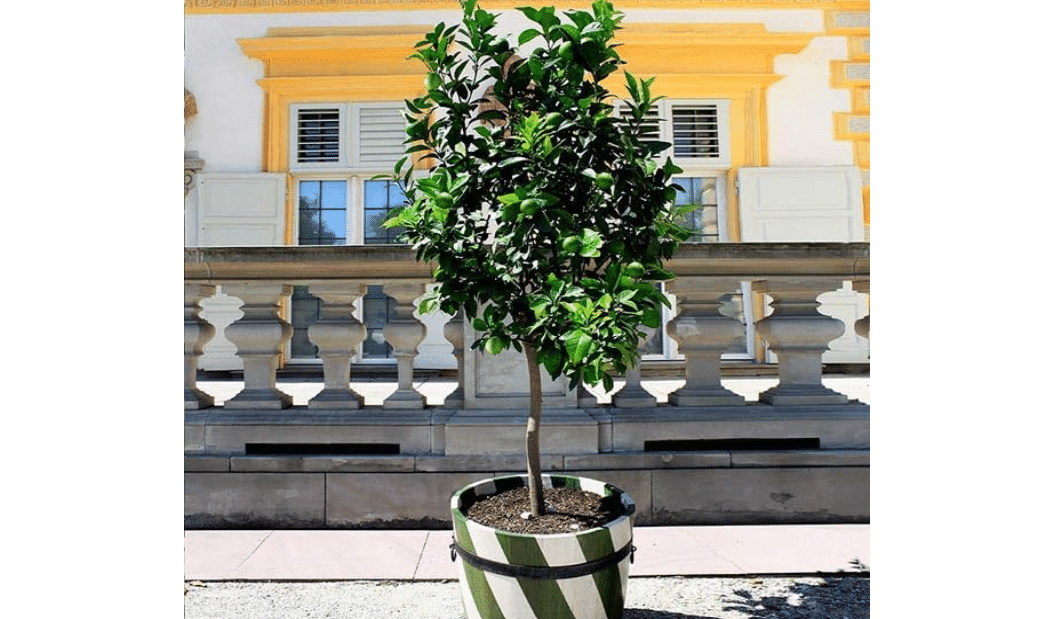
Also known as the Tahitian or Persian Lime, the Bearss Lime is the exact seedless, bright-green lime you buy at the grocery store—only far more aromatic and juicy when picked fresh from your own patio. It is naturally thornless (making harvesting painless), stays compact enough for large decorative pots, and produces heavy waves of fruit throughout the year.
-
Price: $114.99
-
Key Features & Benefits:
-
Thornless & Seedless: Easy to prune, easy to pick, and easy to squeeze.
-
Prolific Producer: A single mature tree can yield dozens of pounds of limes annually.
-
Self-Pollinating: Thrives solo on a sunny patio or in a courtyard.
-
Compact Habit: Grows 8–12 feet in-ground or stays a neat 4–6 feet in a 25-gallon container.
-
-
Pros:
-
Continuous supply of fresh limes for tacos, guacamole, marinades, and cocktails.
-
Glossy evergreen leaves and sweet-smelling blooms add tropical curb appeal.
-
Loves Arizona’s intense heat when watered deeply.
-
-
Cons:
-
More frost-sensitive than lemons or oranges—needs frost cloth or a warm south-facing microclimate when temperatures dip near 32°F.
-
Requires regular citrus fertilizer with micronutrients (iron, zinc, manganese) in alkaline soil.
-
-
Amazon Customer Ratings & Reviews: Averages 4.5 out of 5 stars. Buyers love the thornless branches and frequently report harvesting fresh limes within the first 6 to 12 months of planting.
-
Why It’s a Good Choice for Arizona: Limes crave heat to produce high juice content. Placed in a warm, frost-protected corner of an Arizona yard or patio, a Bearss Lime will outperform almost any other potted fruit tree.
-
Ideal Use Case / Who Should Buy It: Patio entertainers, home chefs, and container gardeners who want fresh, seedless limes within arm’s reach of the grill.
9. Best Tropical-Style Desert Performer: Barbados Cherry (Acerola) Tree
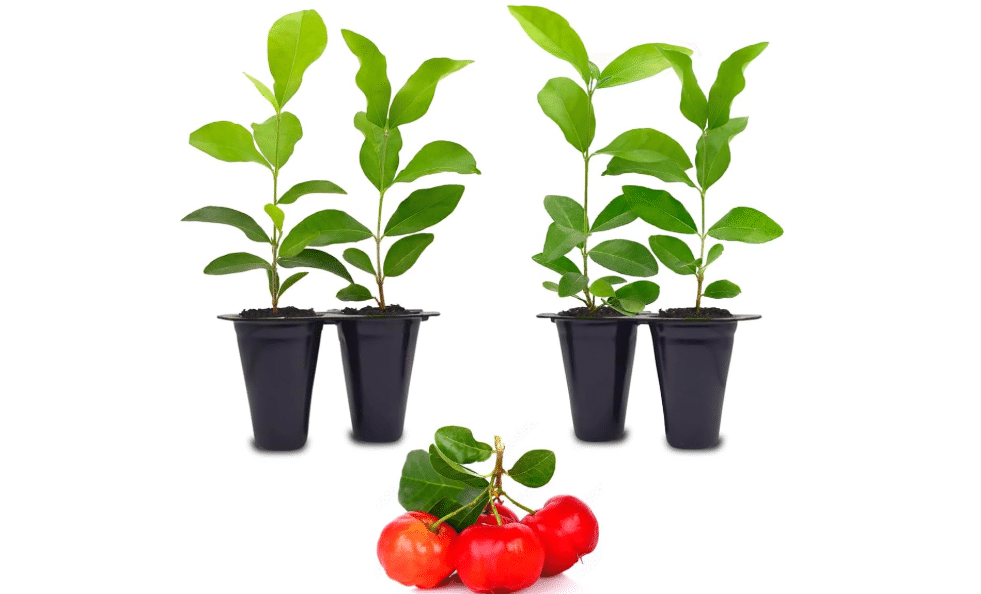
Looking for something unique that packs a massive nutritional punch? The Barbados Cherry (Acerola) is a heat-loving tropical superfruit that thrives surprisingly well in Arizona’s low desert. From spring through fall, it produces delicate pink blossoms followed by bright-red, cherry-sized fruits that contain up to 30 times more Vitamin C than an orange, with a tart, apple-cherry flavor.
-
Price: $31.99
-
Key Features & Benefits:
-
Superfruit Powerhouse: One of the highest natural sources of Vitamin C in the world.
-
Heat & Drought Resilient: Once established, it handles full desert sun and dry air with ease.
-
Versatile Form: Can be pruned into a neat 6–10 ft small tree or grown as a dense fruiting privacy shrub.
-
Self-Fertile: Sets multiple flushes of fruit on its own all summer long.
-
-
Pros:
-
Prolific fruiting right through the hottest months of the Arizona summer.
-
Virtually no serious pest or disease problems in dry climates.
-
Gorgeous pink flowers add ornamental flair.
-
-
Cons:
-
Cold-sensitive during its first winter (protect below 32°F; mature trees handle brief dips to ~28°F).
-
Fruit is delicate and best eaten fresh or blended into smoothies rather than stored for days.
-
-
Amazon Customer Ratings & Reviews: Holds a 4.3-star average. Verified reviewers praise its resilience in Zones 9b–11 and note how quickly it begins flowering and fruiting in sunny spots.
-
Why It’s a Good Choice for Arizona: While most tropical fruits fry in Arizona’s low humidity, Barbados Cherry thrives in desert sunshine and rewards you with fresh fruit during the summer months when citrus is out of season.
-
Ideal Use Case / Who Should Buy It: Health-conscious gardeners, smoothie lovers, and adventurous growers wanting an exotic, high-vitamin superfruit that handles full sun.
10. Best Drought-Tolerant Specialty Tree: Li Jujube (Chinese Date) Tree
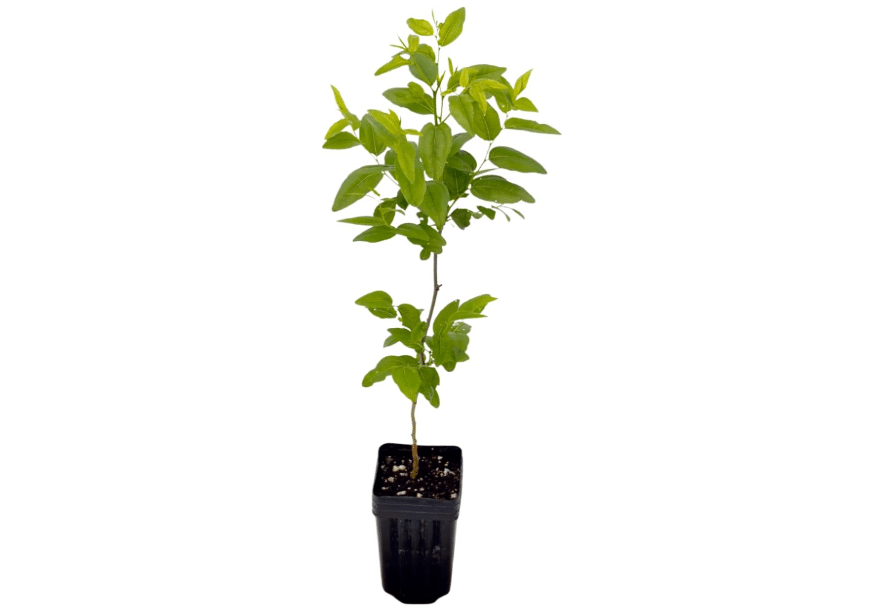
If you want a fruit tree that laughs at extreme heat, shrugs off freezing winter nights, ignores alkaline caliche soil, and barely needs water once established, meet the Li Jujube. Often called the “Chinese Date,” this uniquely resilient tree produces crisp, sweet, apple-like fruits that can be eaten fresh off the branch when yellow-green or left to wrinkle into chewy, date-like treats.
-
Price:
-
Key Features & Benefits:
-
All-Arizona Hardiness: Thrives in both the 115°F low desert (Phoenix/Tucson) and freezing high-desert winters (Prescott/Sedona/Flagstaff, hardy to -10°F).
-
Self-Fertile: The ‘Li’ variety is the top-recommended self-pollinating cultivar for large, sweet fruit.
-
Alkaline & Drought Champion: Flourishes in poor, salty, high-pH soils where traditional orchard trees struggle.
-
Pest-Free: Practically immune to common fruit tree pests and fungal diseases.
-
-
Pros:
-
Dual-use fruit: crunchy like an apple when fresh, sweet like a date when dried.
-
Graceful, glossy green foliage with an attractive weeping habit.
-
Extremely low water requirement once established.
-
-
Cons:
-
Can send up root suckers if the roots are disturbed by digging or mowing.
-
Branches have small spines, so wear gloves when pruning.
-
-
Amazon Customer Ratings & Reviews: Averages 4.5 out of 5 stars. Buyers across the Southwest rave about its survival rate in harsh desert conditions and the surprisingly sweet, crisp flavor of the fruit.
-
Why It’s a Good Choice for Arizona: It is arguably the single most adaptable fruit tree for Arizona’s wildly varying microclimates—handling extreme summer heat, alkaline soil, and sub-freezing winter temperatures without blinking.
-
Ideal Use Case / Who Should Buy It: Low-water xeriscapers, high-desert or transition-zone homeowners, and anyone tired of babying fussy fruit trees.
Comprehensive Arizona Fruit Tree Buyer’s Guide
Before clicking “Add to Cart,” keep these four desert-specific factors in mind so your new tree thrives for decades:
1. Know Your Arizona Zone (Low Desert vs. High Desert)
Arizona isn’t one climate—it’s several stacked by elevation:
-
Low Desert (Phoenix, Tucson, Yuma — USDA Zones 9b–11): Prioritize heat-lovers and low-chill varieties like Pomegranates, Figs, Citrus (Meyer Lemon, Navel Orange, Bearss Lime), Anna Apple, Low-Chill Peaches, Mulberries, Barbados Cherry, and Jujube.
-
High Desert & Mountains (Flagstaff, Prescott, Sedona — USDA Zones 5–8): Citrus and Barbados Cherry will freeze outdoors here. Stick to cold-hardy picks like Li Jujube, Black Mission Fig (in sheltered spots), Wonderful Pomegranate (in Sedona/mid-elevation), and cold-hardy apples, pears, and peaches.
2. Understanding Chill Hours (The #1 Buying Mistake)
Deciduous fruit trees (apples, peaches, plums) need a specific number of winter hours below 45°F—called chill hours—to wake up and set fruit in spring. Phoenix typically gets only 200 to 400 chill hours per winter. If you buy a northern apple or peach requiring 700+ chill hours, it will leaf out late and produce zero fruit. Always check that your deciduous tree is rated for 300 chill hours or fewer in the low desert.
3. Pollination Needs
-
Self-Fertile (Need Only 1 Tree): Pomegranate, Meyer Lemon, Black Mission Fig, Low-Chill Peaches, Navel Orange, Dwarf Everbearing Mulberry, Bearss Lime, Barbados Cherry, and Li Jujube.
-
Cross-Pollinators (Best with 2 Trees): Anna Apple is partially self-fertile, but planting a Dorsett Golden apple nearby will easily double or triple your harvest.
4. Mature Size & Rootstock
If you have a standard suburban yard or patio, look for dwarf or semi-dwarf rootstock. They stay between 6 and 10 feet tall, making it dramatically easier to cover them with frost cloth in winter, shade them in summer, and harvest fruit without a ladder.
Pro Planting & Care Tips for Arizona Success
-
Best Time to Plant: Plant between February and mid-April (once hard freezes pass, before daytime highs hit 100°F+) or in October–November for deciduous trees. Avoid planting in June, July, or August if possible.
-
Prevent Trunk Sunburn: Young fruit tree bark burns easily in Arizona’s intense UV rays. Paint the lower trunk with a 50/50 mix of flat white interior latex paint and water (never oil-based paint), or use 50% shade cloth on the west side during the tree’s first summer.
-
Deep Watering & Mulching: Skip shallow daily sprinkling. Water deeply and slowly at the drip line to wet the soil 2–3 feet down—typically every 3–5 days for newly planted summer trees, transitioning to every 7–14 days once established. Apply 3–4 inches of organic wood chip mulch around the base (keeping it 6 inches away from the trunk) to cool the roots and lock in moisture.
-
Fix Alkaline Soil Yellowing (Iron Chlorosis): Arizona’s high-pH soil locks up iron, causing citrus and peach leaves to turn yellow with green veins. Apply chelated iron (EDDHA form works best in alkaline soil) and top-dress with organic compost each spring.
-
Winter Frost Protection: When forecasts dip to 32°F or below, drape breathable frost cloth (never plastic) over sensitive young citrus or Barbados cherry trees down to the ground, and clip a strand of old-fashioned incandescent C7/C9 holiday lights inside the canopy for gentle warmth.
Frequently Asked Questions (FAQs)
What is the easiest fruit tree to grow in Arizona? The Wonderful Pomegranate and Black Mission Fig are the two easiest, most forgiving fruit trees for Arizona. Both handle 115°F heat, thrive in alkaline soil, require minimal fertilizing, and are self-fertile.
Can I grow fruit trees in pots on an Arizona patio? Yes! Improved Meyer Lemon, Bearss Lime, Dwarf Bonanza Peach, Black Mission Fig, and Barbados Cherry all thrive in containers. Use a 25- to 30-gallon pot with excellent drainage, high-quality potting mix, and position the pot where it gets morning sun and dappled afternoon shade during summer.
How long does it take for a newly planted fruit tree to produce fruit? Grafted nursery trees typically produce their first light harvest within 1 to 3 years. Dwarf Everbearing Mulberries, Meyer Lemons, and Black Mission Figs often set their first fruits within 12 months.
Which fruit trees should I avoid in the Arizona low desert? Avoid high-chill orchard trees like Honeycrisp, Fuji, and Gala apples, sweet cherries (Bing/Rainier), and standard northern peaches—they simply won’t get enough winter cold to fruit properly in Phoenix, Tucson, or Yuma.
Final Verdict: Which Fruit Tree Should You Buy?
Building a thriving backyard orchard in the desert is all about matching the tree to your space and maintenance style. Among the best 10 fruit trees to plant in Arizona, here is how to make your final pick:
-
Best All-Around & Foolproof Choice: Go with the Brighter Blooms Wonderful Pomegranate or Black Mission Fig for maximum heat tolerance and minimal upkeep.
-
Best Year-Round Kitchen Companion: Choose the Improved Meyer Lemon or Bearss (Persian) Lime for fragrant blossoms and fresh patio citrus.
-
Best Classic Orchard Fruit: Plant the Anna Apple (paired with a Dorsett Golden) or a Dwarf Low-Chill Peach to enjoy crisp apples and juicy peaches before summer heat peaks.
-
Best for Any Arizona Elevation: Pick the Li Jujube if you want a drought-tolerant, pest-free tree that handles both scorching summers and freezing winters.
Check your USDA zone, pick a sunny spot with good drainage, and order your live nursery tree early in the season so its roots have plenty of time to establish before summer arrives.