
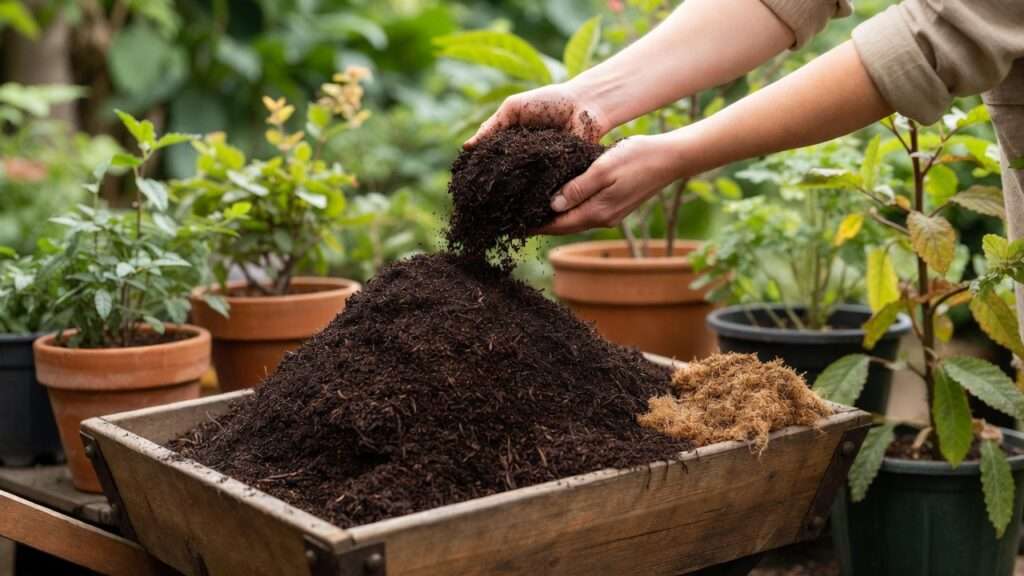
Have you ever stared at your potted plants—those vibrant tomatoes 🍅, lush herbs 🌿, or colorful flowers 🌸—and wondered why they’re not thriving like they should? Maybe the leaves are yellowing, growth is slow, or the soil dries out too fast (or stays soggy forever). The culprit is often the same: subpar potting mix. Store-bought bags can be expensive, inconsistent, and lacking in real nutrition. That’s where adding compost to homemade potting mix comes in as a game-changer.
As a plant care specialist with over a decade of hands-on experience testing DIY soil blends in tropical climates like Dhaka (where heat, humidity, and monsoon rains challenge container gardening), I’ve found that incorporating quality compost transforms ordinary pots into thriving mini-ecosystems. Compost delivers slow-release nutrients, boosts beneficial microbes, improves water retention without waterlogging, and cuts costs dramatically. In this comprehensive guide, you’ll discover the best ratios, step-by-step mixing techniques, expert tips to avoid common pitfalls, and tailored recipes for everything from veggies to succulents. By the end, you’ll have the confidence to create custom, nutrient-rich potting mixes that make your container plants explode with health. Let’s dig in! 🚀
Why Add Compost to Your Homemade Potting Mix? The Science & Benefits 🌟
Compost isn’t just “rotted stuff”—it’s a living powerhouse. Finished compost teems with organic matter, macro- and micronutrients (like nitrogen, phosphorus, potassium, calcium, and trace elements), plus billions of beneficial bacteria, fungi, and earthworms that create a healthy soil food web.
In containers, plants face unique stresses: limited root space, faster nutrient depletion, and poor drainage if the mix compacts. Adding compost addresses these head-on:
- Nutrient boost — Provides slow-release fertility, reducing the need for synthetic fertilizers by 30-50% in many cases.
- Better structure and drainage — When balanced properly, compost improves aeration and prevents compaction, while holding moisture like a sponge.
- Disease resistance — Beneficial microbes suppress pathogens (e.g., damping-off in seedlings).
- Eco-friendly and cost-effective — Reuse kitchen scraps, yard waste, or local compost sources (common in Dhaka markets or home bins) to save money and reduce waste ♻️.
- Sustainability win — Lowers reliance on peat moss (which depletes wetlands) by using alternatives like coco coir.
For heavy feeders like vegetables and herbs, compost shines brightest. Light feeders like succulents need less to avoid issues. Research from university extensions (e.g., Penn State, UMN) shows balanced compost addition leads to healthier roots and higher yields in pots.
Choosing the Right Compost for Potting Mix Success 🍂
Not all compost is created equal—quality matters hugely for pots.
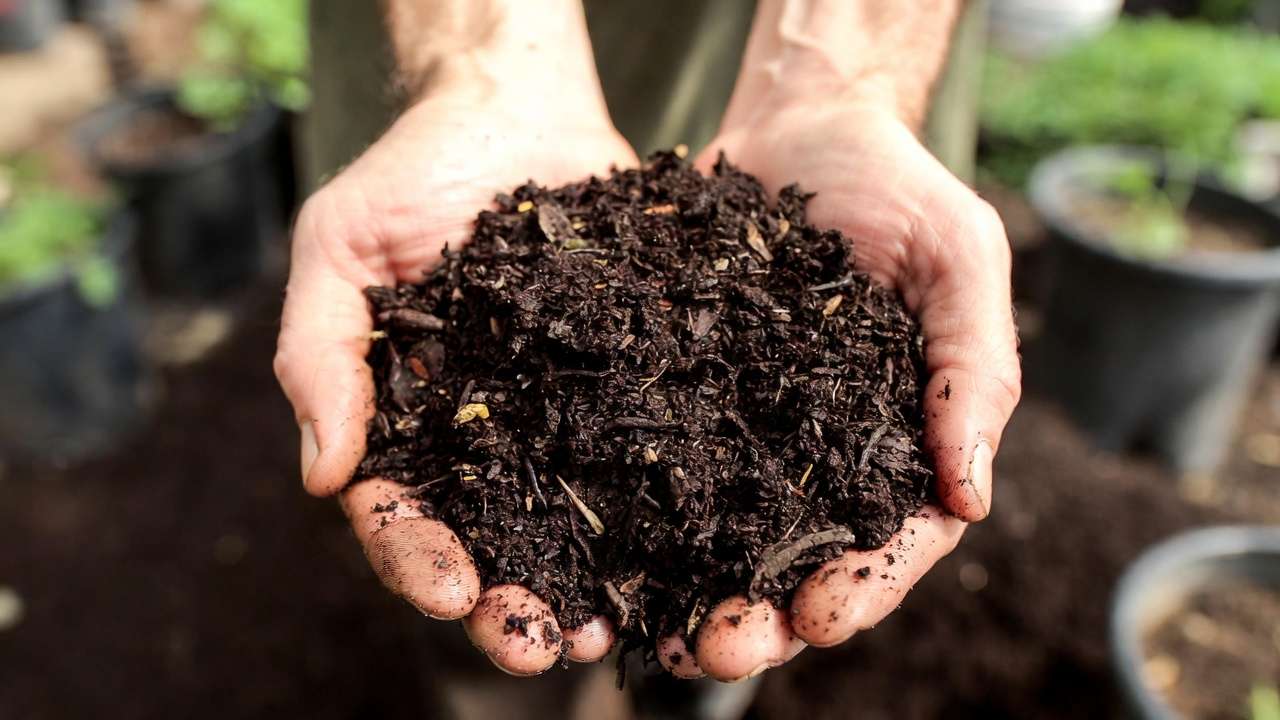
- Homemade garden compost — Ideal if fully matured (dark, crumbly, earthy smell, no heat/ammonia). Sieve to remove chunks.
- Worm castings (vermicast) 🪱 — Premium choice! Rich in microbes, gentle nutrients; use 10-20% for a boost.
- Well-rotted manure — Cow, horse, or chicken (aged 6+ months to kill pathogens). Great for veggies but test for salt buildup.
- Leaf mold — Excellent for moisture retention and light texture.
- Commercial bagged compost — Convenient; look for OMRI-listed organic brands.
Key checks for “finished” compost:
- No strong odor (ammonia = immature → can burn roots).
- No visible weeds/seeds.
- Crumbly texture, not slimy.
- pH near neutral (6.0-7.0); test if possible.
Avoid immature or “hot” compost—it can scorch roots or introduce pathogens. In humid Dhaka conditions, ensure good aeration during composting to prevent anaerobic smells.
Essential Ingredients for a Balanced Homemade Potting Mix 🧱
A great DIY mix needs three pillars: water retention, aeration/drainage, and nutrient structure.
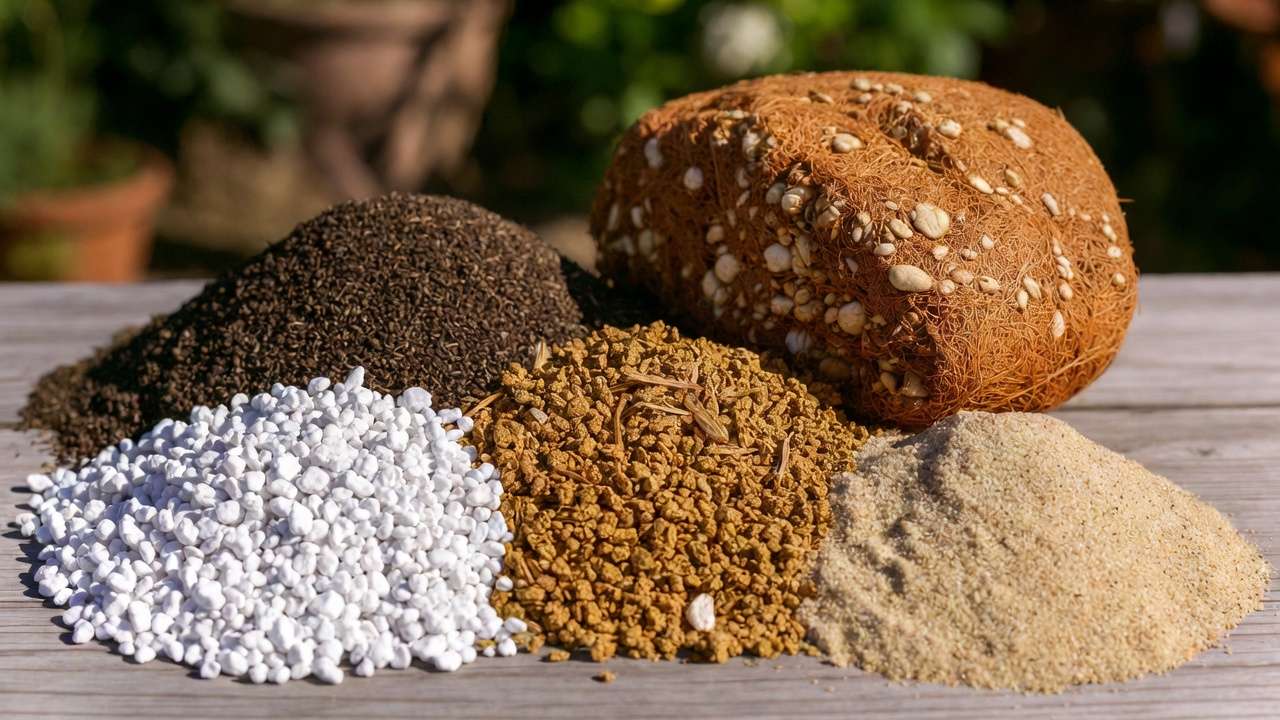
- Base (water retention) — Coco coir (sustainable peat alternative) or sphagnum peat moss. Holds moisture without sogginess.
- Aeration/drainage — Perlite, vermiculite, coarse sand, or pumice. Prevents compaction and root rot.
- Nutrient component — Compost (our star!).
- Optional extras — Dolomite lime (for pH adjustment if acidic), slow-release organic fertilizer (e.g., kelp meal), mycorrhizae fungi for root health.
Important note: Never use straight garden soil in pots—it compacts, harbors pests, and weighs down containers.
The Best Ratios: Proven Recipes Tailored to Plant Types 📊
The golden rule? 20-50% compost max in most mixes—too much risks waterlogging, nutrient imbalances, or salt buildup (per UMN Extension warnings).
Here’s a practical table of proven ratios (by volume):
| Plant Type | Compost % | Base (Coco Coir/Peat) % | Aeration (Perlite/Verm/Sand) % | Notes & Examples 🌿 |
|---|---|---|---|---|
| Vegetables & Herbs | 30-50% | 30-40% | 20-30% | Nutrient-hungry; tomatoes, peppers, basil thrive 🍅🌶️ |
| Flowers & Annuals | 20-40% | 40% | 20-30% | Balanced for blooms; marigolds, petunias 🌸 |
| Succulents/Cacti | 10-20% | 20-30% | 50-60% | Super-draining; echeveria, aloe 🏜️ |
| Seed Starting | 10-25% | 50% | 25% | Finer, sterile-ish; avoid damping-off 🌱 |
| Trees/Shrubs in Pots | 20-35% | 40% | 25-30% | Heavier for stability; dwarf mango, bougainvillea 🌳 |
Popular variations:
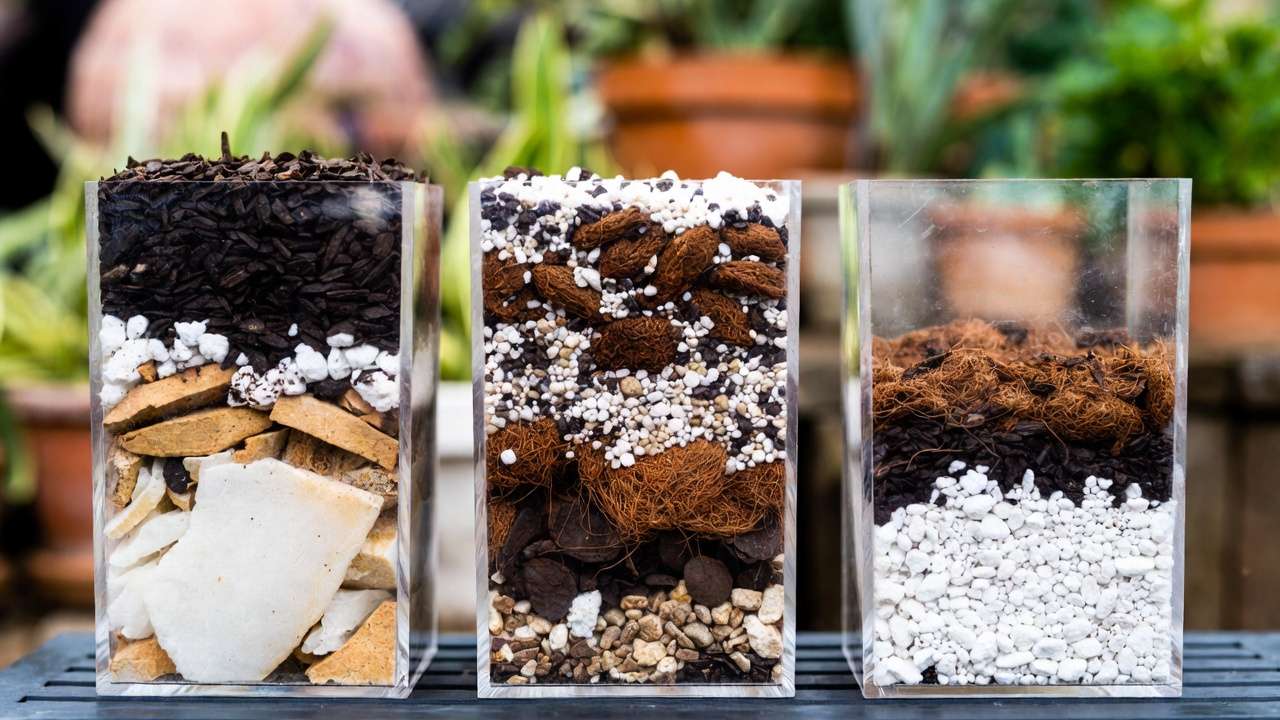
- General-purpose (beginner-friendly): 1/3 compost + 1/3 coco coir + 1/3 perlite/vermiculite.
- Mel’s Mix inspired (Square Foot Gardening): 1/3 compost + 1/3 peat/coir + 1/3 vermiculite.
- Heavy-feeder tweak: Bump compost to 40-50% with extra perlite for drainage.
- Scale easily: Use buckets or cups as “parts.”
These ratios come from tested blends (e.g., Savvy Gardening, Old Farmer’s Almanac, extension services) and my own trials—adjust slightly based on your local materials and plant response.
Step-by-Step Guide: How to Mix and Add Compost Properly 🛠️
Tools: Buckets/tarp, sieve, gloves, trowel, pH test kit (optional).
- Prepare compost — Sieve to fine, uniform texture (remove large bits).
- Moisten dry ingredients — Dry coir/perlite repels water; soak coir bricks first.
- Measure & layer — Start with base, add aeration, then compost last.
- Mix thoroughly — Use tarp method: Dump on tarp, fold/roll to blend evenly (no clumps!).
- Test moisture & pH — Squeeze handful: Should hold shape but crumble. Aim pH 6.0-7.0; add lime if too acidic.
- Store leftovers — In sealed bins; use within months for best microbe activity.
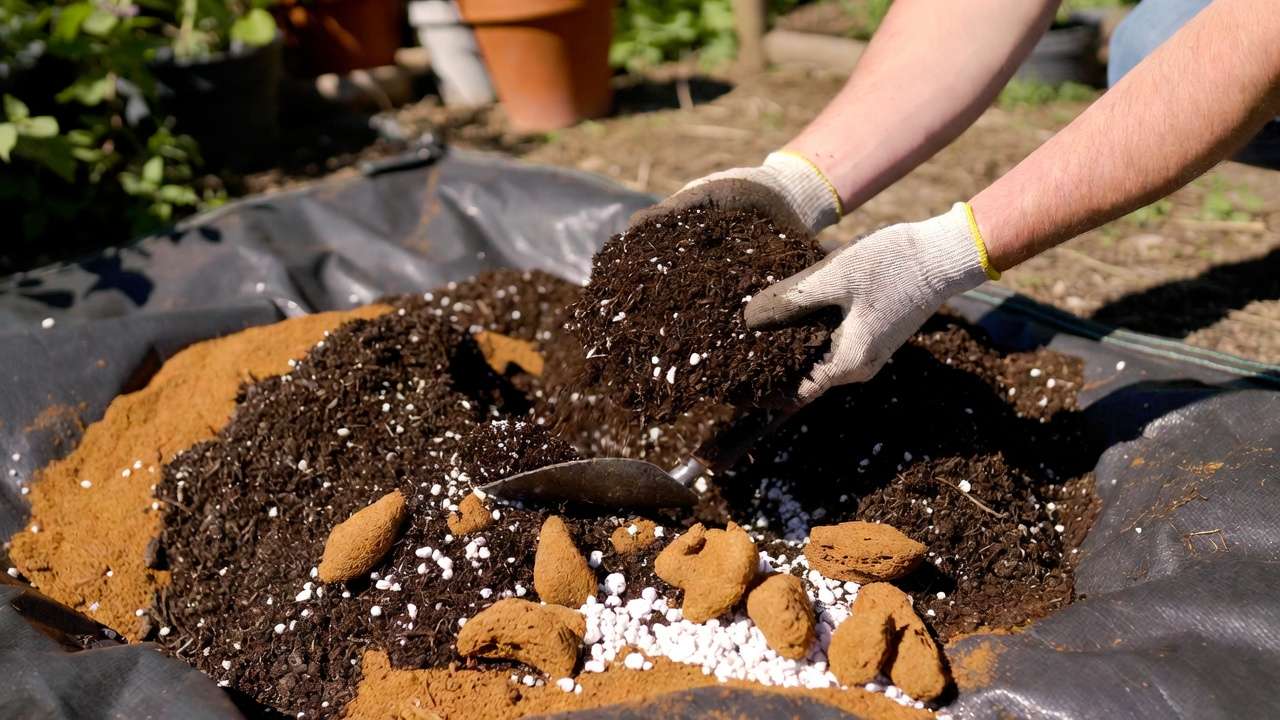
Pro tip: Mix in batches to avoid waste—start small!
Expert Tips for Maximum Plant Thriving & Long-Term Success 💡
Here are battle-tested tips I’ve refined over years of container gardening in humid, hot climates like Dhaka:
- Top-dressing instead of full remix — For established pots, simply add 1–2 cm of sifted compost on top each spring. Water it in gently. This refreshes nutrients without disturbing roots 🌿.
- Rejuvenating old potting mix — Don’t throw away used soil! Remove 30–50% of the old mix, replace with fresh compost + a bit of perlite/coir. Add dolomite lime if pH has dropped. This “refresh” method saves money and keeps plants happy for 2–3 seasons.
- Seasonal tweaks — In monsoon season (June–September in Bangladesh), reduce compost percentage by 10% and increase aeration to prevent waterlogging. In dry winter months, bump compost up slightly for extra moisture retention.
- Supercharge with natural boosters:
- Worm tea (diluted vermicast leachate) as a monthly foliar/feed.
- Kelp meal or fish emulsion for trace minerals.
- A small handful of biochar (charged with compost tea) to lock in nutrients and microbes long-term.
- pH monitoring hack — Use inexpensive soil pH strips or a digital probe every 3–4 months. Most veggies prefer 6.0–6.8; add garden lime (1–2 tbsp per 10 liters of mix) if too acidic from peat/coir.
- Eco-friendly vermicast production — Set up a small worm bin with red wigglers using kitchen scraps + shredded paper. In 3–4 months you’ll have the highest-quality compost amendment possible 🪱✨.
These small habits turn good mixes into exceptional ones.
Common Mistakes When Adding Compost (And How to Fix Them) ⚠️
Even experienced gardeners slip up—here are the most frequent errors I see (and have made myself):
- Using too much compost (>50–60%) → Symptoms: Waterlogged soil, root rot, yellow lower leaves, stunted growth. → Fix: Repot into a mix with higher perlite/vermiculite ratio. Improve drainage with pot feet or extra holes.
- Adding immature or “hot” compost → Ammonia smell, wilting, burned root tips. → Fix: Always smell and feel—finished compost is cool and earthy. If in doubt, let it age another 1–2 months or use only 10% until safe.
- Skipping aeration materials → Compacted, anaerobic mix → root suffocation. → Fix: Aim for at least 20–30% perlite/vermiculite/sand. Test by watering: excess should drain freely within seconds.
- Ignoring pH drift → Many composts and peat/coir are acidic → nutrient lockout (iron/manganese deficiency shows as interveinal chlorosis). → Fix: Test and amend with dolomite lime (not hydrated lime—it’s too fast-acting).
- Not sieving compost → Chunky pieces create air pockets or uneven moisture. → Fix: Use a ¼–½ inch hardware cloth sieve. Save larger bits for garden beds.
- Over-fertilizing after mixing → Compost already provides nutrients → excess causes salt burn. → Fix: Wait 4–6 weeks before adding liquid fertilizer; start at half strength.
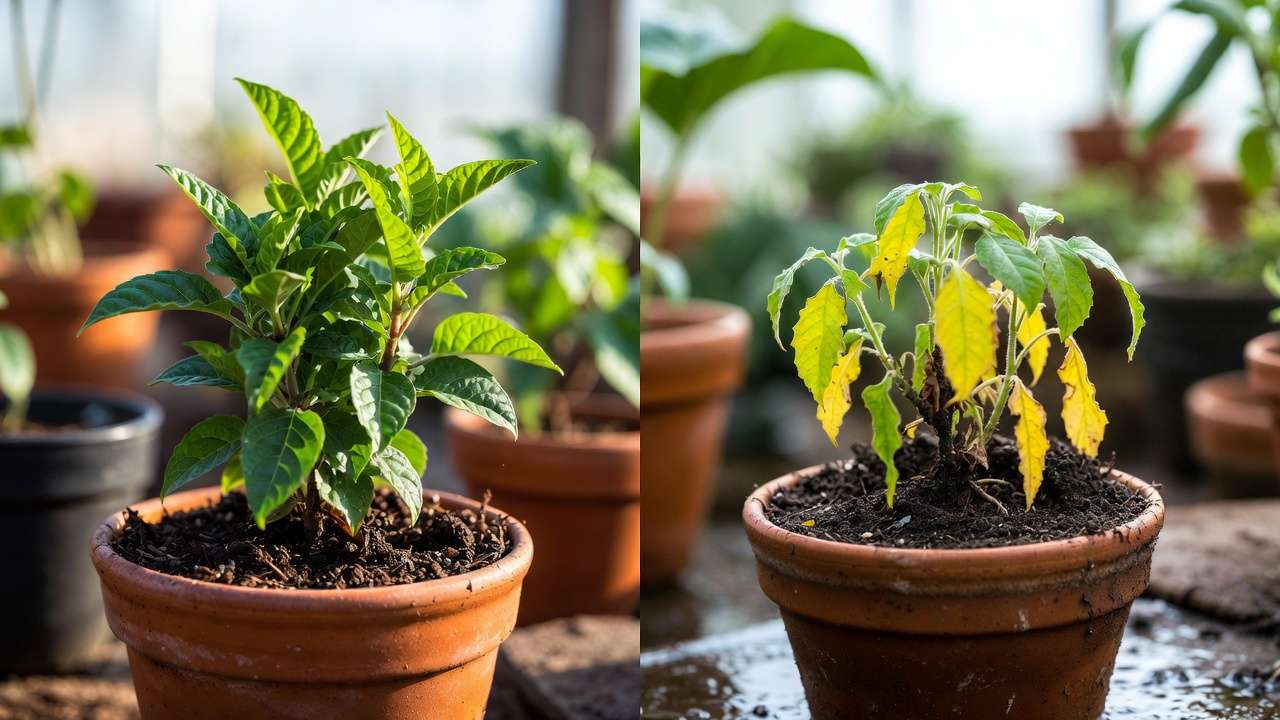
Real story: A friend in Dhaka added 70% fresh cow manure compost to her chili pots—within two weeks the plants were limp. We flushed the pots, repotted with 30% compost + extra perlite, and they bounced back beautifully within a month 🌶️.
Troubleshooting: What to Do If Your Plants Struggle After Mixing 😕
Even the best recipes sometimes need adjustment. Here’s a quick diagnostic guide:
- Yellowing leaves (especially older ones) → Possible nitrogen excess or lockout from low pH. → Action: Test pH, flush pot with plain water, top-dress lightly with balanced organic fertilizer.
- Wilting despite wet soil → Root rot from poor drainage. → Action: Check roots (brown/mushy = rot). Repot into drier, airier mix. Trim damaged roots.
- Slow growth / pale leaves → Nutrient deficiency (compost depleted or locked up). → Action: Apply diluted worm tea or fish emulsion. Ensure good light and warmth.
- Mold/fungus on soil surface → Excess moisture + poor airflow. → Action: Scrape off mold, reduce watering, increase airflow. Add a thin layer of sand or grit on top.
- Damping-off in seedlings → Too much wet compost. → Action: Use lower compost % (10–20%) and sterilize mix (bake at 80°C for 30 min) or use fresh vermicast.
Most issues resolve with better drainage, proper watering, and patience—container plants often recover quickly when conditions improve.
Frequently Asked Questions (FAQ) ❓
1. What’s the ideal compost-to-mix ratio for beginners? Start with 30% compost + 40% coco coir + 30% perlite. It’s forgiving and works for most plants.
2. Can I use kitchen scrap compost directly in potting mix? Only if fully finished (6+ months, no smell). Otherwise, use only 10–15% or let it mature longer to avoid burning roots.
3. Is homemade compost better than store-bought? Usually yes—fresher, more diverse microbes, cheaper. But quality commercial compost (OMRI-listed) is a reliable backup.
4. How long does a compost-enriched potting mix last in containers? 6–12 months for heavy feeders; 12–24 months for light feeders. Refresh annually with top-dressing or partial replacement.
5. Is it safe for edible plants (vegetables, herbs)? Yes—use well-finished compost from plant-based sources or properly aged manure. Avoid fresh manure or compost with unknown contaminants.
6. Can I add compost to succulent/cactus mix? Yes, but keep it low (10–20%) and pair with 50%+ drainage material. Too much compost holds excess water.
7. What if my compost is very acidic? Mix in dolomite lime (1–2 tbsp per 10 liters) or use less acidic compost sources like leaf mold.
8. How do I know if my compost is mature enough? It should be dark brown/black, crumbly, smell like forest soil, and cool/no heat when turned.
Conclusion: Start Your Thriving Container Garden Today! 🌿
Adding compost to homemade potting mix is one of the simplest, most powerful ways to grow healthier, more productive container plants—whether you’re nurturing cherry tomatoes on a Dhaka balcony 🍅, basil for fresh pesto 🌿, or a mini bougainvillea bursting with color 🌸.
The key takeaways:
- Use 20–50% quality, finished compost depending on plant needs.
- Always balance with excellent drainage and moisture-holding materials.
- Test, observe, and adjust—plants will tell you what they need.
- Embrace the sustainability: less waste, fewer plastic bags, more joy from your garden ♻️✨
This weekend, grab a bucket, sift some compost, and mix up your first custom batch. Your plants (and your wallet) will thank you!
Have you tried making your own potting mix yet? Drop your favorite ratio or any questions in the comments—I’d love to hear your results and help troubleshoot 🌱
Happy gardening! 🚀











