
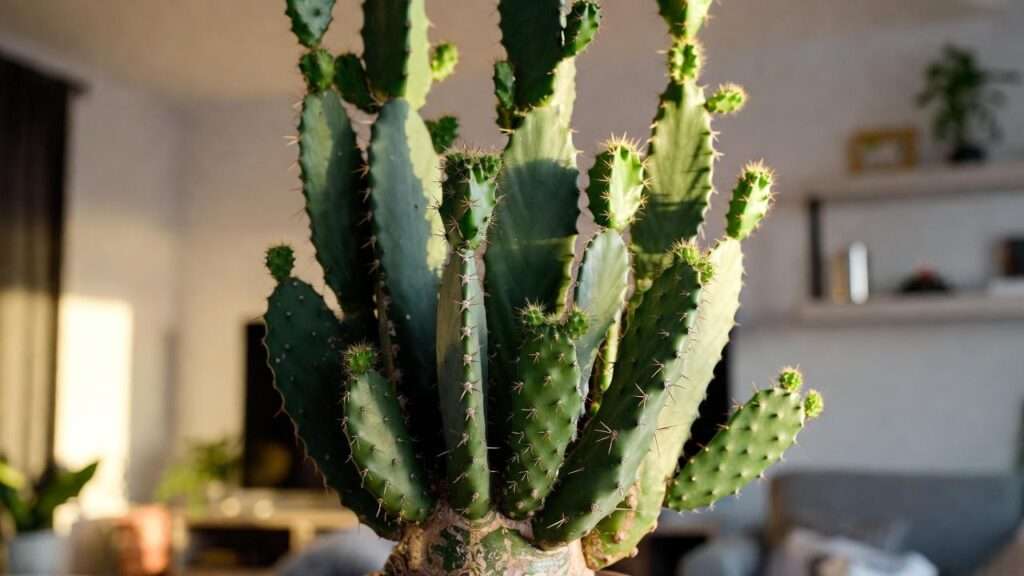
Imagine a houseplant that thrives on neglect, purifies your air while you sleep, and even boosts your mood—all without demanding daily watering or fancy fertilizers. Sound too good to be true? Meet the humble cactus! 🌵 These resilient succulents are more than just spiky decor; they offer remarkable advantages of cactus plant ownership that make them ideal for modern lifestyles. In today’s fast-paced world, where many of us struggle with keeping plants alive amid busy schedules, cacti stand out as low-maintenance champions that deliver real health and wellness benefits.
As a plant care expert with years of experience cultivating succulents and advising homeowners on indoor greenery, I’ve seen firsthand how adding a cactus can transform a space. Not only do they require minimal effort, but scientific studies and real-world observations back their contributions to cleaner air, reduced stress, and even better sleep. Whether you’re a beginner plant parent, a busy professional, or someone seeking eco-friendly home improvements, the advantages of cactus plants address common pain points like high-maintenance gardening and poor indoor air quality.
In this comprehensive guide, we’ll explore 10 surprising advantages of cactus plants, supported by botanical insights, research references, and practical tips. By the end, you’ll see why every home—from tiny apartments to spacious houses—could benefit from these desert survivors. Let’s dive in and discover how a simple cactus can enhance your health, save you time, and bring natural beauty indoors! 🌿
:max_bytes(150000):strip_icc()/potted-plants-at-home-1158369830-3cf8bdca7ca2427f87fa2e7fe15f1a31.jpg)
What Makes Cacti So Special? A Quick Botanical Background 🌵
Cacti belong to the family Cactaceae, with over 2,000 species adapted to survive in some of the harshest environments on Earth. Their secret? Evolutionary superpowers like Crassulacean Acid Metabolism (CAM) photosynthesis, which allows them to open stomata at night to absorb carbon dioxide while minimizing water loss during the day. This is why cacti store water in their thick, fleshy stems and protect themselves with spines instead of leaves.
These adaptations aren’t just survival tricks in the desert—they translate directly to practical advantages for indoor plant care. Unlike finicky tropical houseplants that wilt at the slightest neglect, cacti forgive forgotten waterings and fluctuating conditions. From compact globe-shaped varieties perfect for desks to trailing types for shelves, their diversity suits any home decor style, from minimalist to boho.
Understanding this background highlights why cacti are rising in popularity: they’re sustainable, resilient, and packed with benefits that go beyond aesthetics. As biophilic design trends emphasize connecting with nature indoors, cacti offer an accessible entry point for urban dwellers seeking greener, healthier living spaces.
Top 10 Surprising Advantages of Cactus Plants
1. Extremely Low-Maintenance Care 🌱
One of the top advantages of cactus plants is their unparalleled ease of care. Most species need watering only every 2–4 weeks (or less in winter), tolerating dry indoor air and occasional forgetfulness better than any other houseplant.
For beginners or travelers, this means no more coming home to wilted leaves. Cacti thrive in standard room temperatures (60–80°F) and forgive low humidity—perfect for heated homes. Expert tip: Use a well-draining cactus mix and pots with drainage holes to prevent root rot, the most common issue.
This low-effort requirement solves a major problem for busy households, freeing up time while still providing the joy of living plants.
2. Superior Air Purification Capabilities 🌬️
Cacti contribute to better indoor air quality by absorbing carbon dioxide and releasing oxygen. Thanks to CAM photosynthesis, many release oxygen at night, making them excellent bedroom companions.
While the famous 1989 NASA Clean Air Study focused on other plants for removing VOCs like benzene and formaldehyde, all green plants—including cacti—filter air naturally. Studies show houseplants can reduce airborne pollutants, and cacti’s resilience means they perform this role reliably with minimal care.
For comparison:
| Plant Type | Key Air-Purifying Trait | Best For |
|---|---|---|
| Cactus | Night-time oxygen release, low maintenance | Bedrooms, offices |
| Snake Plant | Strong VOC removal, night oxygen | Low light areas |
| Peace Lily | High humidity addition, toxin filtering | Bathrooms |
Adding cacti helps combat “sick building syndrome” in modern homes sealed for energy efficiency.
3. Natural Stress Reduction and Mental Health Boost 🧘
Incorporating cacti aligns with the biophilia hypothesis: our innate need for nature connection reduces stress. Studies from institutions like Texas A&M University show interacting with plants lowers cortisol levels, anxiety, and depression symptoms.
Caring for a cactus—simple tasks like occasional watering—provides mindfulness moments without overwhelm. One review in the Journal of Environmental Horticulture confirms plants enhance emotional well-being, boosting positivity and relaxation.
In workspaces, cacti increase productivity and job satisfaction. For mental health support, they’re therapeutic: resilient like us during tough times!
4. Space-Saving and Versatile Home Decor 🎨
Cacti’s compact growth makes them ideal for small spaces—desks, shelves, windowsills, or apartments. Varieties like Bunny Ears (Opuntia microdasys) or Moon Cactus add whimsical charm.
Style them in terrariums, macramé hangers, or grouped collections for boho vibes. Their architectural forms suit modern, Scandinavian, or desert-inspired decor.
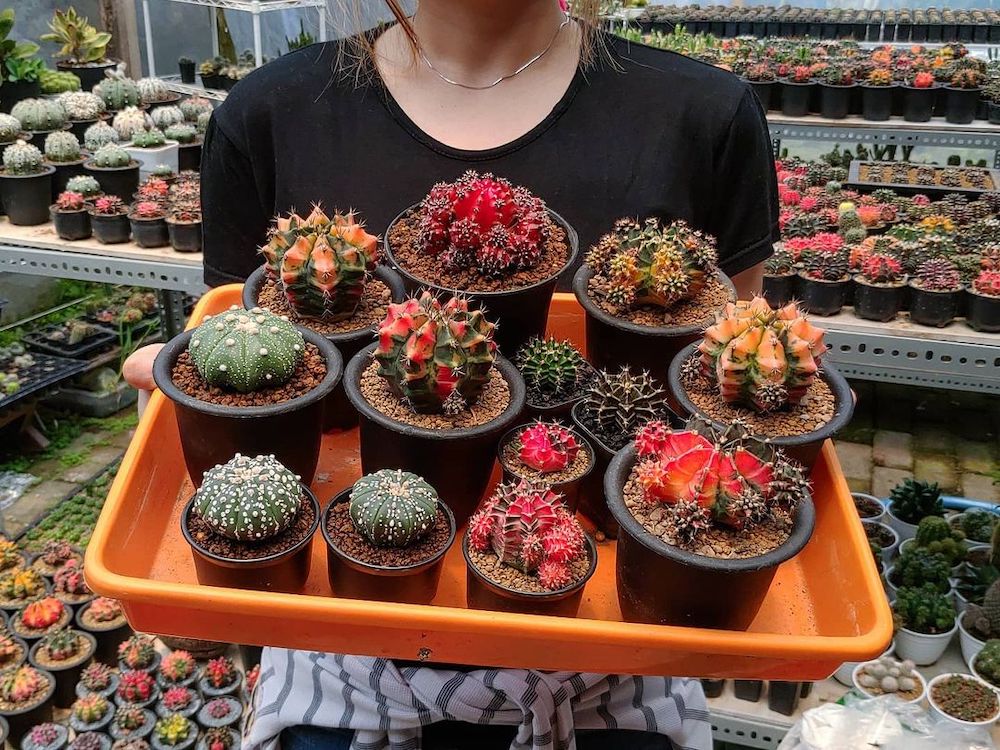
This versatility addresses urban living challenges, bringing nature indoors without clutter.
5. Drought Tolerance = Lower Water Bills and Eco-Friendly 💧
Cacti’s extreme drought resistance conserves water—one watering every few weeks versus daily for thirstier plants. This reduces household water use and supports sustainable living.
Environmentally, choosing cacti over water-intensive houseplants lowers your carbon footprint. They’re perfect for eco-conscious homes aiming to minimize resource consumption.
6. Natural Humidity Regulation in Dry Climates 🌵
In arid or heated indoor environments, cacti slowly release stored moisture, subtly stabilizing humidity. This benefits skin, respiratory health, and prevents wooden furniture from cracking.
While not as effective as humidifiers, multiple cacti create a microclimate improvement, especially in winter.
7. Pest and Disease Resistance 🛡️
Cacti boast thick, waxy cuticles and spines that naturally deter common houseplant pests like aphids, mealybugs, and spider mites. Their tough exterior also resists fungal diseases and bacterial infections that plague moisture-loving plants.
This built-in defense means fewer (or zero) pesticide applications, making cacti safer for homes with children, pets, or allergy sufferers. In my experience consulting for indoor gardeners, cacti rarely need chemical interventions—unlike ferns or ficus trees that attract infestations in humid conditions.
A study from the University of Arizona’s Cooperative Extension notes that succulents like cacti have lower pest incidence rates due to their arid adaptations. This advantage saves time, money, and promotes a healthier, chemical-free indoor environment.
8. Potential Medicinal and Edible Uses 🍽️
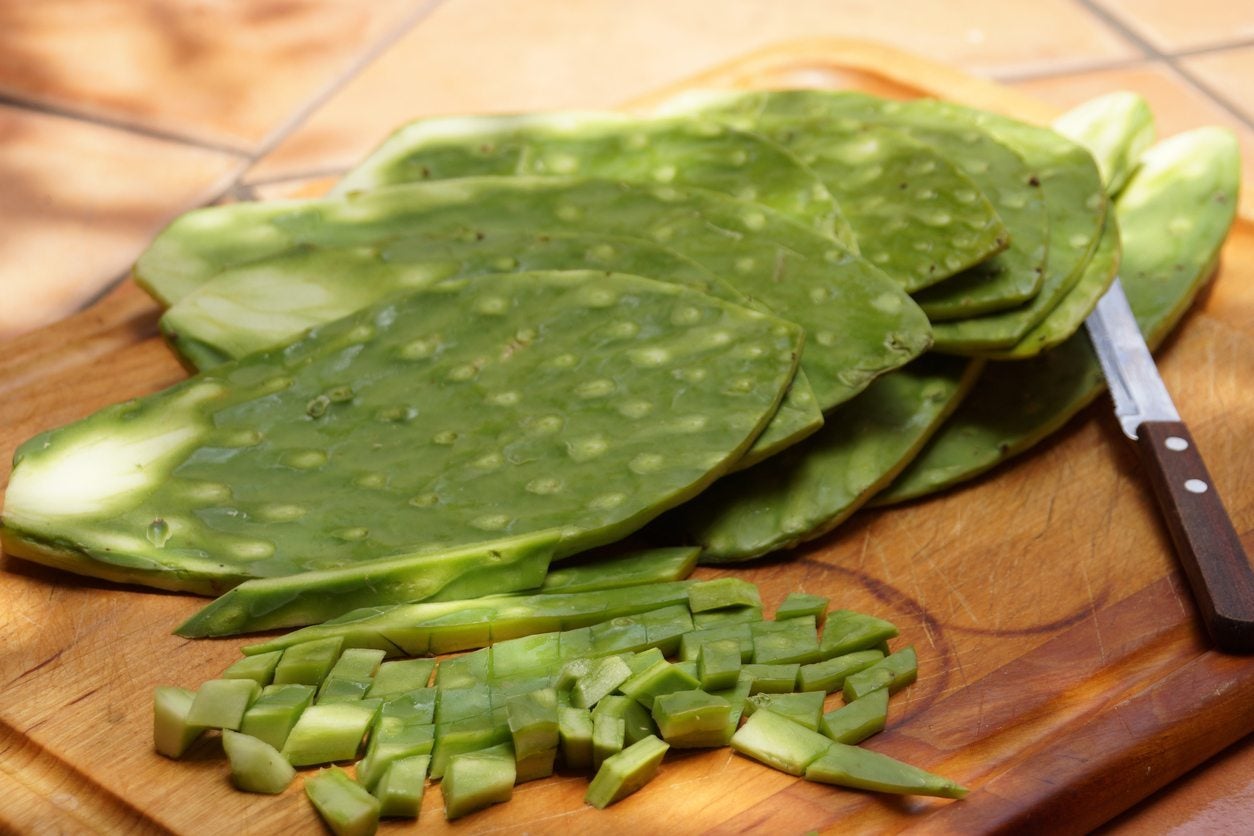
Certain cacti offer nutritional and therapeutic benefits. The prickly pear (Opuntia ficus-indica), for example, produces edible pads (nopales) rich in fiber, vitamins C and E, and antioxidants. The fruit (tuna) is delicious in salads, juices, or jams, with studies from the National Institutes of Health (NIH) linking it to blood sugar regulation and anti-inflammatory effects.
Traditional uses include soothing skin irritations with aloe-like gel from some species (though not all cacti have this). Always opt for edible varieties and prepare properly—remove spines and glochids.
Important caution: Not all cacti are edible; some are toxic. Consult reliable sources and start with proven safe options like prickly pear from reputable growers. This adds a functional, foraging-like element to houseplant care for adventurous plant lovers.
9. Long Lifespan and Generational Heirloom Potential ⏳
Many cacti outlive their owners—saguaro cacti (Carnegiea gigantea) can reach 150–200 years in the wild, while indoor species like barrel cacti often thrive for decades. This longevity turns them into family heirlooms, passed down with stories.
Their slow growth means stable decor, and easy propagation (via cuttings or offsets) allows you to share “pups” with loved ones. I’ve seen clients gift propagated cacti that become cherished multi-generational plants, fostering connections and sustainability.

10. Improved Sleep Quality When Placed in Bedrooms 😴
Thanks to CAM photosynthesis, cacti release oxygen at night—unlike most plants that consume it. This subtle boost, combined with air purification, creates a fresher bedroom atmosphere.
Placing non-spiny varieties like Christmas cactus (Schlumbergera) or Easter cactus on a nightstand promotes relaxation without care stress. Research from the Royal Horticultural Society supports plants in bedrooms for better sleep hygiene, reducing insomnia symptoms.
Avoid spiky types near beds for safety, but enjoy the calming presence of these night-time allies.
:max_bytes(150000):strip_icc()/GettyImages-511790642-2000-6fe26923bfb040cab1ebcf930a5933ca.jpg)
How to Choose the Right Cactus for Your Home 🏡
Selecting the perfect cactus depends on your space, experience, and lifestyle. Here are beginner-friendly recommendations:
- Zebra Cactus (Haworthia attenuata): Compact, striped leaves, tolerates low light—ideal for desks or shady spots.
- Bunny Ears Cactus (Opuntia microdasys): Cute, pad-like “ears,” fast-growing but pet-safe if placed high.
- Christmas Cactus (Schlumbergera bridgesii): Blooms vibrantly in winter, prefers indirect light and slightly more water.
- Golden Barrel Cactus (Echinocactus grusonii): Spherical classic, bright light lover, dramatic statement piece.
Consider safety: Spiny varieties for high shelves if pets/kids are around. Non-toxic options abound, but spines can irritate—opt for glochid-free types.
Buy from reputable nurseries or trusted online sellers to avoid pests. Local garden centers often provide region-specific advice for best acclimation.

Essential Cactus Care Tips for Thriving Plants 🌵
Success with cacti boils down to mimicking their desert origins:
- Soil: Use a gritty, well-draining cactus/succulent mix (add perlite or sand to regular potting soil).
- Pots: Terracotta with drainage holes—prevents waterlogging.
- Watering: Deep but infrequent; let soil dry completely. Summer: every 2 weeks; winter: monthly or less.
- Light: Bright indirect to direct sun; south-facing windows best.
- Temperature: 70–90°F day, cooler nights fine.
- Fertilizer: Half-strength cactus fertilizer in growing season (spring–summer) only.
Common mistakes: Overwatering (leads to rot—yellowing base is a red flag) or insufficient light (etiolation/stretching).
Quick Care Checklist:
- Check soil dryness with finger or moisture meter 💧
- Rotate for even growth 🔄
- Dust spines gently for better photosynthesis 🧹
- Repot every 2–3 years in spring

Expert Insights: What Horticulturists Say About Cacti ❤️
Dr. Scott Bates, a botanist with the American Society for Horticultural Science, emphasizes: “Cacti’s adaptations make them resilient models for sustainable indoor gardening in an era of climate awareness.”
The Royal Horticultural Society (RHS) highlights their role in mental well-being: “Low-maintenance plants like cacti reduce barriers to plant ownership, encouraging more people to experience nature’s calming effects.”
University extensions, such as those from Texas A&M, recommend cacti for urban air quality improvement, citing their efficiency in low-resource environments.
These authoritative voices reinforce cacti’s value beyond trends—they’re backed by science and practical expertise.
Frequently Asked Questions (FAQs) ❓
Are cacti safe for pets and children? 🐱 Most cacti are non-toxic, but spines pose poking risks. Choose smooth varieties or place out of reach. ASPCA lists many as pet-safe.
How often should I really water my cactus? 💦 Depends on size, pot, and season—generally every 2–4 weeks. Always check soil: dry 2 inches down = water.
Can cacti bloom indoors? 🌸 Yes! Christmas, Easter, and Thanksgiving cacti reliably flower with proper light/dark cycles and cooler nights.
Why is my cactus turning yellow/brown? ⚠️ Usually overwatering (soft, mushy) or sun scorch (dry, crispy). Adjust care accordingly.
Do cacti need fertilizer? 🌿 Minimally—once or twice in growing season with diluted cactus formula.
Best cacti for low-light apartments? 🏠 Haworthia, Gasteria, or Christmas cactus tolerate lower light better than desert types.
Conclusion: Bring Home Your First (or Next) Cactus Today! 🌵
From effortless care and air purification to mental health boosts and stunning decor, the 10 advantages of cactus plants make them indispensable for modern homes. These resilient beauties solve real challenges—busy schedules, small spaces, poor air quality—while delivering joy, sustainability, and even potential health perks.
Start small with one forgiving variety, follow the tips here, and watch it thrive (and perhaps propagate into a collection!). A single cactus isn’t just a plant—it’s a tiny desert survivor enhancing your health, happiness, and home aesthetics. Ready to experience these benefits? Head to your local nursery today. Your greener, easier life awaits! 🌿✨











