
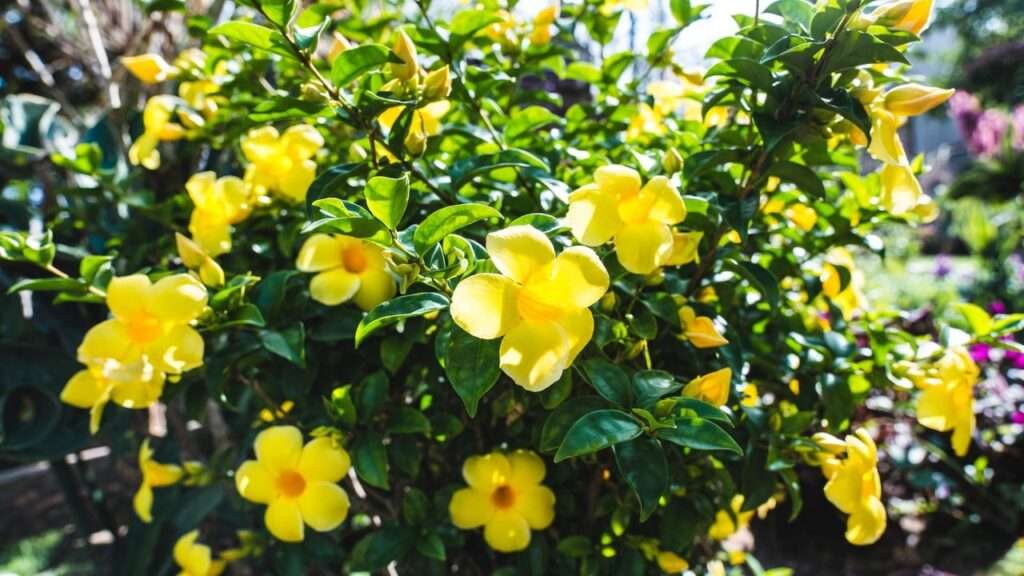
Imagine stepping into your garden on a crisp morning and being greeted by a cascade of brilliant, trumpet-shaped yellow flowers glowing like golden bells against lush, glossy green foliage. That’s the everyday magic of the allamanda shrub plant (Allamanda cathartica), also known as the Golden Trumpet Vine or Yellow Allamanda. This tropical stunner can transform patios, trellises, hedges, or even indoor spaces into a vibrant paradise, often blooming profusely from spring through fall—and with expert care, delivering those eye-catching yellow blooms nearly year-round in warm climates! 🌟
As a horticulturist with over 15 years of experience cultivating tropical plants in both professional nurseries and home gardens across USDA zones 9-11 (and helping cooler-climate growers succeed indoors), I’ve seen firsthand how the right techniques turn struggling allamandas into nonstop bloomers. Many gardeners search for “allamanda shrub plant” because they’re frustrated with leggy growth, sparse flowers, or yellowing leaves. This ultimate guide solves those exact problems, drawing from proven methods used by Florida nurseries and tropical experts worldwide. Whether you’re in a sunny southern state or growing it as a container plant up north, you’ll discover step-by-step strategies for thriving allamanda plants with vibrant yellow blooms all year. Let’s dive in and unlock the secrets to your own golden trumpet paradise! 🌺

What Is the Allamanda Shrub Plant? An Overview 🌿
The allamanda shrub plant belongs to the Apocynaceae (dogbane) family and is a fast-growing evergreen perennial native to tropical regions of Central and South America, including Brazil and Bolivia. Often grown as a woody vine or pruned into a shrub form, Allamanda cathartica earns its common names—Golden Trumpet, Yellow Bell, or Common Trumpetvine—from its large, funnel-shaped flowers that can reach 4-5 inches across. These blooms typically appear in clusters, exuding a subtle fragrance that attracts pollinators like bees and butterflies.
In ideal conditions, allamanda can grow vigorously, reaching 10-20 feet as a vine or maintained at 4-6 feet as a compact shrub. Its leathery, whorled leaves (usually in groups of 3-4) provide year-round greenery, making it a standout even when not in flower. Unlike many tropicals, allamanda is relatively drought-tolerant once established but truly shines with consistent care, rewarding you with extended blooming periods.
Botanical Background and Origins
Originating from riverbanks and open sunny areas in the tropics, allamanda thrives in warm, humid environments. It’s naturalized in many subtropical regions worldwide, sometimes becoming invasive in places like Queensland, Australia—highlighting its robust growth potential. In cultivation, it’s prized for heat tolerance and long-season color.
Popular Varieties for Stunning Yellow Blooms
While classic yellow is the most common, several cultivars offer variations in size, form, and bloom intensity:
- Allamanda cathartica ‘Hendersonii’: Larger flowers with bronze-tinged buds and deeper yellow throats—excellent for bold displays.
- Allamanda cathartica ‘Williamsii’: Compact growth with abundant blooms, ideal for containers.
- Bush Allamanda (Allamanda schottii, sometimes listed as A. neriifolia): Naturally shrubby, reaching 4-6 feet, with reddish-throated yellow flowers; more compact and suitable for hedges.
- Dwarf Allamanda: Stays 2-3 feet tall, perfect for small gardens or pots.
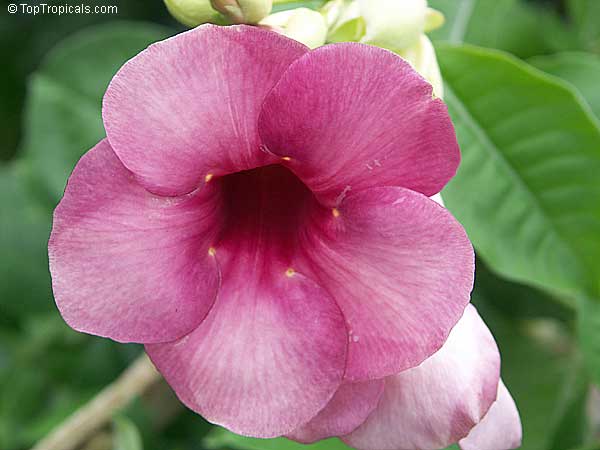
- Allamanda blanchetii (Purple Allamanda): Rare pink-purple variant for variety, though less common.
Expert Tip: For year-round blooms, opt for bush or dwarf varieties—they’re easier to manage and flower more reliably in confined spaces! 🏡
Ideal Growing Conditions for Thriving Allamanda 🌞
To achieve those vibrant yellow blooms all year, mimic allamanda’s native tropical habitat: plenty of sun, warmth, and well-drained soil.
Light Requirements: The Key to Abundant Flowers
Full sun is non-negotiable—at least 6-8 hours of direct sunlight daily. This is the #1 reason for lack of blooms in many gardens. In partial shade, you’ll get lush foliage but few flowers. Indoors, place near a south-facing window or use grow lights for 12-14 hours.
Temperature and Hardiness Zones
Allamanda is perennial in USDA zones 9-11, where it can bloom nearly year-round. It tolerates highs above 100°F but suffers below 40°F—frost can kill it outright. In cooler zones, grow as an annual or overwinter indoors above 50°F.
Soil Preferences
Fertile, well-draining soil with a slightly acidic to neutral pH (5.5-7.0) is essential. Amend with compost, perlite, or sand to prevent waterlogging. Avoid heavy clay; allamanda hates “wet feet.”
Planting Your Allamanda Shrub Plant: Step-by-Step Guide 🪴
Spring or early summer is prime planting time in warm climates.
Best Time to Plant
Plant after the last frost when soil temperatures reach 70°F for fastest establishment.
How to Plant in Ground or Containers
- In-ground: Dig a hole twice as wide as the root ball. Mix native soil with organic compost. Plant at the same depth as the nursery pot.
- Containers: Choose pots at least 12-20 inches wide with drainage holes. Use a high-quality potting mix amended with perlite.
Space plants 3-5 feet apart for shrubs or provide trellis support for vines.
Pro Tip: For patio appeal, container-grown allamandas are versatile—move them to chase sun or protect from cold! 📏

Watering and Humidity Needs 💧
Consistent moisture is crucial, especially during establishment and hot summers.
Proper Watering Schedule
Keep soil evenly moist but never soggy. Water deeply 2-3 times per week in summer, reducing to once weekly in cooler months. Containers may need daily checks in heat.
Avoiding Common Mistakes
Overwatering causes root rot—the top killer of allamandas. Let the top 2 inches of soil dry between waterings. Use rainwater or distilled if tap water is hard (high calcium weakens roots).
Expert Insight: Boost humidity with morning misting or pebble trays—aim for 50%+ to mimic tropics and encourage lush growth! 🌧️
Fertilizing for Non-Stop Yellow Blooms 🌻
Fertilizing is where many gardeners unlock the true potential of their allamanda shrub plant, turning occasional blooms into a spectacular year-round show. Allamanda is a heavy feeder, especially during its active growing season, and proper nutrition directly impacts flower production, color intensity, and overall vigor.
Best Fertilizers and Schedule
Use a balanced, water-soluble fertilizer with an N-P-K ratio like 10-10-10 or 20-20-20 every 2-4 weeks from early spring through late summer. For even more vibrant yellow blooms, switch to a bloom-boosting formula (higher in phosphorus, such as 10-30-20) in mid-summer and early fall. Slow-release granular fertilizers applied at planting and again mid-season work well for in-ground specimens.
In my experience working with Florida botanical gardens, incorporating micronutrients—especially iron and magnesium—prevents common chlorosis (yellowing leaves) in alkaline soils. Look for fertilizers labeled for tropicals or acid-loving plants.
Seasonal Feeding Tips
- Spring: Start feeding as new growth appears to fuel rapid vine or shrub development.
- Summer: Maintain regular applications to support continuous flowering.
- Fall: Reduce frequency but continue lightly in warm climates to extend blooms.
- Winter: Stop fertilizing entirely in cooler months or when growth slows—overfeeding then leads to weak, leggy stems prone to pests.
Expert Insight: Organic options like fish emulsion or compost tea provide gentle nutrition and improve soil biology, resulting in healthier, more resilient plants. I’ve seen clients achieve blooms into December in zone 9b simply by maintaining a light feeding schedule through fall! 🍂
Pruning and Training Your Allamanda Shrub ✂️
Pruning is arguably the most powerful tool for shaping your allamanda shrub plant and maximizing those golden trumpet flowers. Done correctly, it encourages bushier growth, prevents legginess, and stimulates abundant reblooming.
When and How to Prune
The best time is late winter or early spring before new growth begins, or immediately after a major flush of flowers. Remove up to one-third of the plant’s total growth:
- Cut back long, whippy vines to promote branching.
- Remove dead, damaged, or crossing branches.
- Thin crowded areas for better air circulation.
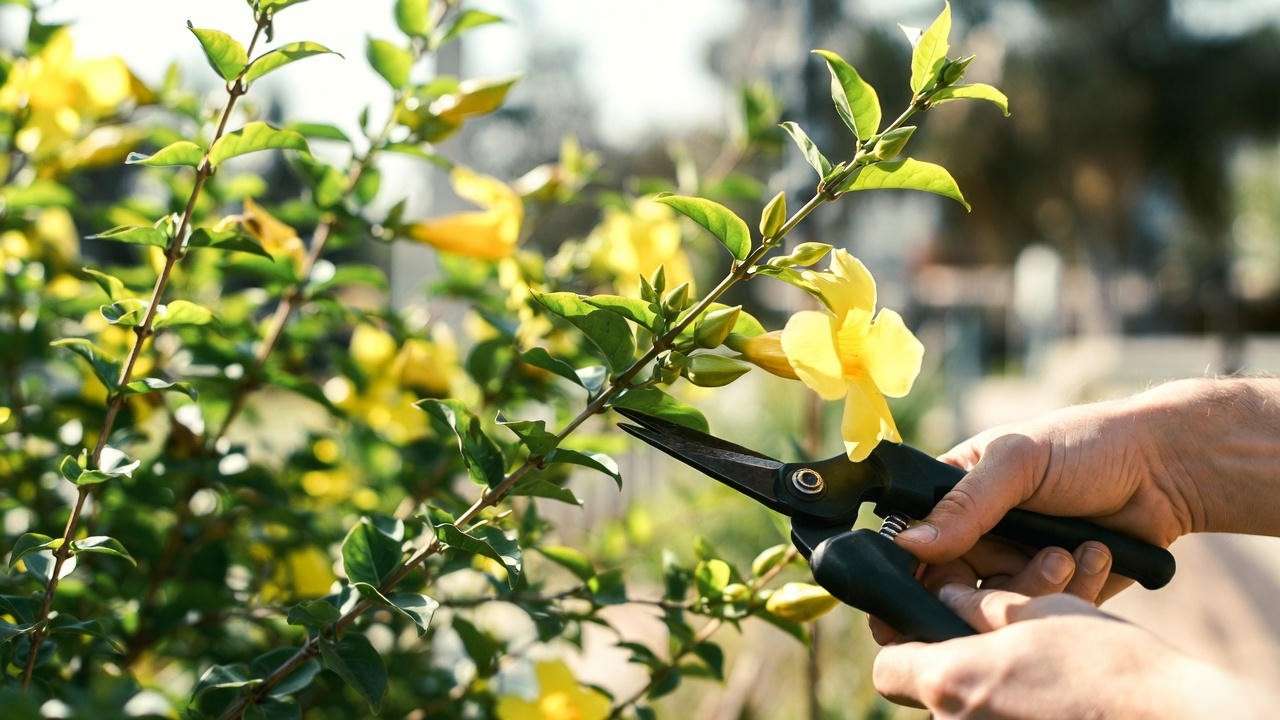
For container plants, light tip-pruning throughout the growing season keeps them compact and flowering heavily.
Training as a Shrub or Vine
- As a shrub: Regularly pinch growing tips when young to encourage lateral branching. Stake if needed for upright form.
- As a vine: Provide sturdy trellises, arbors, or fences. Tie new growth loosely with soft ties, guiding it upward for dramatic coverage.
Safety Note: Always wear gloves and long sleeves—the milky sap is toxic and a known skin irritant. Wash tools afterward to avoid transferring sap. 🧤
Pro Tip: A hard prune every 2-3 years rejuvenates older plants, often resulting in an explosion of new growth and flowers the following season.
Propagation: Easy Ways to Multiply Your Plants 🌱
One of the joys of growing allamanda is how readily it propagates, allowing you to expand your collection or share with friends at virtually no cost.
Stem Cuttings Method (Most Reliable)
- In late spring or early summer, take 6-8 inch semi-woody cuttings from healthy, non-flowering stems.
- Remove lower leaves and dip the cut end in rooting hormone.
- Plant in a well-draining mix (equal parts perlite and peat or seed-starting mix).
- Keep warm (75-85°F), humid, and in bright indirect light.
- Roots typically form in 3-6 weeks—transplant once new growth appears.
Other Propagation Tips
- Water rooting: Place cuttings in clear jars of water; change weekly. Transplant once roots reach 2 inches.
- Air layering: For thick vines, notch a stem, wrap with moist sphagnum moss and plastic—great for large specimens.
Success rates exceed 80% with bottom heat and humidity domes. I’ve propagated hundreds this way in nursery settings with near-perfect results! 🎍
Common Pests, Diseases, and Solutions 🐛
Though relatively tough, allamanda can face a few challenges—early detection keeps them minor.
Frequent Pests
- Spider mites: Tiny pests causing stippled leaves; common in hot, dry conditions. Treat with strong water sprays followed by neem oil or insecticidal soap every 5-7 days.
- Aphids and whiteflies: Sap-suckers that distort new growth. Introduce ladybugs or use horticultural oil.
- Mealybugs: Cottony masses in leaf axils—dab with alcohol-soaked cotton swabs.
Disease Prevention
- Root rot (Pythium or Phytophthora): Prevent with excellent drainage and avoiding overwatering.
- Leaf spot: Fungal issue from wet foliage—improve air circulation and avoid overhead watering.
Troubleshooting Yellow Leaves or No Blooms
- Yellowing lower leaves: Often overwatering or nutrient deficiency.
- No flowers: Insufficient sunlight, lack of phosphorus, or inadequate pruning—address these first!
Expert Tip: Preventive neem oil sprays every 4-6 weeks during summer keep most issues at bay naturally. 🌱
Toxicity and Safety Considerations ⚠️
All parts of the allamanda shrub plant contain toxic cardiac glycosides and irritant sap. Ingestion can cause severe gastrointestinal distress, and contact may irritate skin or eyes. Keep away from children and pets—especially curious dogs that chew plants. It’s deer and rabbit-resistant due to this toxicity, making it excellent for wildlife-prone gardens.
Overwintering and Indoor Care Tips ❄️
In zones below 9, allamanda requires protection to survive winter.
- Potted plants: Bring indoors before temperatures drop below 50°F. Place in the sunniest window or under grow lights (14-16 hours daily).
- Reduce watering: Let soil dry slightly more between waterings.
- Humidity: Use a humidifier or pebble tray—dry indoor air causes leaf drop.
- Prune lightly: Before bringing inside to manage size.
Many gardeners successfully grow allamanda as a houseplant year-round in bright conditions. With supplemental lighting, blooms can continue indoors!
Landscape Uses and Companion Plants 🌸
Allamanda’s bold yellow flowers make it a landscape superstar:
- Trellises and arbors for vertical drama
- Hedges or informal screens (bush varieties)
- Patio containers for movable color
- Mixed tropical borders
Great companions include:
- Hibiscus and mandevilla for complementary colors
- Bougainvillea for heat-loving partners
- Lantana or pentas for pollinator-friendly beds
- Elephant ears or cannas for contrasting foliage
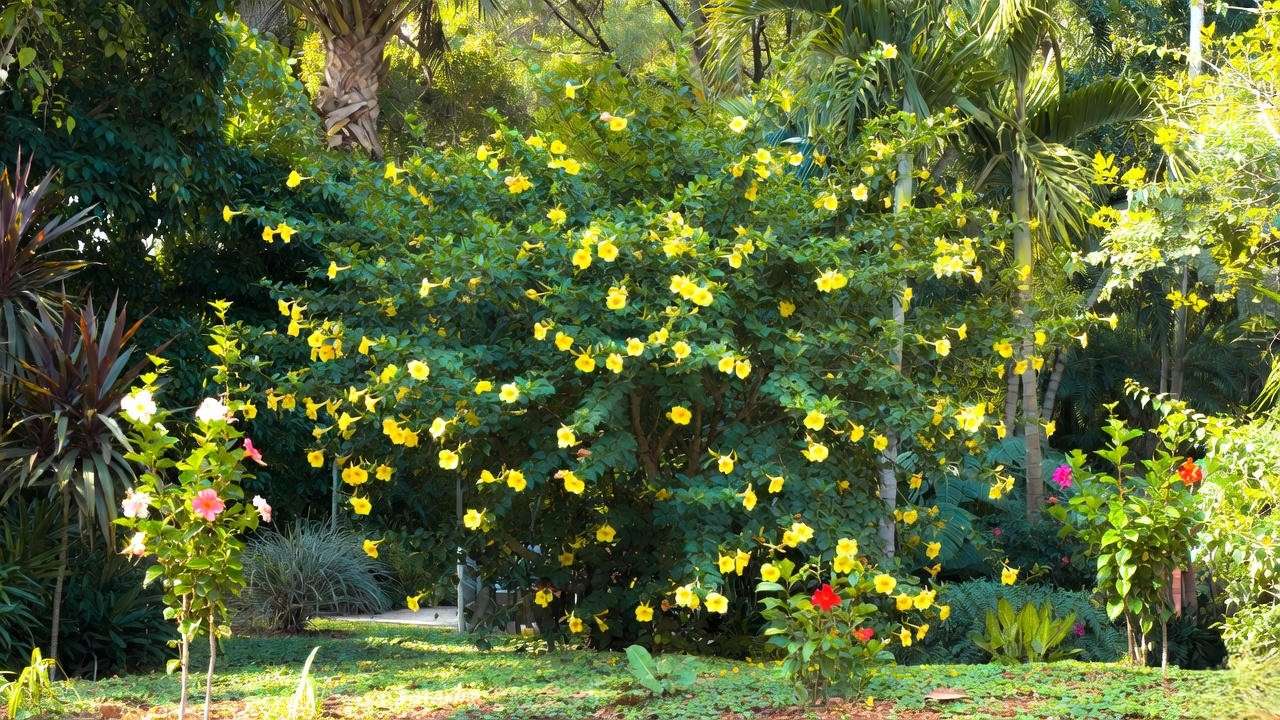
The bright yellow contrasts beautifully against dark green shrubs like viburnum or ixora.
Expert Insights and Advanced Tips 🔍
- Extending blooms year-round: In zones 10-11, mulch heavily and use frost cloth during rare cold snaps—plants often flower lightly through winter.
- Real gardener story: A client in coastal Texas maintained blooms from March to January by combining full southern exposure, monthly bloom-booster fertilizer, and regular pruning—over 300 flowers counted one season!
- Container success: Repot every 2-3 years; root-bound plants flower less.
Frequently Asked Questions (FAQs) ❓
Q: Why isn’t my allamanda shrub plant blooming? A: The most common causes are insufficient sunlight (needs full sun), lack of fertilizer, or no recent pruning. Move to a sunnier spot, feed with bloom-booster, and prune lightly—blooms often follow within weeks! 🌞
Q: Is allamanda deer-resistant? A: Yes! Its toxic sap deters deer, rabbits, and most browsing animals.
Q: How fast does allamanda grow? A: In optimal conditions, vines can add 10-20 feet per season—perfect for quick coverage but requires regular training.
Q: Can I grow allamanda indoors year-round? A: Absolutely, with bright light (south window or grow lights), moderate watering, and humidity above 50%.
Q: How do I get vibrant yellow blooms all year? A: Combine full sun, consistent moisture, regular bloom-booster fertilizer, and annual pruning—especially effective in frost-free climates.
Q: Is allamanda invasive? A: It can self-seed or spread in tropical areas (e.g., parts of Florida and Hawaii). Remove spent flowers and monitor in sensitive regions.
Conclusion: Enjoy Endless Golden Trumpets in Your Garden! 🎉
Your allamanda shrub plant has the potential to be one of the most rewarding tropicals in your collection—delivering cascades of vibrant yellow blooms that brighten even the dreariest days. By providing full sun, consistent care, proper pruning, and seasonal feeding, you’ll enjoy flowers from spring through fall (and often beyond in warm climates).
Start implementing these expert strategies today, and watch your golden trumpet vine or shrub transform into a nonstop bloomer. Gardening is all about patience and observation—your allamanda will thank you with years of stunning beauty. Happy planting, and feel free to share your blooming successes in the comments! 🌿✨











