

Imagine this: It’s a hectic weekday evening, your kids are running around, work emails are piling up, and yet you step into your backyard to find thriving plants bursting with color, strong trees providing shade, and everything looking effortlessly beautiful — all without sacrificing your weekends or sanity. 😍
For busy homeowners like you, maintaining a garden often feels impossible. Between jobs, family, and daily life, who has time for endless weeding, complicated fertilizing schedules, or guessing when to prune? But here’s the good news: nature follows predictable cycles, and with a streamlined, focused approach, you can achieve a healthy, vibrant yard in just short bursts of effort — often 15–60 minutes a week.
This annual garden calendar for busy homeowners is your no-fluff guide to essential plant and tree care tasks month by month. Drawing from proven practices recommended by university extension services (like those from OSU Extension and similar global resources adapted for various climates), years of hands-on experience helping time-strapped families, and real-world tweaks for maximum efficiency, this comprehensive plan prioritizes high-impact actions only. Forget overwhelming to-do lists — we focus on what truly matters for plant health, tree structure, pest prevention, and seasonal beauty. 🌱
Whether you’re in a temperate zone or a tropical climate like Dhaka’s (with its hot, humid summers, monsoon rains, and milder dry periods), adapt these essentials to your local conditions — check your equivalent hardiness zone or seasonal patterns for best results. By following this calendar, you’ll prevent common problems like stressed trees during heat, missed planting windows, or winter damage, while saving time, money, and stress. Ready to reclaim your yard without reclaiming your schedule? Let’s dive in! ✨
:max_bytes(150000):strip_icc()/GettyImages-1414023501-adc556405d4c439b8cb077d15522d00e.jpg)
Why Busy Homeowners Need a Simplified Annual Garden Calendar ⏰
In today’s fast-paced world, gardening shouldn’t add more pressure — it should bring joy and relaxation. Yet many homeowners struggle because traditional guides bombard you with dozens of tasks per month, most of which are optional or low-priority.
The real problem? Nature doesn’t wait. Miss key windows for pruning dormant trees, planting during optimal soil conditions, or protecting roots during extremes, and you end up with weak growth, disease issues, or expensive replacements.
This calendar solves that by emphasizing low-maintenance principles:
- Prioritize essentials (pruning for tree health, mulching for moisture retention, deep watering for roots).
- Use “set-it-and-forget-it” strategies like drip irrigation and thick organic mulch.
- Favor resilient perennials, native plants, and sturdy trees over high-maintenance annuals.
- Adapt to your climate — in tropical/subtropical areas like Bangladesh, focus more on monsoon prep, heat-tolerant species, and drainage during heavy rains.
Benefits include healthier plants and trees, fewer emergencies (no sudden die-offs), lower water/fertilizer costs, and more time to enjoy your outdoor space. Plus, a well-cared-for yard boosts property value and mental well-being. 🏡💚
Quick tip: Find your USDA hardiness zone equivalent or local seasonal guide (Dhaka aligns roughly with warm tropical zones, with minimal frost risk but high humidity and rainfall June–September).
Essential Tools & Setup for Low-Effort Success 🛠️
Before jumping into the months, set yourself up for efficiency. Invest once, save hours forever!
Must-have tools (keep them organized in a small bin):
- Sharp bypass pruners and loppers for clean tree/shrub cuts.
- Gardening gloves, knee pad, and a lightweight watering wand.
- Soil pH tester or simple moisture meter.
- Wheelbarrow or garden cart for moving mulch.
Time-saving setups:
- Install drip irrigation or soaker hoses — connect to a timer for automatic deep watering (crucial for busy schedules and tree root health).
- Apply 2–4 inches of organic mulch (wood chips, straw) around trees and beds to suppress weeds, retain moisture, and feed soil slowly.
- Use raised beds or large containers for veggies/flowers if ground space is limited.
- Quick prep checklist: Test soil pH/nutrients yearly, sharpen tools, and label plants for easy reference.
With these in place, most tasks become quick and painless. 🌿
:strip_icc()/bhg-flower-vegetable-garden_7hisOaBM4AB9-RP4j76n6R-f5746e1a7be04193b4c681c09244bac2.jpg)
Month-by-Month Essential Tasks 📅
Here’s the heart of the guide — streamlined for busy lives. Each month lists 3–7 high-priority tasks, time estimates, pro tips, and pitfalls to avoid. Adapt based on your local weather (e.g., shift planting earlier/later in tropical vs. temperate zones).
January: Planning & Protection ❄️ (Even in mild winters, focus on assessment)
- Assess trees and plants for winter damage (broken branches, bark cracks) — prune dead/diseased parts immediately (15–30 min).
- Conduct a soil test (kits available online or locally) and order amendments/seeds (20 min online).
- Check mulch around trees — refresh if thin to protect roots from temperature swings (30 min).
- Plan your garden layout: Sketch simple beds, note sun patterns (great weekend coffee activity!).
Pro tip: In warmer climates like Dhaka, this is prime for pruning evergreens and starting indoor seeds for heat-loving plants. Avoid heavy fertilizing in cool months. Common mistake: Ignoring small tree wounds — they invite pests.
February: Early Prep & Pruning 🌱
- Late-winter pruning for dormant trees/shrubs (remove crossing branches, shape for airflow) — key for fruit trees and ornamentals (45–60 min per tree).
- Start indoor seeds for early veggies/flowers (tomatoes, peppers in trays under lights or windows).
- Order bare-root trees/shrubs if available — plant soon in mild areas.
Pro tip: Prune on dry days; use clean tools to prevent disease. Busy hack: Do one tree per weekend morning. Mistake: Pruning spring-bloomers now (wait till after flowering).
March: Awakening & Early Planting 🌷
- Clean up debris, fallen leaves, dead annuals to reduce pests (30 min).
- Apply slow-release fertilizer to trees and perennials as growth starts.
- Plant cool-season crops/perennials (lettuce, spinach, hardy flowers) in prepared beds.
- Scout for early pests (aphids on new growth) and treat naturally if spotted.
Pro tip: In monsoon-prone areas, ensure good drainage now. Time estimate: 45 min sessions.
April: Spring Surge 🚀
- This is often the prime planting window in most climates — soil warms up, frost risk drops, and roots establish quickly before summer heat.
- Plant trees, shrubs, and perennials (best time for long-term success — they get a full season to settle). Time: 1–2 hours per planting session.
- Apply 2–4 inches of fresh organic mulch around all plants and especially trees (creates a weed barrier and conserves moisture). 30–45 min.
- Set up or test drip irrigation/soaker hoses — crucial for consistent watering without daily effort. 20–40 min.
- Lightly weed and remove any winter debris still lingering.
- Fertilize with a balanced, slow-release product for trees and new plantings (avoid heavy nitrogen on lawns this early).
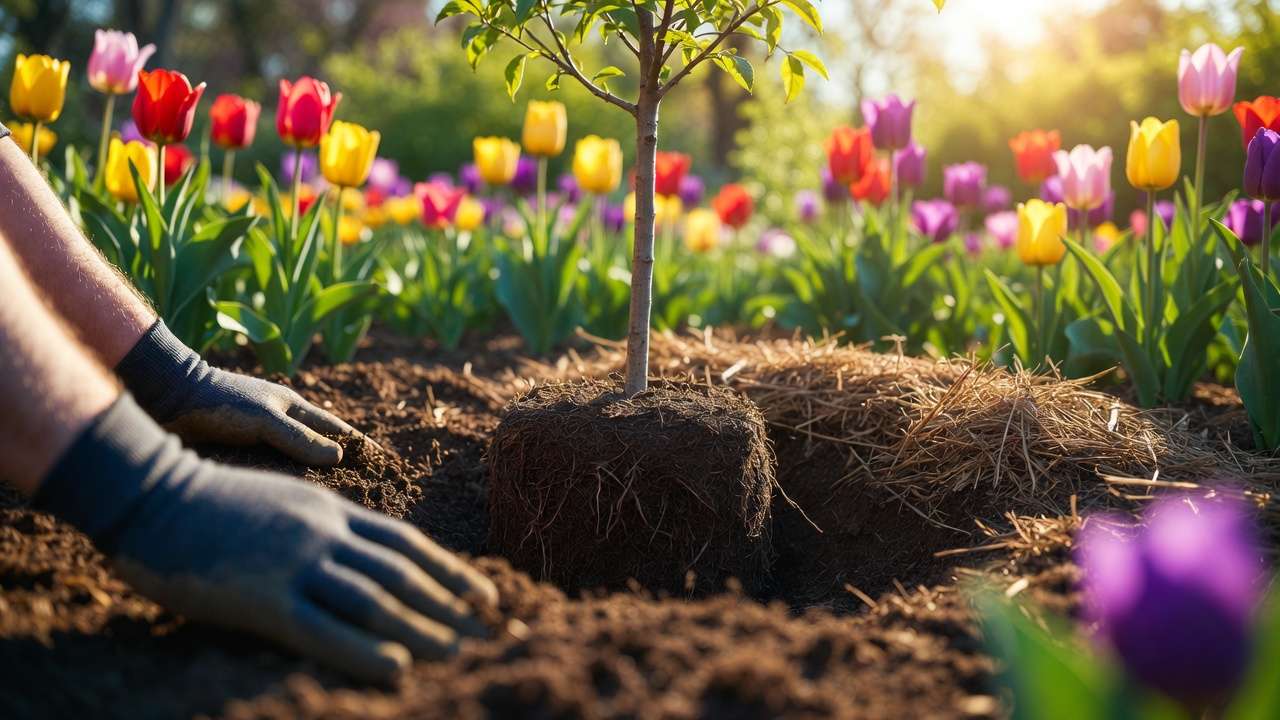
Pro tip for busy folks: Plant in the early morning or evening to reduce stress on new transplants. In tropical areas like Dhaka, April can already feel warm — choose heat-tolerant species (e.g., bougainvillea, hibiscus, neem trees) and ensure excellent drainage to prepare for upcoming monsoon. Common mistake: Planting too deeply (keep root flare visible at soil level, especially for trees). 🌳
May: Peak Planting & Establishment 🌼
- Finish any remaining transplants of seedlings or nursery plants.
- Stake young or newly planted trees if they’re tall and in windy spots (use flexible ties — remove after 1 year). 15 min per tree.
- Scout weekly for pests (look under leaves for aphids, scale on trees) and use neem oil or insecticidal soap for early control.
- Water deeply but infrequently to encourage deep roots — especially important for trees during their first year.
- Deadhead early spring flowers to encourage more blooms.
Pro tip: Combine pest checks with your evening walk — takes just 10 minutes. In humid regions, watch for fungal issues on roses and fruit trees; improve airflow with selective pruning. Busy hack: Use a phone reminder to check irrigation once a week instead of daily watering.
June: Maintenance & Growth ☀️
- Shift to deep, infrequent watering — aim for 1 inch per week (more for new plants/trees during hot spells). Use a rain gauge or simple screwdriver test (should slide in easily to 6 inches).
- Prune spring-flowering shrubs right after blooming if needed for shape.
- Apply a light summer fertilizer to actively growing plants (low-nitrogen to avoid soft, pest-prone growth).
- Harvest early crops (lettuce, radishes) and succession-plant quick growers.
- Monitor trees for leaf scorch or wilting — mulch refresh if drying out.
Pro tip: In Dhaka’s pre-monsoon heat, prioritize morning watering and shade cloth for young veggies. Mistake: Shallow daily watering — it promotes weak surface roots.
July: Heat Survival & Peak Care 🔥
- Focus on survival during the hottest month: deep watering early morning or evening (trees especially need consistent moisture to avoid stress cracks).
- Refresh mulch if it has thinned.
- Deadhead flowers regularly to keep plants blooming and tidy.
- Check for pest/disease flare-ups (powdery mildew in humid areas, spider mites in dry heat).
- Avoid heavy pruning now — save energy for heat recovery.
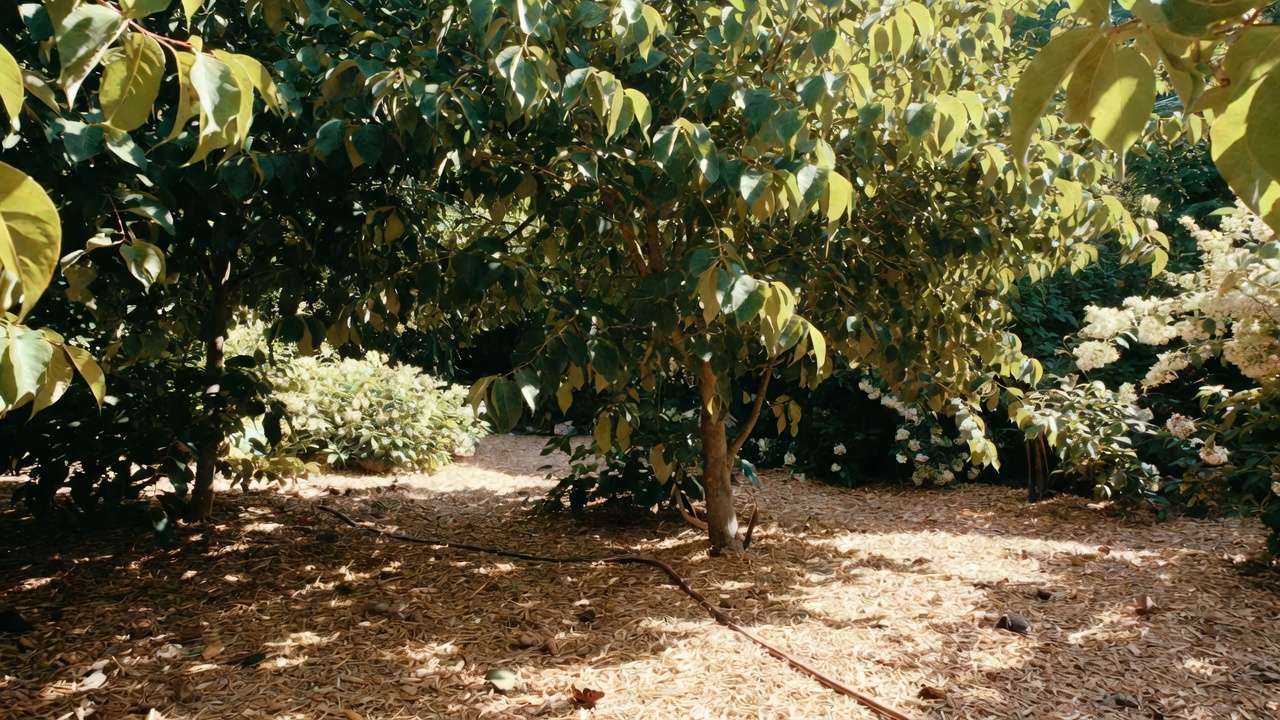
Pro tip: Install shade cloth over vulnerable new plants. For busy schedules, automate watering timers — set and forget! In monsoon-onset zones, prepare drainage channels now. 🌞
August: Harvest & Prep for Fall 🍂
- Peak harvest time — pick veggies/fruit regularly to encourage production.
- Plant fall crops/seeds (spinach, kale, carrots, marigolds) in late August for cool-season color.
- Lightly prune summer growth on shrubs/trees to improve airflow before rains.
- Start soil prep: add compost to beds as you harvest.
Pro tip: In tropical climates, this is prime for planting monsoon-resilient species and ensuring good drainage to prevent root rot. Busy win: Harvest while kids play nearby.
September: Transition & Planting 🍁
- One of the best months for planting trees and shrubs — soil still warm, but cooler air reduces stress.
- Divide overcrowded perennials (hostas, daylilies) and replant.
- Clean up spent summer annuals; compost healthy material.
- Apply fall fertilizer (higher phosphorus/potassium) to strengthen roots for winter.
Pro tip: Fall planting gives roots months to establish before next summer’s heat — huge advantage for busy gardeners.
October: Cleanup & Protection 🍃
- Rake and manage fallen leaves: either compost them (excellent free soil amendment) or use as mulch around trees and beds. Avoid letting thick layers smother lawns or perennials. Time: 45–90 min spread over a weekend.
- Winterize trees in colder zones: wrap young trunks with tree guards to prevent sunscald and rodent damage; in mild/warm climates like Dhaka, skip wrapping but check for bark cracks from heat stress earlier in the year.
- Plant spring-flowering bulbs (tulips, daffodils, crocuses) for easy color next year — dig small holes, drop in, cover. Super low-effort, high-reward task (30 min).
- Apply one last light dose of fall fertilizer or compost to perennials and trees to build root reserves.
- Final deep watering before cooler/drier periods set in.
Pro tip: In tropical/subtropical areas with minimal frost (e.g., Dhaka), October is still great for planting hardy trees and shrubs — the soil remains warm enough for excellent root growth before the slightly cooler dry season. Common mistake: Bagging and discarding leaves — they’re nature’s free mulch and compost gold!
November: Wind-Down & Protection 🧣
- Do final light pruning of dead/diseased branches on trees and shrubs (avoid heavy shaping now). 30–60 min.
- Heavily mulch beds and tree root zones (4–6 inches) to insulate roots and suppress winter weeds.
- Clean and store tools: wash, dry, oil metal parts to prevent rust.
- Drain and store hoses if you experience freezing (not needed in frost-free zones).
- Take a quick garden journal note: What thrived? What struggled? What to plant more of next year?
Pro tip: This is a low-energy month — perfect for reflection while sipping tea outdoors. In monsoon-heavy regions, ensure all drainage is clear to avoid waterlogging during any late rains.
December: Rest & Reflection 🎄
- Minimal outdoor tasks: Walk the yard once or twice to check for storm damage, fallen branches, or standing water. Clear anything hazardous.
- Enjoy indoor plants or holiday greenery (poinsettias, amaryllis, Christmas cactus are easy and festive).
- Review photos from the year, note successes/failures, and start a simple wish list for next spring (new tree? More natives?).
- Gift yourself (or ask for) small upgrades: a new pair of pruners, a soil moisture meter, or a nice watering can.
Pro tip: Use this quiet month to subscribe to local extension alerts or gardening apps for zone-specific reminders. Even in warm climates, December is the perfect reset before the new growing cycle begins.
You’ve now got a full 12-month roadmap — realistic, focused, and designed around real life. 🌟
Time-Saving Hacks & Smart Shortcuts for Busy Schedules ⚡
Here are battle-tested shortcuts that save hours while delivering great results:
- Batch similar tasks: Group all pruning into one weekend morning, all mulching into one afternoon.
- Use technology: Set calendar reminders for key windows (e.g., “First week of April: Plant trees”). Apps like Gardenize, Planta, or Google Calendar work wonders.
- Daily 10-minute rule: Spend just 10 minutes most evenings walking the garden — spot issues early, pull a few weeds, deadhead a few flowers. Prevents big weekend catch-ups.
- Weekend warrior vs. micro-tasks: Choose your style — some prefer one focused Saturday session; others like spreading 15-minute bursts across the week.
- Low-maintenance plant & tree picks: For busy homeowners in warm/humid climates like Dhaka — neem, mango, jamun, bougainvillea, ixora, areca palm, and hardy perennials like lantana, salvia, and vinca. They forgive occasional neglect.
- Automate watering: Drip systems or smart hose timers = huge time saver.
Common Challenges & Expert Solutions 💡
- Limited sunlight in urban yards: Choose shade-tolerant trees (e.g., magnolia, serviceberry in temperate zones; mango, jackfruit in tropical) and underplant with hostas, ferns, impatiens.
- Pest & disease quick fixes: Early neem oil sprays, remove affected leaves, improve airflow — most issues stay minor if caught soon.
- Water restrictions or drought: Deep, infrequent watering + thick mulch = best drought defense. Collect rainwater in barrels when allowed.
- Tree-specific issues: Storm prep — remove weak branches in late winter; after big winds, check for cracked limbs and prune promptly.
- Monsoon challenges (relevant for Dhaka & similar climates): Improve drainage, plant on mounds/raised beds, choose rot-resistant species, and avoid overwatering post-rain.
FAQs ❓
How do I adapt this calendar for my climate zone? Check your USDA hardiness zone (or local equivalent). In frost-free tropical areas like Dhaka, shift “winter” tasks (protection, heavy mulching) to the coolest/driest months (Dec–Feb), and treat March–May as peak planting. Local agricultural extension offices or apps can fine-tune dates.
What’s the bare minimum if I’m super busy? Focus on: 1) Deep watering during dry spells, 2) Mulching once or twice a year, 3) Pruning dead/diseased branches in late winter/early spring, 4) Planting only in optimal windows (spring & fall). Skip the rest — your yard will still look great!
Best low-maintenance trees for beginners? Tropical/warm: Neem, mango, moringa, amaltas (Cassia fistula). Temperate: Redbud, dogwood, crepe myrtle, serviceberry. All are tough, beautiful, and need minimal care once established.
When should I call a pro arborist? For large trees (>20 ft), significant storm damage, sudden dieback, or safety concerns (leaning, large dead branches). Better safe than sorry with big trees.
Final Thoughts & Your Next Step 🌟
You don’t need to be a full-time gardener to have a thriving, beautiful yard — you just need consistency on the right tasks at the right time. This annual garden calendar for busy homeowners gives you exactly that: a clear, realistic plan that respects your schedule while delivering real results — healthier plants, stronger trees, fewer headaches, and more time to actually enjoy your outdoor space.
Start small: Pick one or two tasks from the current month, do them this week, and watch the momentum build. Bookmark this page, share it with friends who are also time-strapped gardeners, and come back each season to refresh.
Here’s to beautiful, low-stress gardening — you’ve got this! 🌿💚











