
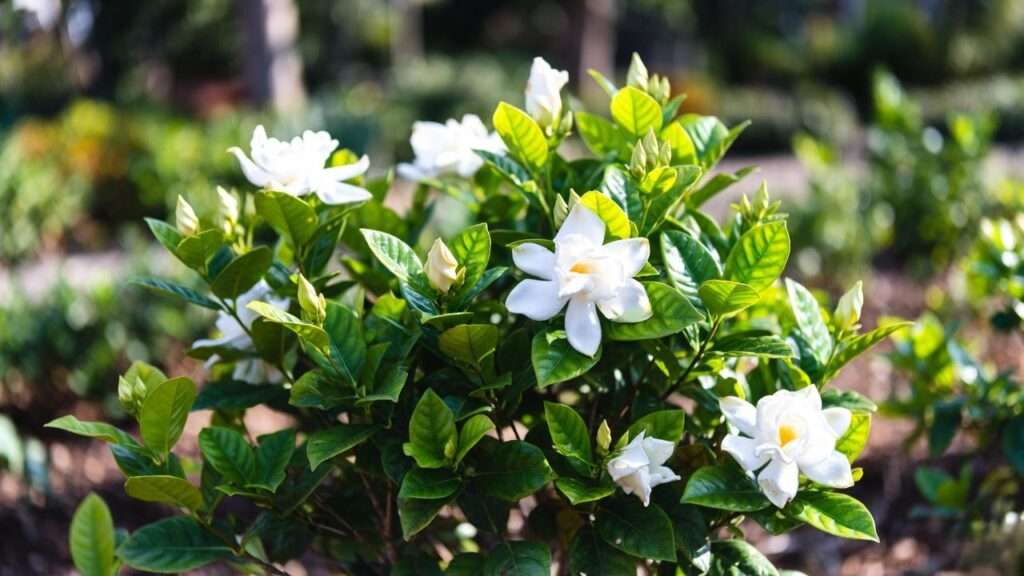
Imagine stepping into your garden on a warm summer evening, only to be enveloped by an intoxicating, sweet fragrance that transports you to a tropical paradise. That’s the magic of the August Beauty gardenia plant (Gardenia jasminoides ‘August Beauty’)—a standout evergreen shrub renowned for its velvety white double flowers and glossy dark green leaves. Yet, many gardeners face the heartbreak of yellowing leaves, dropping buds, or sparse blooms despite their efforts.
If you’ve ever struggled to keep your gardenias thriving, you’re not alone. The August Beauty gardenia plant is a repeat-bloomer that can produce fragrant flowers from late spring through fall, but it demands specific care to reach its full potential. In this comprehensive guide, drawn from over 15 years of hands-on horticultural experience and backed by trusted sources like Clemson University Extension, UF/IFAS, and North Carolina State Extension, you’ll learn everything needed to achieve lush growth, healthy foliage, and continuous heavenly-scented blooms year-round—even if you’re a beginner. 🌿
Whether planting in the ground or containers, this expert-backed advice will help you avoid common pitfalls and enjoy months of elegant, perfume-like fragrance right in your backyard.
What Makes August Beauty Gardenia Special? 🌟
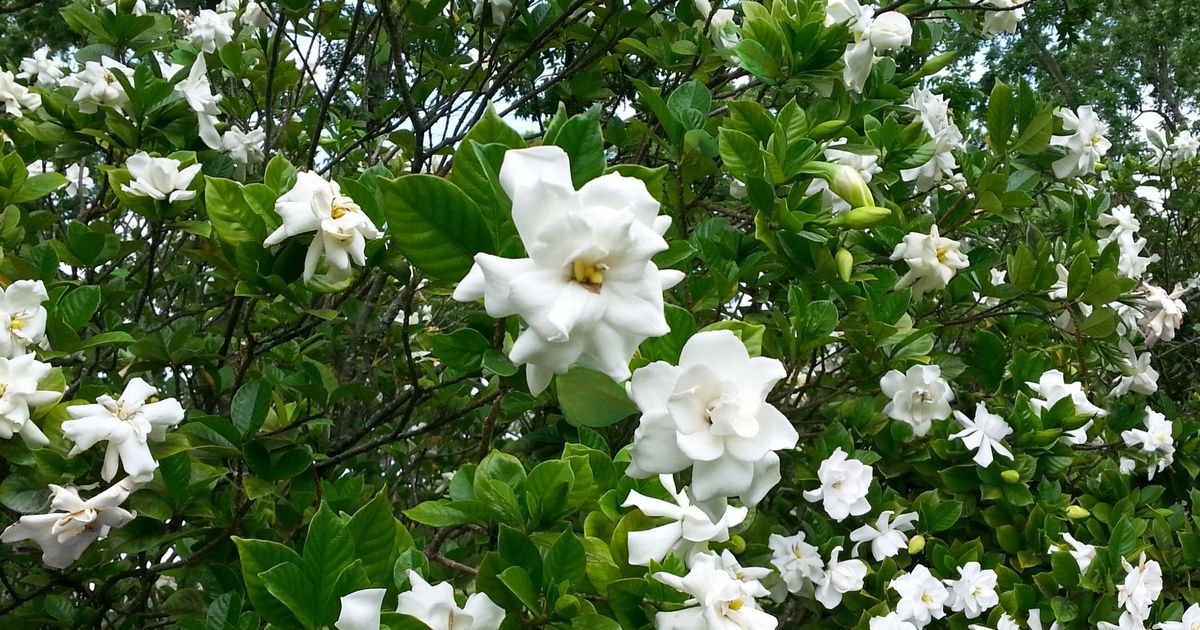
The August Beauty gardenia stands out among hundreds of Gardenia jasminoides cultivars for its vigorous growth and extended blooming season. This medium-sized evergreen shrub typically reaches 4–6 feet tall and 3–4 feet wide, forming a rounded, dense habit that’s perfect for hedges, specimens, or foundation plantings.
Key Characteristics and Features
- Flowers: Large (3-inch), velvety double white blooms with an intense, sweet jasmine-like fragrance.
- Bloom Time: Heavy flowering from mid-spring to fall, often with repeat flushes—true to its name, it shines in August when many other gardenias slow down.
- Foliage: Thick, lustrous, lance-shaped dark green leaves that provide year-round interest.
- Growth Habit: Upright and bushy, more compact than some larger varieties like ‘Mystery’.
Comparison with Other Popular Gardenia Varieties
To highlight why August Beauty is a top choice:
| Variety | Height/Width | Flower Size/Type | Bloom Period | Cold Hardiness | Notes |
|---|---|---|---|---|---|
| August Beauty | 4–6 ft / 3–4 ft | 3″ double | Mid-spring to fall (repeat) | Zones 7–10 | Prolific bloomer, heat tolerant |
| Veitchii | 4–6 ft / 3–4 ft | Smaller double | Reliable repeat, 2–3 times/year | Zones 8–11 | Oldest reliable everbloomer |
| Frostproof | 5 ft / 4 ft | Double | Spring to fall | Zones 7–10 | Better cold tolerance |
| Miami Supreme | 6–8 ft / wider | 4–6″ double | Heavy spring, later flushes | Zones 9–11 | Very large flowers |
August Beauty strikes an excellent balance: prolific blooms without the oversized habit of Miami Supreme, and better heat performance than some cold-hardy options like Frostproof.
Ideal Growing Zones and Climate Suitability
August Beauty gardenia thrives in USDA Hardiness Zones 7–10 (some sources extend to Zone 11). It’s well-suited to warm, humid climates like the Southeast U.S., but with protection, it performs in marginal Zone 7 areas. Avoid extreme cold below 10–20°F without mulching or shelter.
Choosing and Planting Your August Beauty Gardenia 🏡
Success starts with proper selection and planting.
Best Time to Plant
Spring or fall—avoid summer heat stress or winter cold.
Selecting a Healthy Nursery Plant
Look for:
- Glossy, dark green leaves (no yellowing).
- Compact, bushy growth.
- No signs of pests or root-bound circles.
Site Selection: Sun, Shade, and Wind Protection
- Morning sun with afternoon shade is ideal.
- Protect from strong winds and harsh winter exposure.
Soil Requirements – The Perfect Acidic Mix
Gardenias demand acidic (pH 5.0–6.5), rich, well-drained soil high in organic matter. Amend with peat moss or compost; test soil pH first.
Step-by-Step Planting Instructions
- Dig a hole twice as wide as the root ball, same depth.
- Mix native soil with acidic amendments.
- Plant at the same level as in the pot.
- Water deeply and mulch 2–3 inches (keep away from trunk).
For in-ground vs. containers: Use larger pots for containers to allow root growth.
Essential Watering Practices 💧
Watering is often the make-or-break factor for August Beauty gardenia plants. These shrubs love consistent moisture but despise soggy roots—striking the right balance prevents many common issues like bud drop and yellow leaves.
How Much and How Often (Seasonal Adjustments)
- Established plants: Water deeply 1–2 times per week during active growth (spring–fall), allowing the top 2 inches of soil to dry slightly between waterings.
- Newly planted: Daily light watering for the first 2 weeks, then taper to deep soakings.
- Summer heat: Increase frequency in hot, dry periods; containers may need daily checks.
- Winter: Reduce to every 2–3 weeks, only when soil is dry.
Aim for 1–2 inches of water per session, ensuring it penetrates 12–18 inches deep.
Signs of Overwatering vs. Underwatering
- Overwatering: Wilting despite wet soil, root rot (blackened roots), fungal issues.
- Underwatering: Drooping leaves, dry crispy edges, premature bud drop.
Best Water Type
Gardenias are sensitive to minerals and chlorine. Use rainwater, distilled, or dechlorinated tap water (let sit 24 hours). Avoid softened water high in salts.
Mulching Tips to Retain Moisture and Regulate Temperature
Apply 2–3 inches of organic mulch (pine bark, pine needles, or shredded leaves) around the base. This conserves moisture, suppresses weeds, and naturally acidifies soil as it decomposes. Keep mulch 2 inches away from the trunk to prevent rot.
Fertilizing for Maximum Blooms 🌺
Proper feeding fuels the prolific flowering that makes August Beauty so beloved.
Recommended Acid-Loving Plant Fertilizers
Choose products formulated for azaleas, camellias, and gardenias (e.g., Miracle-Gro Azalea/Camellia/Rhododendron, Holly-tone, or Jobe’s Organics).
Fertilizing Schedule
- Early spring (new growth): First application.
- Late spring/early summer: Second feeding after first bloom flush.
- Midsummer: Light third dose for repeat blooming.
- Stop by late August to avoid tender growth vulnerable to cold.
Organic vs. Synthetic Options
Organic (e.g., cottonseed meal, fish emulsion) releases slowly and improves soil health. Synthetic offers quick boosts but risks burn if overapplied.
Avoiding Common Fertilizer Burn Mistakes
Always water deeply before and after applying. Follow label rates—half-strength for containers.
Pruning and Shaping Your August Beauty Gardenia ✂️
Pruning encourages bushier growth and more flowers while maintaining shape.
When to Prune
Immediately after a bloom cycle (never in fall or winter, as it removes next year’s buds).
How to Prune for Bushier Growth and More Flowers
- Remove up to 1/3 of old wood.
- Cut back leggy stems to outward-facing buds.
- Thin crowded branches for airflow.
Deadheading Spent Blooms
Pinch or snip faded flowers to redirect energy to new buds.
Rejuvenation Pruning for Older Plants
For neglected shrubs, hard prune to 12–18 inches in early spring—expect no blooms that year but vigorous regrowth.
Sunlight and Temperature Requirements ☀️❄️
Ideal Light Exposure
Morning sun (4–6 hours) with dappled afternoon shade prevents leaf scorch while promoting blooms. Full shade reduces flowering.
Protecting from Extreme Heat and Cold
- Heat: Provide shade cloth during intense midday sun.
- Cold: Mulch roots heavily; cover with burlap in Zone 7 during freezes below 10°F.
Overwintering Tips for Marginal Zones
Move containers to a garage or sheltered spot; water sparingly. In-ground plants benefit from anti-desiccant sprays.
Common Problems and Solutions 🛠️
Even with perfect care, issues arise—here’s how to diagnose and fix them quickly.
Yellow Leaves (Chlorosis) – Causes and Fixes
Most common: Iron deficiency from alkaline soil. Apply chelated iron or sulfur to lower pH. Test soil annually.
:max_bytes(150000):strip_icc()/SPR-gardenia-has-yellow-leaves-4160496-02-2ef5797d458b4851a20ad4a58126b275.jpg)
Bud Drop – Why It Happens and How to Prevent It
Triggers: Inconsistent watering, temperature swings, low humidity, pests. Stabilize conditions; mist leaves in dry air.
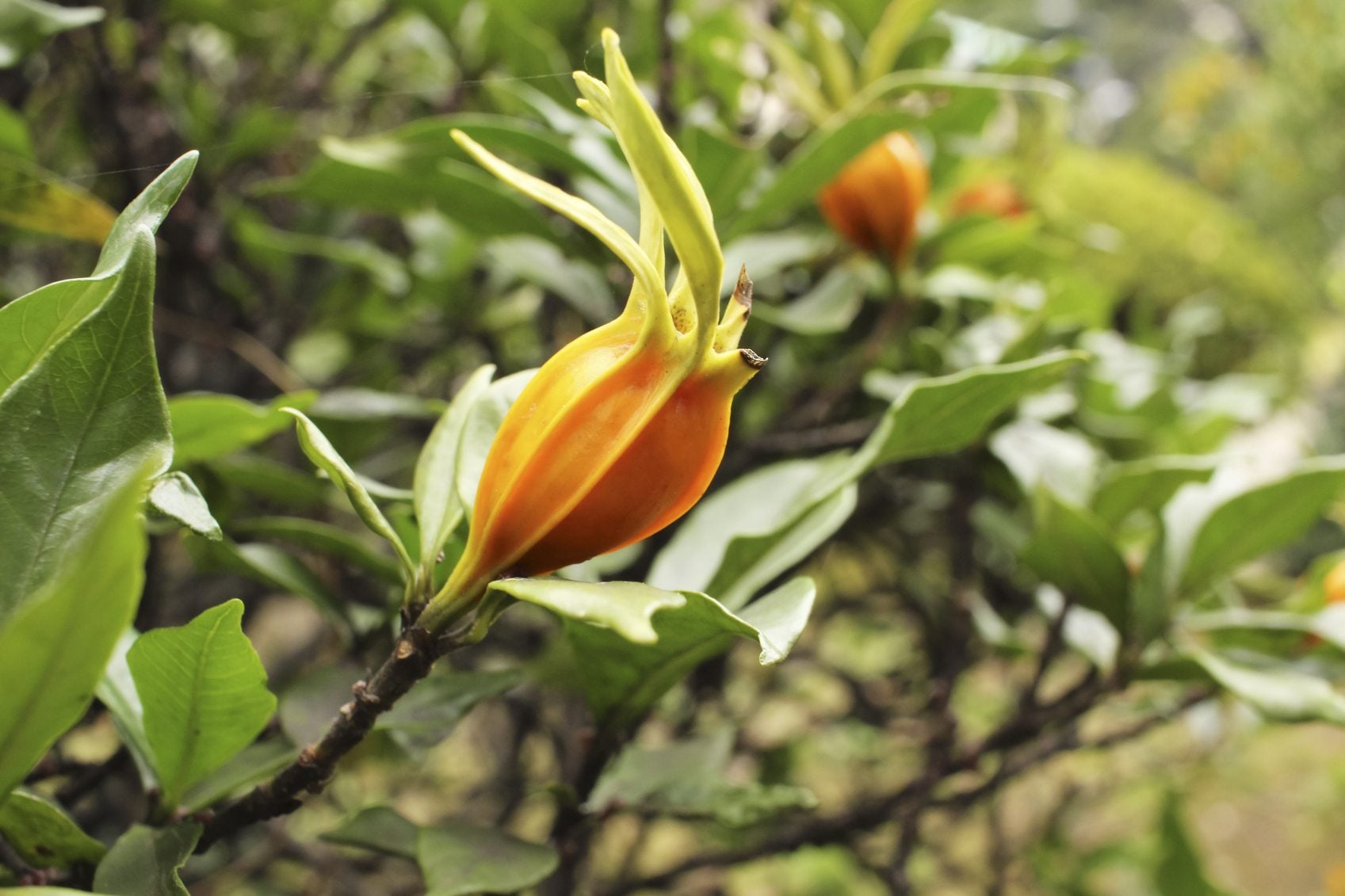
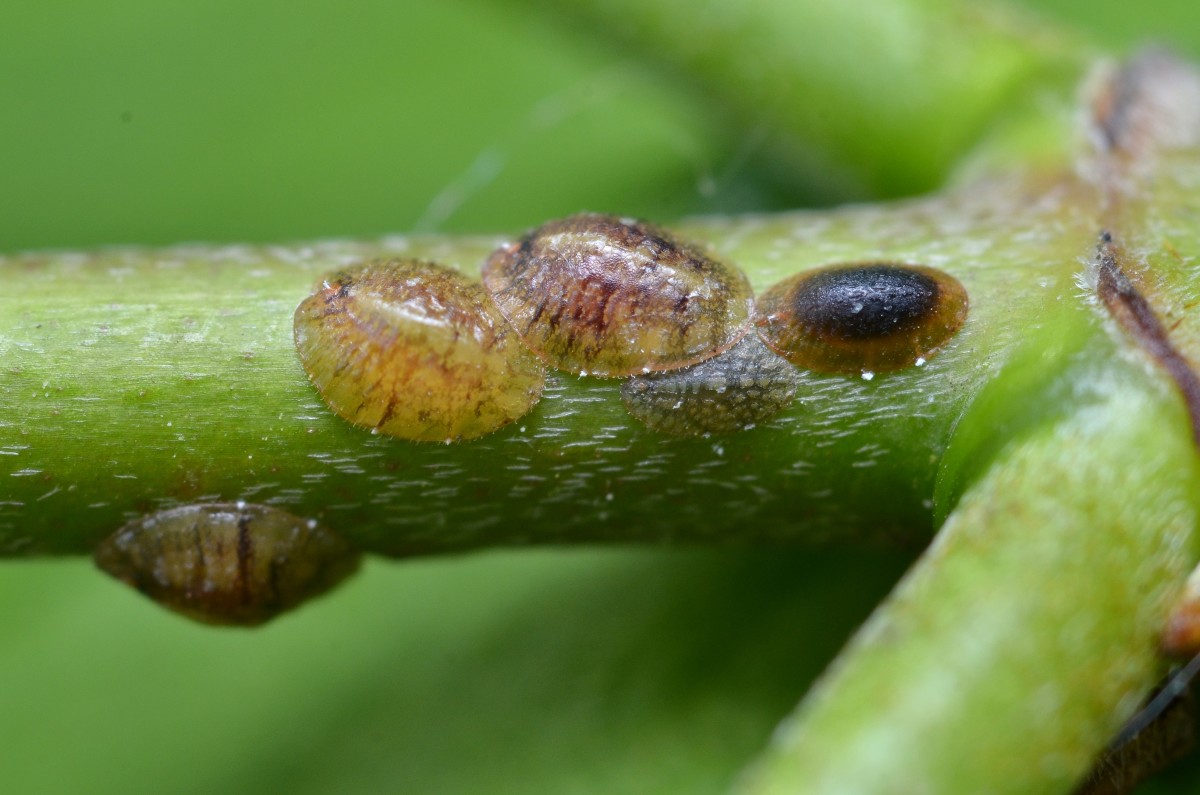
Pests: Aphids, Whiteflies, Scale, and Spider Mites
Inspect undersides regularly. Treat early with insecticidal soap, neem oil, or horticultural oil sprays.
Diseases: Sooty Mold, Root Rot, and Powdery Mildew
Sooty mold follows pest honeydew—control insects. Prevent root rot with excellent drainage; treat mildew with fungicidal sprays.
Natural and Organic Treatment Options
Encourage beneficial insects; use baking soda sprays for mildew or ladybugs for aphids.
Growing August Beauty Gardenia in Containers 🪴
Container gardening opens up possibilities for August Beauty gardenias in cooler climates or small spaces like patios, balconies, and even indoors. With the right setup, potted specimens can bloom just as profusely as in-ground plants.
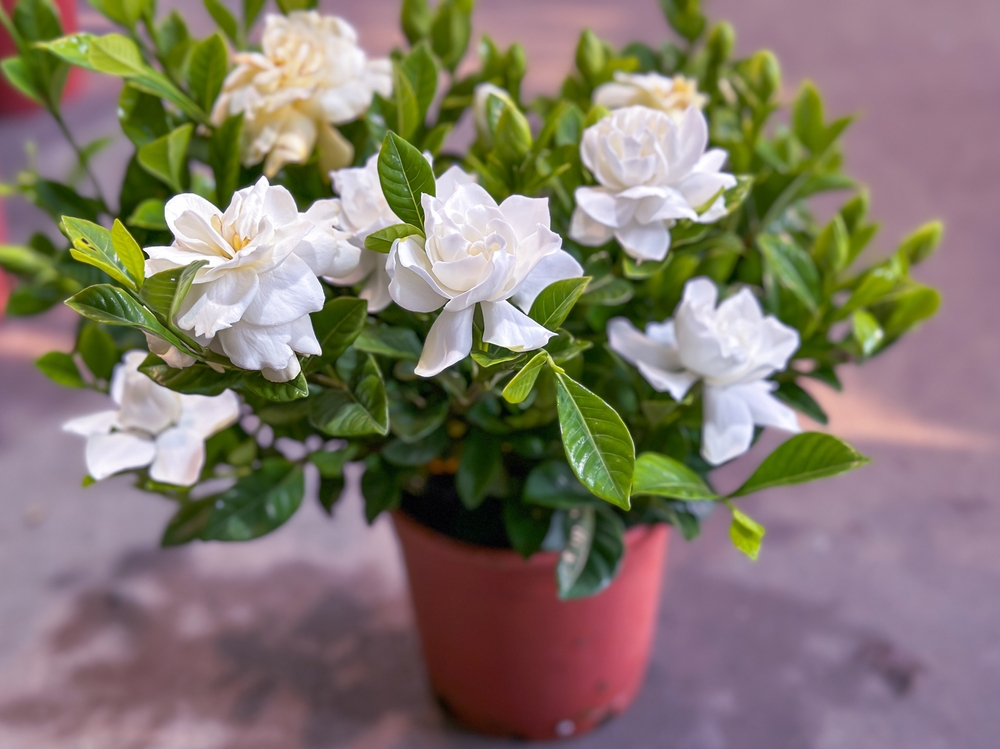
Best Pot Size and Material
Start with a 12–15 inch diameter pot for young plants, upgrading every 2–3 years. Use terracotta or glazed ceramic for breathability; avoid dark plastic that overheats roots.
Potting Mix Recommendations
Use an acidic, peat-based mix (e.g., for azaleas/rhododendrons) with added perlite for drainage. Avoid garden soil—it compacts and harbors diseases.
Indoor vs. Outdoor Container Care
Outdoors: Same light and watering as in-ground. Indoors: Bright indirect light near south-facing window; rotate for even growth.
Bringing Indoors for Winter
Move inside when nights dip below 50°F. Provide 60–70°F days, cooler nights; use a humidity tray or humidifier (gardenias crave 50%+ humidity).
Propagation Tips for More Plants (Free!) 🌱
Why buy more when you can multiply your August Beauty? Propagation from cuttings is straightforward and rewarding.
Stem Cutting Method (Step-by-Step)
- In late spring/early summer, take 4–6 inch semi-hardwood cuttings from new growth.
- Remove lower leaves, dip in rooting hormone (optional but boosts success).
- Insert into moist peat-perlite mix.
- Cover with plastic bag for humidity; place in bright indirect light.
- Roots form in 4–8 weeks—transplant once established.
Air Layering for Larger Starts
Ideal for bigger branches: Wound stem, apply rooting hormone, wrap with moist sphagnum moss and plastic. Roots in 6–12 weeks.
Success Rates and Timing
Best success (80%+) in warm, humid conditions. Avoid winter propagation.
Companion Planting Ideas 🌼
Pair August Beauty with plants sharing similar acidic soil and partial shade needs for stunning displays.
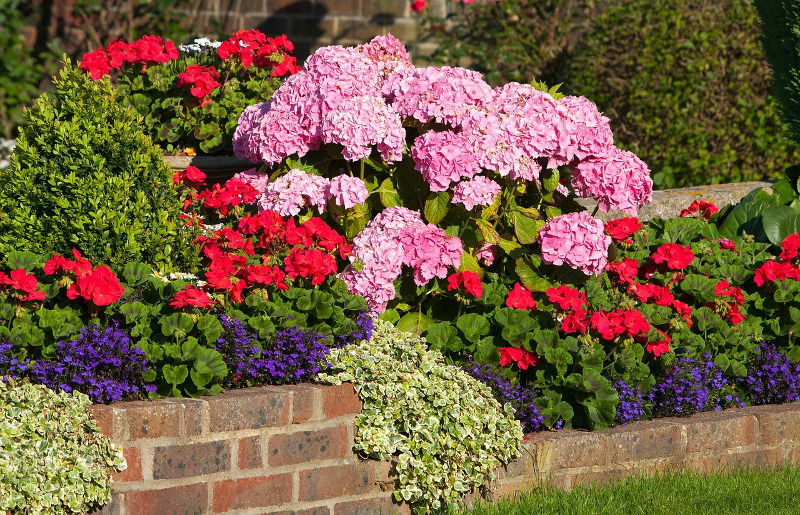
Plants That Thrive Alongside Gardenias
- Azaleas and rhododendrons (similar pH, bloom synergy).
- Hydrangeas (especially blue varieties).
- Hostas, ferns, and caladiums for shade-tolerant foliage contrast.
- Impatiens or begonias for colorful underplanting.
Beneficial Insects and Pollinator Attractors
Add lavender or salvia nearby to draw pollinators that enhance overall garden health.
Expert Tips for Year-Round Fragrant Blooms ✨
From years of growing gardenias across climates, here are pro secrets:
- Mist leaves daily in low humidity to prevent bud drop.
- Use Epsom salts (1 tbsp/gallon) monthly for magnesium boost and greener leaves.
- Repot only when root-bound—gardenias dislike disturbance.
- Pinch tips of young plants for bushier habit.
- In hot summers, apply light shade cloth during peak heat.
Seasonal Care Checklist (Save or print!):
- Spring: Fertilize, prune lightly, propagate.
- Summer: Water consistently, deadhead, monitor pests.
- Fall: Reduce fertilizer, prepare for winter.
- Winter: Protect from cold, minimal watering.

Frequently Asked Questions (FAQ) ❓
How long does August Beauty gardenia bloom? From late spring through fall, often 4–6 months with repeat flushes under ideal conditions.
Why are my August Beauty gardenia buds falling off? Common causes: Inconsistent watering, low humidity, extreme temperatures, or pests. Stabilize moisture and mist regularly.
Can August Beauty gardenia grow indoors year-round? Yes, with bright light, high humidity, and cool nights (55–60°F). Supplemental grow lights help in winter.
Is August Beauty deer-resistant? Moderately—deer rarely browse it, but hungry ones may nibble young growth.
How big does August Beauty gardenia get? Typically 4–6 feet tall and 3–4 feet wide; pruning keeps it compact.
What’s the difference between August Beauty and Miami Supreme? Miami Supreme has larger flowers (4–6 inches) and grows taller/wider, while August Beauty is more compact with reliable repeat blooming.
Conclusion 🌿
With the right acidic soil, consistent moisture, morning sun, and attentive care, your August Beauty gardenia plant will reward you with months of lush foliage and intoxicating fragrant blooms year after year. Avoid the common pitfalls—overwatering, alkaline soil, or harsh sun—and you’ll enjoy one of the most elegant evergreen shrubs available.
Ready to fill your garden with that heavenly scent? Start implementing these steps today. Share your August Beauty success stories or questions in the comments below—I love hearing from fellow plant enthusiasts! And don’t forget to subscribe for more in-depth plant care guides. Happy gardening! 🌸🌱











