
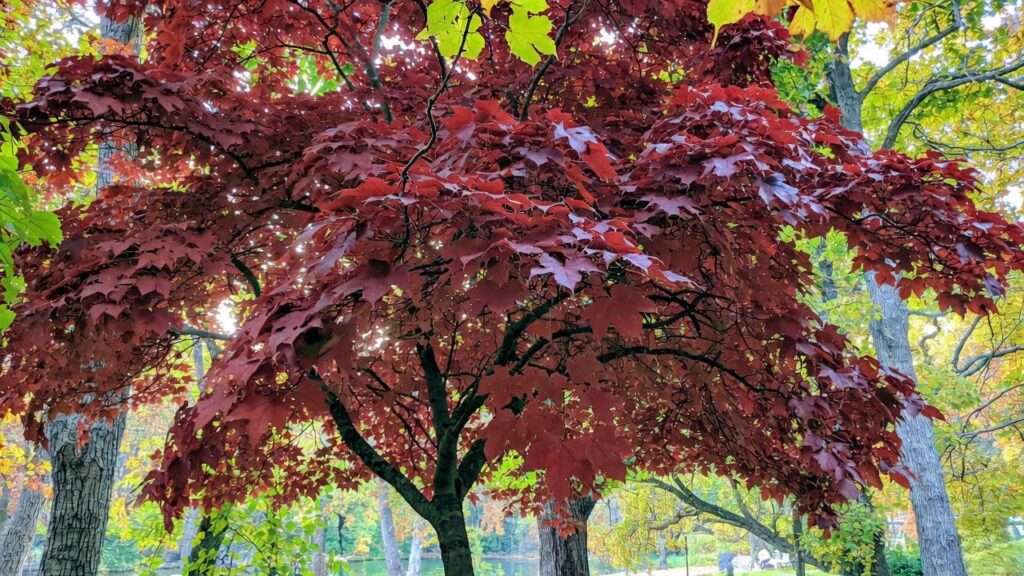
Picture this: Every autumn, your yard transforms into a fiery spectacle of vibrant ruby-red foliage that lasts for weeks, drawing admiring glances from neighbors and creating the perfect backdrop for seasonal photos. 🍂✨ Now imagine achieving this breathtaking display with a fast-growing shade tree that’s nearly seedless, low-maintenance, and tough enough to thrive in challenging urban conditions. That’s the magic of the Autumn Fantasy maple tree (Acer × freemanii ‘Autumn Fantasy’ or ‘DTR 102’).
As a certified arborist with over 15 years of experience specializing in ornamental trees and landscape design, I’ve planted and cared for hundreds of Freeman maple hybrids, including the Autumn Fantasy. This cultivar stands out for its reliable, intense fall color—even in warmer climates—and superior branching structure compared to similar varieties. In this comprehensive guide, we’ll dive deep into everything you need to know to select, plant, and maintain your Autumn Fantasy maple tree for decades of stunning performance and healthy growth.
Whether you’re a homeowner seeking a showstopping shade tree, a landscaper looking for reliable recommendations, or a gardening enthusiast wanting to maximize autumn brilliance, this expert guide addresses common challenges like inconsistent fall color, chlorosis in alkaline soils, and structural weaknesses in fast-growing maples. By following these proven strategies, you’ll unlock the full potential of this hybrid masterpiece. Let’s get started! 🌿
What Is the Autumn Fantasy Maple Tree? 🌿
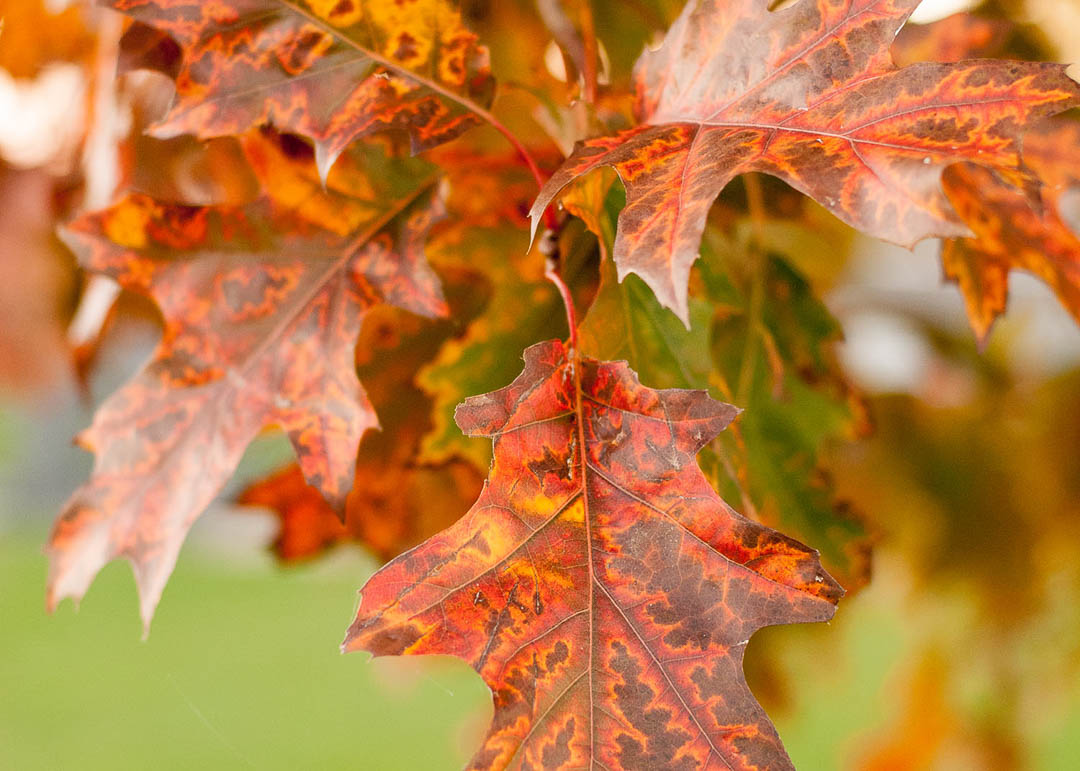
The Autumn Fantasy maple tree is a cultivated hybrid known scientifically as Acer × freemanii ‘Autumn Fantasy’. It’s a cross between the red maple (Acer rubrum) and silver maple (Acer saccharinum), combining the best traits of both parents: the brilliant fall color and strong wood of the red maple with the rapid growth and adaptability of the silver maple.
Developed and patented (PP7655) for its outstanding characteristics, this Freeman maple cultivar was selected for its consistent performance. Key features include:
- Mature Size: Typically reaches 50-60 feet in height with a spread of 35-45 feet, forming an oval to rounded canopy ideal for shade.
- Growth Rate: Fast—often 2-3 feet per year once established, making it one of the quickest ways to add substantial structure to your landscape.
- Fall Color: Exceptional ruby-red to garnet-red foliage that emerges reliably and persists longer than many other maples, even in heat-prone regions. 🍁🔥
- Foliage: Deep green summer leaves with a silvery underside, emerging with a subtle pink tint in spring.
- Other Benefits: Nearly seedless (minimal samara production for less cleanup), tolerant of wet or dry soils once established, and adaptable to urban pollution.
This tree excels as a lawn specimen, street tree, or park planting in USDA Hardiness Zones 3-9, offering cold hardiness down to -40°F and heat tolerance in warmer areas.
Autumn Fantasy vs. Popular Hybrids (Like Autumn Blaze) ⚖️
Freeman maples are popular for good reason, but not all cultivars are equal. The most common comparison is with Autumn Blaze (‘Jeffersred’), another Freeman hybrid.
Similarities:
- Both are fast-growing, seedless or low-seed hybrids with brilliant fall displays.
- Comparable mature size and oval shape.
- Excellent drought tolerance once established and adaptability to various soils.
Key Differences:
- Fall Color: Autumn Fantasy often delivers a deeper, more intense ruby-red hue, while Autumn Blaze tends toward orange-red. Many experts note Autumn Fantasy holds its color longer in southern climates.
- Branching Structure: Autumn Fantasy has stronger, more ascending branches with wider angles, reducing the risk of storm damage and splitting— a common issue in some Freeman hybrids inherited from silver maple parentage.
- Overall Durability: Arborists frequently prefer Autumn Fantasy for its improved resistance to breakage and better performance in wind-prone areas.
In my professional experience consulting on landscape projects, I’ve recommended Autumn Fantasy over Autumn Blaze for clients prioritizing long-term structural integrity without sacrificing that wow-factor autumn show.

Selecting and Buying Your Autumn Fantasy Maple 🛒
Choosing a healthy specimen is the foundation of success. Here’s what to look for:
- Strong Central Leader: A single dominant trunk with well-spaced lateral branches.
- Root Flare Visible: Avoid trees with buried or girdling roots—check the base for a slight widening where roots meet trunk.
- Healthy Foliage and Bark: Vibrant green leaves (no yellowing or spots) and smooth bark without wounds.
- Size Considerations: Smaller container-grown trees (8-10 feet) establish quickly and are easier to plant, while larger balled-and-burlapped specimens (12-15 feet) provide instant impact.
Purchase from reputable nurseries or certified growers. Look for tags confirming ‘Autumn Fantasy’ or ‘DTR 102’ to ensure authenticity.
Ideal Planting Location and Conditions ☀️🌧️
Site selection is crucial for vibrant growth and color.
- Sunlight: Full sun (6+ hours daily) for the most intense ruby-red fall display. Tolerates partial shade but color may be less vivid.
- Soil: Prefers well-drained, slightly acidic to neutral pH (6.0-7.5). Adaptable to clay, loam, or sand, but avoids extremely compacted or perpetually soggy sites without amendments.
- Hardiness: Thrives in Zones 3-9—excellent for cold winters and hot summers.
- Spacing: Plant 40+ feet apart for full canopy development. Keep 15-20 feet from foundations, sidewalks, or utilities to accommodate surface roots common in Freeman hybrids.
Pro Tip: In alkaline western soils, test pH early to prevent future chlorosis issues. 🌱
Step-by-Step Planting Guide 🕳️🌱
Planting your Autumn Fantasy maple tree correctly is critical—poor planting is the leading cause of failure in landscape trees. Follow these expert steps for optimal establishment.
Best Time to Plant: Fall (after leaf drop) or early spring (before bud break) when the tree is dormant, reducing transplant shock. In milder climates (Zones 7-9), fall planting allows roots to establish before summer heat.
Detailed Planting Process:
- Prepare the Site: Choose your location based on the guidelines above. Clear grass and weeds in a 3-4 foot diameter circle to reduce competition.
- Dig the Hole: Make it wide but shallow—at least 2-3 times wider than the root ball but no deeper than the root ball height. Roughen the sides of the hole to encourage root penetration.
- Inspect and Prepare the Tree: Remove any twine, wire basket (or cut away the top third), and burlap from the top of the root ball. Gently tease circling roots if potted.
- Position the Tree: Place it so the root flare (where roots spread from trunk) is slightly above soil level—never bury it!
- Backfill: Use the native soil mixed with 20-30% organic compost. Fill halfway, water to settle, then complete backfilling. Avoid fertilizers in the hole, as they can burn roots.
- Water Thoroughly: Soak with 10-15 gallons slowly to eliminate air pockets.
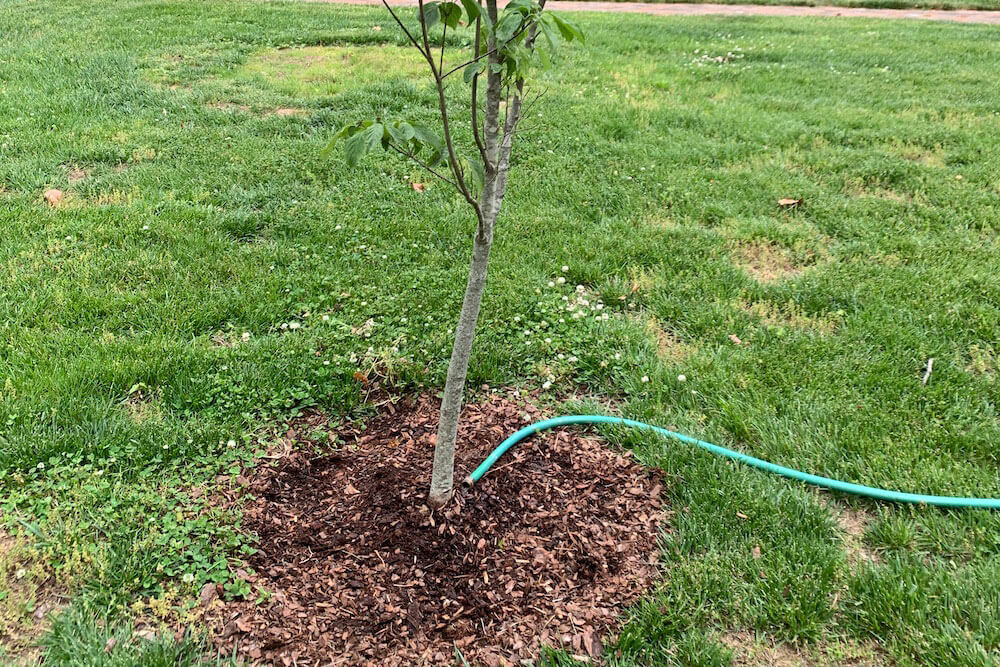
- Mulch: Apply 3-4 inches of organic mulch (bark chips or shredded leaves) in a 3-foot ring, keeping it 2-3 inches away from the trunk to prevent rot.
:max_bytes(150000):strip_icc()/autumn-blaze-maple-trees-2132093-hero-fa089ca1b33645028d65d2876d1dae2e.jpg)
Expert Note: In my consultations, I’ve seen many trees decline from being planted too deep. Always err on the side of slightly high—settling will occur naturally.
Watering Needs for Establishment and Beyond 💧
Proper hydration is key to root development and stress reduction.
- First Growing Season: Water deeply (1-2 inches) once or twice weekly, depending on rainfall and soil drainage. Use a slow hose or soaker for 30-60 minutes at the drip line.
- Years 2-3: Taper to supplemental watering during dry periods (no rain for 10-14 days).
- Established Trees: Highly drought-tolerant thanks to silver maple genetics, but provide extra water during prolonged heat waves for best growth and color.
Monitoring Tips:
- Check soil moisture 4-6 inches down—if dry, water.
- Overwatering signs: Yellow leaves, fungal growth, or soggy soil.
- Underwatering: Wilting, scorching leaf edges.
In urban settings, I’ve recommended drip irrigation systems for consistent moisture without waste.
Fertilizing for Vibrant Growth and Color 🌱💪
Freeman maples like Autumn Fantasy grow vigorously without heavy feeding, but strategic fertilization enhances health and fall brilliance.
When to Fertilize: Early spring as buds swell—avoid late summer to prevent tender growth susceptible to frost.
Recommended Products:
- Slow-release granular formulas (e.g., 10-10-10 or tree-specific like Arbor Green Pro).
- Organic alternatives: Compost top-dressing or aged manure.
Application Method:
- Broadcast evenly under the canopy (drip line), then water in.
- Rate: Follow package for tree size—typically 1-2 lbs per inch of trunk diameter.
Soil Testing Insight: Always test soil first (kits available online or through extensions). Excess phosphorus is common; focus on micronutrients if needed.
Over-fertilizing leads to weak, leggy growth prone to breakage—less is more!

Pruning for Structure and Health ✂️
Proper pruning ensures strong architecture and reduces risks from the silver maple’s brittle wood inheritance.
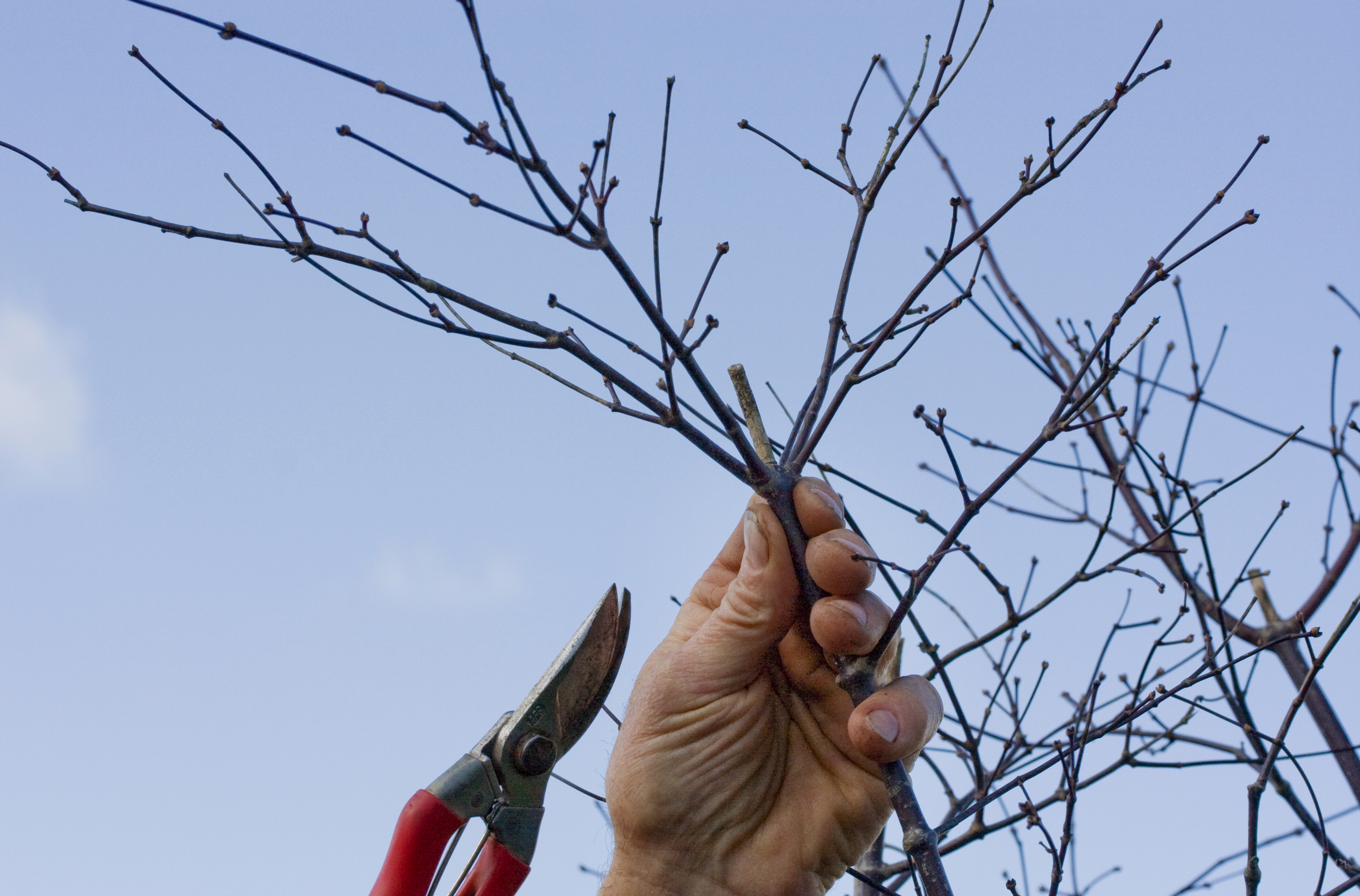
Timing: Late summer after leaves fully expand—minimizes sap flow (unlike winter pruning on maples).
Young Trees (First 10-15 Years):
- Develop a strong central leader.
- Remove co-dominant stems, narrow crotches (<45° angles), and crossing branches.
- Aim for well-spaced scaffold branches.
Mature Trees:
- Thin canopy for light/air penetration.
- Remove dead, diseased, or damaged wood.
- Raise lower branches for clearance.
Use the three-cut method for larger branches to prevent tearing.
In wind-prone areas, I’ve advised structural pruning early to create wind-resistant forms—saving trees from storm splits.
Maximizing Stunning Fall Color 🍁🔥
The hallmark of Autumn Fantasy is its reliable ruby-red display—here’s how to ensure peak performance.
Key Factors:
- Full sun exposure.
- Consistent (not excessive) moisture.
- Cooler fall nights (below 55°F trigger anthocyanin production).
Enhancement Tips:
- Maintain soil pH 6.0-7.0; acidic conditions boost reds.
- Apply chelated iron if chlorosis appears (see below).
- Avoid stress: Drought or root damage dulls color.
Clients often report their best displays after 5-10 years when trees are fully established.
Common Problems and Solutions 🛠️
While the Autumn Fantasy maple tree is generally robust and disease-resistant compared to many maples, a few issues can arise—especially in less-than-ideal conditions. Addressing them early prevents long-term decline. Here are the most common challenges I’ve encountered in my arborist practice, along with proven solutions.
Iron Chlorosis (Yellowing Leaves) 🌿💛
The #1 issue for Freeman maples in western and midwestern regions with alkaline soils (pH >7.2).
Symptoms: New leaves emerge yellow with green veins (interveinal chlorosis), progressing to scorched margins if untreated.
Causes: High soil pH locks up iron, making it unavailable to roots despite adequate levels in the soil.
Solutions:
- Apply chelated iron (Sequestrene 138 or similar) as a soil drench in spring and early summer.
- Lower soil pH long-term with elemental sulfur or aluminum sulfate (apply based on soil test recommendations).
- Use acidic organic mulches like pine bark to gradually acidify the root zone.
- Trunk injections by a certified arborist provide quick relief for severe cases.
In my experience, consistent chelated iron applications for 2-3 years combined with pH adjustment often resolves the issue permanently.
Pests 🐛
Autumn Fantasy shows good resistance, but occasional pests include:
- Aphids: Cause curled leaves and honeydew. Control with insecticidal soap or horticultural oil.
- Scale (cottony maple scale): White cottony masses on twigs. Treat dormant season with oil sprays.
- Borers (flatheaded appletree borer): Stress-related; keep trees healthy and avoid trunk wounds.
Diseases 🍂
- Verticillium wilt: Rare but serious; causes branch dieback. No cure—remove affected branches and avoid planting in known infected soils.
- Anthracnose: Cool, wet springs may cause leaf spots. Rake fallen leaves and apply fungicide if severe.
- Tar spot: Cosmetic black spots on leaves late summer—does not harm tree health.
Storm Damage and Structural Issues 🌪️
Though stronger than pure silver maples, included bark in narrow crotches can lead to splits.
Prevention: Early structural pruning to eliminate weak attachments (as detailed earlier).
Frost Cracking (Sunscald on Young Trunks) ❄️
Southwest-facing trunks on thin-barked young trees can split from winter temperature fluctuations.
Solution: Wrap trunks with tree wrap or light-colored guards for the first 3-5 winters.
Long-Term Maintenance and Seasonal Care 📅
A simple seasonal routine keeps your Autumn Fantasy thriving for generations.
Spring 🌸:
- Inspect for winter damage and prune as needed.
- Fertilize after bud break.
- Apply preventive treatments if chlorosis history exists.
- Refresh mulch layer.
Summer ☀️:
- Deep water during drought.
- Monitor for pests and treat early.
- Prune lightly if needed (best time for maples).
Fall 🍁:
- Enjoy the spectacular ruby-red show!
- Minimal raking needed due to low seed production.
- Plant new trees now for best establishment.
Winter ❄️:
- Protect young trunks from sunscald and rodents (use hardware cloth guards).
- Avoid heavy pruning.
Expert Tips for Success ⭐
Here are battle-tested tips I’ve shared with hundreds of clients:
- Mulching Mastery: Maintain a 3-4 inch mulch ring extending to the drip line. It conserves moisture, moderates soil temperature, and suppresses weeds. Replenish annually.
- Root Management: Surface roots are common in Freeman hybrids. Avoid planting grass right up to the trunk—use mulch or groundcover instead.
- Companion Planting: Pair with shade-tolerant underplantings like hostas, astilbe, or spring bulbs for multi-season interest.
- Wind Protection: In exposed sites, stake properly for the first 1-2 years only—overstaking weakens trunks.
- Patience Pays: Peak fall color and form develop after 7-10 years. Young trees may show more orange tones initially.
Frequently Asked Questions (FAQs) ❓
How fast does the Autumn Fantasy maple grow? Expect 2-3 feet per year in height once established, with some years pushing 4 feet under ideal conditions—among the fastest shade trees available.
Is the Autumn Fantasy maple messy? No! It’s nearly seedless (produces very few samaras), making it much cleaner than native red or silver maples.
Does it tolerate wet soil? Yes—better than pure red maples thanks to silver maple parentage. It handles periodic poor drainage well but prefers good drainage long-term.
Can I grow Autumn Fantasy in a container? Not recommended for more than 2-3 years due to rapid growth and large mature size. It’s best as an in-ground landscape tree.
Why is my tree’s fall color dull or orange instead of red? Common causes: Insufficient sun, drought stress, nutrient imbalance, or young age. Address site conditions and care—mature trees in full sun deliver the deepest ruby reds.
Is it invasive? No. Low seed production and sterile or near-sterile characteristics prevent invasiveness.
How long do Autumn Fantasy maples live? 50-75 years or more with proper care—longer than silver maples, shorter than sugar maples.
Conclusion: Your Path to a Thriving Autumn Fantasy Maple 🌳❤️
The Autumn Fantasy maple tree truly lives up to its name—delivering a reliable, breathtaking autumn display year after year while providing fast shade and low maintenance. By following this expert guide—from careful selection and planting to targeted care and troubleshooting—you’ll avoid common pitfalls and enjoy decades of vibrant ruby-red foliage, strong structure, and landscape value.
Whether you’re transforming a new yard or upgrading an established one, this Freeman hybrid is a top choice for homeowners and professionals alike. Start planning your planting today, and soon you’ll have a living masterpiece that turns heads every fall. 🍂✨
Happy planting!











