
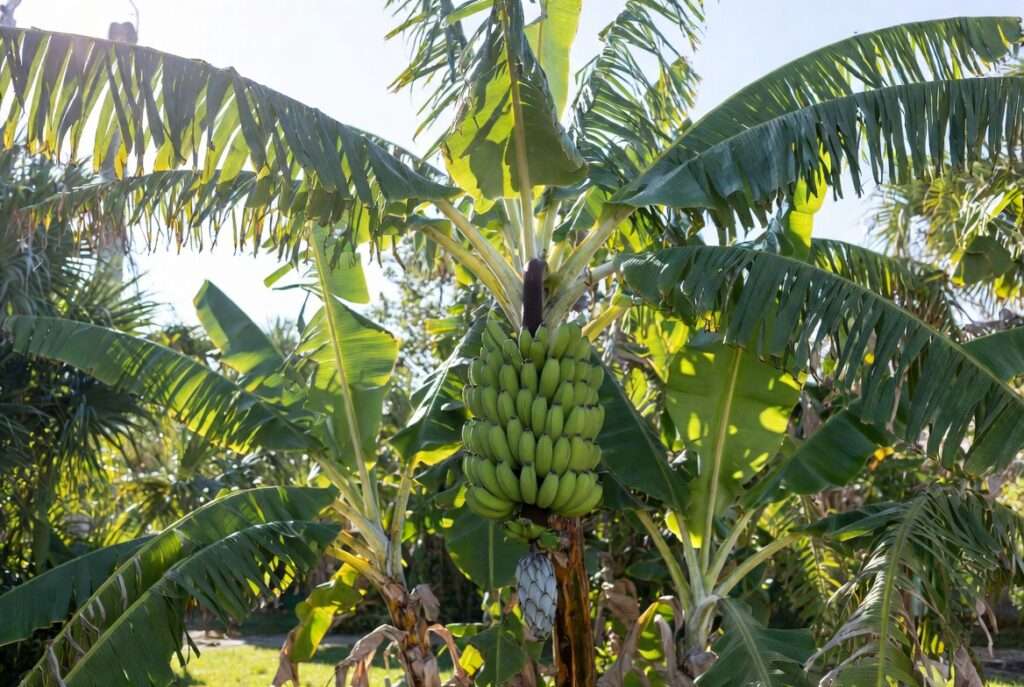
Picture this: You step into your backyard on a sunny Florida morning, reach up, and pluck a perfectly ripe, sweet banana straight from your own tree—no grocery store runs required! 🍌 If you’ve ever wondered whether a banana tree Florida garden is possible, the answer is a resounding yes. Florida’s subtropical climate (USDA zones 8–11) makes growing bananas not just doable, but downright rewarding for homeowners from the Panhandle to the Keys.
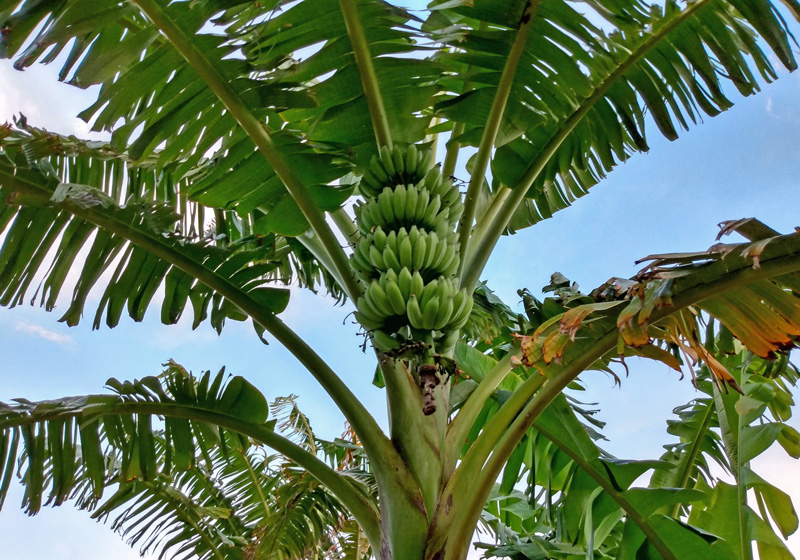
Bananas are one of the world’s most popular fruits, and homegrown ones taste even better because they ripen naturally on the plant. Plus, these fast-growing tropical beauties double as stunning landscape plants, providing privacy screens, shade, and that instant vacation vibe. According to University of Florida IFAS Extension research, bananas thrive in our warm, humid conditions and can produce fruit in as little as 9–20 months with proper care.
In this comprehensive guide—packed with Florida-specific tips, variety recommendations, step-by-step care routines, and troubleshooting—we’ll cover everything you need to successfully plant, grow, and harvest bananas right in your own yard. Whether you’re a beginner in North Florida battling occasional freezes or a Central/South Florida gardener ready for a backyard bounty, this skyscraper-level resource will help you avoid common pitfalls and enjoy abundant harvests year after year. Let’s dive in and turn your Florida landscape into a productive tropical paradise! 🪴🌴
1. Can You Really Grow Banana Trees in Florida? Understanding the Climate Fit 🌞
Florida gardeners often ask: “Will a banana tree survive here?” The short answer? Absolutely—with the right approach! Bananas (Musa spp.) love our hot, humid summers and consistent rainfall, making them a near-perfect fit for most of the Sunshine State.
Florida’s Hardiness Zones and Banana Success Rates
- South Florida (Zones 9–11): Ideal conditions. Year-round growth with minimal protection needed.
- Central Florida (Zones 9a–10): Excellent results; expect fruit most years.
- North Florida (Zones 8–9): Still very doable with cold-hardy varieties and winter mulching—plants may die back but regrow vigorously from the corm (underground stem).
Why Bananas Love (Most of) Florida Optimal daytime temps of 78–86°F and high humidity mirror the tropics. Our rainy season provides natural deep watering, and the long growing season means faster pseudostem development than in cooler climates. Many varieties produce fruit in 10–18 months here! 🍌
Common Challenges in the Sunshine State Cold snaps (below 28°F), strong winds from storms, and our sandy, low-nutrient soils can slow growth. But don’t worry—this guide equips you with proven solutions like raised beds, windbreaks, and heavy mulching so you can enjoy homegrown bananas despite these hurdles.
2. Choosing the Best Banana Varieties for Florida Gardens 🍌
Not all bananas are created equal! Selecting the right cultivar is the #1 key to success in Florida’s variable conditions. Focus on dwarf or semi-dwarf types for wind resistance and easier cold protection.
Top Dwarf and Cold-Hardy Varieties Here’s a quick comparison table of proven performers (based on UF/IFAS and real Florida gardener results):
| Variety | Max Height | Best Zones | Flavor/Use | Harvest Time | Why It’s Great for Florida |
|---|---|---|---|---|---|
| Dwarf Cavendish | 6–8 ft | 9–11 | Sweet, classic | 10–12 months | Most popular, widely available, great for small yards 🪴 |
| Rajapuri (Raja Puri) | 8–10 ft | 8–10 | Sweet, firm | 10–12 months | Wind-resistant, easy care 🌬️ |
| Dwarf Orinoco | 12–15 ft | 8–11 | Sweet or plantain | 12–15 months | Excellent cold tolerance for North FL ❄️ |
| Blue Java (Ice Cream) | 10–12 ft | 9–11 | Vanilla ice cream! | 15–24 months | Unique creamy texture 🍦 |
| Dwarf Nam Wah | 8–10 ft | 8–11 | Sweet, banana-like | 12 months | Very productive, cold-hardy 🌟 |
| Manzano (Apple) | 10–12 ft | 9–11 | Tart apple notes | 15–18 months | Disease-resistant, tasty |
| Lady Finger | 10–12 ft | 9–11 | Sweet, thin skin | 12–15 months | Compact, prolific |
Ornamental vs. Edible Choices For pure beauty in colder pockets, try Musa basjoo (Japanese fiber banana)—it survives sub-zero temps but isn’t edible. Stick to the edible dwarfs above for real harvests!
Expert Tip 💡 Source disease-free plants from reputable Florida nurseries or tissue-cultured stock. Avoid big-box store plants that may carry hidden pests.

3. Site Selection and Soil Preparation: Setting Up for Success 🪴
Bananas are heavy feeders and drinkers—give them the right spot and they’ll reward you for years!
Ideal Location Requirements
- Full sun (6–8+ hours daily) for best fruit production.
- Wind protection: Plant near south-facing walls, fences, or pools.
- Avoid low spots that flood—bananas hate “wet feet.”
Soil Needs in Florida’s Sandy Landscapes Aim for pH 5.5–7.0 and well-drained yet moisture-retentive soil. Our native sand drains too fast, so amend generously with compost, aged manure, and organic matter. Raised beds or mounds (12–18 inches high) are lifesavers in wet areas.
Spacing and Companion Planting Ideas Space plants 6–10 feet apart in clumps of 2–3 for mutual wind protection and a lush look. Pair with ginger, heliconia, or marigolds for natural pest control and tropical vibes! 🌺
4. Step-by-Step Planting Guide for Banana Trees in Florida 🌱
Timing is everything in the Sunshine State.
Best Time to Plant
- North Florida: April–June (after last frost).
- Central/South Florida: March–October (year-round possible with irrigation).
Planting Process
- Dig a hole twice as wide as the root ball and just as deep.
- Mix in plenty of compost.
- Place the pup or rhizome so the top of the corm is level with the soil.
- Water deeply and add 4–6 inches of mulch.
Container Growing Option Perfect for patios! Use a 15–30 gallon pot with excellent drainage and the same rich soil mix. Dwarf varieties shine here. 🪴
5. Daily Care Routine: Watering, Fertilizing, and Mulching 💧
Consistent care = happy plants and big bunches!
Watering for Consistent Growth Bananas are thirsty—keep soil evenly moist (1–2 inches per week). Drip irrigation is ideal during dry spells. Avoid overhead watering to prevent leaf diseases.
Feeding Your Hungry Plants Fertilize 4–6 times per year with a balanced formula (e.g., 3:1:6 or 8-10-8) or organic options like compost tea and manure. High potassium helps fruit development.
Mulching Magic Apply 4–6 inches of organic mulch (leaves, pine straw, or wood chips) to retain moisture, suppress weeds, and insulate roots. Replenish as it breaks down. 🌿
6. Pruning, Maintenance, and Managing Suckers ✂️
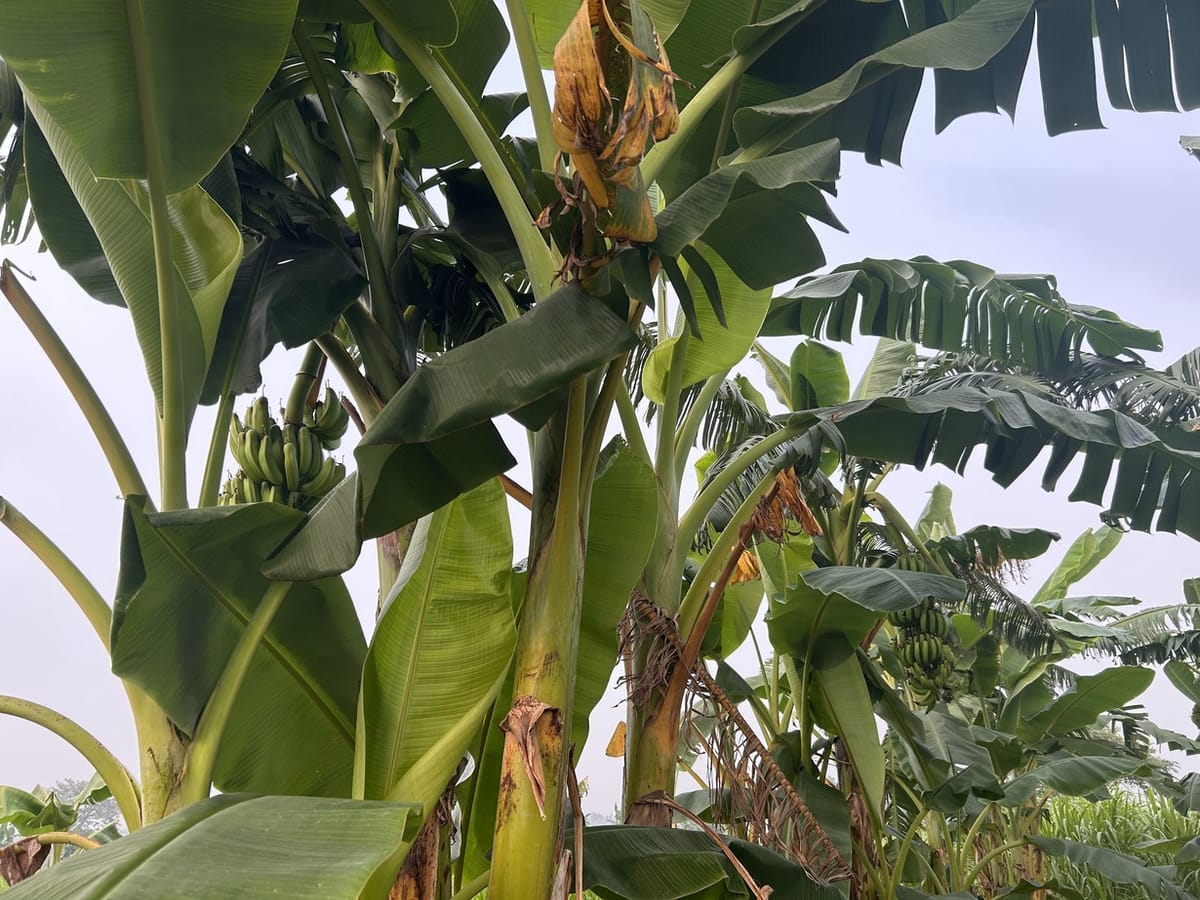
When and How to Prune Remove dead or yellow leaves regularly. Keep only 1–3 strong suckers (pups) per mat—the rest can be removed to focus energy on fruiting.
Seasonal Maintenance Calendar
- Spring: Plant/fertilize heavily.
- Summer: Water + monitor pests.
- Fall: Mulch for winter.
- Winter: Protect from freezes (more on that next!).
7. Protecting Banana Trees from Florida Weather Extremes 🌬️❄️
Florida’s weather can be unpredictable—scorching summers, sudden cold snaps, and powerful winds from tropical storms all pose challenges for banana tree Florida growers. But with smart preparation, your plants can bounce back stronger.
Cold Snap Survival Strategies Bananas stop growing below 60°F and suffer leaf damage below 32°F. The underground corm usually survives even if the pseudostem dies back.
Proven methods used by experienced Florida gardeners:
- Heavy mulching: Pile 8–12 inches of leaves, pine straw, or mulch around the base before a freeze.
- Wrapping: Use frost cloth, old blankets, or even Christmas lights (for gentle heat) around the trunk.
- Microclimates: Plant near south-facing walls, pools, or fences that radiate warmth at night.
- For North Florida: Choose cold-tolerant varieties like Dwarf Orinoco or Dwarf Cavendish—they regrow vigorously from the corm in spring.
After a freeze, wait until all danger of frost passes before cutting back dead leaves. New shoots will emerge from the base—be patient!
Wind and Hurricane Prep Dwarf varieties (under 10–12 ft) are naturally more wind-resistant. Stake young plants and plant in tight clumps for mutual support. During hurricane season, tie leaves loosely together or remove excess foliage to reduce wind sail effect.
Heat and Drought Resilience In intense Florida summers, provide consistent deep watering (1–2 inches per week) and thick mulch to keep roots cool and moist. Avoid letting the soil dry out completely, as bananas are heavy drinkers.
8. Battling Pests and Diseases the Natural Way 🐛
Healthy banana plants resist problems best, but Florida’s humidity can encourage issues. Early detection is key.
Common Florida Threats
- Banana weevil (borer): Larvae tunnel into the corm—look for sawdust-like frass at the base.
- Aphids and Bunchy Top Virus: Aphids spread this devastating virus; infected plants show stunted, bunched leaves.
- Nematodes: Damage roots in sandy soils, causing poor growth.
- Fungal diseases (Sigatoka, Panama disease): Yellow or black spots on leaves; avoid overhead watering.
- Sugar cane weevil: Another stem borer common in the state.
Prevention and Organic Controls
- Choose disease-resistant varieties like FHIA-01 (Goldfinger), FHIA-02 (Mona Lisa), or Dwarf Cavendish.
- Practice good sanitation: Remove dead leaves and old pseudostems promptly.
- Use neem oil, insecticidal soap, or beneficial insects (ladybugs, lacewings) for aphids.
- Improve soil health with compost and mulch to suppress nematodes naturally.
- Rotate planting sites if possible and source only clean, tissue-cultured plants.
Early Detection Checklist
- Yellowing or wilting leaves? Check for pests or nutrient issues.
- Black streaks on leaves? Could be Sigatoka—remove affected foliage immediately.
- Weak growth? Test soil and boost organic matter.
With these proactive steps, most home gardeners enjoy nearly pest-free banana mats.
9. From Flower to Fruit: The Pollination and Growth Cycle 🌸
Watching a banana plant flower is magical! The plant produces a large purple bud (the “bell”) that emerges from the top of the pseudostem.
Understanding the Banana Life Cycle
- Vegetative stage: Rapid leaf and pseudostem growth.
- Flowering: The bud opens over weeks, revealing hands of flowers. Most commercial bananas are parthenocarpic (fruit without pollination), so you don’t need bees for fruit set.
- Fruit development: Female flowers develop into the banana “fingers.” A full bunch can have 5–15 hands with dozens of bananas.
Timeline to First Harvest In Florida’s warm climate, expect fruit in 10–18 months from planting a healthy pup. South Florida is often faster; North Florida may take longer due to cooler winters. Once the bunch forms, it takes another 2–4 months to mature.
10. Harvesting Bananas Like a Pro: Timing, Technique, and Storage 🍌
Harvesting at the right moment ensures the sweetest flavor.
When to Cut the Bunch Cut when the top fingers start turning yellow or show a slight color change, but the rest are still green. The entire bunch ripens over time once cut. Use a sharp knife or machete to cut the stalk high up—wear gloves as sap can stain!
Ripening Off the Plant + Storage Tips
- Hang the bunch in a shady, well-ventilated spot indoors or under cover.
- Bananas ripen faster together—separate hands if you want slower ripening.
- Store ripe bananas in the fridge (skin will blacken, but fruit stays good) or freeze peeled bananas for smoothies and baking.
- Homegrown bananas often taste superior because they ripen naturally without ethylene gas used in commercial shipping.
Post-Harvest Plant Care After harvesting, cut the mother pseudostem to the ground. This directs energy to the strong suckers (pups) for the next cycle. A healthy mat can produce for many years!
11. Troubleshooting Common Problems and Mistakes ❌
Even experienced growers face issues. Here are quick fixes for the most common banana tree Florida challenges:
- Yellow leaves: Often nitrogen deficiency or over/under watering. Adjust fertilizer and check soil moisture.
- No fruit after 18+ months: Insufficient sun, potassium shortage, or cold stress—relocate or boost feeding.
- Small bunches: Not enough water or nutrients during fruit development; increase consistent care.
- Splitting fruit: Too much water late in ripening—reduce irrigation slightly.
- Plants dying back in winter: Normal in North/Central Florida; mulch heavily and wait for spring regrowth.
Florida Gardener Case Studies Many gardeners report success with Dwarf Cavendish in Central Florida by using raised beds and heavy winter mulching. One North Florida grower kept a productive mat alive through multiple freezes simply by banking leaves around the base each fall. Learning from these real experiences helps you avoid trial-and-error.
12. Creative Landscaping Ideas and Bonus Benefits of Banana Trees 🏡
Banana plants aren’t just for fruit—they create instant tropical paradise!
Tropical Backyard Design Use them as living privacy screens, backdrop for pools, or focal points in edible landscapes. Combine with heliconia, ginger, and crotons for layered color and texture. Dwarf varieties work beautifully in smaller yards or containers on patios.
Health, Environmental, and Culinary Perks
- Nutrition: Homegrown bananas are rich in potassium, vitamin C, and fiber—often sweeter and fresher than store-bought.
- Sustainability: Easy to propagate from pups, reducing the need to buy new plants. They improve soil over time with heavy leaf drop.
- Culinary uses: Eat fresh, bake into bread, freeze for “nice cream,” or cook green ones as plantains (try Dwarf Orinoco for this).
- Wildlife: Flowers attract butterflies and hummingbirds.
13. Frequently Asked Questions (FAQs) ❓
How long does it take for a banana tree to produce fruit in Florida? Usually 10–18 months with good care. Warmer South Florida areas tend to be faster.
Will banana trees survive a Florida freeze? Yes—especially with protection. The corm survives, and the plant regrows in spring. Dwarf Orinoco and Cavendish are more resilient.
What is the best fertilizer for banana trees in sandy soil? Use a balanced fertilizer (like 8-10-8 or 3:1:6) applied 4–6 times per year, plus plenty of organic matter and compost. Potassium is especially important for fruiting.
Can I grow bananas in containers in Florida? Absolutely! Dwarf varieties thrive in large pots (15–30+ gallons) with rich soil and consistent watering.
How do I prevent Panama disease or Bunchy Top? Choose resistant varieties (e.g., FHIA series or Goldfinger), use clean planting material, and practice good sanitation by removing infected material immediately.
Do banana trees need full sun? Yes—6–8+ hours daily for best growth and fruit production. Too much shade leads to leggy plants and smaller bunches.
Conclusion: Your Florida Banana Harvest Awaits! 🌟
Growing a banana tree Florida style is one of the most satisfying projects for any subtropical gardener. With the right variety selection, proper site preparation, consistent watering and feeding, and smart protection against our unique weather, you can enjoy sweet, homegrown bananas season after season.
This guide draws from University of Florida IFAS recommendations and the collective experience of thousands of successful Florida growers. Start small, learn as you go, and soon you’ll be sharing bunches with neighbors and family.
Ready to begin? Grab a healthy pup of Dwarf Cavendish or Rajapuri, prepare your spot with rich soil and mulch, and watch your tropical oasis come to life. Share your banana tree journey in the comments below—I’d love to see your progress photos!
For more plant care inspiration, check out our guides on other tropical fruits for Florida or container gardening tips. Happy growing, and may your bunches be big and sweet! 🍌🌴🪴











