
Imagine stepping into your backyard on a warm summer morning, reaching up to pluck a perfectly ripe, ultra-sweet mango straight from your own tree — its golden flesh bursting with juicy, tropical flavor that no store-bought fruit can match. 🌞 That dream becomes reality with the east indian mango tree, a beloved variety prized for its exceptional sweetness and reliable home-garden performance.
If you’re a home gardener searching for the ultimate east indian mango tree care guide, you’re in the right place. This comprehensive, expert-backed resource covers everything from selecting the perfect grafted sapling to harvesting your first bountiful crop of sweet mangoes — all tailored for backyard growers, container enthusiasts, and tropical fruit lovers. With over 15 years of hands-on experience cultivating Mangifera indica varieties in subtropical and tropical zones, I’ve refined these proven techniques to help you avoid common pitfalls and enjoy abundant, flavorful harvests year after year. Whether you’re battling poor fruit set or simply want to turn your patio into a mini orchard, this guide delivers real solutions that work. Let’s grow something delicious together! 🥭✨
What Is the East Indian Mango Tree? 🥭🌳
The east indian mango tree (a standout cultivar of Mangifera indica) traces its roots to the lush orchards of India and Southeast Asia, later gaining huge popularity in places like Jamaica for its unmatched sweetness and vigor. Unlike some finicky mango varieties, this one thrives in home gardens while delivering fruit that’s legendary for juicing, eating fresh, or turning into smoothies and desserts.
Origin, History, and Unique Characteristics Native to tropical regions, the east indian mango tree has been cultivated for centuries. It’s known for its vigorous growth, attractive canopy, and fruit that ripens with a delightful balance of sweetness and subtle tang — often described as richer and less fibrous than many commercial types. Mature trees develop a rounded, spreading habit that provides excellent shade in addition to fruit.
Fruit Profile – Flavor, Size, and Why It’s a Juicing Favorite East Indian mangoes are medium to large, with smooth skin that shifts from green to a beautiful blush-yellow when ripe. The flesh is deep orange, ultra-sweet, and low in fiber — perfect for fresh eating or blending into mango lassis and sorbets. One tree can easily produce dozens of fruits per season once established!
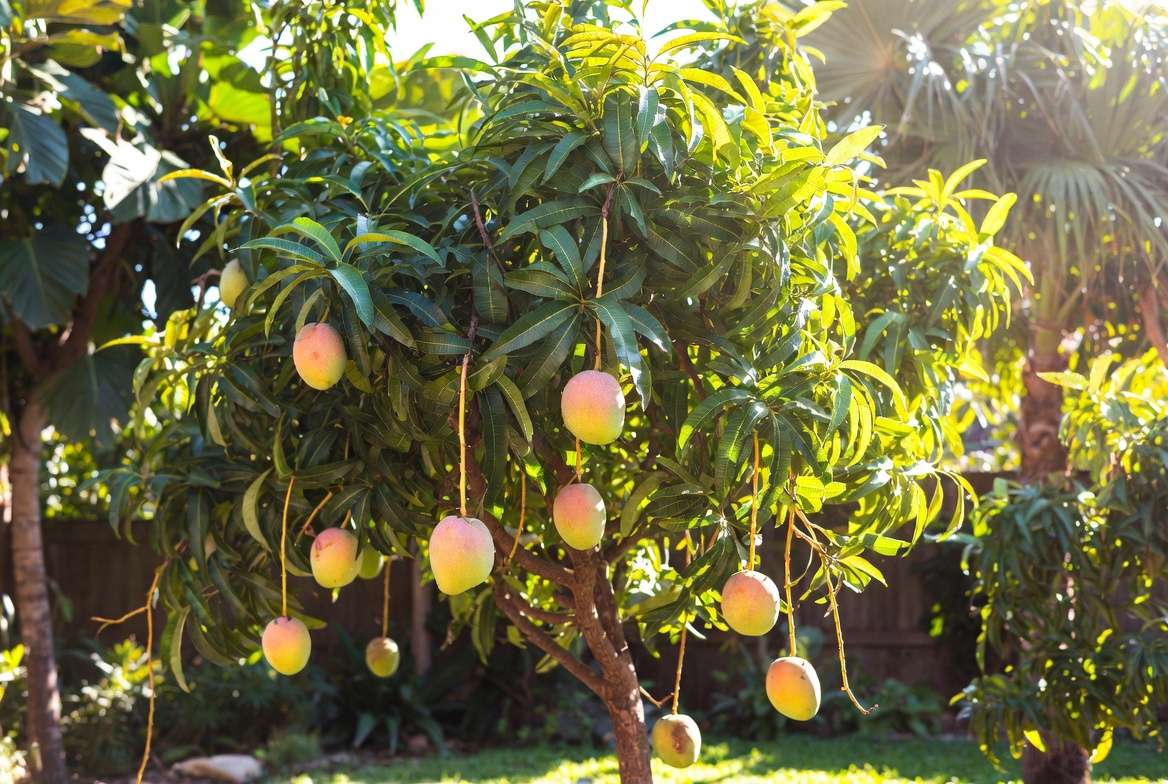
Tree Growth Habit and Mature Size (20–40 ft, prunable to 15–20 ft) In the ground, expect a height of 20–40 feet with a similar spread. The good news? With regular pruning, you can easily keep it compact at 15–20 feet — ideal for smaller yards. Its evergreen leaves are glossy and dark green, adding year-round ornamental appeal.
Benefits of Growing East Indian Mango at Home
- Fresh, chemical-free fruit loaded with vitamins A and C
- Natural shade and beauty for your landscape
- A rewarding long-term investment — trees can produce for decades
- Boost to biodiversity and your own self-sufficiency
Choosing the Right East Indian Mango Tree for Your Garden 🌱
Success starts with the right plant. Always choose a grafted east indian mango tree over seed-grown ones.
Grafted vs. Seed-Grown – Why Grafted Trees Are Best for Faster Fruiting Grafted trees fruit in just 3–5 years (sometimes sooner with excellent care), while seed-grown can take 7–10+ years and may not match the parent’s sweet flavor. Look for healthy, 2–3 foot tall grafted saplings from reputable nurseries.
Popular Companion Varieties and How East Indian Compares It pairs beautifully with other mango types like Kent or Tommy Atkins for extended harvest seasons, but stands out for its superior sweetness and disease resistance in humid climates.
Climate and Hardiness Zones – Ideal for Tropical/Subtropical Home Gardens Thrives in USDA zones 9–11 (or equivalent tropical/subtropical areas). It loves consistent warmth (50–100°F) and hates frost, so protect young trees in marginal climates with frost blankets.
Step-by-Step Guide to Planting Your East Indian Mango Tree 🌍🪴
Timing and preparation are everything.
Best Time to Plant (Seasonal Timing for Success) Plant during the warm, rainy season (late spring to early summer) when soil is moist and temperatures are steadily above 60°F.
Site Selection – Full Sun, Wind Protection, and Space Requirements Choose a spot with 8+ hours of direct sunlight daily and protection from strong winds. Allow at least 15–20 feet of space around the tree (or plan for pruning).
Soil Preparation – Sandy Loam, pH 5.5–7.5, and Drainage Tips East Indian mango trees demand well-draining soil. Amend heavy clay with sand and compost to create a sandy loam mix. Test and adjust pH to 5.5–7.5 — slightly acidic is best.
Planting Process (Detailed 7-Step Instructions)
- Dig a hole twice as wide as the root ball and just as deep.
- Gently remove the tree from its pot and loosen circling roots.
- Place in the hole so the graft union sits 2–3 inches above soil level.
- Backfill with amended soil, firming gently to remove air pockets.
- Create a watering basin around the base.
- Water deeply until soil is saturated.
- Add 3–4 inches of organic mulch (keep 4 inches away from trunk).
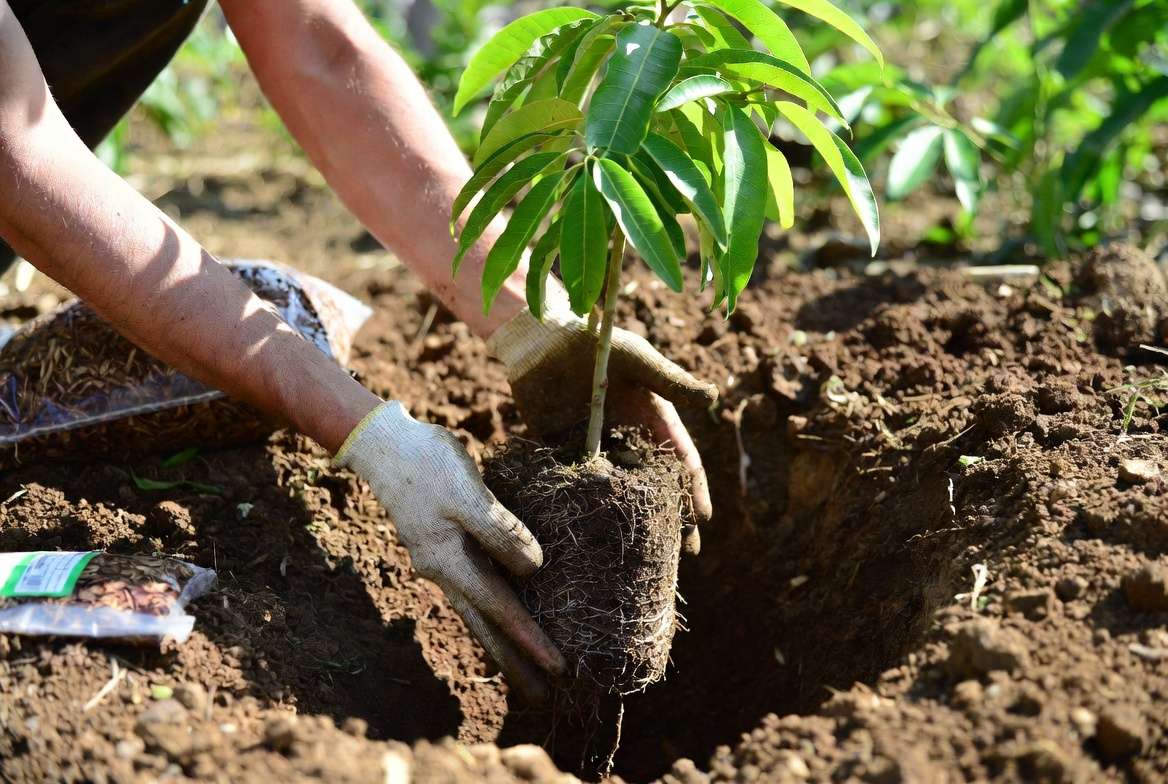
Post-Planting Care – Mulching, Initial Watering, and Staking Stake young trees for the first year. Water every 2–3 days for the first month, then gradually reduce. Mulch conserves moisture and suppresses weeds.
Essential Daily and Seasonal Care for Thriving Growth 💧☀️
Consistent care turns a good tree into a superstar producer.
Sunlight and Temperature Needs (8+ Hours of Direct Sun, 50–100°F) Full sun is non-negotiable for sweet fruit production. Protect from temperatures below 50°F.
Watering Schedule – Young Trees vs. Mature Trees + Drought Stress Technique for Better Fruiting Young trees need 1–2 inches of water weekly. Mature trees are drought-tolerant but appreciate deep watering every 7–10 days. For sweeter fruit, apply “drought stress” by reducing water slightly during flower bud formation — this encourages heavier blooming!
Fertilizing for Maximum Sweetness and Yield (Balanced Fertilizer Schedule + Organic Options) Use a balanced 6-6-6 or 8-3-9 fertilizer every 6–8 weeks during growing season. Switch to high-potassium formulas in late winter for better fruiting. Organic lovers: compost tea, fish emulsion, and bone meal work wonders.
Pruning and Training Techniques for Compact Size and Better Airflow Prune in late winter after harvest. Remove crossing branches, water sprouts, and inward growth. Keep the center open for sunlight and air circulation — this dramatically reduces disease.
Mulching and Weed Control for Healthy Roots Refresh mulch annually to maintain even soil moisture and temperature.
Pollination, Flowering, and Fruit Development 🌸🍈
One of the most rewarding (and sometimes challenging) phases of growing an east indian mango tree is watching it transition from lush foliage to heavy clusters of sweet fruit. Understanding the flowering cycle helps you maximize yields.
Understanding Flowering Cycles and Encouraging Blooms East Indian mango trees typically flower in late winter to early spring, triggered by cooler nights and a slight dry period. Panicles of small, fragrant blossoms appear — creamy white to pale yellow with reddish tinges. For strong blooming, ensure your tree receives adequate potassium and experiences a brief “drought stress” phase (reduce watering for 2–3 weeks before expected flowering).
Hand-Pollination Tips for Higher Yields in Home Gardens Mango flowers are self-fertile but benefit greatly from pollinators like bees and butterflies. In low-pollinator areas or during rainy seasons (which can wash away pollen), gently shake branches or use a soft brush to transfer pollen between flowers. This simple technique can increase fruit set by 20–50% in backyard settings.
Protecting Young Fruit from Drop and Environmental Stress Fruit drop is common in the first 4–6 weeks after pollination due to wind, temperature swings, or nutrient imbalance. Apply a light layer of mulch, maintain consistent (but not excessive) watering, and use a balanced foliar spray with micronutrients like zinc and boron. Protect developing fruit from strong winds with temporary netting if needed.
Common Pests, Diseases, and Troubleshooting Solutions 🐛🛡️
Even resilient varieties like the east indian mango tree can face challenges. Early identification and organic-first approaches keep your tree healthy without harsh chemicals.
Anthracnose, Powdery Mildew, and Bacterial Black Spot – Prevention and Organic Treatments Anthracnose (caused by Colletotrichum) is the most common fungal issue, showing as dark lesions on leaves, flowers, and young fruit, especially in humid conditions. Prevent it with good airflow through pruning, avoiding overhead watering, and applying copper-based fungicide or neem oil sprays during wet seasons. Powdery mildew appears as white powdery coating on new growth — treat with sulfur or potassium bicarbonate.
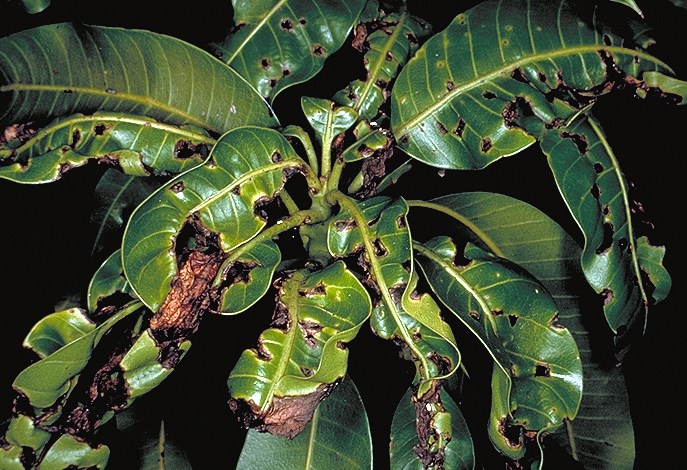
Pests Like Aphids, Mealybugs, and Scale – Neem Oil and IPM Strategies Aphids and mealybugs suck sap from tender shoots, while scale insects cause yellowing leaves. Introduce beneficial insects (ladybugs, lacewings) or use horticultural neem oil and insecticidal soap as first-line defenses. Integrated Pest Management (IPM) — combining monitoring, cultural practices, and targeted treatments — is the expert-recommended long-term solution.
Leaf Yellowing, Poor Yield, and Fruit Drop – Quick Fixes from Expert Growers Yellow leaves often signal overwatering, nutrient deficiency (especially iron or nitrogen), or root issues. Poor yield? Check sunlight exposure, pruning timing, and potassium levels. Excessive fruit drop can be fixed by stabilizing watering and applying a light fertilizer boost after fruit set.
Seasonal Care Calendar (Quick Reference)
- Winter: Light pruning, reduce water slightly to encourage flowering
- Spring: Fertilize, monitor for blooms and pests
- Summer: Deep watering, mulch refresh, harvest ripe fruit
- Fall: Final feeding, prepare for cooler months
Growing East Indian Mango in Containers or Small Spaces 🪴🏡
Don’t have a big yard? No problem — the east indian mango tree adapts well to container growing with the right approach.
Is Container Growing Possible? Realistic Expectations and Limitations Yes, especially dwarf or semi-dwarf grafted varieties. Expect slower growth and slightly lower yields than in-ground trees, but you can still harvest sweet mangoes from a patio or balcony. Mature container trees typically stay 8–15 feet tall with regular pruning.
Pot Size, Soil Mix, and Dwarfing Techniques Use a large container (at least 20–25 gallons initially, upgrading to 50+ gallons as it grows) with excellent drainage holes. Mix high-quality potting soil with perlite, compost, and a bit of sand for perfect drainage. Repot every 2–3 years or top-dress with fresh soil annually. Prune roots lightly during repotting to control size.
Indoor/Overwintering Tips for Cooler Climates In zones below 9, move potted trees indoors or to a greenhouse when temperatures drop below 50°F. Provide bright light (grow lights if needed) and reduce watering. Protect from dry indoor heat with a humidity tray.
Harvesting Sweet, Juicy Mangoes – Timing and Techniques 🍯🥭
The payoff! Knowing exactly when and how to harvest ensures maximum sweetness and tree health.
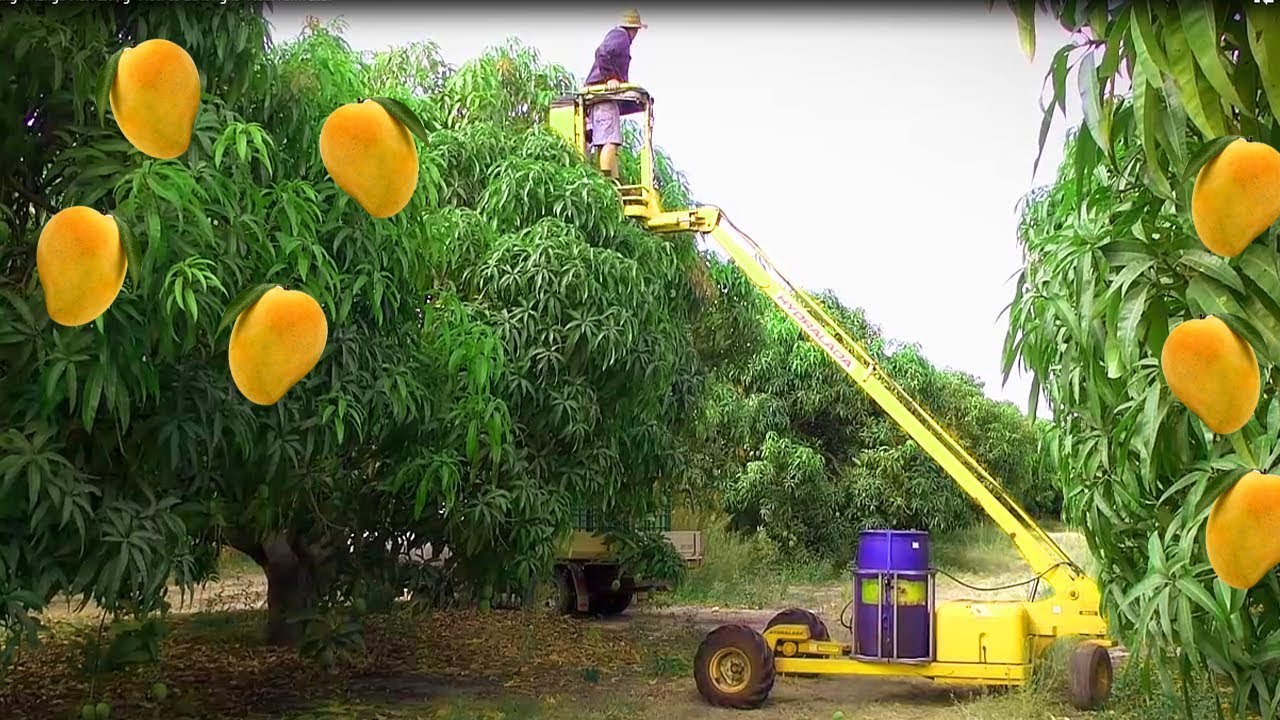
How to Tell When Your East Indian Mangoes Are Ready (Color Break, Feel, and Smell) Look for color break — skin shifting from deep green to yellow or blush pink. The fruit should feel slightly soft when gently squeezed and emit a sweet, fragrant aroma near the stem. Don’t wait for full softness on the tree, as this can lead to over-ripening or pests.
Proper Harvesting Methods to Avoid Sap Burn and Maximize Flavor Use sharp pruners or a harvesting pole with a basket to cut the stem, leaving a small portion attached. Wear gloves — mango sap can cause skin irritation (latex allergy-like reaction). Harvest in the morning when temperatures are cooler.
Post-Harvest Ripening and Storage for Peak Sweetness Place unripe fruit in a paper bag at room temperature to ripen evenly (1–5 days). Once ripe, store in the refrigerator for up to a week. For longer storage, freeze cubed flesh for smoothies and desserts.
Expected Yield Timeline – From Sapling to First Harvest Grafted east indian mango trees often produce a small crop in year 3–4 and reach full production (50–200+ fruits per season) by year 6–8, depending on care and climate.
Expert Tips for Bigger, Sweeter Crops Every Season 🌟
Here are proven advanced techniques from years of mango cultivation:
- Controlled Water Stress — Reduce watering 3–4 weeks before flowering to boost bloom density.
- Organic Soil Amendments — Add well-rotted manure and rock phosphate annually for sustained nutrition.
- Companion Planting — Grow marigolds or basil nearby to deter pests naturally.
- Micronutrient Foliar Sprays — Apply every 6–8 weeks during growth for vibrant leaves and sweeter fruit.
- Avoid Common Mistakes — Never over-fertilize with nitrogen (leads to lush leaves but few fruits) and always prune after harvest, not during flowering.
Sustainable practices like using rainwater and creating a biodiverse garden around your tree ensure long-term health for decades of harvests.
Nutritional Benefits and Fun Ways to Enjoy Your Homegrown Mangoes 🥭❤️
Fresh east indian mangoes are nutritional powerhouses — packed with vitamin A for eye health, vitamin C for immunity, fiber for digestion, and antioxidants that fight inflammation. One medium mango delivers about 100–150 calories with natural sugars for quick energy.
Health Perks of Fresh East Indian Mangoes They support skin health, boost immunity, and provide potassium for heart function. Homegrown means no pesticides and peak ripeness for maximum nutrients.
Simple Recipes and Juicing Ideas
- Classic mango lassi with yogurt and cardamom
- Fresh mango salsa for grilled fish or tacos
- Tropical smoothies with banana and coconut milk
- Mango sorbet or chutney for preserving excess harvest
Frequently Asked Questions (FAQs) ❓
How long does an east indian mango tree take to fruit? Grafted trees typically produce fruit in 3–5 years with proper care; seed-grown may take 7–10 years.
Why is my east indian mango tree not producing sweet mangoes? Common causes include insufficient sunlight, low potassium, or harvesting too early. Ensure 8+ hours of sun and use potassium-rich fertilizer.
Can I grow an east indian mango tree indoors? Possible in a very large pot with strong grow lights, but fruiting is challenging. Best suited for patios or greenhouses.
What is the best fertilizer for east indian mango tree? A balanced slow-release formula high in potassium (e.g., 8-3-9) during fruiting season, supplemented with organic options like compost tea.
How do I protect my east indian mango tree from frost? Use frost cloth or move container trees indoors when temperatures drop below 50°F.
Why are my mango leaves turning yellow? Usually overwatering, poor drainage, or nutrient deficiency. Check soil moisture and pH first.
How much water does a mature east indian mango tree need? About 1–2 inches per week during dry periods; they become quite drought-tolerant once established.
(Additional FAQs can be expanded based on reader questions over time.)
Conclusion: Start Your East Indian Mango Journey Today! 🎉🥭
Growing your own east indian mango tree is one of the most rewarding experiences in home gardening. With the right site, consistent care, and a little patience, you’ll soon be harvesting baskets of ultra-sweet, juicy mangoes that taste like pure sunshine.
Remember: success comes from understanding your tree’s needs — sunlight, well-draining soil, balanced nutrition, and protection from pests and extremes. Start small, observe closely, and celebrate every new leaf and bloom.
Ready to plant? Head to a trusted nursery for a healthy grafted sapling and refer back to this guide as your tree grows. Share your east indian mango tree photos and progress in the comments below — I love hearing real gardener stories!
For more expert tree care advice, explore our guides on tropical fruit trees, container gardening, and organic pest control right here on the site.
Happy growing — may your backyard soon overflow with sweet, golden mangoes! 🌳✨🥭











