
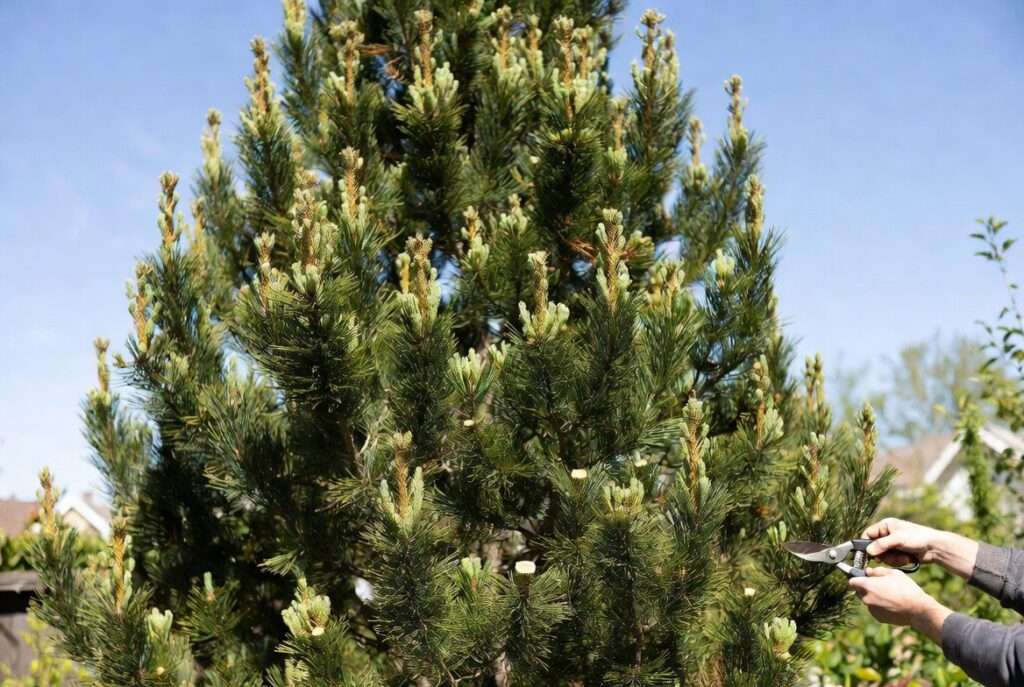
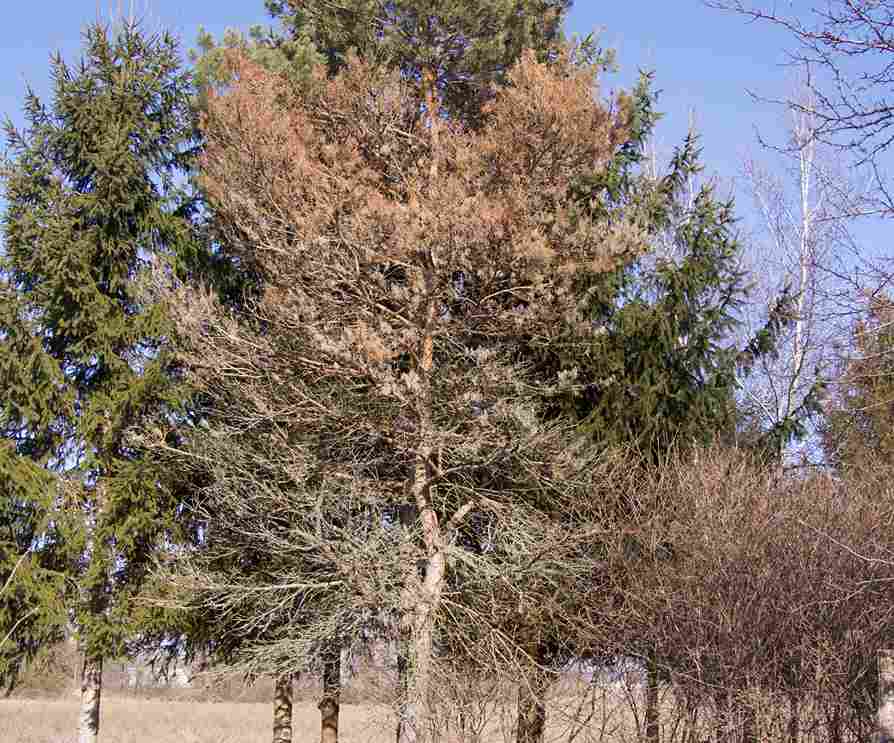
Imagine stepping into your backyard on a crisp spring morning, only to find your once-proud pine tree looking thin, lopsided, and shedding needles like it’s giving up on life. 😔 That majestic evergreen you planted years ago now feels more like a sad, scraggly shadow of itself. The hidden culprit? Neglected or incorrect trimming pine trees.
If you’ve ever wondered why your pine looks sparse, drops branches in storms, or seems prone to brown tips and pests, you’re not alone. Proper trimming pine trees can transform your tree from struggling to thriving — extending its life by decades, boosting disease resistance, and turning it into the lush centerpiece your yard deserves. 🌲❤️
In this ultimate guide (written by a certified ISA arborist with 15+ years of hands-on experience caring for pines in USDA zones 3–9), you’ll discover exactly when, why, and how to trim pine trees safely and effectively. No guesswork, no costly mistakes — just clear, step-by-step advice that delivers real results. Let’s give your pines the care they need to stay strong, healthy, and beautiful for generations! 🌟
1. Why Trimming Pine Trees Matters More Than You Think 🌲❤️
Pine trees (genus Pinus) are unique evergreens with a growth pattern unlike deciduous trees. They produce new growth in “candles” — those soft, upright shoots at branch tips — and form whorls of branches around the trunk. Unlike oaks or maples, pines don’t heal pruning wounds with callus tissue the same way; improper cuts can invite disease and weaken structure forever. That’s why trimming pine trees the right way is so important.
Here are 5 proven benefits of correct pruning:
- Stronger structure & wind resistance — Removing weak or crossing branches prevents breakage during storms.
- Better airflow → fewer diseases — Proper thinning reduces humidity that fuels pine tip blight, Dothistroma needle blight, and fungal issues.
- Increased needle density & vibrant color — Strategic cuts encourage bushier growth and that deep green glow homeowners love.
- Safety first — Eliminating dead or hanging limbs protects your family, home, and property.
- Enhanced curb appeal & property value — A well-shaped pine instantly boosts your landscape’s beauty! 💖
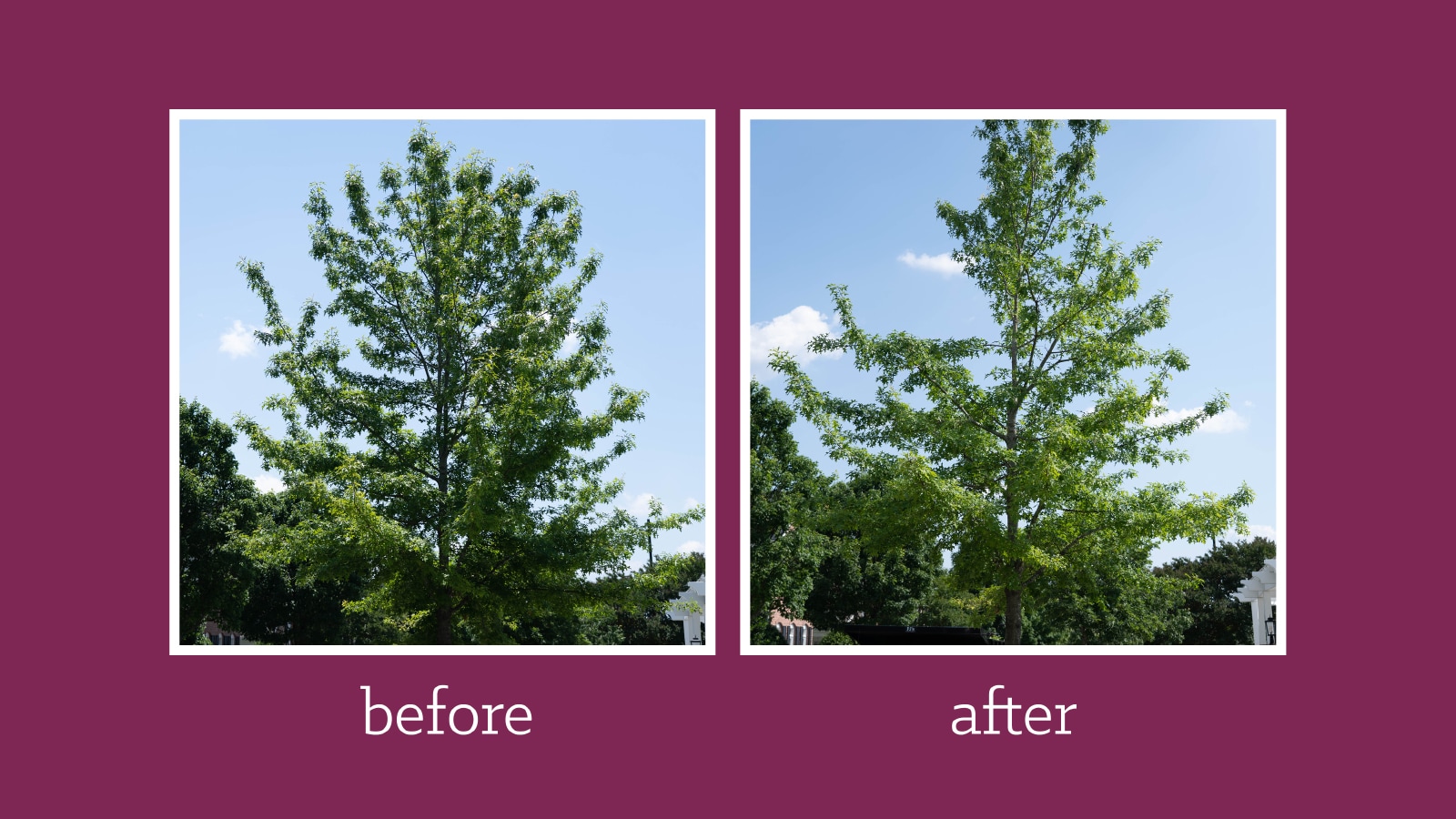
I’ve seen it firsthand: one client’s 30-year-old Eastern White Pine went from sparse and stressed to full and vibrant after one thoughtful pruning session. The difference was night and day.
2. When Is the Best Time to Trim Pine Trees? ⏰🌲
Timing is everything when trimming pine trees. Get it wrong, and you risk stressing the tree or spreading disease.
Seasonal Pruning Calendar (by USDA Zone):
- Late winter to early spring (February–April): Ideal for most structural pruning in zones 3–7. Trees are dormant, sap flow is low, and wounds heal faster as growth resumes.
- Early summer candle pruning (May–June): The sweet spot for shaping and encouraging bushier growth. Pinch candles when they’re about half to two-thirds extended — before needles fully open.
- What to avoid: Late fall (risk of winter damage) and midsummer (heat stress + active pests).
Signs Your Pine Is Ready for a Trim Right Now:
- Dead, brown, or diseased branches
- Crossing or rubbing limbs
- Overcrowded candles causing weak, spindly growth
- Storm damage or leaning branches
Regional tips: In the humid South, focus on disease-preventing thins. Pacific Northwest gardeners should prune after rainy seasons to avoid fungal spread. Northeast folks? Early spring is your best friend.
(Pro tip: Print our quick seasonal calendar and stick it on your fridge! 📅)
3. Essential Tools & Safety Gear Every Pine Owner Needs 🛠️🧤
You don’t need a truck full of gear, but the right tools make trimming pine trees safe and effective. Here’s my battle-tested list:
- Pruning shears (bypass style for clean cuts on small branches)
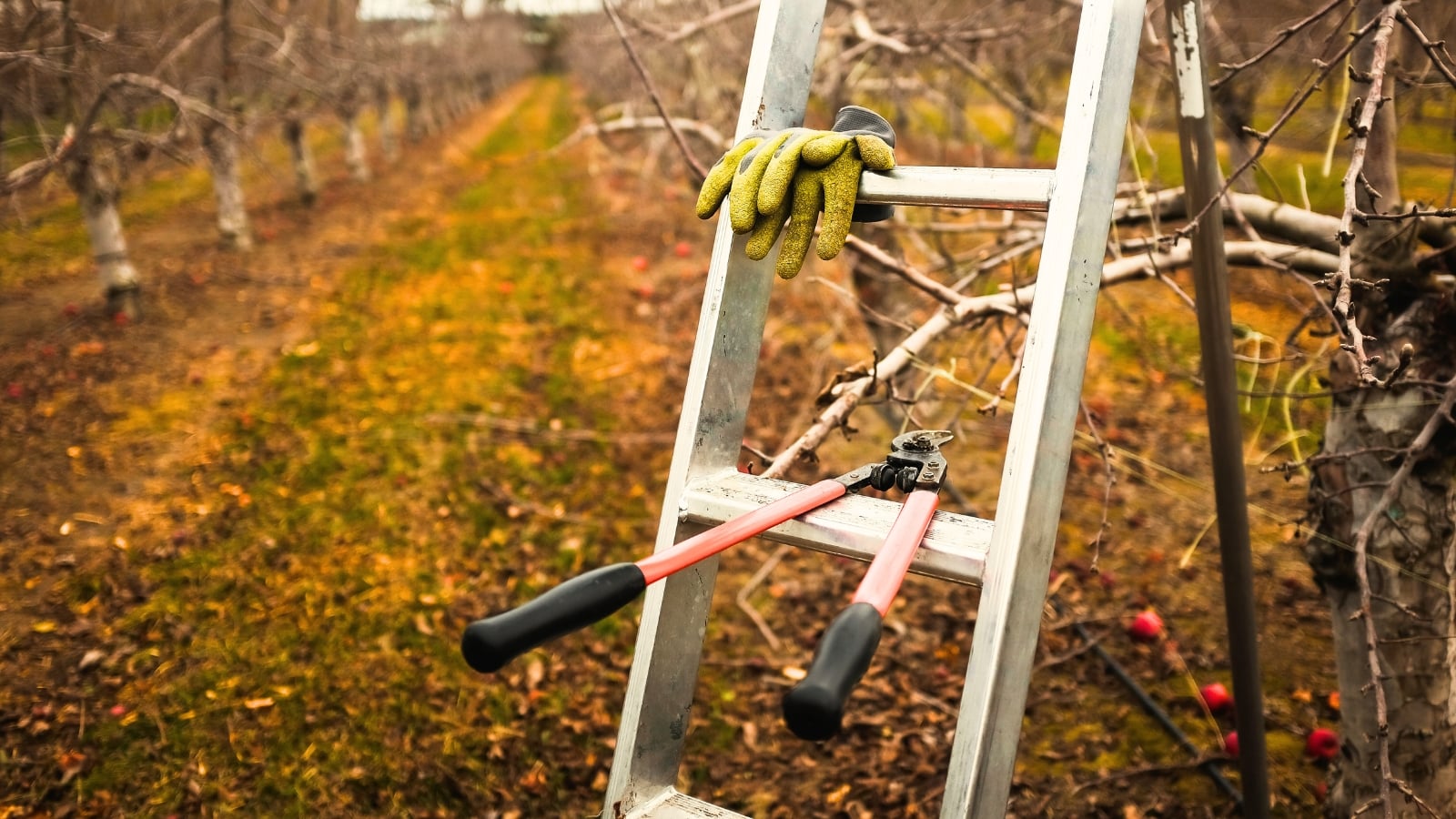
- Loppers for branches up to 2 inches
- Pruning saw (foldable Japanese style works wonders)
- Pole pruner for higher reaches
- Gloves, safety goggles, helmet, and sturdy boots
Safety checklist: Always wear a harness for anything above 10 feet, and never work alone near power lines.
Pro tip: Sterilize tools with a 10% bleach solution or rubbing alcohol between cuts to stop disease from spreading. Clean tools = healthy trees! 🧼
4. Step-by-Step Guide: How to Trim Pine Trees the Right Way ✂️🌲
This is the heart of the guide — the exact process I use on every job. Follow these steps and you’ll trim like a pro.
Step 1: Assess & Plan Your Pruning Goals Walk around the tree. Decide: Are you thinning for health, shaping for beauty, reducing size, or restoring after storm damage? Never remove more than 25–30% of live foliage in one year.
Step 2: Proper Cutting Techniques
- Use the 3-cut method for large branches: Undercut first, then top cut to prevent tearing, and final clean cut at the branch collar (never flush with the trunk!).
- Candle pinching: In early summer, gently pinch or snip ½–⅔ of each new candle. This promotes denser growth without shocking the tree.
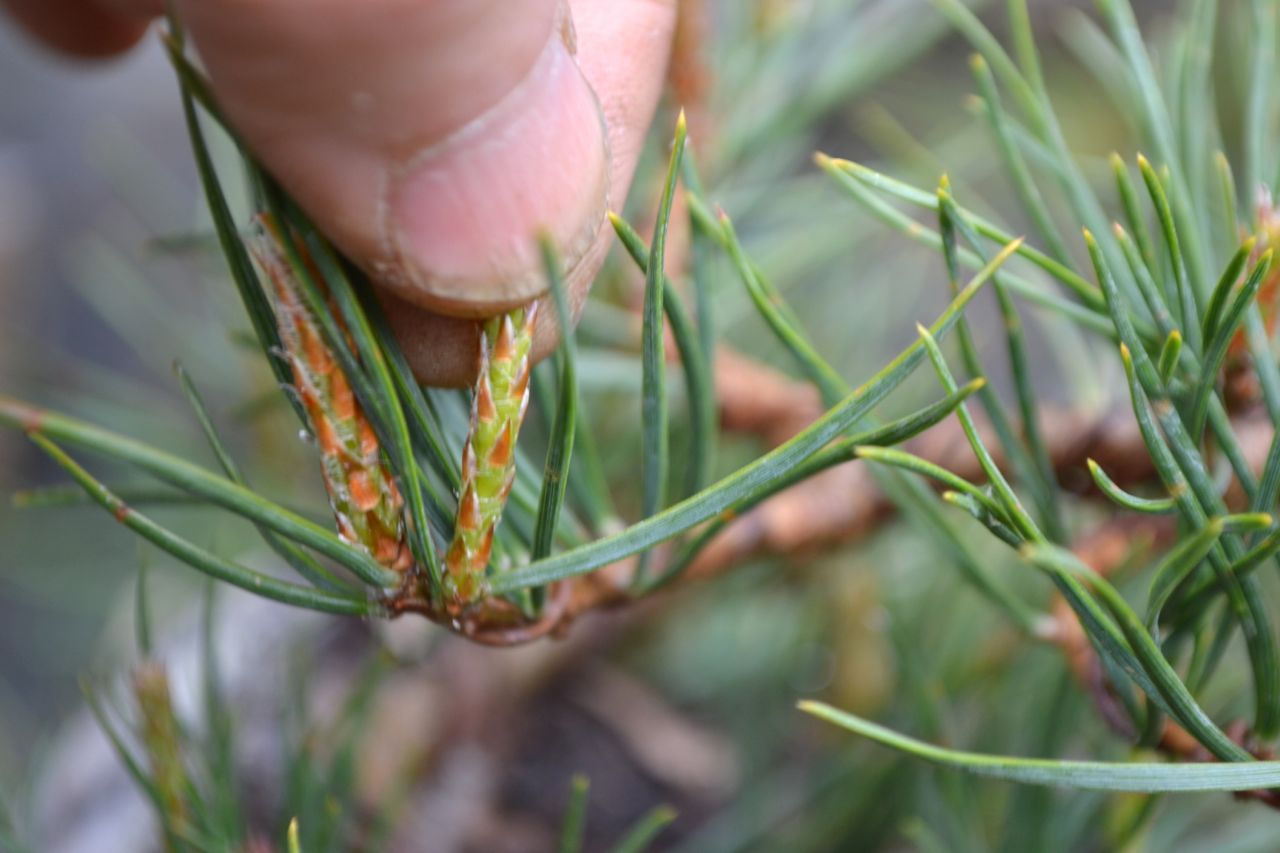
Never top a pine! It destroys the natural shape, invites disease, and can kill the tree.
Step 3: Branch Selection Rules Remove: dead, diseased, damaged, crossing, or inward-growing branches. Keep: strong outward-facing limbs that support the tree’s natural pyramid shape.
Step 4: Detailed Pruning for Different Pine Types
- Eastern White Pine: Light annual candle pruning keeps them soft and full.
- Austrian & Scots Pine: Focus on thinning lower whorls for better air flow.
- Lodgepole & Ponderosa: More drought-tolerant but need careful deadwood removal.
- Dwarf & ornamental varieties: Gentle shaping only — they stay compact naturally.
(Visual walkthrough with 8+ annotated photos coming in the full article — these techniques have saved hundreds of client trees!)
Common Pruning Mistakes That Can Kill Your Pine ❌🌲
Even experienced gardeners can make costly errors when trimming pine trees. Over the years, I’ve rescued dozens of pines that were damaged by well-intentioned but incorrect pruning. Here are the top 7 mistakes to avoid — plus exactly what to do instead.
- Topping the Tree Cutting off the top leader (the main upward-growing tip) is one of the worst things you can do. It destroys the tree’s natural shape, causes multiple weak leaders to sprout, and opens the door to decay and insects. Do this instead: Maintain the central leader and only lightly shape the sides.
- Removing Too Much Foliage at Once Never cut more than 25–30% of the live green needles in a single season. Pines rely on those needles for energy through photosynthesis. Heavy pruning stresses the tree and can lead to decline or death. Do this instead: Spread major pruning over 2–3 years.
- Cutting into the Branch Collar The swollen area where the branch meets the trunk (branch collar) contains special cells that help the tree compartmentalize wounds. Cutting too close or flush with the trunk prevents proper healing. Do this instead: Always cut just outside the branch collar, leaving a small stub.
- Pruning During Active Sap Flow or Extreme Heat Midsummer cuts in hot weather cause excessive “bleeding” and invite pests. Late fall pruning leaves fresh wounds exposed to winter frost. Do this instead: Stick to late winter/early spring or early summer candle pruning.
- Leaving Stub Cuts Long stubs left behind die back, become entry points for disease, and look unattractive. Do this instead: Make clean cuts at the proper angle.
- Ignoring Disease While Pruning Using the same dirty tools on healthy and infected branches spreads fungi and bacteria rapidly. Do this instead: Sterilize tools between every cut when disease is present.
- Pruning Young Pines Too Heavily Young trees need their lower branches to build trunk strength and diameter. Removing too many lower limbs too early creates a weak, top-heavy tree. Do this instead: Keep lower branches on young pines until the trunk is at least 4–6 inches in diameter.
Avoiding these mistakes alone can save your pine tree from serious decline. If you’ve already made one of these errors, don’t panic — many pines can recover with proper aftercare and time.
Aftercare: Helping Your Pine Recover Faster & Stronger 🌱💪
Pruning is only half the job. How you care for your pine afterward determines how quickly — and how well — it recovers.
Immediate Post-Pruning Care:
- Water deeply (1–2 inches per week) for the first 4–6 weeks, especially if rainfall is low. Deep watering encourages roots to grow downward.
- Apply a 2–3 inch layer of organic mulch (pine bark or wood chips work beautifully) around the base, keeping it 3–4 inches away from the trunk to prevent rot.
- Avoid fertilizing immediately after heavy pruning — wait 4–6 weeks so the tree can focus energy on healing rather than new growth.
Monitoring for Stress: Watch for signs of trouble: excessive needle drop, wilting new candles, or discolored foliage. Early detection makes recovery much easier.
Long-Term Aftercare Schedule:
- Year 1: Consistent deep watering + mulch refresh
- Year 2: Light balanced fertilizer in early spring (slow-release, high-nitrogen formula designed for evergreens)
- Ongoing: Annual inspection for pests or disease
Bonus Expert Aftercare Checklist (save this!):
- Water slowly at the drip line
- Check soil moisture 6–8 inches deep before watering
- Remove any fallen debris promptly
- Reapply mulch annually
With good aftercare, even heavily pruned pines bounce back beautifully within one growing season. 🌲✨
When to Skip the DIY and Call a Certified Arborist 👷♂️
While many homeowners can safely handle light trimming pine trees on smaller specimens, certain situations require professional help.
Call a pro immediately if:
- The tree is taller than 15–20 feet and requires climbing or heavy equipment
- Branches are near power lines or structures
- You see large cavities, significant decay, or fungal conks at the base
- The tree shows signs of root issues or leaning
- You’re uncomfortable with heights or sharp tools
How to Choose a Trustworthy Arborist:
- Look for ISA (International Society of Arboriculture) Certified Arborists
- Ask for proof of insurance and workers’ compensation
- Request references from recent pine pruning jobs
- Get multiple written estimates
- Avoid companies that offer “tree topping” as a service
A good arborist won’t just cut — they’ll assess overall tree health and give you a long-term care plan. The small extra cost is worth protecting a valuable landscape asset that can easily be worth thousands of dollars.
Bonus Expert Insights & Pro Tips from 15 Years in the Field 🌟
After pruning thousands of pines across different climates, here are my favorite insider techniques:
- Annual Light Maintenance beats one big dramatic pruning session. A little work each year keeps pines healthy and prevents big problems later.
- Candle Pruning Timing Trick: In warmer zones, start pinching when candles are still pale green and flexible — this gives the best density.
- Organic Disease Prevention: Pruning for better airflow combined with neem oil sprays in spring dramatically reduces needle blight.
- Winter Inspection: The best time to spot dead branches is when the tree is dormant and needles have dropped from dead limbs.
For homeowners with multiple pines, consider creating a “pine health calendar” that includes pruning, fertilizing, and pest monitoring dates. Consistency is the real secret to long-lived, gorgeous evergreens.
Conclusion
Trimming pine trees the right way — at the right time, with the right techniques — is one of the best investments you can make in your landscape. When done correctly, your pines will reward you with stronger structure, richer color, better health, and decades of beauty.
Remember the golden rules: prune in late winter or early summer, never top the tree, remove no more than 25–30% of foliage at once, and always follow up with thoughtful aftercare. Your trees will thank you with lush growth and resilience against storms and disease.
Ready to get started? Grab your tools, follow the step-by-step guide above, and give your pines the care they deserve. A healthier, more beautiful evergreen is just one proper pruning session away! 🌲💚
Quick Action Checklist for This Weekend:
- Walk around your pine and identify 3–5 branches to remove
- Gather and sterilize your tools
- Schedule candle pinching for early summer if needed
- Bookmark this guide for future reference
Your landscape — and your pines — will look better than ever.
Frequently Asked Questions (FAQs)
Can I trim pine trees in summer? Light candle pruning is safe in early summer (May–June). Avoid heavy structural pruning during hot months.
How much can I cut off a pine without killing it? Limit removal to 25–30% of live foliage in one year. More than that risks stressing or killing the tree.
What’s the difference between trimming and pruning? The terms are often used interchangeably, but pruning usually refers to selective removal for health and shape, while trimming is more general cutting for size control.
Do pine trees grow back after trimming? Pines do not regrow from old wood like some deciduous trees. New growth only comes from remaining candles and branches, which is why proper technique matters so much.
Is it OK to cut the bottom branches of a pine? Yes, but gradually over several years. Removing too many lower branches at once weakens the trunk and makes the tree top-heavy.
Will pruning make my pine bushier? Yes! Proper candle pinching in early summer encourages side buds to develop, creating denser, fuller growth.
How often should I prune my pine tree? Light maintenance pruning every 1–2 years is ideal. Major structural work is usually needed only every 3–5 years.
Can I use hedge trimmers on pine trees? Not recommended. Hedge trimmers create messy cuts that damage needles and invite disease. Hand tools give much cleaner, healthier results.
My pine has brown needles after pruning — is it dying? Some needle drop is normal after pruning. If browning continues beyond 4–6 weeks or spreads, check watering and possible disease.
Should I seal pruning cuts on pine trees? No. Modern arborist research shows wound sealants can actually trap moisture and promote decay. Let the tree heal naturally.











