
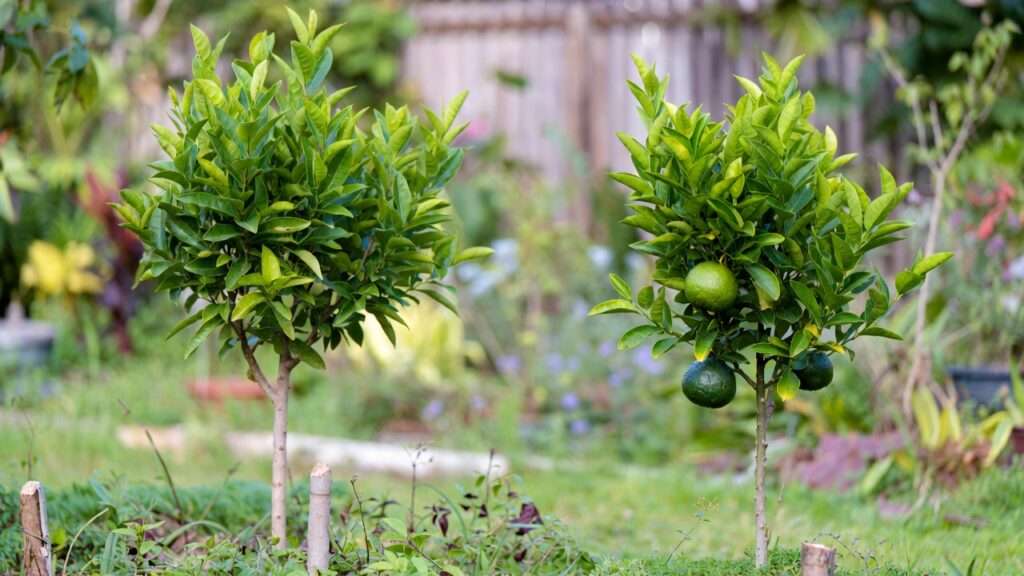
Do you dream of picking fresh, juicy mangoes, guavas, or citrus right from your own backyard—but feel limited by a small urban plot in Khulna or any space-constrained garden? 😩🏡 Many home gardeners face the same frustration: standard fruit trees grow too big (often 20–30 feet tall!), take years to produce, and demand ladders, heavy pruning, and endless maintenance.
The good news? Grafting onto dwarf rootstocks changes everything. This time-tested horticultural technique combines a desirable fruit variety (the scion) with a specially selected dwarfing rootstock, creating compact trees that fruit faster, yield abundantly, and fit perfectly into patios, balconies, or tiny yards. 🌱✨
In this comprehensive guide, we’ll dive deep into the benefits of grafting onto dwarf rootstocks, backed by insights from university extensions, commercial orchard practices, and real-world tropical/subtropical growing experiences. Whether you’re in a warm climate like Bangladesh growing mango, guava, or citrus, or experimenting with apples, you’ll discover why this method is a game-changer for modern home orchards. Let’s explore how you can harvest sooner, care easier, and maximize every square foot! 🍋🥭
What Is Grafting and Why Use Dwarf Rootstocks? 🔬
Grafting is the art of joining two plant parts so they grow as one: the scion (upper part providing the fruit variety you love, like Alphonso mango or Meyer lemon) fuses with the rootstock (lower part supplying roots, vigor control, and often resilience). This union creates a customized tree tailored to your needs. 🤝
Dwarf rootstocks are bred or selected to naturally restrict tree size—typically keeping mature height at 6–12 feet (compared to 20+ feet on standard rootstocks). Famous examples include:
- For apples: M.9, M.27, Bud.9, or Geneva series (reducing size by 50–75%)
- For citrus: Flying Dragon (a trifoliate orange mutant dwarfing trees to 8–10 feet), US-897, or Red tangerine hybrids
- For tropicals like mango and guava: Polyembryonic varieties such as Olour, Vellai Colamban, or regional dwarfing stocks that limit vigor
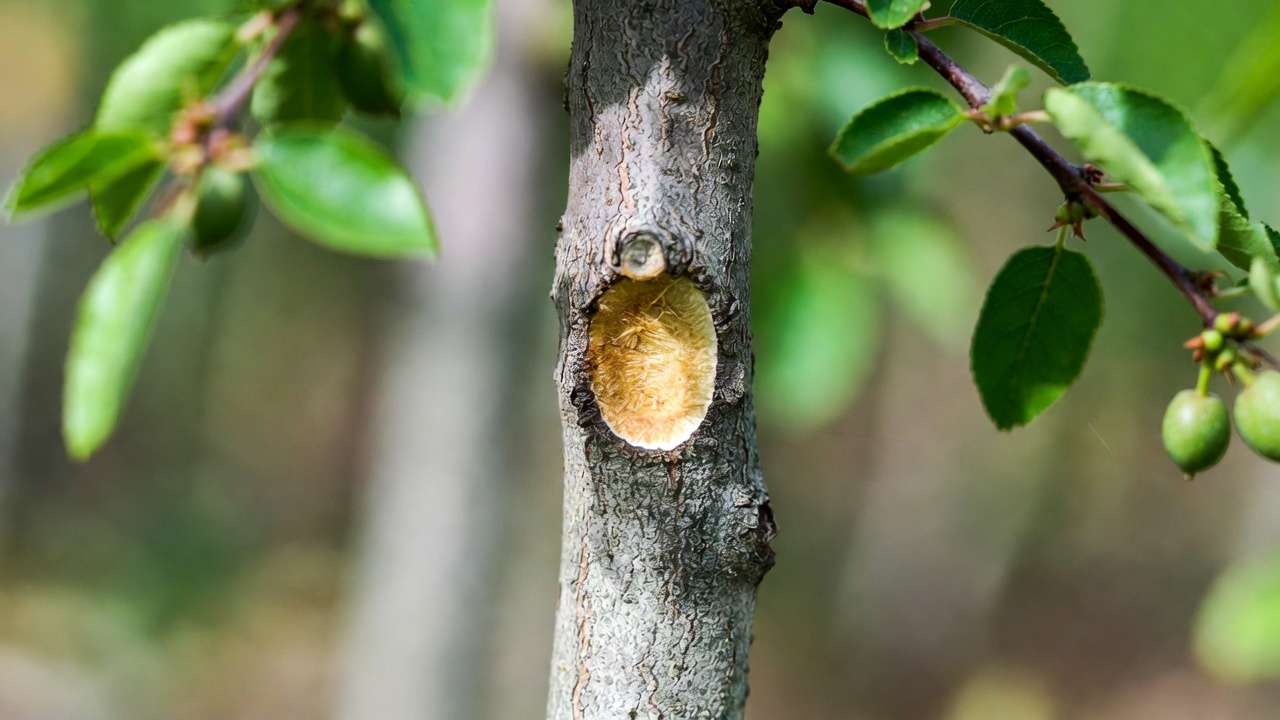
The rootstock controls 70–90% of the tree’s overall vigor, precocity (early fruiting), disease tolerance, and adaptability to soil/climate. Unlike seed-grown trees (which vary wildly), grafted dwarfs deliver predictable results—perfect for home growers wanting reliable performance without a massive footprint. 📏🌿
(Quick comparison table suggestion: Standard vs. Semi-dwarf vs. Dwarf – size, fruiting time, maintenance level)
Top Benefits of Grafting onto Dwarf Rootstocks 🌟
Here’s where the magic happens—these advantages make dwarf-grafted trees a top choice for space-limited gardeners.
1. Space Efficiency – Perfect for Small Gardens & Urban Spaces 🏠
Dwarf rootstocks shrink trees dramatically: many stay 6–12 feet tall and wide, ideal for patios, balconies, or rows in modest yards common in Khulna. You can plant multiple varieties (e.g., mango + guava + citrus) in the space one standard tree would occupy! 🌳
High-density planting becomes possible—even in large containers (20–30+ gallon pots). This suits tropical climates where land is precious and allows movable trees for better sun or frost protection. No more sacrificing your garden to one giant tree—grow a mini-orchard instead! 🪴
2. Faster Fruit Production & Precocious Bearing ⏱️🍇
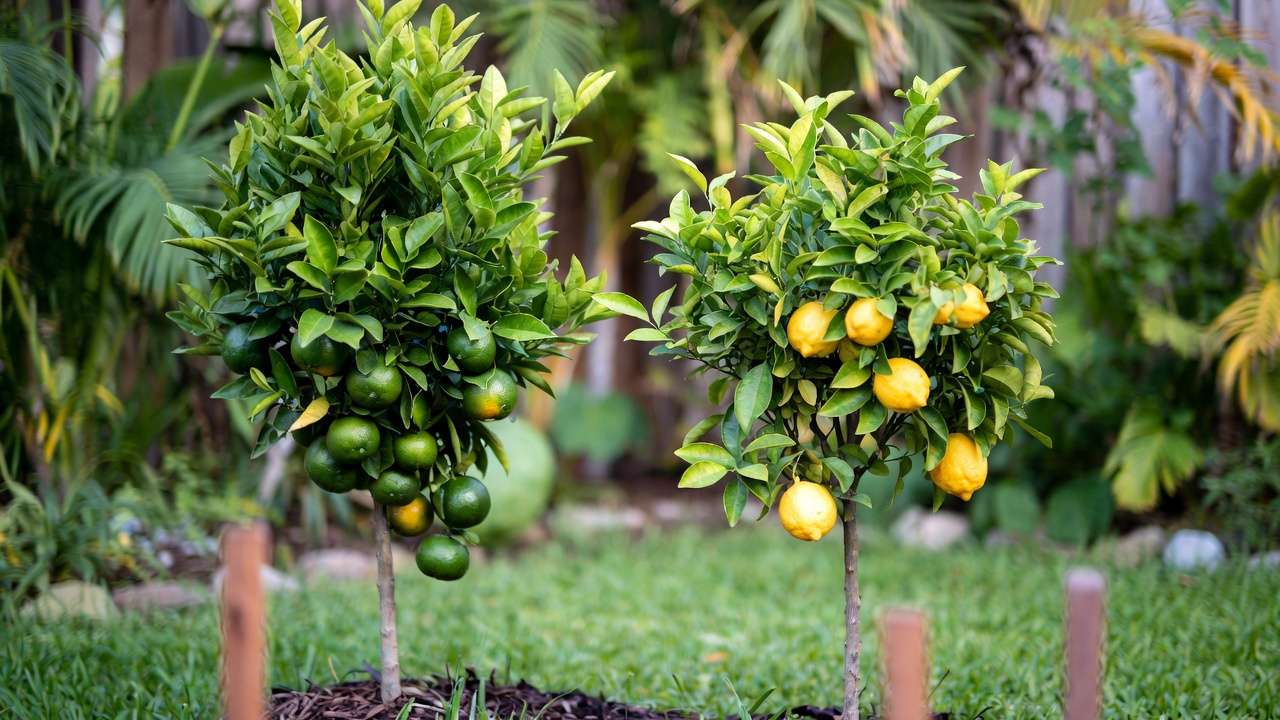
One of the biggest perks: trees on dwarf rootstocks often bear fruit in 1–3 years after planting, versus 5–10+ years on standard stocks. Energy goes to fruiting rather than excessive vegetative growth.
Examples:
- Apples on M.9 or Geneva stocks fruit early and heavily
- Citrus on Flying Dragon: abundant yields in 2–3 years
- Mango/guava dwarfs: precocious hybrids like Amrapali mango fruit sooner in pots
Home gardeners enjoy harvests quickly—great for impatient growers or families wanting fresh produce fast! 🍏
3. Easier Maintenance & Harvesting – No More Ladders! 🪜🚫
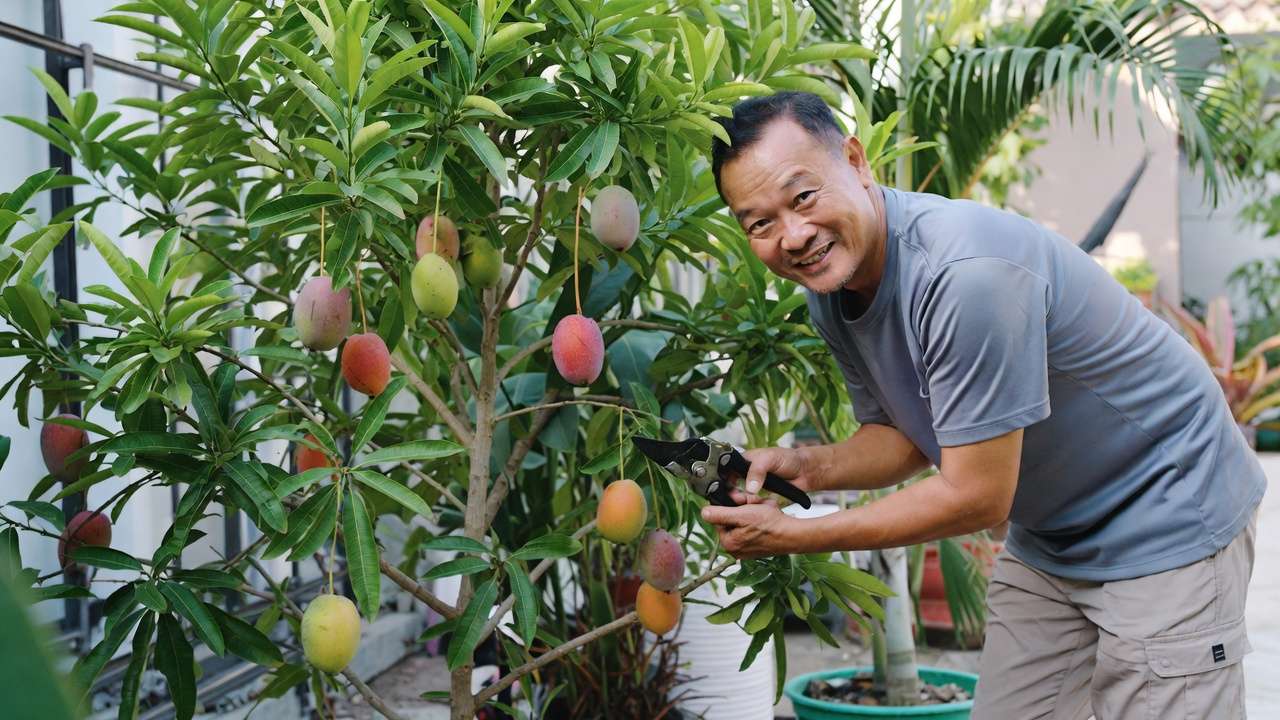
Forget dangerous climbs: most picking, pruning, spraying, and thinning happens from ground level or a short step stool. This reduces labor, saves time, and increases safety—especially valuable for families, seniors, or anyone avoiding heavy work.
Pest monitoring and netting are simpler too. In humid tropical areas, easier access means better disease management without professional help. Safer, simpler tree care = more enjoyment! 💚
4. Higher Yield Efficiency & Productivity per Square Foot 📈
Dwarf trees channel resources into dense branching and fruit production. Commercial orchards favor them for max output per area—home versions get the same boost.
Better sunlight penetration leads to higher-quality, well-colored fruit. Water and fertilizer use is more efficient (less waste on massive canopies). In small spaces, you harvest more fruit per square meter than a sprawling standard tree! 🌞
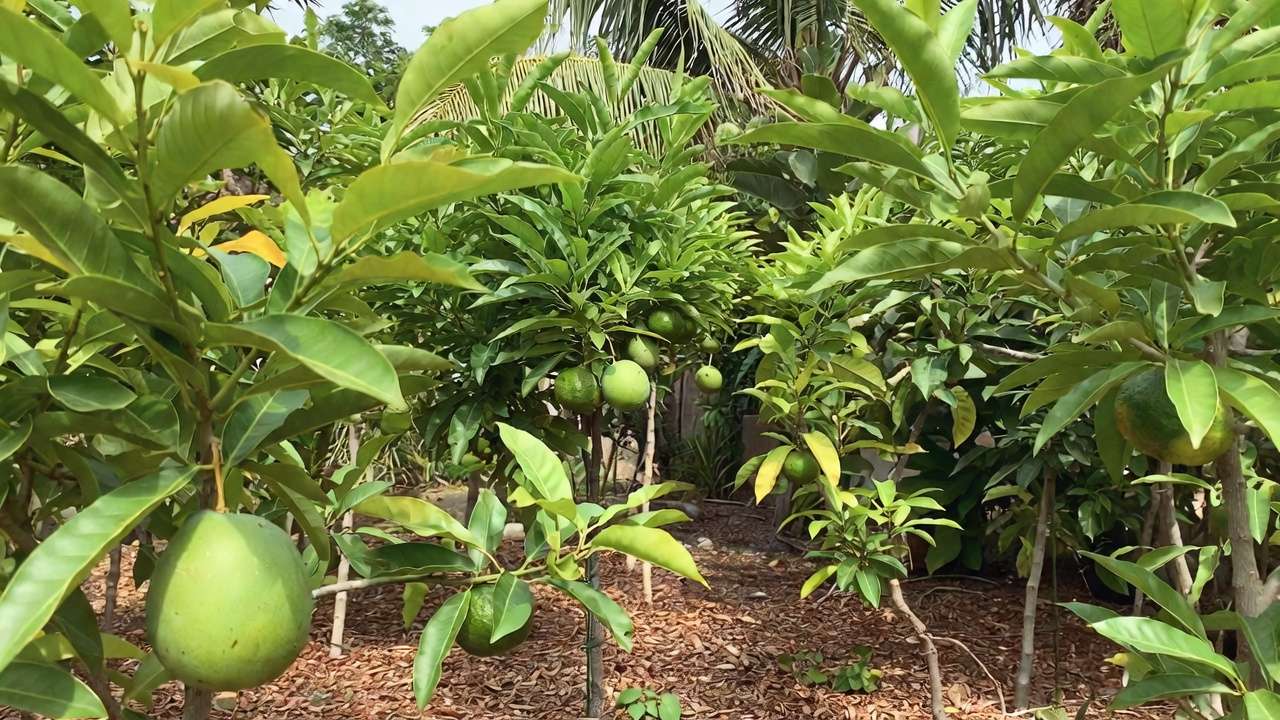
5. Improved Disease & Pest Resistance (Rootstock Magic) 🛡️
Many dwarf stocks add built-in tolerance:
- Citrus: Flying Dragon resists tristeza virus and Phytophthora
- Apples: Geneva series offers fire blight and replant disease resistance
- Tropicals: Some mango stocks handle calcareous soils or salinity better
Pair with resistant scions for healthier trees in challenging conditions—like Bangladesh’s variable soils and humidity. Fewer sprays, stronger trees! 🛡️
6. Adaptability to Containers, Pots & Limited Root Zones 🪴
True dwarfs thrive in pots—perfect for balconies or poor native soil. Move them for optimal sun, rain protection, or winter care. Great for citrus, dwarf mango (e.g., Amrapali), or guava in tropical setups. Container growing expands options dramatically! 🌿
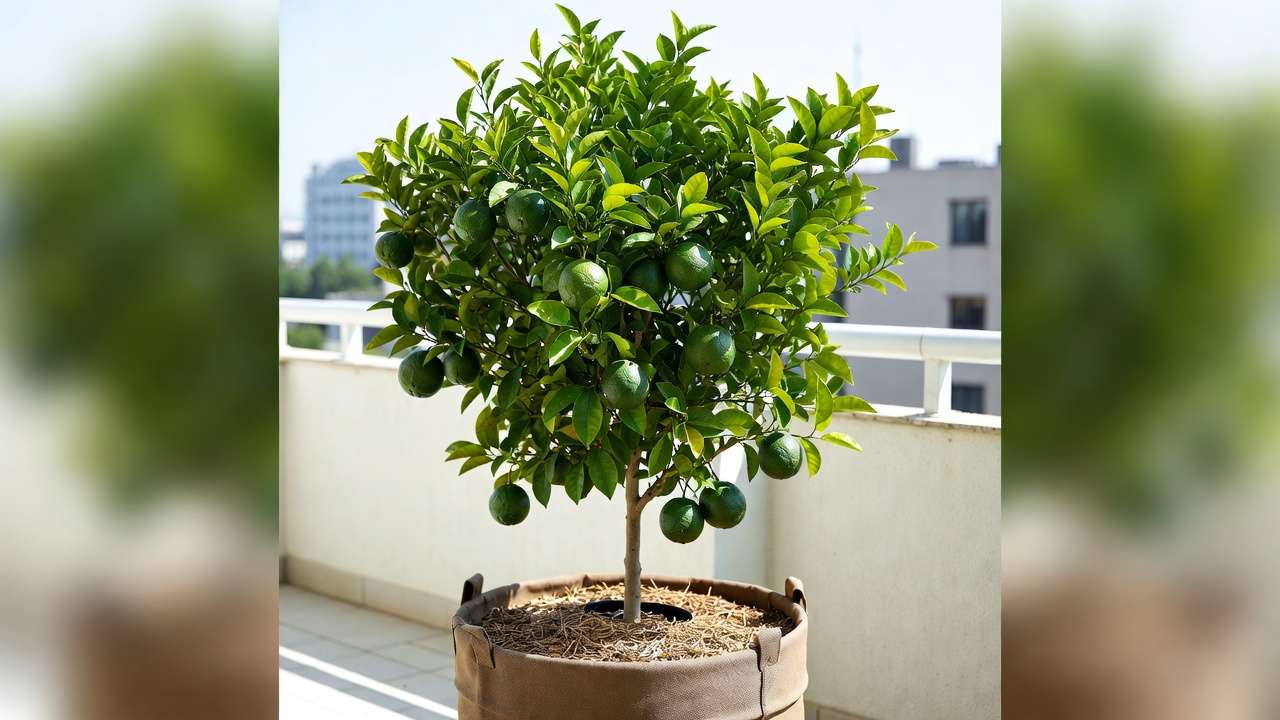
7. Economic & Sustainability Benefits 💰🌍
Quicker fruit = faster enjoyment (or sharing/selling extras). Lower long-term inputs: less water, fertilizer, and treatments. Eco-friendly too—higher density supports biodiversity in small spaces, reduces land needs, and promotes sustainable home growing. Small investment, big rewards! ❤️
Potential Drawbacks & How to Overcome Them ⚖️
While the benefits of grafting onto dwarf rootstocks are impressive, no technique is perfect. Being aware of the limitations helps you set realistic expectations and succeed long-term.
- Weaker Anchorage & Need for Support Dwarf rootstocks (especially true dwarfs like M.9 or Flying Dragon) produce shallower, less vigorous root systems. This means trees can be more prone to leaning or uprooting in strong winds—common during monsoon season in Khulna. Solution: Stake permanently for the first 3–5 years (or even lifelong for very dwarfing stocks). Use sturdy stakes driven deep and tie with soft tree ties in a figure-8 pattern. Trellising (espalier or fan shapes) is another excellent option for small spaces. Most home gardeners find this minor extra effort well worth the compact size.
- Shorter Lifespan in Some Cases Some older dwarf stocks (e.g., certain M.9 clones) may have a productive life of 15–25 years instead of 40–60+ on standard rootstocks. Newer Geneva-series apple stocks and many modern citrus dwarfs now match or exceed standard lifespans with proper care. Solution: Choose newer, well-researched rootstocks. Good soil preparation, consistent mulching, balanced nutrition, and avoiding over-cropping extend tree life significantly.
- Higher Initial Cost Quality grafted dwarf trees usually cost more than seedling or standard grafted trees because of propagation complexity and demand. Solution: View it as an investment—faster fruiting and lower long-term maintenance often make them more economical overall. Buy from reputable nurseries, or learn to graft yourself (see section below) to save money.
- Greater Sensitivity to Stress (Drought, Cold, Poor Soil) Because of reduced root mass, dwarfs can dry out faster and are sometimes less forgiving of neglect. In tropical/subtropical areas, this mainly shows as drought sensitivity. Solution: Mulch heavily (4–6 inches of organic mulch), water consistently (especially in dry seasons), and fertilize lightly but frequently. Container-grown dwarfs need even more regular attention to moisture and nutrients.
- Potential for Lower Individual Tree Yield A single dwarf tree may produce less total fruit than a giant standard tree—but you can plant 3–4 dwarfs in the same space, often exceeding the yield of one large tree. Solution: Embrace high-density planting and variety diversity for better overall production and resilience.
With these management strategies, 90% of potential issues disappear. Dwarf-grafted trees thrive for decades in home gardens worldwide when given basic thoughtful care. 🌿
How to Choose the Right Dwarf Rootstock for Your Fruit Trees 🛒
Success starts with the correct rootstock-scion combination for your climate, soil, and goals.
Popular Dwarfing Rootstocks by Fruit Type (Tropical & Subtropical Focus)
- Citrus
- Flying Dragon (Poncirus trifoliata ‘Flying Dragon’) → very dwarf (6–10 ft), cold hardy, tristeza tolerant
- US-897, US-942 → excellent for Florida-style humid tropics, good nematode resistance
- Volkamer lemon or Rough lemon (semi-dwarf options for faster growth)
- Mango
- Olour, Vellai Colamban, Nekkare → traditional Indian dwarfing/polyembryonic stocks (trees often 8–15 ft)
- Amrapali, Mallika (hybrid cultivars that naturally stay compact on their own roots or grafted)
- Kensington Pride on dwarfing interstems (emerging technique)
- Guava
- Taiwan Pink, Thai White, or local selections grafted onto seedling Psidium guajava (semi-dwarf behavior)
- Psidium cattleianum or other rootstocks for extra vigor control in pots
- Apple (for cooler pockets or high-altitude areas near Khulna)
- M.9, M.26, Bud.9, Geneva 41/935 → true dwarfs with excellent productivity
Key Selection Factors
- Soil type (pH, drainage, salinity)
- Rainfall & dry-season length
- Desired mature size (container vs. in-ground)
- Disease pressures (e.g., anthracnose in mango, citrus greening)
- Availability from trusted local nurseries or online suppliers
Pro Tip: Consult your local agricultural extension office or horticulture university (e.g., Khulna University’s agriculture department) for region-specific recommendations. They often trial rootstocks suited to Bangladesh’s delta soils and monsoon climate. 📚
Step-by-Step: Grafting onto Dwarf Rootstocks at Home ✂️
Want to save money or customize varieties? Home grafting is rewarding and not as difficult as it seems.
Best Beginner-Friendly Techniques
- Whip-and-tongue graft (spring, when sap is flowing)
- Cleft graft (for thicker rootstocks)
- Chip budding (late summer/early fall – very reliable in tropics)
Basic Supplies
- Sharp grafting knife
- Grafting tape or parafilm
- Pruning shears
- Alcohol for sterilization
- Dwarf rootstock (potted 1–2 year old)
- Healthy scion wood (collected dormant or semi-hardwood)
Quick Steps (Whip-and-tongue example)
- Select matching-diameter scion and rootstock.
- Make a long, slanted cut on both.
- Create a small “tongue” notch on each cut surface.
- Fit them together like interlocking puzzle pieces.
- Wrap tightly with grafting tape.
- Protect from direct sun and keep moist (plastic bag over graft union for humidity).
- Check in 4–6 weeks—new growth means success!
Common Mistakes to Avoid
- Using diseased/injured material
- Poor cambium alignment
- Letting union dry out
- Removing tape too early
Many gardeners achieve 70–90% success after a little practice. Start with easy species like citrus or guava! 🌱
Real-Life Examples & Case Studies 🌟
To show just how transformative grafting onto dwarf rootstocks can be, here are a few inspiring real-world examples from home gardeners and small-scale growers (especially relevant to tropical/subtropical regions like Khulna, Bangladesh).
Example 1: The Balcony Mango Revolution (Dhaka Urban Gardener) A young family in a Dhaka apartment started with just a 10×12 ft balcony. They planted three potted Amrapali mango trees grafted onto Olour dwarfing rootstock. Within 18 months, the first flowers appeared; by year 3, they harvested over 40 kg of sweet mangoes annually—all from waist-height trees! They later added a dwarf guava and Meyer lemon on Flying Dragon stock. Total space used: less than 15 square feet. The key? Consistent mulching, balanced organic fertilizer, and moving pots during heavy monsoon rains.
Example 2: Small Homestead Citrus Orchard (Khulna Region Success) A retired teacher in rural Khulna converted a 200 sq ft backyard corner into a mini citrus grove using Flying Dragon rootstock for Kagzi lime, Mosambi sweet orange, and Mandarin. Trees stay 7–9 ft tall, fruit heavily by year 2, and are easy to net against fruit flies. He reports using 60–70% less water and fertilizer compared to his old standard trees, plus zero ladder accidents. Annual yield: enough fresh juice for the family and neighbors!
Example 3: High-Density Tropical Fruit Trial (Kerala Home Garden) A hobbyist grafted multiple varieties (mango, custard apple, jamun) onto polyembryonic dwarf stocks. In a 400 sq ft plot, he fits 12 trees instead of 3–4 standards. Result: diverse fruit throughout the year, better pest management (easy to spot issues early), and stunning visual appeal with espaliered shapes along a fence.
These stories highlight a common theme: dwarf-grafted trees turn “impossible” spaces into productive, joyful orchards. Many gardeners start with just one tree and quickly expand once they see the results. 🌳❤️
Expert Tips for Maximum Success with Dwarf Grafted Trees 💡
Here are proven, practical tips from horticulturists and experienced tropical growers:
- Planting Depth — Keep the graft union 2–4 inches above soil level to prevent scion rooting (which defeats dwarfing).
- Support System — Use a sturdy stake or trellis from day one. Check ties every 6 months to avoid girdling.
- Mulching Magic — Apply 4–6 inches of organic mulch (coconut coir, dried leaves, or compost) year-round to retain moisture and regulate soil temperature—crucial in hot, humid climates.
- Fertilization Schedule — Use balanced NPK (e.g., 10-10-10) lightly every 6–8 weeks during growth; switch to high-potash (for fruiting) after flowering. Avoid excess nitrogen on dwarfs—it promotes weak, leafy growth.
- Pruning for Shape — Prune lightly in late winter/early spring to open the canopy for light and air. Remove water sprouts and crossing branches.
- Water Wisely — Deep, infrequent watering encourages strong (but controlled) roots. In pots, check soil moisture daily in summer.
- Pest & Disease Scout — Inspect weekly—early detection is easier on compact trees. Neem oil + companion plants (marigold, basil) work wonders in organic setups.
- Container Care — Repot every 2–3 years; refresh soil mix with good drainage (50% potting soil, 30% compost, 20% perlite/sand).
- Frost Protection (if needed) — In cooler pockets, wrap trunks or move pots indoors during rare cold snaps.
- Variety Diversity — Plant 2–3 compatible varieties for cross-pollination (especially apples/citrus) and staggered harvest times.
Follow these, and your dwarf trees will reward you with health, beauty, and bounty for many years! 📋✨
Frequently Asked Questions (FAQs) ❓
Q1: Do dwarf fruit trees produce smaller or lower-quality fruit? No! Fruit size, flavor, and quality come from the scion variety—not the rootstock. Many home growers report larger, better-colored fruit due to improved light exposure on compact canopies.
Q2: How long do trees on dwarf rootstocks live? With good care, 20–40+ years is common. Newer rootstocks (e.g., Geneva apples, modern citrus dwarfs) often match or exceed standard-tree lifespans.
Q3: Are dwarf trees suitable for beginners? Yes—especially in pots or small yards. Easier maintenance and quicker results make them more forgiving and motivating for new gardeners.
Q4: Can I graft my own scions onto dwarf rootstocks? Absolutely! Start with easy species like citrus or guava. Practice on spare rootstock first—success rates improve quickly.
Q5: Will dwarf trees need more fertilizer or water? Not necessarily more total—but because roots are shallower, they need consistent (not excessive) moisture and light, frequent feeding.
Q6: Best dwarf options for mango in Bangladesh? Amrapali, Mallika, or grafts on Olour/Vellai Colamban rootstocks are popular and reliable choices for compact growth and good yields.
Q7: Do I need special soil for dwarf trees? Well-drained, fertile soil with pH 6.0–7.5 is ideal. Amend heavy clay with compost/sand; add lime if too acidic.
Q8: Can dwarf trees be grown successfully in Khulna’s saline coastal soils? Yes—with salt-tolerant rootstocks (e.g., certain citrus hybrids) and raised beds/mulching to reduce salt buildup.
Conclusion 🎉
Grafting desirable fruit varieties onto dwarf rootstocks is one of the smartest decisions any space-limited gardener can make. The benefits of grafting onto dwarf rootstocks—compact size for tiny yards, fruit in just 1–3 years, ground-level harvesting, higher efficiency per square foot, better disease tolerance, container compatibility, and long-term savings—solve the exact problems most home growers face: not enough space, too long to wait, and too much hard work.
Whether you start with a single potted dwarf mango on your Khulna balcony or build a mini-orchard in your backyard, the rewards come fast and keep coming. Fresh, homegrown fruit right at your fingertips, less labor, more joy—it’s the modern way to grow.
Ready to try it? Pick one variety you love, source a quality grafted dwarf tree from a trusted nursery, and plant this season. Share your progress in the comments—I’d love to hear which fruit you’re starting with and how it goes! 🌱🍋
Happy grafting, and here’s to big harvests from small spaces! 🥭❤️











