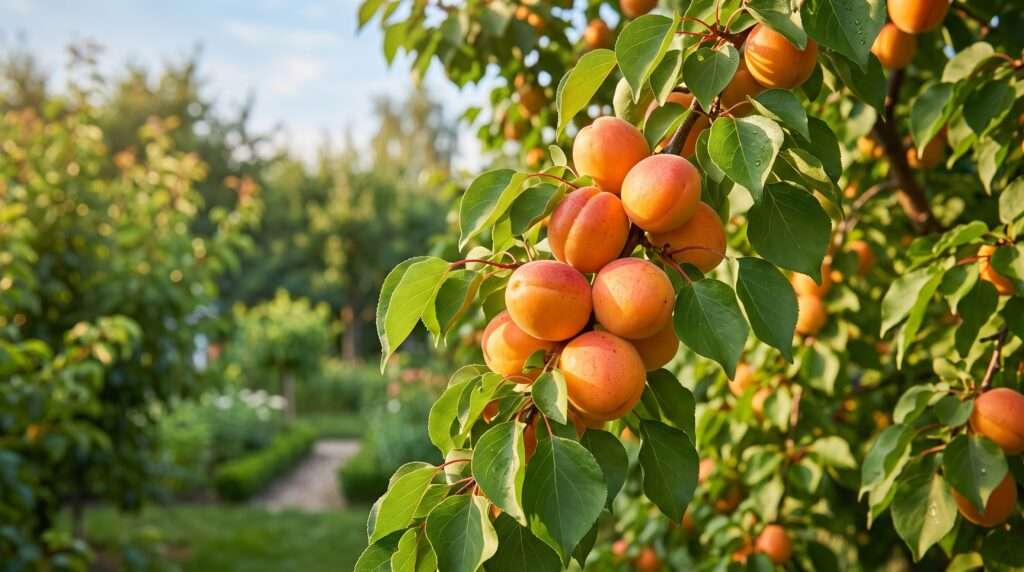
There is nothing quite like the disappointment of biting into a store-bought apricot only to find a bland, mealy texture. Now, imagine replacing that experience with the syrupy, aromatic perfection of a sun-ripened apricot harvested straight from your own backyard. To help you achieve that homegrown harvest, we have compiled the ultimate guide to the best 10 apricot tree varieties available this year.
But growing the perfect fruit is not always as simple as putting a sapling in the ground. Gardeners frequently face a unique set of frustrations—navigating complex chill hour requirements, battling late spring frosts that wipe out early blossoms, managing poor soil health, and accidentally selecting the wrong rootstock for their specific landscape. Without the right foundation, even the healthiest-looking tree can struggle to produce.
That is exactly why this guide exists. Whether you are actively managing your soil health for a new orchard or just looking for a single, reliable producer for a small yard, this is your definitive resource. We will help you confidently choose, buy, and cultivate the right tree tailored to your specific USDA hardiness zone and climate so you can enjoy a bountiful harvest for years to come.
II. At-a-Glance: Top Apricot Trees Compared
To make your buying decision easier, here is a quick-reference guide to our top picks. (Note: We’ve kept this table to three distinct columns to ensure a clean, mobile-friendly experience.)
III. Detailed Product Reviews: The 10 Best Apricot Trees
1. Blenheim (Royal) Apricot Tree
-
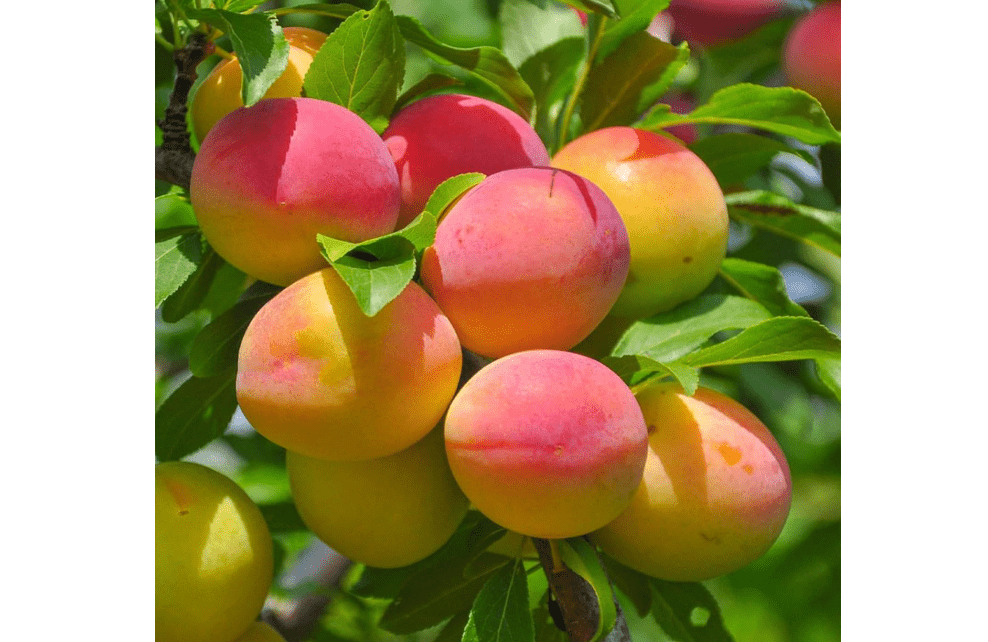
Product Description: The legendary California standard, the Blenheim (also known as Royal) is the #1 all-purpose apricot variety. Originating from England’s Blenheim Palace, it is renowned for its rich, perfumed honeysuckle flavor, sweet-tart balance, and juicy freestone fruit.
-
Price:
-
Key Features & Benefits: Self-fertile and highly productive in mild winters, requiring only about 400 chill hours. It blooms early in the spring and produces yellow fruit with an orange blush.
-
Pros and Cons:
-
Pros: Top-tier, complex flavor profile; excellent for fresh eating, drying, and canning.
-
Cons: Susceptible to late spring frosts due to its early bloom; does not store well long-term off the tree.
-
-
Amazon Customer Ratings & Reviews: ~4.6/5 stars. Customers constantly rave about the fruit’s incredible sweetness but note the need for careful pruning and frost protection in marginal areas.
-
Why It’s a Good Choice: It produces the quintessential “farmer’s market” apricot flavor that made the California dried fruit industry famous.
-
Ideal Use Case: Gardeners in mild climates (Zones 7-9) who want the ultimate multi-purpose apricot.
2. Chinese (Mormon) Apricot Tree
-
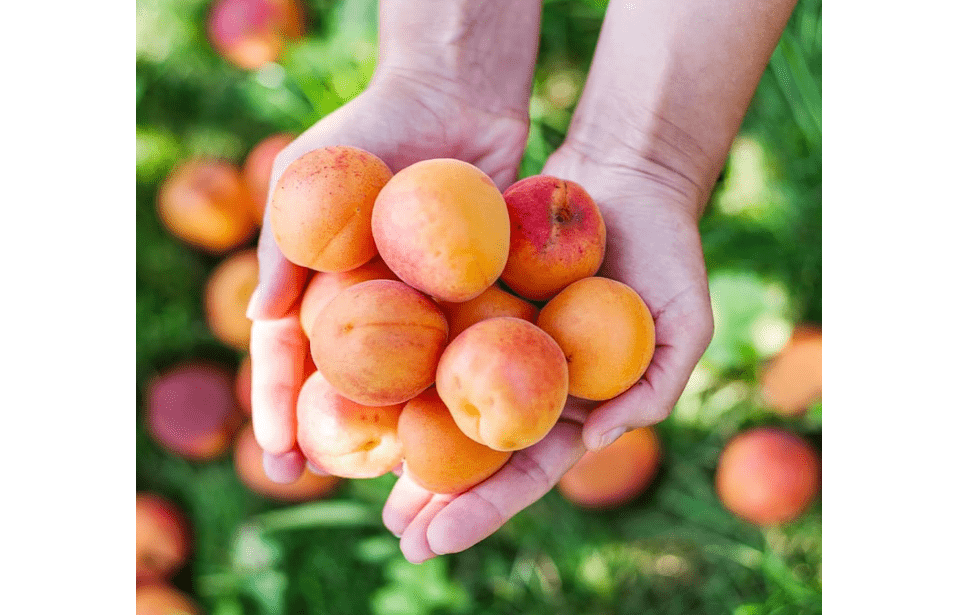
Product Description: A hardy, late-blooming variety explicitly bred to withstand harsh, frosty springs where other stone fruits fail. It produces heavy, midsummer harvests of small to medium orange-skinned fruits with a sweet, mild flavor.
-
Price:
-
Key Features & Benefits: Requires ~700 chill hours. Its late-blooming nature allows it to dodge false springs and late frosts, and it is known for tough, cold-hardy wood.
-
Pros and Cons:
-
Pros: Survives late frosts; great for cold climates (Zones 4-7); highly adaptable and self-pollinating.
-
Cons: Fruits are slightly smaller than other commercial varieties.
-
-
Amazon Customer Ratings & Reviews: ~4.7/5 stars. Highly praised by northern growers and Rocky Mountain homesteaders for providing reliable yields when other trees freeze out.
-
Why It’s a Good Choice: It takes the heartbreak out of spring cold snaps destroying your delicate apricot blossoms.
-
Ideal Use Case: Growers in Zones 4-7, especially those in the Rockies or High Plains dealing with unpredictable spring weather.
3. Moorpark Apricot Tree
-
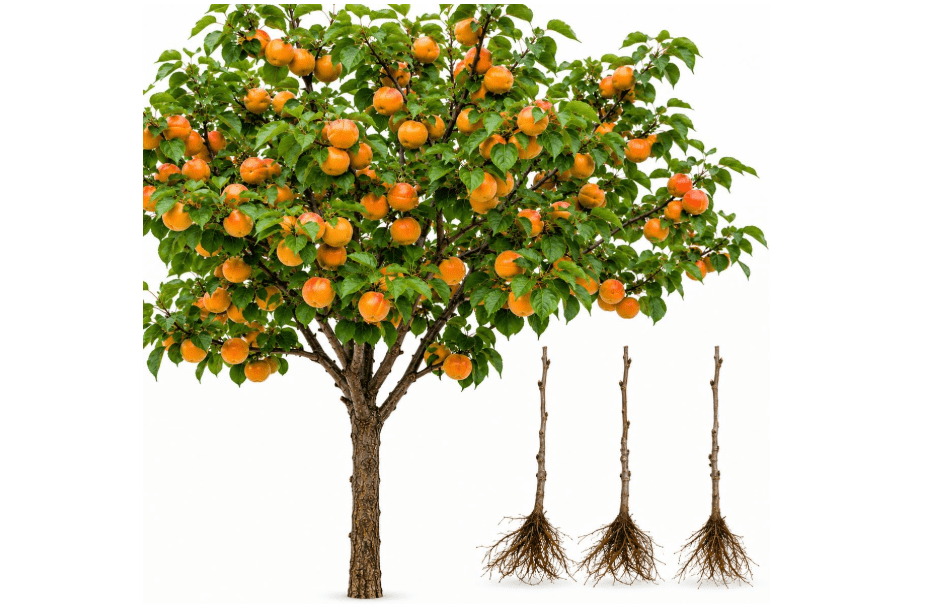
Product Description: A centuries-old heritage variety named after the Moor Park estate in England. It is celebrated for its exceptionally sweet, plum-like flavor, large golden-yellow fruits, and beautiful spring blossoms.
-
Price:
-
Key Features & Benefits: Requires ~600-700 chill hours to set fruit. This self-pollinating tree yields large, juicy, freestone fruits that are perfect for preserves.
-
Pros and Cons:
-
Pros: Incredible flavor and aroma; ideal for baking and jams.
-
Cons: Can be finicky and prone to frost damage if planted in low-lying cold sinks.
-
-
Amazon Customer Ratings & Reviews: ~4.5/5 stars. Buyers love the historical significance and the rich, nostalgic taste, though some mention it takes a bit longer to establish a heavy crop.
-
Why It’s a Good Choice: It is widely considered the undisputed king of apricot jams and traditional preserves.
-
Ideal Use Case: Flavor purists and heritage fruit collectors in Zones 5-8.
4. Katy Apricot Tree
-
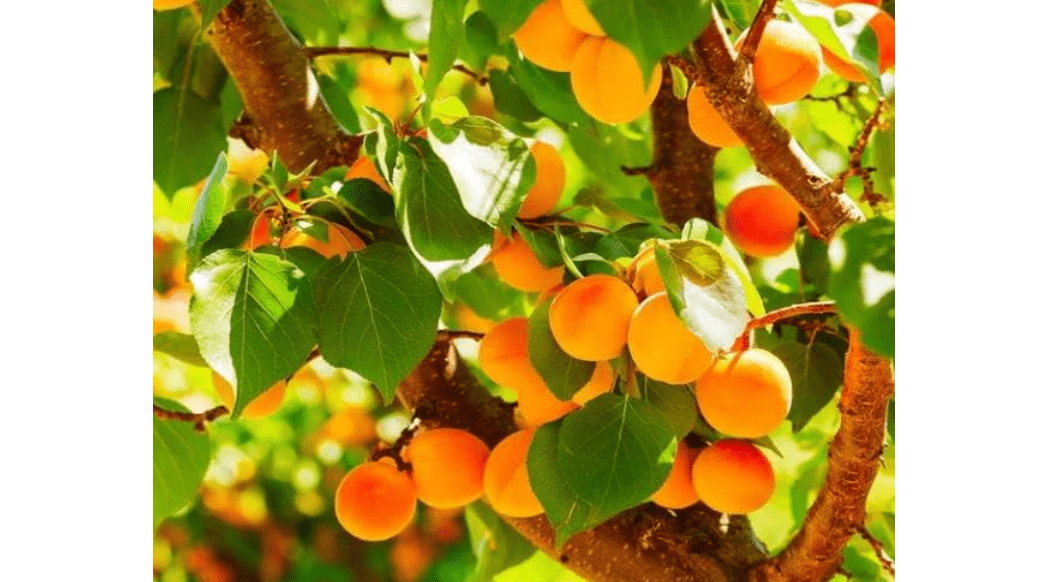
Product Description: A vigorous, early-ripening variety explicitly tailored for mild winters and warm climates where traditional high-chill trees refuse to fruit.
-
Price: $187.91
-
Key Features & Benefits: Features an ultra-low chill requirement of just 200-300 hours. It produces large, flavorful, subacid (not overly tart) freestone fruit 3 to 4 weeks earlier than the Blenheim.
-
Pros and Cons:
-
Pros: Thrives in the South and low deserts; early harvest; highly reliable in warm winters.
-
Cons: Blooms very early, making it a high risk for late frost damage if planted outside its recommended zones.
-
-
Amazon Customer Ratings & Reviews: ~4.8/5 stars. Southern and Southern California gardeners frequently rate this as their most reliable stone fruit.
-
Why It’s a Good Choice: It brings the joy of home-grown apricots to warm regions that typically struggle with stone fruit cultivation.
-
Ideal Use Case: Gardeners in Southern California, low deserts, and deep South regions (Zones 7-9).
5. Harcot Apricot Tree
-
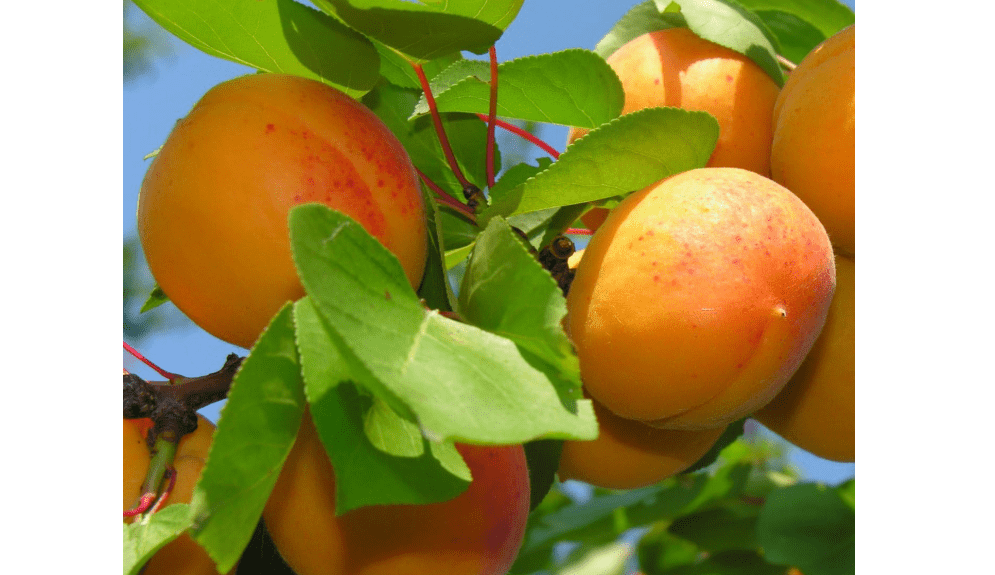
Product Description: A cold-hardy, Canadian-bred apricot with sweet, medium-to-large fruit. It is highly valued for its robust resistance to common stone fruit ailments.
-
Price: $28.95
-
Key Features & Benefits: Requires ~700 chill hours and blooms late to avoid frost. It is highly resistant to brown rot and perennial canker.
-
Pros and Cons:
-
Pros: Excellent disease resistance; withstands frigid winters with tough, cold-hardy wood; exceptional rich flavor.
-
Cons: Needs a bit more structural pruning (open center) to ensure adequate airflow in humid climates.
-
-
Amazon Customer Ratings & Reviews: ~4.4/5 stars. Consistently noted for surviving harsh northern winters and resisting fungal issues in wetter spring climates.
-
Why It’s a Good Choice: A highly reliable, disease-resistant option that requires fewer chemical sprays.
-
Ideal Use Case: Gardeners in the Pacific Northwest, Northeast, or Midwest (Zones 4-9) looking for an easy-to-manage, hardy tree.
6. Tilton Apricot Tree
-
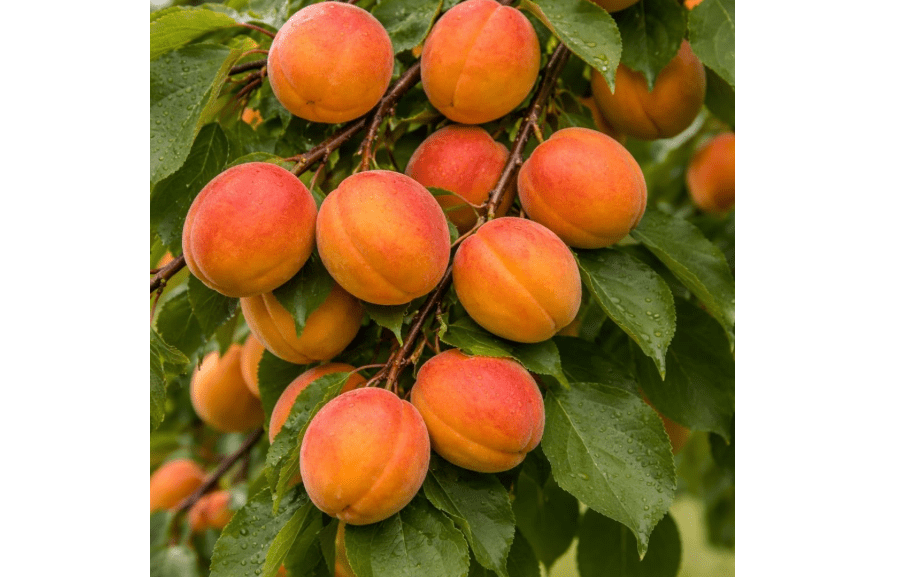
Product Description: A notably robust and adaptable variety that produces unique, slightly flat, heart-shaped fruit. It is an excellent producer with a lighter golden-yellow skin and distinct flavor.
-
Price: $27.65
-
Key Features & Benefits: Needs ~600 chill hours. It is highly resistant to late spring frosts and thrives in a wide variety of soil types. It is one of the top commercial varieties for freezing and canning.
-
Pros and Cons:
-
Pros: Thrives in less-than-ideal soils; massive, consistent yields; excellent for preserving and freezing.
-
Cons: Can grow quite large (up to 20-25 feet unpruned), requiring ample vertical space or aggressive summer pruning.
-
-
Amazon Customer Ratings & Reviews: ~4.6/5 stars. Reviewers frequently highlight its resilience, noting it survives and produces even in poor, unamended soil conditions.
-
Why It’s a Good Choice: It is one of the most durable, low-maintenance varieties available for difficult landscape conditions.
-
Ideal Use Case: Gardeners looking to establish an orchard in poor soil or those wanting a large, high-yielding shade tree in Zones 5-9.
7. Puget Gold Apricot Tree
-
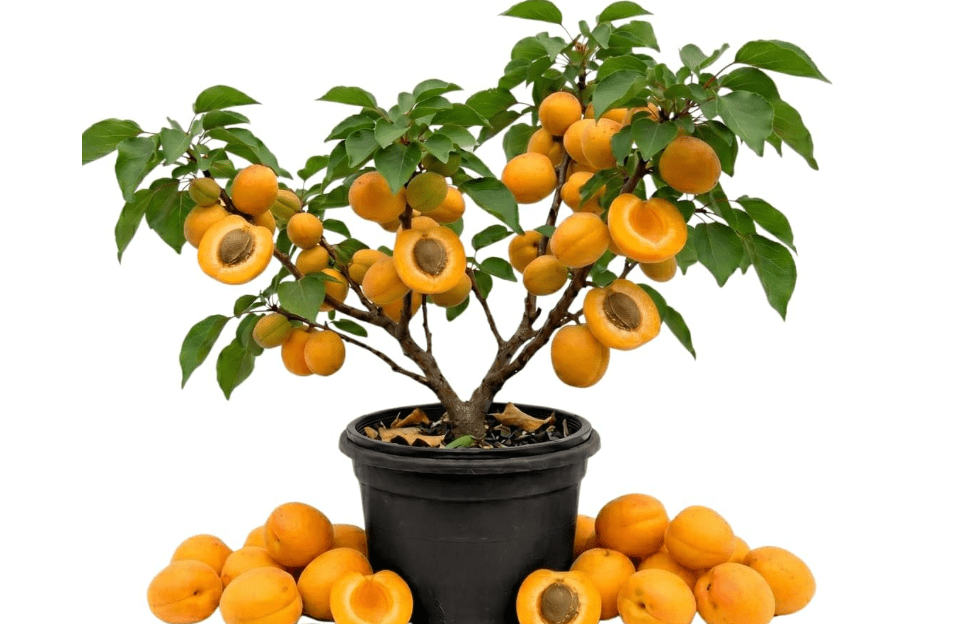
Product Description: Specifically bred by Washington State University to set fruit reliably in cool-summer and maritime climates, where the lack of heat units typically prevents apricots from ripening.
-
Price: $95.99
-
Key Features & Benefits: Requires ~600 chill hours. It blooms late in March to avoid coastal spring frosts and produces sweet, medium-sized freestone fruit in August.
-
Pros and Cons:
-
Pros: Sets fruit where other apricots fail to ripen due to cool, foggy summers; self-fertile.
-
Cons: Can struggle in extreme summer heat and humidity if planted in the deep South.
-
-
Amazon Customer Ratings & Reviews: ~4.5/5 stars. Adored by coastal gardeners who thought they couldn’t grow apricots, praising its consistent, reliable fruiting.
-
Why It’s a Good Choice: It solves the specific regional problem of fruit staying green and hard in cool, overcast summer regions.
-
Ideal Use Case: Coastal gardens, foggy microclimates, and the Pacific Northwest (Zones 4-9).
8. Goldcot Apricot Tree
-
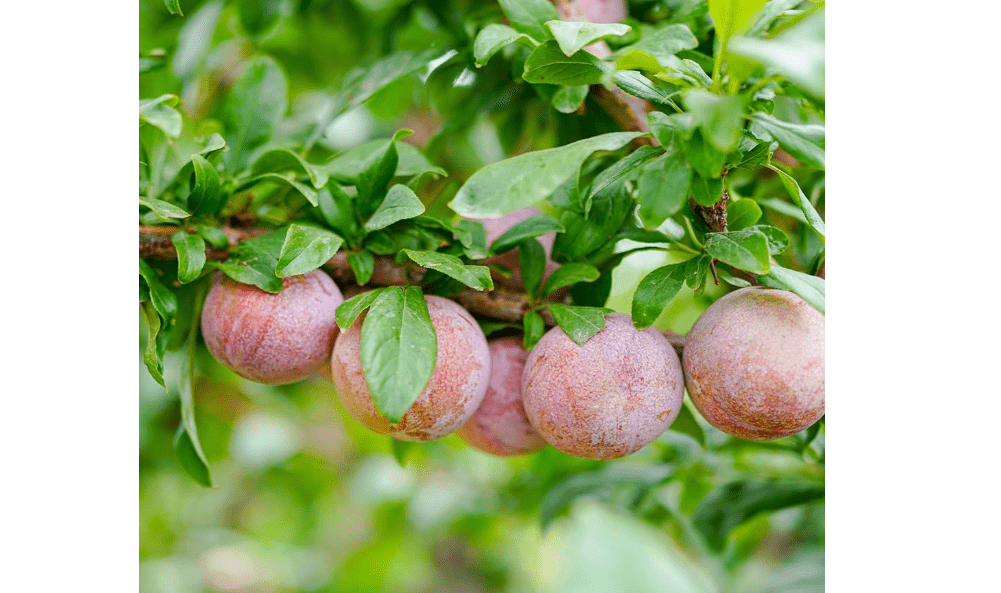
Product Description: A Michigan-bred selection designed to balance extreme cold hardiness with a late bloom. It produces thick-skinned, juicy fruit that holds its shape incredibly well when processed.
-
Price:
-
Key Features & Benefits: Needs ~800 chill hours. It is highly productive, ripens late in the season (July-August), and its slightly thicker skin prevents bruising and splitting.
-
Pros and Cons:
-
Pros: Incredibly productive; ideal firm texture for canning; tough wood resists winter dieback.
-
Cons: Requires very high chill hours to perform well, making it unsuitable for warm climates.
-
-
Amazon Customer Ratings & Reviews: ~4.7/5 stars. Widely praised by homesteaders as the ultimate canning and preserving apricot due to its texture.
-
Why It’s a Good Choice: It delivers commercial-level, reliable yields specifically geared toward home food preservation in cold climates.
-
Ideal Use Case: Homesteaders and gardeners in classic cold-winter climates (Zones 4-8) who want to can and freeze large batches.
9. Autumn Glo Apricot Tree
-
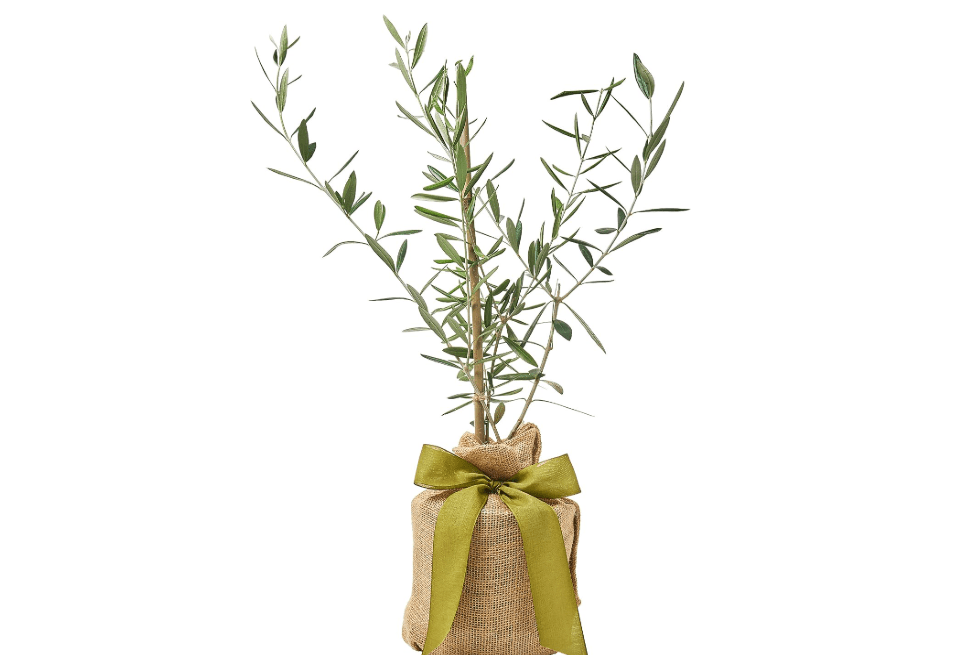
Product Description: A highly sought-after late-season apricot that extends your fruit harvest into late summer. It produces firm, medium-sized fruit with a classic, sweet apricot flavor.
-
Price:
-
Key Features & Benefits: Requires ~500 chill hours. Unlike most apricots that finish in early July, the Autumn Glo ripens in August, providing fresh fruit when most other stone fruits are finished.
-
Pros and Cons:
-
Pros: Greatly extends the harvesting season; excellent firmness makes it great for fresh eating.
-
Cons: Due to high demand, it can be harder to find in stock and often carries a slightly higher price point.
-
-
Amazon Customer Ratings & Reviews: ~4.5/5 stars. Customers love the extended harvest window, getting fresh apricots weeks after their other trees have dropped their final fruit.
-
Why It’s a Good Choice: It allows you to stagger your harvest so you aren’t overwhelmed with hundreds of pounds of fruit all at once.
-
Ideal Use Case: Gardeners in Zones 7-9 looking to expand an existing home orchard for a prolonged harvest season.
10. Cot-N-Candy Aprium Tree
-
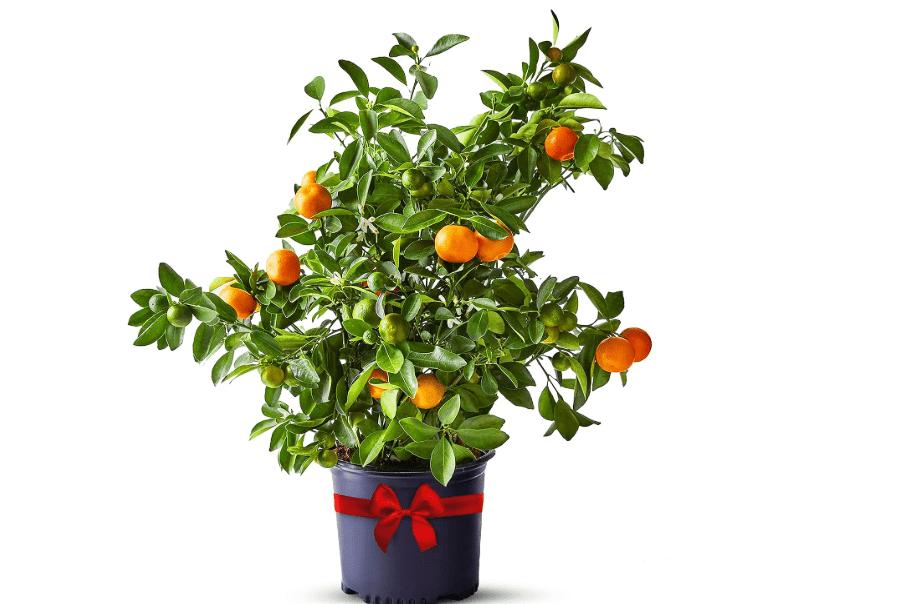
Product Description: A remarkable interspecific hybrid (an aprium—part apricot, part plum) that combines the sweet floral notes and appearance of an apricot with the juicy bite and lingering sweetness of a plum.
-
Price:
-
Key Features & Benefits: Needs ~400 chill hours. It is highly adaptable, self-fruitful, and produces incredibly sweet fruit early in the season.
-
Pros and Cons:
-
Pros: Unique, kid-friendly flavor profile; an early and heavy bearer.
-
Cons: Technically a hybrid, so purists looking for a traditional tart apricot may be disappointed.
-
-
Amazon Customer Ratings & Reviews: ~4.8/5 stars. It is frequently cited in reviews as the absolute best-tasting fruit tree in the buyer’s yard.
-
Why It’s a Good Choice: It offers a unique, gourmet fruit experience with exceptional sweetness that you can rarely find in grocery stores.
-
Ideal Use Case: Families and fruit enthusiasts in Zones 7-10 looking for a low-chill, high-flavor conversation starter.
IV. The Ultimate Buyer’s Guide: How to Choose the Right Apricot Tree
Choosing the best 10 apricot tree varieties for this list involved evaluating several critical growing factors. To ensure you select a tree that thrives rather than struggles, consider the following elements before clicking “buy.”
1. Understanding Chill Hours
Chill hours are the cumulative hours between 32°F and 45°F your area receives during the winter dormancy period. If you plant a tree that requires 800 hours in a climate that only gets 300, it will not bloom or set fruit. Conversely, planting a low-chill tree in a high-chill area means it will bloom too early and get destroyed by frost. Always check your local chill hour averages before selecting a tree from our list above.
2. Soil Health & Pre-Planting Diagnostics
Apricots hate “wet feet.” They require well-draining soil to prevent root rot and fungal diseases.
-
Test Drainage: Dig a hole 12 inches deep and fill it with water. If it hasn’t drained within a few hours, you have poor drainage.
-
Amend Heavy Clay: If you are dealing with heavy clay soil, you must amend the planting hole with compost and potentially plant the tree on a slight mound or berm to ensure the crown stays dry. Managing your soil health proactively is critical to long-term tree survival.
3. Rootstocks Explained
When you buy an apricot tree, you are buying a specific variety (like a Blenheim) grafted onto a rootstock. The rootstock determines the final size of the tree.
-
Standard: Can reach 20+ feet. Great for shade and massive yields, but hard to harvest.
-
Semi-Dwarf: Reaches 12-15 feet. The ideal balance of yield and manageability for most home gardeners.
-
Dwarf: Stays under 8-10 feet. Perfect for small yards or growing in large containers.
4. Climate & Late Frost Strategy
The biggest threat to an apricot harvest is a late spring frost destroying the delicate blossoms. If you live in an area notorious for “false springs,” you must prioritize late-blooming varieties like the Chinese (Mormon) or Harcot to ensure reliable fruiting.
V. Frequently Asked Questions (FAQ)
-
How long does it take an apricot tree to bear fruit? Most grafted apricot trees will begin producing a light crop within 3 to 4 years of planting. You can expect peak production around years 6 through 8.
-
Can I grow an apricot tree in a pot? Yes, provided you choose a variety grafted onto dwarf rootstock and use a large container (at least 15-20 gallons) with excellent drainage.
-
Why are my apricot blossoms falling off without forming fruit? This is usually caused by late frost damage killing the internal flower structures, poor soil health lacking necessary nutrients, or poor pollination due to cold, wet weather keeping bees away during bloom time.
VI. Final Verdict & Top Recommendations
If you are still unsure which of the best 10 apricot tree options is right for you, here are our top segmented recommendations based on grower needs:
-
Best Overall for Classic Flavor: Blenheim (Royal)
-
Best for Cold Climates & Frost Resilience: Chinese (Mormon)
-
Best for Warm Climates (Low Chill): Katy Apricot