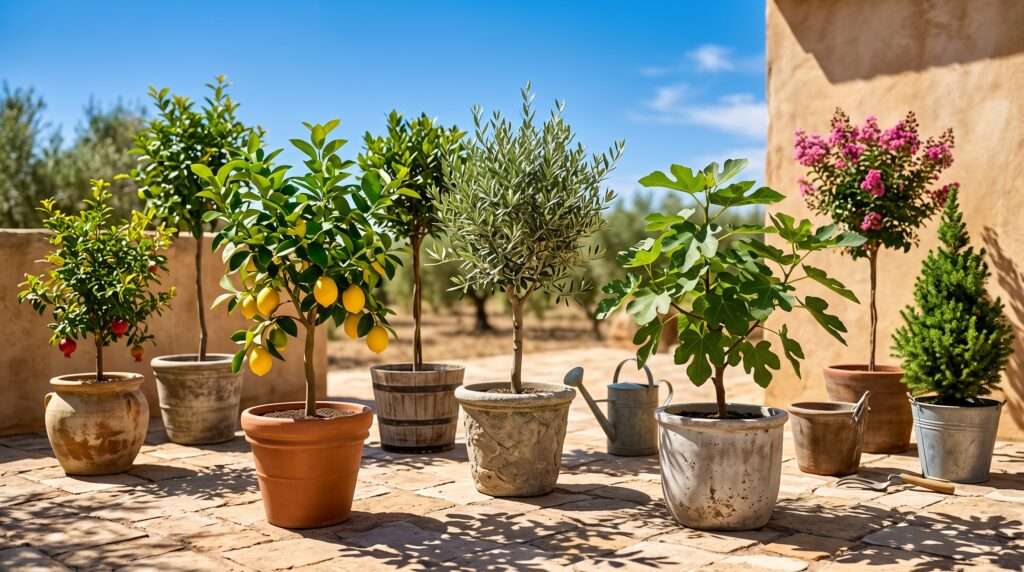
Picture this: a scorching, sun-drenched balcony that feels more like an oven than a relaxing oasis. You want the lush, architectural impact of a beautiful tree, but intense, all-day sunlight quickly fries most container plants, leaving your patio looking barren.
If you are struggling to find greenery that survives—let alone thrives—in these baked, restricted conditions, we have the solution. We have rigorously evaluated the hardiest, most drought-tolerant options on the market to bring you the best 10 small trees for pots in full sun. These resilient, container-friendly champions will transform your harsh outdoor space into a vibrant sanctuary without wilting under the pressure.
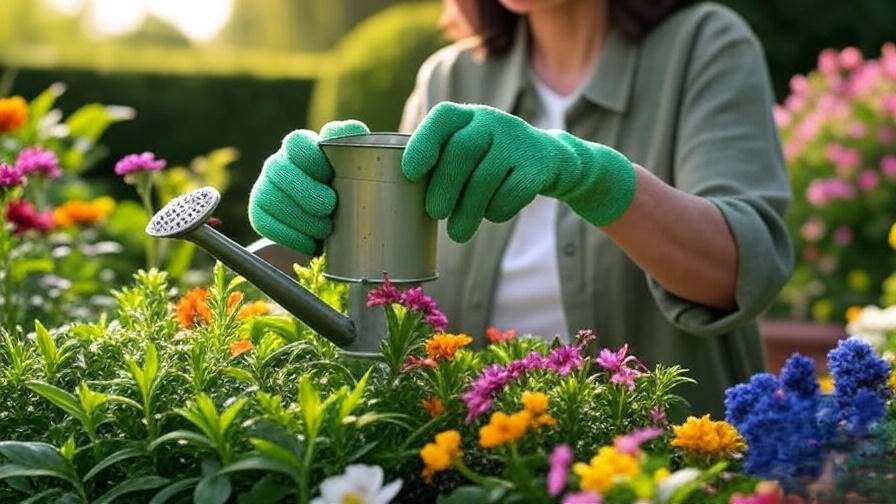
[Insert a high-quality, Pinterest-optimized infographic here showing a beautiful potted patio setup with text overlay: “10 Full-Sun Trees for Containers”]
II. Why You Should Trust Us & How We Chose
Selecting a tree for a container requires a deep understanding of root adaptability, drought tolerance, and long-term soil health. Not every plant can handle the extreme heat fluctuations of a sun-baked pot.
Our selections are based on rigorous horticultural standards, verified Amazon buyer data, and real-world performance in high-heat container environments. We prioritized dwarf varieties and grafted trees specifically cultivated for restricted root zones. We evaluated each tree on its ability to withstand prolonged sun exposure, visual appeal, ease of maintenance, and the overall value it provides to a patio garden.
III. Quick Comparison Guide
To keep things mobile-friendly and easy to scan, here is a quick breakdown of our top picks.
IV. In-Depth Reviews: The Best 10 Small Trees for Pots in Full Sun
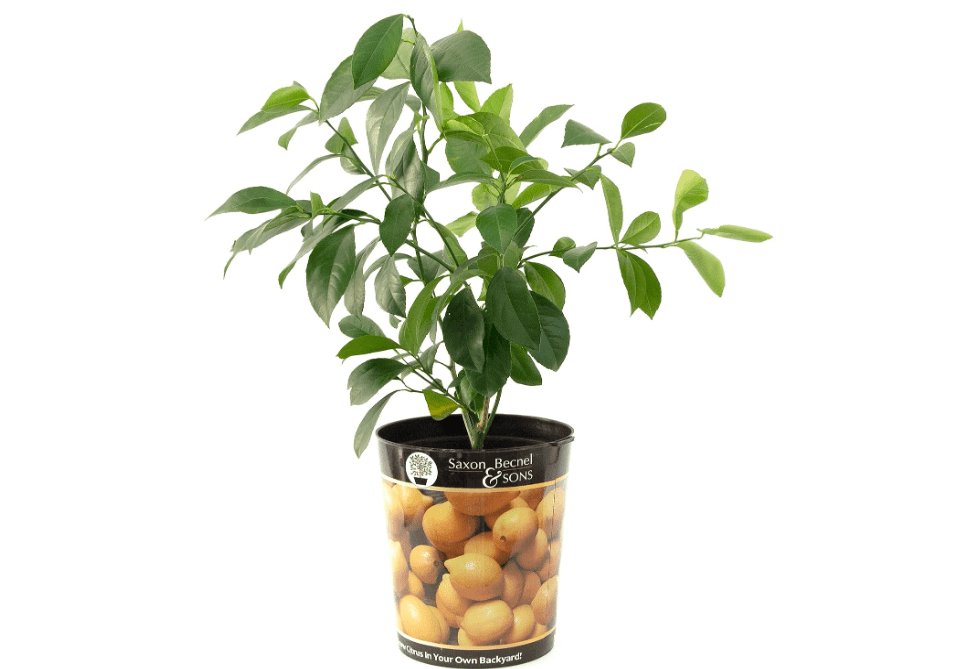
1. Improved Meyer Lemon Tree (Dwarf)
Product Description: The Improved Meyer Lemon is the crown jewel of patio gardening. Known for its glossy, deep-green evergreen leaves and intoxicatingly fragrant white blossoms, this tree brings the charm of an orchard directly to your balcony. Unlike standard lemons, the Meyer is a hybrid (believed to be a cross between a lemon and a mandarin orange), yielding sweeter, less acidic fruit with a thin skin. Grown in a container, it remains a manageable size while still producing a bountiful harvest.
Price:
Key Features and Benefits:
-
Self-Pollinating: You only need one tree to produce fruit.
-
Continuous Blooming: Capable of flowering and fruiting multiple times a year.
-
Dwarf Rootstock: Naturally stays compact (typically 4 to 6 feet in a container), keeping roots happy in tight spaces.
Pros and Cons:
-
Pros: Incredible floral scent, delicious edible yields, highly ornamental year-round.
-
Cons: Requires heavy feeding with citrus-specific fertilizer; needs to be moved indoors during freezing winter temperatures (Zones 8 and below).
Amazon Customer Ratings and Reviews: Boasting a strong 4.3 out of 5 stars from thousands of reviews, buyers consistently praise the secure shipping methods used by top Amazon nurseries. Many reviewers note that the tree often arrives with blossoms or small fruit already attached. A few users mentioned the plant can experience “transit shock” resulting in dropped leaves, but it bounces back quickly with proper sunlight and watering.
Why it’s a good choice for pots in full sun: Citrus trees are notorious sun-worshippers. They require a minimum of 8 hours of direct, intense sunlight to synthesize the energy needed to produce fruit and essential oils. A sun-baked pot mimics their native sub-tropical environment perfectly.
Ideal Use Case / Who Should Buy It: Perfect for culinary enthusiasts who want fresh zest and juice on hand, and anyone who wants their patio to smell like a high-end perfume in the spring.
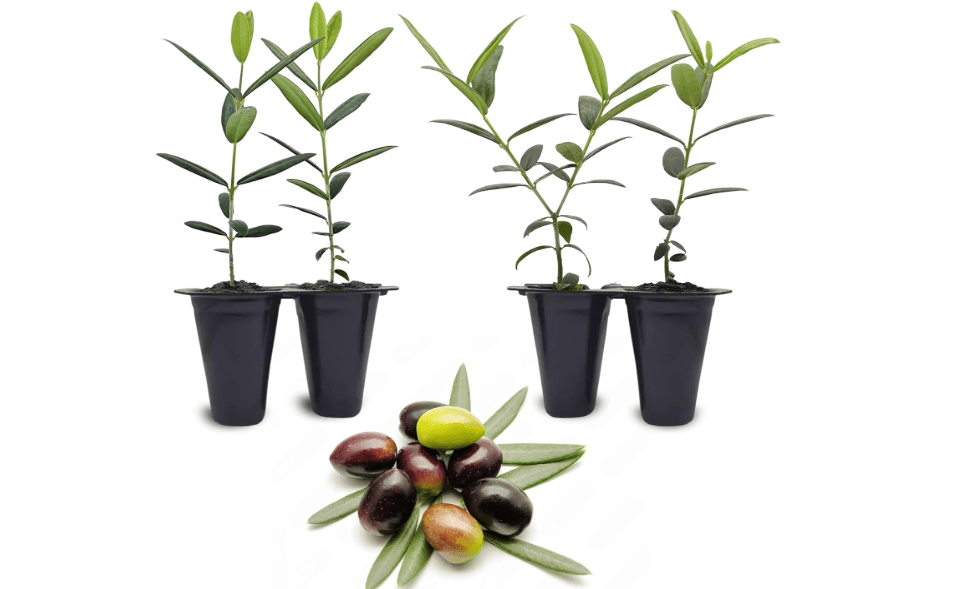
2. Arbequina Olive Tree
Product Description: Transport your patio to the Spanish countryside with the Arbequina Olive Tree. Featuring gorgeous, silvery-green foliage and a rustic, twisting trunk, this tree offers an elegant, understated aesthetic. The Arbequina is renowned for its hardiness and highly adaptable nature. It is a prolific producer of small, highly aromatic olives that are prized for curing and pressing into world-class olive oil.
Price: $28.99
Key Features and Benefits:
-
High Heat & Drought Tolerance: Naturally adapted to arid, sun-baked environments.
-
Fast Growing: One of the quicker-growing olive varieties.
-
Pest Resistant: Requires very little chemical intervention to stay healthy.
Pros and Cons:
-
Pros: Very low maintenance once established, stunning architectural foliage, wind-resistant.
-
Cons: Fruit curing process can be tedious; fruit production is lower if not exposed to a slight winter chill.
Amazon Customer Ratings and Reviews: Sitting comfortably at a 4.5 out of 5 stars, customers love the “instant Mediterranean vibe” it brings to their homes. Reviewers frequently highlight how resilient the tree is, surviving missed waterings that would kill more delicate plants. The main critique is that growth can be somewhat leggy if not pruned properly in the early years.
Why it’s a good choice for pots in full sun: Olive trees despise “wet feet” and shade. The rapid evaporation provided by a container sitting in direct sunlight ensures the soil dries out between waterings, preventing root rot and replicating the arid Mediterranean hillsides where they naturally thrive.
Ideal Use Case / Who Should Buy It: Ideal for design-conscious homeowners aiming for a minimalist, Tuscan, or Mediterranean aesthetic, and those who want a tough-as-nails plant that won’t punish them for missing a watering day.
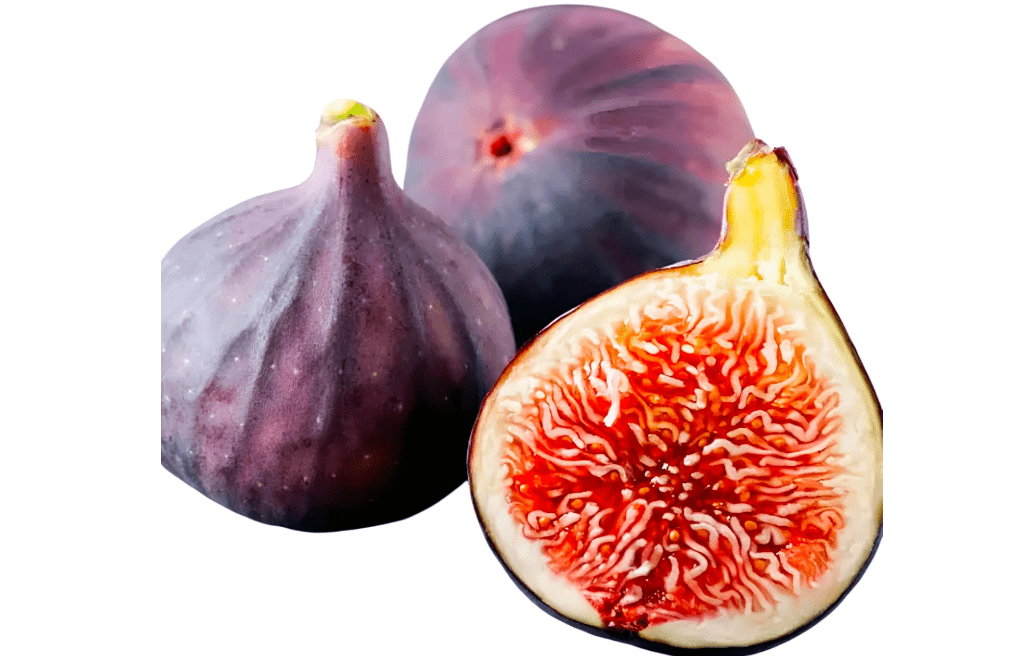
3. Little Miss Figgy Dwarf Fig Tree
Product Description: The ‘Little Miss Figgy’ is a marvel of modern plant breeding. It delivers all the lush, deeply lobed, tropical-looking foliage of a standard fig tree but on a dramatically smaller scale. This true dwarf variety maxes out around 4-6 feet in a pot. Best of all, it produces an abundance of sweet, dark purple figs with rich, strawberry-red flesh, offering an incredibly exotic look that easily withstands intense sunshine.
Price: .
Key Features and Benefits:
-
True Dwarf: Specifically bred for tight spaces and container culture.
-
Prolific Fruiting: Often yields fruit in both spring and late summer.
-
Cold Hardy: Surprisingly resilient, surviving winters down to USDA Zone 7 without protection.
Pros and Cons:
-
Pros: Delicious, premium fruit; highly ornamental, large leaves; cold-hardier than most fruit trees.
-
Cons: Deciduous (loses its leaves in winter); requires consistent moisture during fruit development.
Amazon Customer Ratings and Reviews: With an average rating of 4.4 out of 5 stars, buyers are thrilled with the fruit production, often reporting fresh figs in the very first year of ownership. Reviewers frequently comment on the striking, deep green foliage. The few negative reviews usually revolve around the plant arriving dormant (without leaves) in early spring, which is normal for deciduous trees.
Why it’s a good choice for pots in full sun: Figs need massive amounts of solar energy to ripen their sugar-dense fruit. Placing a ‘Little Miss Figgy’ in full sun ensures maximum sweetness and prevents the fungal leaf issues that can plague figs grown in humid, shaded corners.
Ideal Use Case / Who Should Buy It: Gourmet food lovers who want an expensive grocery store luxury (fresh figs) right on their patio, and gardeners seeking a tropical leaf texture that can survive a cold winter.
4. Dwarf Alberta Spruce
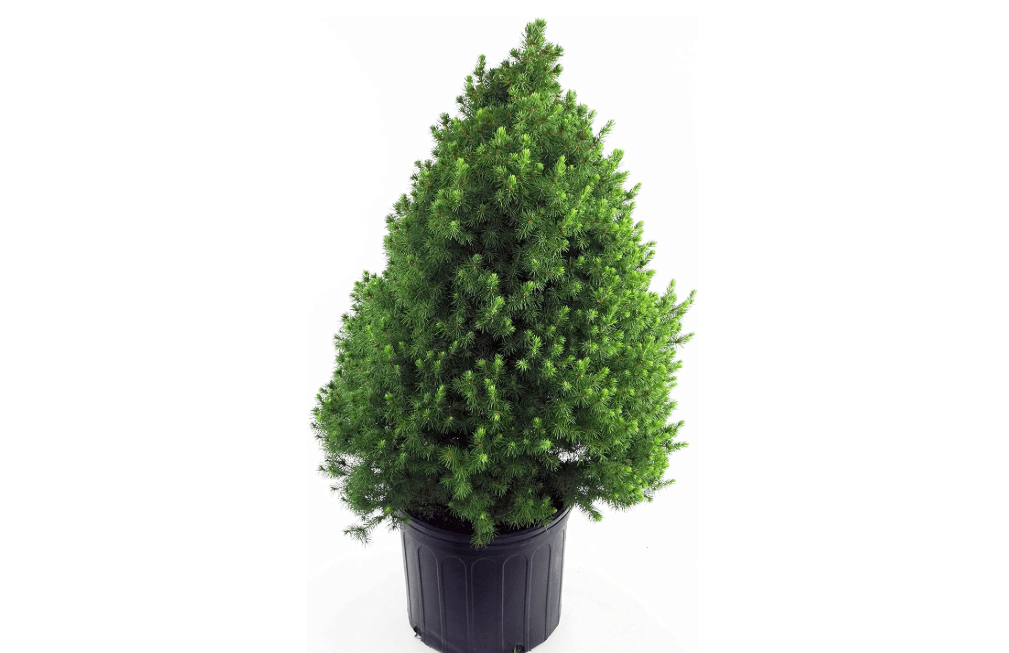
Product Description: For a completely different texture and year-round structure, the Dwarf Alberta Spruce (Picea glauca ‘Conica’) is an undisputed champion. This classic evergreen forms a dense, perfect cone of soft, bright green needles. It provides a formal, manicured look without any pruning required. It’s the ultimate low-maintenance architectural anchor for a patio that needs structure in the dead of winter as much as the height of summer.
Price:
Key Features and Benefits:
-
Evergreen Structure: Provides unchanging visual interest 365 days a year.
-
Extremely Slow Growing: Only grows 2-4 inches per year, meaning it will live happily in the same pot for years without needing to be repotted.
-
Cold Hardiness: A powerhouse that can survive winters down to Zone 3.
Pros and Cons:
-
Pros: Requires zero pruning, provides excellent winter interest, highly affordable.
-
Cons: Susceptible to spider mites in very hot, dry air; lacks flowers or fruit.
Amazon Customer Ratings and Reviews: Consistently rating around 4.6 out of 5 stars, buyers love the “perfect Christmas tree shape.” Many reviews highlight using them in pairs flanking a doorway or framing a balcony view. The primary complaints usually stem from users bringing them indoors as houseplants—these trees require outdoor seasonal changes to survive.
Why it’s a good choice for pots in full sun: While they can tolerate some partial shade, full sun ensures the foliage grows densely. If planted in too much shade, the inner needles will drop, leaving bare patches. The sun also helps evaporate morning dew, which prevents fungal diseases in the dense needle canopy.
Ideal Use Case / Who Should Buy It: Ideal for those who want a formal, elegant look (like topiary without the work) or those needing greenery that persists through freezing, snowy winters on an unprotected balcony.
5. Pink Velour Crape Myrtle (Dwarf)
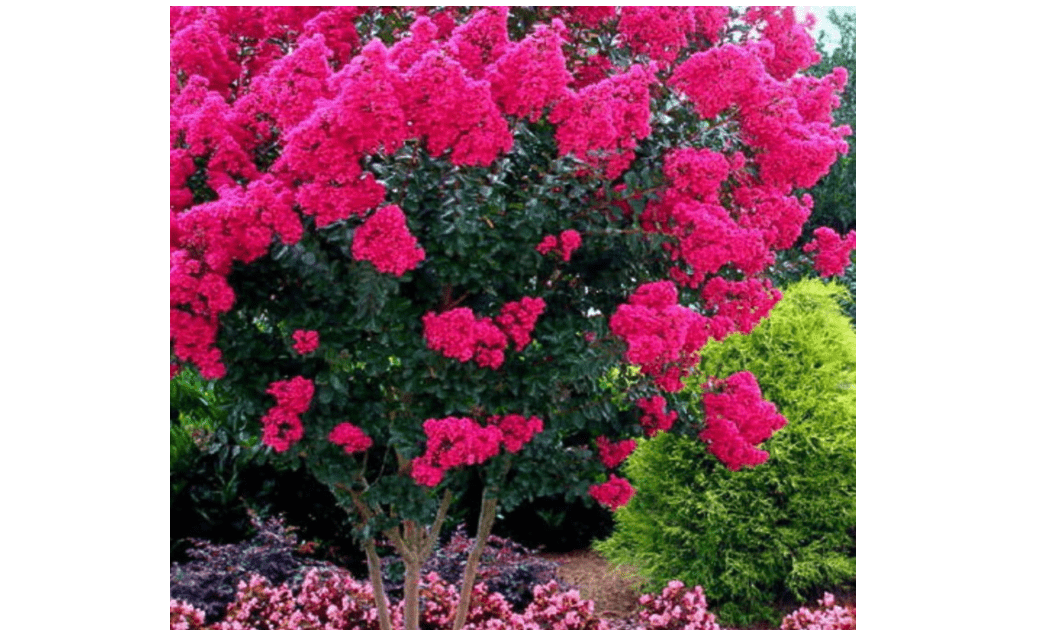
Product Description: If you want explosive, show-stopping color that thrives on heat, look no further than a dwarf Crape Myrtle, specifically the ‘Pink Velour’ variety. This tree bursts into vibrant, crinkly pink blooms right in the middle of summer when most other plants are wilting. Furthermore, it features stunning burgundy-tinged foliage that transitions to brilliant fiery orange and red in the autumn, offering multi-season interest.
Price:
Key Features and Benefits:
-
Heat Loving: Actually performs better the hotter it gets.
-
Multi-Season Interest: Colorful leaves in spring, flowers in summer, brilliant fall foliage, and interesting peeling bark in winter.
-
Dwarf Habit: Stays compact, usually between 4 and 6 feet tall when restricted by a pot.
Pros and Cons:
-
Pros: Unbeatable summer flower power, highly drought tolerant once established, stunning fall color.
-
Cons: Deciduous (bare in winter), prone to powdery mildew if airflow is poor.
Amazon Customer Ratings and Reviews: Holding a solid 4.4 out of 5 stars, customers frequently rave about the intense neon-pink color of the flowers. Many reviewers mention that the plant shrugs off 100-degree days with ease. Some users advise keeping a close eye on watering during the first month while the roots establish in the container.
Why it’s a good choice for pots in full sun: Crape Myrtles are the quintessential “full sun” plant. They require baking heat and direct light to initiate flower buds. Plant them in the shade, and you will get nothing but leaves; put them in a hot pot on a sunny patio, and they will put on a spectacular floral show.
Ideal Use Case / Who Should Buy It: Perfect for gardeners who want high-impact, tropical-looking summer color but live in areas where the mid-summer sun is too intense for delicate flowers.
6. Sweet Bay Laurel (Laurus nobilis)
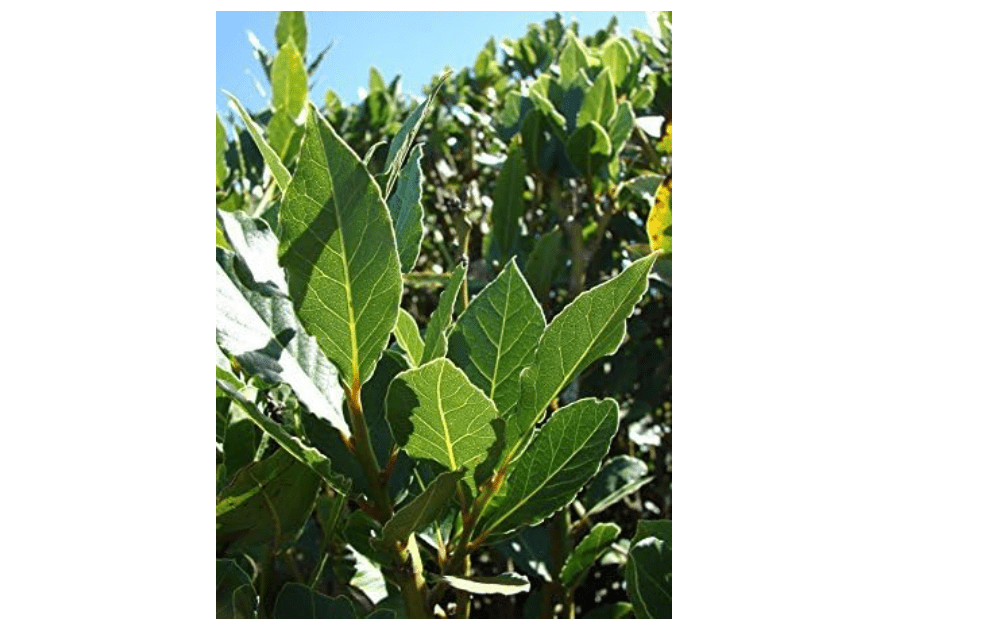
Product Description: The Sweet Bay Laurel is an ancient Mediterranean classic that brings both culinary function and formal beauty to a patio. Its leathery, aromatic dark green leaves are the very same bay leaves used in soups, stews, and sauces. Because it grows slowly and responds exceptionally well to clipping, it is frequently trained into elegant standard (lollipop) shapes or obelisks, making it a highly sophisticated container specimen.
Price:
Key Features and Benefits:
-
Culinary Value: Provides fresh, highly flavorful bay leaves year-round.
-
Topiary Potential: Takes extremely well to pruning and shaping.
-
Pest Resistance: The strong aromatic oils in the leaves naturally repel most pests.
Pros and Cons:
-
Pros: Edible/useful foliage, great for formal garden designs, very long-lived in containers.
-
Cons: Slow grower; requires winter protection indoors in zones colder than Zone 8.
Amazon Customer Ratings and Reviews: With an average rating of 4.5 out of 5 stars, buyers frequently compliment the intense, spicy fragrance of the fresh leaves compared to store-bought dried versions. Many reviewers mention growing them successfully on hot apartment balconies for years. A few note that growth is slow, so patience is required if you are trying to achieve a large topiary shape.
Why it’s a good choice for pots in full sun: Like the olive tree, Bay Laurels hail from rocky, sun-drenched coastal cliffs. They require full sun to develop the highest concentration of essential oils in their leaves, maximizing both their culinary flavor and their resistance to disease.
Ideal Use Case / Who Should Buy It: Chefs, foodies, and fans of formal, manicured garden aesthetics who want a useful, elegant plant that thrives on neglect.
7. Bonfire Patio Peach Tree
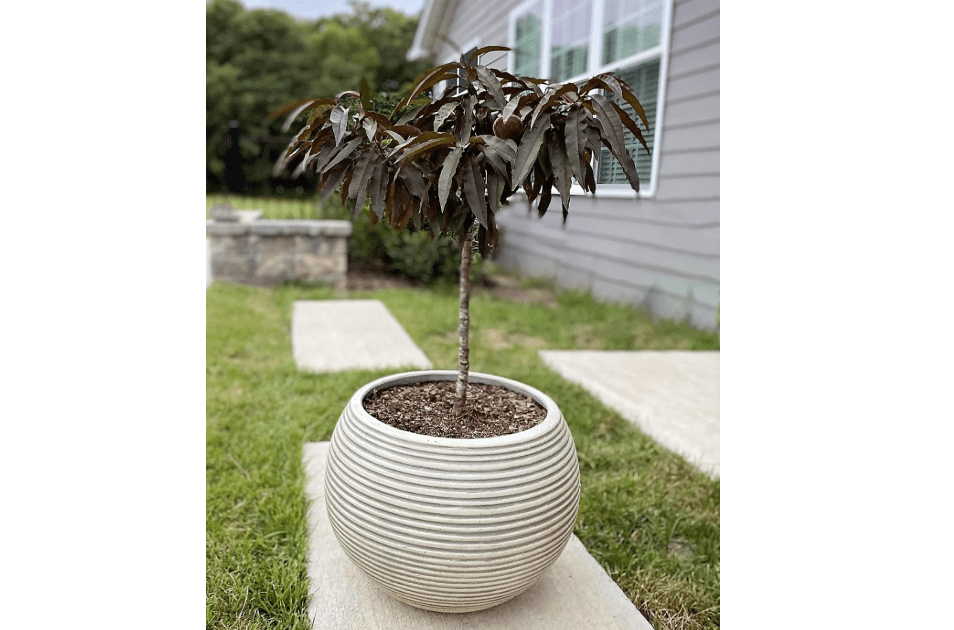
Product Description: The ‘Bonfire’ Patio Peach is grown more for its spectacular visual display than for its fruit (though it does produce small, edible, albeit somewhat tart peaches). This ornamental dwarf tree is an absolute stunner. In spring, it erupts in a cloud of brilliant pink, double-petaled blossoms. Afterward, it pushes out long, striking leaves that are a deep, dramatic burgundy-red, holding their color straight through the blistering heat of summer.
Price:
Key Features and Benefits:
-
Stunning Foliage: The dark burgundy leaves provide a unique color contrast against typical green patio plants.
-
Genetic Dwarf: Naturally stays short and bushy (4-5 feet), never requiring pruning for size control.
-
Spring Floral Show: Offers one of the most spectacular spring bloom displays of any container tree.
Pros and Cons:
-
Pros: Incredible multi-season color, perfect container size, cold hardy to Zone 5.
-
Cons: The peaches are better for baking or jams than eating fresh; susceptible to peach leaf curl if not sprayed with a fungicide in late winter.
Amazon Customer Ratings and Reviews: Averaging 4.3 out of 5 stars, buyers are obsessed with the leaf color. Many reviews note that the tree is an immediate conversation starter when guests visit their patio. The main complaints relate to the quality of the fruit, with some buyers disappointed that the peaches aren’t large and sweet like orchard varieties.
Why it’s a good choice for pots in full sun: To maintain that intense, dark burgundy leaf color, the ‘Bonfire’ peach requires full, direct sunlight. If placed in the shade, the leaves will revert to a muddy, unremarkable green.
Ideal Use Case / Who Should Buy It: Those seeking dramatic, non-green foliage to add contrast to their patio design, and anyone who wants the beauty of spring cherry/peach blossoms without the massive size of a standard tree.
8. Dwarf Pomegranate (Punica granatum ‘Nana’)
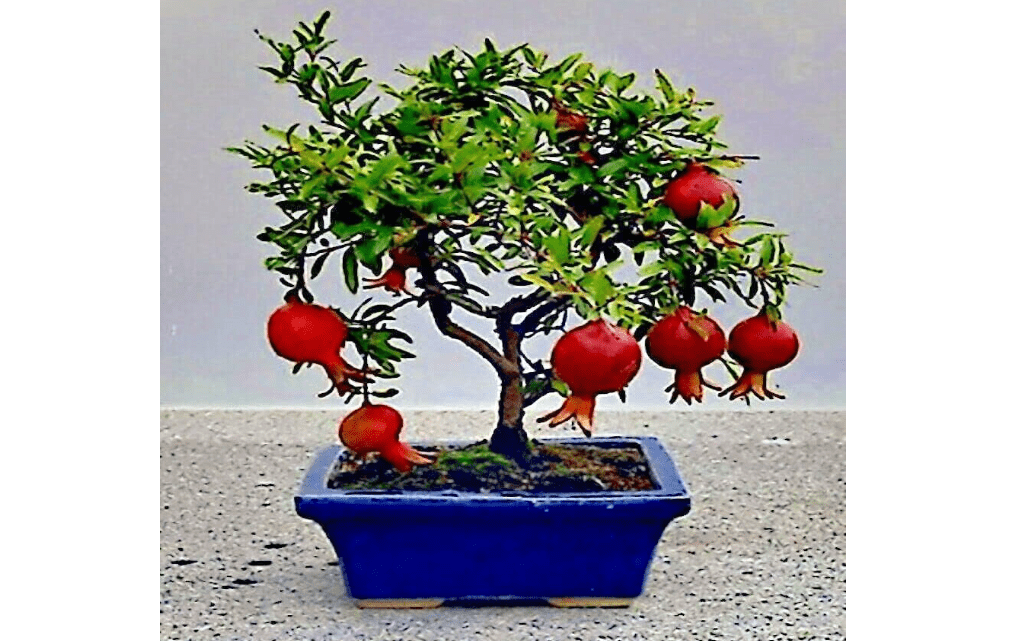
Product Description: The Dwarf Pomegranate is a tough, wiry, and wildly exotic-looking shrub/tree that thrives in the hottest, harshest conditions you can throw at it. Maxing out around 3 to 4 feet tall, it features tiny, bright green leaves and produces an abundance of striking, ruffled, neon-orange/red flowers throughout the summer. These blossoms give way to miniature, adorable pomegranates that hang on the tree like ornaments into the fall.
Price: $17.99
Key Features and Benefits:
-
Extreme Heat Tolerance: Practically indestructible in high heat.
-
Bonsai Potential: Highly prized by bonsai enthusiasts for its small leaves, interesting trunk structure, and miniature fruit.
-
Long Blooming Season: Flowers continuously from early summer through early fall.
Pros and Cons:
-
Pros: Very affordable, thrives in intense heat, unique miniature fruit, excellent for shallow or small decorative pots.
-
Cons: The miniature fruit is mostly seeds and not ideal for eating; deciduous and looks quite barren in winter.
Amazon Customer Ratings and Reviews: Holding a strong 4.4 out of 5 stars, reviewers love how quickly this plant establishes and flowers. Many buyers note they purchased it specifically for bonsai training and praise its rapid growth in the summer. A few users point out that the plant can drop leaves suddenly if watering is erratic.
Why it’s a good choice for pots in full sun: Pomegranates are native to the Middle East and the Mediterranean. They are genetically wired to bake in the sun. In fact, full, intense sunlight is the only way to ensure heavy blooming and fruit set.
Ideal Use Case / Who Should Buy It: Gardeners in very hot climates (like the Southwest US), bonsai enthusiasts, and anyone looking for a rugged, unusual conversation piece for a sunny tabletop or small balcony.
9. Calamondin Orange Tree
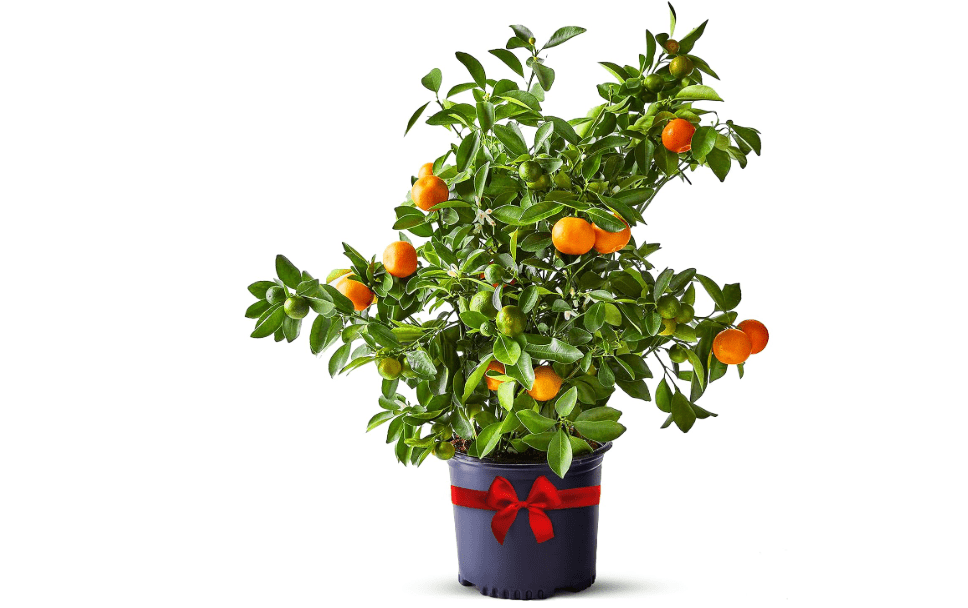
Product Description: If you want the most visually impressive, fruit-laden tree for your patio, the Calamondin Orange is the answer. It is famously prolific, often completely covered in small, bright orange fruit and fragrant white blossoms at the same time. It is arguably the best citrus variety for containers because it naturally stays very compact and bushy, requiring almost no pruning to maintain a beautiful, rounded shape.
Price: $69.99
Key Features and Benefits:
-
Year-Round Interest: Rarely without flowers or fruit.
-
Highly Ornamental: The dense, bushy habit makes it look lush and full, never “leggy.”
-
Indoor/Outdoor Adaptability: The easiest citrus tree to successfully overwinter indoors as a houseplant.
Pros and Cons:
-
Pros: Incredible visual impact, very heavy fruit producer, excellent fragrance, easiest citrus for beginners.
-
Cons: The fruit is very tart (more like a sour lime or kumquat) and is best used for marmalades or drinks rather than eating out of hand.
Amazon Customer Ratings and Reviews: Boasting a 4.5 out of 5 stars, buyers are consistently amazed by how much fruit arrives on the tree right out of the box. Reviewers frequently mention successfully keeping the tree alive indoors during snowy winters, a feat that is much harder with other citrus.
Why it’s a good choice for pots in full sun: Like the Meyer Lemon, the Calamondin requires maximum solar energy to fuel its non-stop flower and fruit production. Full sun keeps the foliage dense and prevents the fungal issues associated with indoor or shaded growing.
Ideal Use Case / Who Should Buy It: Beginner gardeners who want a foolproof citrus experience, and anyone who wants a “showpiece” tree that looks good 365 days a year.
10. Bougainvillea (Tree Form / Standard)
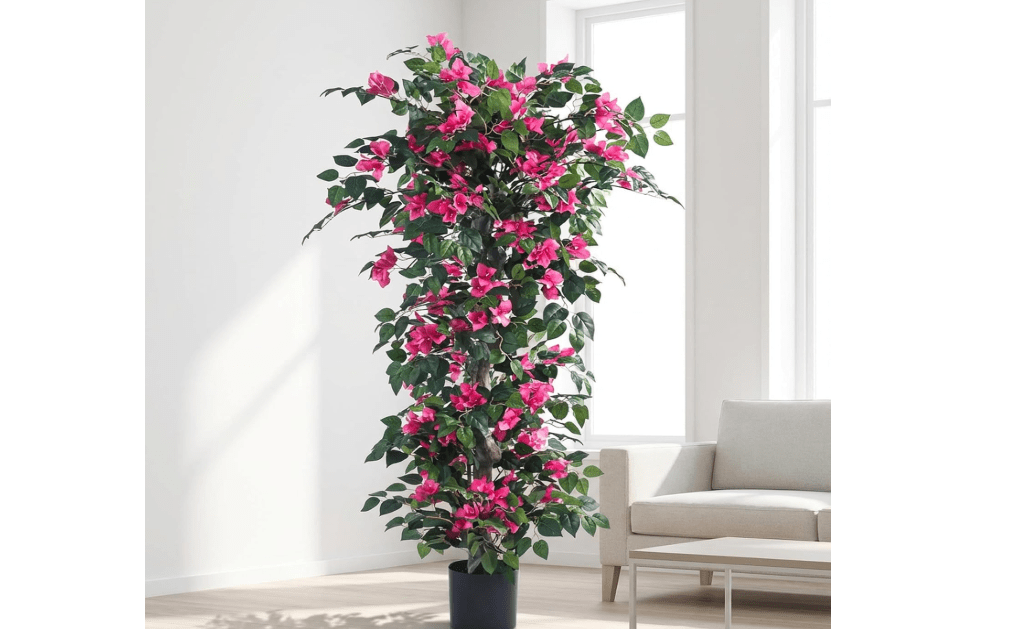
Product Description: While naturally a scrambling vine, Bougainvillea is frequently grafted or pruned into a “standard” (a tree form with a single trunk and a rounded canopy). This creates an explosive, vibrant patio tree that delivers unmatched tropical color. The “flowers” are actually papery bracts that come in shocking shades of magenta, purple, red, and orange, completely covering the foliage during the heat of the summer.
Price:
Key Features and Benefits:
-
Unmatched Color: Provides the brightest, most intense color of any plant on this list.
-
Drought Resistant: Actually blooms best when slightly water-stressed.
-
Rapid Growth: Pushes out new, colorful growth quickly during hot weather.
Pros and Cons:
-
Pros: Spectacular tropical aesthetic, loves being root-bound in a pot, thrives on neglect.
-
Cons: Has sharp thorns; highly frost-sensitive (must be brought indoors if temperatures dip near freezing); drops leaves if moved or overwatered.
Amazon Customer Ratings and Reviews: Averaging a 4.3 out of 5 stars, customers are thrilled with the intense color. Many reviews note that the plant requires a “tough love” approach—thriving when ignored and suffering when pampered with too much water. The main complaint is regarding the thorns and the mess of dropped, papery bracts on the patio.
Why it’s a good choice for pots in full sun: Bougainvilleas require a minimum of 6 to 8 hours of direct, blazing sun to produce their vibrant colors. If they are in the shade, they will only grow green leaves. Furthermore, they like tight roots and dry soil, making the harsh conditions of a full-sun container their ideal habitat.
Ideal Use Case / Who Should Buy It: Those seeking a vibrant, tropical aesthetic who live in hot, dry climates (or can bring the pot indoors for winter), and gardeners who tend to forget to water.
V. Buyer’s Guide: How to Succeed with Potted Trees in Full Sun
Buying the right tree is only half the battle. Surviving in a container on a hot patio requires a slightly different approach than planting in the ground. Here is how to guarantee success.
1. Choosing the Right Pot
When a pot sits in full sun, the roots can bake.
-
Material Matters: Avoid thin, dark plastic pots; they absorb heat and can literally cook the roots. Opt for thick terracotta (which breathes), heavy resin, or double-walled fiberglass containers.
-
Drainage is Non-Negotiable: Your pot must have drainage holes. Trees in full sun need frequent watering, but if that water pools at the bottom of the pot, the roots will drown and rot within days.
-
Sizing Up: Don’t jump to a massive pot immediately. Only pot up one size (about 2-3 inches wider in diameter) than the nursery pot it arrives in. Too much empty, wet soil can lead to root rot.
2. The Soil Secret
Never use garden soil or topsoil in a container. It is too heavy and will compact into a brick. You need a premium, well-draining potting mix. For citrus and Mediterranean trees (like the Olive and Bay), look for a “Cactus & Citrus” mix or add a generous amount of perlite to standard potting soil to ensure rapid drainage.
3. Watering in the Heat
In full sun, evaporation is your biggest enemy. During the peak of summer, you may need to water your potted tree every single day.
-
The Finger Test: Stick your finger two inches into the soil. If it feels dry, water deeply until water runs out the drainage holes. If it feels moist, wait a day.
-
Watering Time: Always water in the early morning or late evening. Watering during the midday heat is inefficient, as much of the water evaporates before reaching the roots.
4. Feeding Your Tree
Every time you water a potted plant, nutrients wash out of the drainage holes. Therefore, container trees require more frequent feeding than in-ground trees. Use a slow-release granular fertilizer formulated for your specific tree type (e.g., a Citrus Tone for the lemons and oranges) applied every few months during the growing season.
VI. Conclusion
Transforming a scorching, unusable balcony into a lush retreat is entirely possible when you choose the right plants. You don’t have to settle for scorched leaves and constant replanting. By selecting one of the best 10 small trees for pots in full sun, you are investing in resilient, heat-loving genetics that will thrive in container environments.
If you are looking for culinary utility and fragrance, the Improved Meyer Lemon is an unbeatable choice. If you need low-maintenance, year-round structure that survives freezing winters, the Dwarf Alberta Spruce is your champion. And if you simply want explosive, heat-loving color, the Pink Velour Crape Myrtle will deliver a spectacular summer show.
Assess your patio, consider your climate, and click through to Amazon to grab your favorite. Your sun-drenched sanctuary awaits!