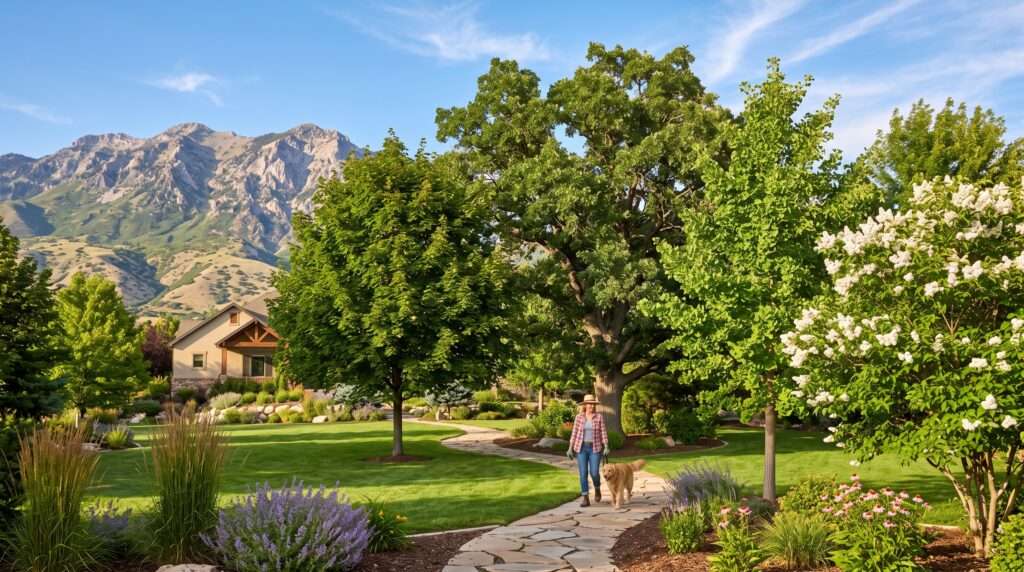
Imagine stepping out into your backyard in the dead of a Utah July. The sun is blazing, the air is bone-dry, and without a canopy to block the relentless heat, your barren yard feels more like an oven than a summer oasis. If you are desperately looking for a cool retreat, you need resilient plants that can handle the Beehive State’s extreme climate. That is exactly why we have tracked down the best 10 shade trees for utah.
Gardening here comes with a unique set of frustrating challenges. Between the high-alkaline soil, shockingly low humidity, harsh Zone 4 to 7 winters, and frequent drought conditions, standard nursery trees often struggle to survive. Planting the wrong species usually means wasting time, money, and precious water on a sapling that never fully takes root.
Fortunately, you do not have to settle for a sun-scorched lawn. The selections on our list are proven survivors, specifically adapted to thrive in this challenging environment. By the end of this guide, you will know exactly which tree to order online to instantly upgrade your home’s cooling efficiency, cut down your summer energy bills, and dramatically boost your curb appeal. Let’s dig in and find the perfect canopy to transform your landscape.
II. How We Evaluated and Chose the Best Trees
Creating a thriving landscape in the Mountain West requires more than just picking the prettiest leaves. We curated this authoritative list by cross-referencing recommendations from the Utah State University Extension, analyzing local arborist data, and diving deep into Amazon customer reviews for live tree delivery success rates.
When shopping for shade trees online, prioritizing user intent and long-term survival is critical. Here is exactly what we looked for to ensure these trees will thrive in your yard:
-
Alkaline Soil Tolerance: Utah’s soils typically contain 15 to 40 percent calcium carbonate by weight, pushing pH levels well above 7.5. This locks up essential nutrients, causing devastating iron chlorosis in popular trees like Silver or Red Maples. Every tree on our list is highly rated for alkaline soil adaptability.
-
Drought Tolerance & Root Structure: With annual rainfall averaging just 10 to 20 inches, water conservation is a top priority. We favored trees that develop deep, robust taproots capable of accessing subsurface moisture during prolonged dry spells.
-
Cold Hardiness: From the frigid negative temperatures of Cache Valley to the milder winters of St. George, these trees are rated to handle USDA Hardiness Zones 4 through 7 without catastrophic winter die-back.
-
Growth Rate vs. Lifespan: While fast-growing trees provide immediate relief, they are often brittle and short-lived. We balanced our list to include rapid shade producers alongside slow-growing, generational legacy trees.
III. At a Glance: Top Shade Trees for Utah
For optimal mobile viewing, we’ve condensed this comparison to the most critical decision-making factors.
IV. Comprehensive Product Reviews (The Top 10)
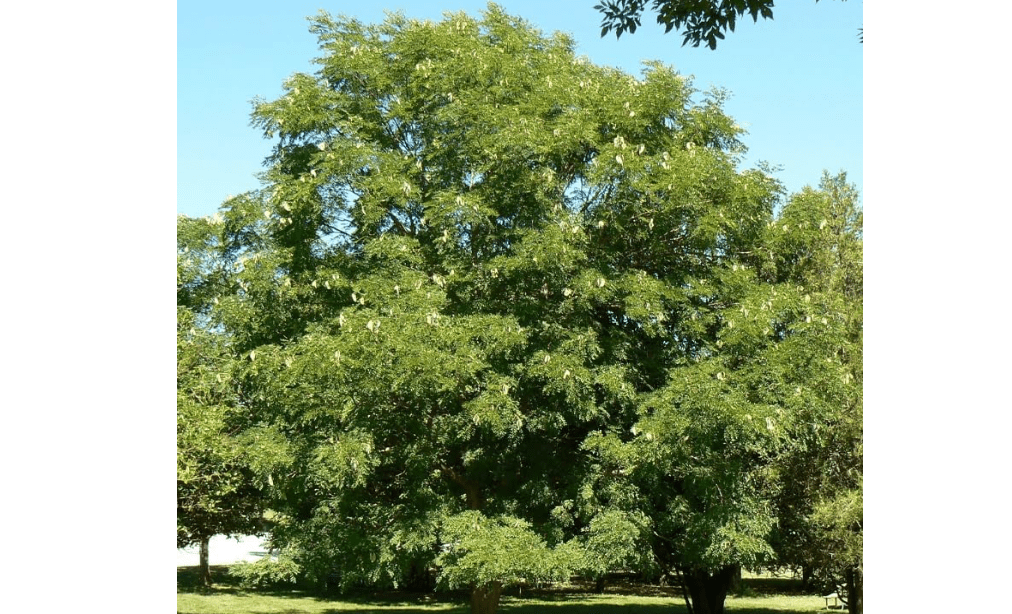
1. Kentucky Coffeetree (Gymnocladus dioicus)
If your yard suffers from aggressively high pH levels and poor soil, the Kentucky Coffeetree is your ultimate problem solver. Renowned for its incredibly rugged constitution, this tree boasts massive, double-compound leaves that give it an almost tropical appearance in the summer. In winter, its deeply furrowed bark and bold, architectural branches create a stunning silhouette against the snowy Utah sky.
Price:
Key Features & Benefits:
-
Exceptional Adaptability: Laughs off high alkalinity, pollution, and severe drought once established.
-
Deep Taproot: Safely anchors the tree against heavy canyon winds without destroying nearby sidewalks.
-
Unique Foliage: Leaves emerge late in the spring with a pinkish tint, turning dark blue-green in summer, and golden yellow in the fall.
Pros and Cons:
-
Pros: Virtually immune to disease and pests; thrives in the worst soil Utah has to offer.
-
Cons: Female trees drop large seed pods (look for a male cultivar like ‘Espresso’ to avoid this entirely).
Amazon Ratings and Reviews: Customers rave about the health of the live saplings upon arrival, frequently praising how quickly the root systems adapt to rocky, uncompromising ground after unboxing.
Why it’s a good choice for Utah: Specifically recommended by the USU Extension, it is uniquely equipped to handle both the freezing winters of Zone 4 and the blistering, dry heat of late July without needing constant pampering.
Ideal Use Case: Homeowners seeking a bold, long-lived landscape statement with incredibly low long-term water and maintenance requirements.
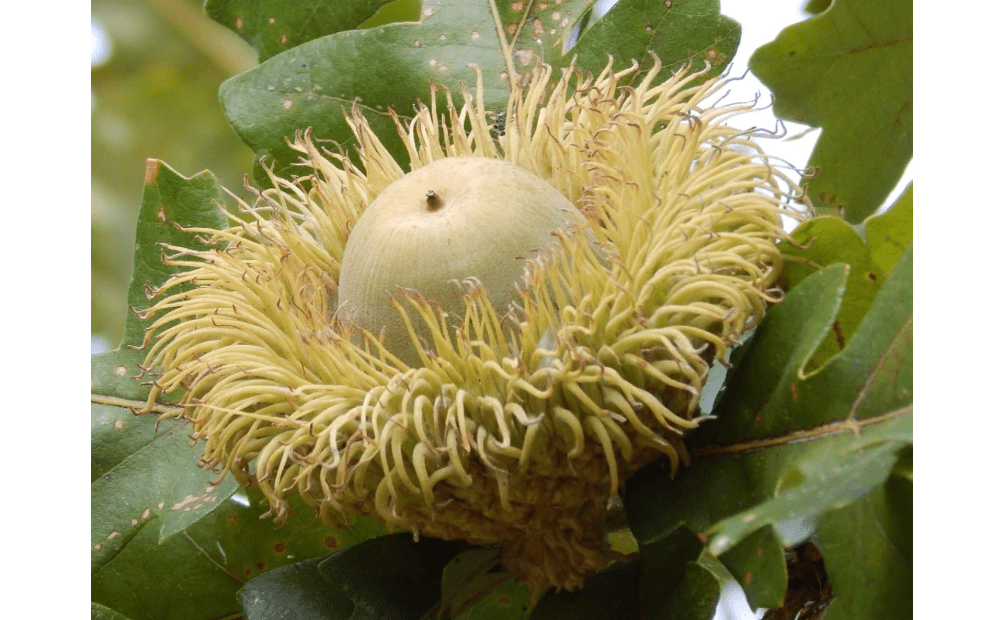
2. Bur Oak (Quercus macrocarpa)
For those looking to plant a true generational legacy, the Bur Oak stands unchallenged. This massive, majestic tree produces a sprawling, rounded canopy that casts deep, cooling shade over large areas. Known for its thick, cork-like bark that evolved to survive prairie fires, this oak is practically indestructible once it takes root in your yard.
Price:
Key Features & Benefits:
-
Massive Canopy: Can reach up to 80 feet tall and wide at maturity, shading entire homes.
-
Wildlife Magnet: Produces large, fringed acorns that attract and support local birds and squirrels.
-
Iron-Clad Constitution: Highly resistant to city smog, road salt, and harsh winter freezes.
Pros and Cons:
-
Pros: Top-tier cold hardiness; deeply tap-rooted so it won’t heave driveways; exceptional drought tolerance.
-
Cons: It is a slow grower—you are planting this for your children and grandchildren.
Amazon Ratings and Reviews: Verified buyers consistently highlight the careful packaging from Amazon sellers and are highly satisfied with the vigorous, healthy green leafing that occurs shortly after planting.
Why it’s a good choice for Utah: Unlike other oaks that suffer from severe iron chlorosis, the Bur Oak naturally thrives in alkaline soils and completely shrugs off extreme temperature swings from -20°F to 105°F.
Ideal Use Case: Families with large backyards who want a permanent, monumental shade tree that will increase property value for decades.
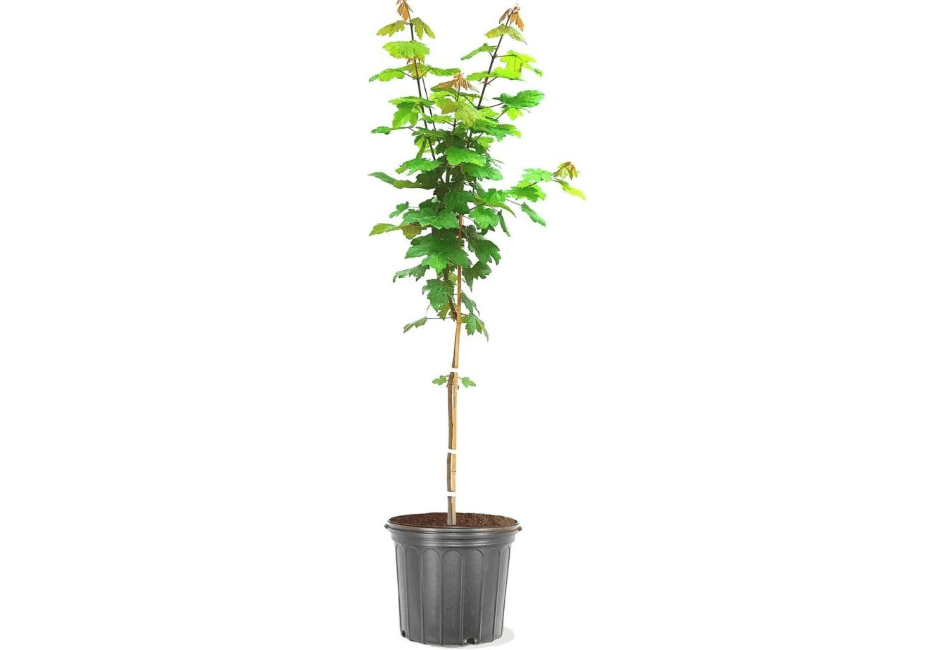
3. Autumn Blaze Maple (Acer x freemanii)
If patience isn’t your strong suit and you want a spectacular yard now, the Autumn Blaze Maple is a showstopper. A wildly popular hybrid between the Red and Silver Maples, it combines rapid vertical growth with some of the most vibrant, fiery red autumn foliage available anywhere.
Price:
Key Features & Benefits:
-
Rapid Growth: Capable of growing up to 3 feet per year under optimal conditions.
-
Symmetrical Shape: Naturally forms a dense, beautiful oval canopy with very little pruning required.
-
Clean Landscape: It is nearly seedless, saving you hours of raking helicopter seeds in the spring.
Pros and Cons:
-
Pros: Provides fast, dense shade; unparalleled fall color; excellent cold tolerance.
-
Cons: In extremely alkaline Utah soils, it may require occasional iron chelate treatments to prevent the leaves from turning yellow (chlorosis).
Amazon Ratings and Reviews: Shoppers frequently leave 5-star reviews specifically praising the tree’s explosive growth rate during its first two seasons in the ground.
Why it’s a good choice for Utah: It perfectly handles the dramatic temperature swings of the Wasatch Front and provides a much-needed burst of dramatic New England-style color to the Mountain West landscape.
Ideal Use Case: Impatient gardeners and new-build homeowners who want fast shade and undeniable autumn curb appeal.
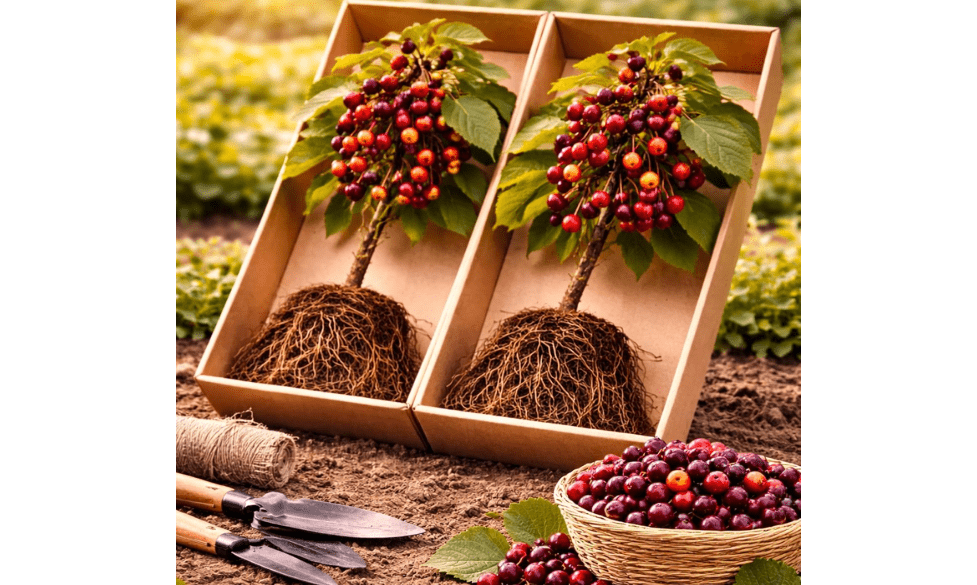
4. Common Hackberry (Celtis occidentalis)
Often called the unsung hero of challenging climates, the Common Hackberry is a rugged survivor. It develops a gorgeous, vase-shaped cylindrical canopy and features highly textured, corky bark that adds visual interest year-round. If you have an area of your yard where nothing else seems to grow, the Hackberry will happily call it home.
Price:
Key Features & Benefits:
-
Extreme Soil Tolerance: Thrives in poor, compacted, rocky, and heavily alkaline dirt.
-
Wind Resistance: Deeply anchored roots and strong branching make it highly resistant to wind and ice damage.
-
Ecological Value: Produces small, dark red berries in the fall that are highly prized by wintering songbirds.
Pros and Cons:
-
Pros: Requires almost no supplemental watering once established; very low maintenance.
-
Cons: Prone to a harmless cosmetic issue called “nipple gall” on the leaves, which affects appearance but not the health of the tree.
Amazon Ratings and Reviews: Customers frequently note the tree’s incredible survival rate. Many reviews highlight how the sapling bounced back vigorously even after periods of accidental neglect.
Why it’s a good choice for Utah: Native to regions with irregular rainfall, it is considered one of the absolute best water-wise choices for Utahns actively trying to reduce their summer irrigation footprint.
Ideal Use Case: Homeowners dedicated to xeriscaping or anyone fighting poor, heavily compacted topsoil left behind by new construction.
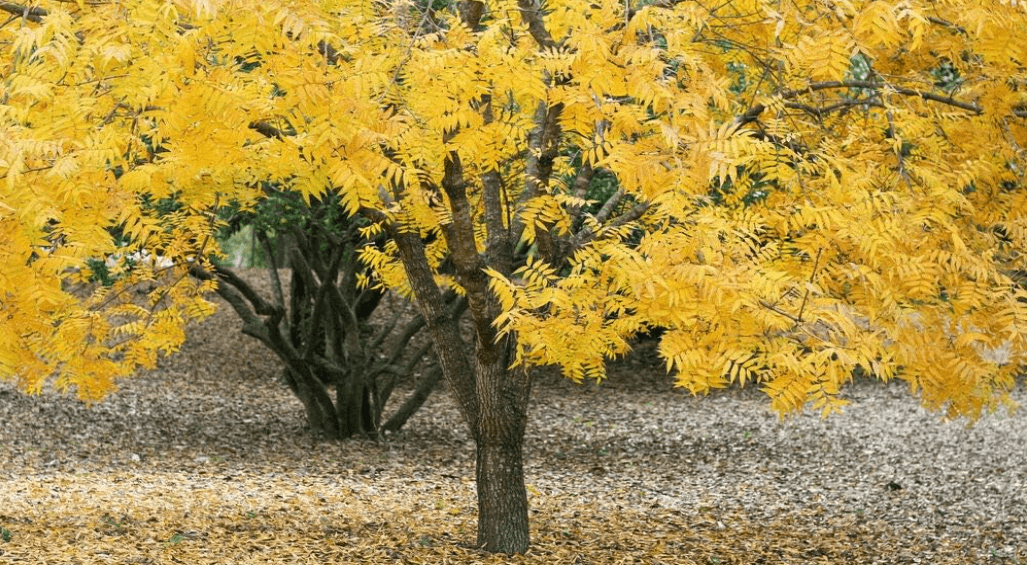
5. Thornless Honeylocust (Gleditsia triacanthos inermis)
If you love having a lush, green lawn but still want the cooling benefits of a tree canopy, the Thornless Honeylocust is a brilliant compromise. Unlike dense maples or oaks that cast a heavy, dark shadow (often killing the grass beneath them), this tree features hundreds of tiny leaflets that cast a beautiful, dappled “filtered” shade. This allows enough sunlight to pass through to keep your turf healthy while still dramatically lowering the ambient temperature of your yard.
Price:
Key Features & Benefits:
-
Zero Fall Raking: The tiny leaflets simply blow away or easily compost directly into your lawn—no heavy raking required.
-
Deep Root System: Safely coexists with patio pavers, sidewalks, and driveways without causing surface damage.
-
Lawn Compatibility: The open canopy design ensures that turfgrass or shade-tolerant garden beds can thrive directly underneath.
Pros and Cons:
-
Pros: Highly drought and salt tolerant; totally unbothered by Utah’s highly alkaline soil; fast grower.
-
Cons: Can be susceptible to certain borers if the tree is heavily stressed by extreme, prolonged drought without supplemental watering.
Amazon Ratings and Reviews: Reviewers love the hassle-free nature of this tree. Many verified purchasers specifically mention their relief at skipping the exhaustive fall cleanup that larger-leafed trees demand.
Why it’s a good choice for Utah: It significantly reduces your landscape’s overall irrigation requirements once established and laughs off the high-pH soils found throughout the Wasatch Front.
Ideal Use Case: Planting near patios, right next to the street, or in the center of a prized lawn where you want cooling shade without sacrificing the grass.
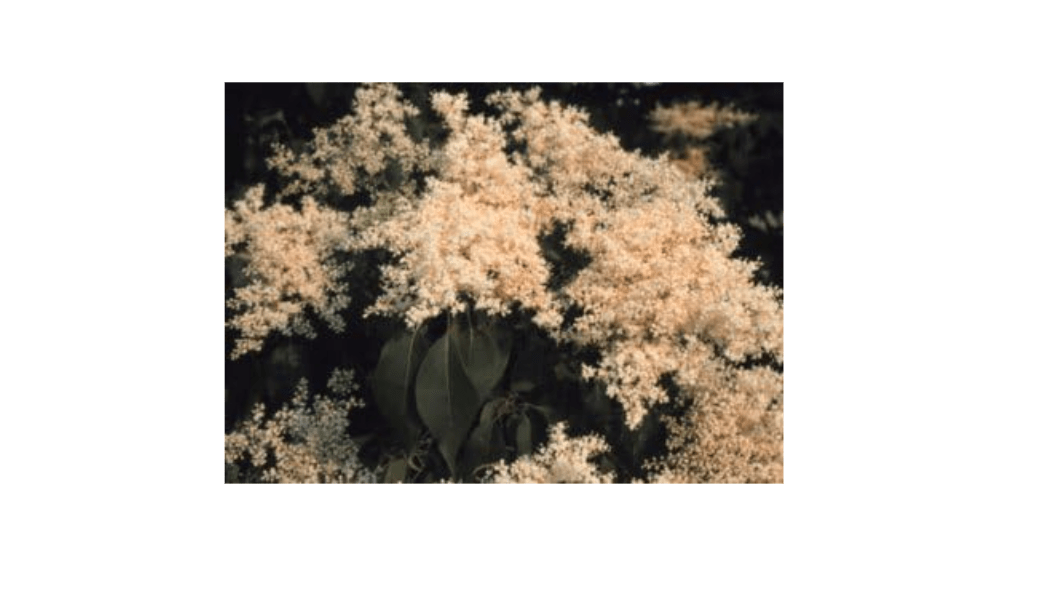
6. Japanese Tree Lilac (Syringa reticulata)
Not every yard has the space for a massive 60-foot oak. If you need a smaller, highly ornamental shade tree that fits neatly into a compact landscape, the Japanese Tree Lilac is phenomenal. Exploding with massive, incredibly fragrant, creamy-white flower clusters in early summer (weeks after most other spring trees have finished blooming), it acts as a stunning focal point for any property.
Price: $6.00
Key Features & Benefits:
-
Showy Summer Blooms: Produces foot-long flower panicles that fill the yard with a sweet, intoxicating scent.
-
Year-Round Interest: Features beautiful, reddish-brown bark that resembles a cherry tree, providing visual appeal even in the dead of winter.
-
Compact Footprint: Maxes out at around 20 to 30 feet, making it completely safe to plant near homes or under utility lines.
Pros and Cons:
-
Pros: Fits perfectly in tight urban spaces; virtually immune to the powdery mildew that plagues shrub lilacs; highly cold-resistant.
-
Cons: Because of its smaller stature, it won’t provide the massive, sweeping shade footprint of a larger canopy tree.
Amazon Ratings and Reviews: Buyers are consistently thrilled with the fragrance and the high survival rate of the saplings. Many report blooms appearing within the first two years of planting.
Why it’s a good choice for Utah: Highly recommended by the USU Extension for its superb cold hardiness (Zone 3) and its excellent performance in Utah’s specific micro-climates.
Ideal Use Case: Smaller front yards, courtyard gardens, lining a driveway, or planted strategically outside a bedroom window to catch the summer breeze.
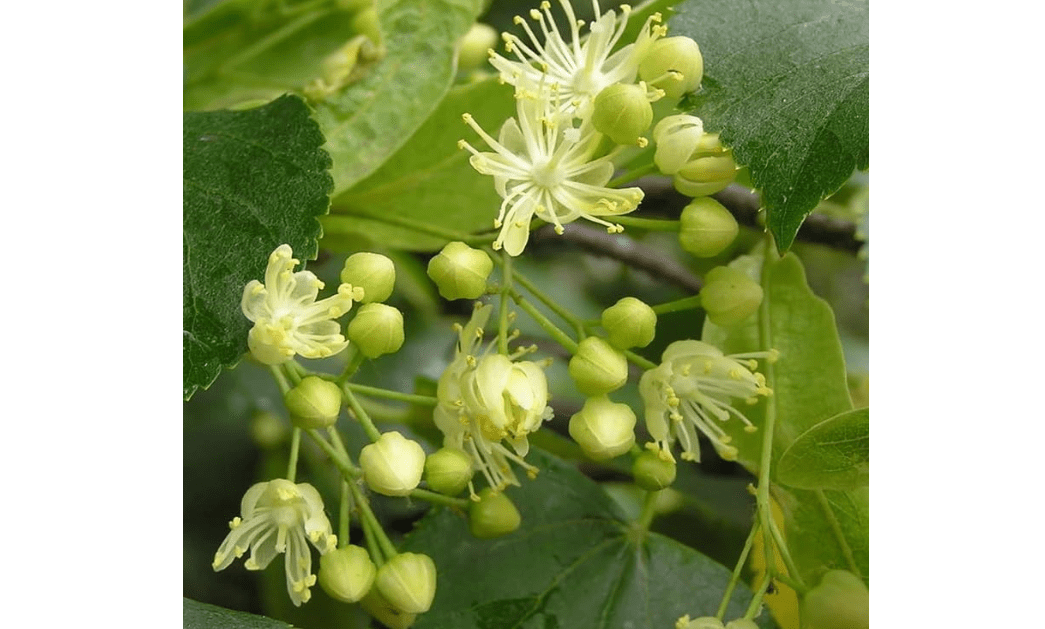
7. Littleleaf Linden (Tilia cordata)
For those who prefer a neat, formal, and highly symmetrical landscape, the Littleleaf Linden is an architectural masterpiece. It naturally grows into a perfect, dense pyramid shape that provides incredibly thick, cooling shade. In early summer, it produces clusters of small yellow flowers that are so sweet-smelling they attract pollinators from miles away.
Price: $54.00
Key Features & Benefits:
-
Dense Canopy: The tight branching structure and heart-shaped leaves create a solid wall of shade.
-
Aromatic Flowers: Blooms produce a heavenly scent and are a favorite for local honeybees.
-
Uniform Growth: Maintains a beautiful, manicured teardrop or pyramidal shape with almost zero pruning required.
Pros and Cons:
-
Pros: Excellent structural form; tolerates urban pollution and poor soils exceptionally well.
-
Cons: Can occasionally attract aphids in late summer, which secrete a sticky honeydew (avoid planting directly over a parked car).
Amazon Ratings and Reviews: Customers consistently highlight the beautiful, uniform shape of the tree upon arrival and praise its steady, reliable growth rate.
Why it’s a good choice for Utah: Very cold hardy and deeply tolerant of the alkaline, clay-heavy soils often found in Utah’s valley floors.
Ideal Use Case: Lining a long driveway, framing the corners of a home, or creating a formal, upscale landscape design.
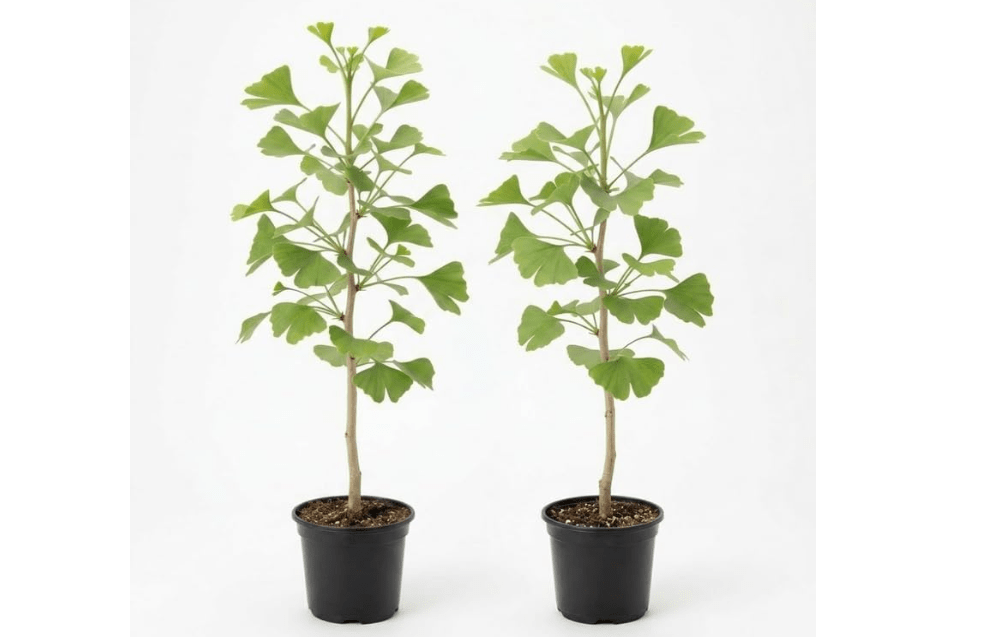
8. Ginkgo Biloba (Maidenhair Tree)
The Ginkgo Biloba is a literal living fossil, surviving since the time of the dinosaurs. It features incredibly unique, fan-shaped green leaves that transform into a stunning, radioactive yellow in the autumn. When the leaves finally drop, they fall almost simultaneously, creating a breathtaking golden carpet around the base of the tree.
Price: $42.39
Key Features & Benefits:
-
Unmatched Longevity: Can easily live for centuries; completely immune to almost all known diseases and pests.
-
Unique Foliage: The distinctive fan-shaped leaves are unlike any other shade tree on the market.
-
Brilliant Fall Color: Provides one of the most reliable and intense yellow autumn displays of any tree species.
Pros and Cons:
-
Pros: Requires zero chemical treatments; highly tolerant of urban smog, salt, and heat; deeply tap-rooted.
-
Cons: Very slow-growing. Also, female trees produce messy, foul-smelling fruit (Always ensure you are purchasing a guaranteed male clone, like ‘Autumn Gold’, which Amazon sellers typically provide).
Amazon Ratings and Reviews: Reviewers love the historical novelty of the tree and frequently mention how well the uniquely shaped leaves are packaged for safe transit.
Why it’s a good choice for Utah: Thrives effortlessly in high-pH alkaline soils and requires very little supplemental water once its deep root system is established.
Ideal Use Case: Gardeners looking for a unique, conversational showpiece that requires absolutely zero maintenance over its long lifespan.
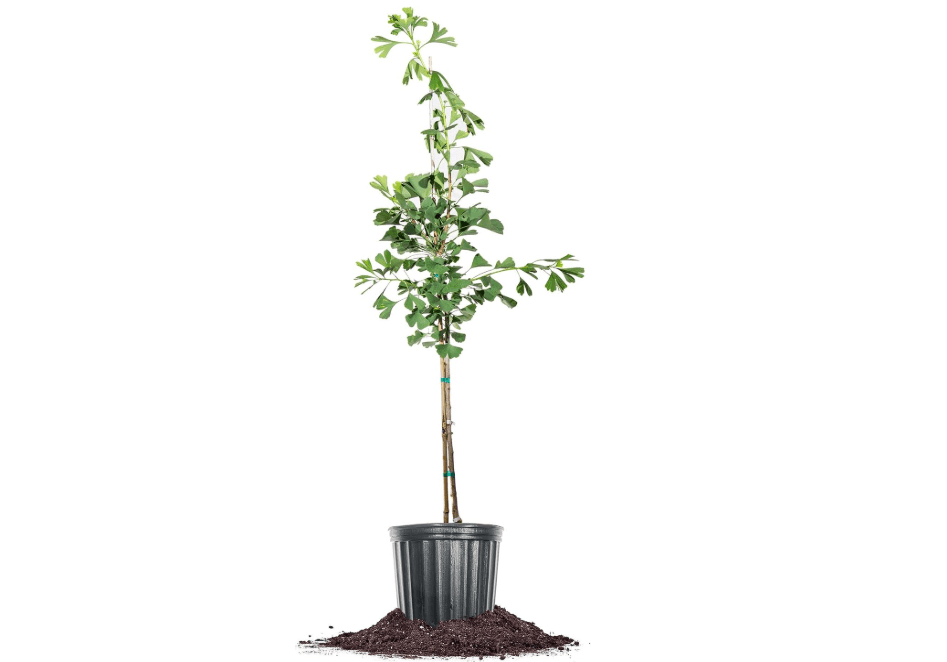
9. Tulip Tree (Liriodendron tulipifera)
If you want towering height and rapid shade, the Tulip Tree is a majestic option. Named for its large, unique leaves and the spectacular green, yellow, and orange tulip-shaped flowers it produces in late spring, this tree is a true powerhouse of growth.
Price:
Key Features & Benefits:
-
Rapid Vertical Growth: Can shoot up incredibly fast, eventually reaching 70 to 90 feet in height.
-
Exotic Blooms: The tulip-shaped flowers are gorgeous, large, and highly attractive to hummingbirds.
-
Unique Leaf Shape: The four-lobed, star-like leaves are distinct and turn a beautiful golden-yellow in the fall.
Pros and Cons:
-
Pros: Very fast shade producer; beautiful and unique floral display; incredibly straight trunk.
-
Cons: Needs more consistent summer watering than oaks or hackberries; branches can be somewhat brittle in extremely heavy, wet snowstorms.
Amazon Ratings and Reviews: Buyers are highly enthusiastic about the rapid height progression, with many noting their saplings doubled in size within a few short seasons.
Why it’s a good choice for Utah: Great for the sheltered valleys of Utah where homeowners have access to irrigation and can provide consistent summer water to support its rapid growth.
Ideal Use Case: Large properties or wide-open backyards that need immediate vertical presence and a pop of unique spring color.
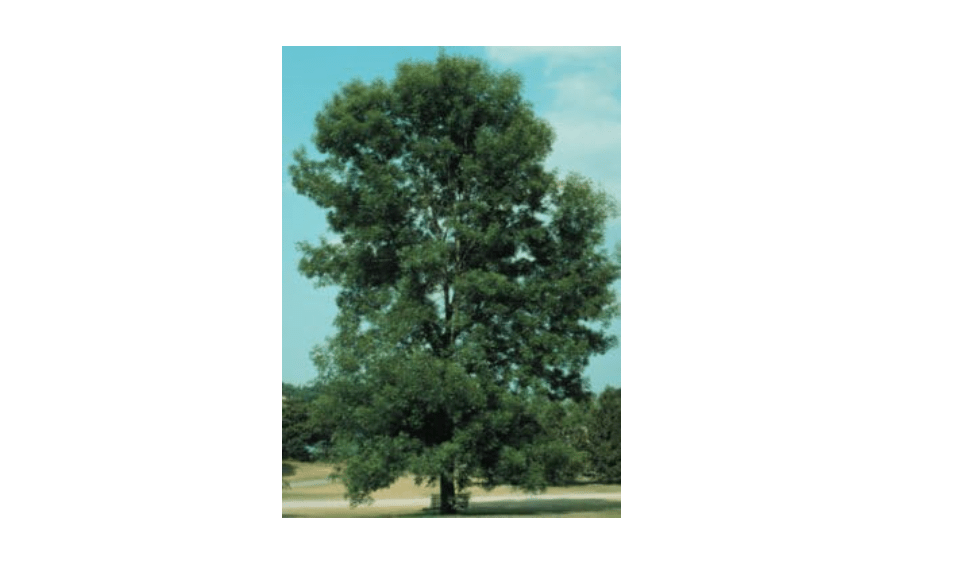
10. Green Ash (Fraxinus pennsylvanica)
The Green Ash is the quintessential, sturdy, reliable classic of the American West. It establishes itself incredibly fast and provides a broad, beautifully rounded crown of dense shade. If you are struggling with a yard that consists entirely of hard, compacted clay left over from home construction, the Green Ash is tough enough to push through it.
Price:
Key Features & Benefits:
-
Incredible Adaptability: Grows vigorously in almost any soil condition, from wet areas to parched clay.
-
Fast Establishment: Roots take hold quickly, minimizing the shock of transplanting.
-
Reliable Shade: Creates a wide, symmetrical canopy that reliably cools down large properties.
Pros and Cons:
-
Pros: Decades of proven reliability in the Mountain West; beautiful yellow fall foliage.
-
Cons: Homeowners must be willing to monitor for local threats like the Emerald Ash Borer, though preventive soil drenches are highly effective.
Amazon Ratings and Reviews: Customer success stories focus heavily on the tree’s rapid establishment, specifically in newly built subdivisions where topsoil was stripped away.
Why it’s a good choice for Utah: It is a proven survivor. For decades, it has been a staple in Utah because it outright ignores high alkalinity and temperature extremes.
Ideal Use Case: New construction homes with terrible soil needing a guaranteed survivor to get the landscape started.
V. Buying Guide: How to Buy Live Trees on Amazon Successfully
Ordering a live tree online might seem intimidating, but Amazon’s network of premium nursery partners makes it surprisingly easy and highly cost-effective. Here is how to ensure a successful purchase:
-
Check the Shipping Size and Style: Read the listing carefully to see if the tree is shipping “Bare-Root” (dormant, without soil, usually cheaper and highly successful) or “Potted” (in a container with soil). Expect online saplings to arrive between 2 and 4 feet tall—the perfect size to prevent transplant shock.
-
Timing Your Purchase: Do not order a tree in the middle of a 105-degree July heatwave. For Utah, the best time to order and plant is early spring (just after the ground thaws) or early fall (September/October), which gives the roots time to establish before extreme weather hits.
-
Inspect Upon Arrival: Unbox your tree immediately. The roots should be slightly moist. You can perform a quick “scratch test” by gently scratching a tiny piece of bark with your fingernail—it should be bright green underneath. If the tree arrives damaged, Amazon’s robust return policies have you covered.
VI. Frequently Asked Questions
What is the fastest-growing shade tree for Utah? If speed is your primary goal, the Autumn Blaze Maple and the Tulip Tree are your best options. Both can grow several feet per year under the right conditions, providing rapid canopy coverage for sun-baked yards.
When is the best time to plant a tree in Utah? Early spring (March through early May) and early fall (September and October) are the ideal planting windows. Planting during these cooler months prevents the root system from drying out and eliminates the stress of the harsh summer sun.
How often should I water my new tree in the Utah summer? For the first two years, new trees need deep, infrequent watering to encourage deep root growth. During a Utah summer, apply a slow trickle with a hose at the base of the tree for about 45 minutes, 1 to 2 times a week. Avoid light, daily sprinkling, which creates weak, shallow roots.
VII. Conclusion & Final Recommendations
Thriving in the harsh, dry, and alkaline environment of the Mountain West is no small feat, but choosing the right species is half the battle. Whether you are looking for the rapid, fiery growth of the Autumn Blaze Maple, the indestructible nature of the Bur Oak, or the drought-busting resilience of the Common Hackberry, there is a perfect canopy waiting for your yard.
Review our list of the best 10 shade trees for utah one last time, consider your specific soil type and yard size, and click the links provided to check current Amazon stock and pricing. Planting a tree today is one of the smartest investments you can make—not only will it drastically lower your summer cooling bills, but it will transform your harsh, sunny yard into a cool, relaxing sanctuary for decades to come